

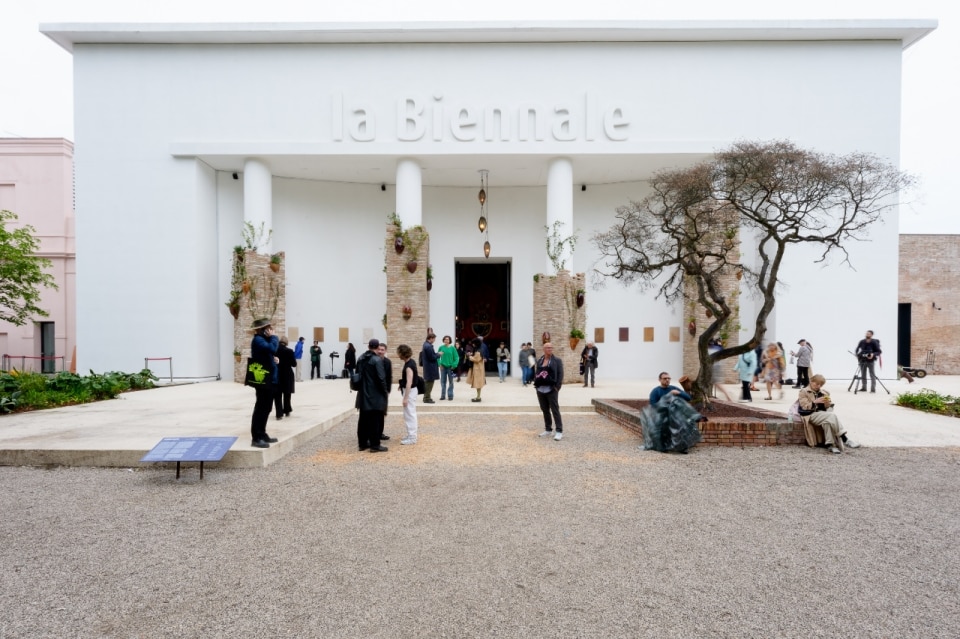
The Venice Biennale of contemporary art is opening these days. And controversies are raging: protests and sit-ins are multiplying, groups of demonstrators crowd in front of the pavilions of some nations, in the images broadcast by the media the Giardini are shrouded in the fog of smoke bombs, the avenues covered with flyers. The tone of the international press is alarmed, some catastrophic. But it is not bad news—on the contrary.
In these days of pre-opening reserved for art world professionals, before the assault of the public, attention inevitably focuses on “first impressions,” on preview reports, on immediate comments. Yet a labyrinthine and complex event like the Biennale requires time: time for visiting, reading, in-depth study, but also for experience. A time that, in this chaotic mess, is simply impossible to truly allow oneself.
Polemics as a device of art
 View gallery
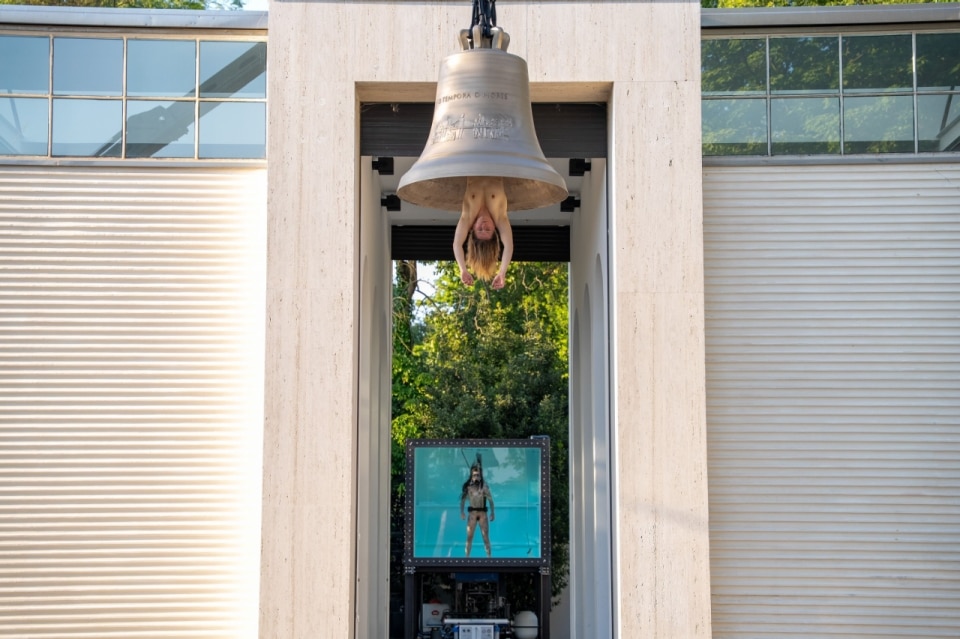



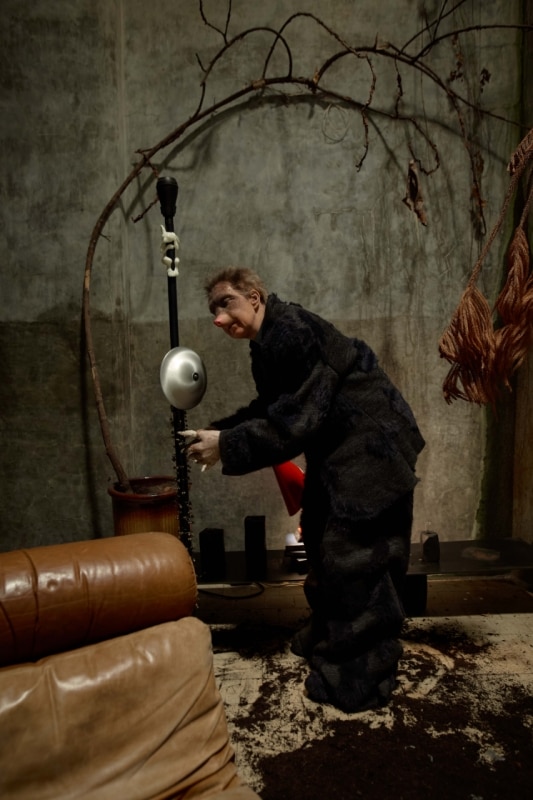
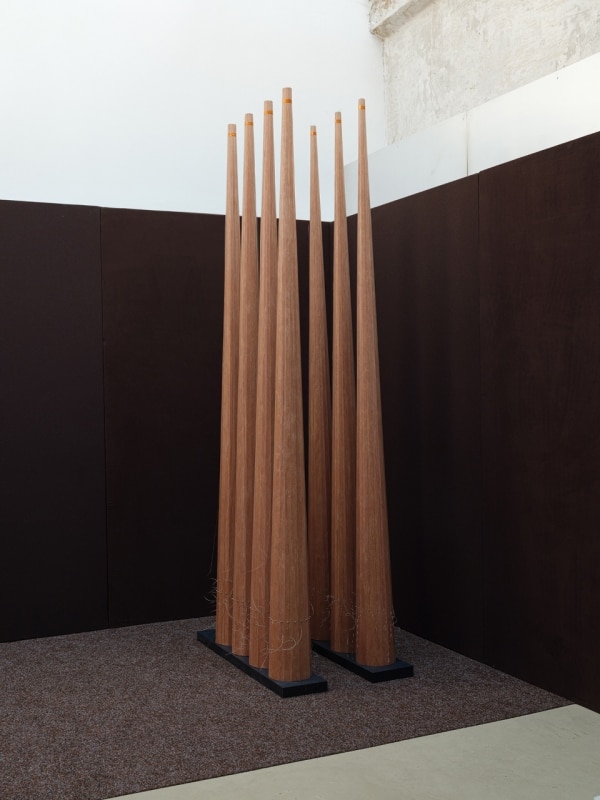
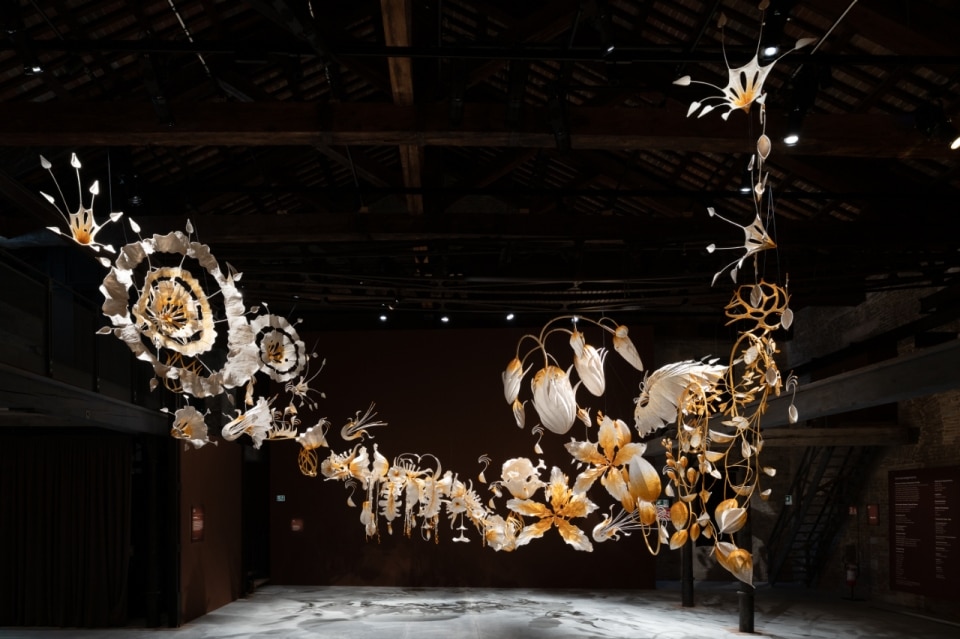
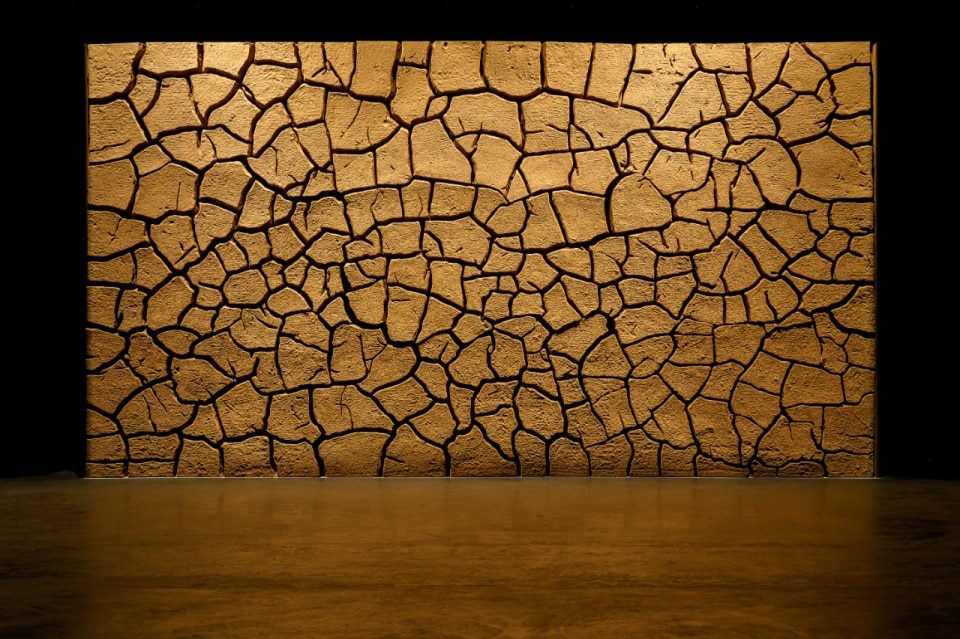
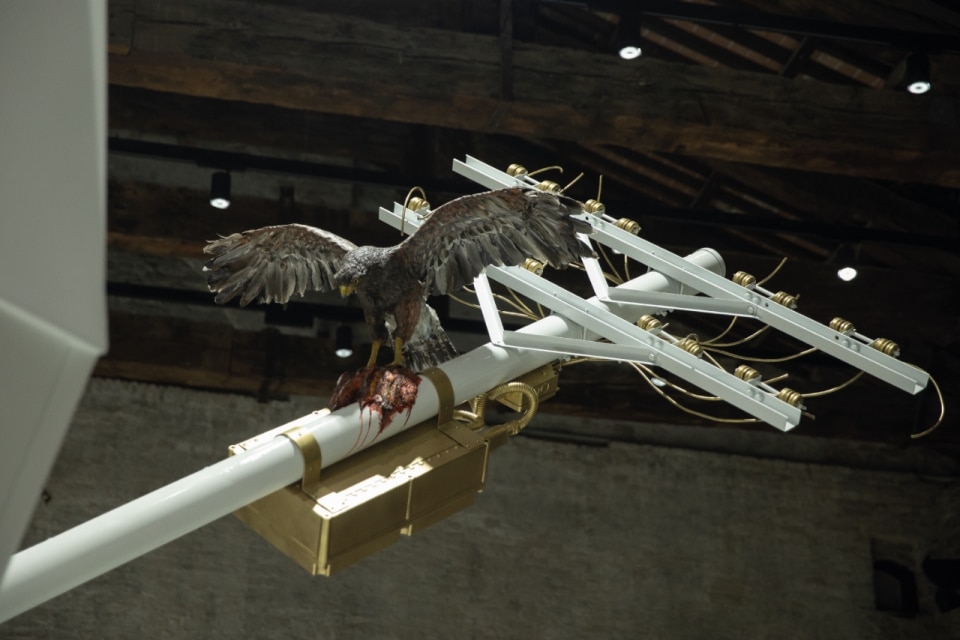
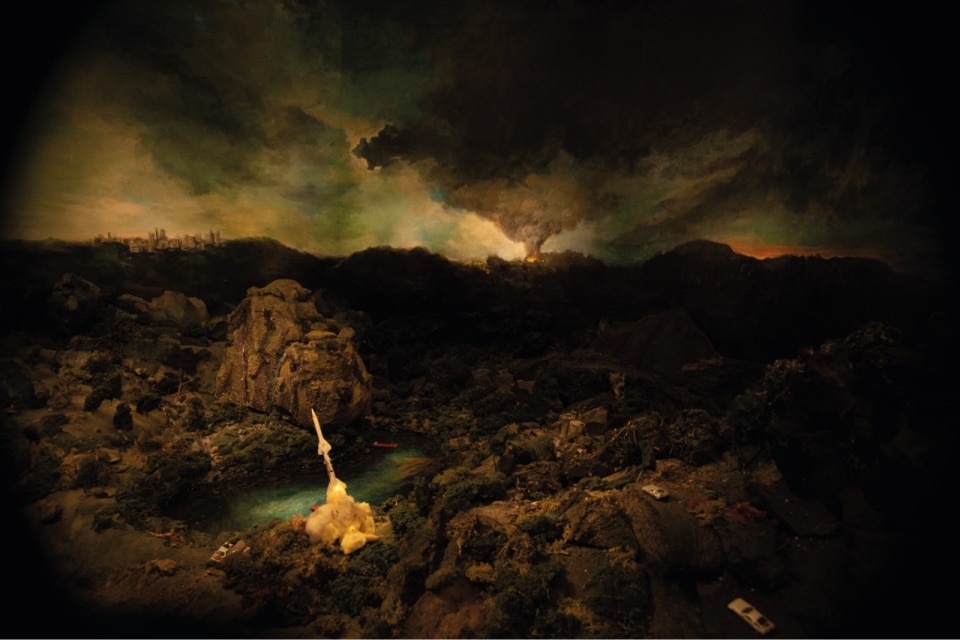
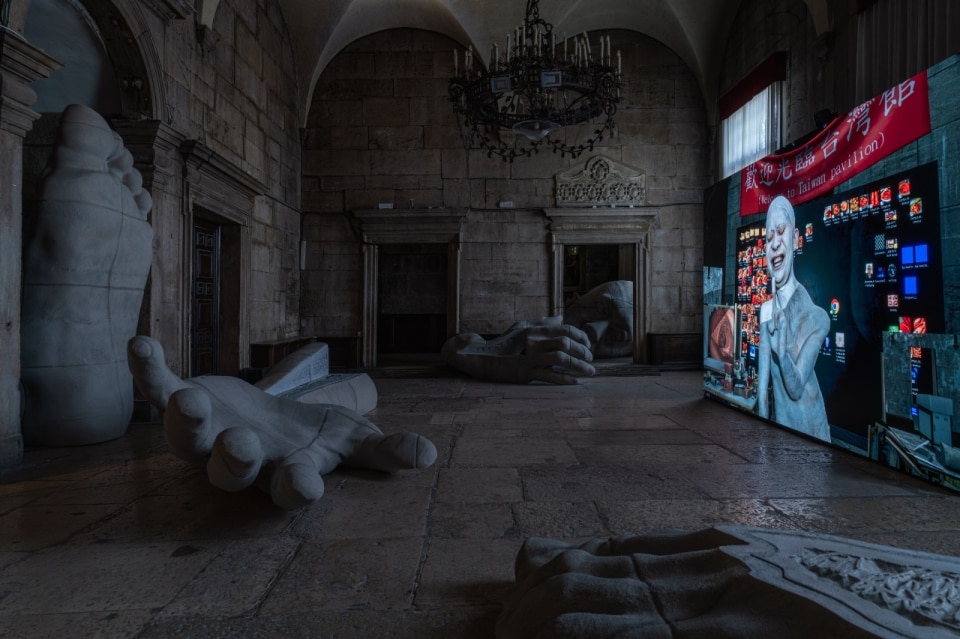
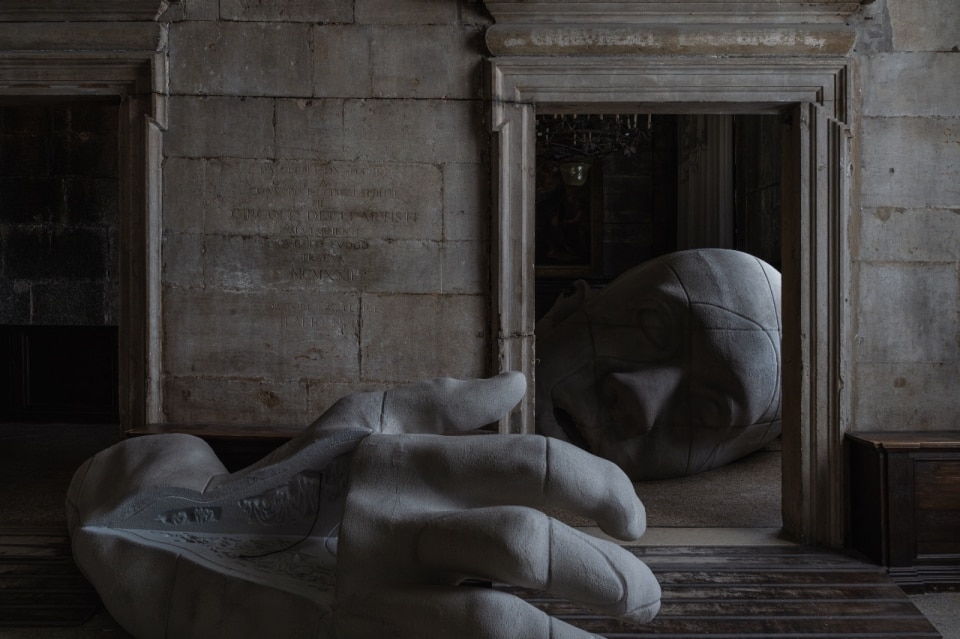

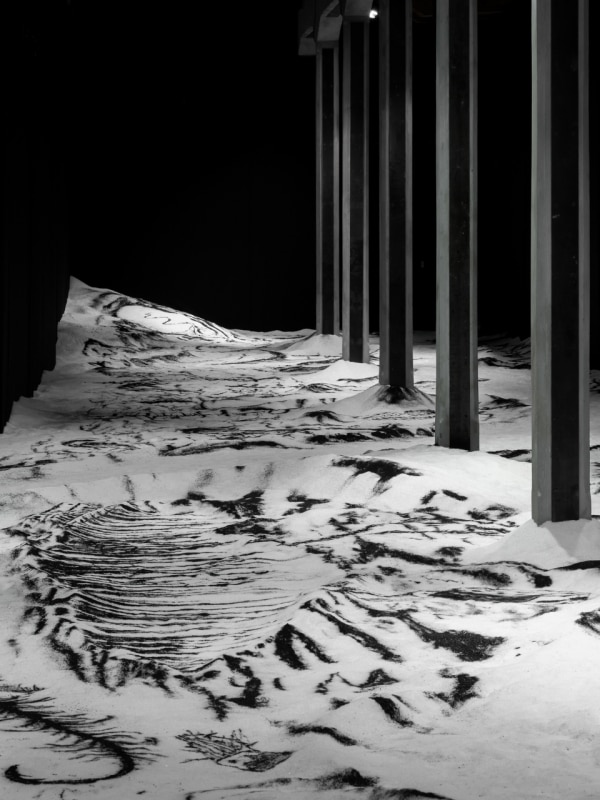
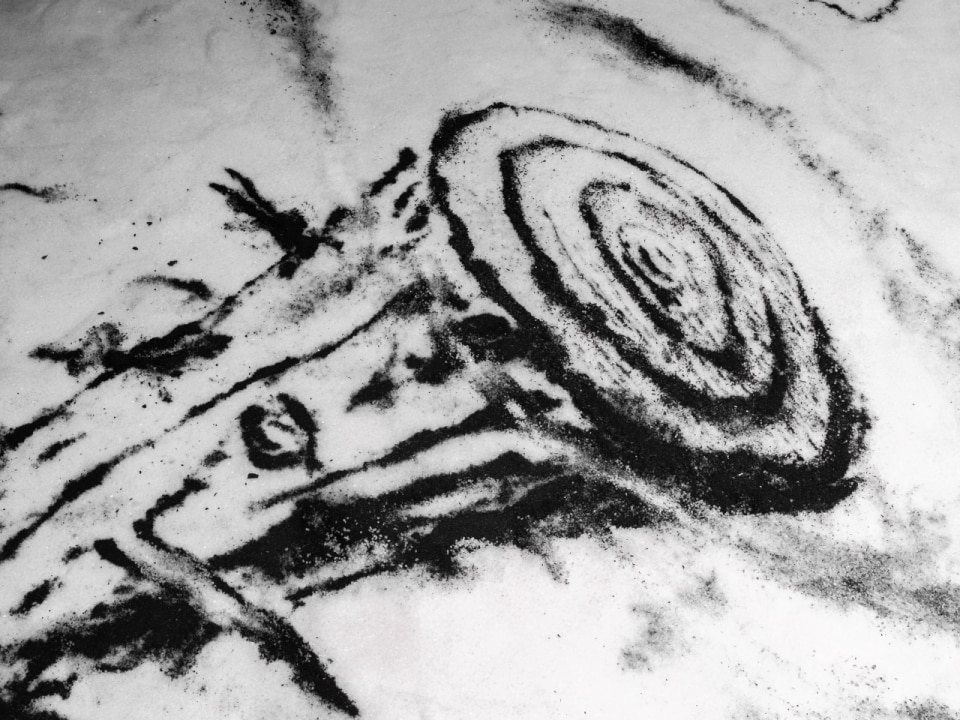
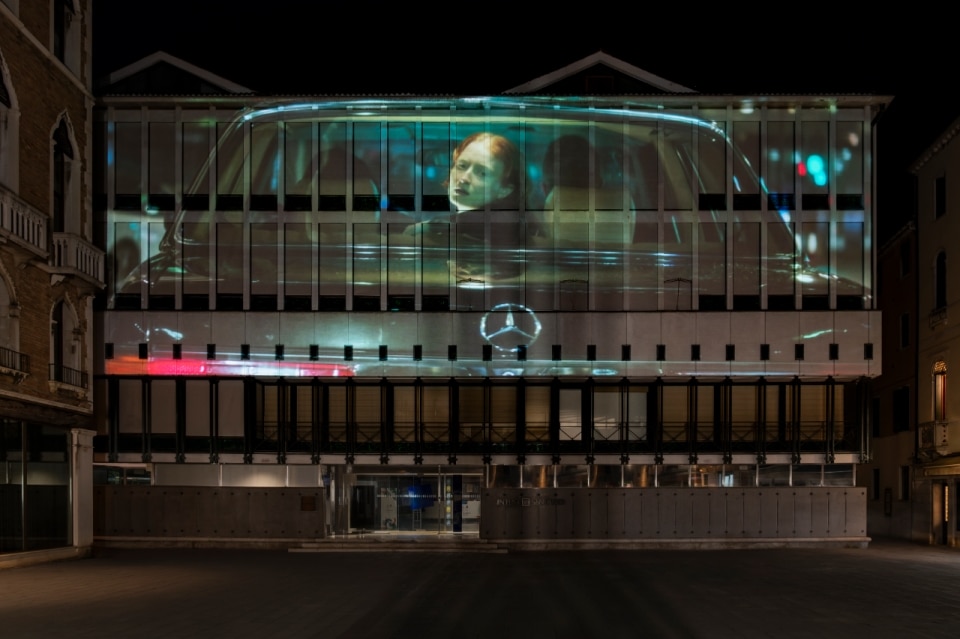
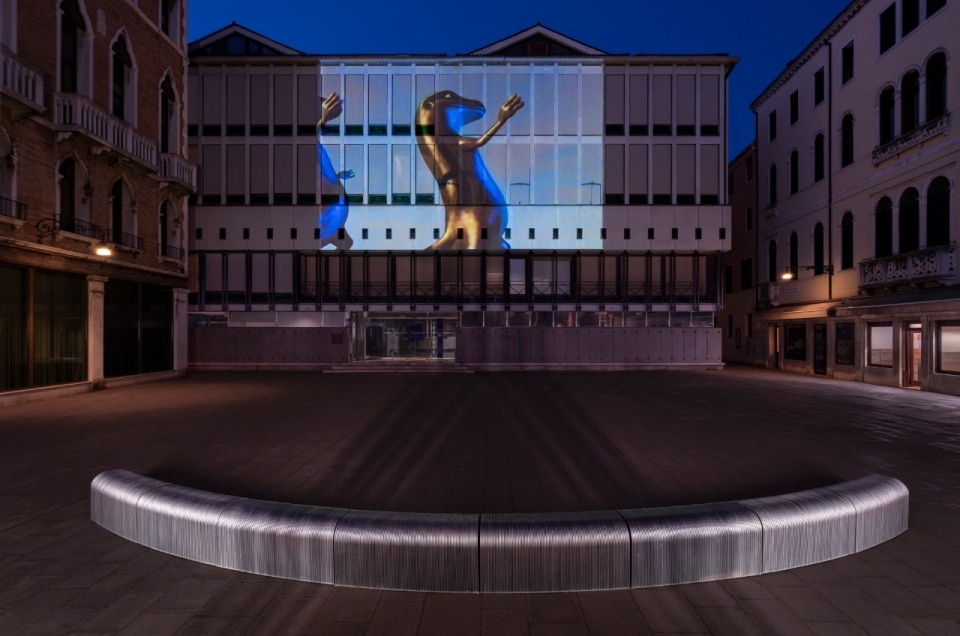
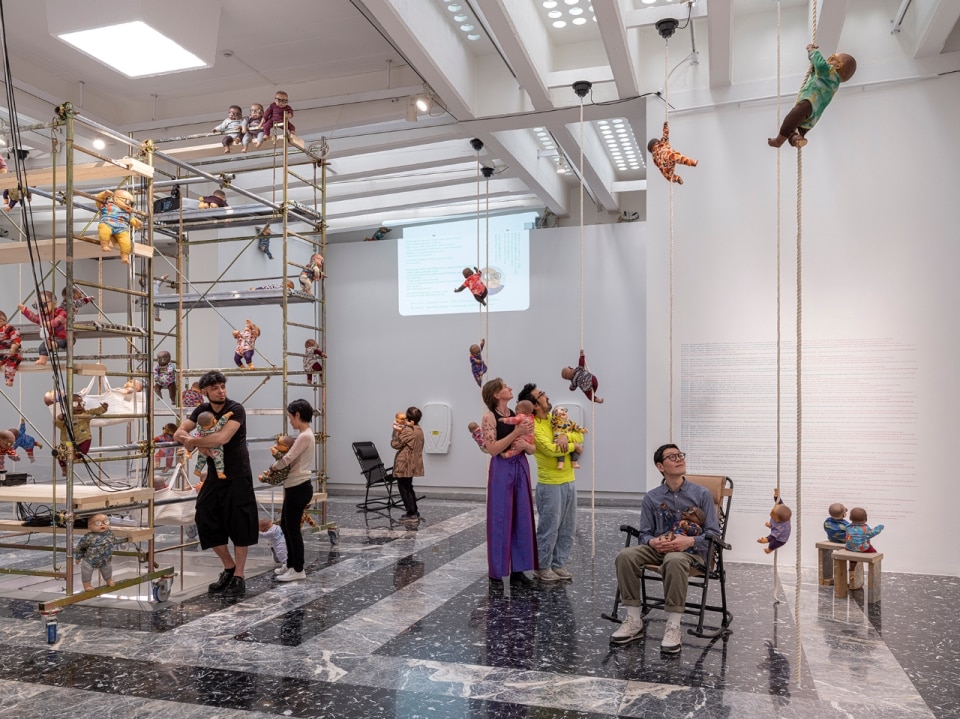
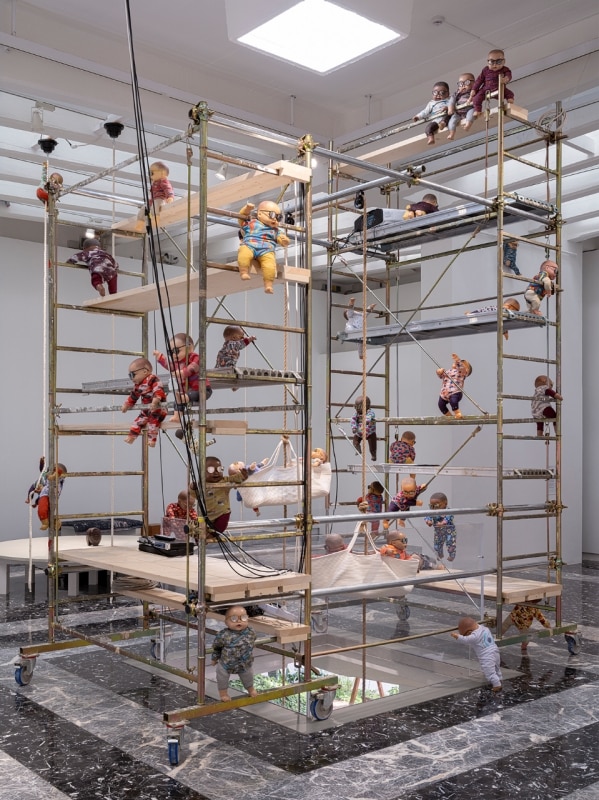

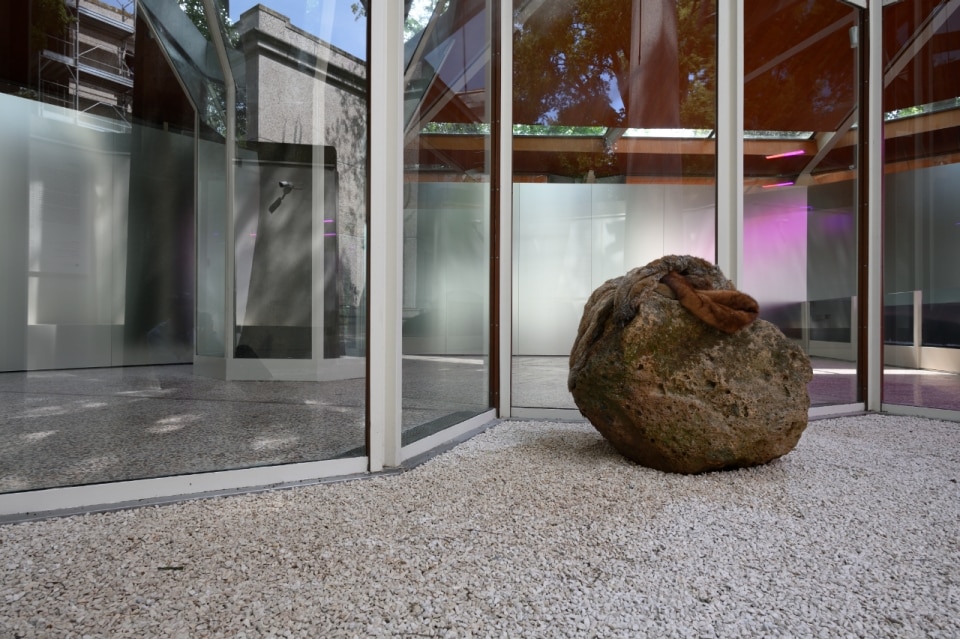
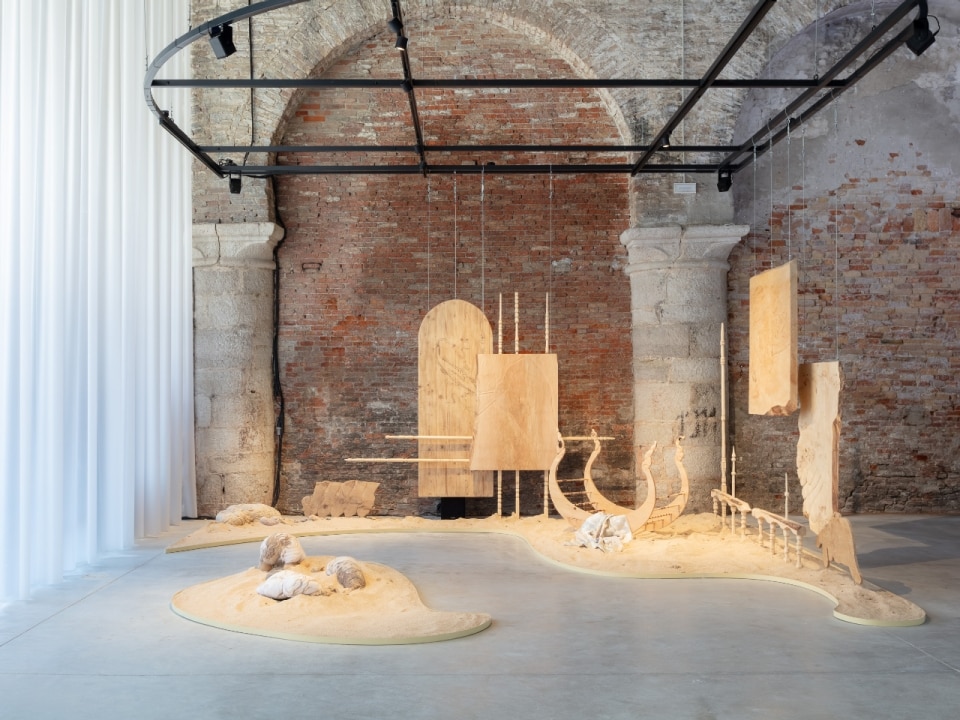
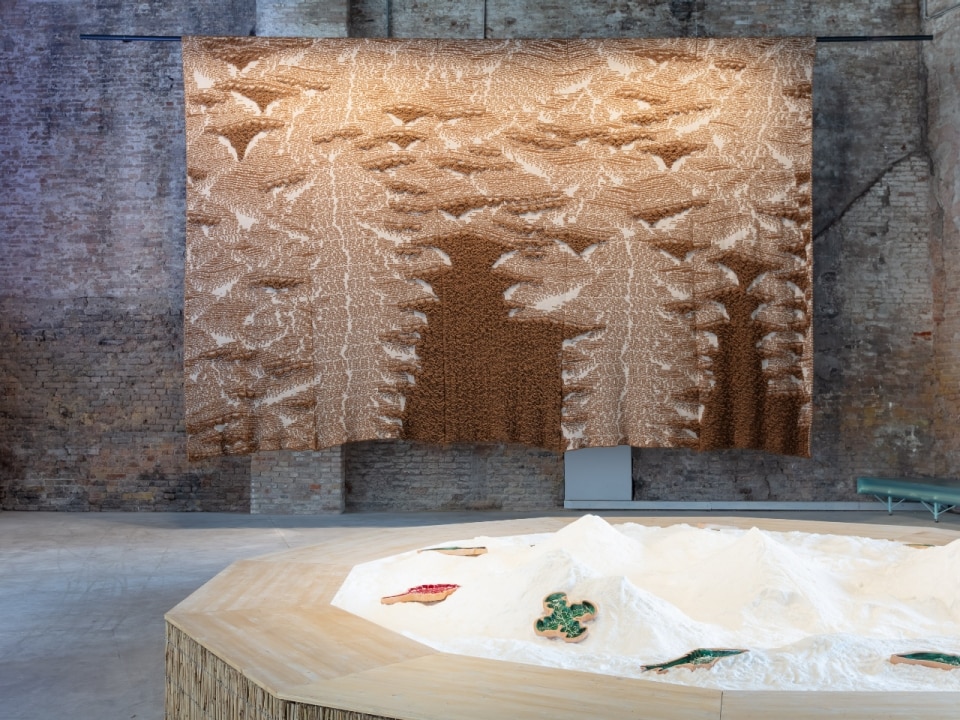
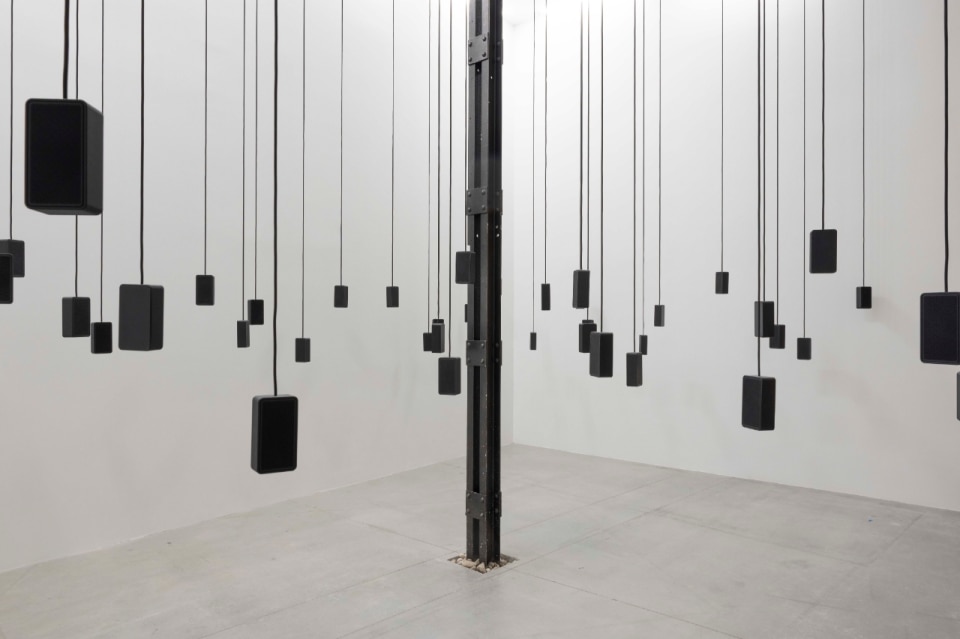
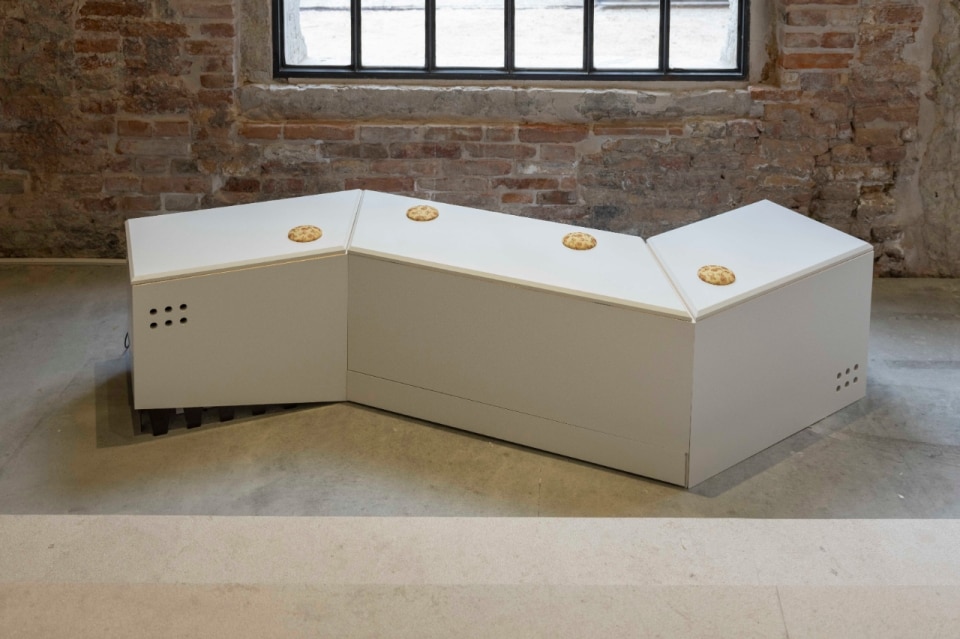

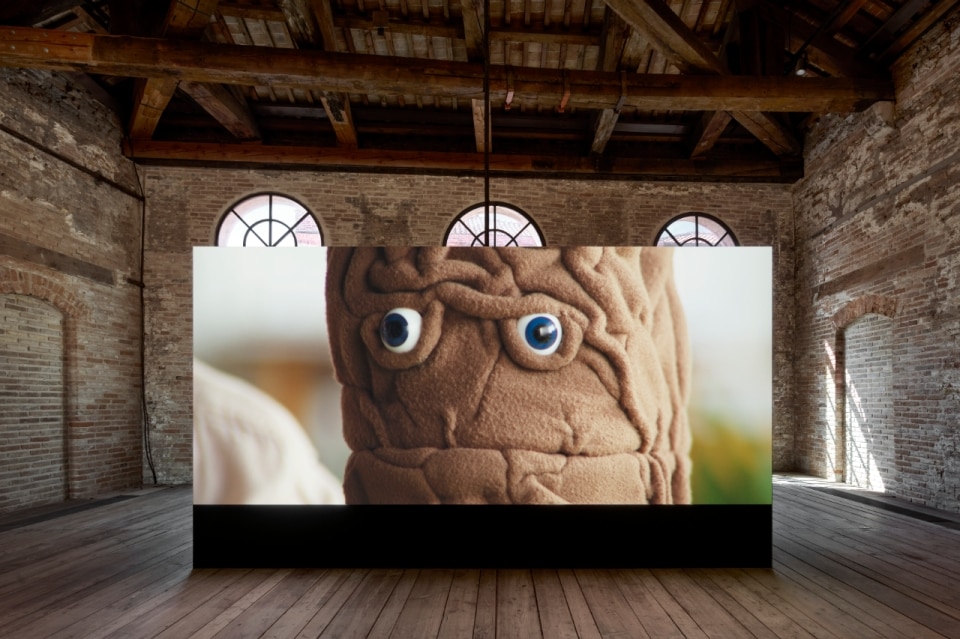
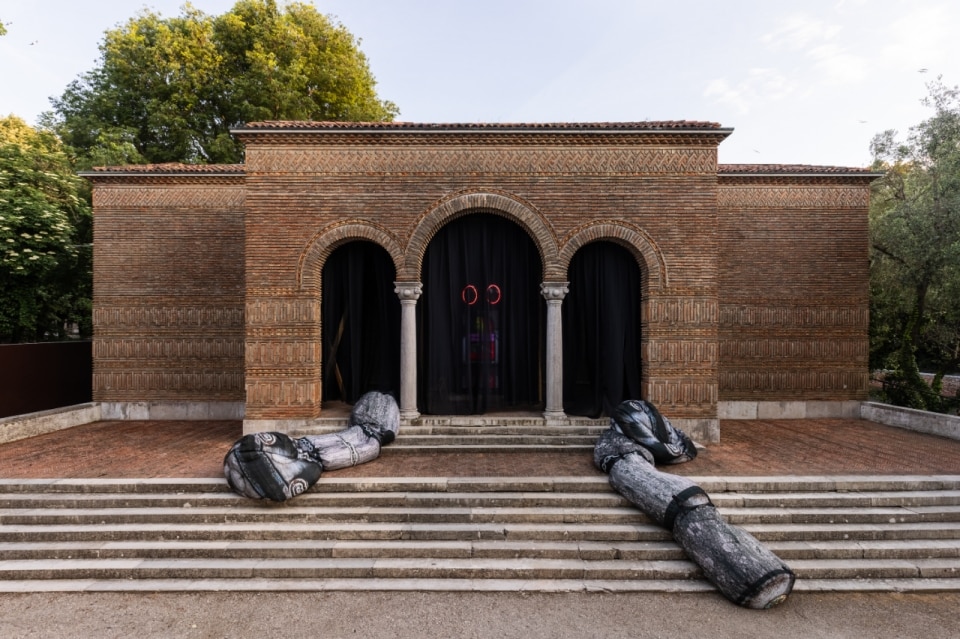
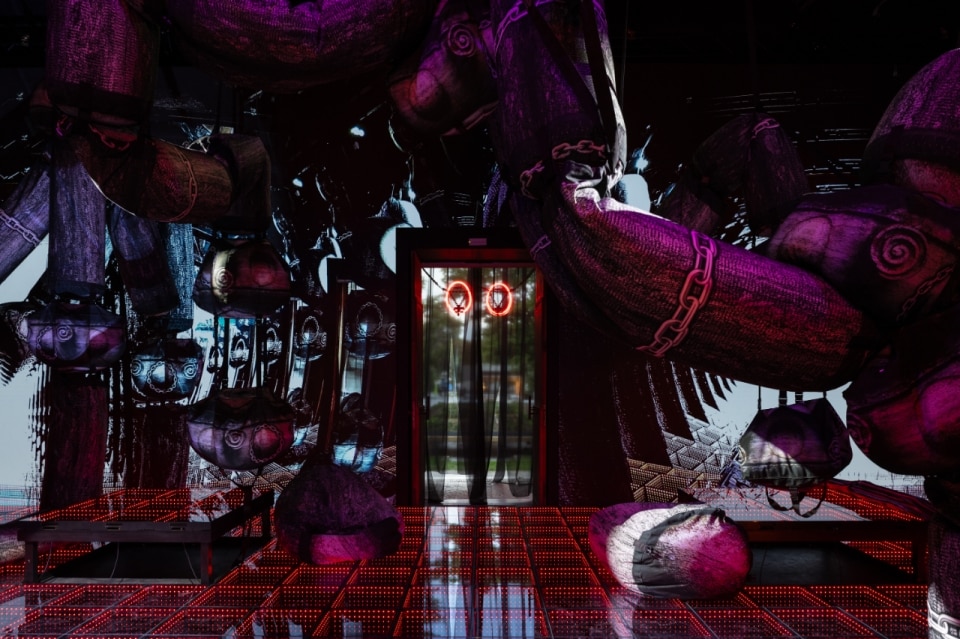
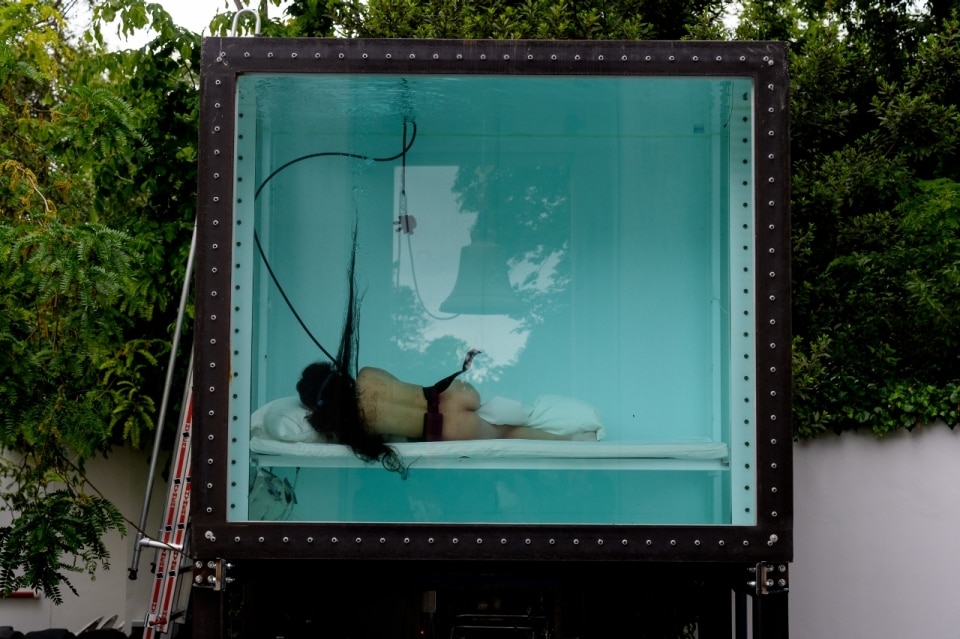
The overabundance of stimuli, the plethoric overlap of works and languages, hinder that concentration necessary to grasp the “minor keys” that the curator Koyo Kouoh, who passed away prematurely before completing her mandate, had wisely orchestrated. Thus, it is the polemic that takes over: it occupies minds, monopolizes conversations, orients gazes. In this Biennale, it is impossible not to talk about politics. And, indeed, it is not bad news. On the contrary.
The function of art is to show that society is still alive, that voices ‘in a minor key’ still have room to rise, despite multiple pressures and a climate of violence and repression.
The controversies igniting the opening of the Biennale reveal the strategic importance of this event, not only as a showcase of contemporary creation but above all as a leading geopolitical laboratory. The media attention that the event manages to catalyze shows that art still constitutes a living process, in contact with the transformations of the world, with its crises, its conflicts.
The function of art is to show that society is still alive, that voices “in a minor key” still have room to rise, despite the multiple pressures and a climate of violence and repression.
Without conflict there is no thought
Of course, the differences between the world of art and that of design are many: from the different involvement between public and private institutions, between State and industry, to the very functioning of markets and their systems of legitimation. If art still preserves, at least in part, a space of critical ambiguity and symbolic autonomy, design appears increasingly monopolized by the logic of production, branding, and industrial innovation.
The relationship with the public also changes radically: if art can afford uselessness, provocation, fragility, and failure, design appears increasingly oriented toward responding to criteria of functionality, desirability, and consumption. For this reason, it tends to transform into a language of surface: more attentive to narrative and experience than to the material contradictions of the present.
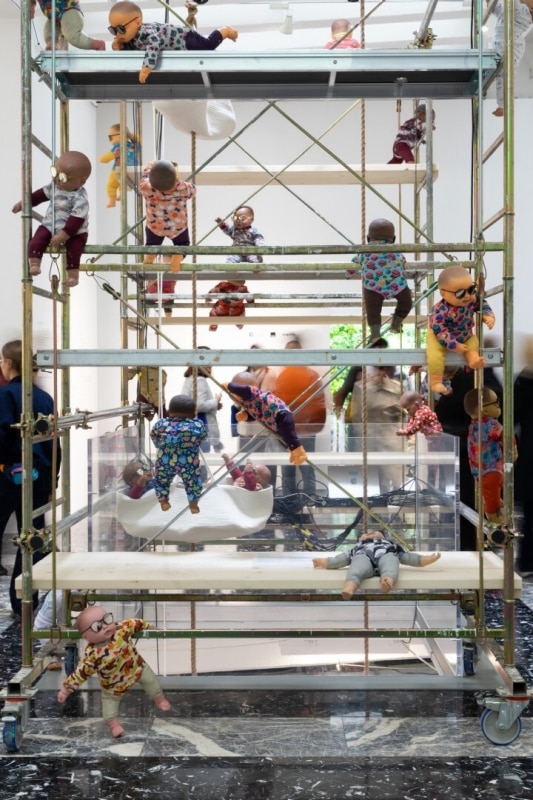
Yet, precisely because it operates at the heart of economic, technological, and social processes, design would have enormous tools to concretely confront the crises of our time—from ecology to inequalities, from automation to artificial intelligence. The question then is whether it truly wants to take on this responsibility.
Dissent as a condition of art
Another fundamental dimension concerns the central role that the art world attributes to critical discourse, of which polemic represents an essential tactic. Contemporary art does not limit itself to producing objects or images: it is based on the construction of interpretive conflicts, of taking a stand.
Debate, even clash, is an integral part of its cultural ecosystem and its ability to remain in tension with the present. As this Biennale shows, the artist does not hesitate to speak up: not only to talk about art, but also about politics, and not only through art, but also through politics.
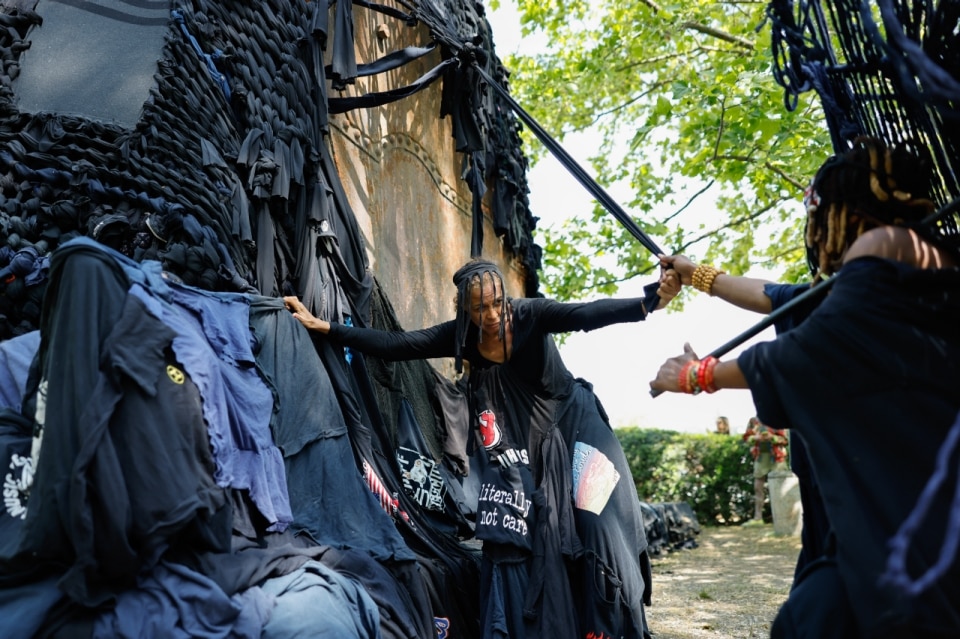
In the world of design, on the contrary, dissent often tends to be neutralized in favor of consensus. Criticism thus risks being absorbed by marketing, transformed into style or a superficial signal of contemporaneity. Yet, without conflict there is no true design thinking: there is only the management of the status quo.
After the Milan Design Week, an American critic closed our conversation with a pithy formula: today, he told me, there is too much politics in art and too little in design.
I am not convinced. If on one hand I do not lose faith in the world of design, on the other the heated debate that this Biennale is sparking—the way it manages to bring the conflicts of our time back to the center of public attention—confirms if anything the opposite: there is never too much politics. Just as there is never too much art.