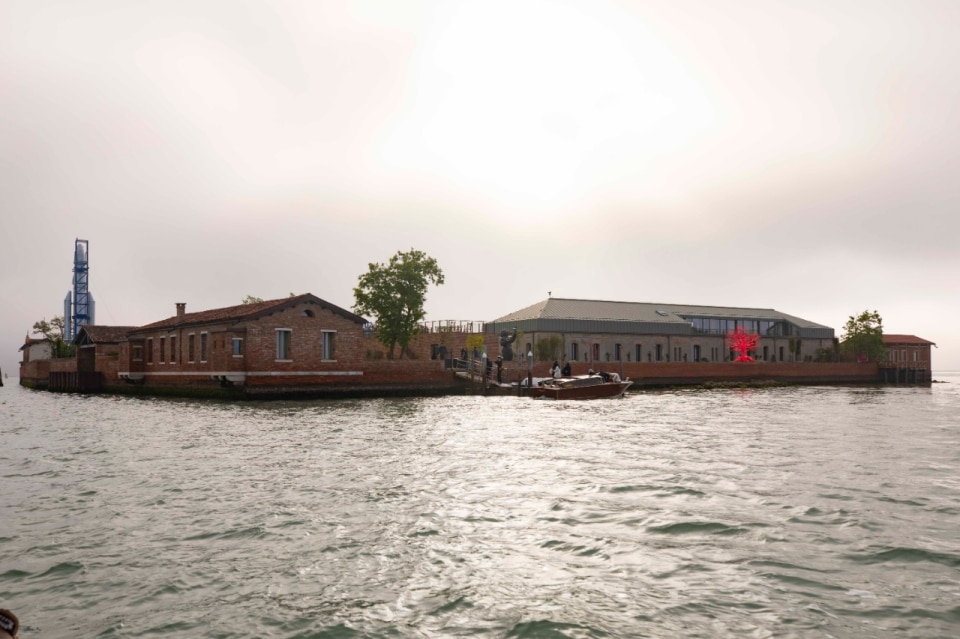
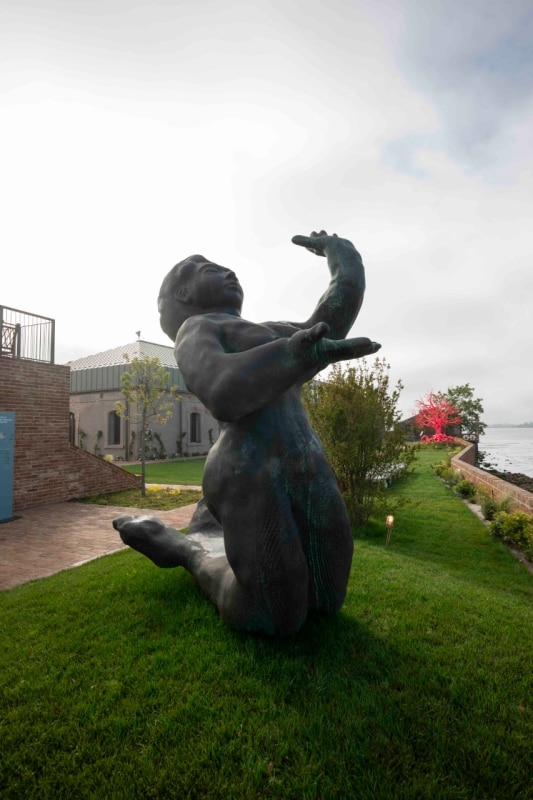
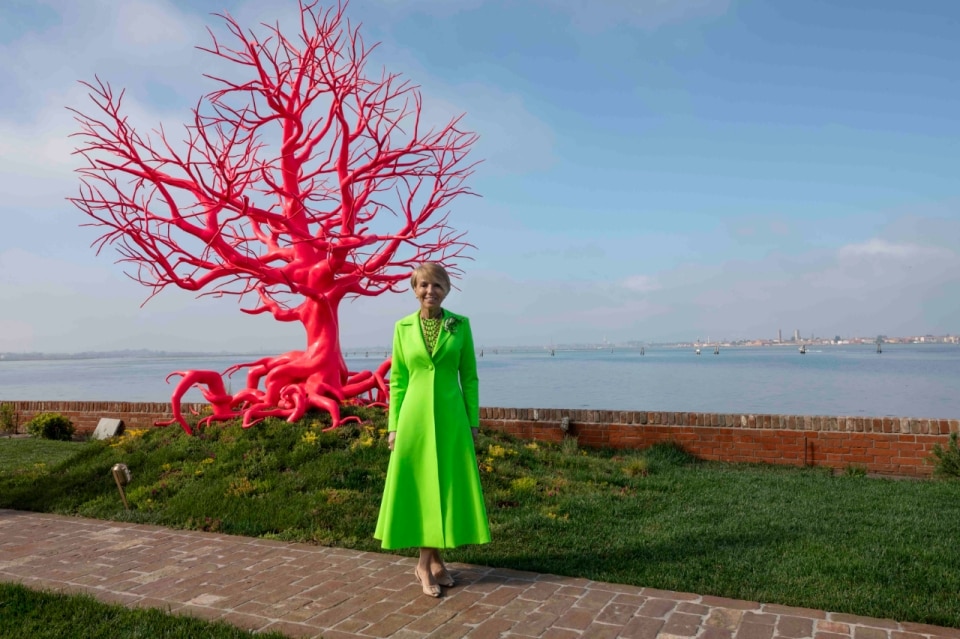
In the heart of the northern Venetian lagoon, between Murano and Burano, the island of San Giacomo is emerging from decades of abandonment as a new cultural outpost for Venice. Here, Fondazione Sandretto Re Rebaudengo inaugurates its lagoon headquarters by transforming a former military complex into a hybrid device where restoration, energy sustainability and artistic production coexist within a fragile aquatic ecosystem.
Far removed from both the monumentality of Venice’s historic centre and the rhetoric of the “Biennale event”, the project is most compelling for the way it addresses the question of territorial recovery within the lagoon itself. Acquired in 2018 by Patrizia Sandretto Re Rebaudengo and Agostino Re Rebaudengo, the island—long overrun by spontaneous vegetation, collapsed structures and debris—has undergone an intervention grounded in the material and environmental continuity of the site.
 View gallery


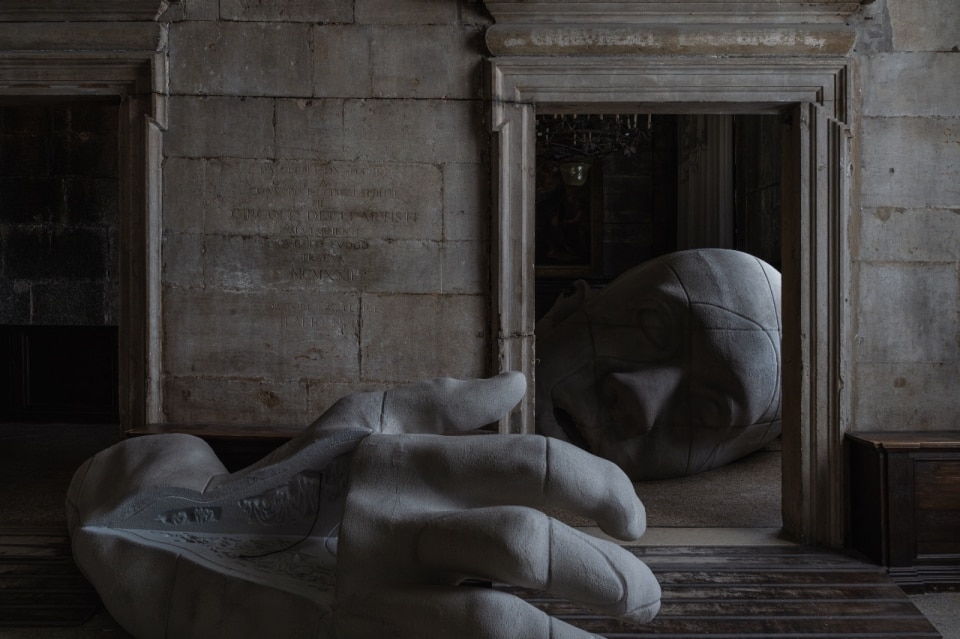
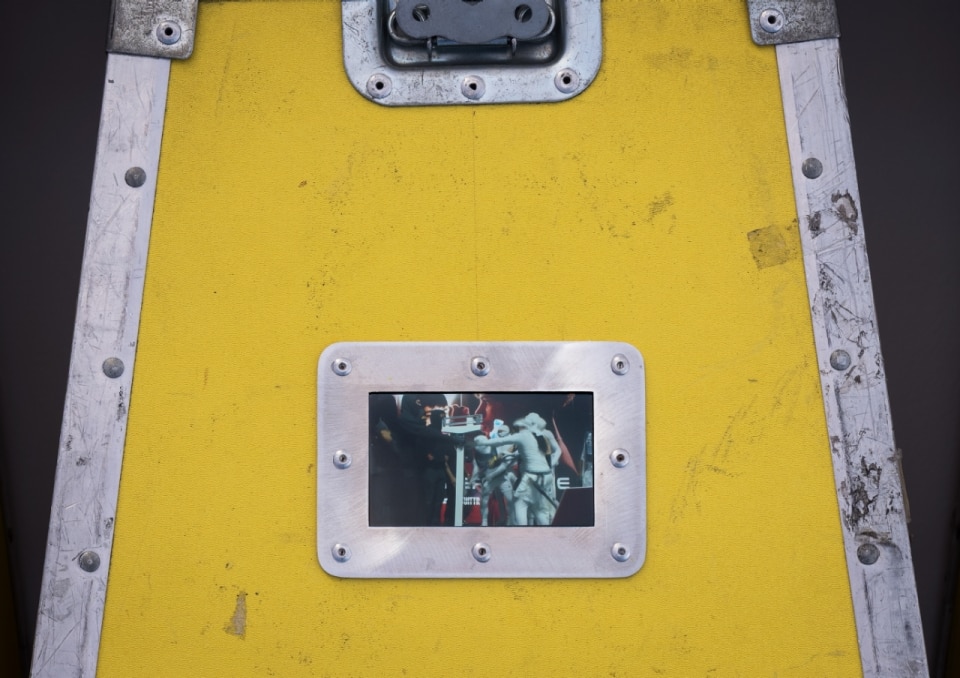

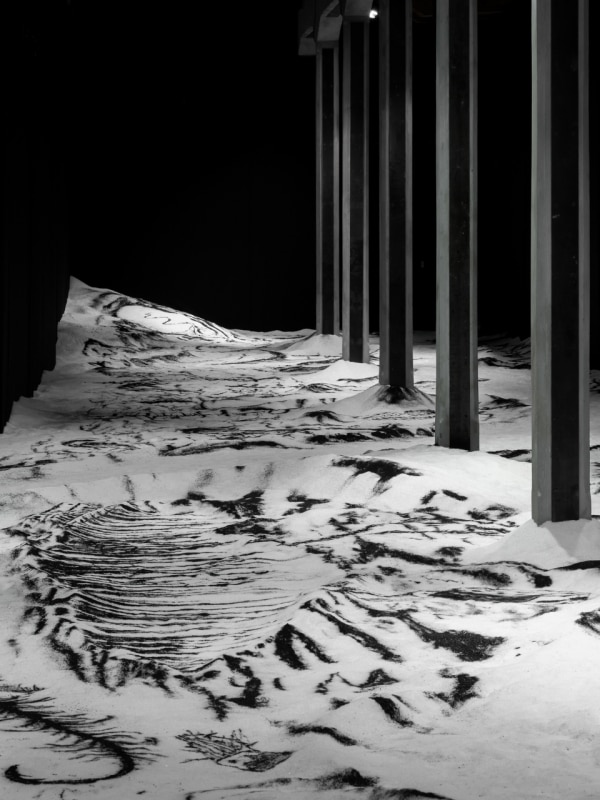
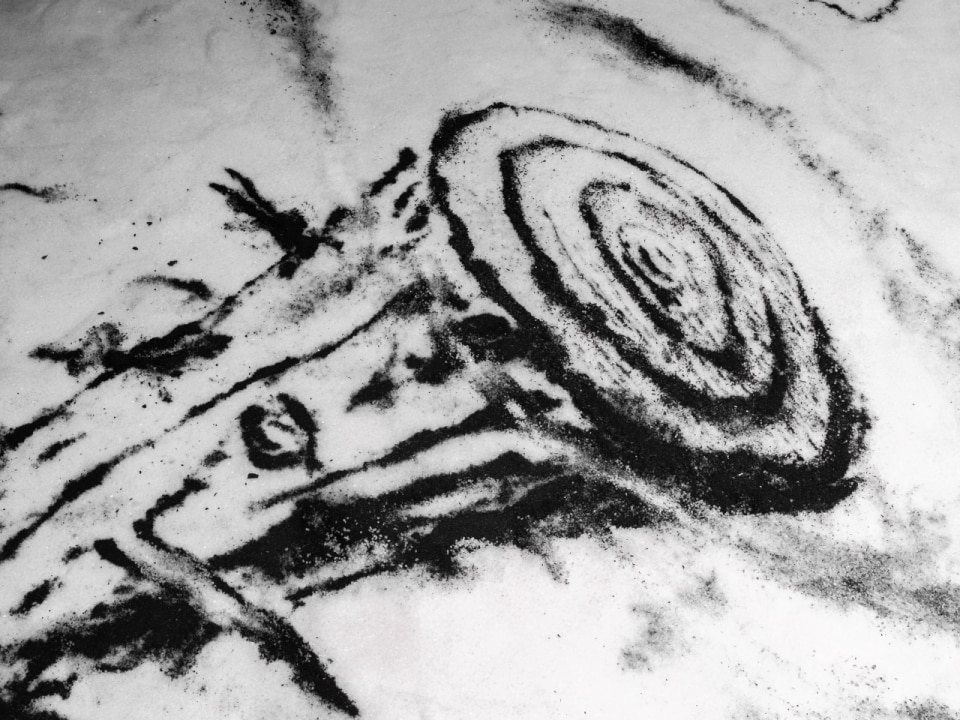
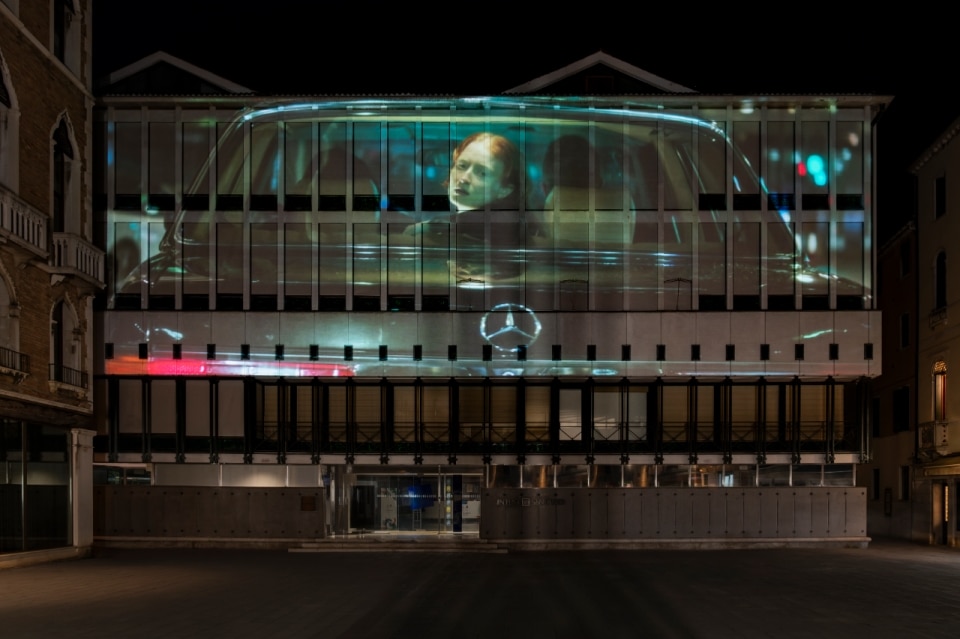
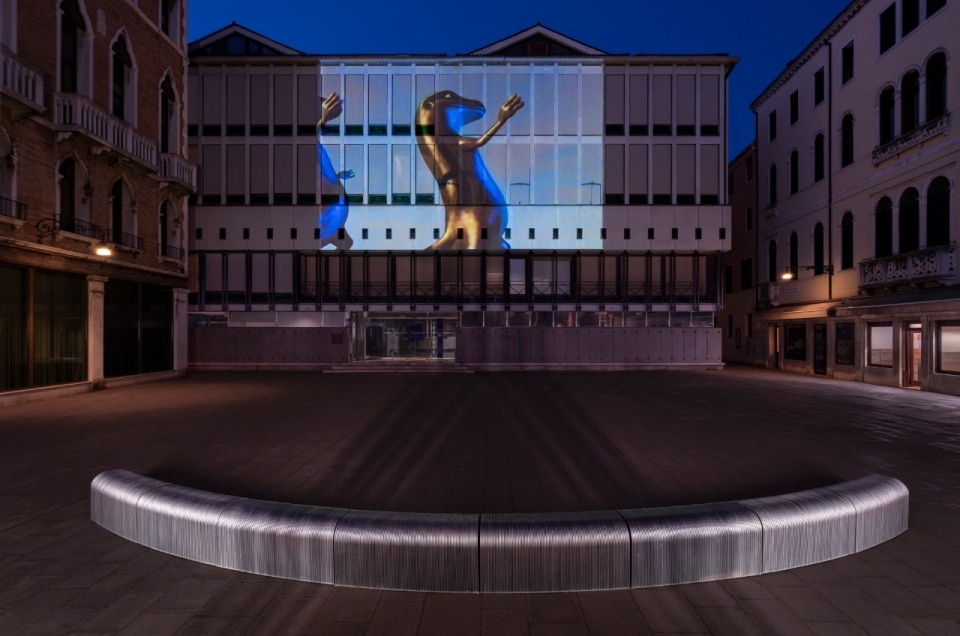
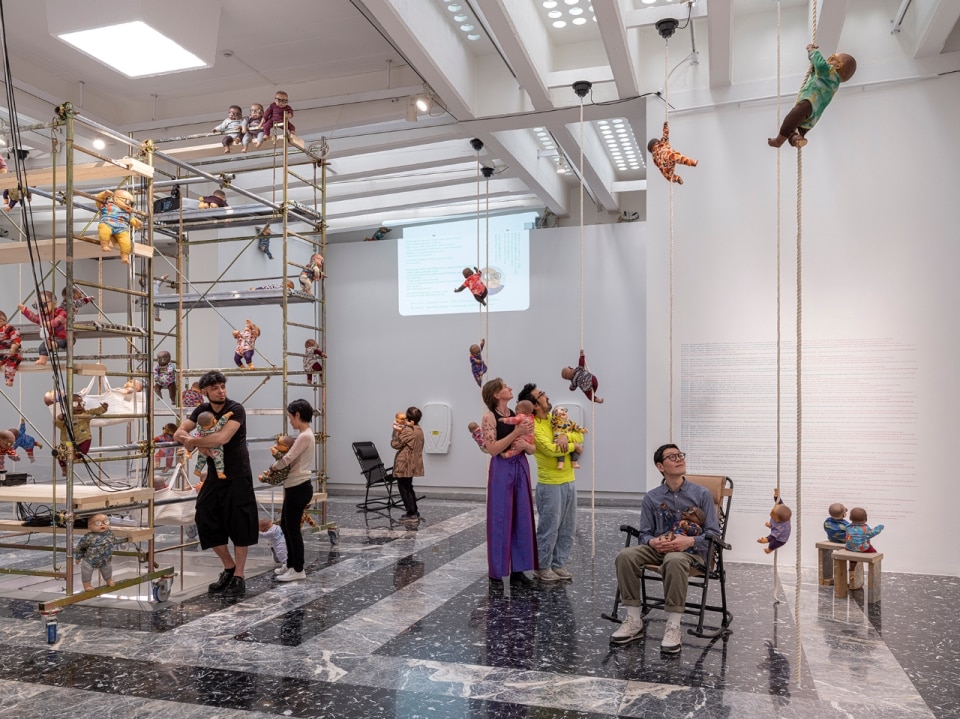
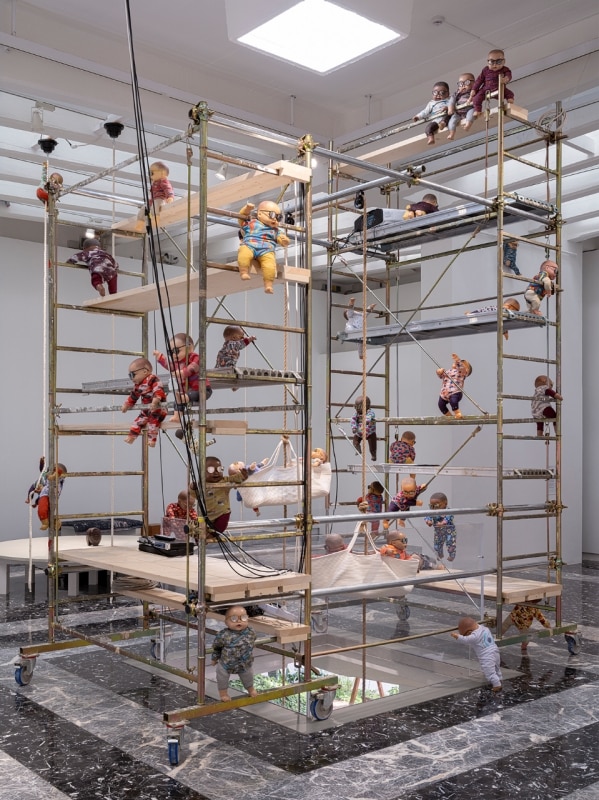
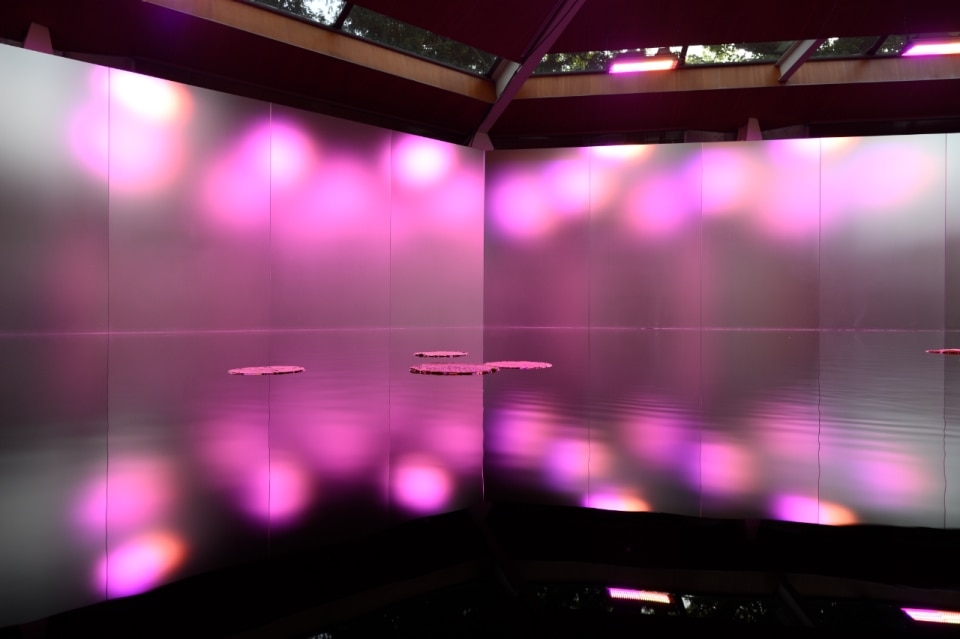
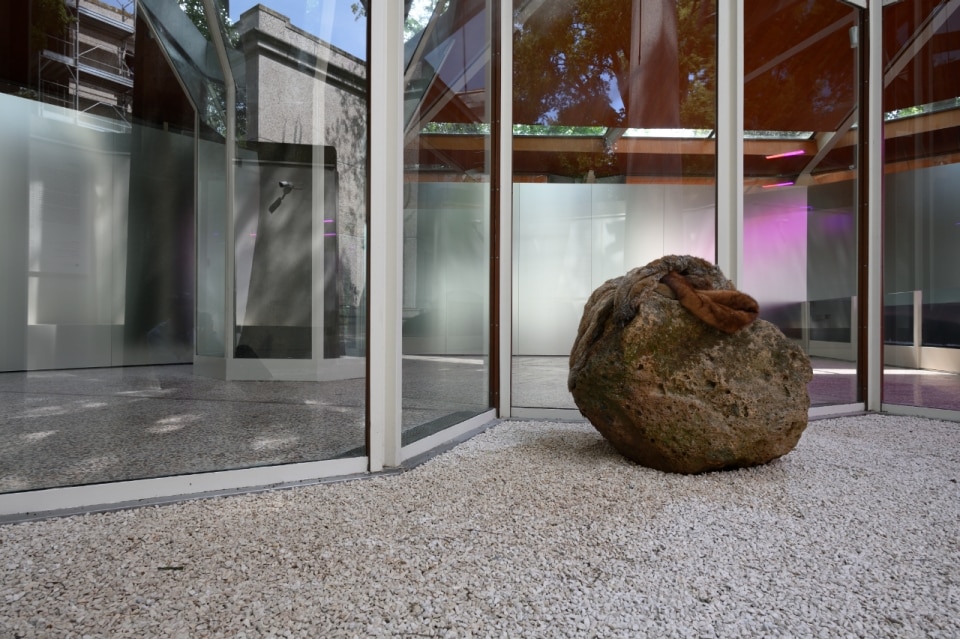
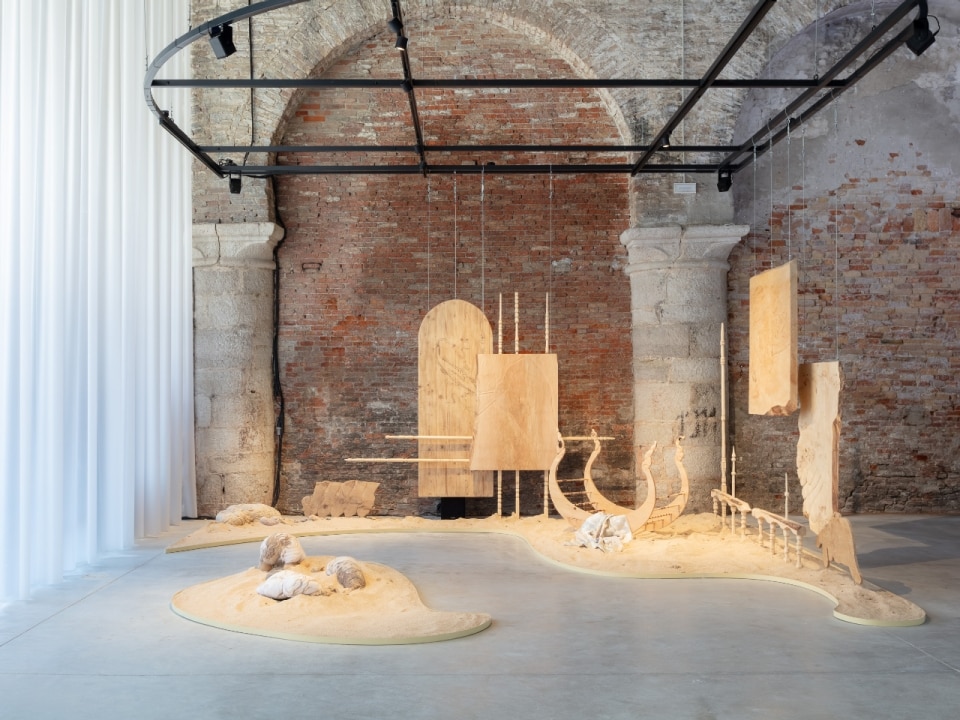
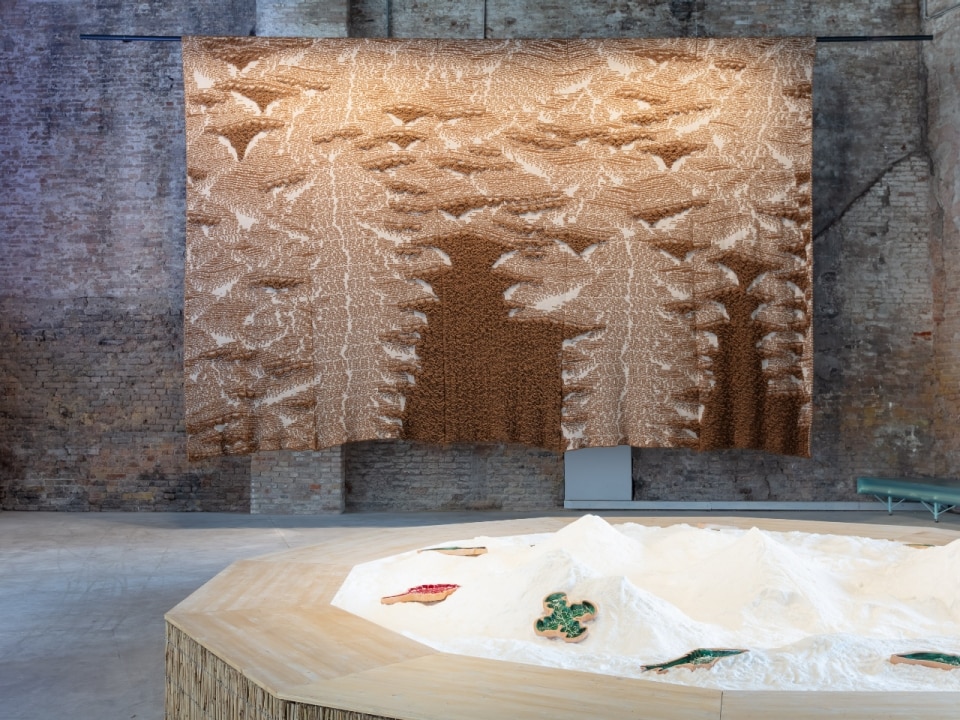
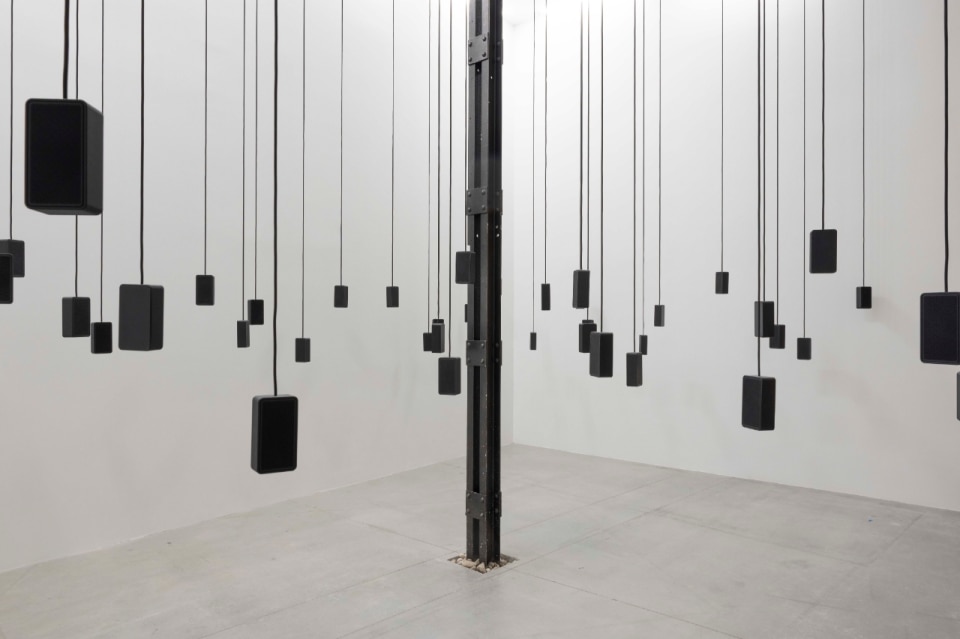
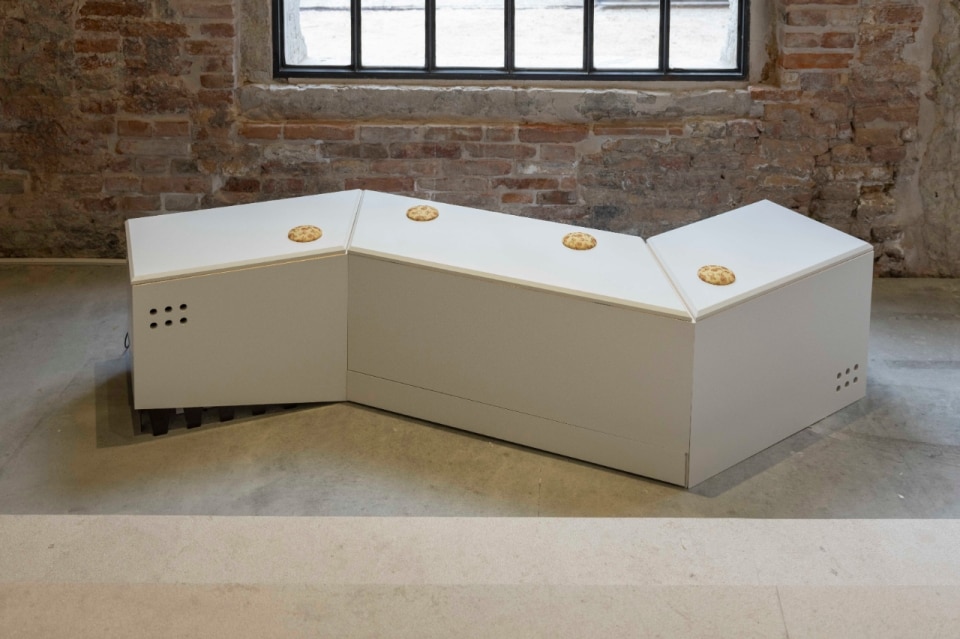
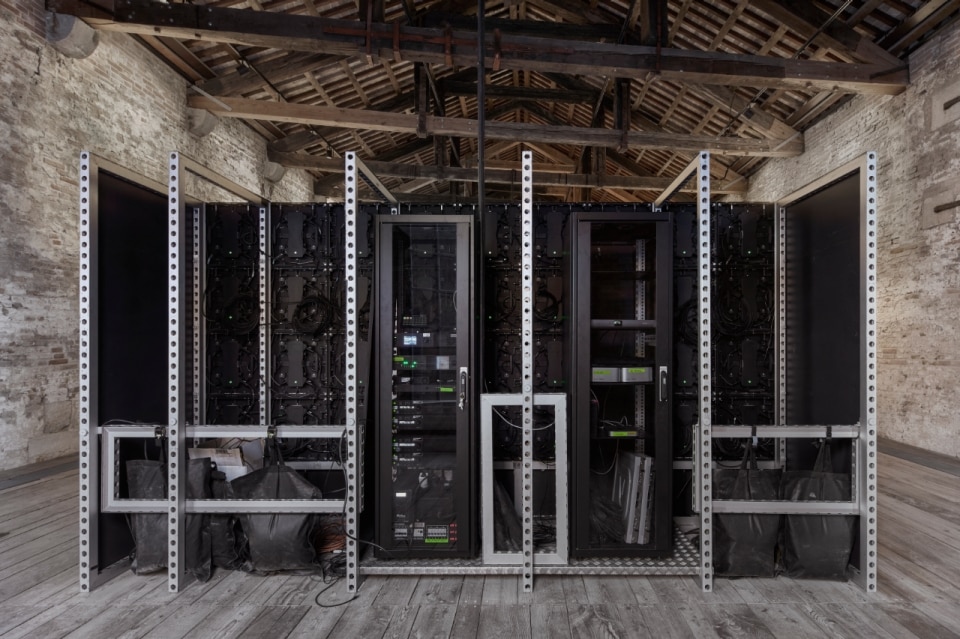
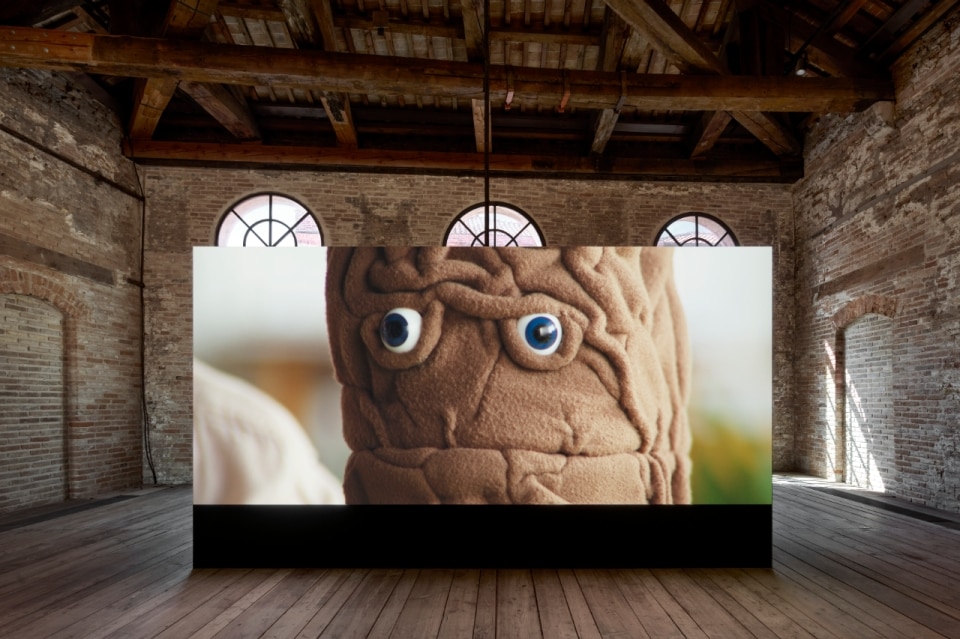
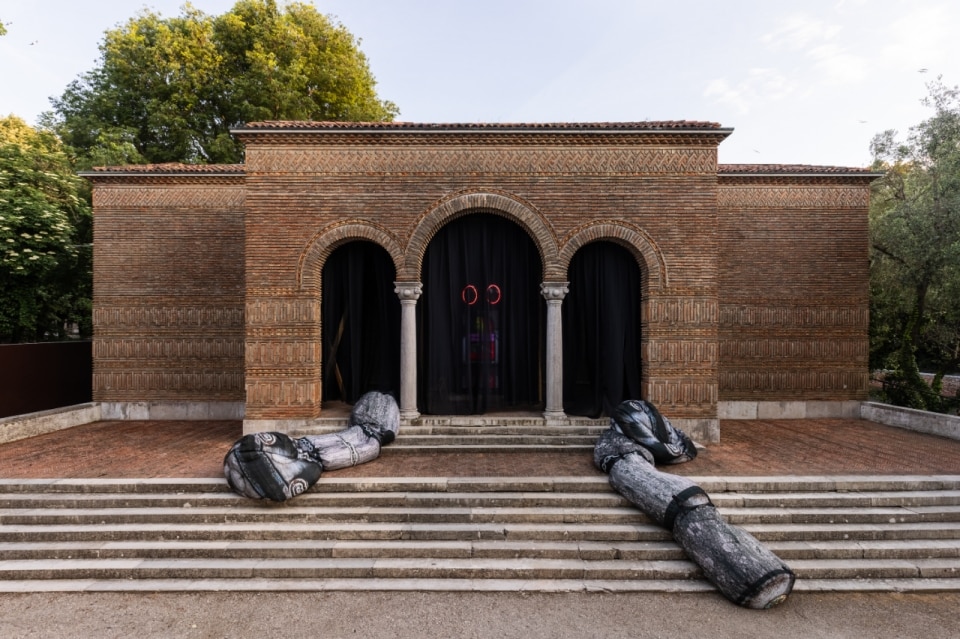
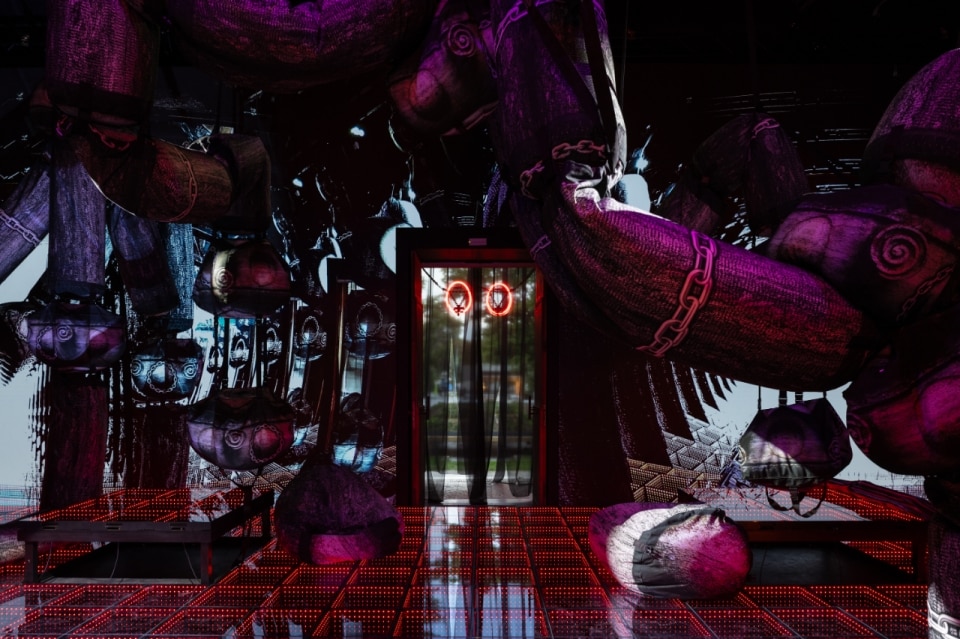
San Giacomo encompasses nearly a thousand years of Venetian history. Founded in the eleventh century as a hospitale for pilgrims and travellers, later becoming a Cistercian convent and subsequently a Napoleonic and Austrian military outpost, the island repeatedly changed identity without ever losing its strategic relationship to the lagoon’s routes and waterways. Its nineteenth-century conversion into a military powder magazine erased much of the original religious architecture; after military operations ceased in 1961, the site gradually fell into severe disrepair.
Yet the new intervention avoids both nostalgic museification and the kind of generic contemporary neutralisation typical of many cultural conversions. Developed by the architects and engineers of Asja Energy, the project relies on reversible and structurally independent insertions: within the historic buildings, autonomous “boxes” have been constructed on contemporary micropile foundations, avoiding additional stress on the original masonry while preserving the island’s historic timber foundations.
It is an almost archaeological strategy, one that keeps the island’s stratification legible and allows the different temporal layers embedded within the buildings to remain visible. Material recovery follows the same logic. Around 30,000 original bricks were cleaned by hand and reused in the restoration works and outdoor paving, while supplementary materials were sourced from reclaimed elements within the Venetian lagoon territory, according to a circular-economy approach privileging material continuity over construction efficiency.
The new intervention avoids both nostalgic museification and contemporary neutralization typical of many cultural reconversions.
Perhaps the project’s most radical aspect, however, lies in its energy infrastructure. San Giacomo has been conceived as a genuinely off-grid island: it is disconnected from public electricity, gas and water networks, operating instead through an autonomous system based on integrated photovoltaics, energy storage and intelligent consumption management. Water is also partially sourced from a restored military-era well, while the landscape has been replanted using species compatible with the lagoon ecosystem and requiring minimal irrigation.
San Giacomo therefore proposes itself as a prototype for a possible Venetian institutional ecology. In a lagoon where many islands have been privatised, abandoned or converted into tourist enclaves, the project instead insists on openness and accessibility. Even the decision to preserve the historical names—the Powder Magazines, the watchtower, the vineyard—resists the semantic neutralisation typical of new cultural campuses and retains traces of the island’s military and agricultural past.
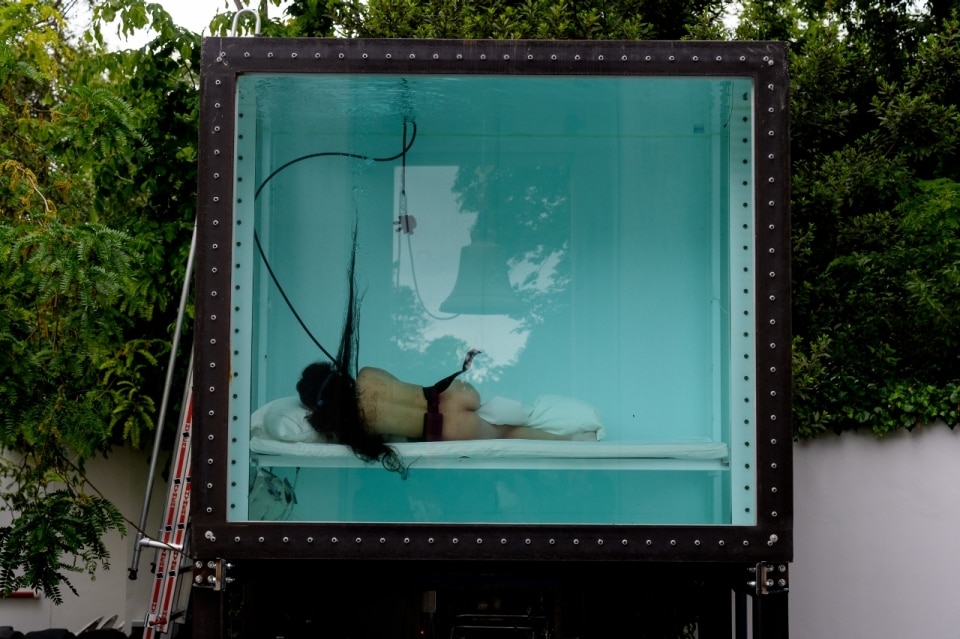
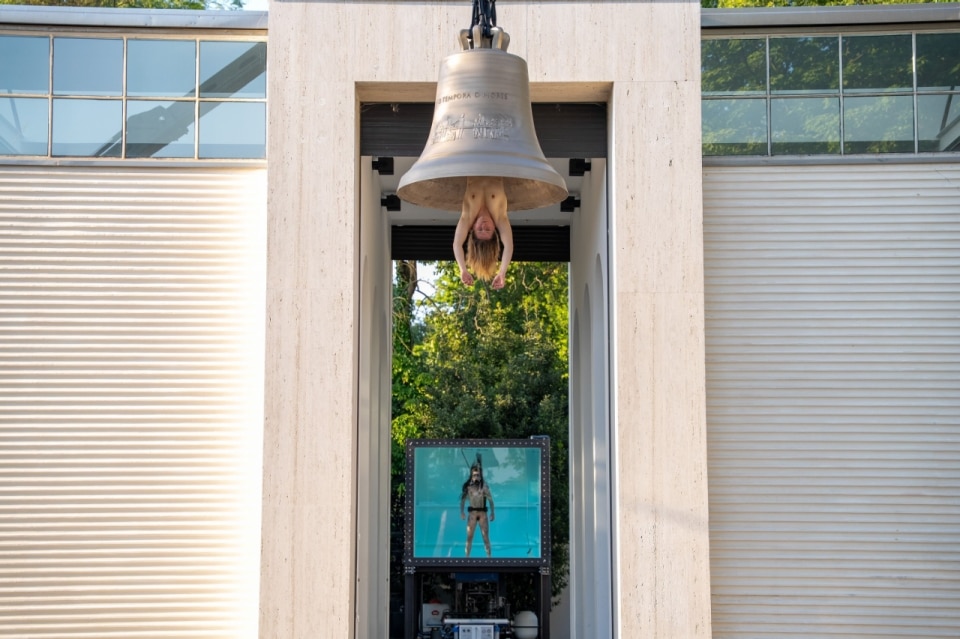
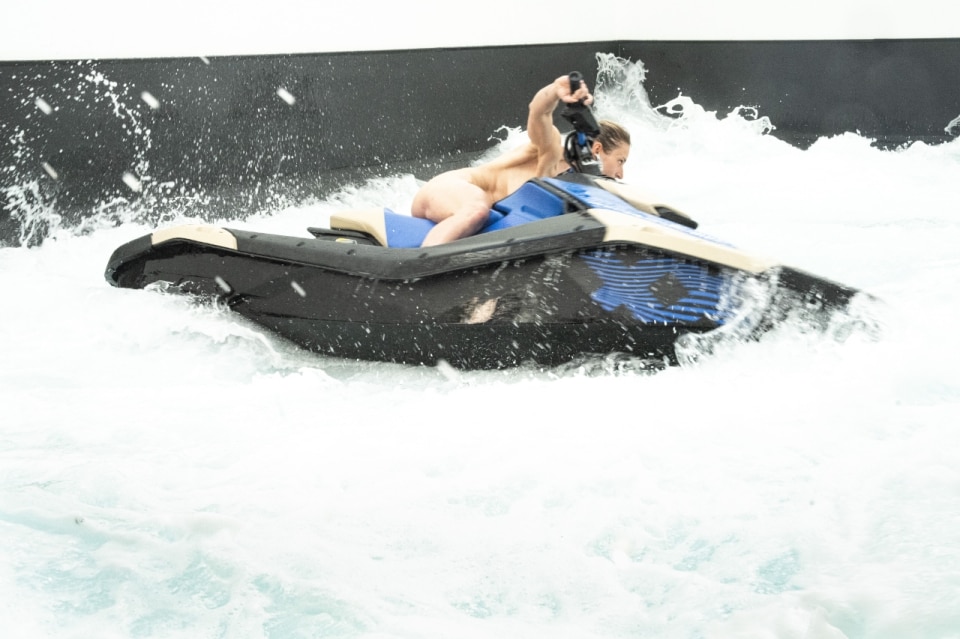
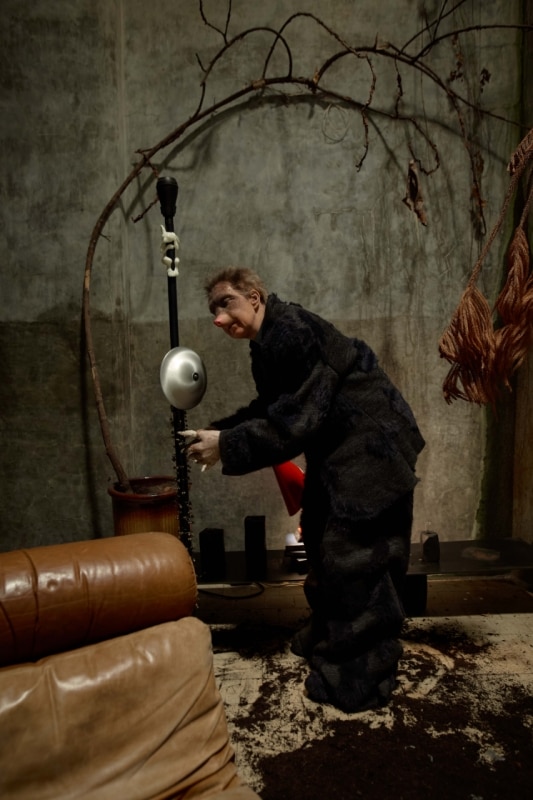
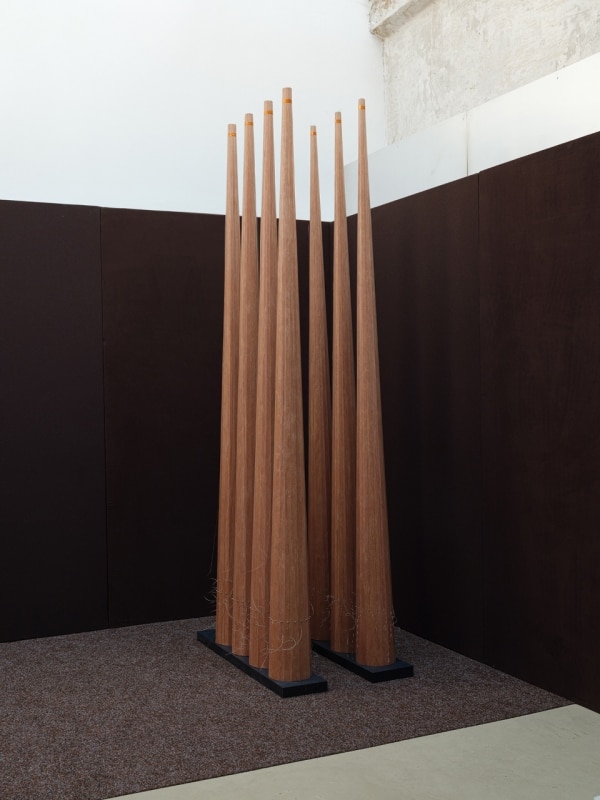
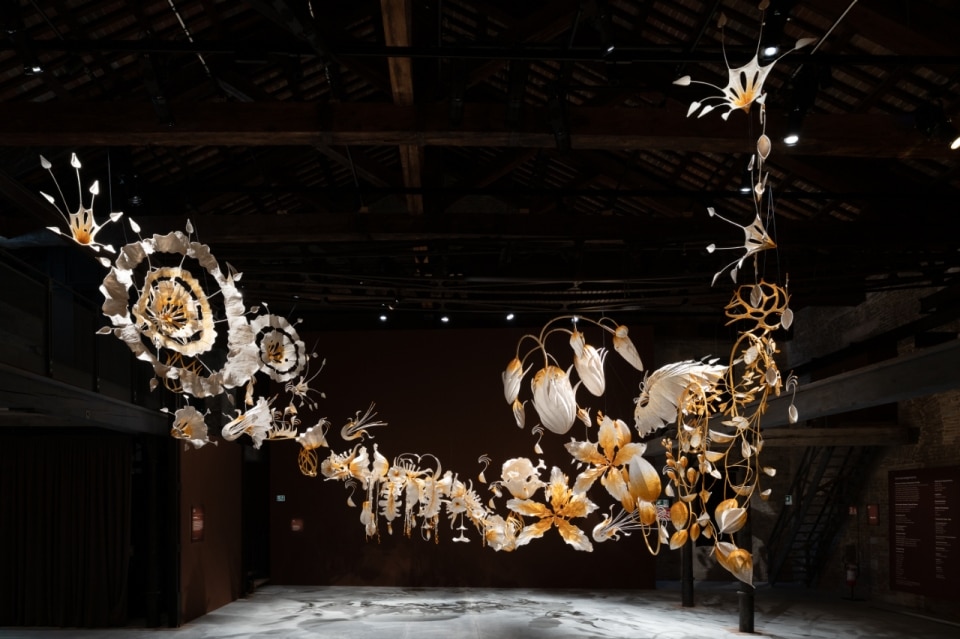
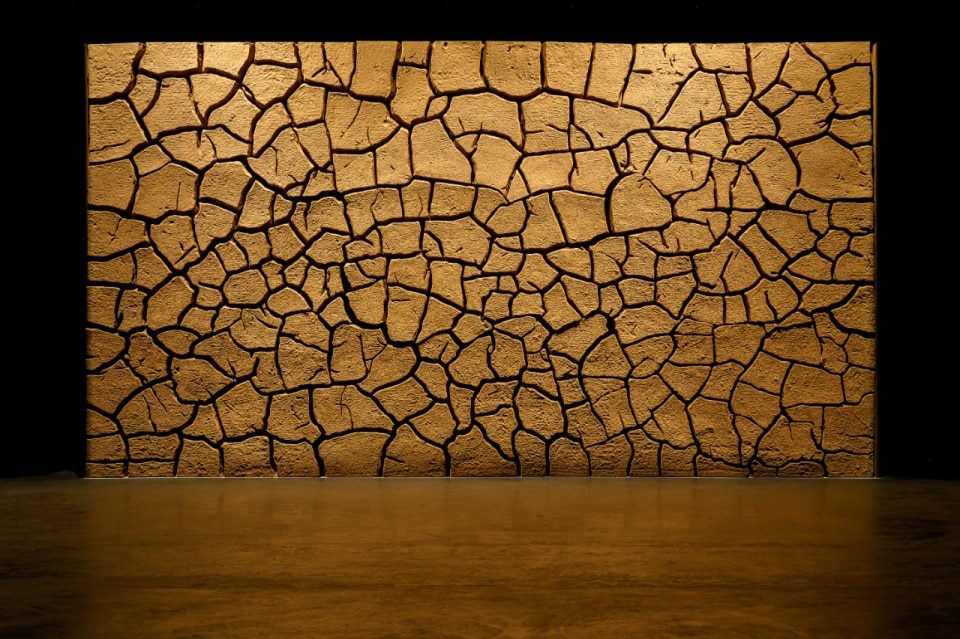
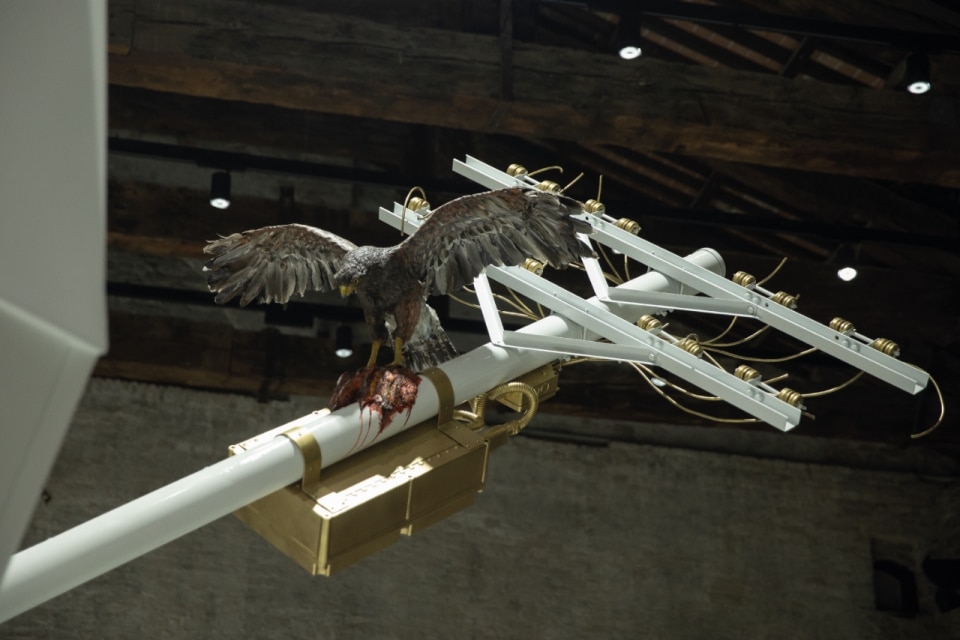
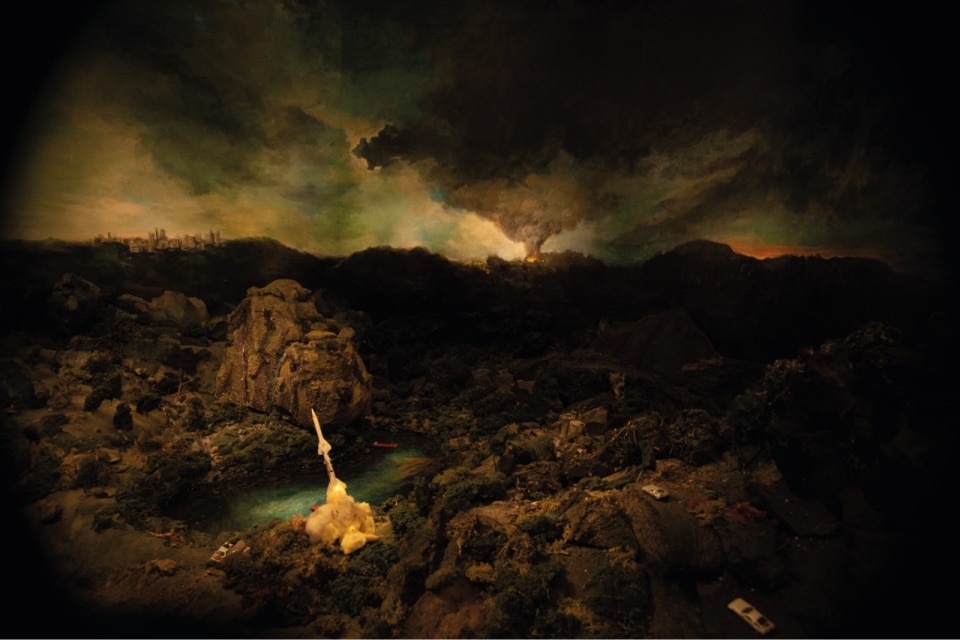
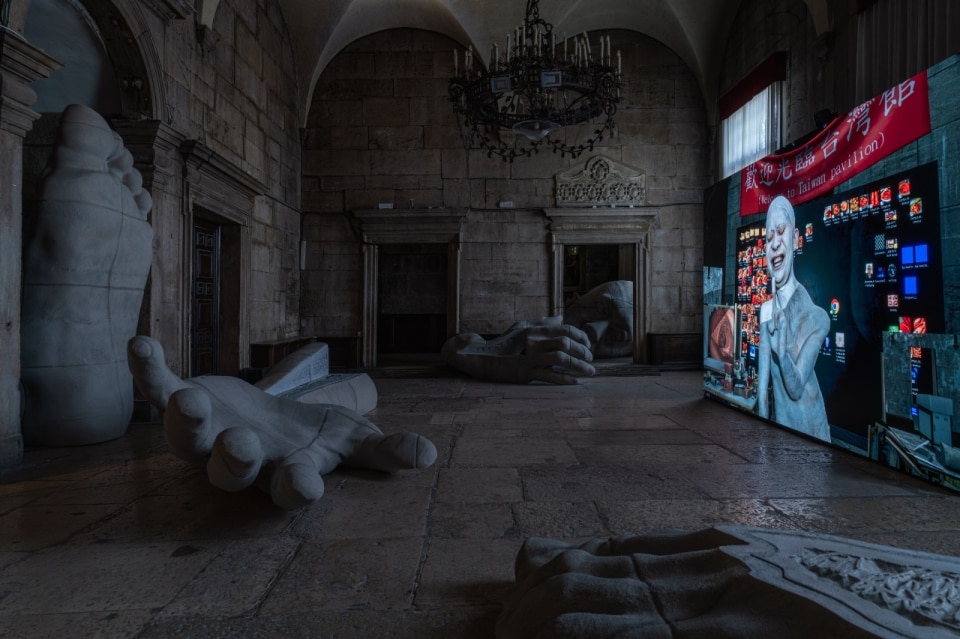
Within this framework unfolds the inaugural programme opening on 7 May 2026. The two Napoleonic powder magazines respectively host Fanfare/Lament by Matt Copson, curated by Hans Ulrich Obrist, and the group exhibition Don’t have hope, be hope!, built around works from the Sandretto Re Rebaudengo Collection. Yet here too, the point is not so much the autonomy of the exhibitions as their relationship with the island itself.
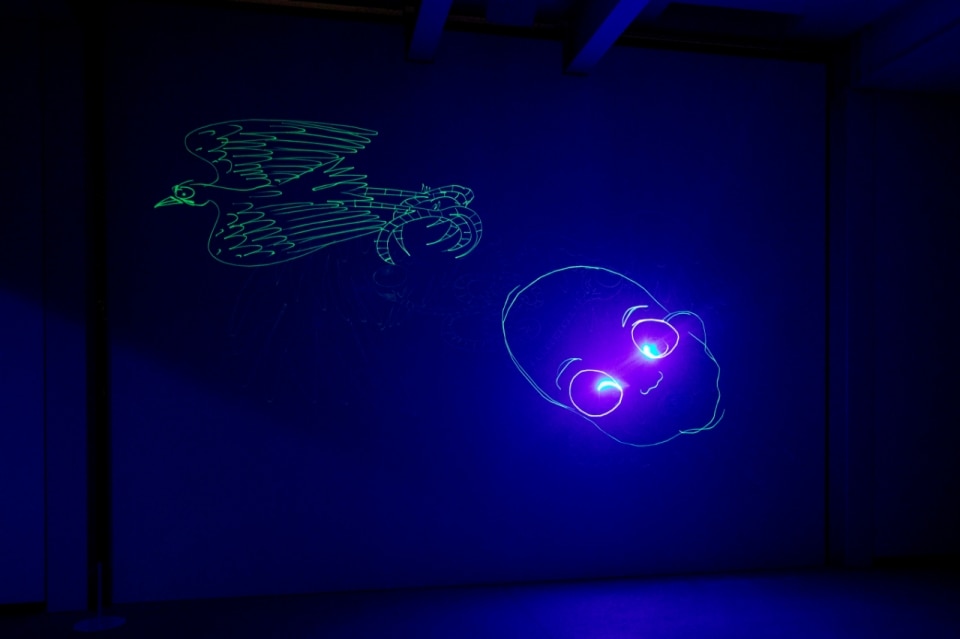
Copson’s project works with wind, sound and light: kite-sculptures suspended above the powder magazines, intermittent fanfares and laser projections transform the military architecture into an atmospheric choreography governed by non-human agents. The exhibition in the western powder magazine, meanwhile, uses works from the collection to construct a journey through the present shaped by political vulnerability, technological transformation and bodily imagination, bringing together artists from different generations without forcing the display into a chronological or historicist reading. Even the exhibition dedicated to the restoration site assumes a role far beyond documentation: the images by Giovanna Silva and Antonio Fortugno record the island’s slow metamorphosis almost as an organic process, tracing the gradual emergence of architecture from the lagoon landscape.
In a lagoon where many islands have been privatized, abandoned or turned into tourist enclaves, the project insists on the idea of openness and accessibility.
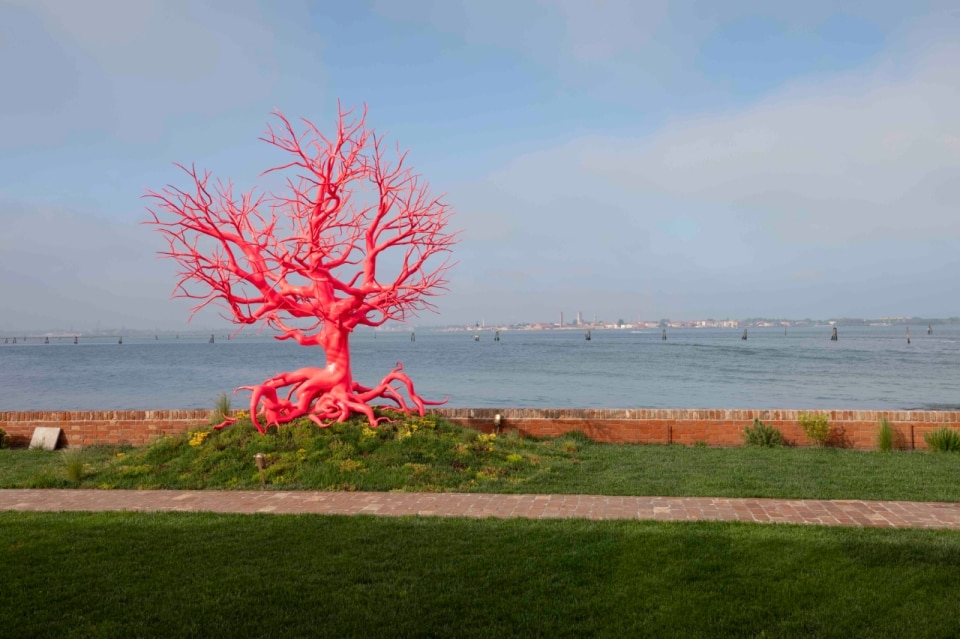
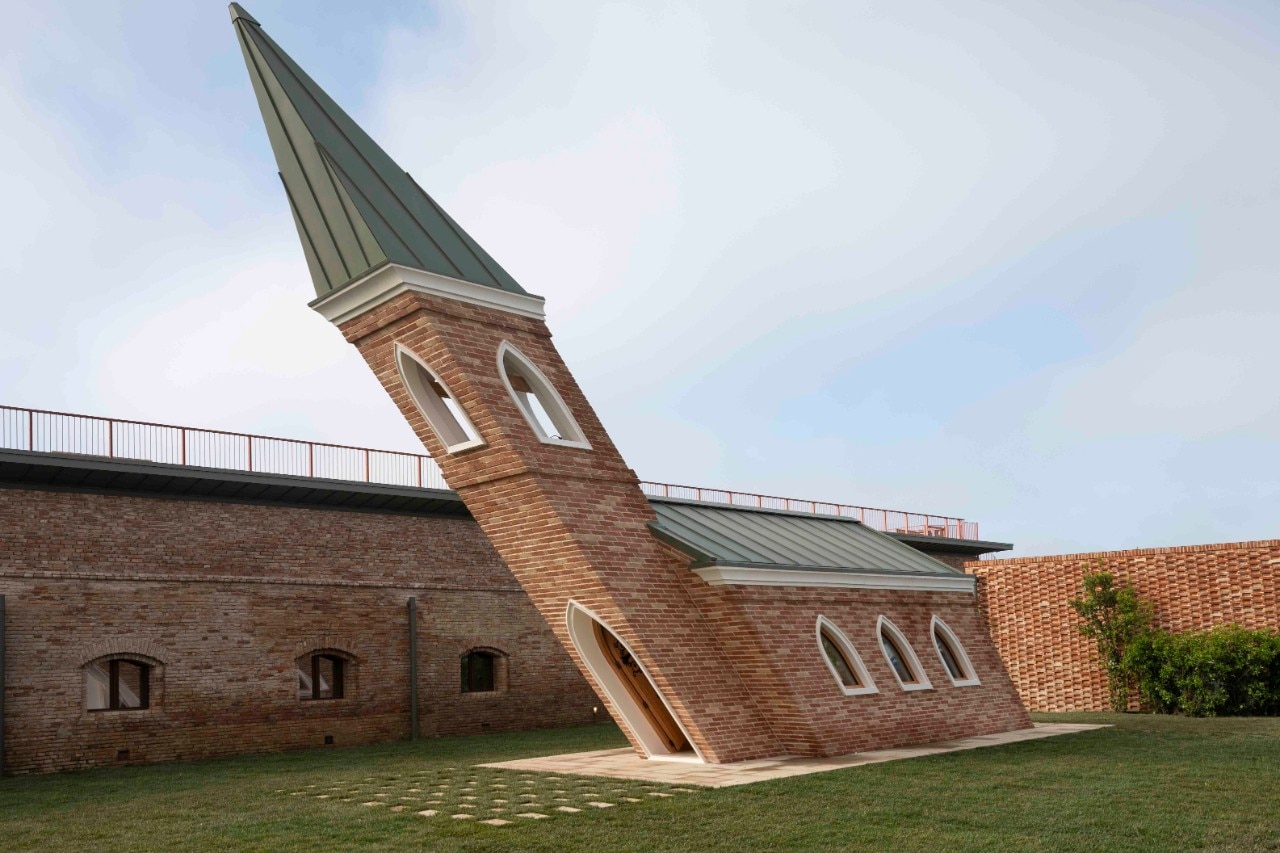
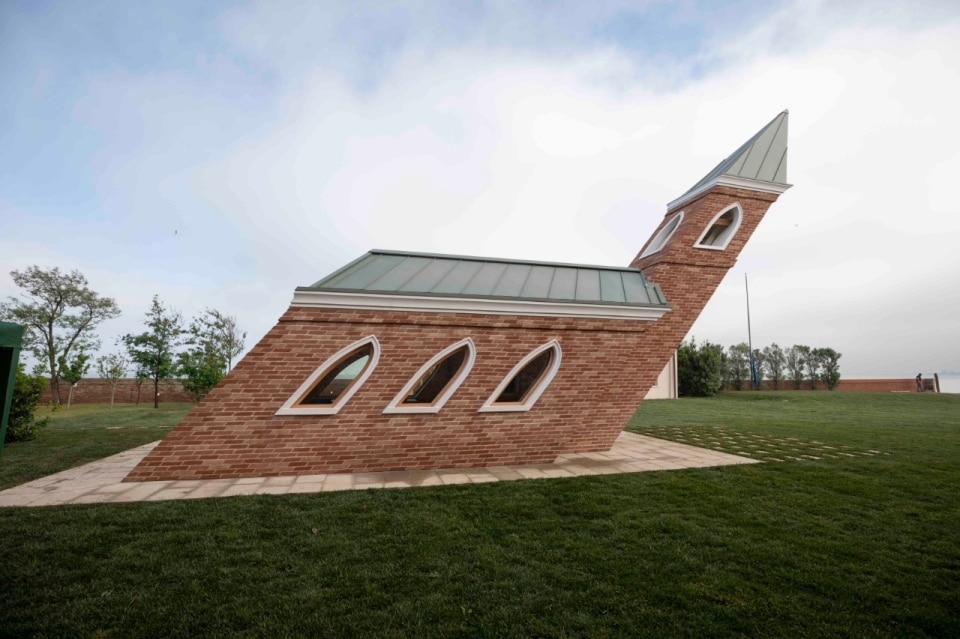
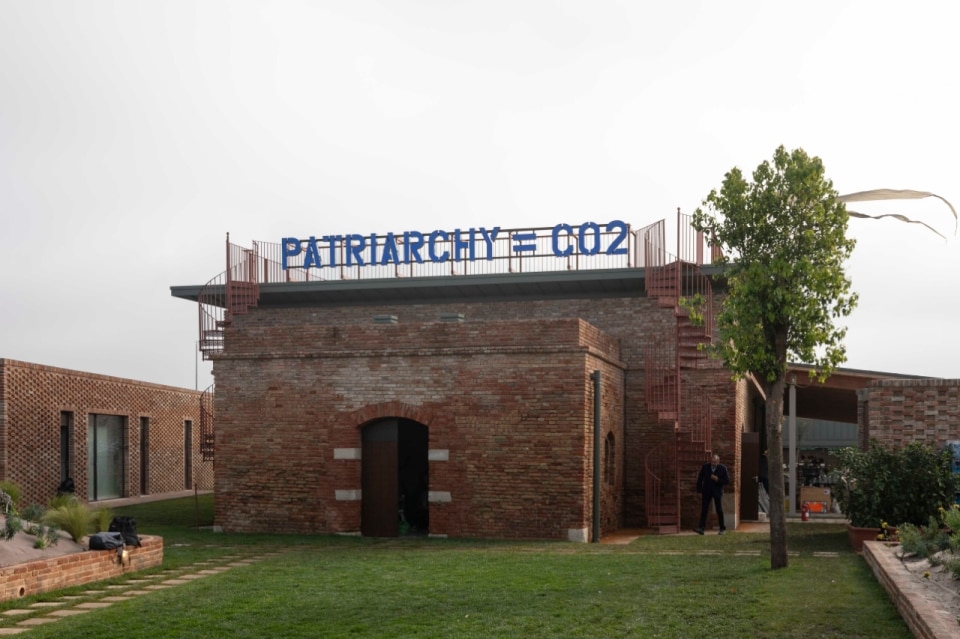
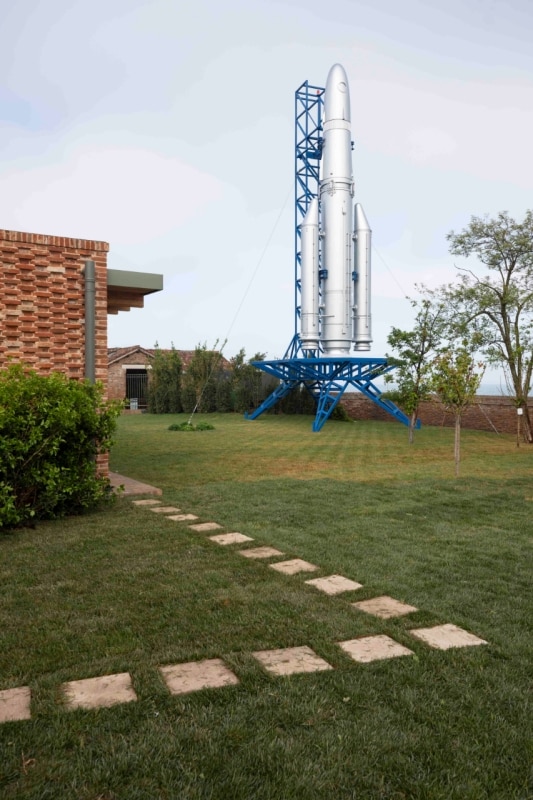
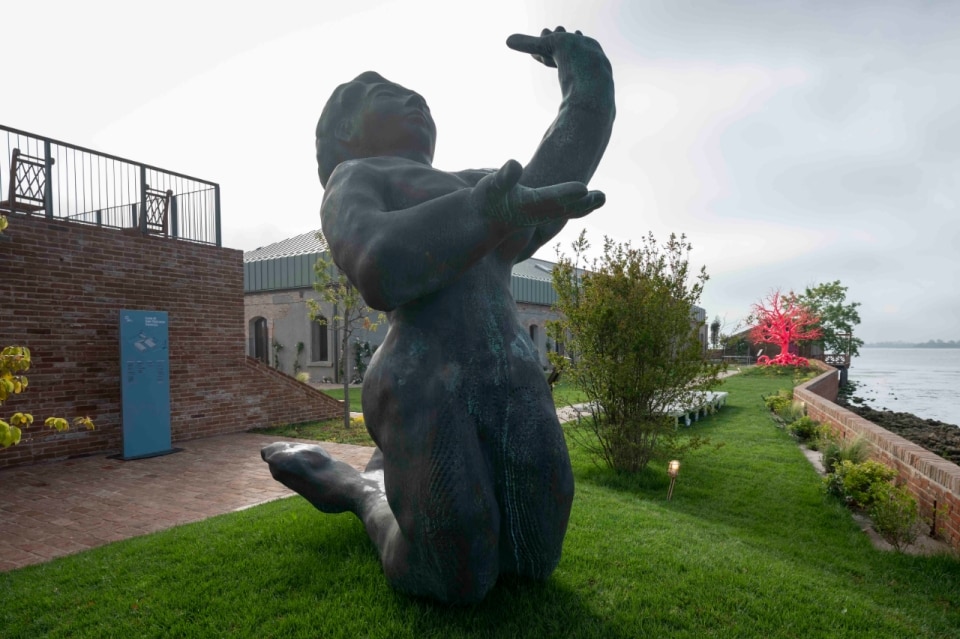
At the same time, the permanent installations scattered throughout the gardens—from Patriarchy = CO2 by Claire Fontaine to GONOGO by Goshka Macuga and Hugh Hayden’s leaning chapel—all revolve around the relationship between ecological vulnerability and political imagination. The garden thus becomes a porous threshold between built space and lagoon environment, where artworks operate as dispersed presences embedded within the landscape itself.
San Giacomo ultimately appears less as a new exhibition venue than as a territorial laboratory: an attempt to redefine the role of a private foundation within an extremely fragile environment, where architecture, energy, conservation and cultural production cease to function as separate disciplines and instead become parts of a single ecological infrastructure.