

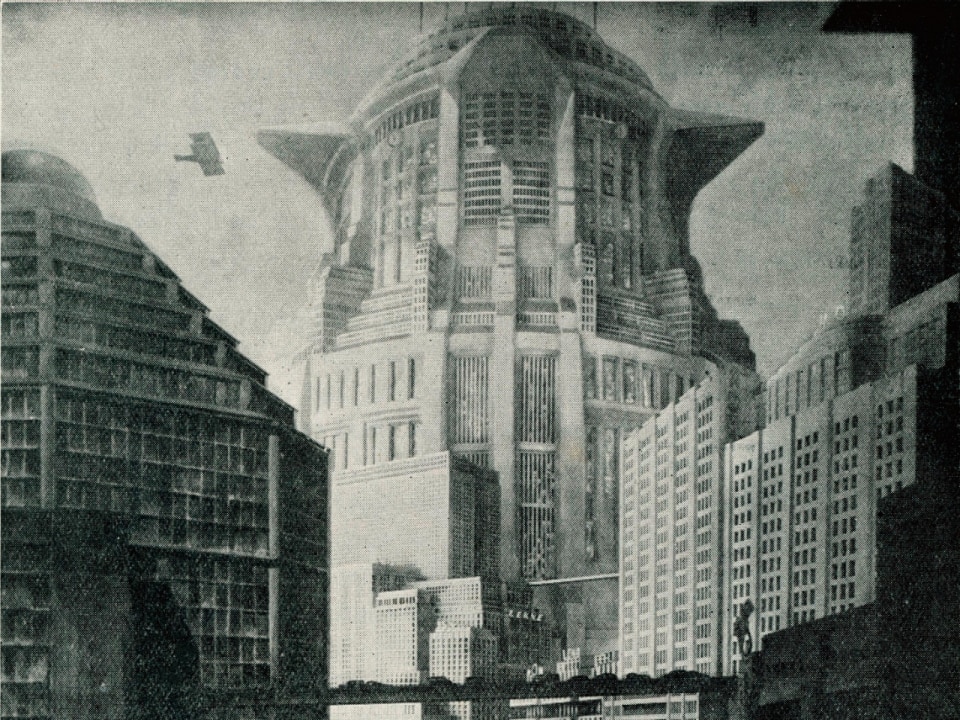
A few years ago, I was chatting with a Pritzker Prize-winning friend. He asked what architecture meant to me. “Architecture is fantasy,” I replied. He was shocked: “Why? Shouldn’t architecture be about building reality?” “Fantasy is about building reality,” was my explanation. Throughout history, the most profound buildings have recorded people’s fantasies, desires, faiths and reflections. Humans are always searching for meaning in existence, and sometimes that meaning is found by realising our dreams.
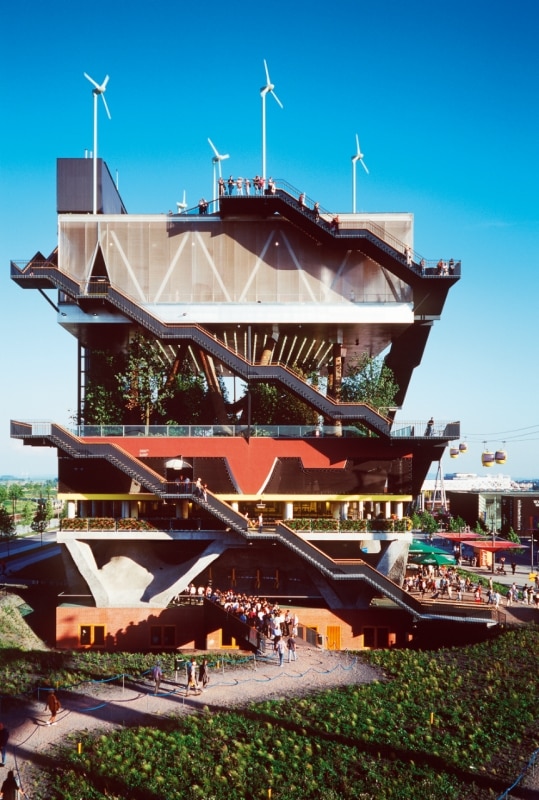
Is imagination no longer important for our times? Well, it is still crucial to our present, but it has simply shifted away from architecture. Artificial intelligence is reshaping society and even culture; biomedical science is extending human life; absurd politics and markets constantly astonish us (yet at least provoke reflection). Everyone is caught in a torrent of transformation, while architecture is pushed to a marginal, awkward position. It eagerly declares loyalty to traditional principles and a desire to better serve society, yet it fails to capture people’s attention and can no longer lead culture.
Simply put, traditional architecture is utterly incapable of taking responsibility for the questions it raises.
Ma Yansong
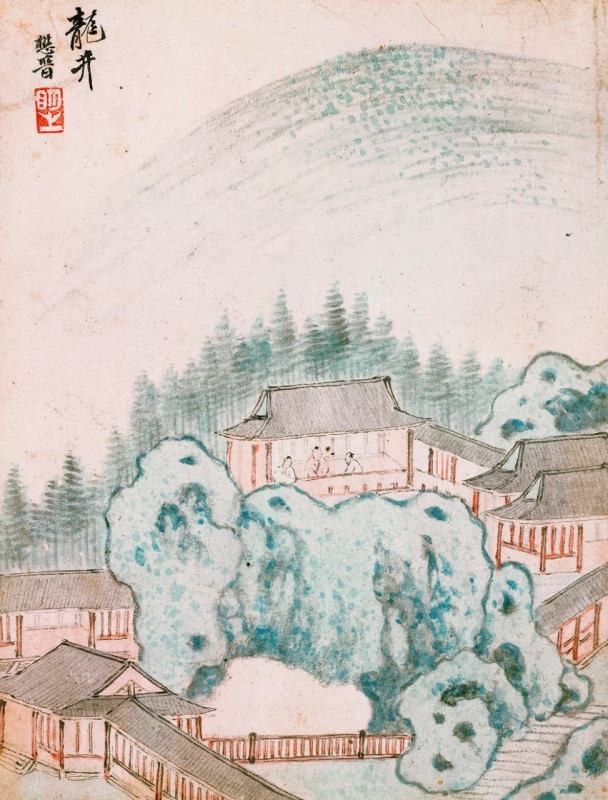
Simply put, traditional architecture is utterly incapable of taking responsibility for the questions it raises. When capital calls, architects instantly return to the rat race of reality, competing to become tools. Through self-censorship, a lack of critique, a loss of imagination and fear of challenge, architecture has gradually forfeited its former cultural leadership. More and more students and young architects are quitting architecture. The question they ask most is: since when have we architects allowed reality to defeat dreams?
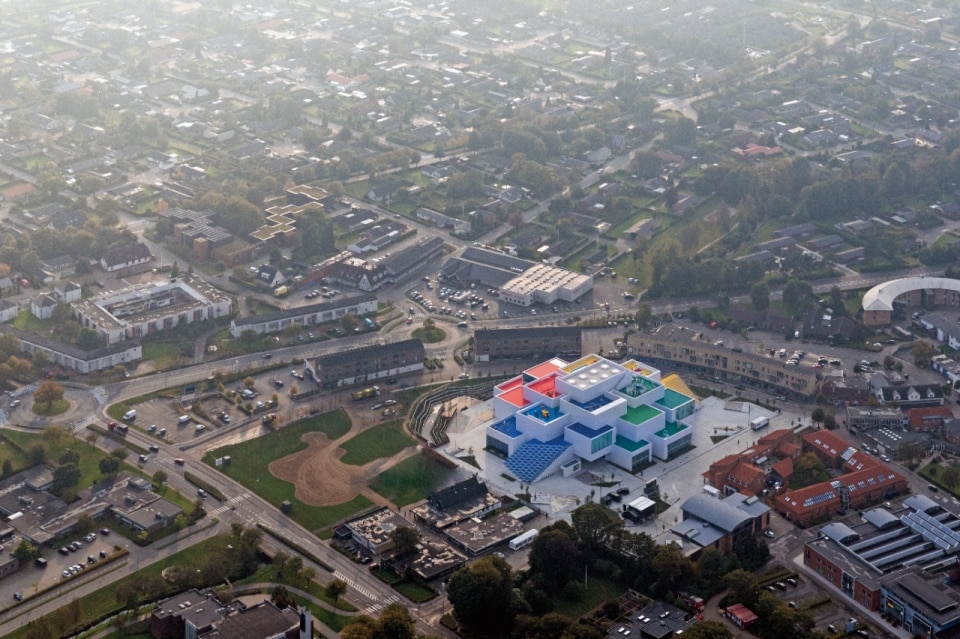
The concepts and works of architects once held influence like philosophers and artists. Imaginative, avant-garde and experimental architecture once shaped eras or envisioned futures, captivating the public and influencing mass culture. Yet today, the mainstream value is increasingly trapped in a global predicament. In fact, in different corners of the world, people’s fantasies are not the same. Different regions and cultures have their own contexts, reflections and visions of the future. If you go to China or India and ask people what they think of an architect crowned by the West, locals might reply: “That’s what they like.”
In this issue, we want to level our gaze and listen to what imagination truly means to different communities. What they need has never been “recognition” by a single global system, but to break through defined perceptions and courageously unfold their own unique and diverse narratives.
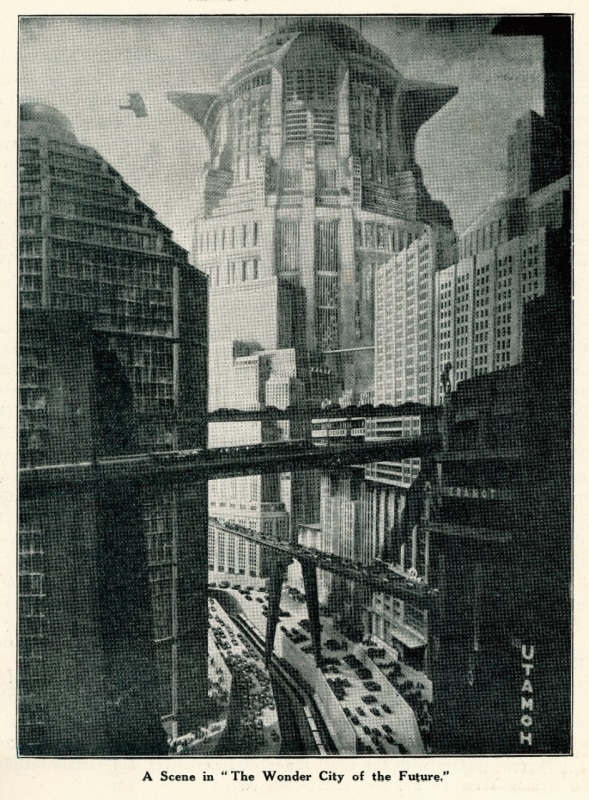
In China, there is now what is referred to as “the beauty of economic ascent”. Similar to Japan’s Bubble Era aesthetics, Korea’s Miracle on the Han River or the USA’s Gilded Age, the term refers to the confidence, vitality and imagination towards the future displayed during periods of rapid economic growth. In our extensive editorial process, we found that across different economic and cultural environments, regardless of ups and downs, function or scale, many architects exhibit this positive mindset: daring to reveal genuine dreams and expectations, expressing them passionately.
I see this as their steadfast commitment to the ideal of architecture – changing reality, with fantasies.