



One of the most unexpected houses designed by Gae Aulenti is now for sale in Pisa. Do you remember Sliding Doors, the 1998 film in which the protagonist’s life splits in two based on a seemingly minor gesture—whether or not she walks through a door?
The villa designed by Aulenti in Pisa seems built around that very idea: not rooms, but thresholds; not enclosed spaces, but sequences that open and close again. More than a house, it is a system of crossings in which every passage alters the perception of space and the dialogue between interior and exterior.
Built in 1973 in the Porta a Lucca district, just steps from the medieval walls and Piazza dei Miracoli, and now listed through Italy Sotheby’s International Realty for €975,000, the house spans approximately 450 square meters and sits within a garden of over 2,500 square meters, preserving the original design intact.
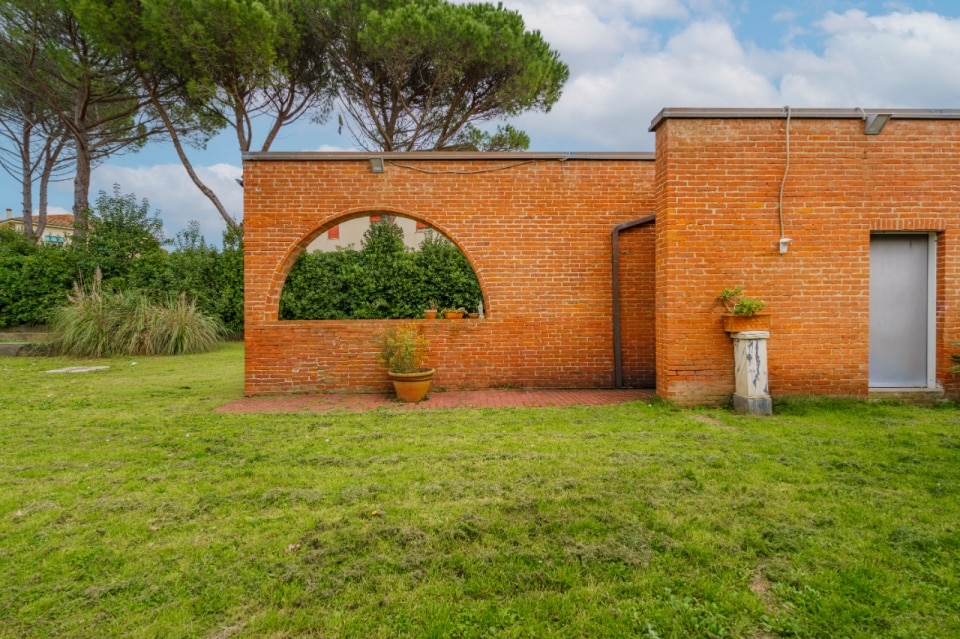
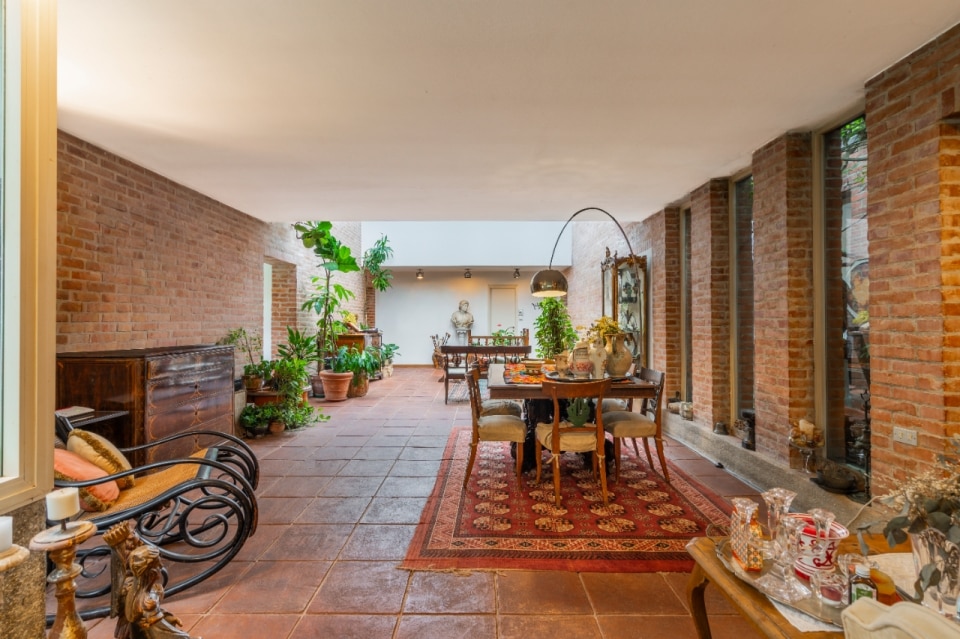
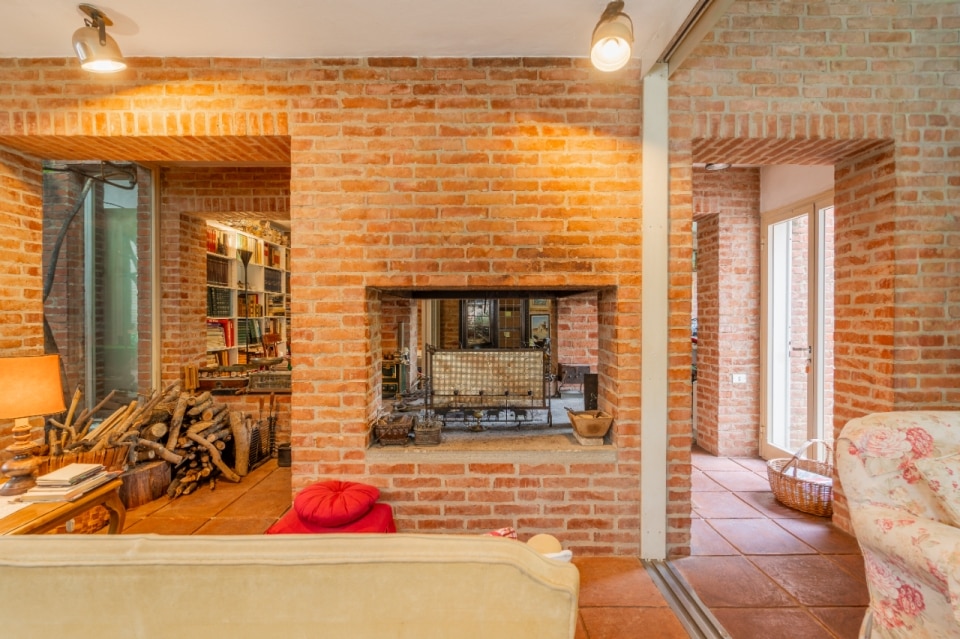
The device is as simple as it is radical: eight parallel walls organize the space, defining both rooms and visual relationships. They do not separate but connect, creating a continuity reminiscent of theatrical wings.
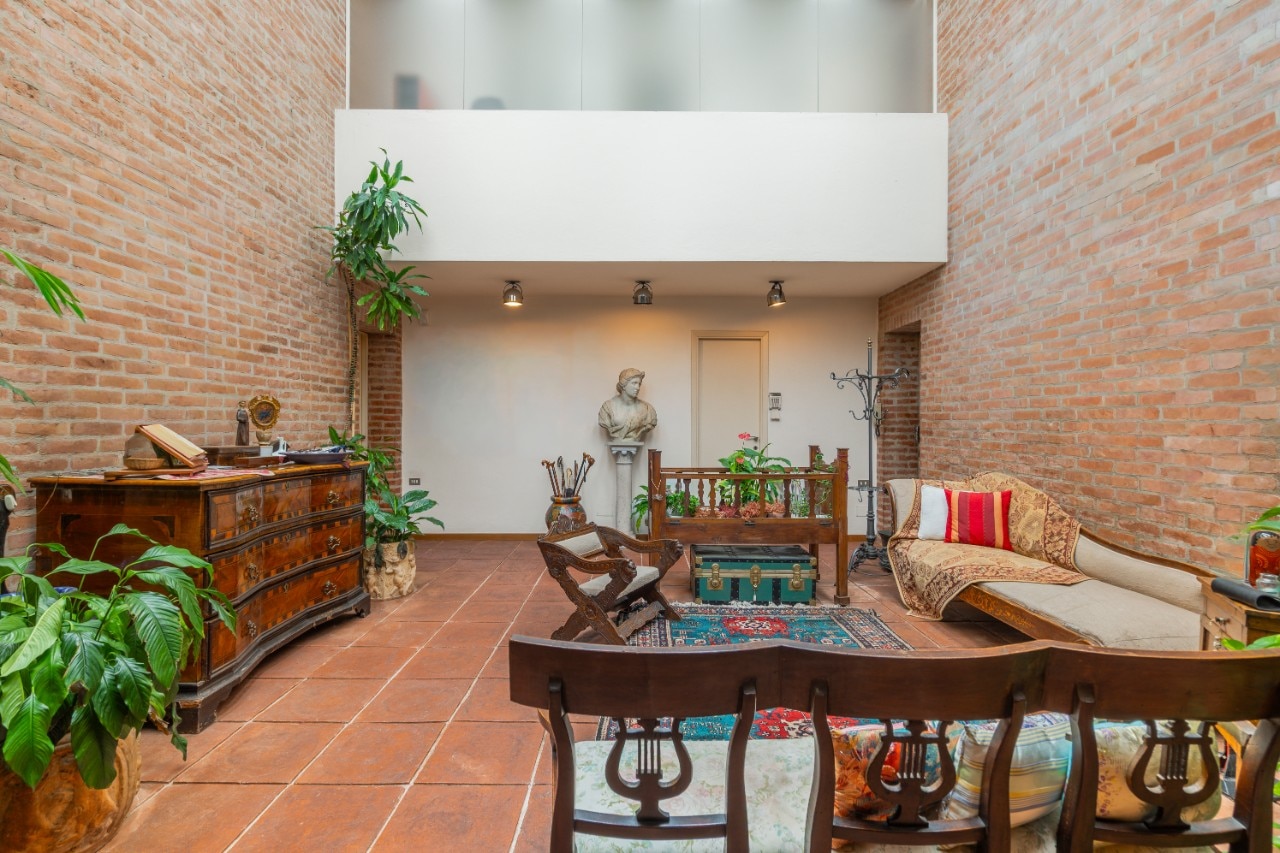
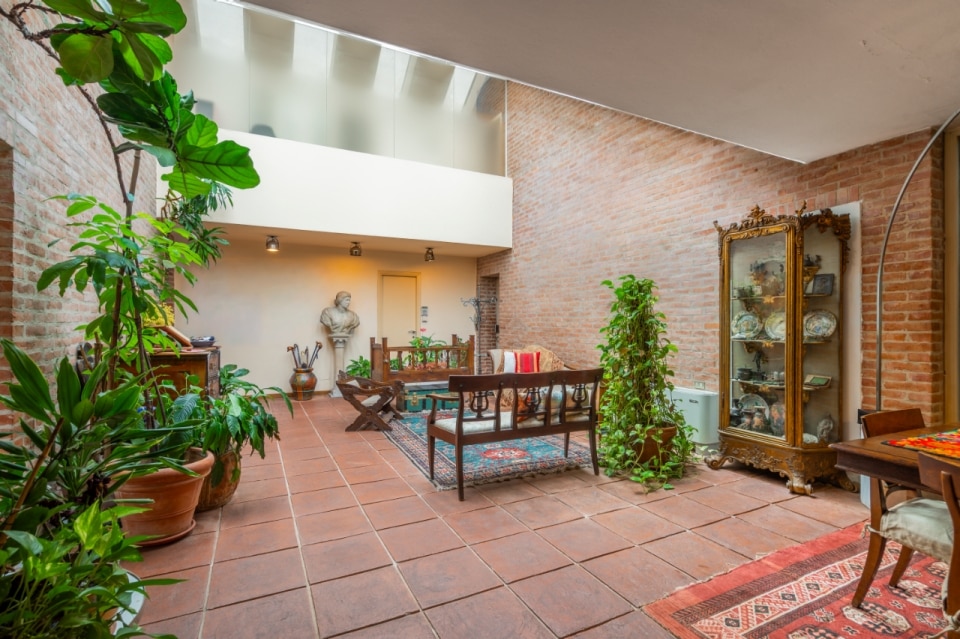
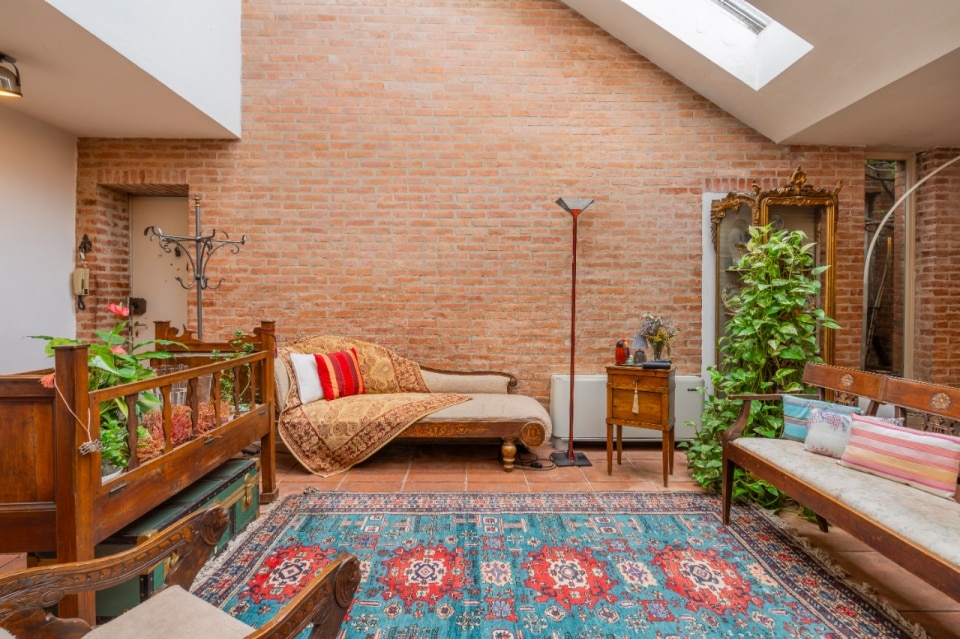
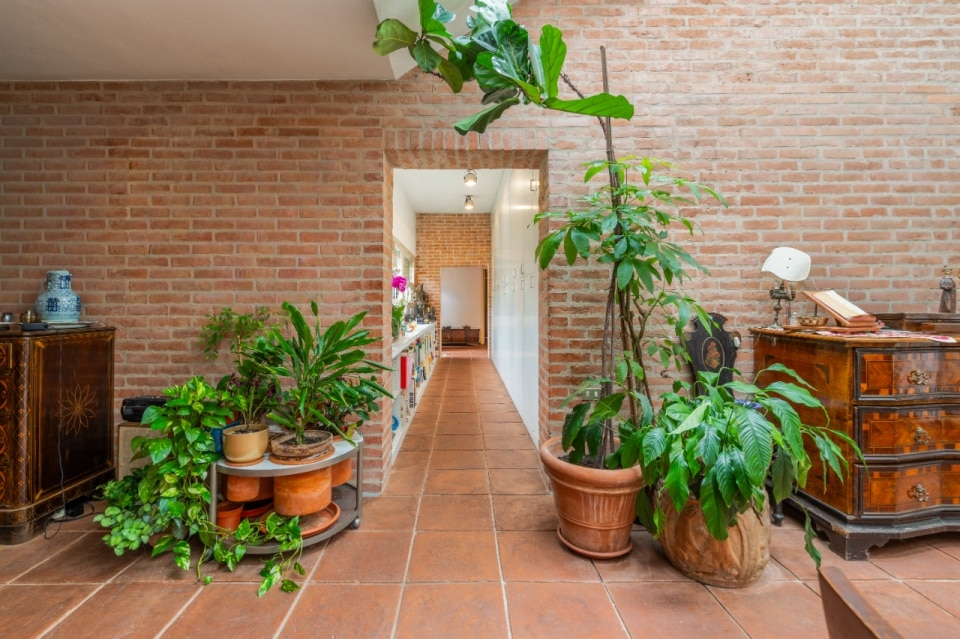
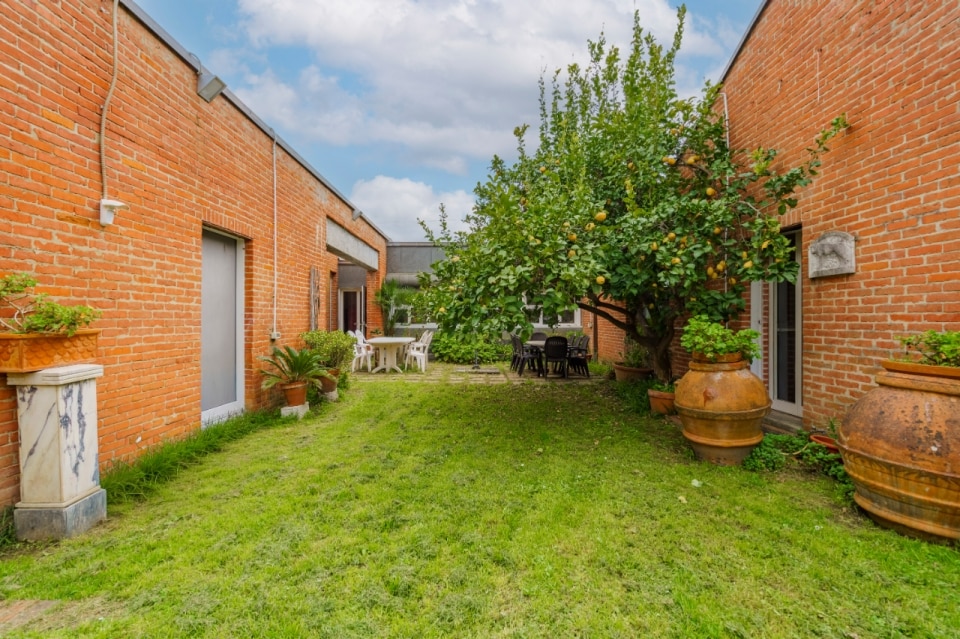
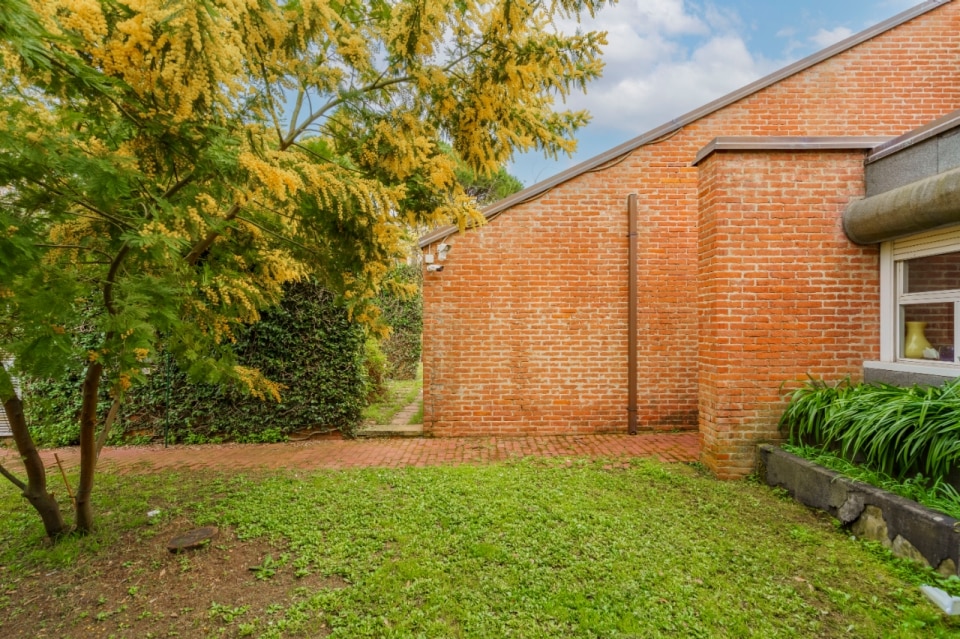
Outside, this logic takes shape in exposed brick volumes and sloping roofs that articulate the garden like a sequence of open-air rooms. Inside, the space unfolds in depth: a large living area traversed by partitions, openings, and skylights that draw light from above, while terracotta and brick punctuate both walls and floors.
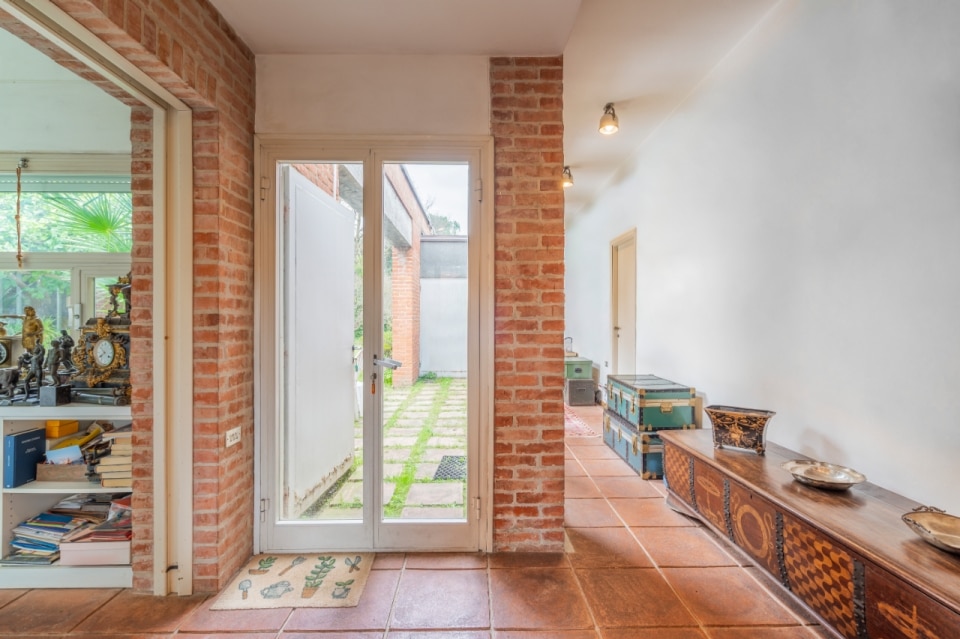
Although its intimate character might make it seem like an isolated exception, the house offers a concentrated reading of recurring themes in Aulenti’s work. In her major museum projects—from the Musée d’Orsay to the exhibition architectures for the Milan Triennale—the designer of the Pipistrello lamp was already constructing space as a narrative sequence; here, she applies the same principle on a smaller, domestic scale.
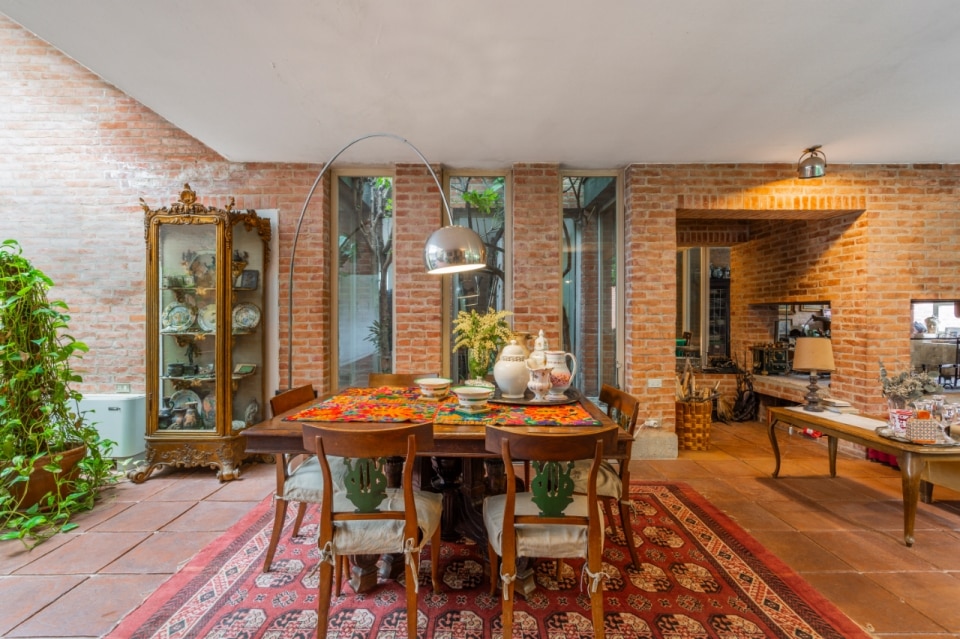
In this sense, the Pisa villa speaks more closely to her lesser-known works—such as the apartment designed as an inhabited exhibition space for the Agnelli family in Milan—than to her larger villas like Grotta Rosa on the Amalfi Coast. The garden flows into the house, while the house dissolves into the landscape. Materials operate in continuity with the context, and light becomes the true constructive protagonist of the space.
Pisa is perhaps the city most distant from those where Gae Aulenti built and worked. And it is precisely for this reason that the house stands out as a meaningful deviation—one that reveals a more intimate, almost previously unseen dimension of the great architect’s work.