




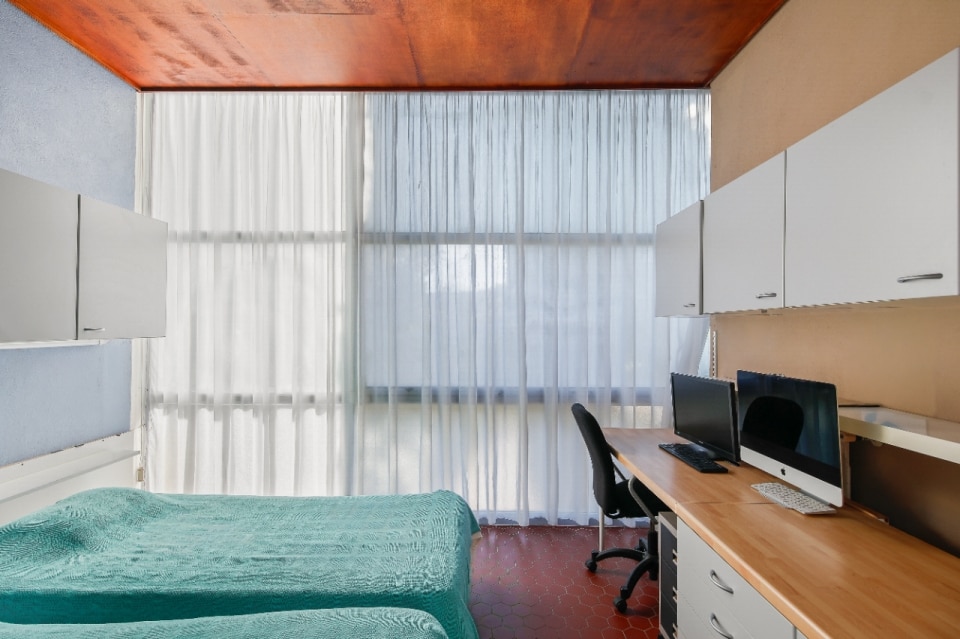
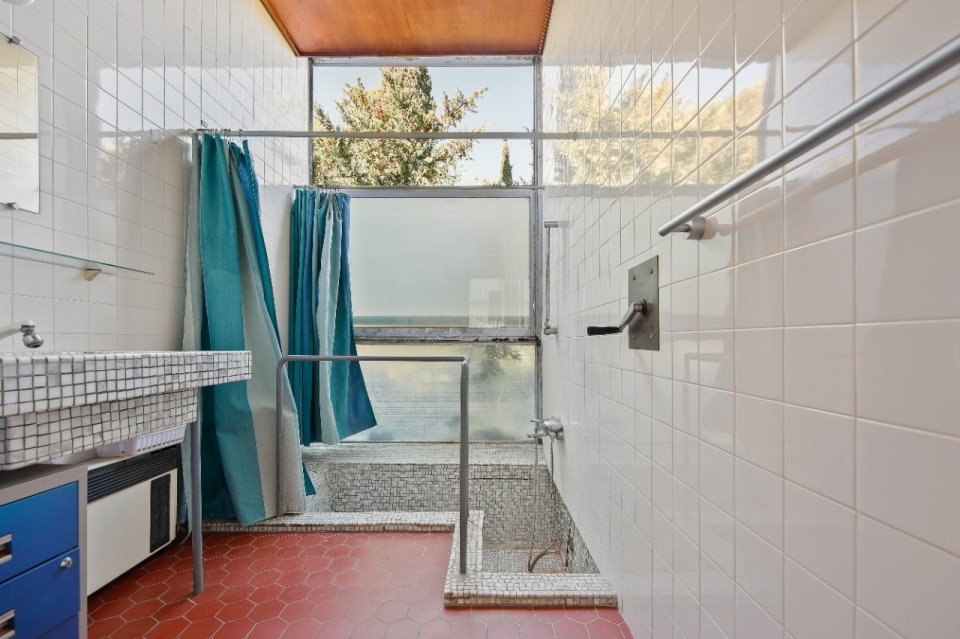
If a villa nestled among the gentle, sunny hills of southern France, just a few minutes from the beaches, is an invitation to dream of a “cathartic” escape from the daily hustle and bustle, the fact that it was designed by one of the pioneers of the Modern Movement makes the fantasy even more appealing: this is the case with Villa de Mandrot (also known as L'Artaude), not far from Toulon, western edge of the French Riviera, which Le Corbusier designed for his friend and patron Hélène de Mandrot and which is now for sale for those who want (and can afford) to buy a piece of architectural history.
Hélène de Mandrot met Le Corbusier at the first CIAM congress held at her castle in La Sarraz, Switzerland, in 1928, and the following year she commissioned him to design a holiday home: this commitment gave the Swiss master the opportunity to experiment, in a Mediterranean context, on the design vocabulary he codified in the “five points of architecture” (pilotis, open floor plan, open façade, strip windows and roof terrace, as embodied in the Villa Savoye in Poissy of the same year), and hybridize it with expressive features from Provençal vernacular architecture.
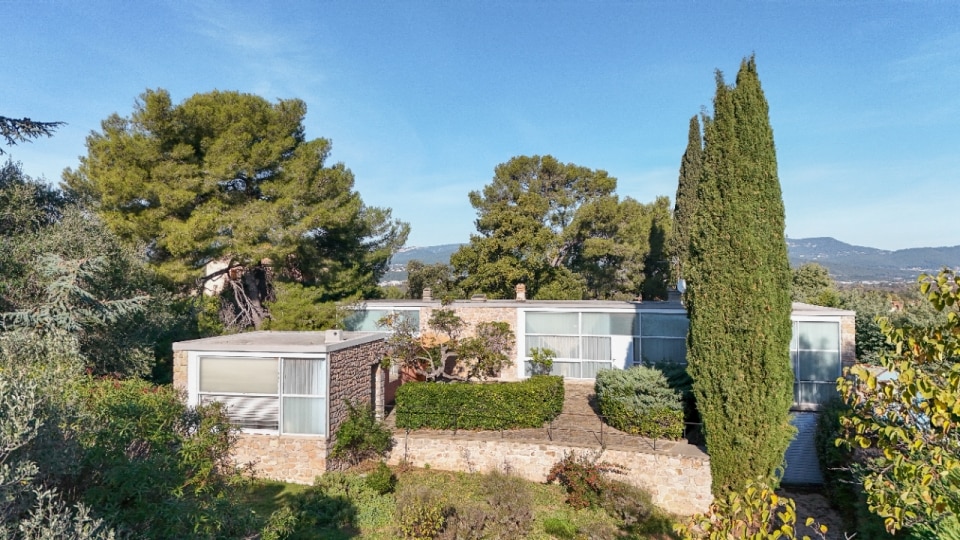
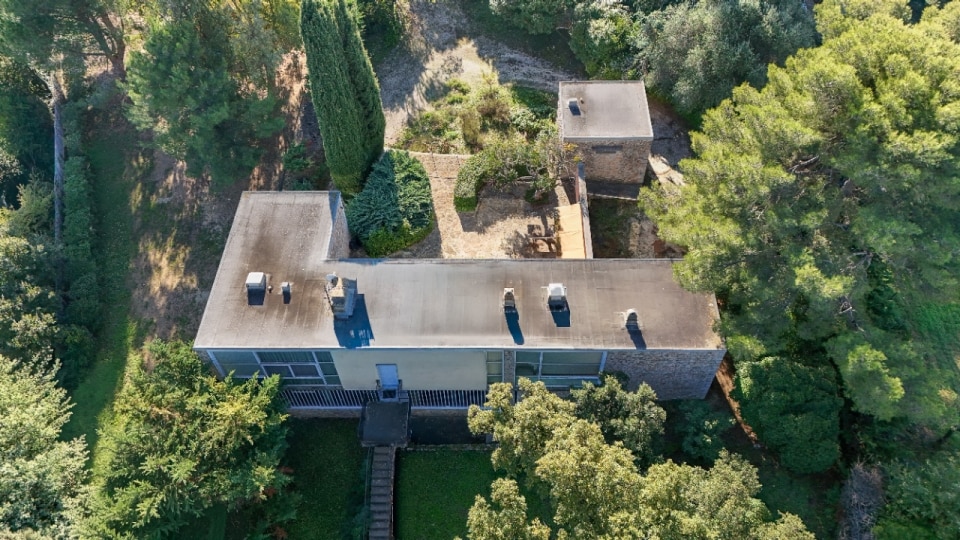
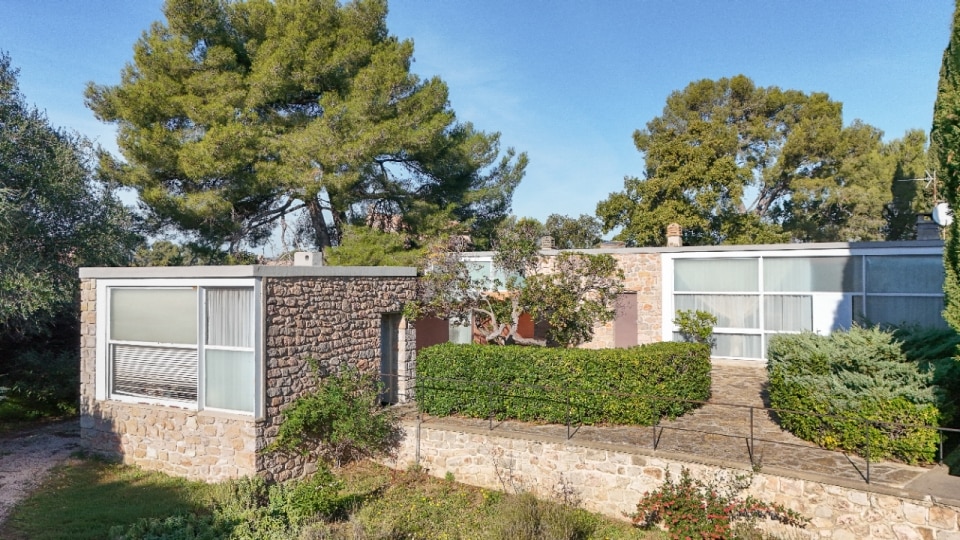
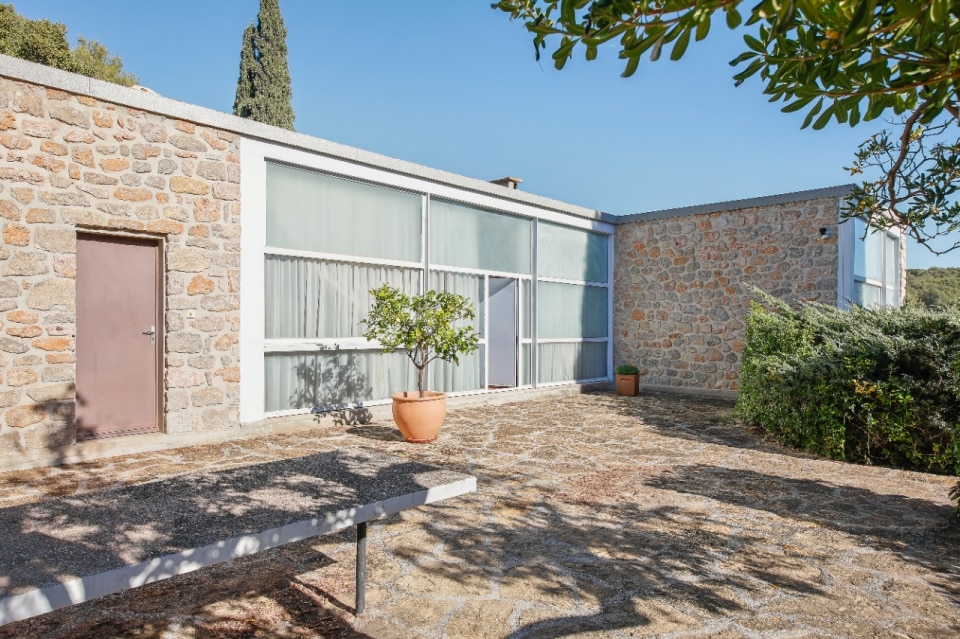
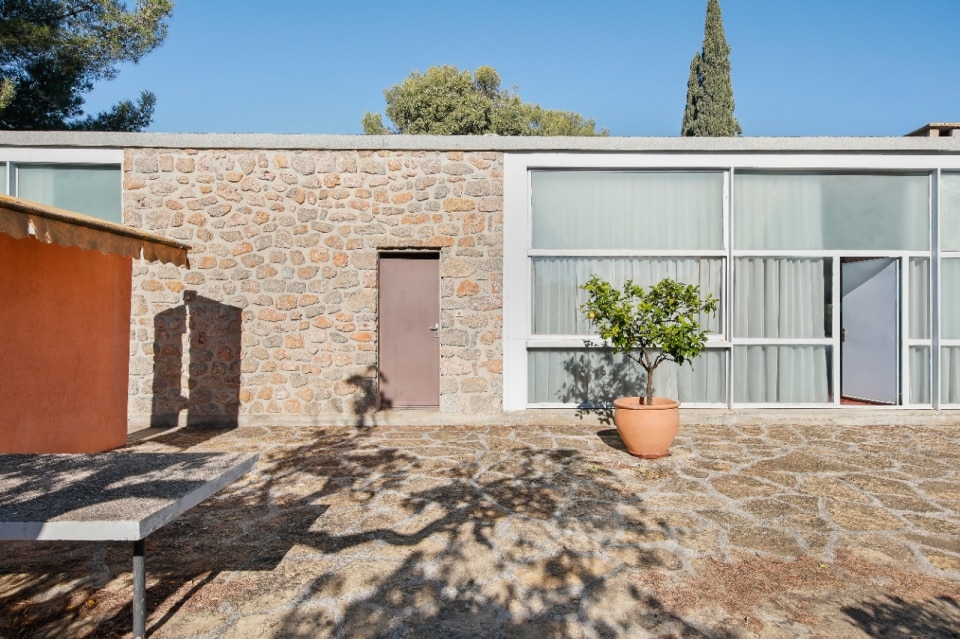
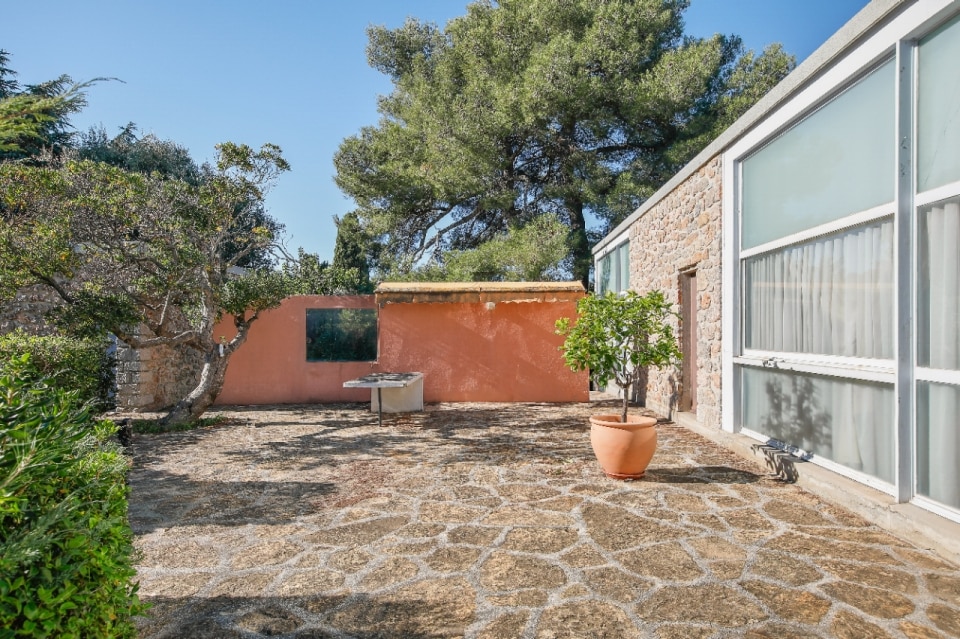
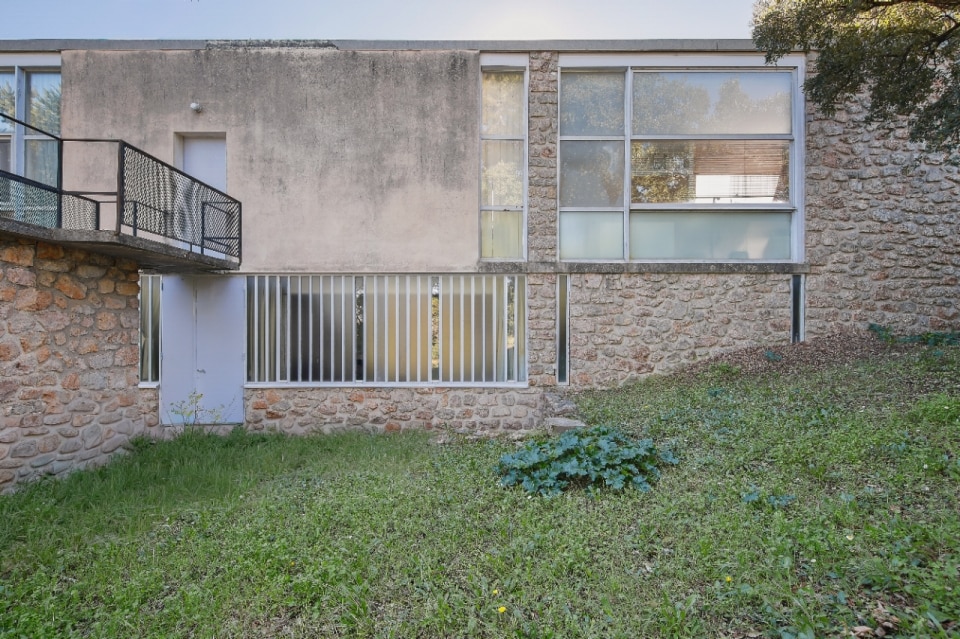
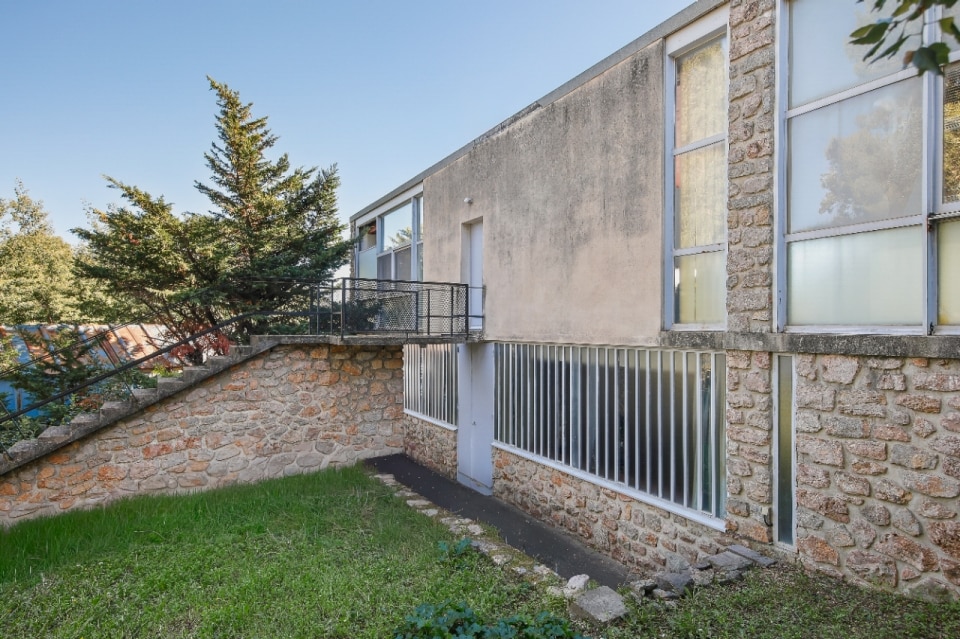
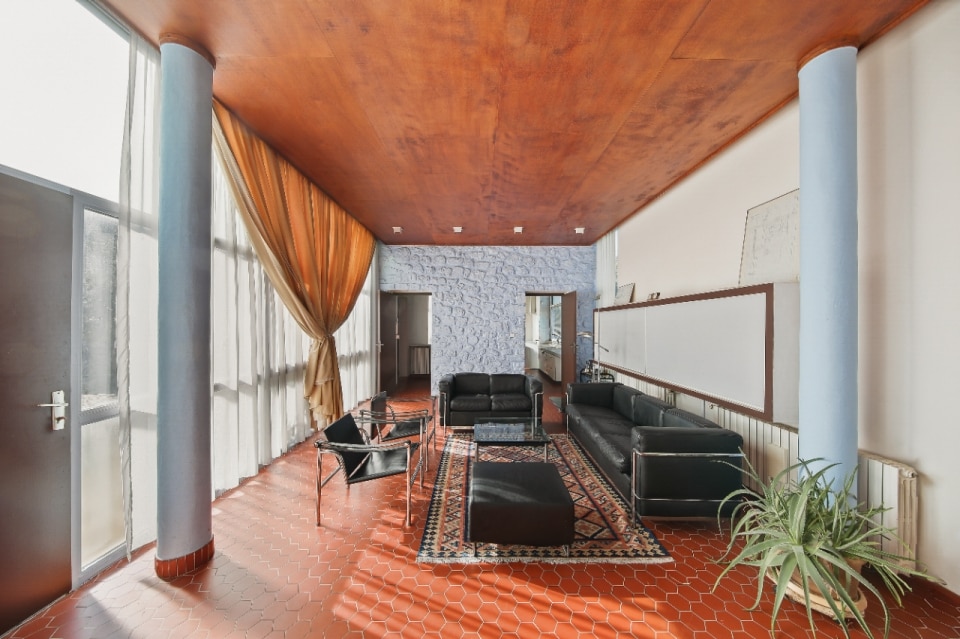
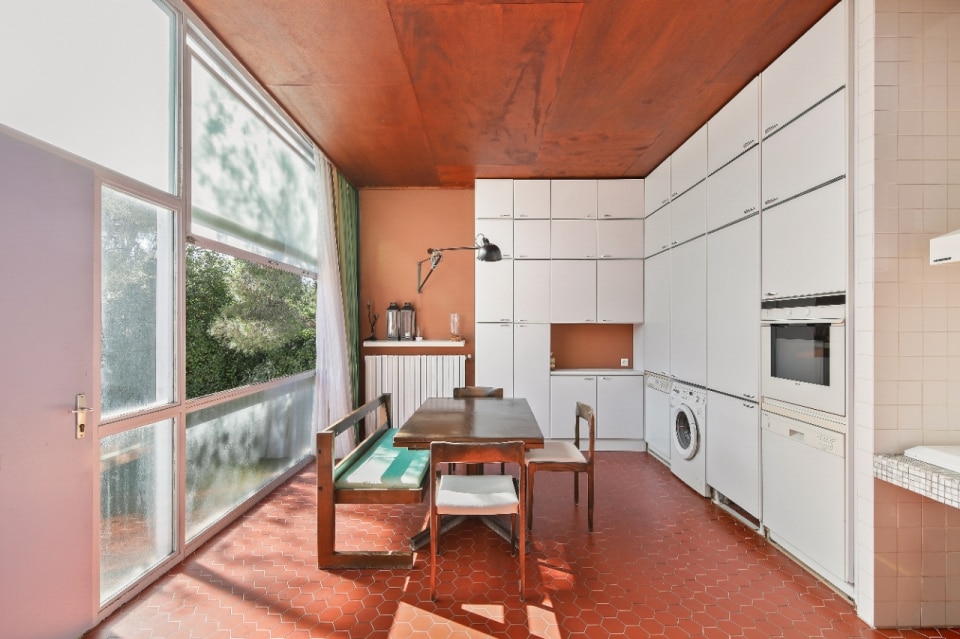
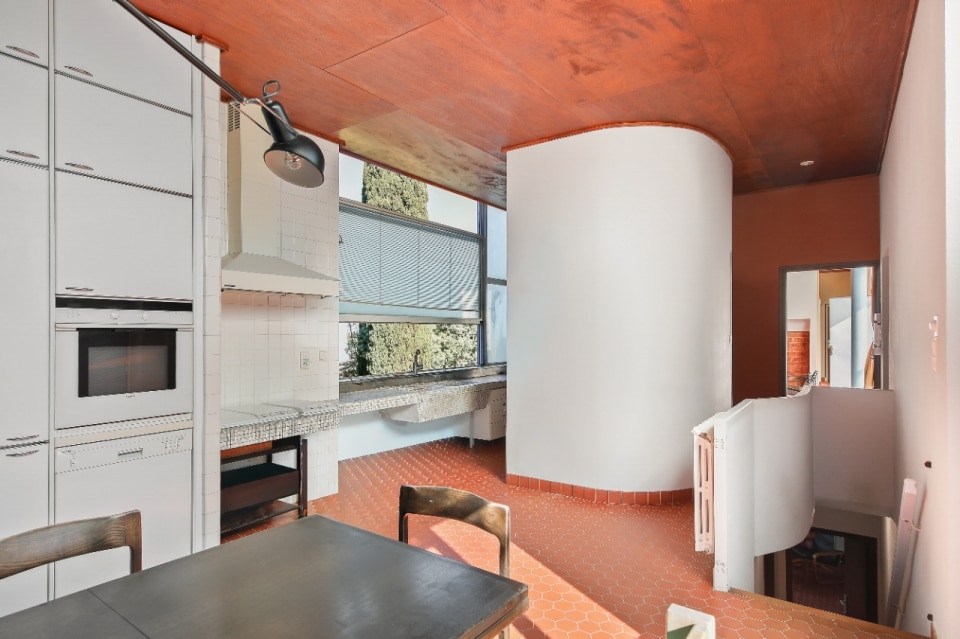
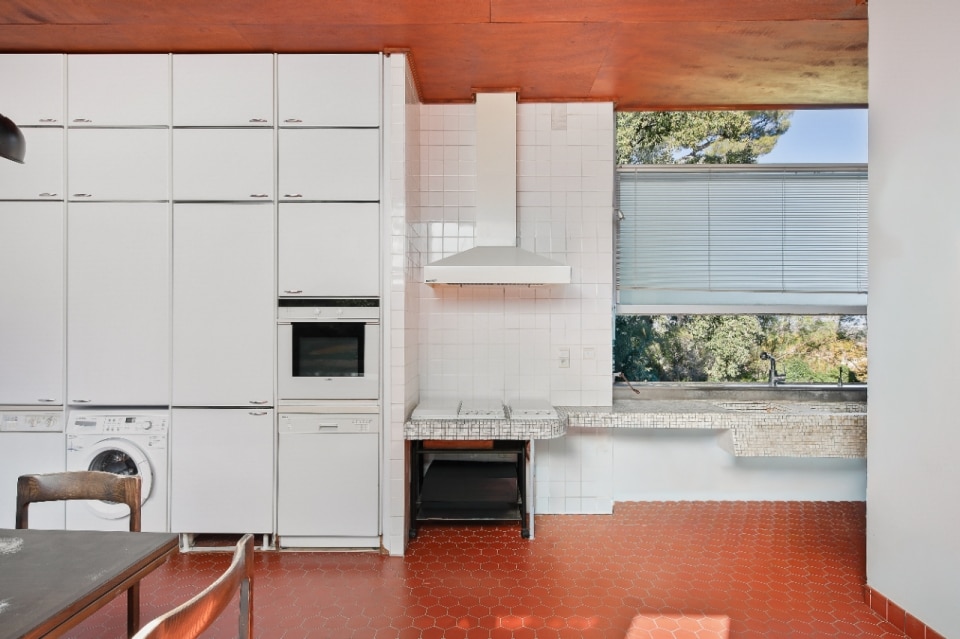
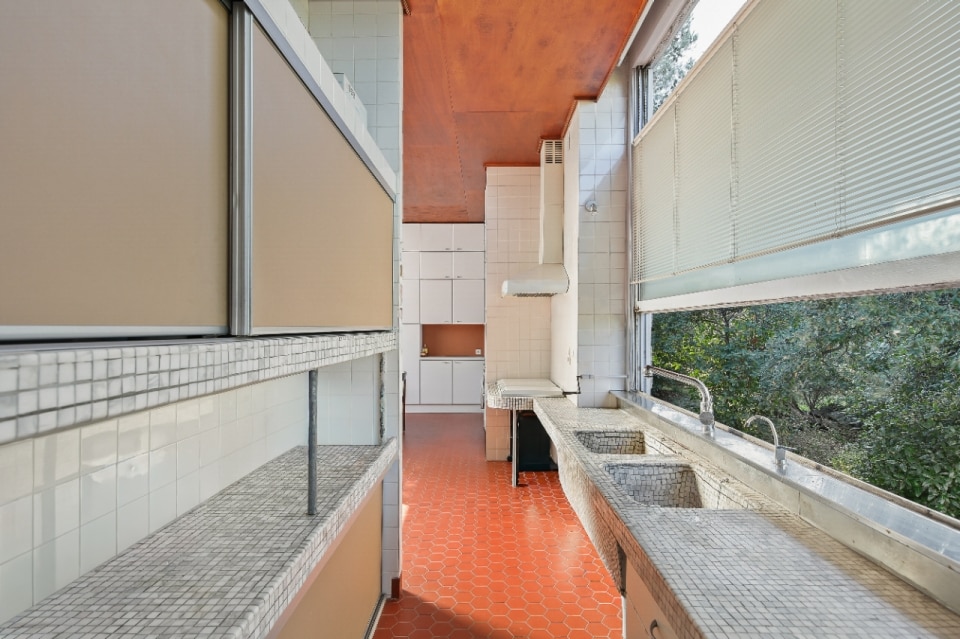
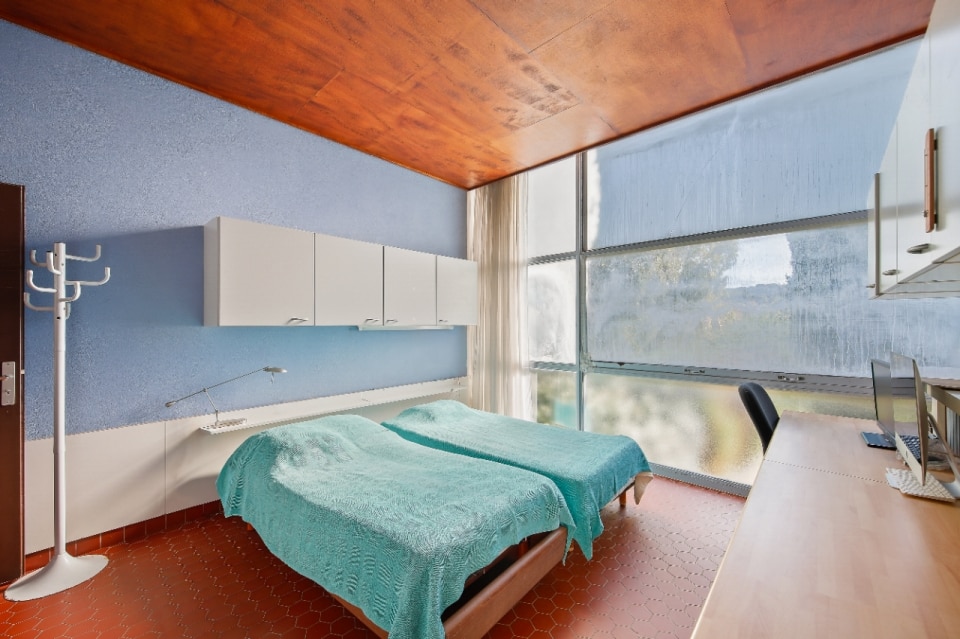
The 200 sqm house, situated on a 2,450 sqm plot dotted with lavender, cypresses and lemon trees, features an L-shaped layout that embraces a panoramic terrace to the south and is arranged on two levels, one of which is a basement. A small annex detached from the main building ideally closes the perimeter, evoking the geometry of a Mediterranean patio. Externally, the box-like volume opens with generous windows facing the landscape to the south, maintaining a more introverted character on the rear north side, interrupted only by windows at the ends and a few openings that illuminate the basement. Inside, the ground floor includes a large living room with fireplace, a kitchen with dining area, a master bedroom with en-suite bathroom and another bedroom or study with a second bathroom. On the lower level, a living area of 80 square metres houses a workshop, a kitchen and a bathroom, as well as a cellar and a garage.
A sense of domestic warmth that softens even the most efficient machine à habiter.
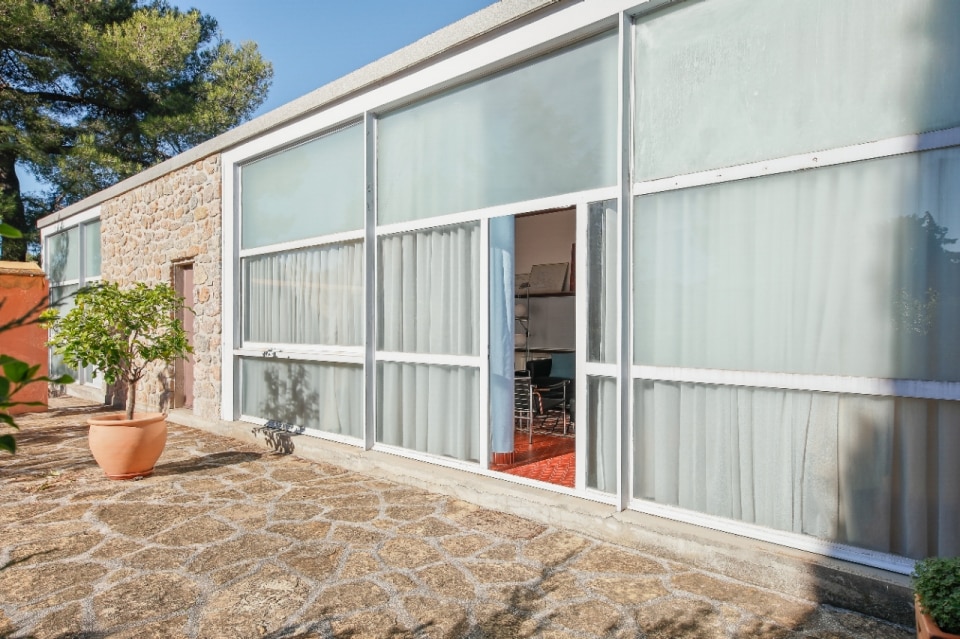
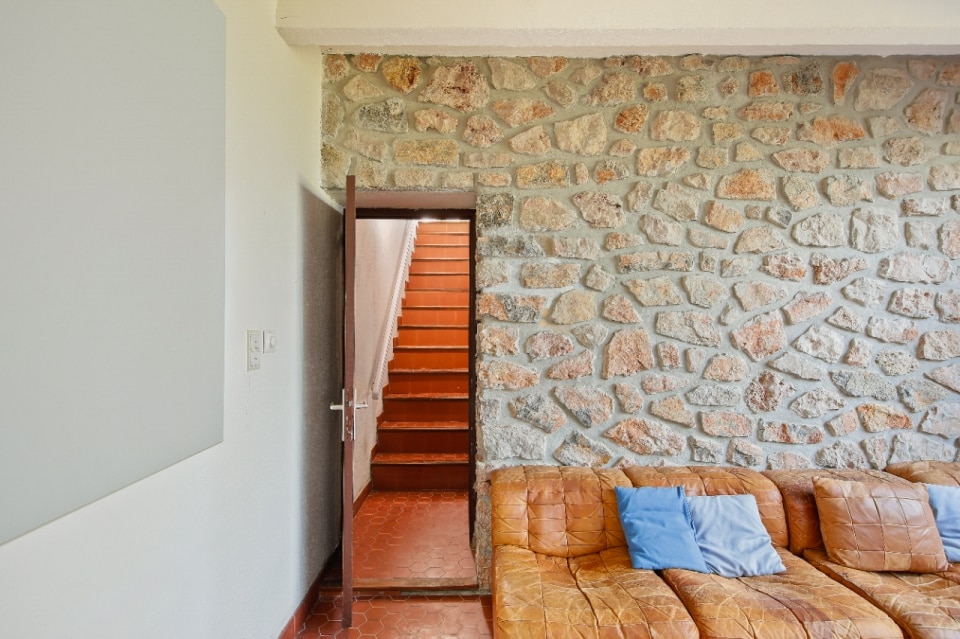
While the clear and functional layout reflects the rationalist style, the choice of traditional materials and construction techniques places the work in a cultural context deeply rooted in the Genius Loci. After the preliminary idea of using prefabricated steel modules was abandoned, the external shell is characterised not by a punctiform structural texture and an immaculate, rarefied enclosure (as in Villa Savoye), but by continuous exposed local stone walls, lending an unusual gravity to the overall composition, interrupted only by large glass panels.
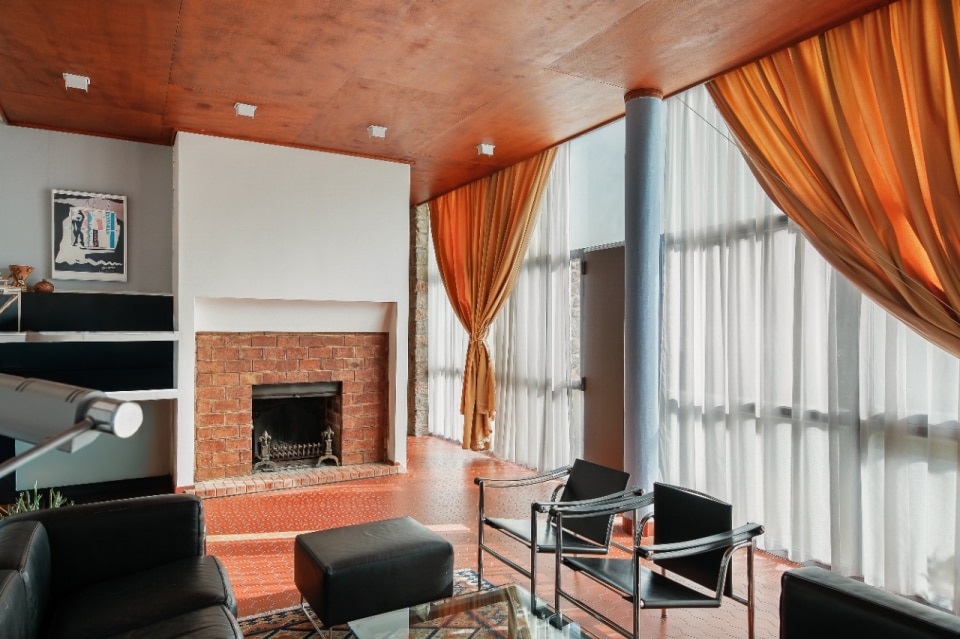
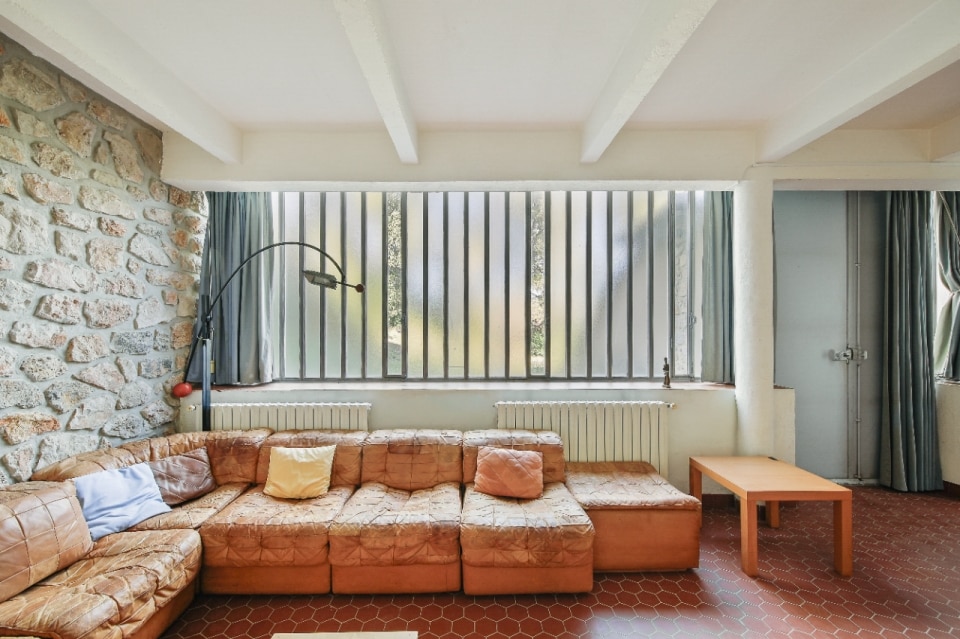
Inside, spaces flooded with light (as in the best modernist tradition) are enlivened by vibrant material contrasts between the exposed stone masonry, the plastered walls and the soft, warm tones of the floor, the brick fireplace, the wooden ceiling and the enveloping curtains.
A “domestic warmth” that gives even the most efficient of the “machines à habiter” a cosy feel.