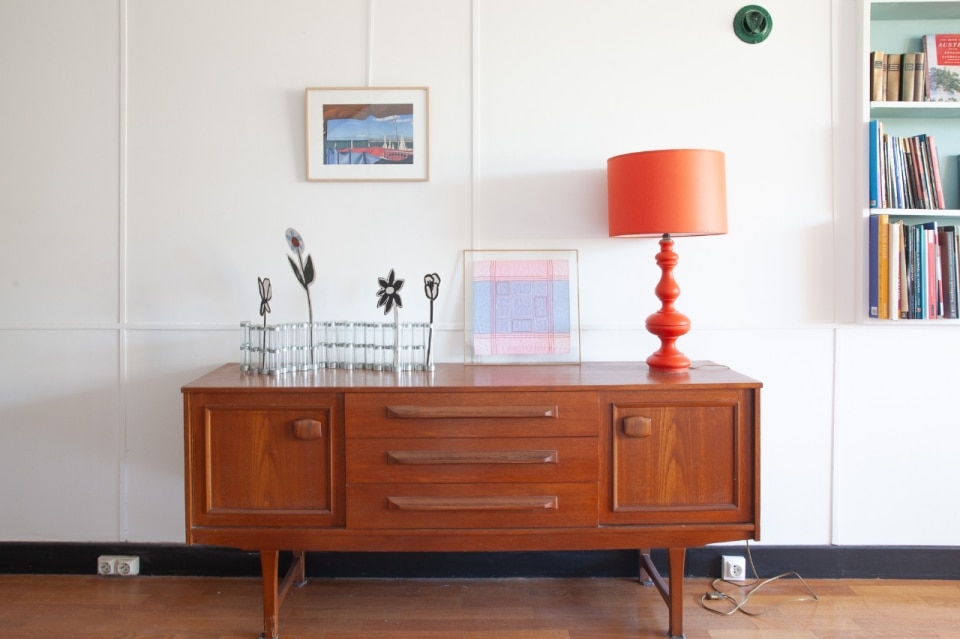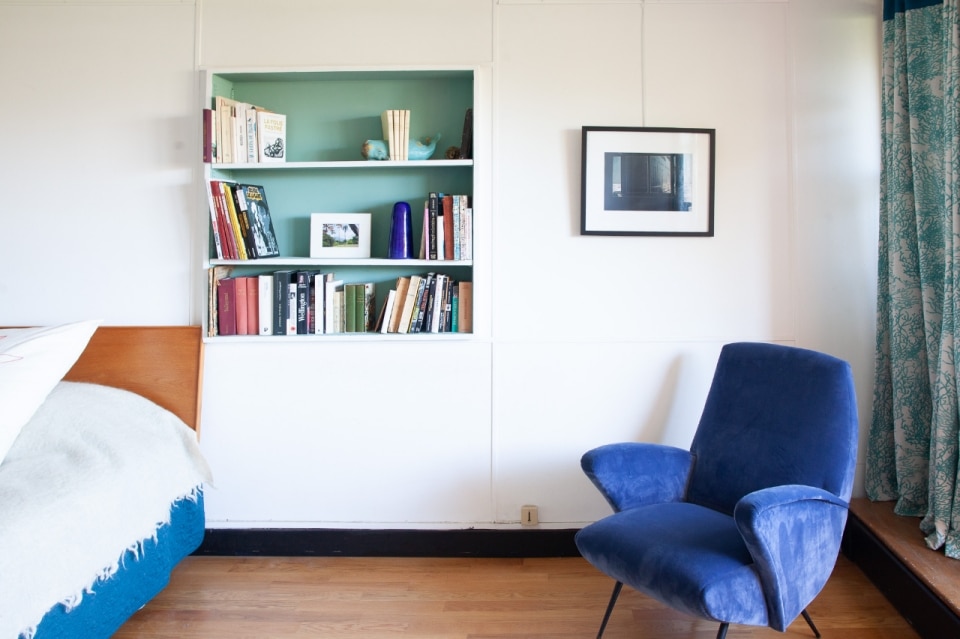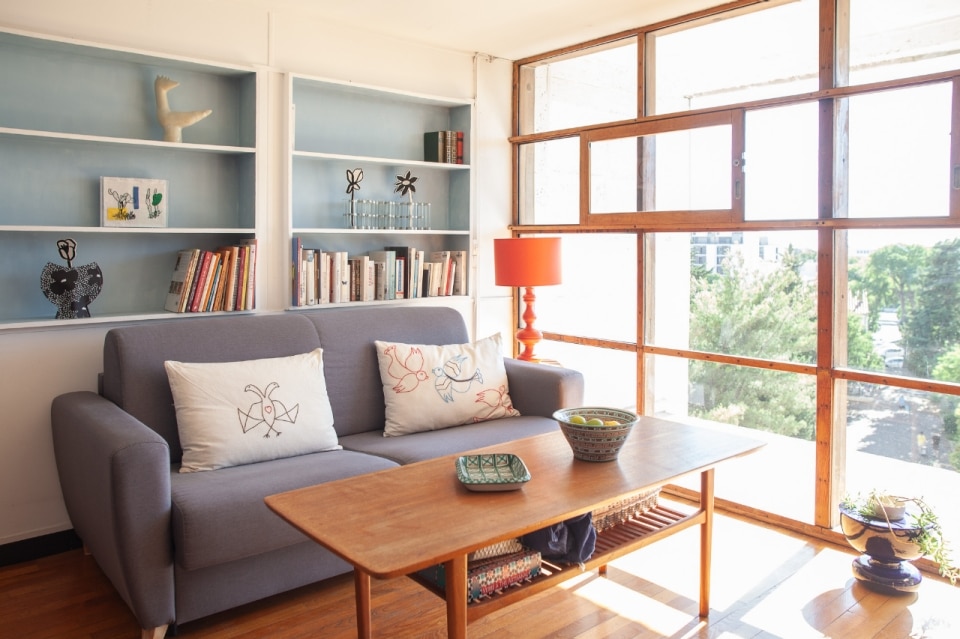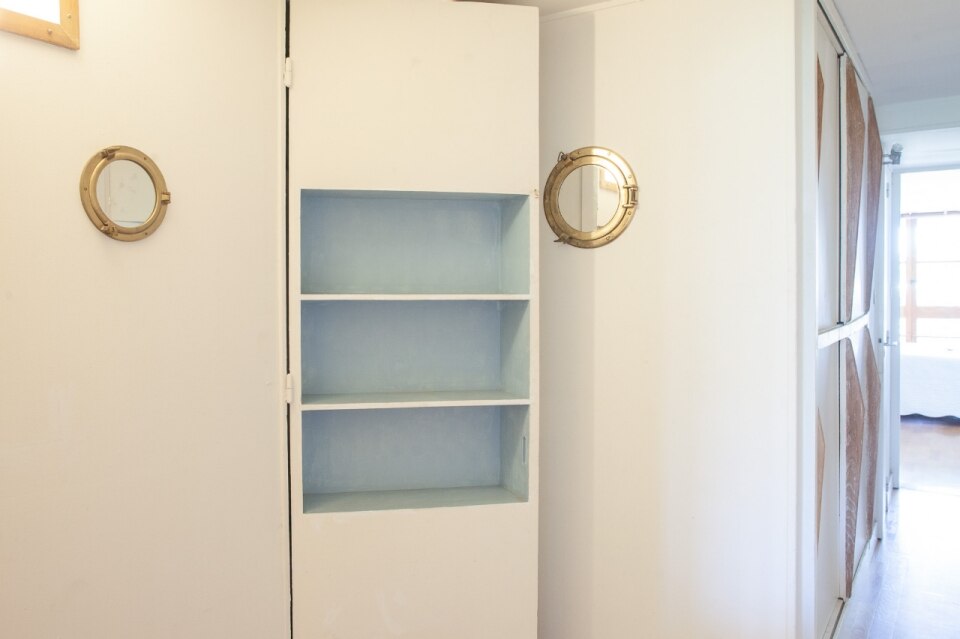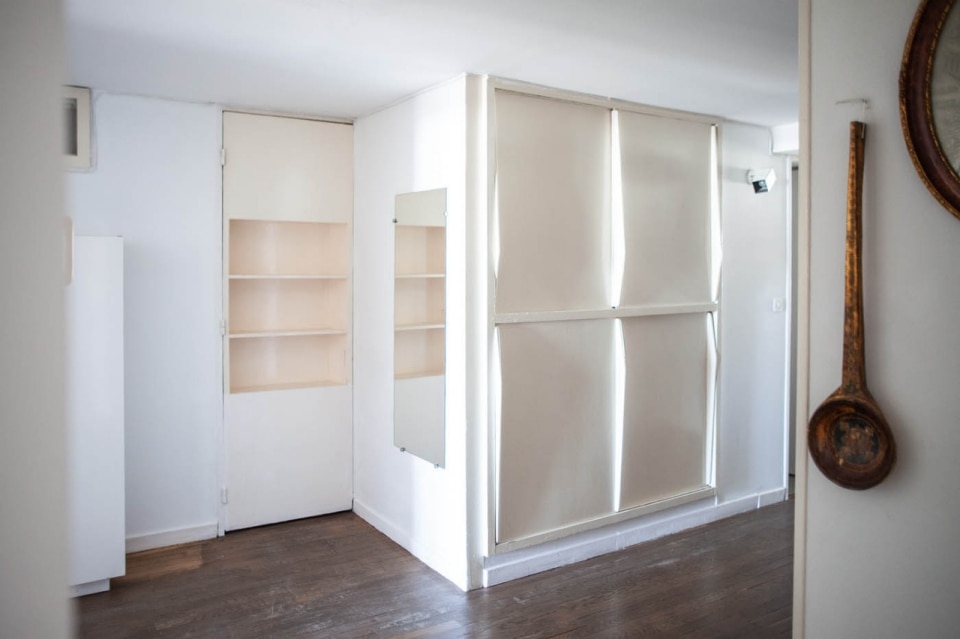
It is not entirely impossible to live “in a Le Corbusier.” The Swiss master’s residential architectures are far from rare, scattered across at least three continents. There is even a life-long art project, “My House is a Le Corbusier”, by Italian artist Christian Chironi, dedicated precisely to this idea: inhabiting Jeanneret’s houses wherever possible.
What is unusual, however, is to find on the market, at the same time, three dwellings that alone would suffice to portray Le Corbusier’s legacy from before and after the Second World War: two “G” and “E” type duplexes inside the Unité d’Habitation in Marseille, and an apartment in the Molitor building in western Paris, directly beneath the one he chose for himself as both home and painter’s studio. The properties are offered by Architecture de Collection, the Parisian agency that pioneered the sale of outstanding twentieth- and twenty-first-century architecture.
View gallery
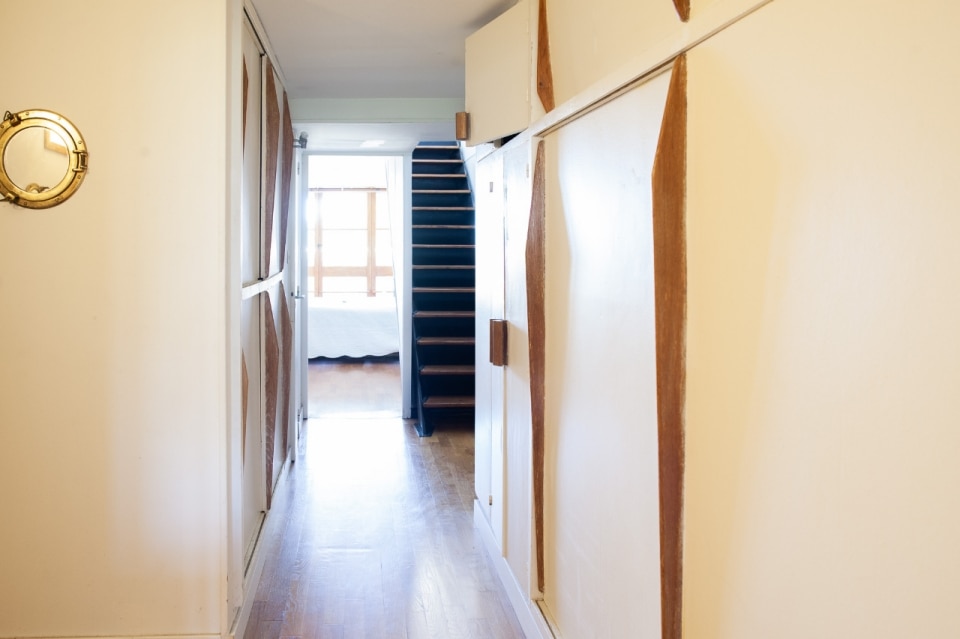
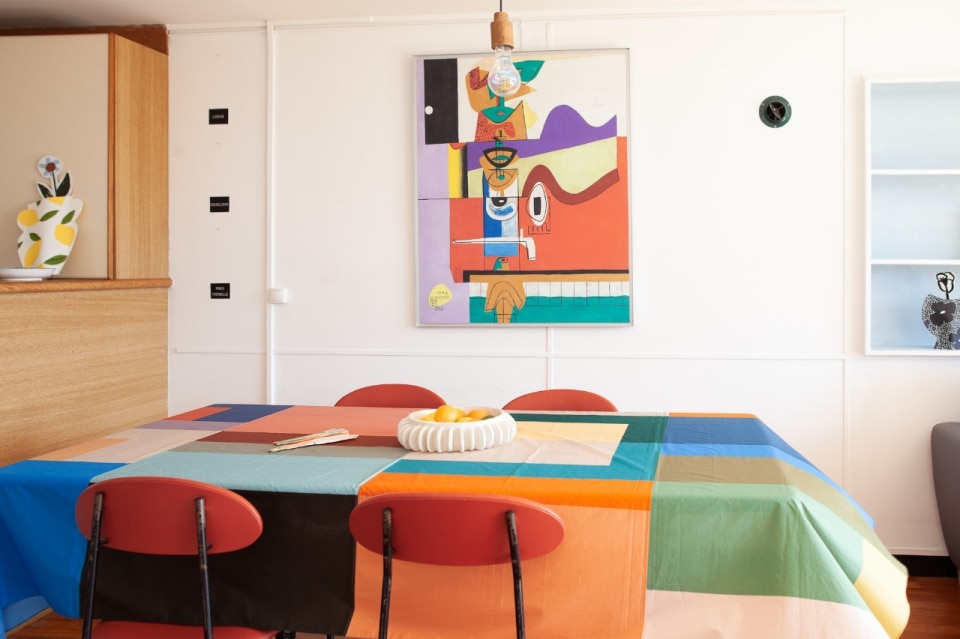
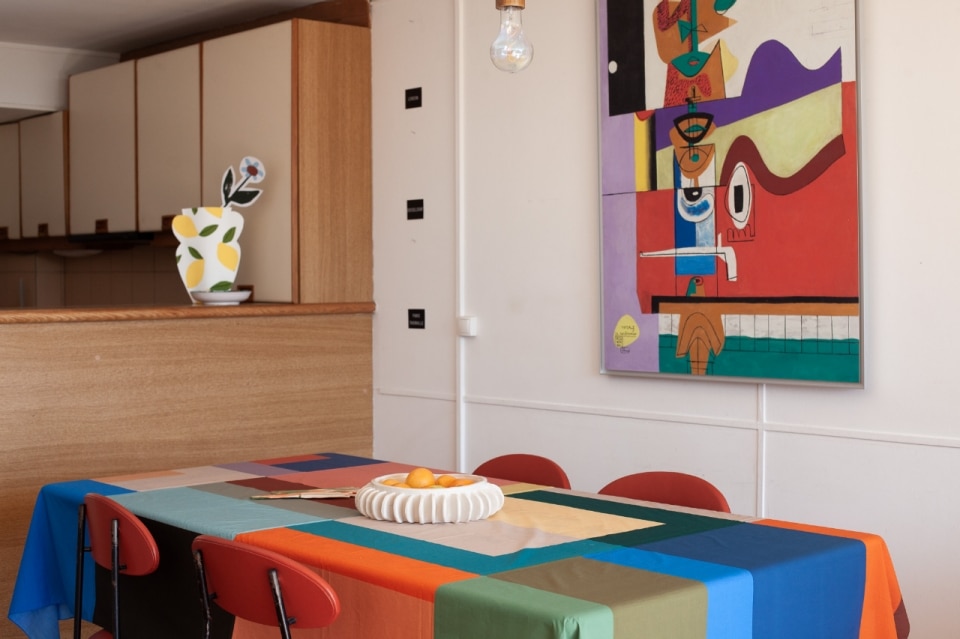
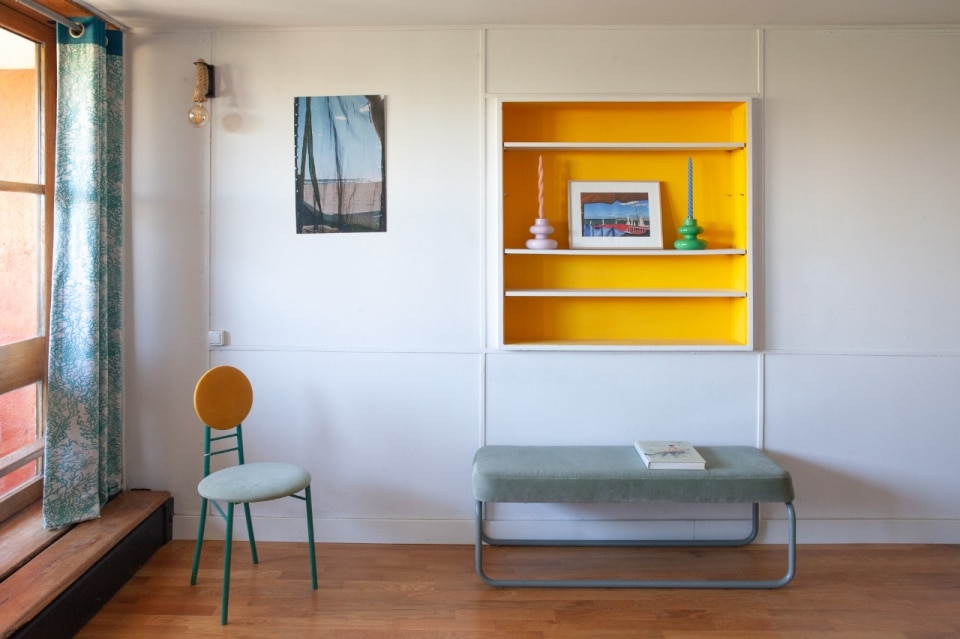
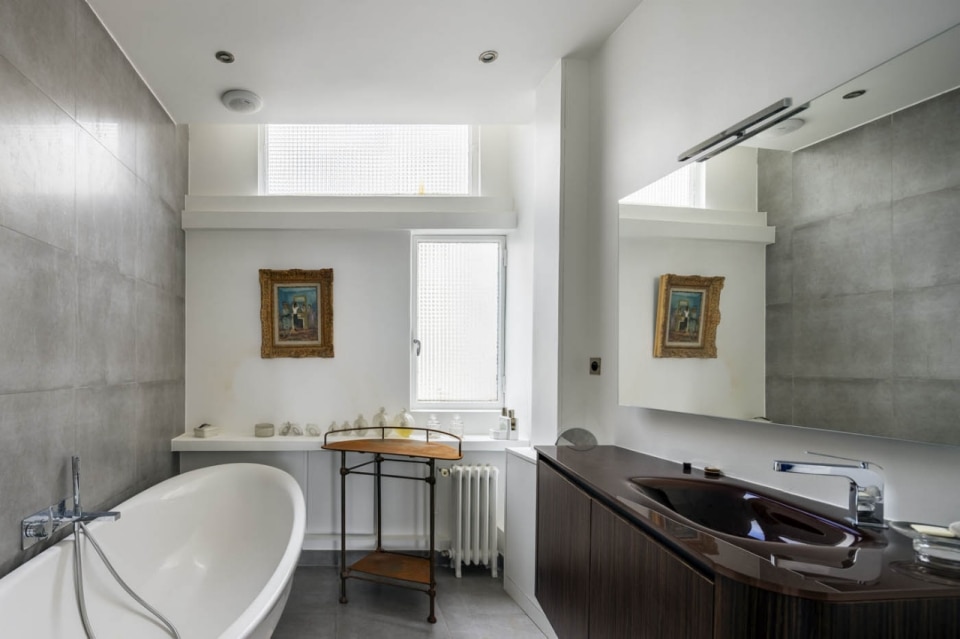
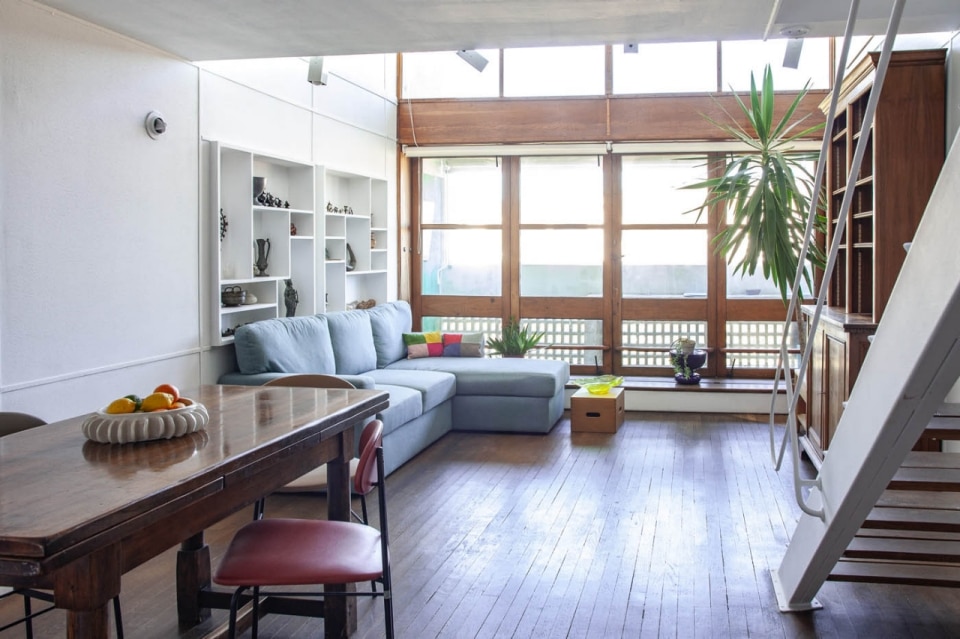
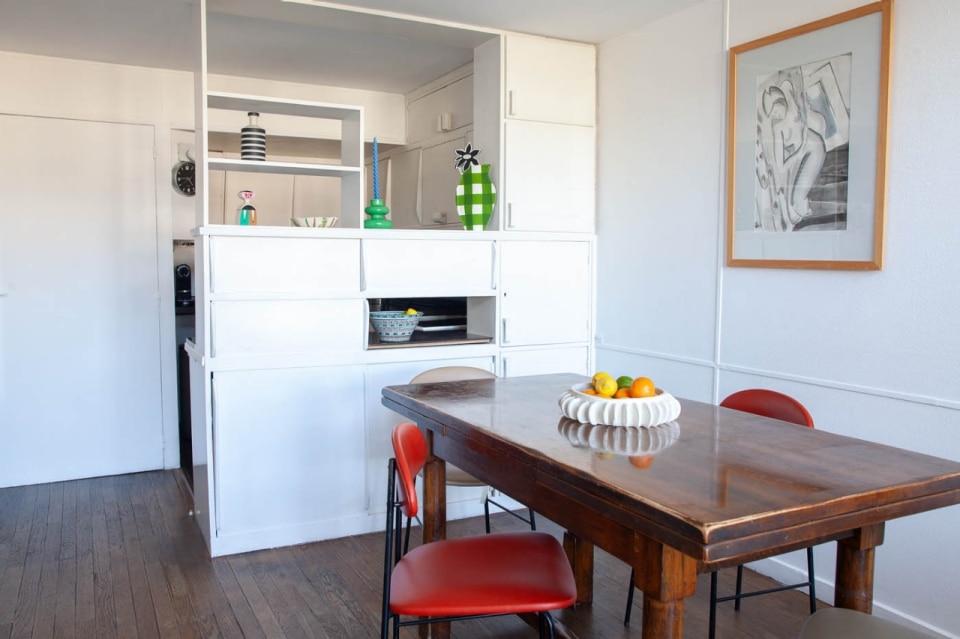
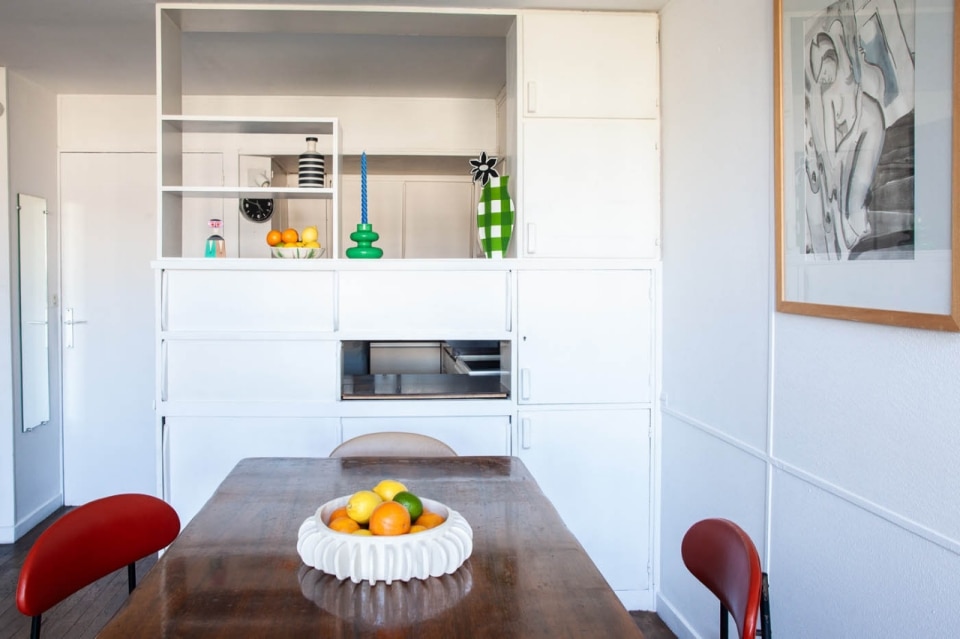
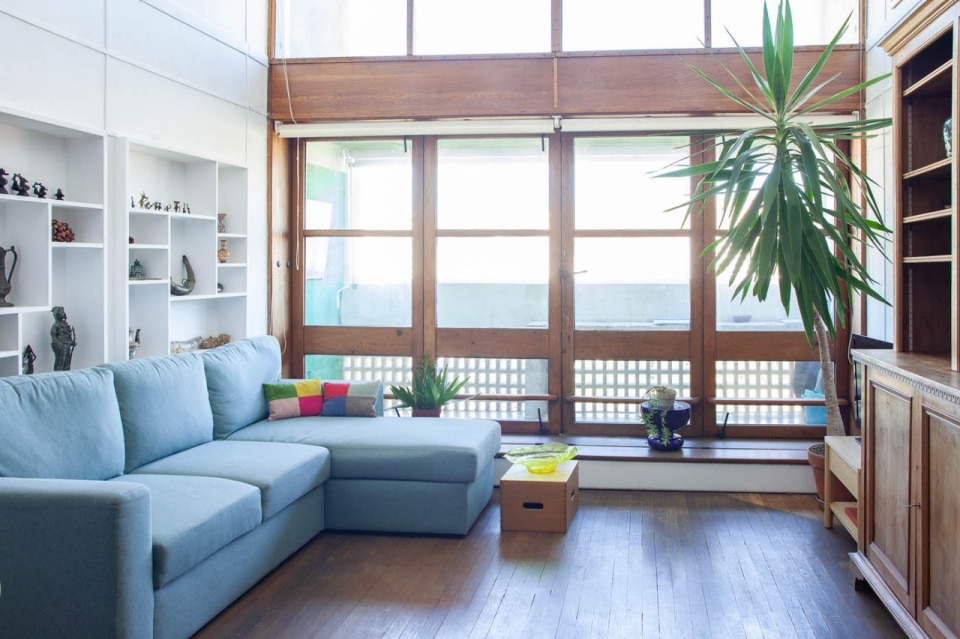
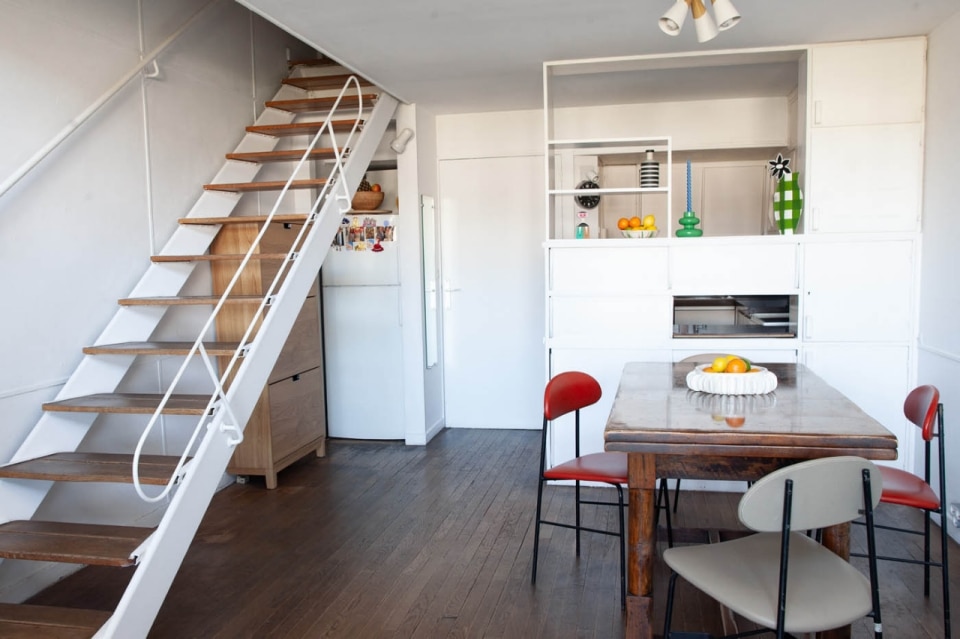
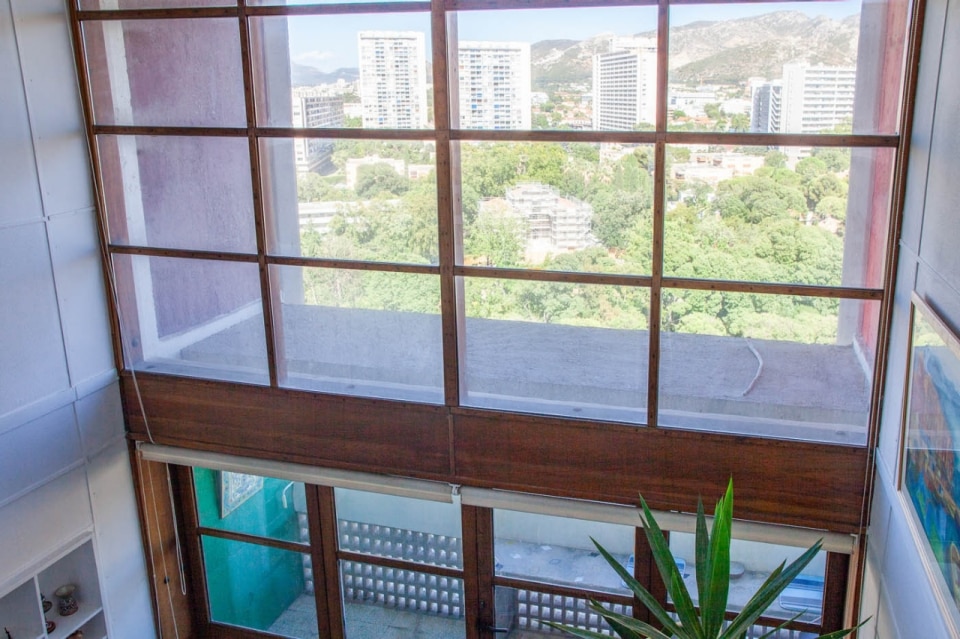
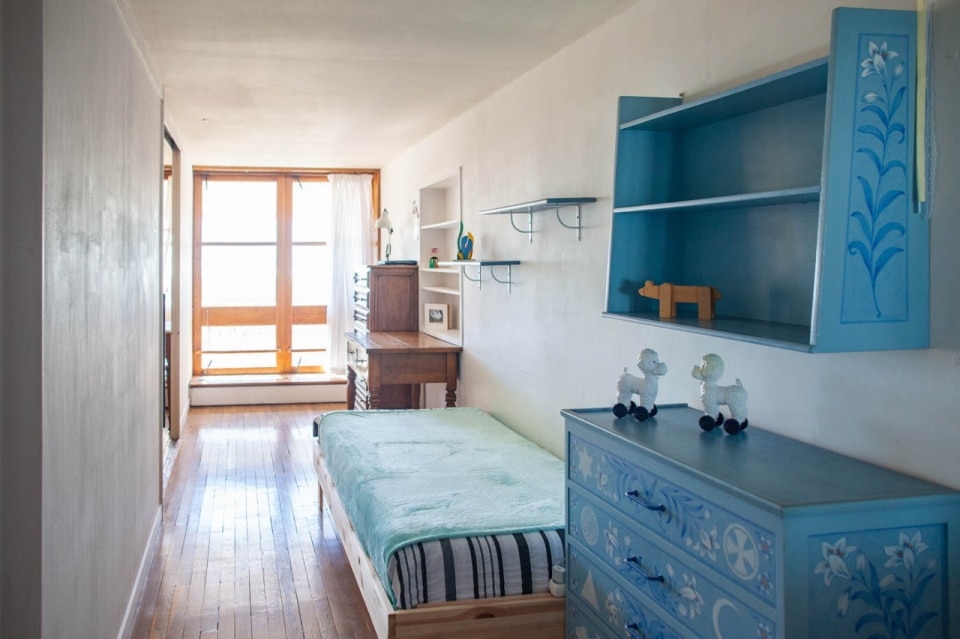
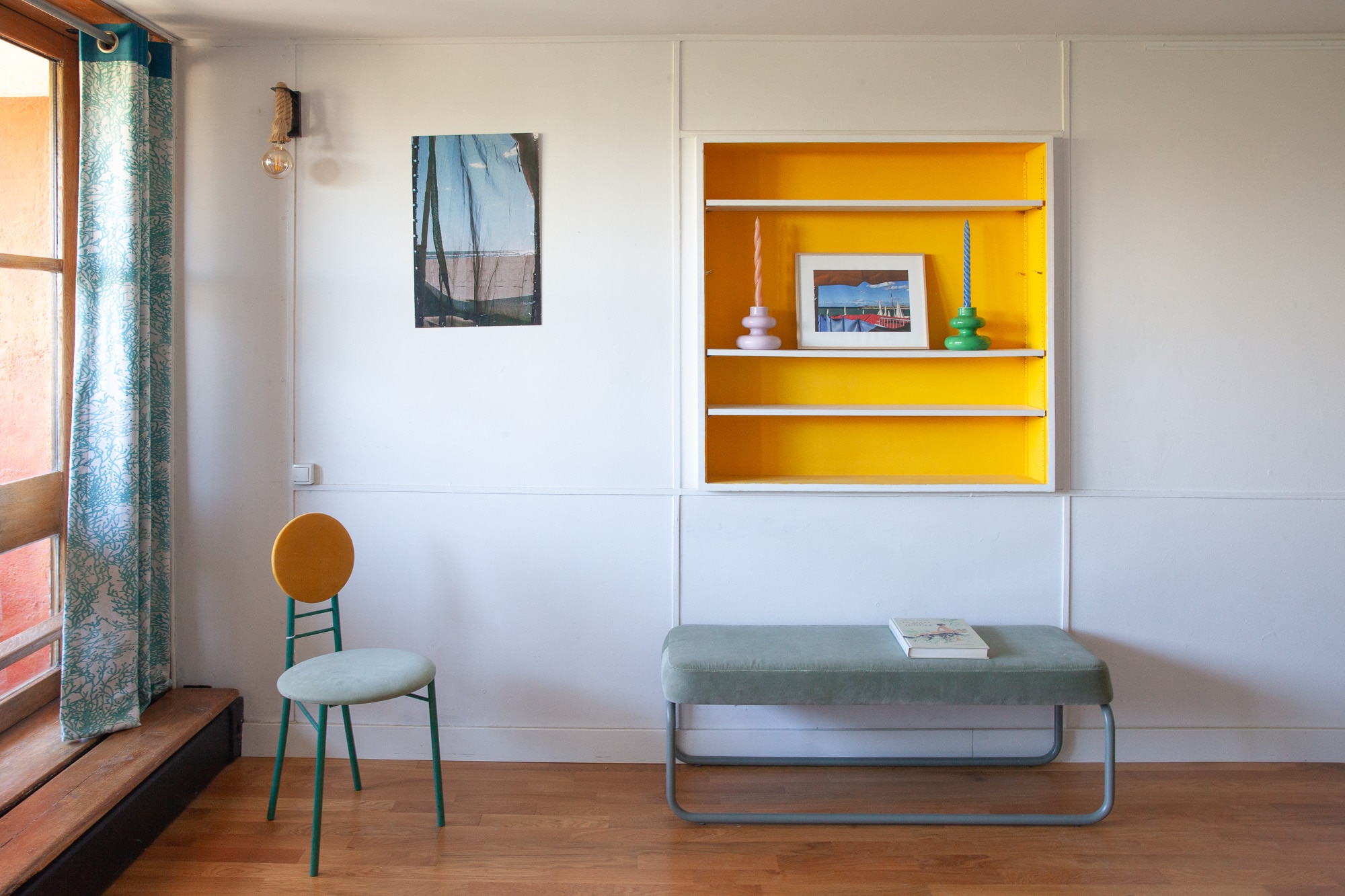
An extended type E duplex in the Cité Radieuse by Le Corbusier
© FLC / ADAGP 2025 © Photos Magali Joannon/ Home staging Maison Mirbel / Exteriors views : © Photos Valérie Ruperti
An extended type E duplex in the Cité Radieuse by Le Corbusier
© FLC / ADAGP 2025 © Photos Magali Joannon/ Home staging Maison Mirbel / Exteriors views : © Photos Valérie Ruperti
An extended type E duplex in the Cité Radieuse by Le Corbusier
© FLC / ADAGP 2025 © Photos Magali Joannon/ Home staging Maison Mirbel / Exteriors views : © Photos Valérie Ruperti
An extended type E duplex in the Cité Radieuse by Le Corbusier
© FLC / ADAGP 2025 © Photos Magali Joannon/ Home staging Maison Mirbel / Exteriors views : © Photos Valérie Ruperti
An extended type E duplex in the Cité Radieuse by Le Corbusier
© FLC / ADAGP 2025 © Photos Magali Joannon/ Home staging Maison Mirbel / Exteriors views : © Photos Valérie Ruperti
An extended type E duplex in the Cité Radieuse by Le Corbusier
© FLC / ADAGP 2025 © Photos Magali Joannon/ Home staging Maison Mirbel / Exteriors views : © Photos Valérie Ruperti
An extended type E duplex in the Cité Radieuse by Le Corbusier
© FLC / ADAGP 2025 © Photos Magali Joannon/ Home staging Maison Mirbel / Exteriors views : © Photos Valérie Ruperti
An extended type E duplex in the Cité Radieuse by Le Corbusier
© FLC / ADAGP 2025 © Photos Magali Joannon/ Home staging Maison Mirbel / Exteriors views : © Photos Valérie Ruperti
An extended type E duplex in the Cité Radieuse by Le Corbusier
© FLC / ADAGP 2025 © Photos Magali Joannon/ Home staging Maison Mirbel / Exteriors views : © Photos Valérie Ruperti
An extended type E duplex in the Cité Radieuse by Le Corbusier
© FLC / ADAGP 2025 © Photos Magali Joannon/ Home staging Maison Mirbel / Exteriors views : © Photos Valérie Ruperti
An extended type E duplex in the Cité Radieuse by Le Corbusier
© FLC / ADAGP 2025 © Photos Magali Joannon/ Home staging Maison Mirbel / Exteriors views : © Photos Valérie Ruperti
An extended type E duplex in the Cité Radieuse by Le Corbusier
© FLC / ADAGP 2025 © Photos Magali Joannon/ Home staging Maison Mirbel / Exteriors views : © Photos Valérie Ruperti
An extended type E duplex in the Cité Radieuse by Le Corbusier
© FLC / ADAGP 2025 © Photos Magali Joannon/ Home staging Maison Mirbel / Exteriors views : © Photos Valérie Ruperti
An extended type E duplex in the Cité Radieuse by Le Corbusier
© FLC / ADAGP 2025 © Photos Magali Joannon/ Home staging Maison Mirbel / Exteriors views : © Photos Valérie Ruperti
An extended type E duplex in the Cité Radieuse by Le Corbusier
© FLC / ADAGP 2025 © Photos Magali Joannon/ Home staging Maison Mirbel / Exteriors views : © Photos Valérie Ruperti
An extended type E duplex in the Cité Radieuse by Le Corbusier
© FLC / ADAGP 2025 © Photos Magali Joannon/ Home staging Maison Mirbel / Exteriors views : © Photos Valérie Ruperti
An extended type E duplex in the Cité Radieuse by Le Corbusier
© FLC / ADAGP 2025 © Photos Magali Joannon/ Home staging Maison Mirbel / Exteriors views : © Photos Valérie Ruperti
An extended type E duplex in the Cité Radieuse by Le Corbusier
© FLC / ADAGP 2025 © Photos Magali Joannon/ Home staging Maison Mirbel / Exteriors views : © Photos Valérie Ruperti
In Marseille we are in the heart of Le Corbusier’s postwar period – which most will call brutalist – with a building that has become an icon of an entire century. Exposed concrete, “streets in the air,” a terrace suspended between turquoise pools and sculptural chimneys. But above all, and not incidentally, an intricate arrangement of dwellings and circulation around long corridors buried in the core of the building, wrapped on all sides by the interlock of two specular duplex typologies.
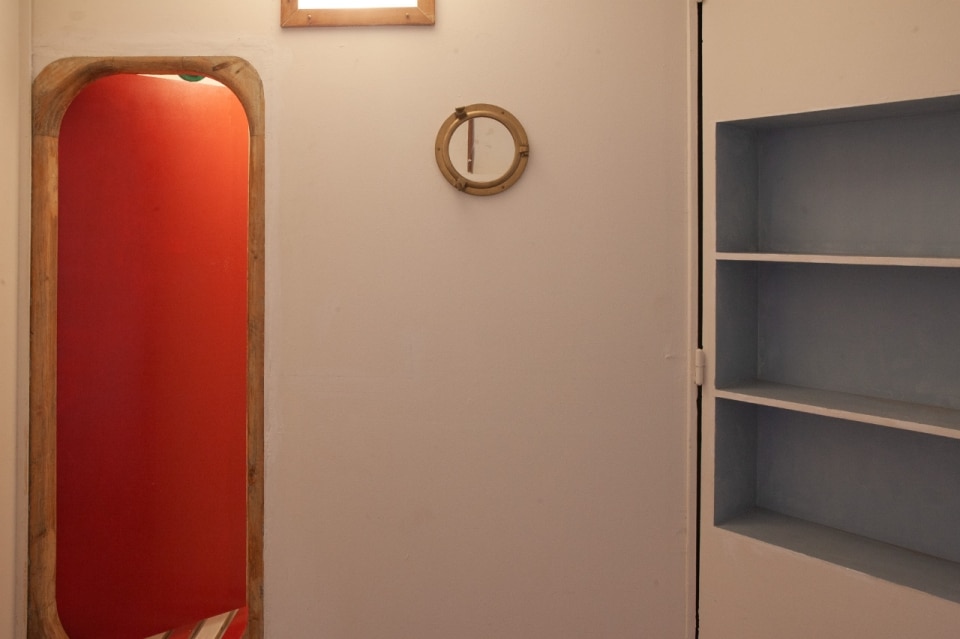
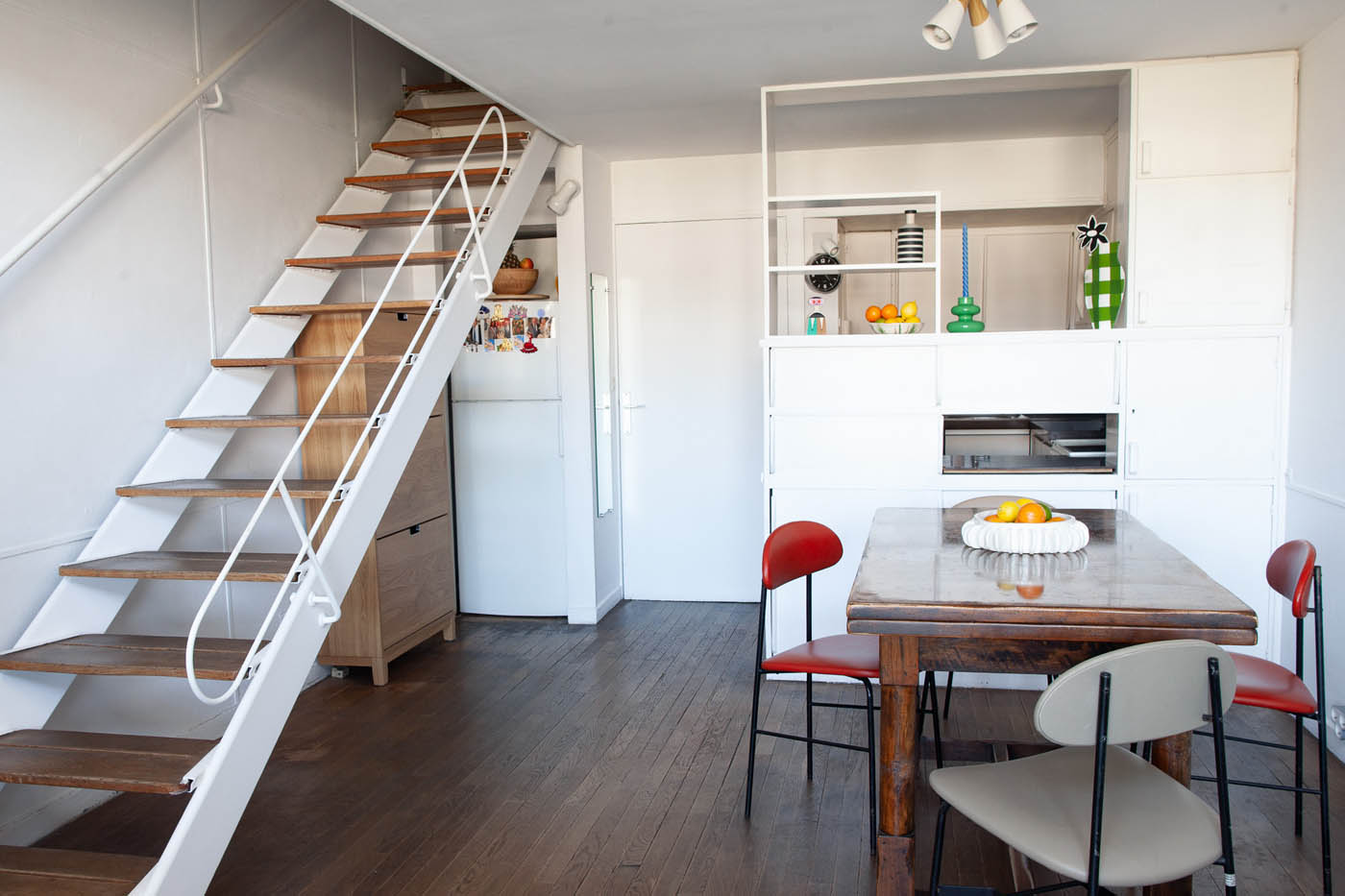
There is the “G” duplex, entered from the lower level into a double-height living space with a bespoke kitchen model designed by Charlotte Perriand and Jean Prouvé – as iconic as Frankfurt’s kitchen but less mechanically utilitarian and more attuned to making the cook part of the life of the room. Climbing the stairs, the apartment spans the entire building with four bedrooms and bathrooms; the children’s rooms share a common play space. In the mirrored “E” duplex, the pass-through level is instead the lower one, and entry this time happens from above, like stepping into a submarine. Compared to the original, there are no double heights, maximizing usable space instead, while the descent into the night area is via a patented Prouvé staircase.
View gallery
Appartement dans l'immeuble Molitor, Le Corbusier architecte, 112m², 1934, Paris 16e - Boulogne-Billancourt
© FLC / ADAGP 2025 © Manuel Bougot
Appartement dans l'immeuble Molitor, Le Corbusier architecte, 112m², 1934, Paris 16e - Boulogne-Billancourt
© FLC / ADAGP 2025 © Manuel Bougot
Appartement dans l'immeuble Molitor, Le Corbusier architecte, 112m², 1934, Paris 16e - Boulogne-Billancourt
© FLC / ADAGP 2025 © Manuel Bougot
Appartement dans l'immeuble Molitor, Le Corbusier architecte, 112m², 1934, Paris 16e - Boulogne-Billancourt
© FLC / ADAGP 2025 © Manuel Bougot
Appartement dans l'immeuble Molitor, Le Corbusier architecte, 112m², 1934, Paris 16e - Boulogne-Billancourt
© FLC / ADAGP 2025 © Manuel Bougot
Appartement dans l'immeuble Molitor, Le Corbusier architecte, 112m², 1934, Paris 16e - Boulogne-Billancourt
© FLC / ADAGP 2025 © Manuel Bougot
Appartement dans l'immeuble Molitor, Le Corbusier architecte, 112m², 1934, Paris 16e - Boulogne-Billancourt
© FLC / ADAGP 2025 © Manuel Bougot
Appartement dans l'immeuble Molitor, Le Corbusier architecte, 112m², 1934, Paris 16e - Boulogne-Billancourt
© FLC / ADAGP 2025 © Manuel Bougot
Appartement dans l'immeuble Molitor, Le Corbusier architecte, 112m², 1934, Paris 16e - Boulogne-Billancourt
© FLC / ADAGP 2025 © Manuel Bougot
Appartement dans l'immeuble Molitor, Le Corbusier architecte, 112m², 1934, Paris 16e - Boulogne-Billancourt
© FLC / ADAGP 2025 © Manuel Bougot
Appartement dans l'immeuble Molitor, Le Corbusier architecte, 112m², 1934, Paris 16e - Boulogne-Billancourt
© FLC / ADAGP 2025 © Manuel Bougot
Appartement dans l'immeuble Molitor, Le Corbusier architecte, 112m², 1934, Paris 16e - Boulogne-Billancourt
© FLC / ADAGP 2025 © Manuel Bougot
Appartement dans l'immeuble Molitor, Le Corbusier architecte, 112m², 1934, Paris 16e - Boulogne-Billancourt
© FLC / ADAGP 2025 © Manuel Bougot
Appartement dans l'immeuble Molitor, Le Corbusier architecte, 112m², 1934, Paris 16e - Boulogne-Billancourt
© FLC / ADAGP 2025 © Manuel Bougot
Appartement dans l'immeuble Molitor, Le Corbusier architecte, 112m², 1934, Paris 16e - Boulogne-Billancourt
© FLC / ADAGP 2025 © Manuel Bougot
Appartement dans l'immeuble Molitor, Le Corbusier architecte, 112m², 1934, Paris 16e - Boulogne-Billancourt
© FLC / ADAGP 2025 © Manuel Bougot
Appartement dans l'immeuble Molitor, Le Corbusier architecte, 112m², 1934, Paris 16e - Boulogne-Billancourt
© FLC / ADAGP 2025 © Manuel Bougot
Appartement dans l'immeuble Molitor, Le Corbusier architecte, 112m², 1934, Paris 16e - Boulogne-Billancourt
© FLC / ADAGP 2025 © Manuel Bougot
Appartement dans l'immeuble Molitor, Le Corbusier architecte, 112m², 1934, Paris 16e - Boulogne-Billancourt
© FLC / ADAGP 2025 © Manuel Bougot
Appartement dans l'immeuble Molitor, Le Corbusier architecte, 112m², 1934, Paris 16e - Boulogne-Billancourt
© FLC / ADAGP 2025 © Manuel Bougot
Appartement dans l'immeuble Molitor, Le Corbusier architecte, 112m², 1934, Paris 16e - Boulogne-Billancourt
© FLC / ADAGP 2025 © Manuel Bougot
Appartement dans l'immeuble Molitor, Le Corbusier architecte, 112m², 1934, Paris 16e - Boulogne-Billancourt
© FLC / ADAGP 2025 © Manuel Bougot
Appartement dans l'immeuble Molitor, Le Corbusier architecte, 112m², 1934, Paris 16e - Boulogne-Billancourt
© FLC / ADAGP 2025 © Manuel Bougot
Appartement dans l'immeuble Molitor, Le Corbusier architecte, 112m², 1934, Paris 16e - Boulogne-Billancourt
© FLC / ADAGP 2025 © Manuel Bougot
Appartement dans l'immeuble Molitor, Le Corbusier architecte, 112m², 1934, Paris 16e - Boulogne-Billancourt
© FLC / ADAGP 2025 © Manuel Bougot
Appartement dans l'immeuble Molitor, Le Corbusier architecte, 112m², 1934, Paris 16e - Boulogne-Billancourt
© FLC / ADAGP 2025 © Manuel Bougot
Appartement dans l'immeuble Molitor, Le Corbusier architecte, 112m², 1934, Paris 16e - Boulogne-Billancourt
© FLC / ADAGP 2025 © Manuel Bougot
Appartement dans l'immeuble Molitor, Le Corbusier architecte, 112m², 1934, Paris 16e - Boulogne-Billancourt
© FLC / ADAGP 2025 © Manuel Bougot
Appartement dans l'immeuble Molitor, Le Corbusier architecte, 112m², 1934, Paris 16e - Boulogne-Billancourt
© FLC / ADAGP 2025 © Manuel Bougot
Appartement dans l'immeuble Molitor, Le Corbusier architecte, 112m², 1934, Paris 16e - Boulogne-Billancourt
© FLC / ADAGP 2025 © Manuel Bougot
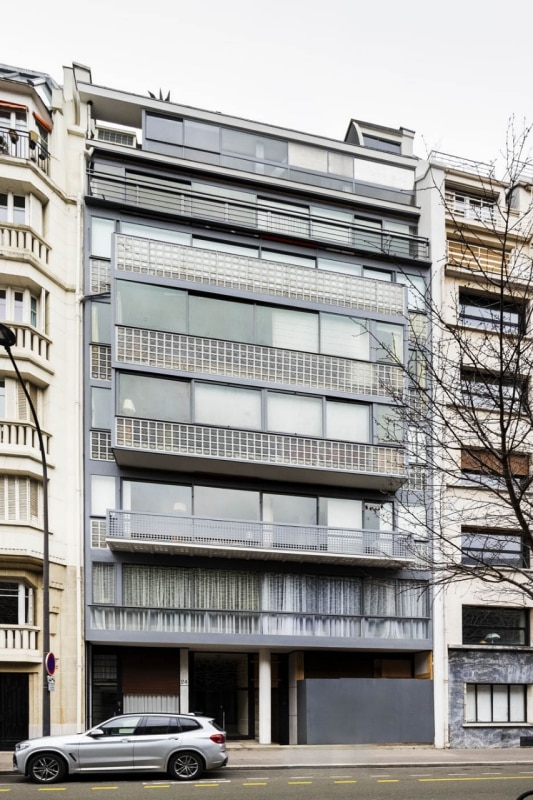
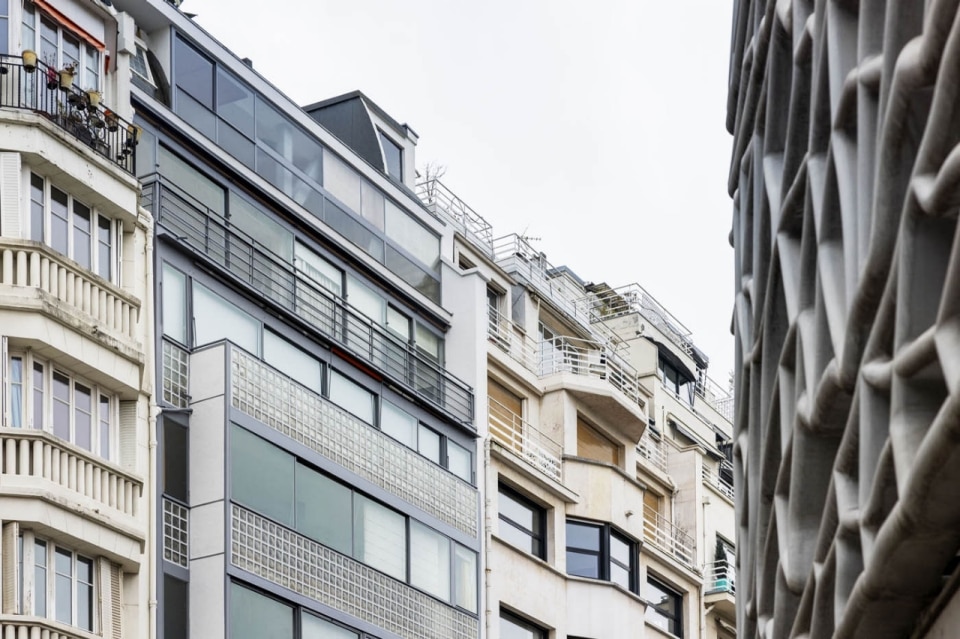
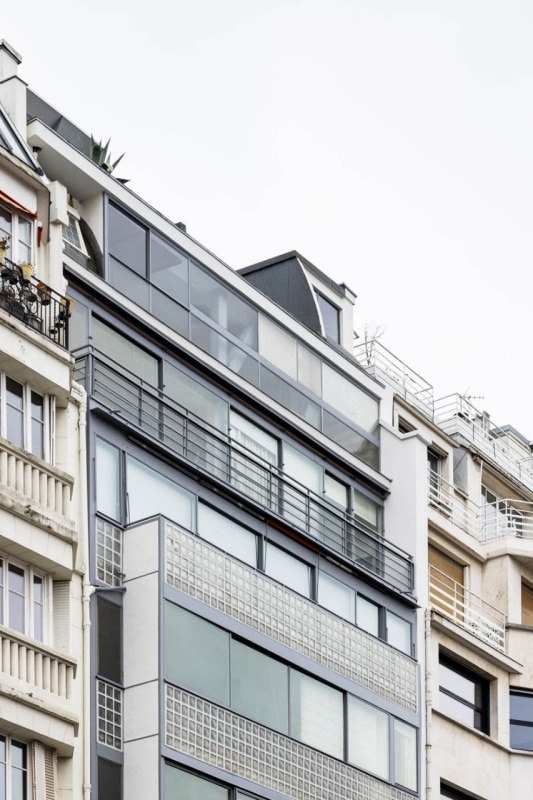
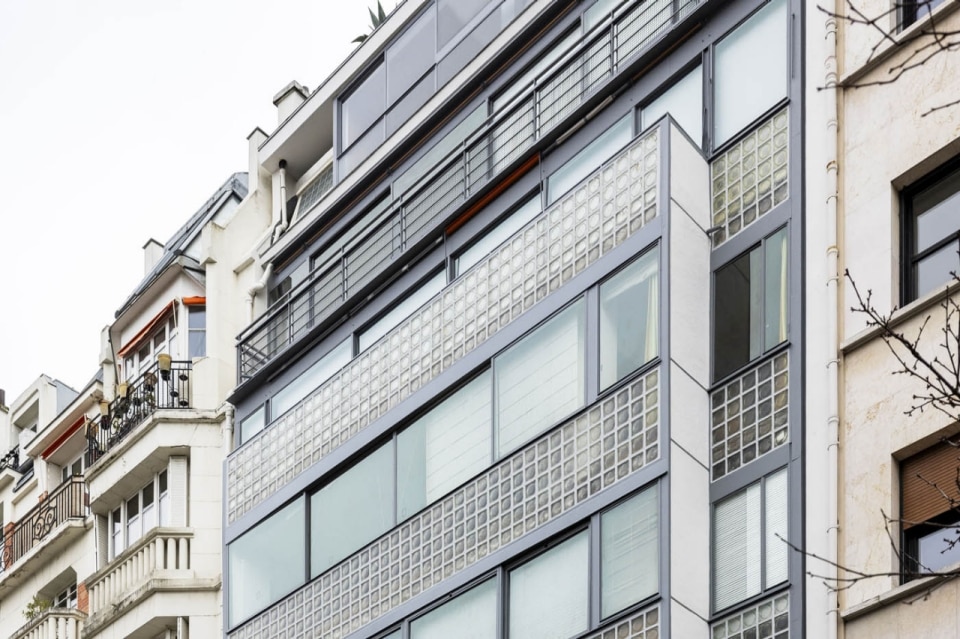
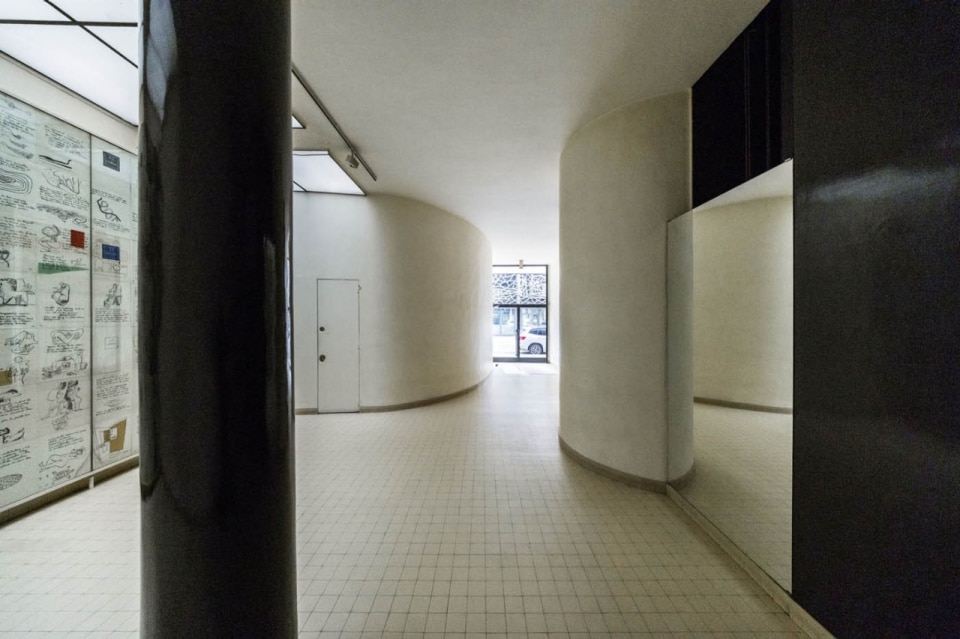
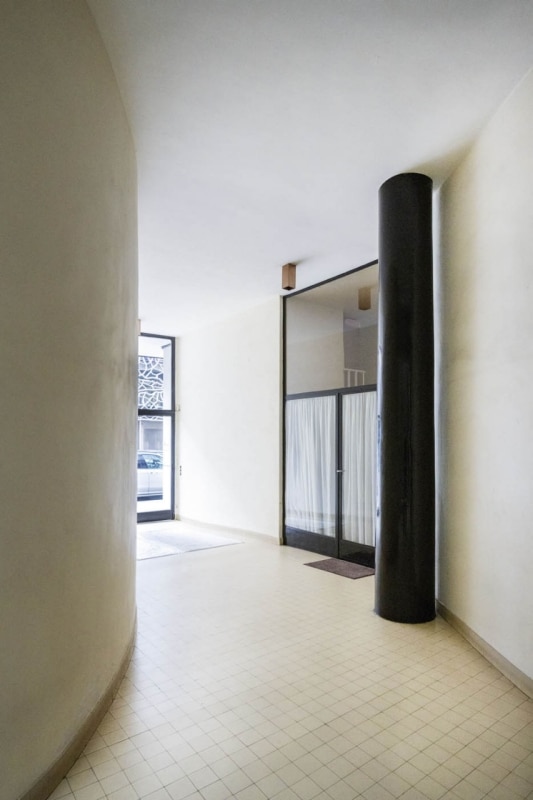
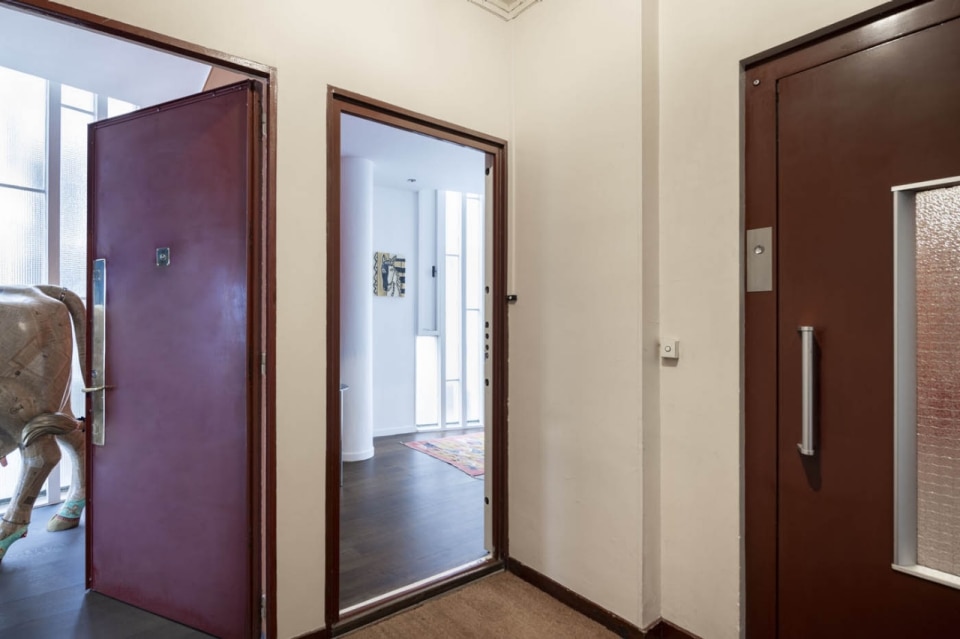
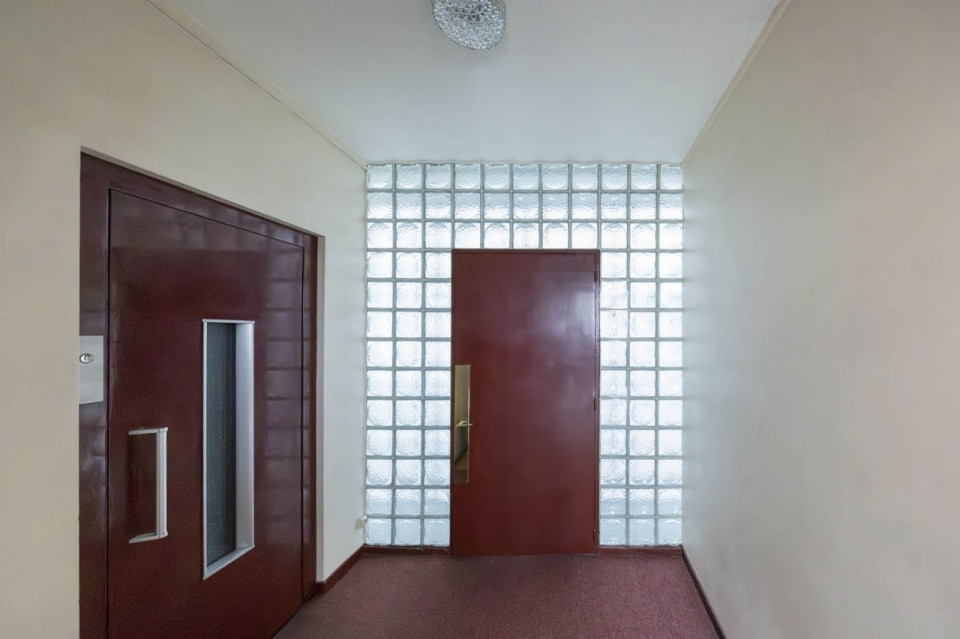
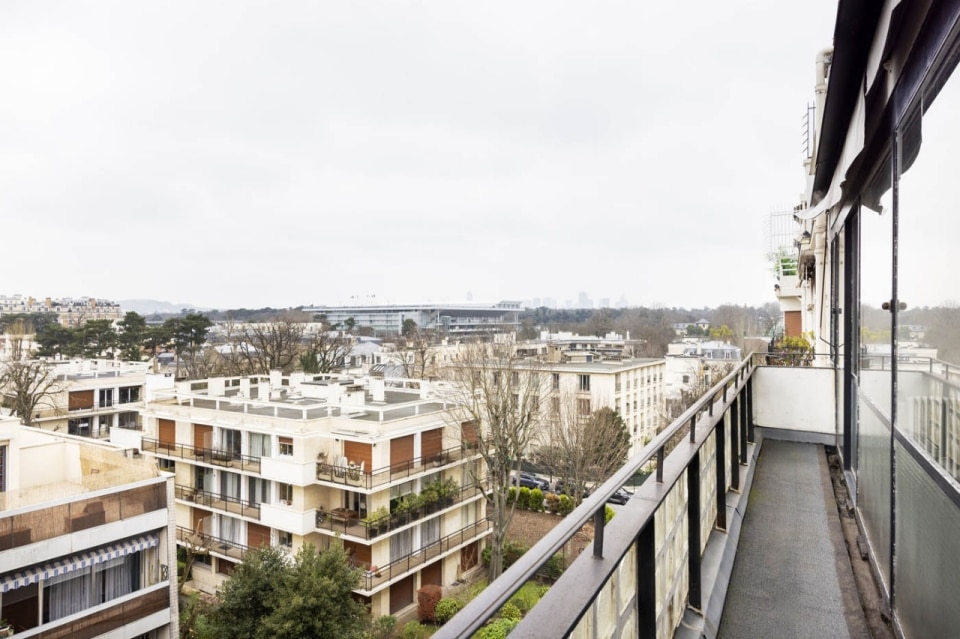
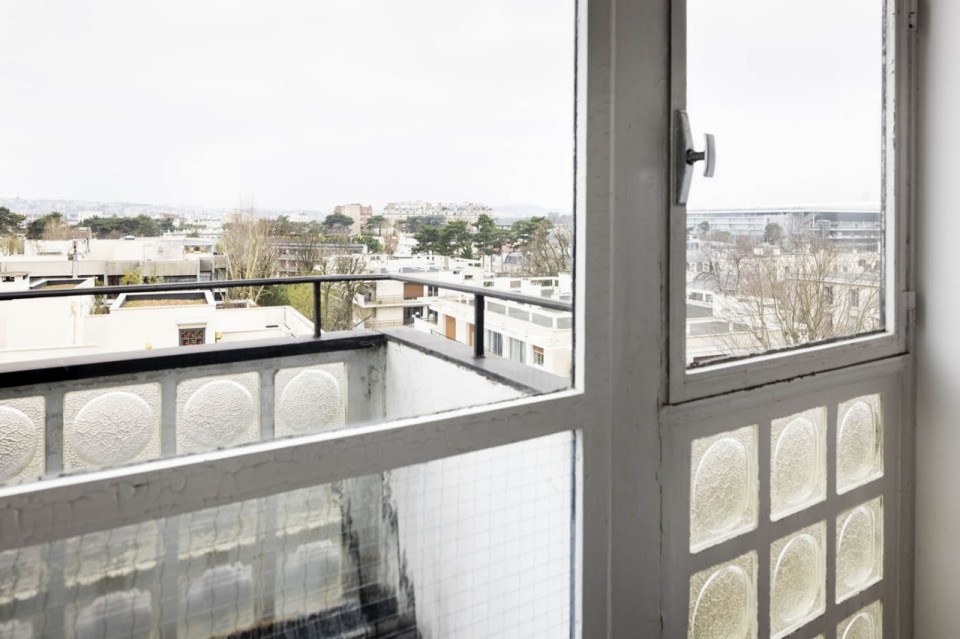
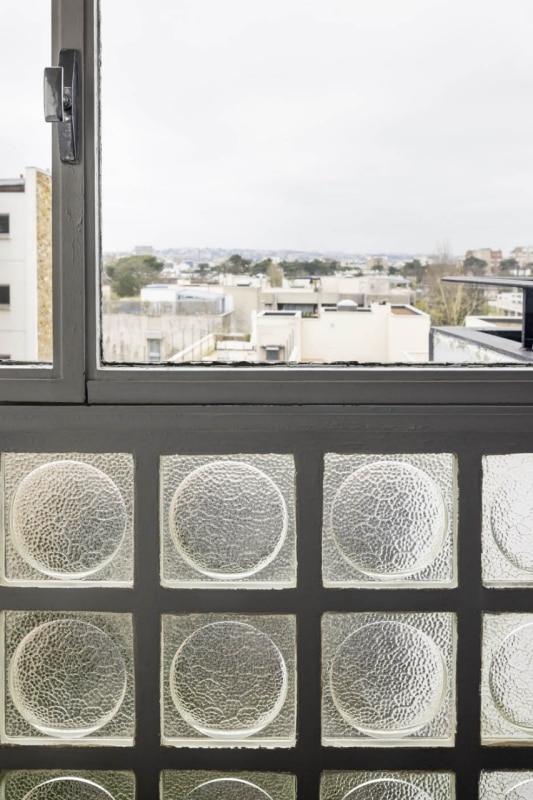
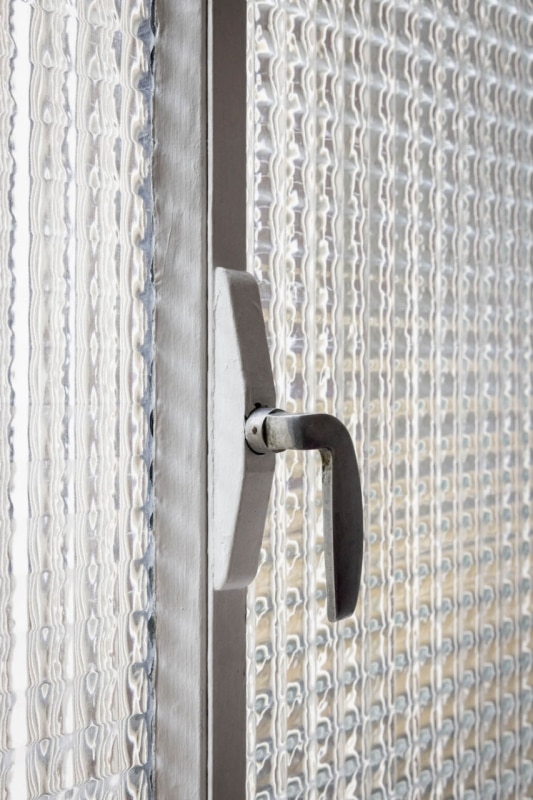
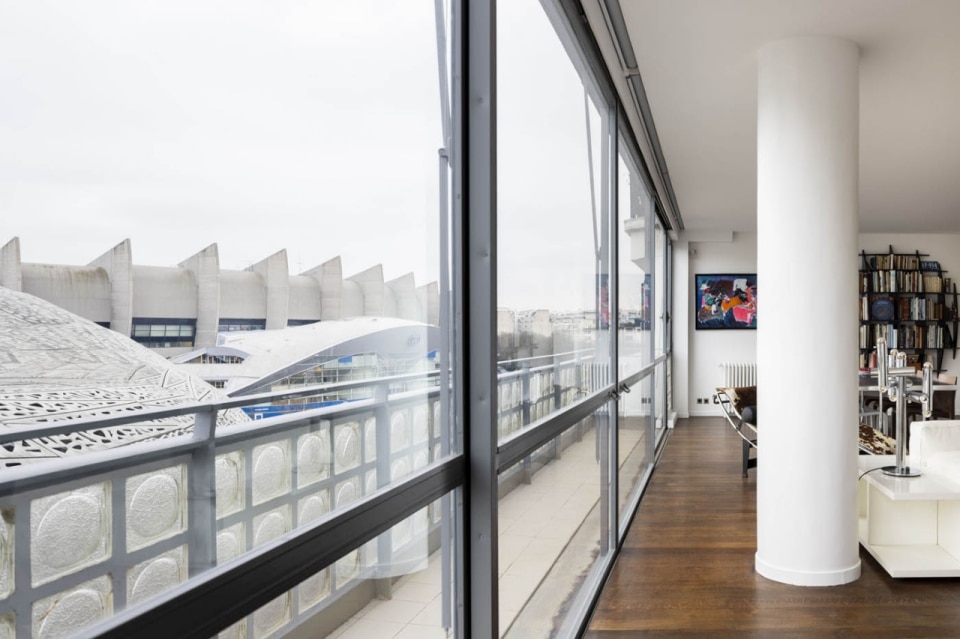
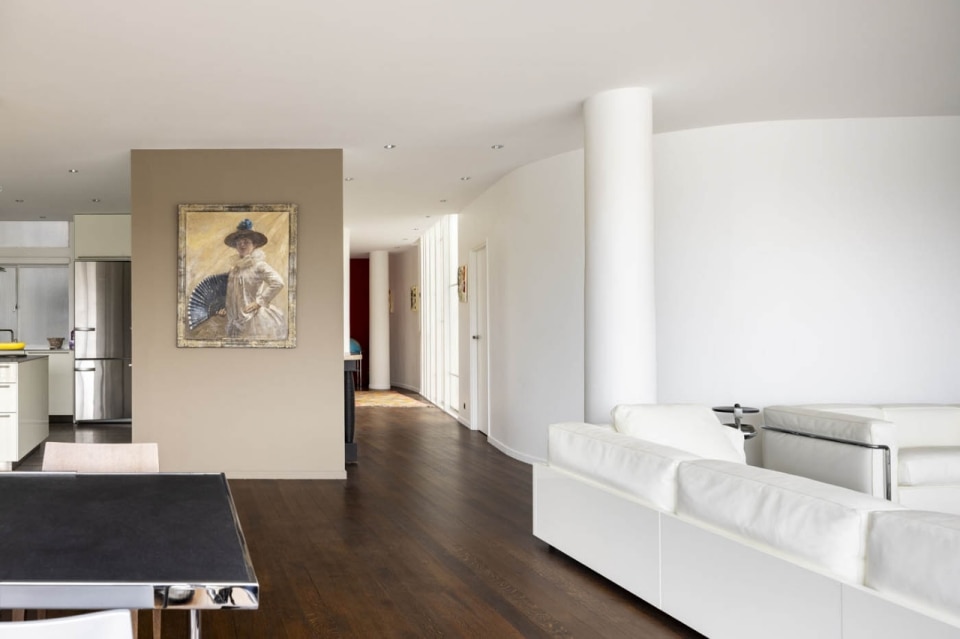
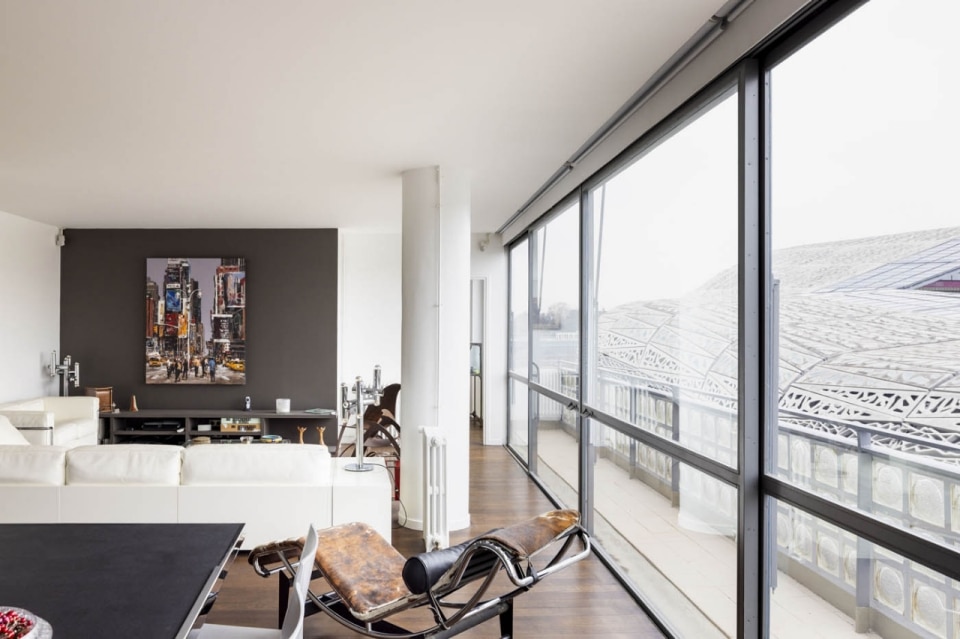
In Paris, by contrast, we encounter Le Corbusier of the 1930s. The Immeuble Molitor, featured in almost every architectural history book, is the only building in his oeuvre designed as a block of flats for rent. Beyond his own penthouse-studio on the top floor, the architect developed this property overlooking the Parc des Princes as a cluster of apartments governed by the principle of the plan libre, free from partitions except where strictly necessary. Over the years, the units have followed divergent paths: some were restored in search of the building’s original spirit, others – like those now for sale – are awaiting their next chapter. Specifically, this time it is a pair of symmetrical twin apartments to be reunited, where from a gallery-like entrance (today a library in one of them) one enters a vast living space flooded with light from the glazed façades, flanked by a master suite with its own bathroom.
View gallery
A type G duplex in Le Corbusier's Cité Radieuse, Marseille, France
© Photos Magali Joannon/ Home staging Maison Mirbel / Exteriors views : © Photos Valérie Ruperti
A type G duplex in Le Corbusier's Cité Radieuse, Marseille, France
© Photos Magali Joannon/ Home staging Maison Mirbel / Exteriors views : © Photos Valérie Ruperti
A type G duplex in Le Corbusier's Cité Radieuse, Marseille, France
© Photos Magali Joannon/ Home staging Maison Mirbel / Exteriors views : © Photos Valérie Ruperti
A type G duplex in Le Corbusier's Cité Radieuse, Marseille, France
© Photos Magali Joannon/ Home staging Maison Mirbel / Exteriors views : © Photos Valérie Ruperti
A type G duplex in Le Corbusier's Cité Radieuse, Marseille, France
© Photos Magali Joannon/ Home staging Maison Mirbel / Exteriors views : © Photos Valérie Ruperti
A type G duplex in Le Corbusier's Cité Radieuse, Marseille, France
© Photos Magali Joannon/ Home staging Maison Mirbel / Exteriors views : © Photos Valérie Ruperti
A type G duplex in Le Corbusier's Cité Radieuse, Marseille, France
© Photos Magali Joannon/ Home staging Maison Mirbel / Exteriors views : © Photos Valérie Ruperti
A type G duplex in Le Corbusier's Cité Radieuse, Marseille, France
© Photos Magali Joannon/ Home staging Maison Mirbel / Exteriors views : © Photos Valérie Ruperti
A type G duplex in Le Corbusier's Cité Radieuse, Marseille, France
© Photos Magali Joannon/ Home staging Maison Mirbel / Exteriors views : © Photos Valérie Ruperti
A type G duplex in Le Corbusier's Cité Radieuse, Marseille, France
© Photos Magali Joannon/ Home staging Maison Mirbel / Exteriors views : © Photos Valérie Ruperti
A type G duplex in Le Corbusier's Cité Radieuse, Marseille, France
© Photos Magali Joannon/ Home staging Maison Mirbel / Exteriors views : © Photos Valérie Ruperti
A type G duplex in Le Corbusier's Cité Radieuse, Marseille, France
© Photos Magali Joannon/ Home staging Maison Mirbel / Exteriors views : © Photos Valérie Ruperti
A type G duplex in Le Corbusier's Cité Radieuse, Marseille, France
© Photos Magali Joannon/ Home staging Maison Mirbel / Exteriors views : © Photos Valérie Ruperti
A type G duplex in Le Corbusier's Cité Radieuse, Marseille, France
© Photos Magali Joannon/ Home staging Maison Mirbel / Exteriors views : © Photos Valérie Ruperti
The added value of all three – or four – of these homes, and particularly the Parisian ones, is that they are not frozen relics in their role as icons, but houses that have continued to live, transforming and updating themselves over the years. It is history itself dialoguing with Le Corbusier’s ideas, and the opportunity that opens up now is the chance to become part of that conversation.