




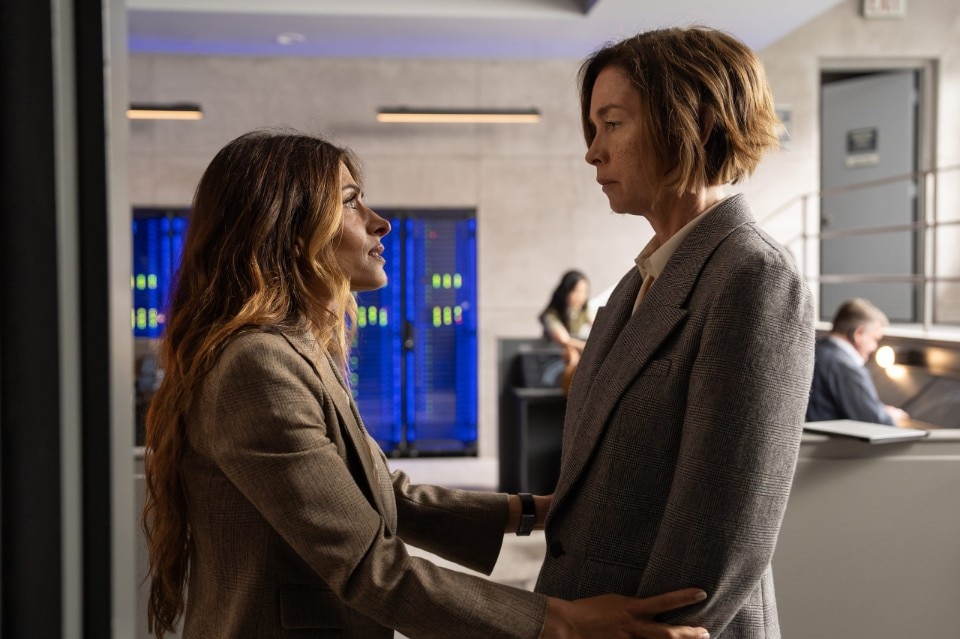

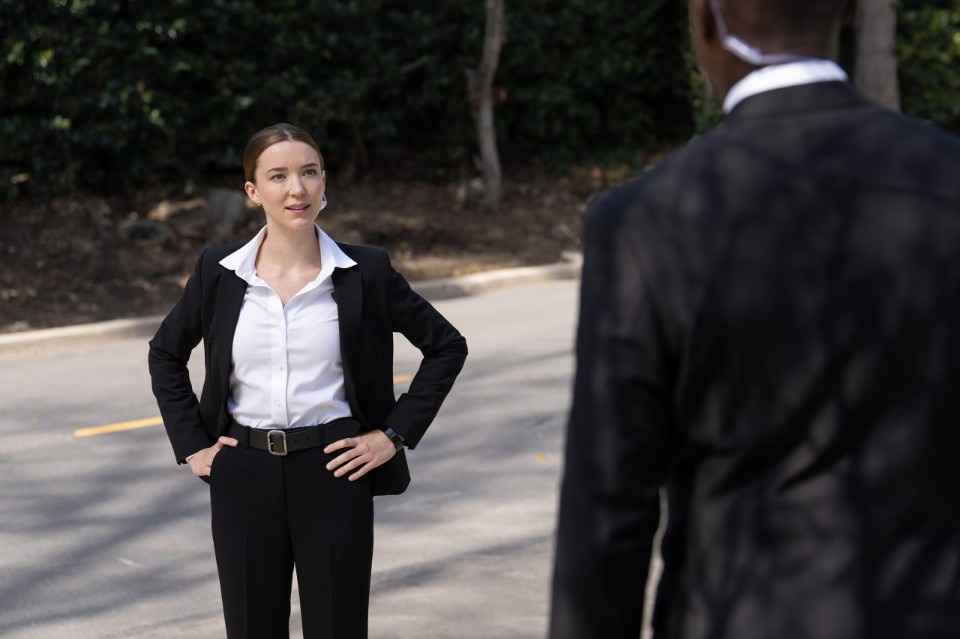


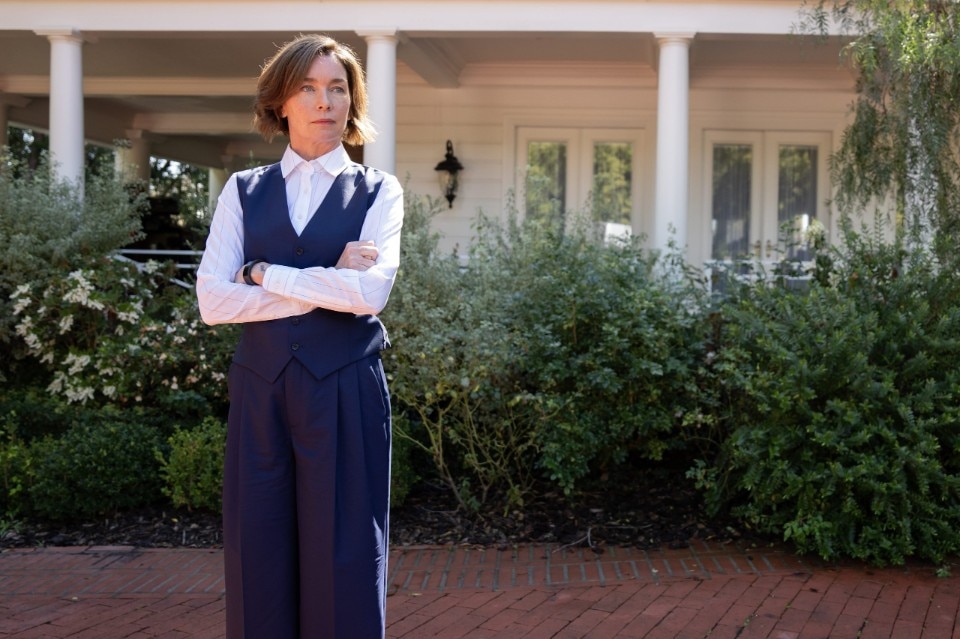


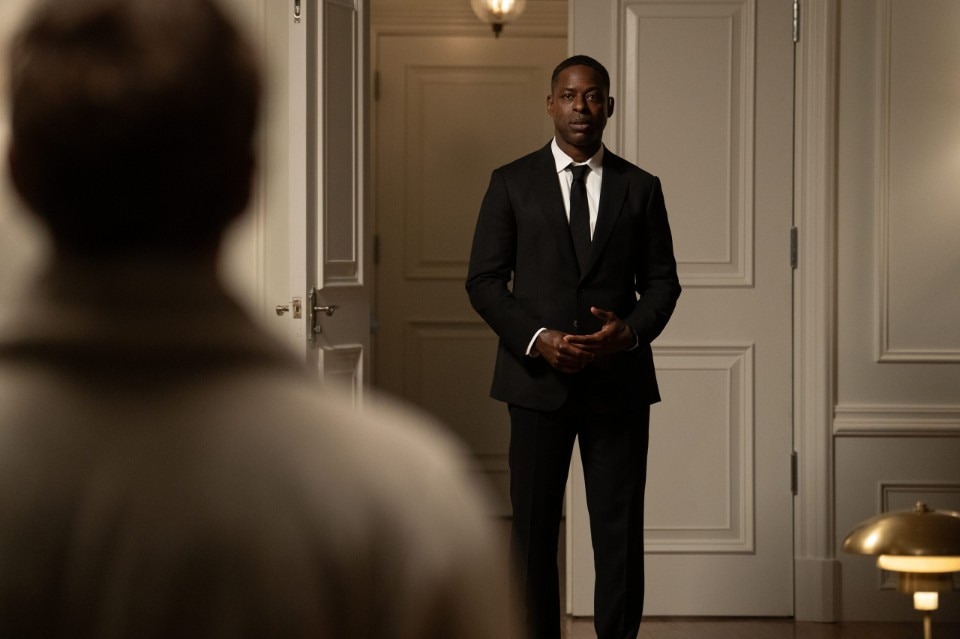
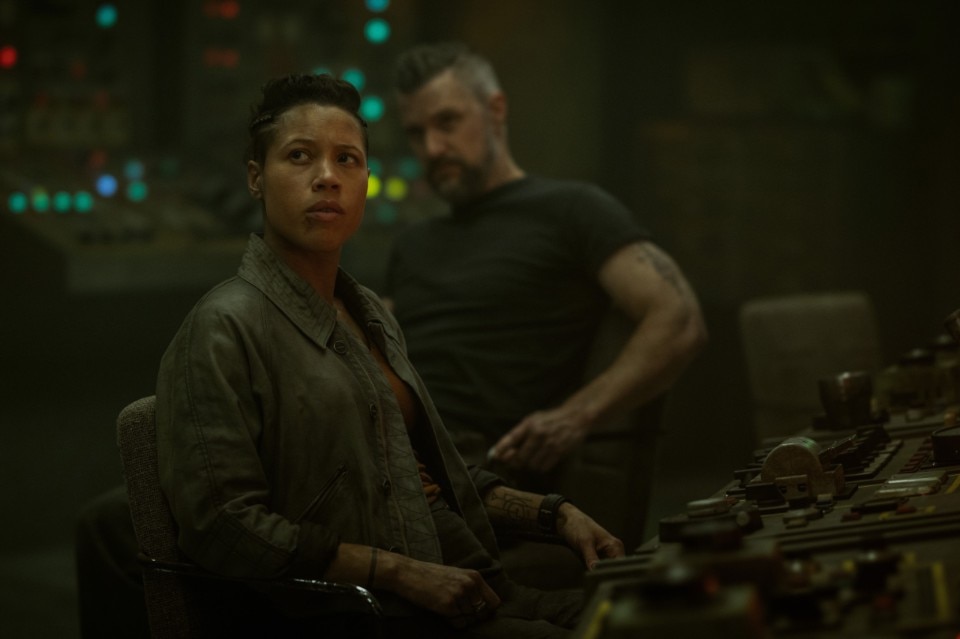
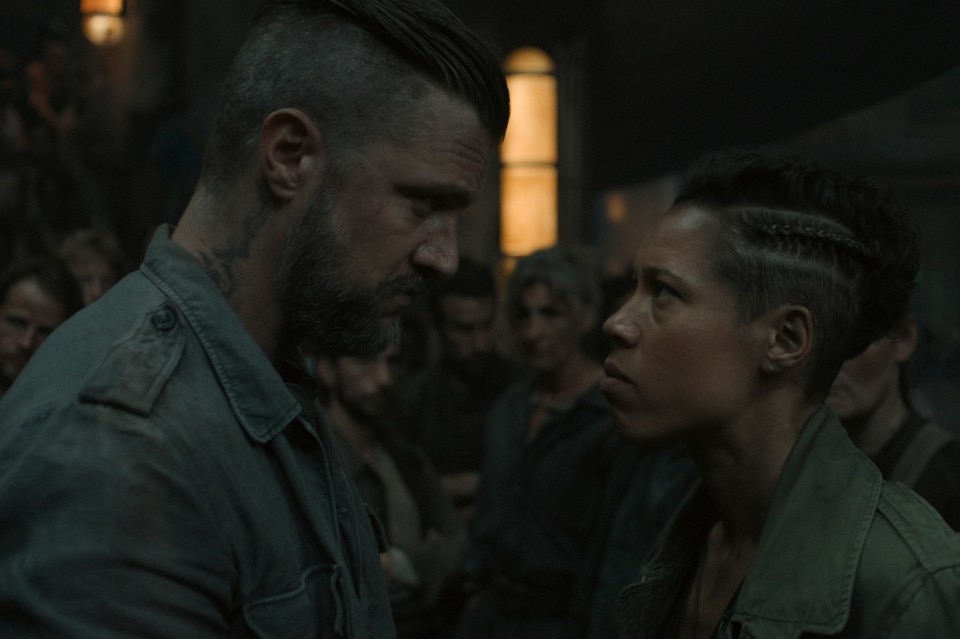
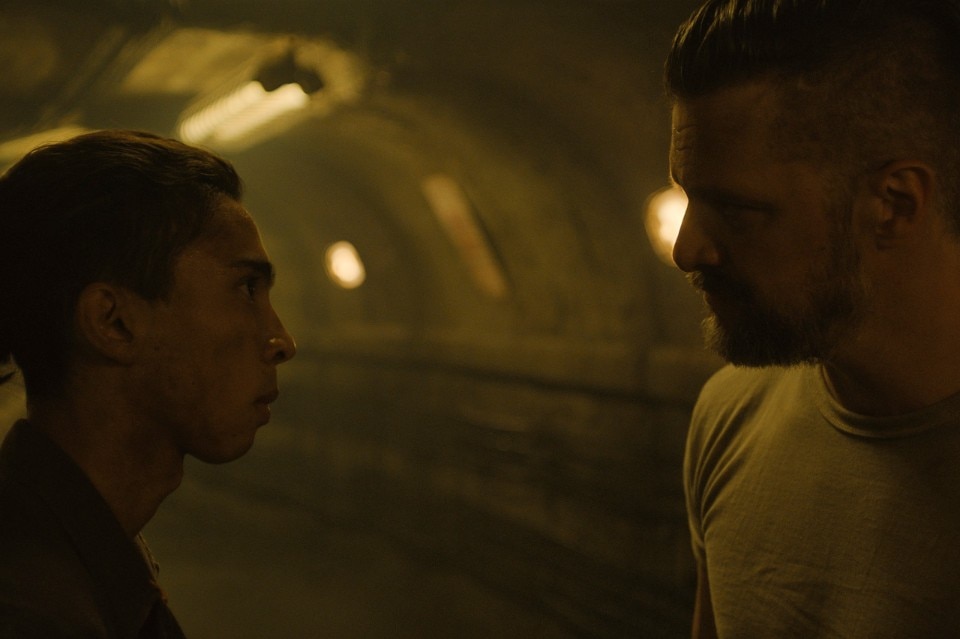
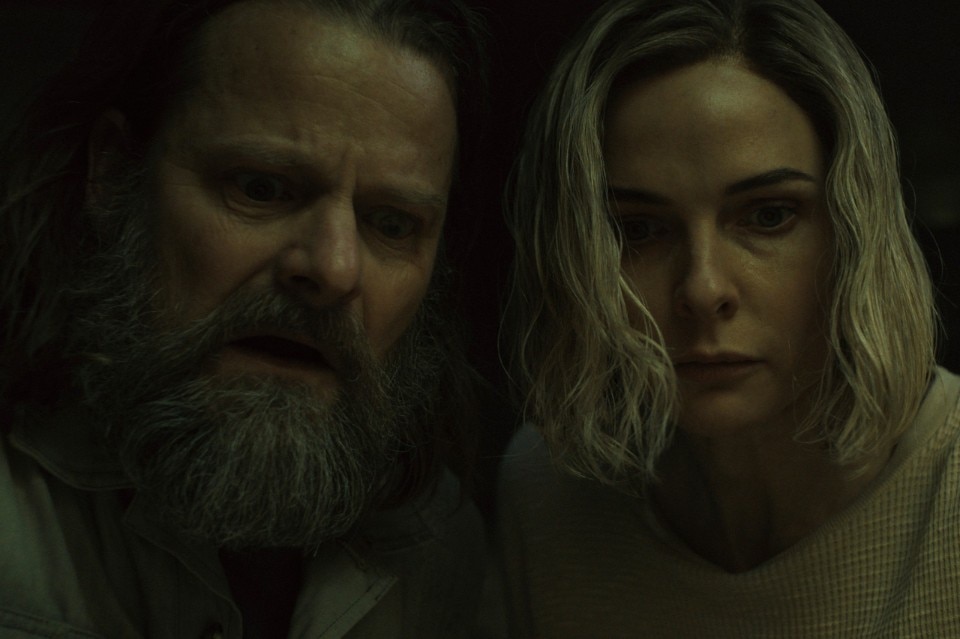
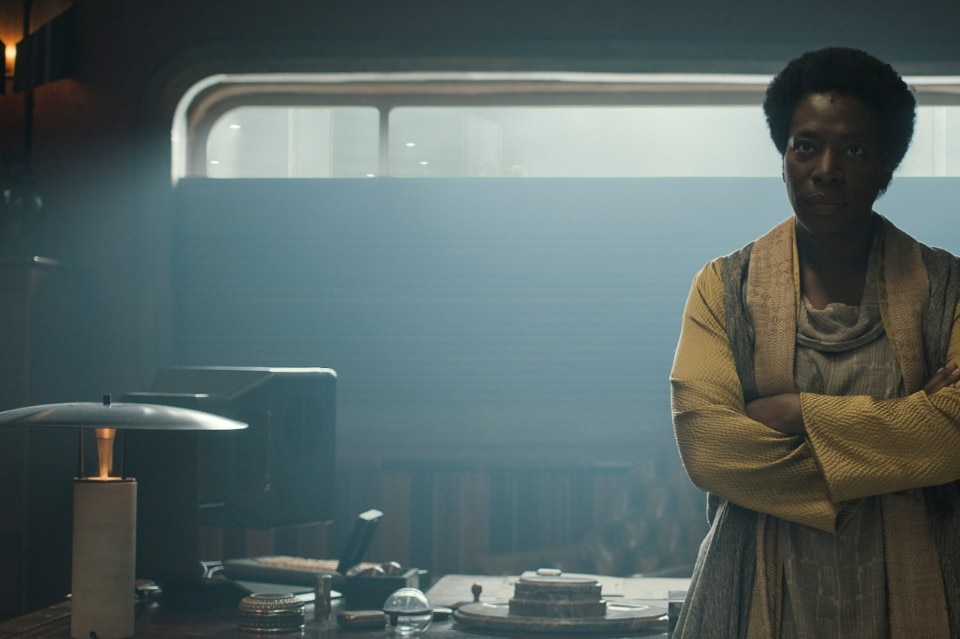

“Build me a city,” says Sinatra, a key character in Paradise, the new seven-episode American series from Hulu. She’s addressing a fictional Bjarke Ingels, a brilliant yet eccentric mind in urban planning and architecture. The world of Paradise is already a full-fledged technocracy, a stark projection of our own reality, where, according to the Doomsday Clock, we are a mere 19 seconds away from catastrophe. Sinatra wields immense power, having built her personal empire on cloud storage technology, while the pseudo-Ingels sports the hair and glasses of a young Bill Gates. The city she commissions is buried deep inside a mountain, designed to house 25,000 people – a hand-picked group of the ultra-rich and a curated selection of Americans deemed worth saving when (not if) the world ends.
A battle royale in a bunker
Lost (2004–2010, ABC) redefined television storytelling twenty years ago, pioneering a now wildly popular genre – throwing diverse characters into an isolated setting where they can clash, evolve, and reveal their true selves. But in today’s world of perpetual conflict, isolation no longer means a deserted island; it means a bunker.
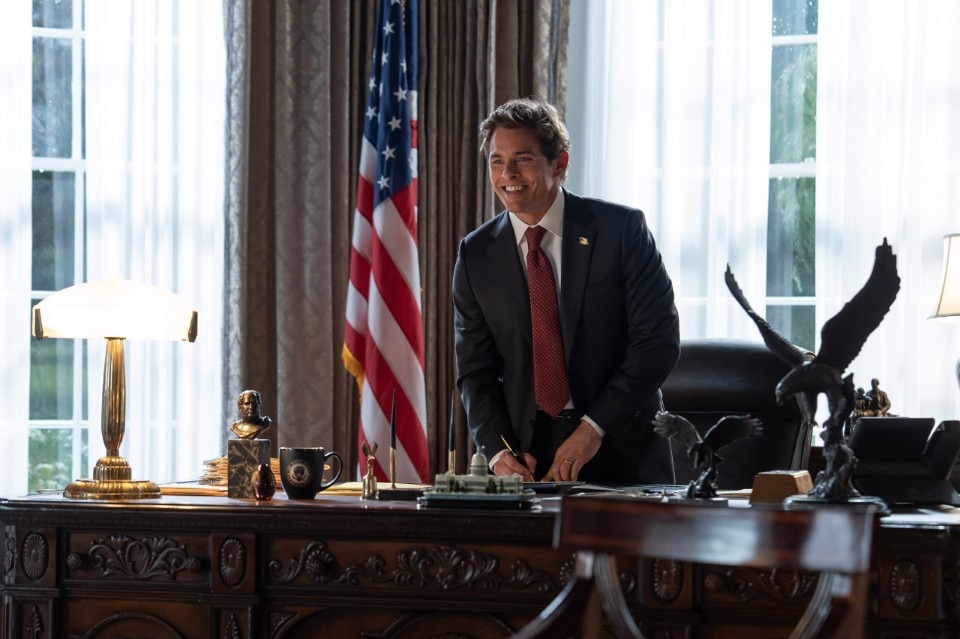
The utopian town of Paradise is a crucible of contradictions, where residents grapple with their pasts – fractured families, buried secrets, and social roles they never chose. This premise allows creator Dan Fogelman (This Is Us, Cars) and his team to craft some of the most compelling character-driven storytelling on TV. From the rigid yet resolute Xavier Collins (Sterling K. Brown) to the enigmatic Sinatra (Julianne Nicholson) and the deeply unhappy President Cal Bradford (James Marsden), the cast brings the world of Paradise to life. And, in classic American fashion, it all builds toward an armed rebellion against the ruling elite, guilty of betraying its own people. After all, that’s how the U.S. was founded.
But Paradise isn’t the only recent show centered around a bunker city. Apple TV+’s Silo (two seasons), based on Hugh Howey’s trilogy, has also made waves. Silo draws from the works of J.G. Ballard and the cyberpunk visions of Akira, William Gibson, Bruce Sterling, The Matrix, and Cyberpunk 2077. It reimagines the massive housing projects of the 20th century – born from Enlightenment ideals and rational urban planning but often turned into dystopian nightmares, like the infamous Vele di Scampia in Naples.
The hive-like home has become a symbol of oppressive living, claustrophobic to the point of horror, structured in rigid hierarchies, teetering between anarchic self-governance and the suffocating grip of authority. The silo is exactly that – a brutalist warren spiraling into the earth, a modern Dantean inferno, the only alternative to certain death on an allegedly uninhabitable surface. It’s a gripping, cerebral sci-fi thriller, but it doesn’t hit as viscerally as Hulu’s latest series.
Utopia and dystopia blur together
Unlike Silo, Paradise burrows into the subconscious. In just seven tightly woven episodes, each under an hour, it cuts like a shard of glass lodged under the skin – impossible to ignore. In many ways, the town of Paradise embodies the American utopia, a return to the supposedly golden days of the Atomic Age – a paradox as delicious as it is unsettling. It’s a Mickey Mouse Clubhouse of retro diners, freshly painted picket fences, and nuclear-family homes shattered by the apocalypse. But it’s also, quite simply, the death of architecture. The pseudo-Ingels’ work is a failure – so much so that his character is quietly written out after just a couple of episodes.
The hive-like home has become a symbol of oppressive living, claustrophobic to the point of horror, structured in rigid hierarchies, teetering between anarchic self-governance and the suffocating grip of authority.
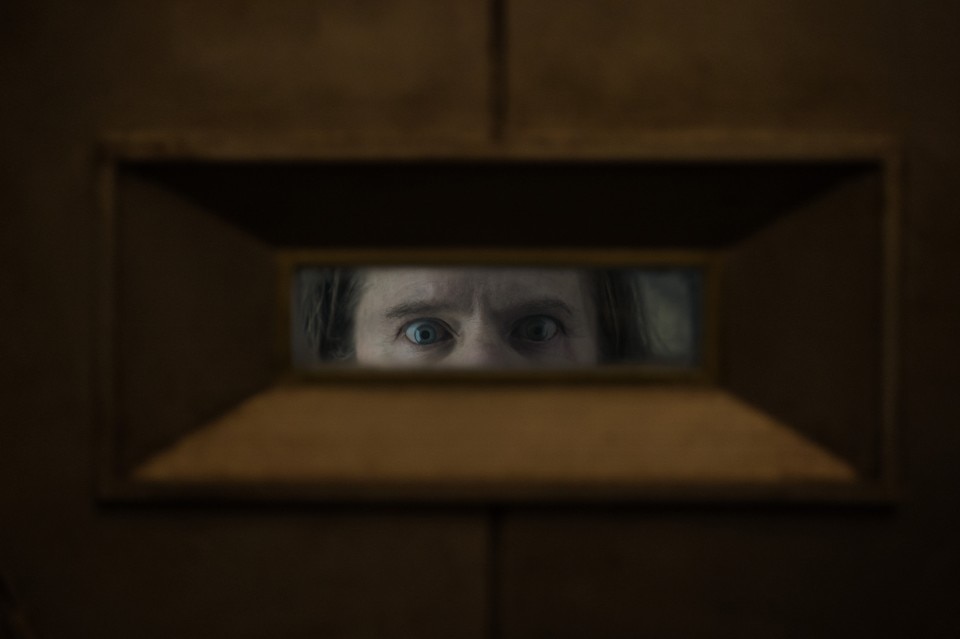
It’s almost comical that when given the chance to design a utopian city from scratch, Americans default to a manicured suburb straight out of Mad Men, with century-old design principles. There’s no room for experimentation, no innovation – just a sanitized, nostalgia-fueled aesthetic, where the only modern touches are the compulsory smartwatches worn by Paradise’s inhabitants and the artificial sky above them. It’s comfort through maximum claustrophobia.
The end of the simulation
The illusion of perfect life in Paradise shatters when a message is hacked into the artificial sky – one that eerily echoes the famous line from Philip K. Dick’s Ubik: “I am alive and you are dead.” This single act of defiance breaks the fragile trust between the authorities and the people. Paranoia sets in, replacing the illusion of bliss.
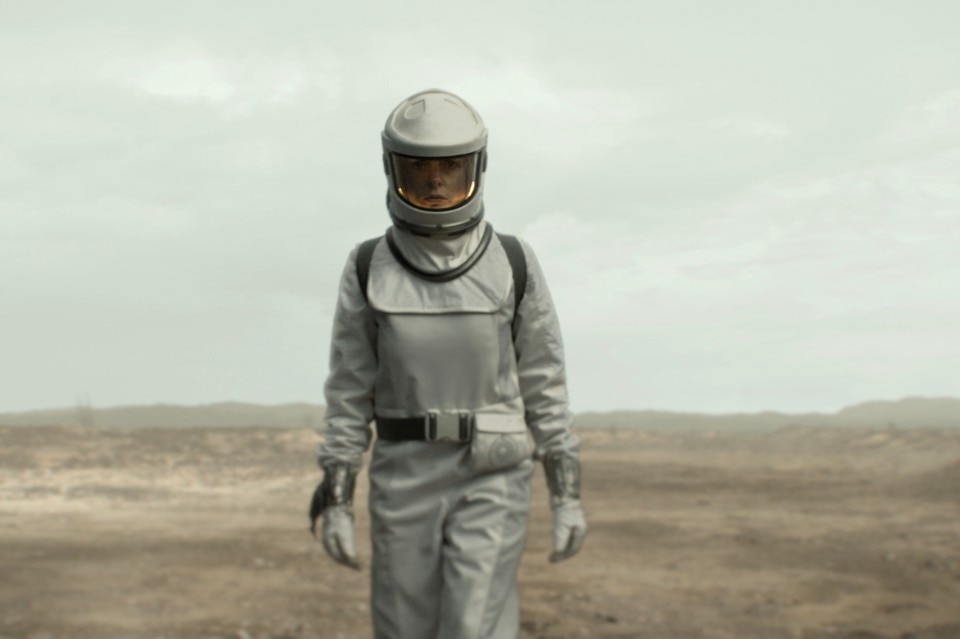
Until that moment, the 25,000 lucky survivors of America’s nuclear catastrophe had been living in what they believed to be paradise – a scene eerily reminiscent of Pacific Palisades before the wildfires consumed it. That fire, in its own way, was a small-scale apocalypse – the abrupt collapse of security, the shattering of normalcy in one of the world’s wealthiest enclaves, California.
It’s in this reflection of our present reality, in the way Paradise channels contemporary anxieties – sometimes subtly, sometimes in ways that feel eerily prescient – that the series emerges as one of the most compelling in recent years. And at its heart is Sinatra, a woman who rises as a mother figure to an entire community and willingly weaves a web of lies to protect it.