








The context in which we produce and consume content is changing faster and faster, and with 2026 the geography of an event such as Fuorisalone is also evolving, this year under the theme “Essere progetto” (Being a Project). But the point is not simply which areas of Milan activate or deactivate — the usual who is in, who is out. What is really changing is the pressure placed on major events like Milan Design Week: the way we use and move through them, more than the sheer volume of content produced, which has grown enormously in the post-pandemic years.
So: only a few selected novelties in terms of Milan locations, new tools to navigate what has now become a river network — often literal rivers of people — and the emergence of epicenters outside the city, truly outside, in different provinces and regions.
Fuorisalone Passport: a “passport” to save time
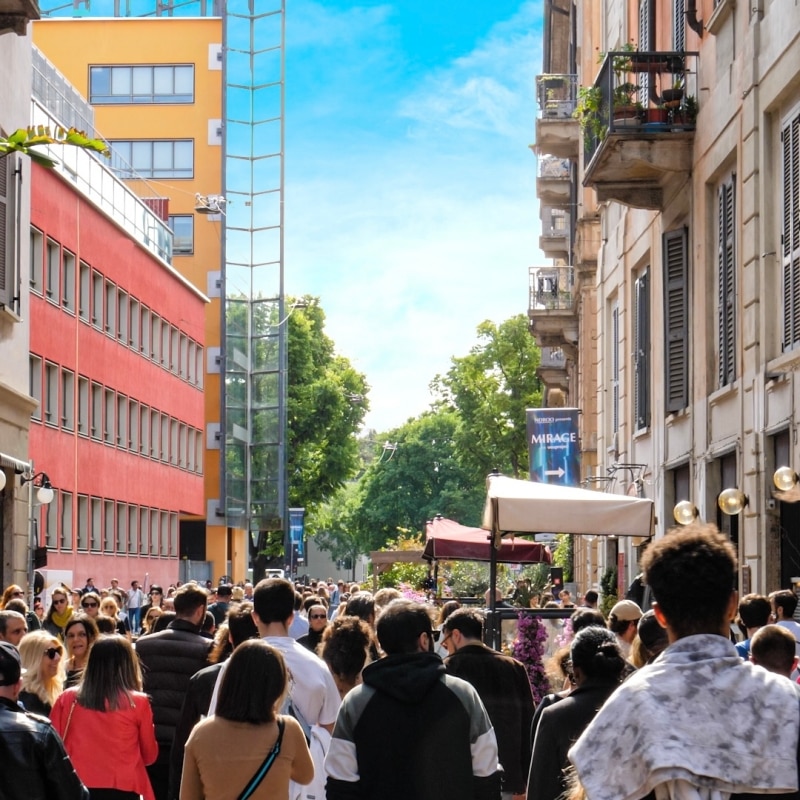
The main novelty announced for the 2026 edition is the Fuorisalone Passport. We have noticed it more and more in recent years: the defining feature of Design Week has become the queues. There have already been isolated attempts to introduce paid tickets to address the issue (Alcova being the most obvious example). Passport is instead a “time-saving” web app (not a fast-track system) that allows access to a group of selected events through a QR code, reducing repeated registrations and making data collection more controlled both for organizers and visitors.
For more than twenty years now, Fuorisalone has operated as a platform, a condenser of opportunities and people, with a structured editorial presence spanning an online magazine, a Design Guide, the year-round Milano Design Agenda, and social media channels. Its mission also extends into a transversal dimension as a design observatory, grounded in ever-growing volumes of data (in 2025, it covered more than 1,000 events).
Since its first edition in 2003, and from the early days of the digital era, the E.reporters project has continued to evolve: students documenting Fuorisalone through images and video. For the past year, Google Arts has opened a section dedicated to the history of the event, creating an archive of over 300,000 images and offering a new articulation of the geography of Fuorisalone.
Beyond Milan: exhibitions and collaborations
A few years ago we wondered where to escape from Milan Design Week while still remaining in Milan when the event overload became too much; this time Fuorisalone itself is looking beyond Milan through its collaborations. At an international scale, this is confirmed by the Osaka Design Week project, born from the agreement with the Japanese city twinned with Milan for 45 years, although that event takes place in late September.


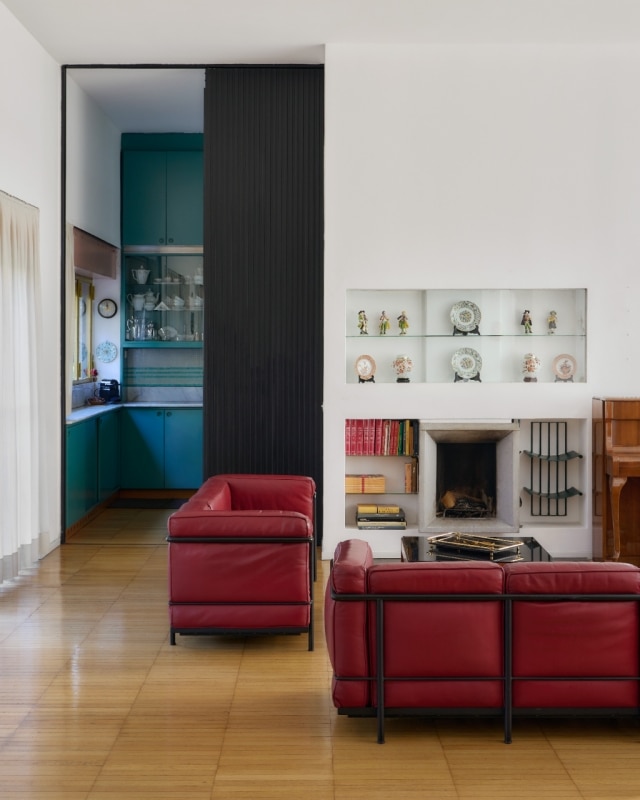
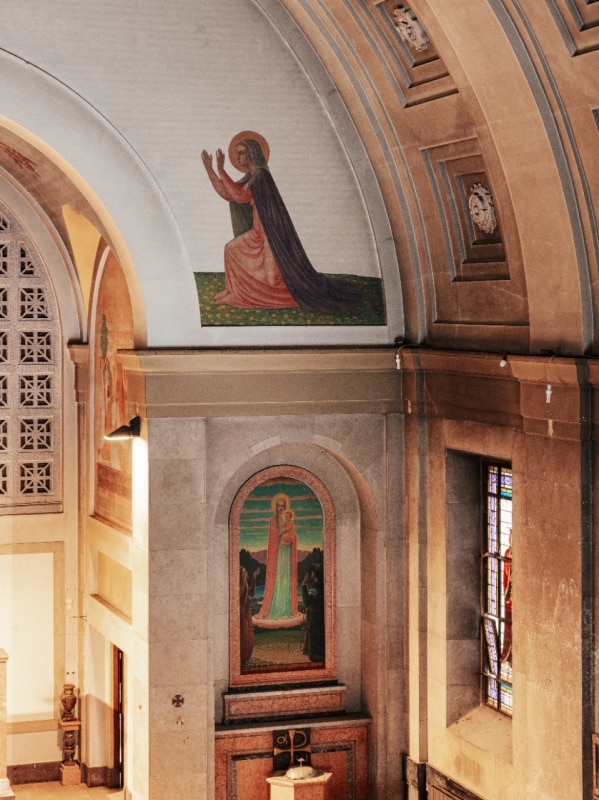
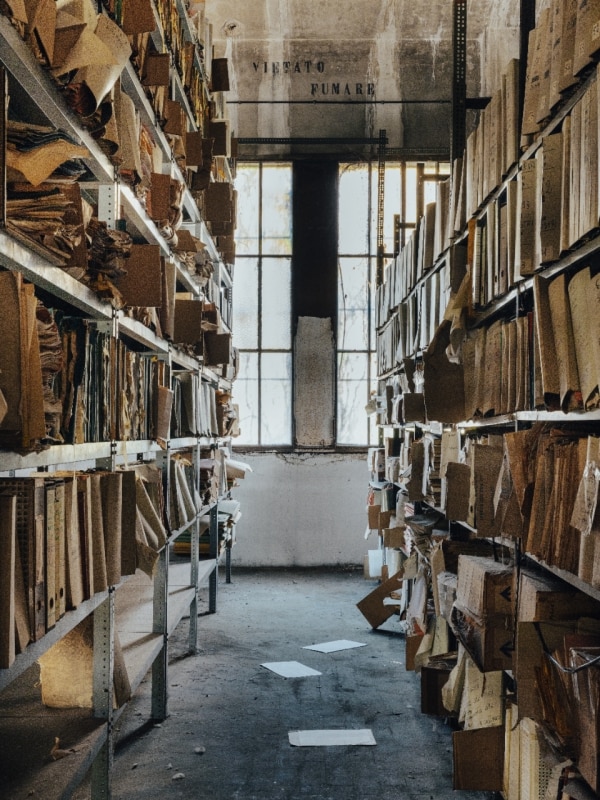
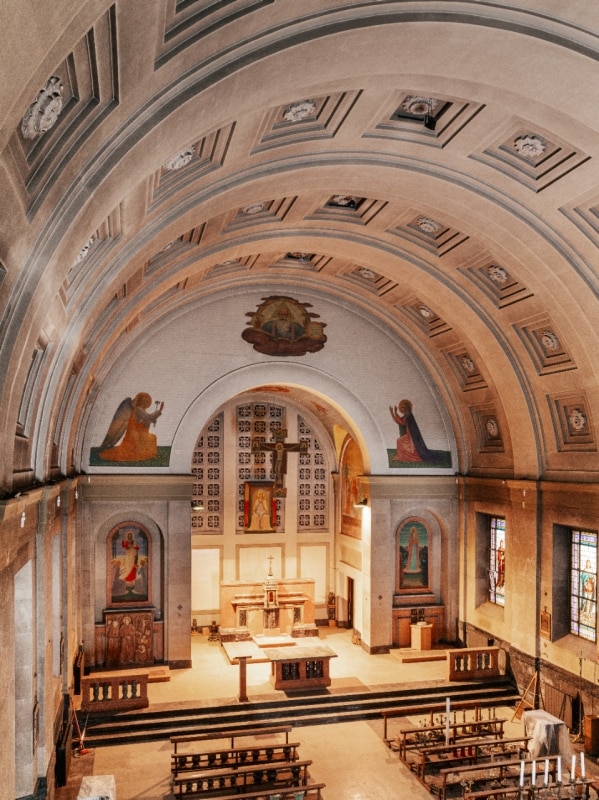
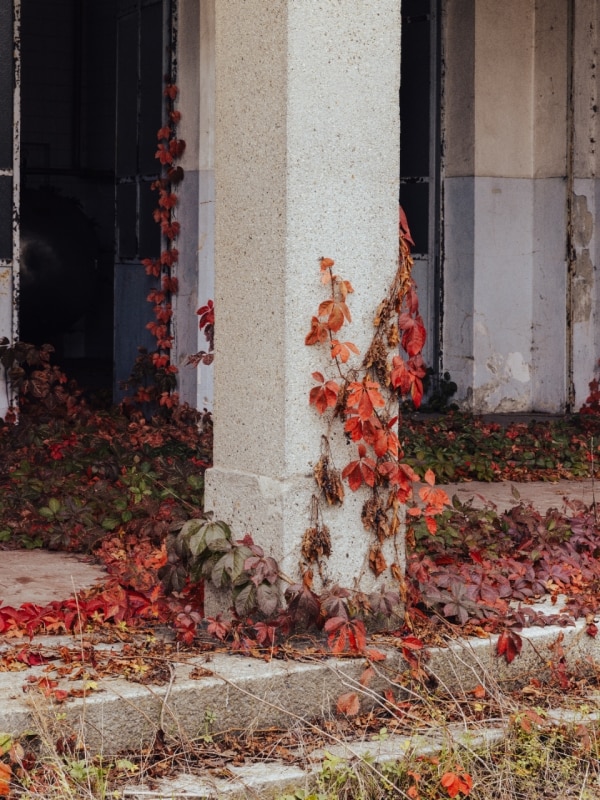
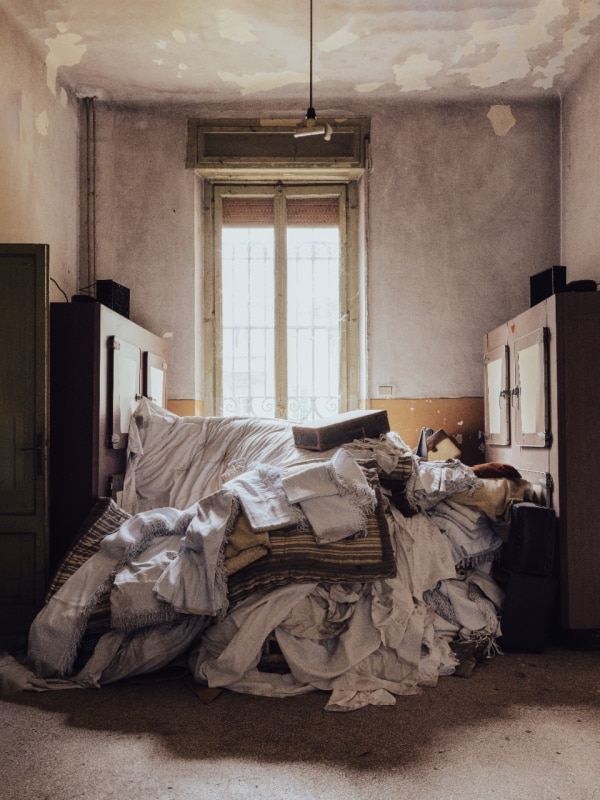
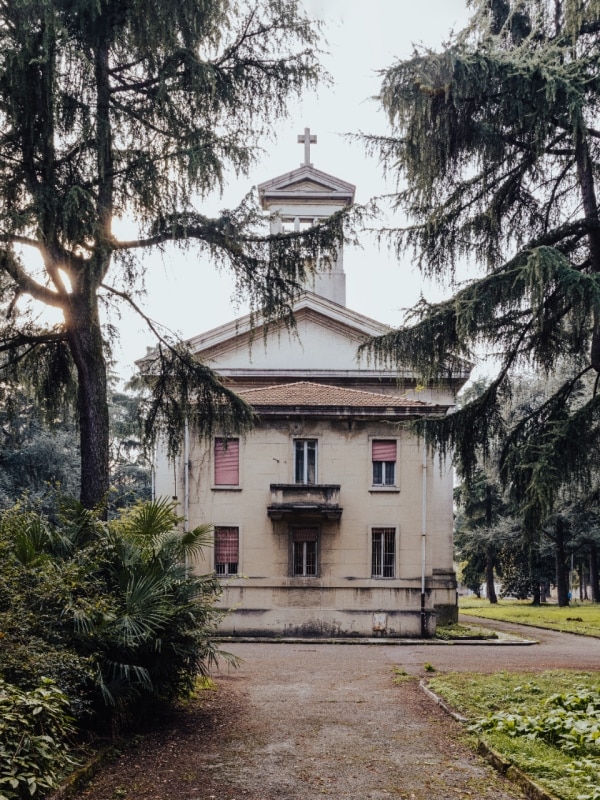
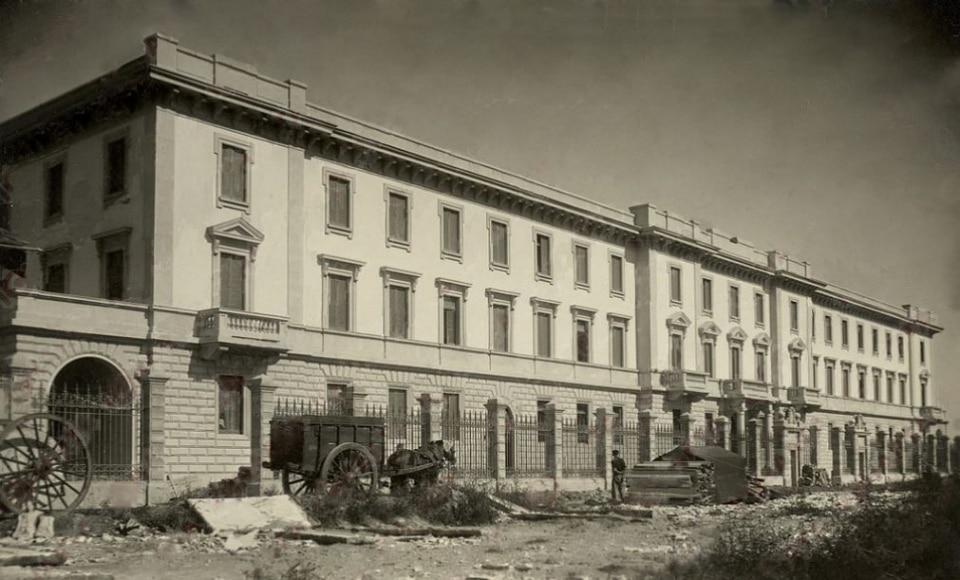
Within reach of the Milan week — and of a day trip — there is the exhibition “0-99. Design for Play”, opening April 10 at the baroque Palazzo Arese Borromeo in Cesano Maderno, dedicated to games ranging from life-size Risiko to the chessboards designed by Gianfranco Frattini. There is also “Davide Groppi. Un’ora di luce”, opening March 26 at Volumnia in Piacenza, devoted to 38 years of one of the central figures in Italian lighting design. And there is the possibility of including Turin — just 35 minutes by train from Rho FieraMilano — in the atlas of possible accommodations thanks to MiTo Design Connections.
The districts of Milan Design Week
The parade of place names that have become pillars of Design Week is, as always, unavoidable; after all, that’s what everyone is waiting for: who is in, who is out. 2026 is largely a year of confirmations, with the exception of the Superstudio cluster, which multiplies its locations.
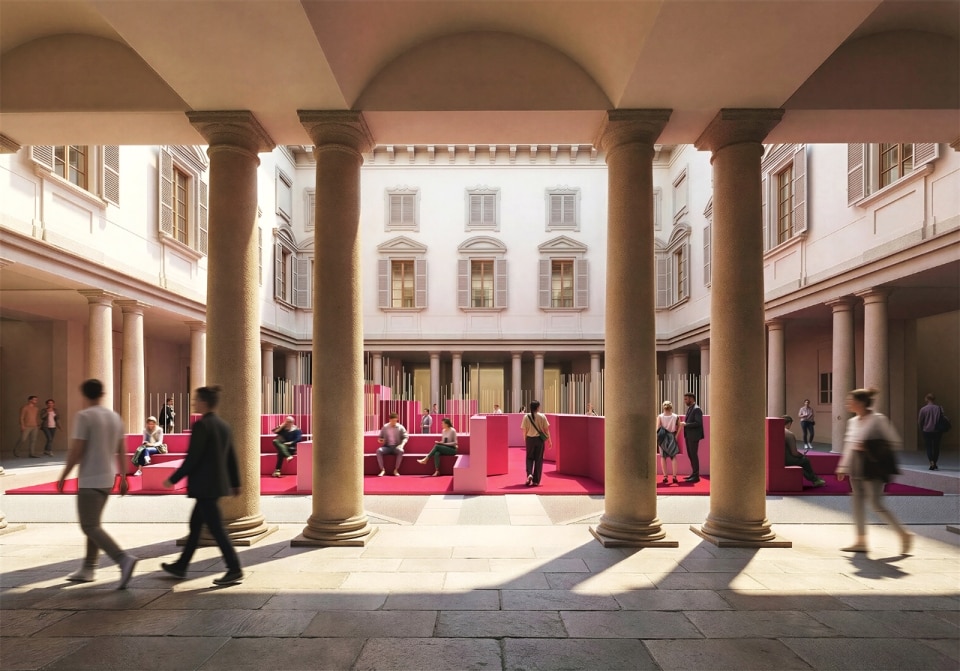
Tortona Design Week returns with Tortona Rocks, as do Base Milano, the Porta Venezia Design District – which evokes Tomás Maldonado by adopting a theme that negotiates between memory and possibility – and the Durini Design District with its pantheon of iconic showrooms. 5VIE is back as well, bringing us closer to the realm of Qualia, the subjective qualities of experience, the way each of us perceives a color or a taste; the Sarpi area is confirmed; then comes Brera, creating its customary “galaxy within the galaxy” in the city center.
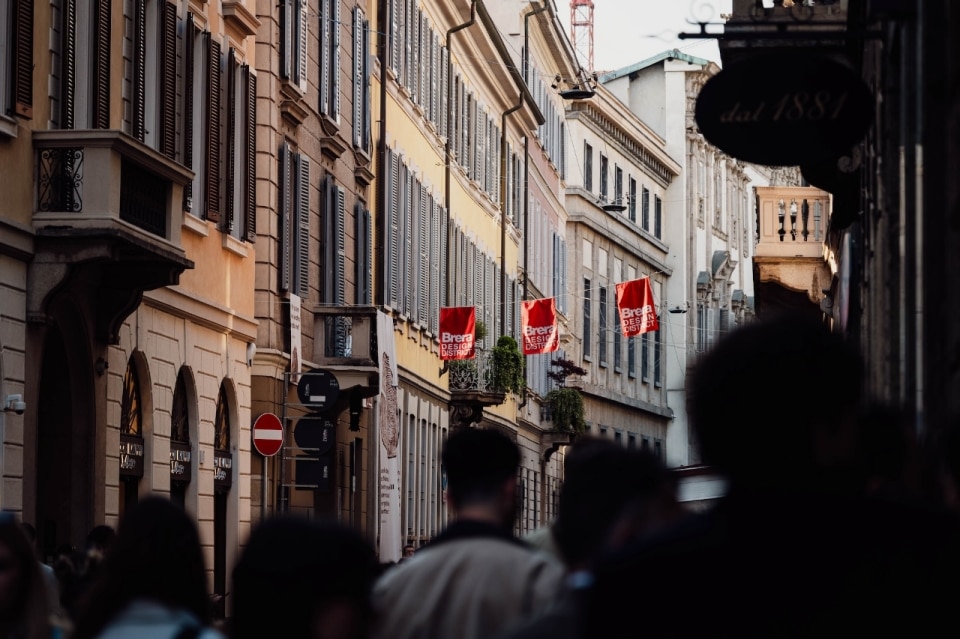
Brera Design District and Brera Design Week
Brera Design District also maintains a year-round presence as a communication platform – comprising an online magazine, agenda, guide, and social media channels – dedicated to a cluster of globally renowned places and names. For 2026, it once again lights up Milan during Fuorisalone with Brera Design Week, a program-project featuring over 200 confirmed events, including 9 new openings, 217 permanent design showrooms, and 89 temporary exhibitors.
The district’s exchange fabric is activated alongside additional venues such as Palazzo Moscova, hosting an installation by Numero Cromatico for glo™ for art, and the Mediateca Santa Teresa, featuring Yinka Ilori for Veuve Clicquot.
The Brera Design Apartment, set up for the 2025 edition by Zanellato/Bortotto, remains the system’s epicenter, with meetings, events, and opportunities dedicated to industry professionals. Meanwhile, the partnership with the hotel Casa Brera will give rise to a pop-up store, as well as the opportunity for a private tour of five design residences in the heart of Brera: Casa Museo Molinaro Colombari, C&C, the Brera Design District Apartment, Casa Museo Boschi Di Stefano, and Casa Gregotti.
Tortona Rocks
Now in its eleventh edition, what is less a district than a diffuse curatorial platform returns, transforming the vie Tortona, Savona, and Bergognone. It moves away from the traditional exhibition format to assume a more process-driven nature, spanning installations, research, and cross-disciplinary collaborations. This is made explicit in the 2026 theme, Design to Change Everything: the project as a “rebellious” experience capable of impacting the present.
Opificio 31 is the core to this system, where some of the most significant interventions are concentrated, such as the immersive environment by Iqos with Devialet, translating sound and interaction into a dynamic landscape, or Swatch’s AI-DADA laboratory, which makes the public an active part of the creative process. Among the contributions of the many brands shaping the domestic environment, between industry and pop culture, tributes stand out such as Italdesign’s homage to the Honda NSX and Nicholas Ballario’s tribute to Damien Hirst and Vedovamazzei in “Pool: ti sblocco un ricordo”.
Superstudio multiplies
For 2026, Superstudio Design abandons the idea of a single district, instead distributing a landscape of 70 projects, 91 brands, and 88 designers from four continents across three different locations.
The historic SuperstudioPiù in Tortona hosts SuperNova, revolving around the exhibition “Moooi 25 & Promising” by Marcel Wanders. It is surrounded by a constellation of presences, including collaborations with national representations, Design Association’s “Houses of the Heart” with figures such as Toyo Ito, Kazuyo Sejima, and Sou Fujimoto, a bistro designed by Paola Navone-Otto Studio, and a hybridization of art and design between the authorial reflecting pieces of “Mirrors”, and “Re:Circle” on the rooftop.
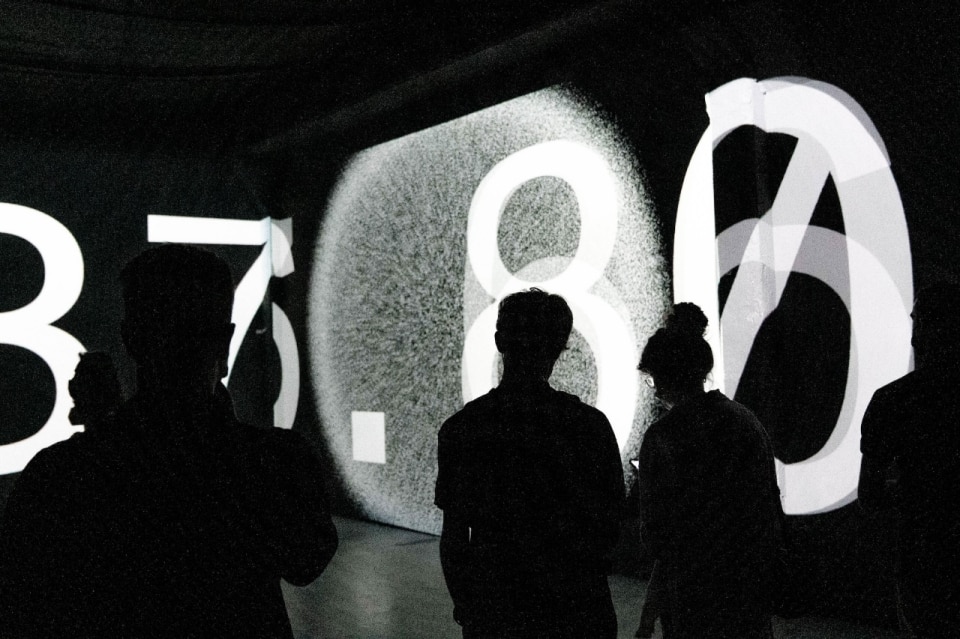
In Barona, Superstudio Maxi becomes the site to Supercity – 15 projects within a seamless space imagining an ideal multicultural city, starting from the virtual homes of the exhibition “TheCity” –and to a collaboration with ICFF – the International Contemporary Furniture Fair of New York.
A disused factory in Bovisa, meanwhile, becomes Superstudio Village, home to Superplayground, where the tenth anniversary of the Turin-based Graphic Days festival meets new proposals from an open call that gathered 33 projects from over 30 countries, alongside a program extending into the evening time with music and a special event.
Highlights and major installations
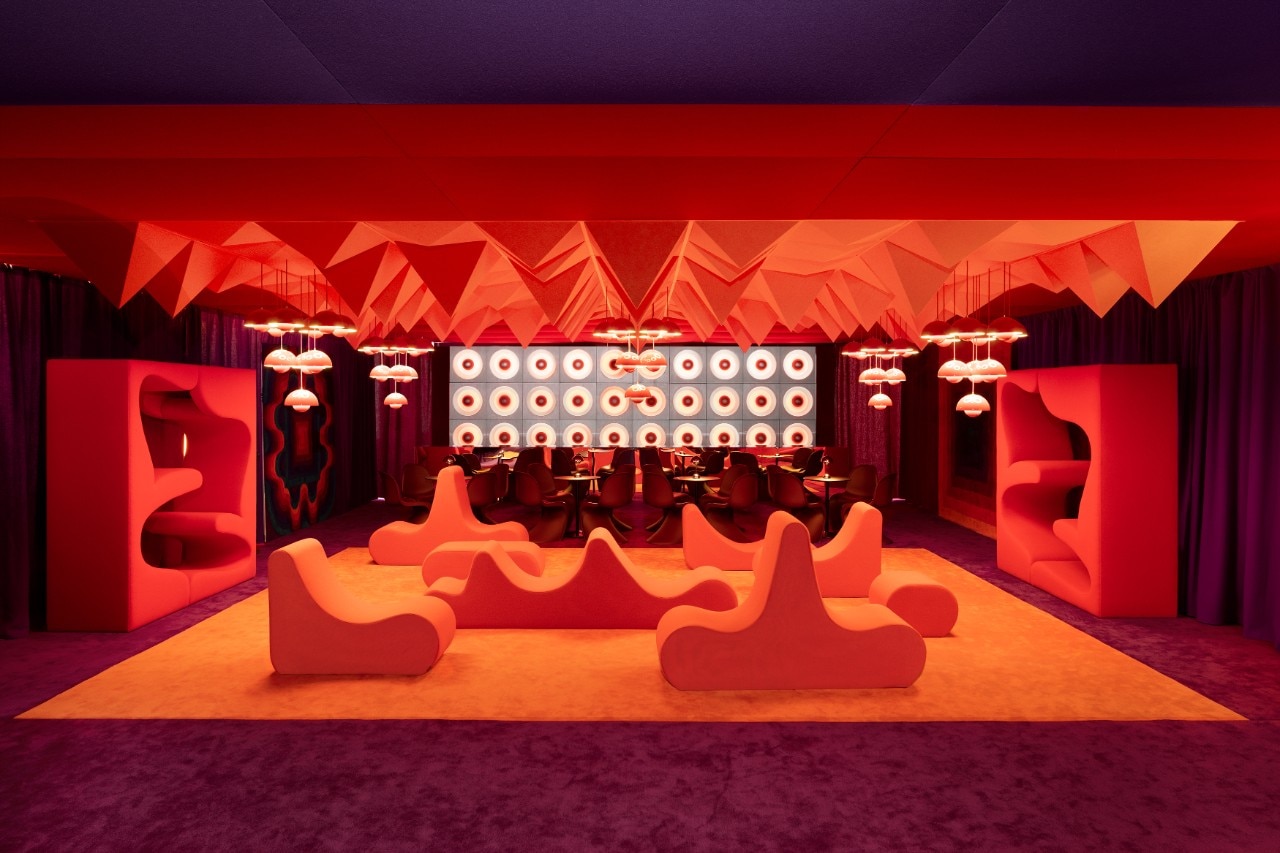
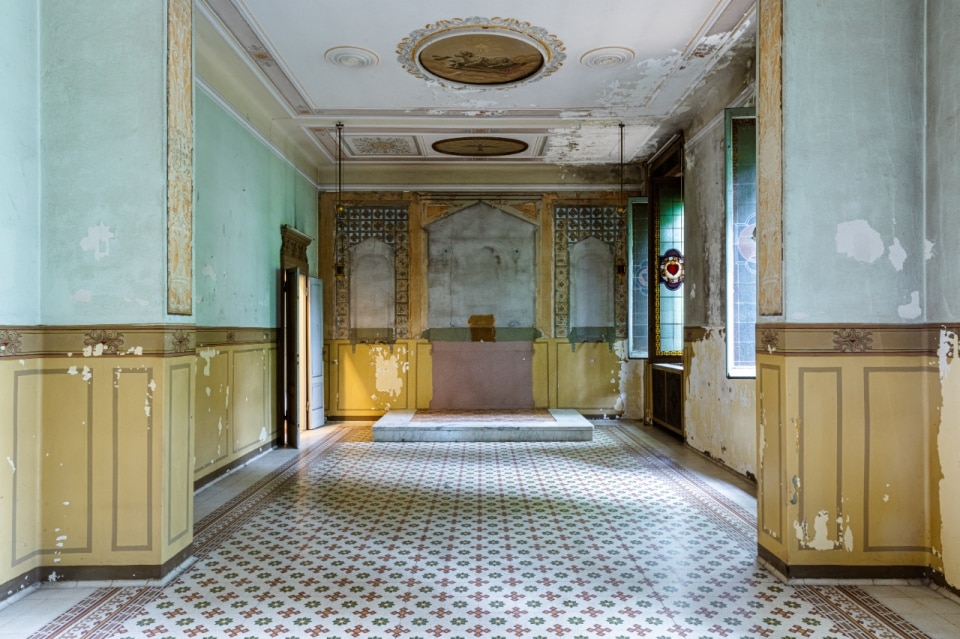
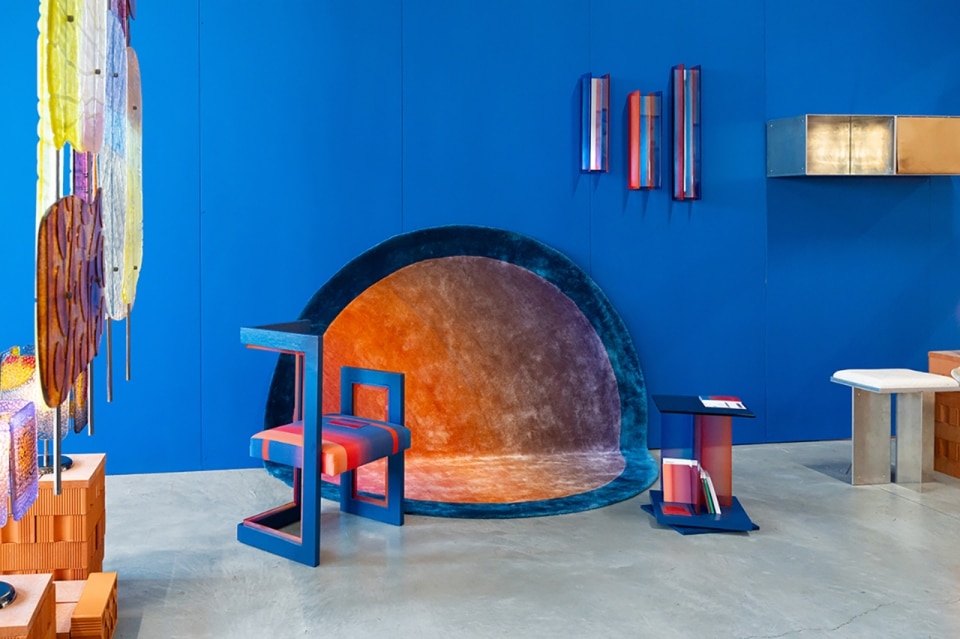
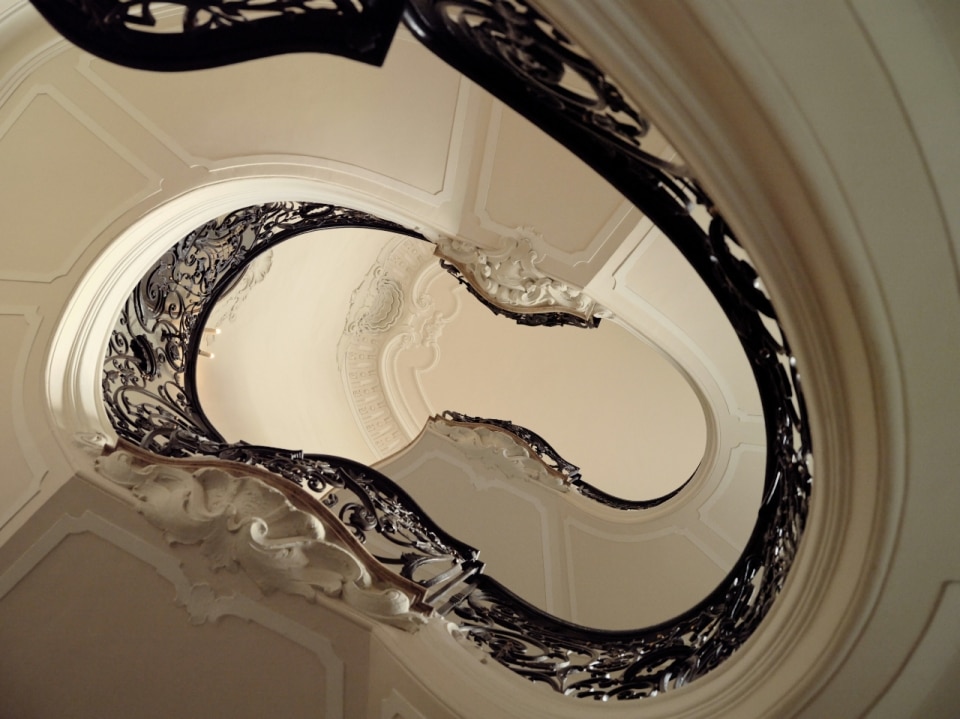
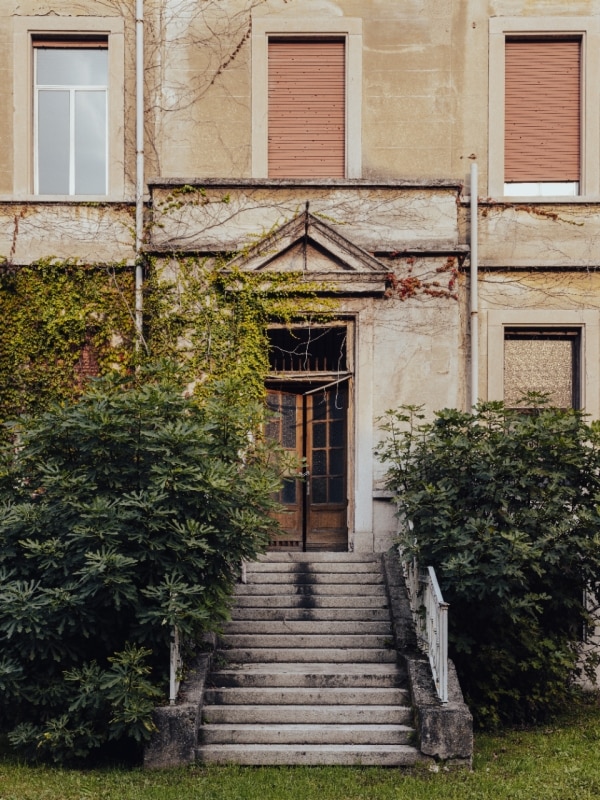
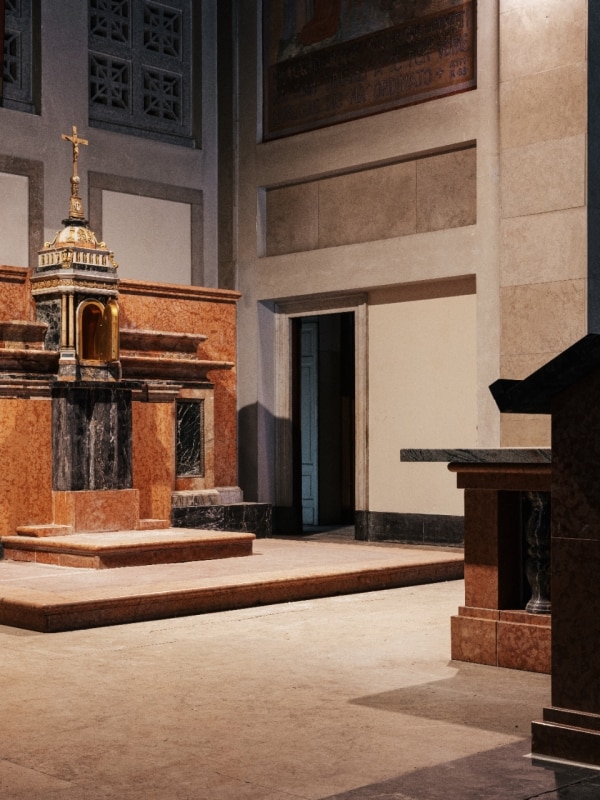
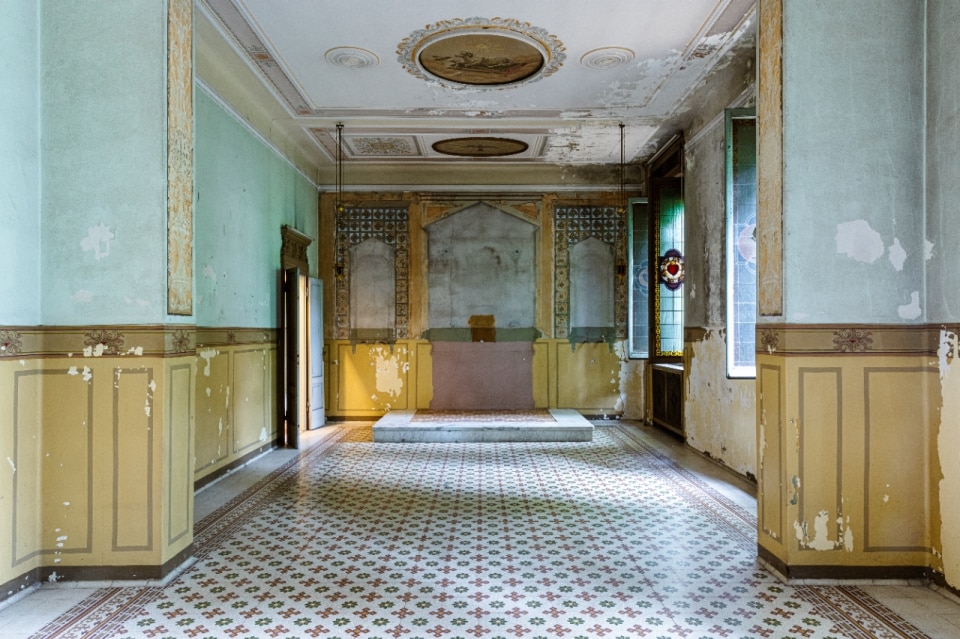
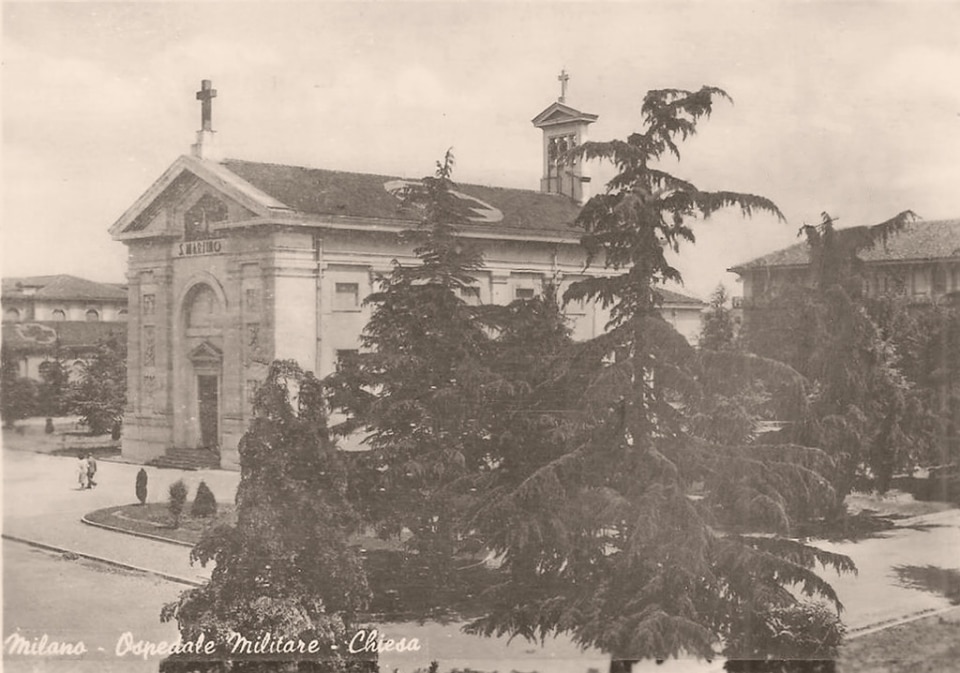
Several names concentrate attention. Among them is Alcova, the collectible design cluster that after its détour into the outskirts returns to the city, splitting between the former Military Hospital in Baggio and Villa Pestarini designed by Franco Albini, as well as Casa Bagatti Valsecchi, which will host the Bulgarian collective design project Dopir.
The fourth edition of Convey by Simple Flair will take over an entire rationalist building near Torre Velasca, while Spazio Maiocchi, close to the confirmed Capsule Plaza, will host Ikea this year, diving into the rituals of cooking and gathering together in dialogue with the concept of Democratic Design.
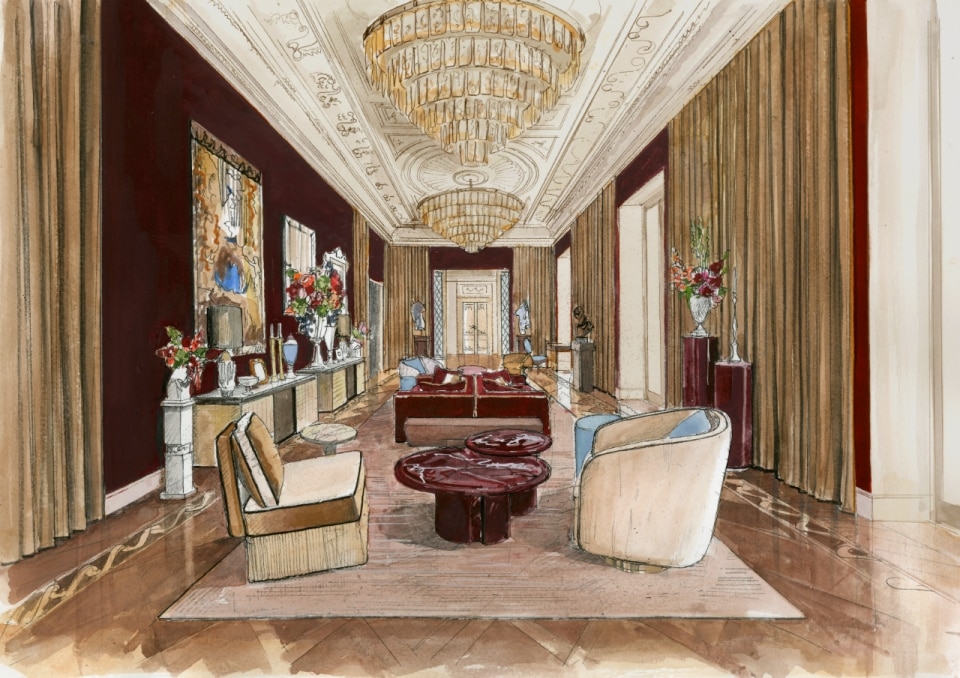
MoscaPartners Variations returns to Palazzo Litta around Lina Ghotmeh’s installation Metamorphosis in Motion in the Cortile d’Onore, while nearby Triennale Milano celebrates figures such as Edward Barber and Jay Osgerby, Lella and Massimo Vignelli, and Ettore Sottsass through its exhibitions. Not far from Zona Sarpi, ADI Design Museum will present the XXIX Compasso d’Oro exhibition, a solo show by Japanese designer Haruka Misawa, and an installation by Mario Botta inspired by Le Corbusier.
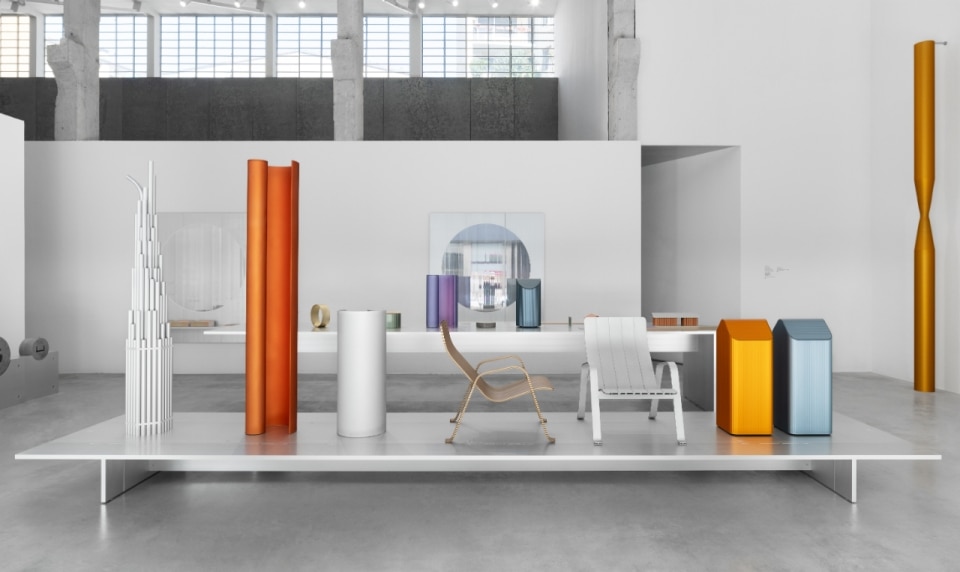
At Nilufar Depot, hospitality becomes the theme with the Nilufar Grand Hotel featuring installations and works by david/nicolas, Allegra Hicks and Andrea Mancuso, while at Nilufar Spiga La Casa Magica by Valentina Ciuffi (Studio Vedèt), staged by Space Caviar, will be presented.
For those chasing the large urban installation blockbusters, the route will lead to Porta Nuova for Blooming Imperfections by Andrea Olivari, or to the Castello Sforzesco to experience the creative process as a spatial journey in Albori, designed by Stark.