




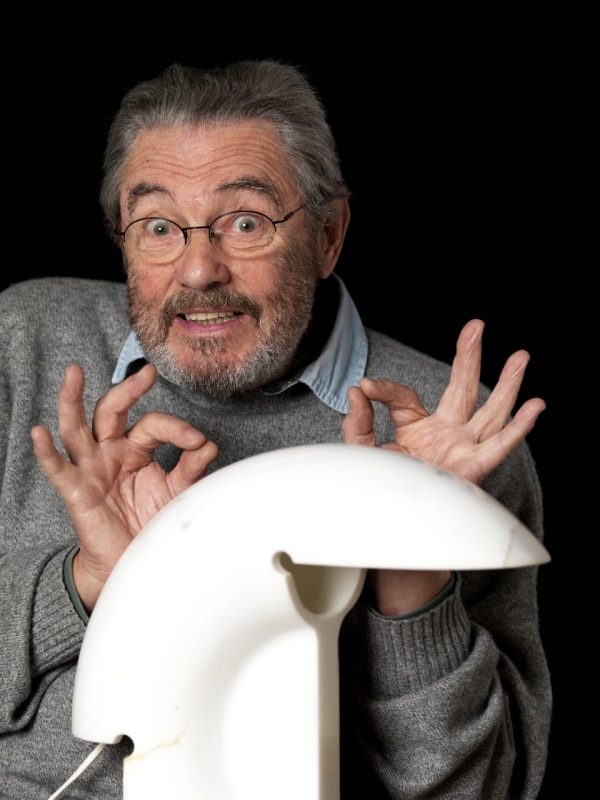
Tobia Scarpa is ninety years old, and he has spent those years marking decisive milestones in the history of Italian design and architecture. Retracing his life and career, shared with his wife Afra Bianchin, would be like trying — to quote Borges — to draw a map of the empire at a 1:1 scale: impossible to contain.
“Looking back, I don’t see a designer, I haven’t done anything,” he told us five years ago, when Domus visited him at his home. We allowed ourselves the luxury of another conversation built around aphorisms: fragments capable of evoking the depth of a life like his, while starting from the present.
1. “Redoing something already done can be interesting — and full of ‘strighi.’”
Here is the present. Scarpa continues to complete architecture in the Veneto region while his design icons are experiencing a new season of reissues. (“Strighi” is a Venetian word derived from “streghe,” meaning witches — something mysterious, almost enchanted.)
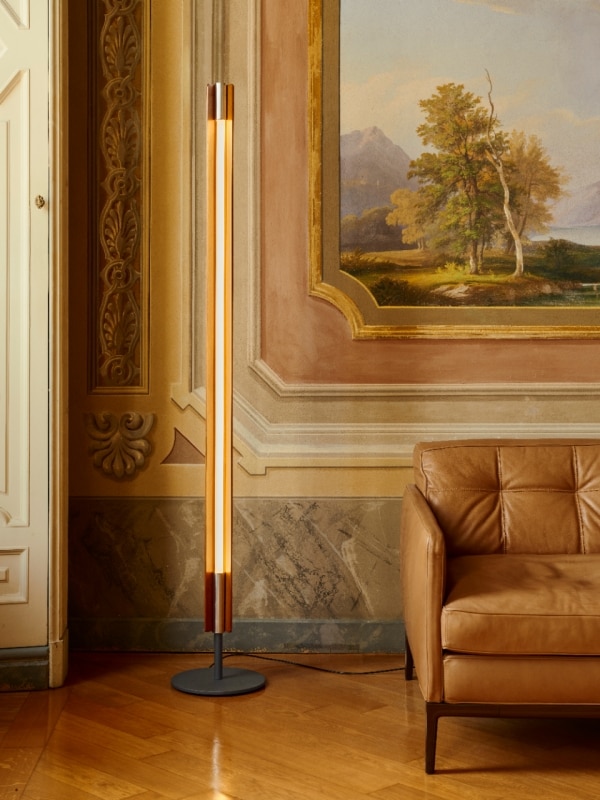
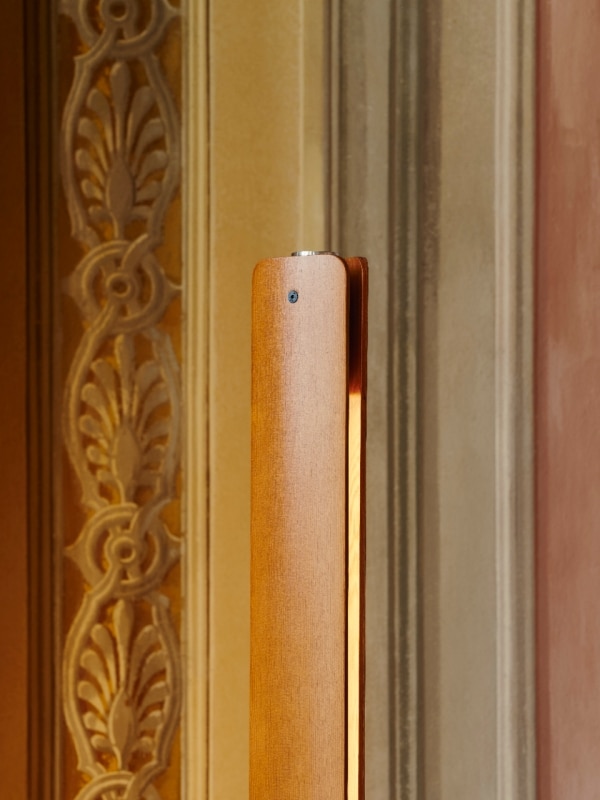
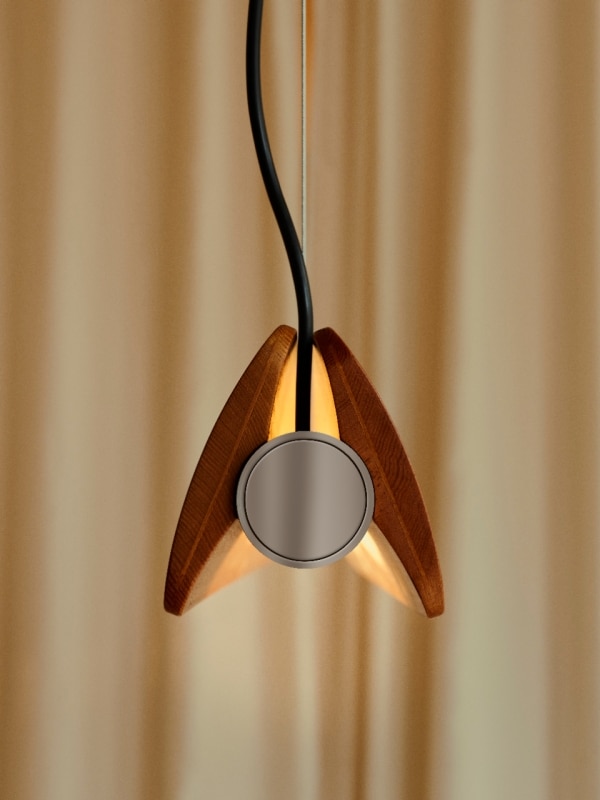
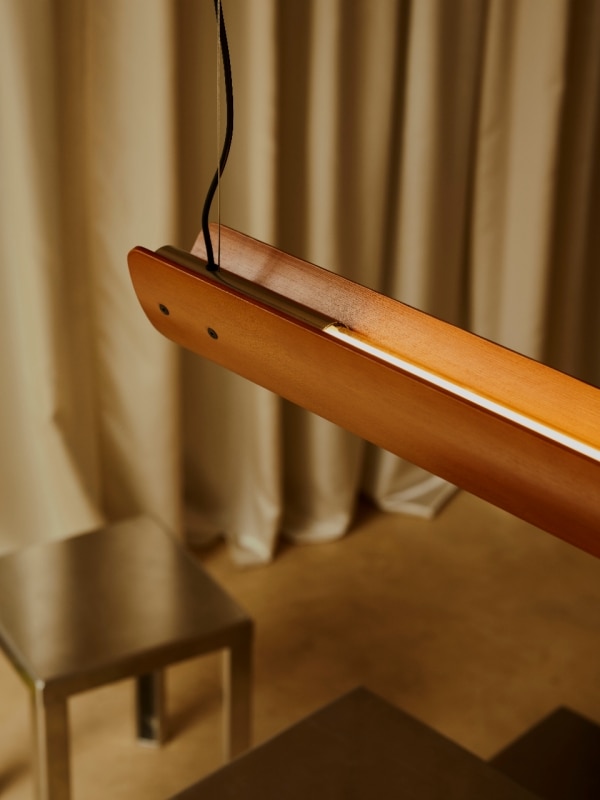
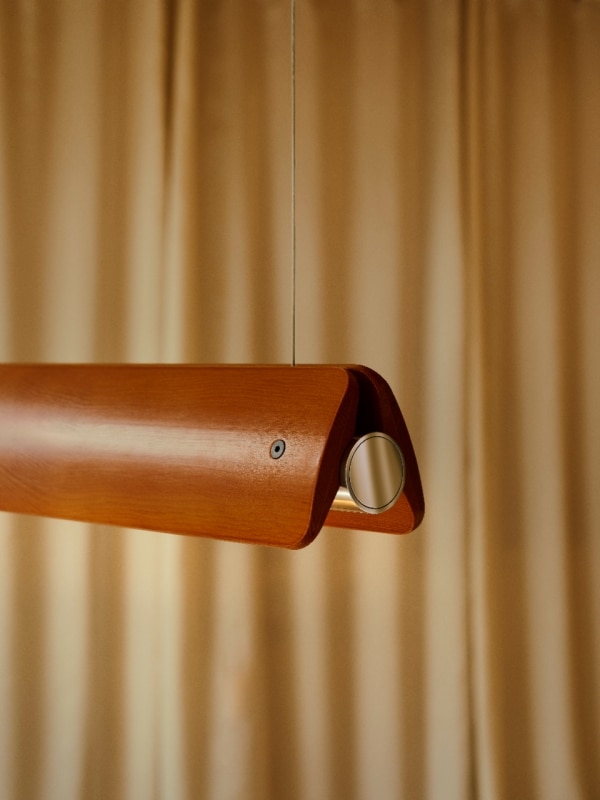
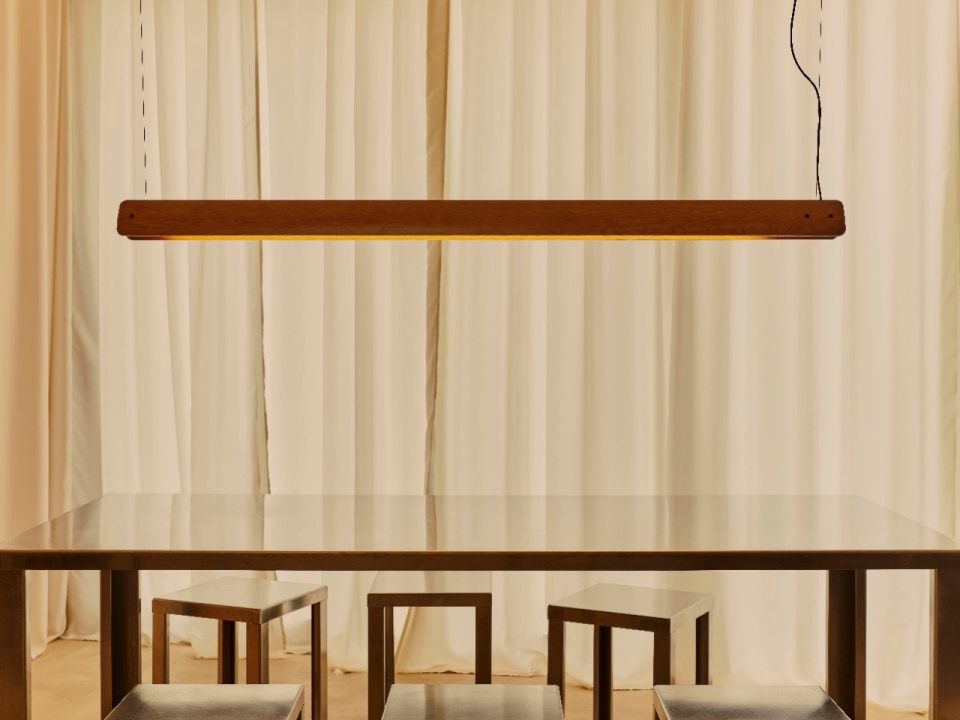
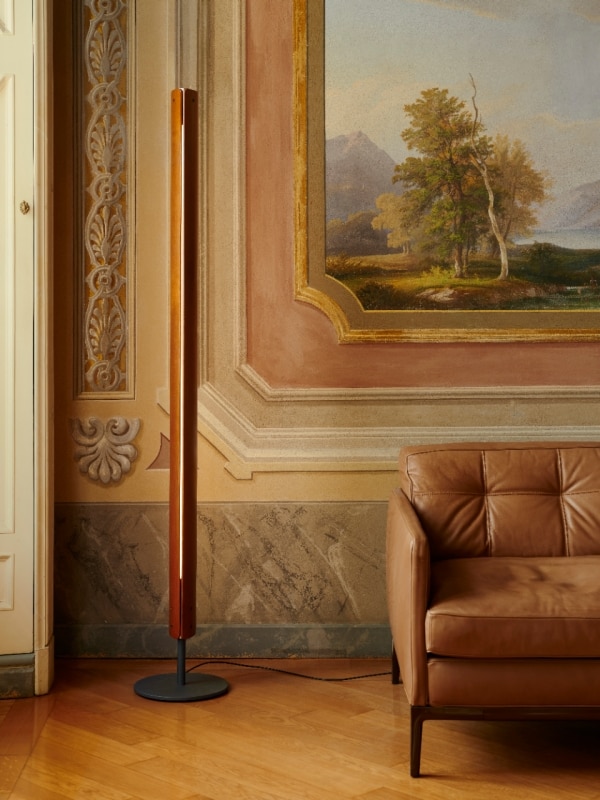
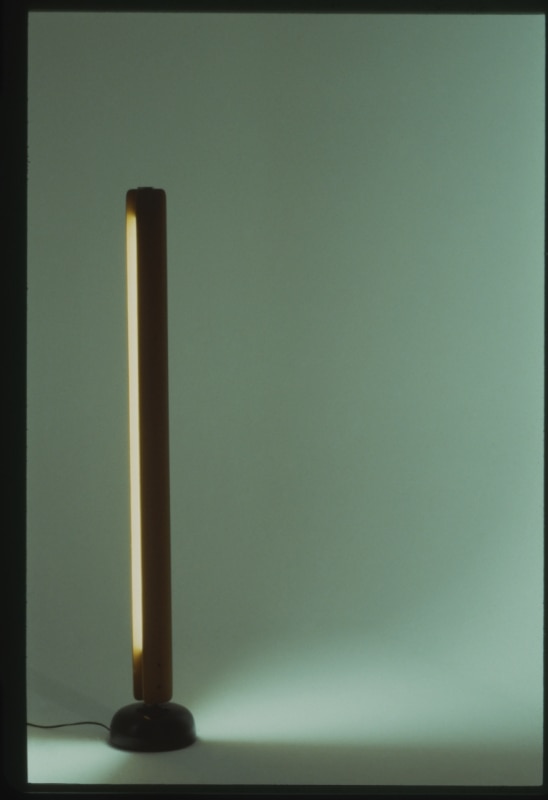
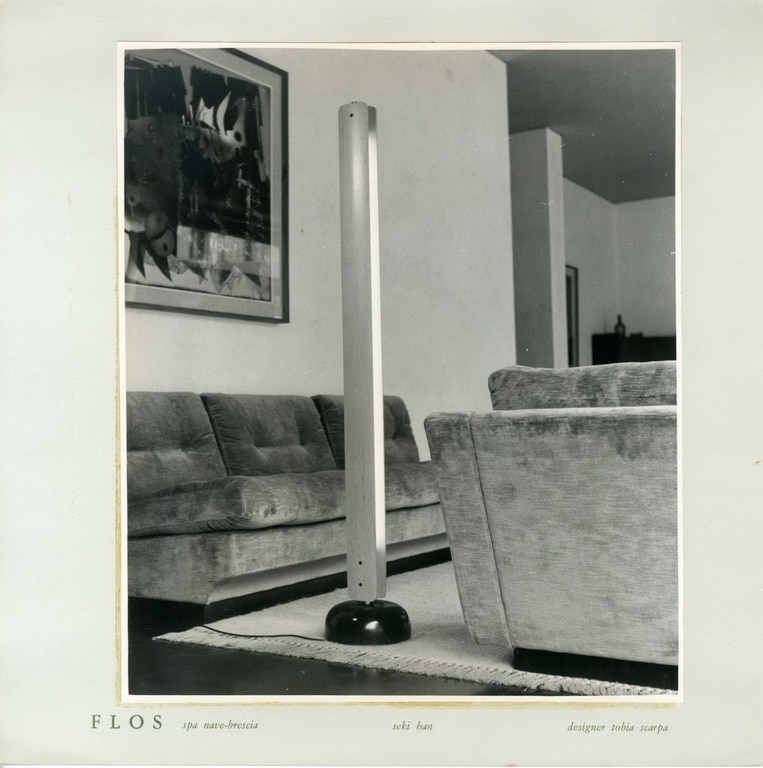
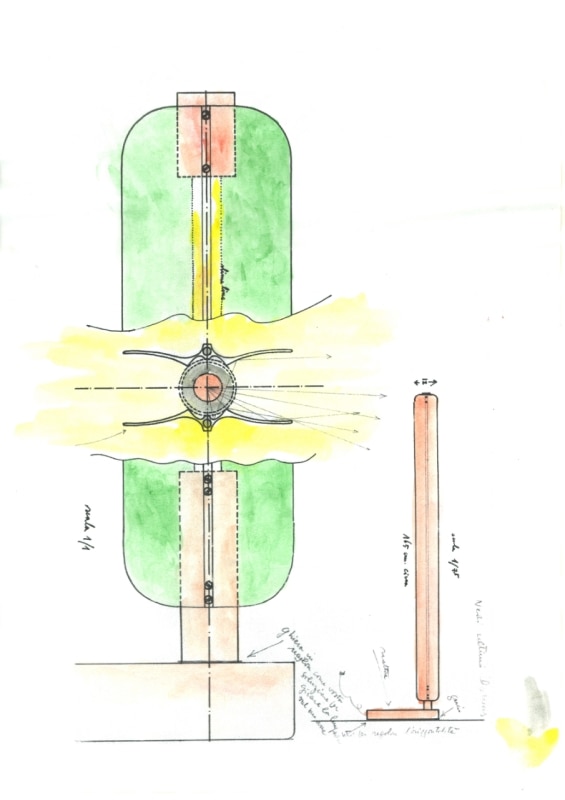
Returning now is the Seki-Han lamp from 1963, produced for only three years: two blades of Douglas fir embracing a neon tube, emitting a symmetrical light.
“It was among my first projects for Flos in the 1960s,” he recalls, “we were experimenting with light and materials for work environments, looking for a freely orientable object that could direct light precisely on surfaces.”
In 2025 the lamp is reborn in ash wood, with adjustable blades and a dimmable custom LED. The means have changed, but the spirit of the project remains — perhaps even more relevant today than before.
2. “Coming back (50 years later) to your projects has a purpose: to understand if you’ve learned or if you’re still stupid.”
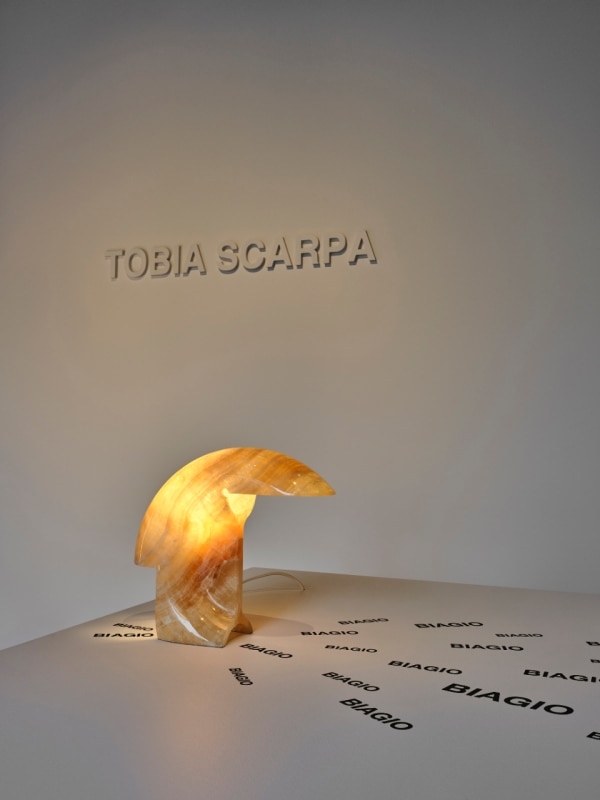
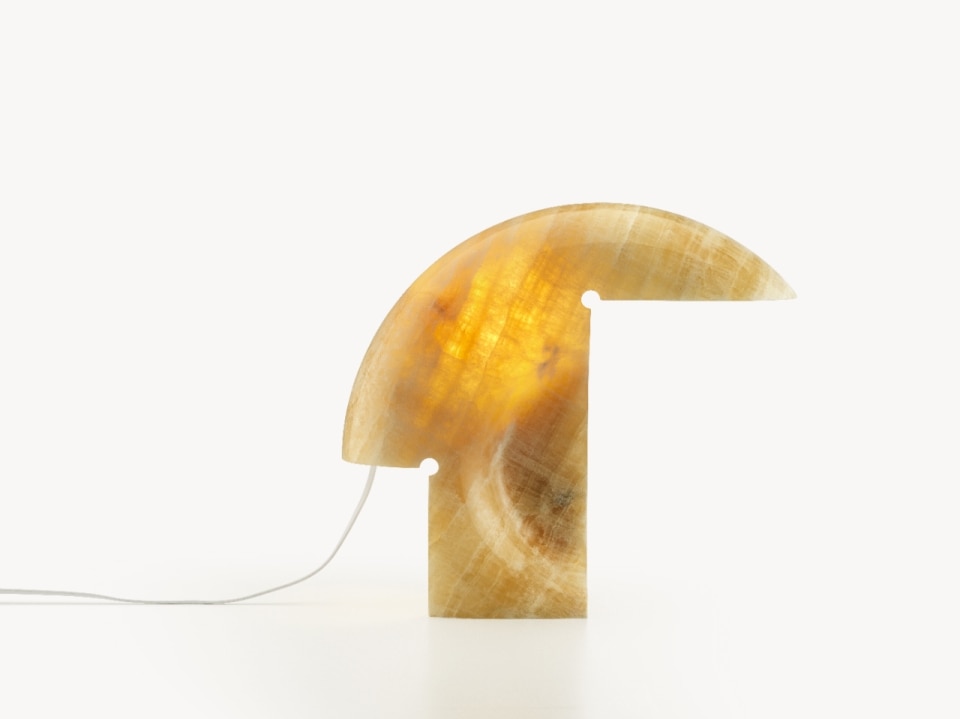
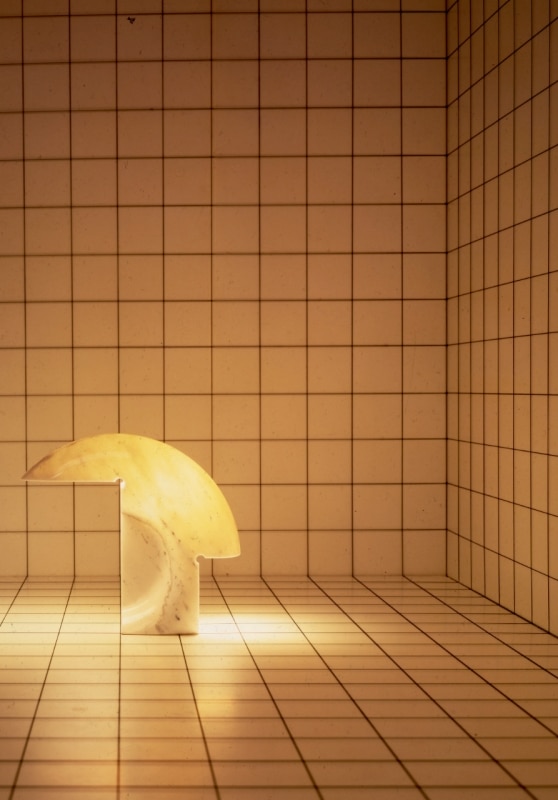
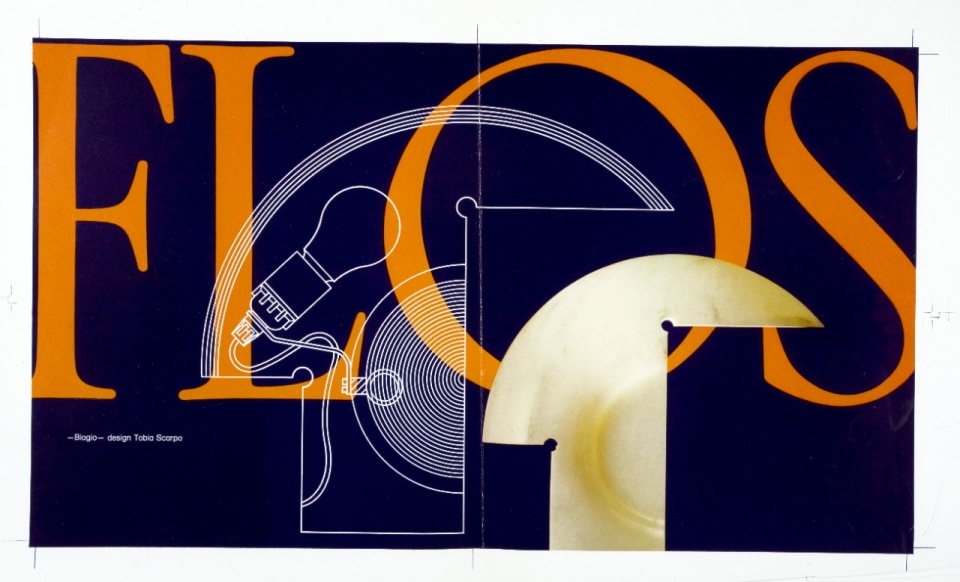
An aphorism that perfectly suits the Seki-Han, but also the recent reissue of the Biagio lamp, again for Flos, now in onyx. Scarpa has always intertwined design and biography, revisiting relationships and insights shared with key figures in Italian design.
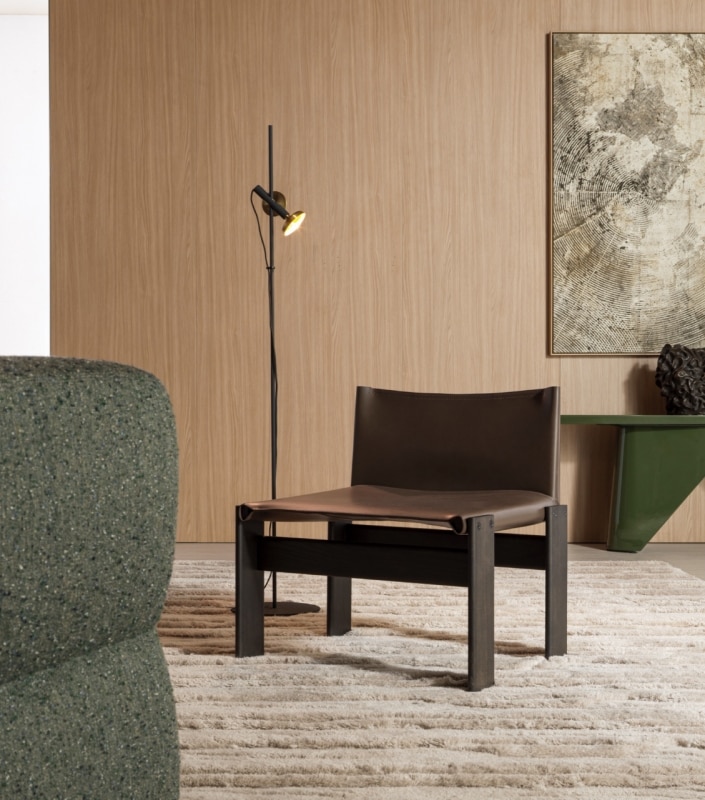
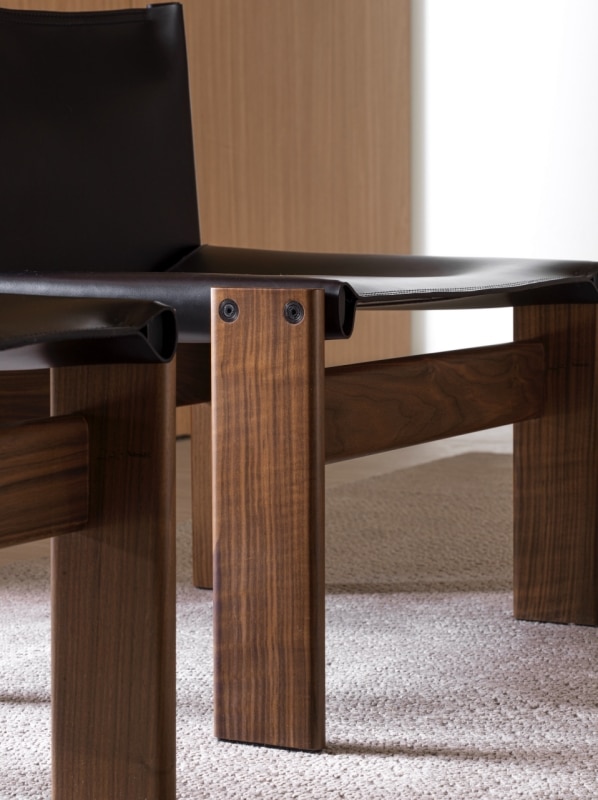
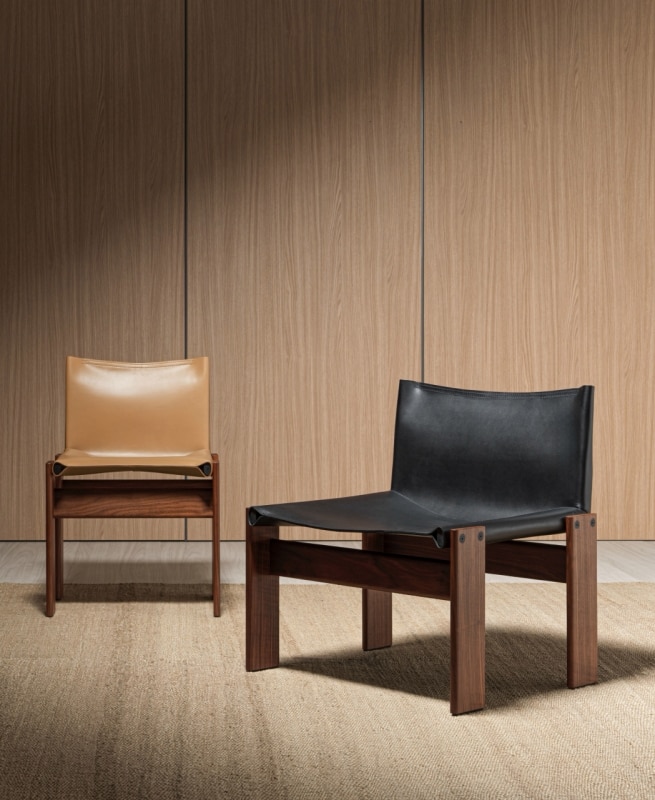
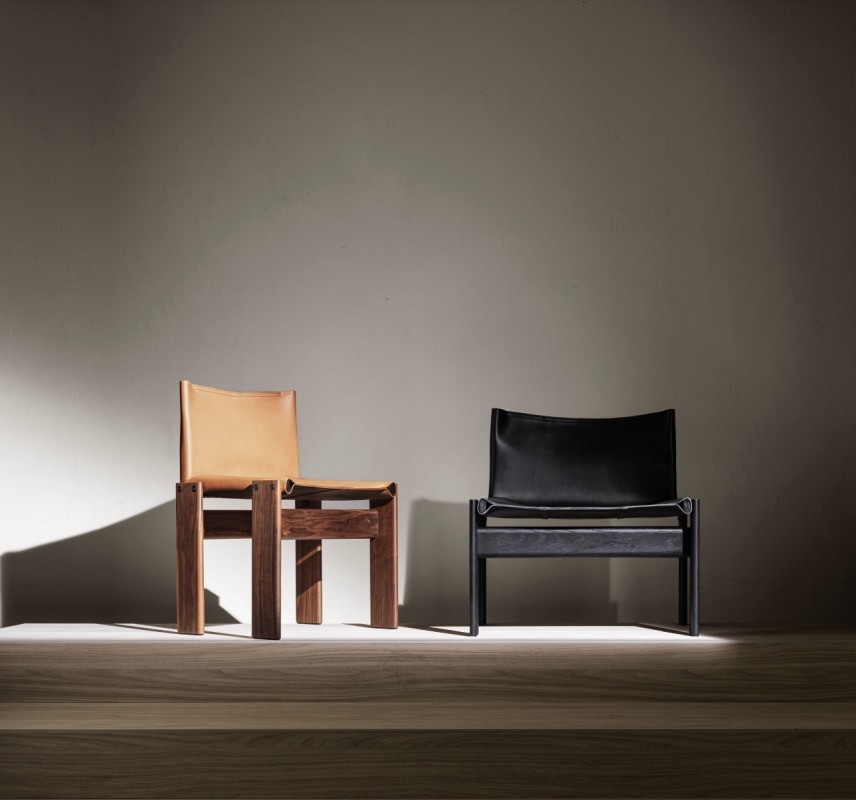
In 2025, Molteni reissued the Monk armchair (1973): it was meant to be made from a single piece to save costs, but in dialogue with Angelo Molteni it took its iconic form — a metal structure stretched between two wooden frames. Or the Protest Stool (Cassina, 1968), born almost by accident: a container for fabric samples turned upside down and transformed into a seat.
3. “I’m attached to all my projects, when once out in the world they turn out to be good results.”
From his first project, the Pigreco chair of 1959, to entire catalogues whose identity he defined — like that of Maxalto — Scarpa has always understood the value of time in design. He could see the link between product, market, and longevity, as noted by Antonello Marotta in the book dedicated to him.
The confirmations came: three Compasso d’Oro awards, including one for the Soriana armchair, now a Cassina icon. “It’s curious,” he says today, “because these products, when they return to the market, still prove dynamically useful to the structures that produce objects of benefit.”
4. “The blade, if it’s sharp, cuts! If it’s used badly, it must be sharpened. When everything is in order, the rest becomes possible.”
That’s how he describes his relationship with industry.
From the beginning — with the Pigreco presented at the Triennale for Franco Albini’s course — Scarpa alternated between distrust and faith in serial production.
Then came Cassina, and with them a trajectory that crossed every scale, up to architecture: from the Benetton complex in Castrette di Villorba to the first Busnelli plant in Novedrate — precursors of a season where factory and research merged, a prelude to Piano and Rogers’ “Italian Pompidou.”
5. “Being able to handle natural materials is a pleasure. But for it to be a pleasure, it also has to be intelligent.”
He has worked with wood, stone, metal, glass — and, he says, “I’ve had fun with them all.” His career began at the Venini glassworks in Murano, where he replaced Massimo Vignelli and created objects that became milestones. He also experimented with unexpected materials, such as the stretched fabric over metal in the Nuvola lamp (1962, Flos).
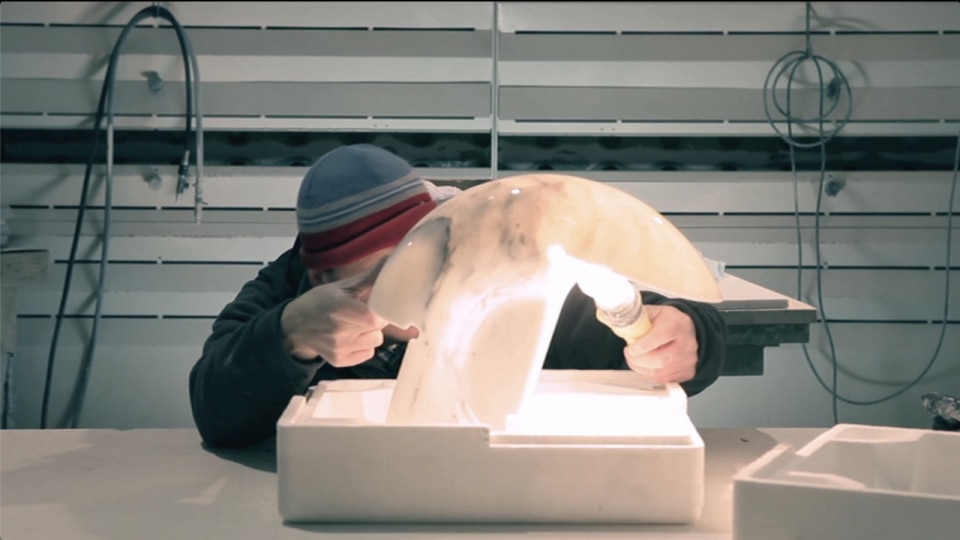
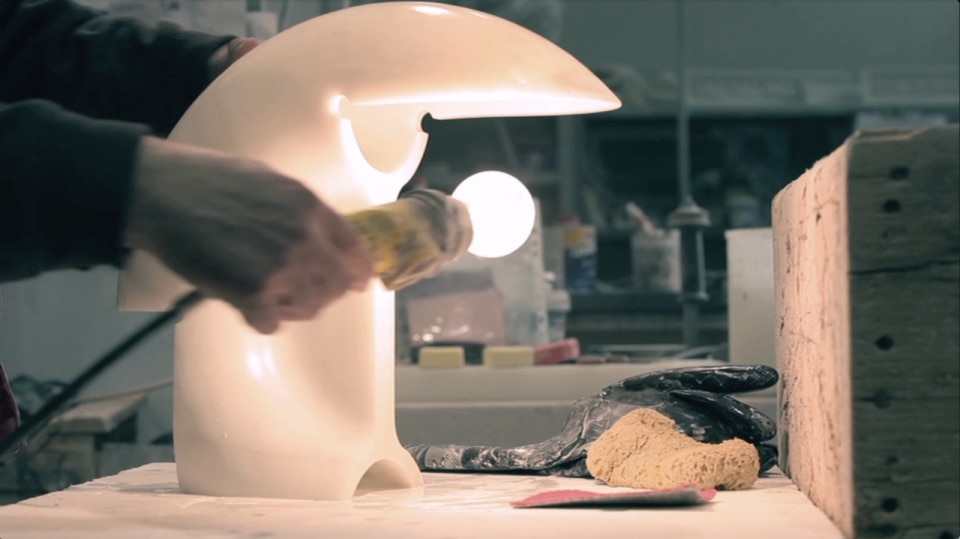
“Even the Biagio,” he explains, “was an experiment with Carrara marble: by designing a specific procedure and machinery, we managed to hollow it out and make it luminous, enhancing the qualities of the material.”
6. “I’ve had teachers, of course. What saddens me is that I still need them, even after all this time.”
Beyond his father, Carlo Scarpa, Tobia rarely mentions other names. But when he speaks of learning, he broadens the idea to life and technique. “My father taught me everything I know,” he told us, “even if he never lectured me. He took me with him, not to the clients, but to the collaborators. I remember a group of intelligent glassmakers, where he made the most beautiful things Venice has ever seen.”
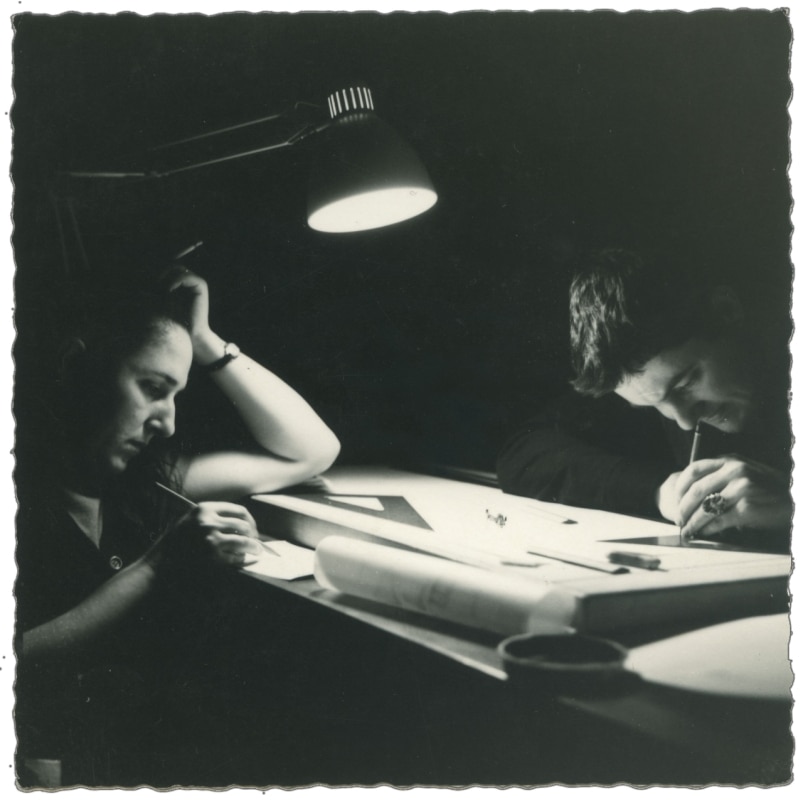
Now he adds: “There’s always a need to have good thinking. And it can be extended to all the elements that develop curiosity and the desire to compose a series of actions.” In an age of fragmented knowledge, it remains a fresh lesson in transversality.
7. “Domus was one of the first magazines with a certain dignity, and so one was always ready to look at it and be presented by it.”
And on that note, there’s not much more to add.