



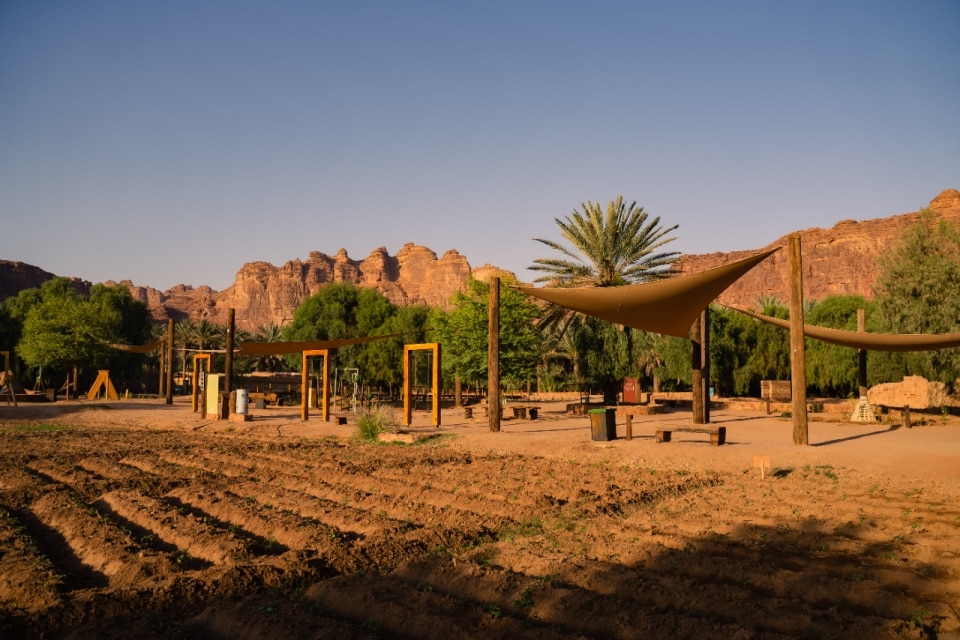
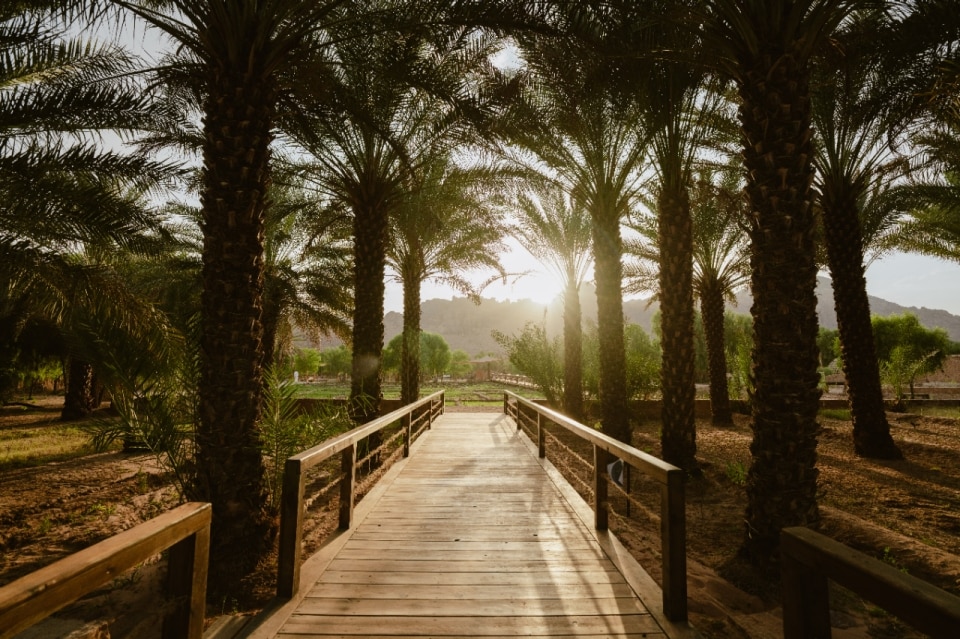
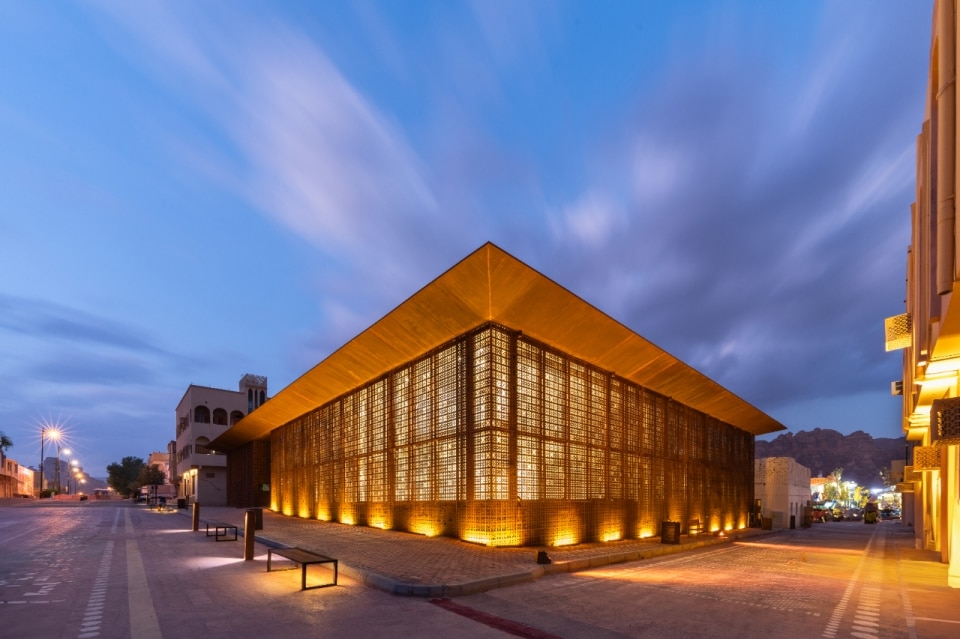
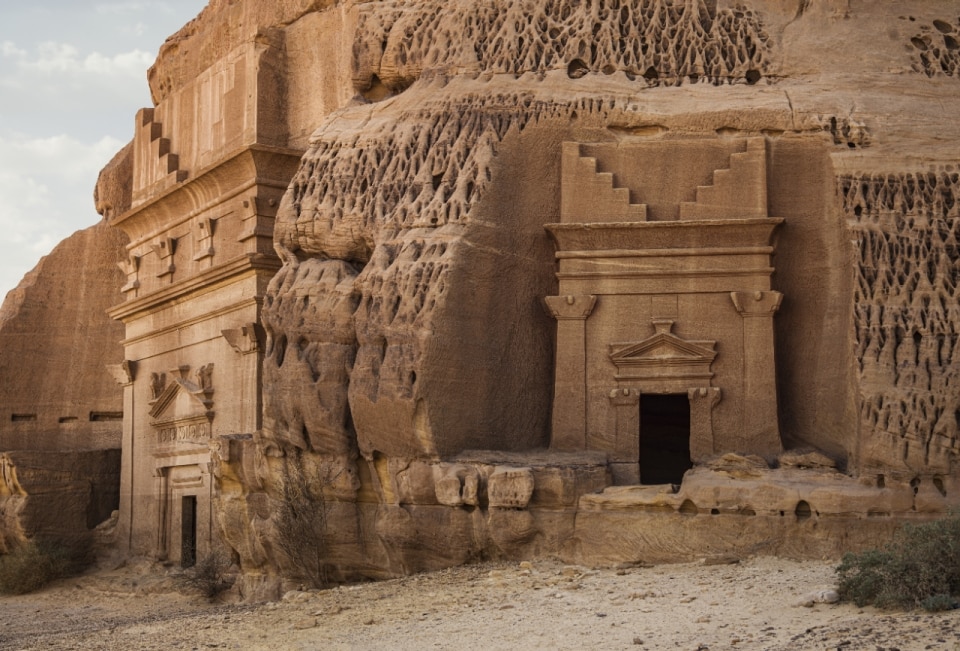
For decades, Saudi Arabia’s ancient desert region of AlUla, spanning millennia of human history, was closed off to most outsiders. Due to conservative Islamic religious beliefs, the region was considered to house djinn, the Arabic term for evil spirits, stemming from its pre-Islamic historic ruins of civilizations such as the Nabateans whose prominent tombs feature in UNESCO world heritage sites like Hegra, also known as Mada’in Saleh.
All of this has now changed. For just under a decade, Saudi Arabia has begun promoting its pre-Islamic heritage, transforming its rich ancient heritage found in AlUla via an ambitious cultural program under the Royal Commission for AlUla, a Saudi commission established in 2017 to preserve and develop the 2,000-year-old archaeological and historical site of AlUla into a thriving cultural hub for archaeology, art, design and tourism. Since the region opened to international visitors in 2019, AlUla’s wonders have become a magnet for regional and global travelers.
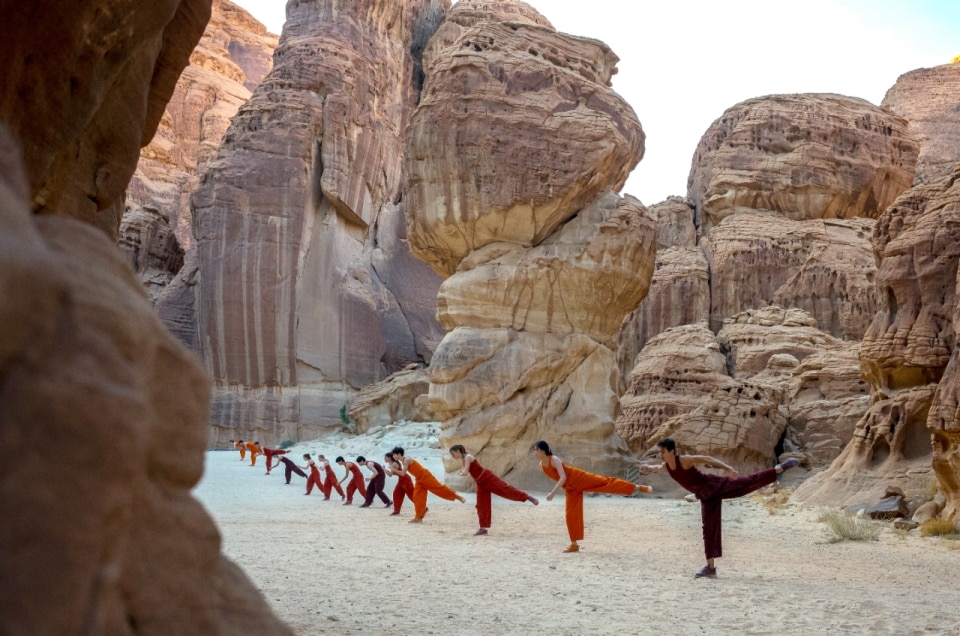
At the core of AlUla’s development is culture. Initiatives such as Design Space AlUla, the AlUla Design Award, Desert X AlUla, the arts center of Madrasat Addeera, with its mission to protect local crafts and future institutions such as the Museum of the Incense Road and the Contemporary Art Museum, are solidifying AlUla’s status as an international hub for creative exchange.
“AlUla’s cultural landscape is evolving at an incredible pace, with each season bringing new experiences that bridge past and future,” says Hamad Alhomiedan, the Director of Arts & Creative Industries for the Royal Commission for AlUla (RCU). “The upcoming AlUla Arts Festival (January 16-February 14, 2026) will be our most diverse yet, with Desert X AlUla 2026 presenting a selection of ambitious site-responsive installations by Saudi and international artists. This year’s theme, Space Without Measure, was inspired by the work of the Lebanese American writer Kahlil Gibran and invites audiences to see our valleys, oases and canyons as limitless landscapes where the imagination runs free of boundaries.”
AlUla’s cultural landscape is evolving at an incredible pace, with each season bringing new experiences that bridge past and future.
Hamad Alhomiedan, Director of Arts & Creative Industries, Royal Commission for AlUla
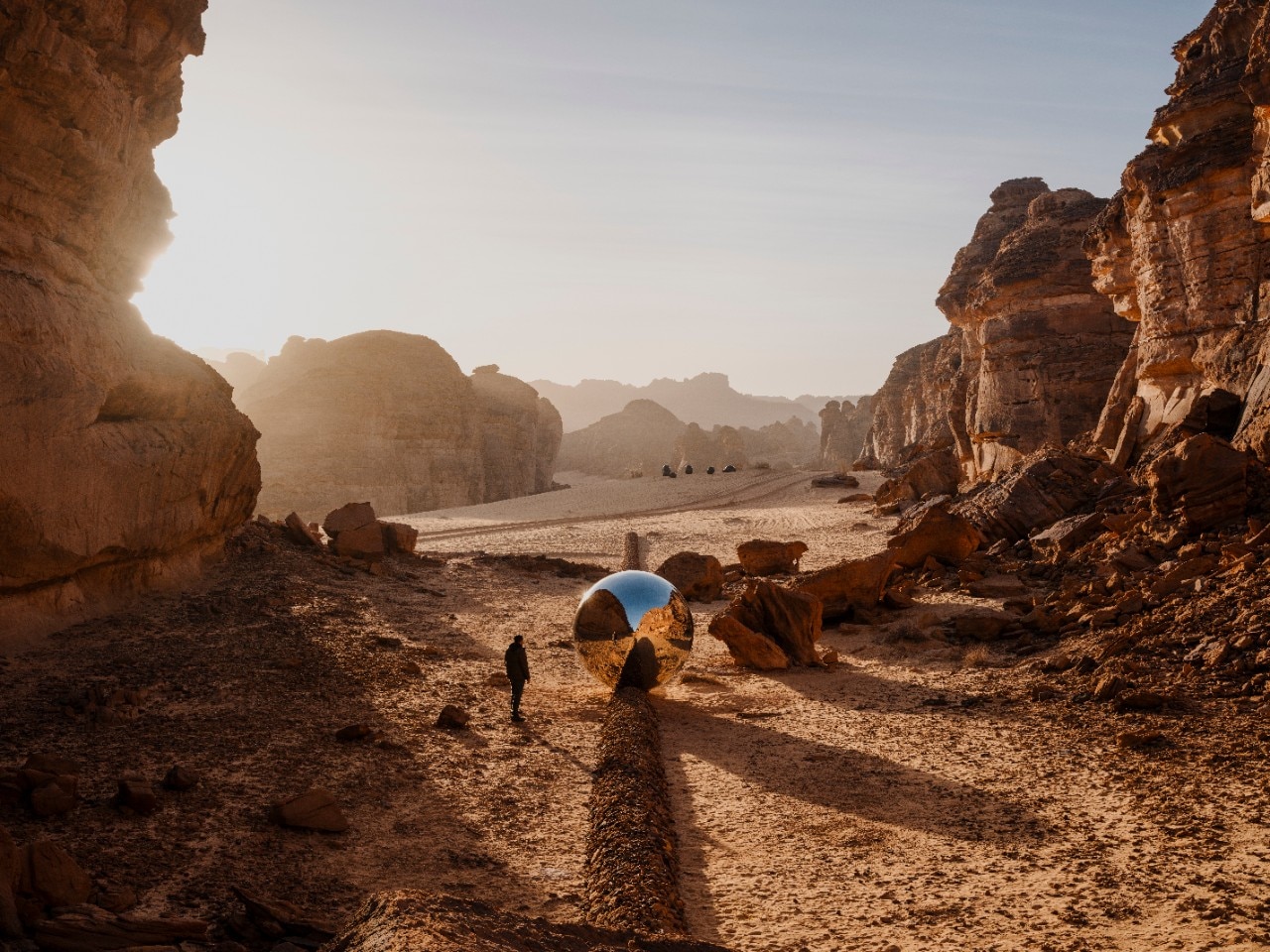
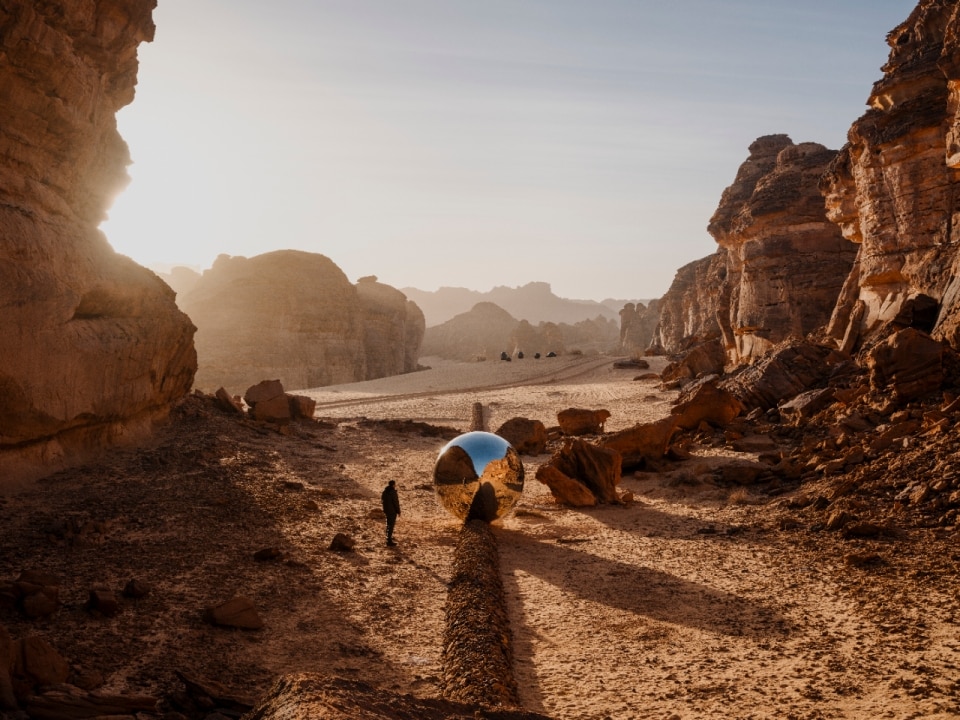
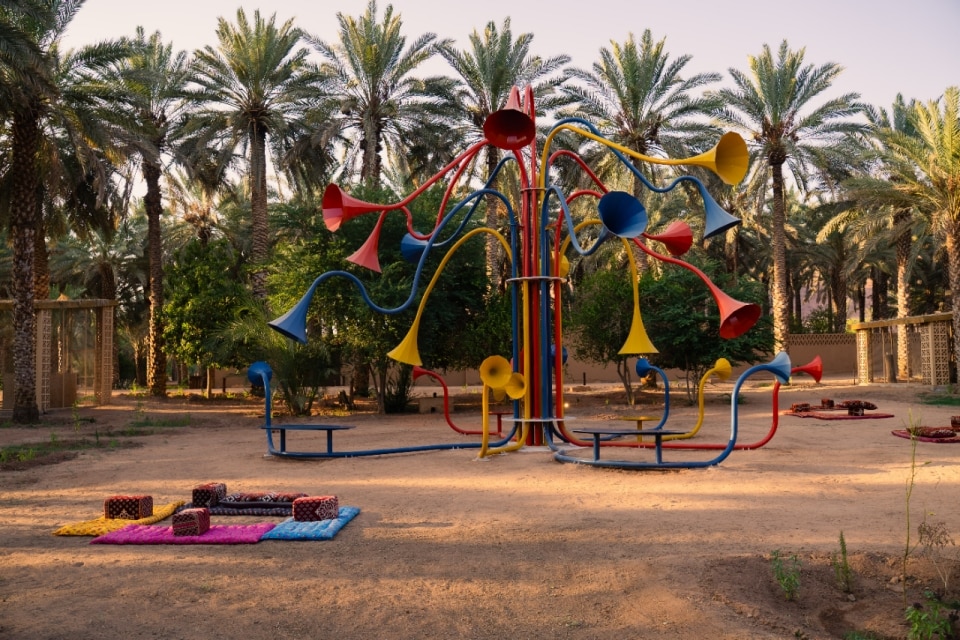
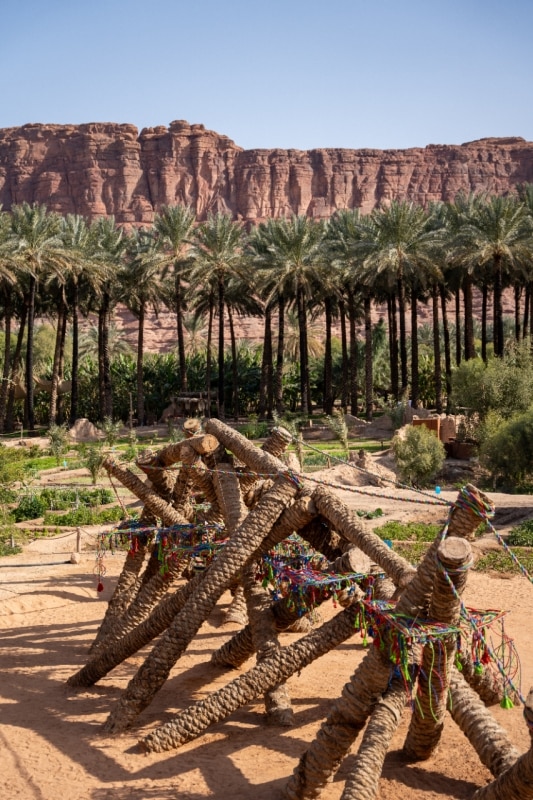
Desert X AlUla launched in January 2020 and is now in its sixth edition. The site-responsive exhibition of specially-commission artworks dialogue with AlUla’s evocative natural landscapes and unique cultural heritage while exploring pertinent global questions.
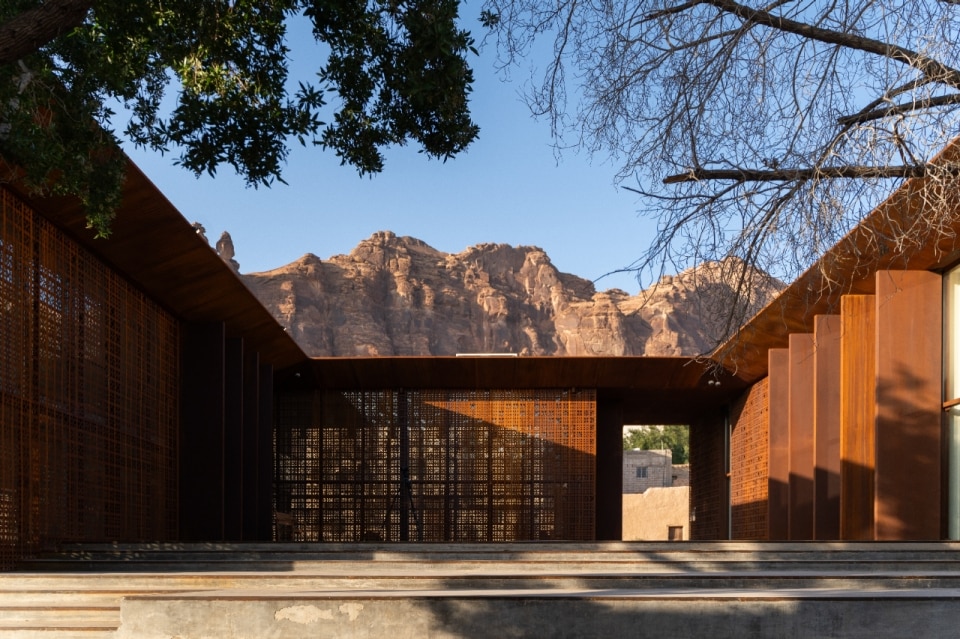
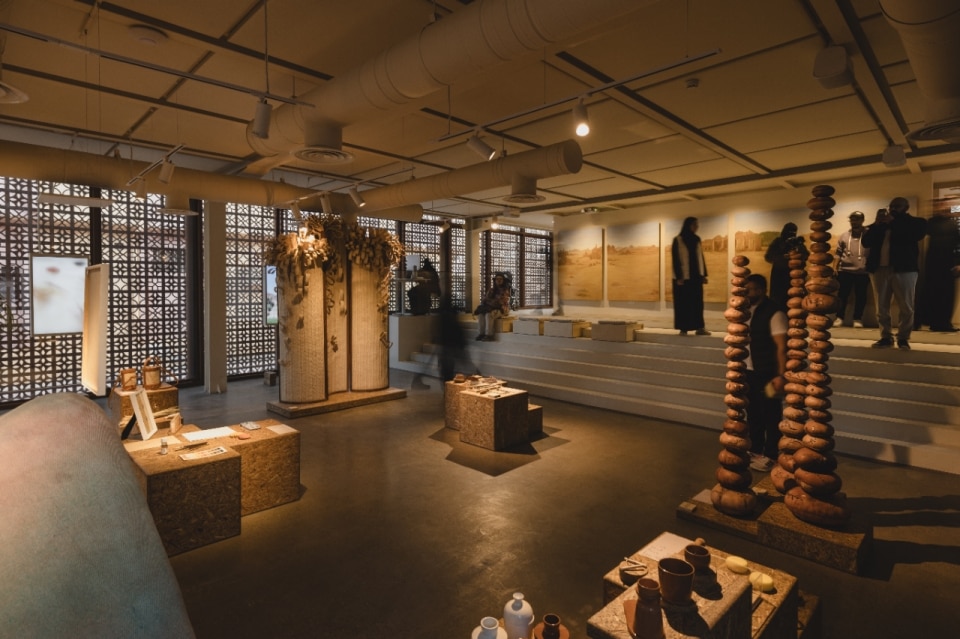
While contemporary art is a cornerstone of AlUla’s cultural mission, Alhomiedan notes underlines how the region is also becoming a rising regional center for design. Local and international designers working in the region are prompted to collaborate with the surrounding landscape whether it be through natural materials or certain thematics. Design Space AlUla, which opened in February 2024, will stage the exhibition Material Witness: Designing from Within’ from 16 January to 28 February 2026.
“The exhibition highlights AlUla’s growing role as a hub for creativity and innovation through works produced by the AlUla Artists Residency Program and AlUla Design Award,” explains Alhomiedan. Part of Saudi Arabia’s ‘Year of Crafts,’ the AlUla Design Award 2025, now in its fourth edition, “celebrates the ingenuity of the human hand and connects global designers and makers to AlUla’s extraordinary materials, heritage and stories,” he adds.
Preservation of local craftsmanship
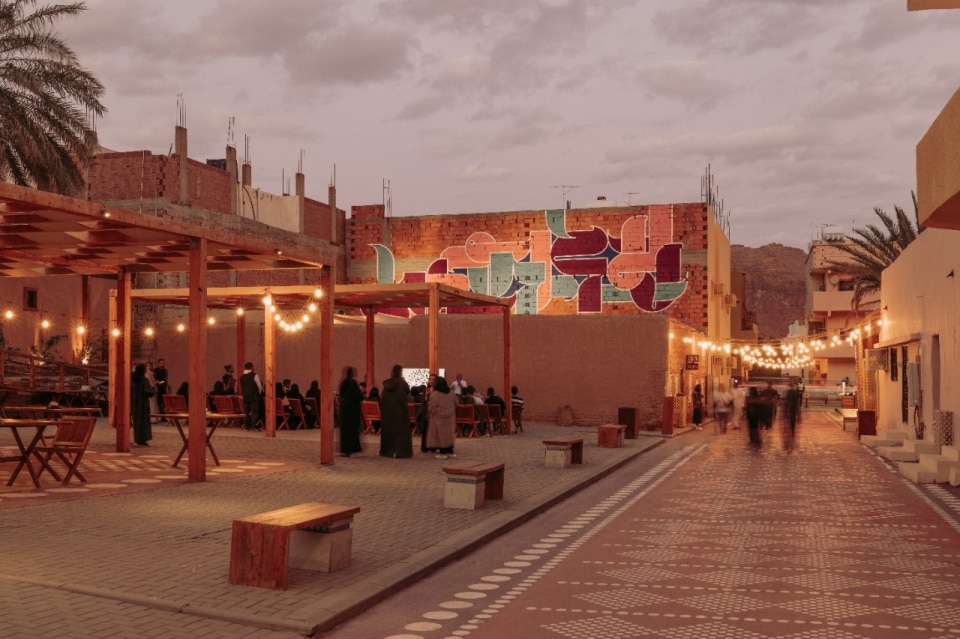
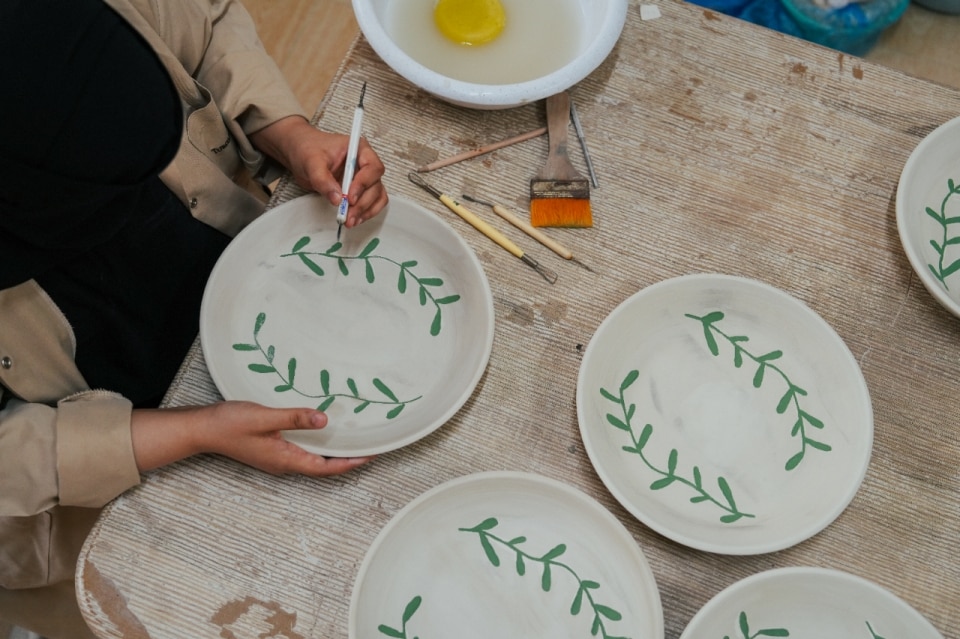
Inside Madrasat Addeera, a building that once constituted AlUla’s first school for girls, a group of women are busily creating ceramics while in another room they sit together while weaving dried date palms to create baskets, placemats and even modern handbags. Today, Madrasat Addeera is an innovative arts and design center with a mission to preserve the local heritage and crafts of the surrounding region, exemplified by the practice of khoos or weaving with date palms, offering training in disciplines such jewelry and pottery blending heritage techniques with modern design. Its mission is not only to maintain the richness of local craftsmanship but also to empower local women in AlUla.
During the AlUla Design Stores from January 22 to February 28, the result of collaborations with three designers from Madrasat Addeera will be on offer alongside retail products developed during the fourth AlUla Design Award, Designathon and AlUla Design Residency.
“AlUla’s growth as a cultural capital is rooted in the distinct qualities that make it unique,” adds Alhomiedan. “Every new program, exhibition and commission begins with the landscape, history, traditions and community that define this place. By working with Saudi and international creatives, we’ve created platforms where global dialogue thrives alongside local craftsmanship and storytelling.”
Madrasat Addeera, he emphasizes, is perhaps the best example of this. “Marking AlUla's first arts and design center, it is revitalizing the region’s heritage arts with a Vocational Training Program that preserves and enhances invaluable artistic traditions, creating income streams for local women and men,” he says. “The public program offers visitors a unique opportunity to experience these art forms first-hand, learning from skilled instructors in embroidery, carving, jewelry making, and more.”
Sustainable development through cultural awareness
At the core of AlUla's cultural mission, constituting a central pillar of Saudi Arabia's ambition Vision 2030, is to develop the ancient region into the world’s largest living museum. How does one achieve this? It is done so by interweaving the region’s rich natural and ancient heritage with an evolving continuous stream of contemporary creativity with the aim to foster a global hub for cultural exchange, sustainable development and community empowerment.
Looking ahead, he adds, AlUla is preparing for major milestones such Wadi AlFann (Valley of the Arts), a 65 square kilometer open-air museum, with the first major land art commissions by artists like James Turrell and Manal AlDowayan slated to be unveiled in 2026. Upon completion, it will serve as a global destination for monumental, site-specific, permanent land art.
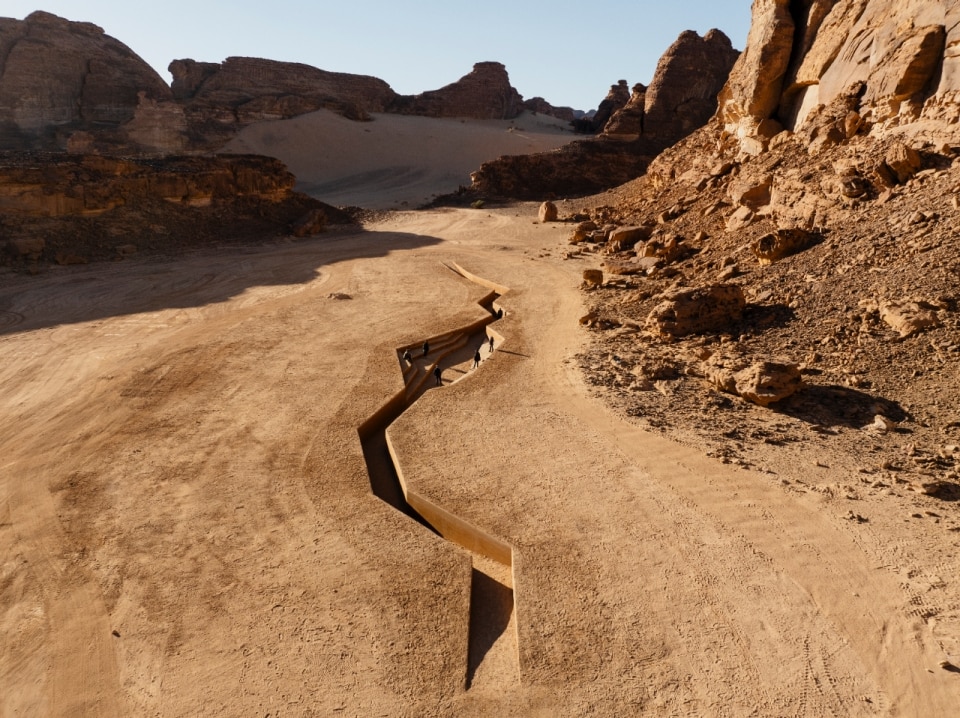
There’s also a contemporary art museum in the making that is being designed by Lina Ghotmeh, which is now in the phase of architectural drawings, notes Alhomiedan. Other major architectural projects include the unique Sharaan Nature Resort by Jean Nouvel, a resort designed by the renowned French architect that will be built directly into the rock
formations of Sharaan National Park, inspired by AlUla’s ancient Nabataean architecture and the dramatic desertscapes that define the destination.
Every new program, exhibition and commission begins with the landscape, history, traditions and community that define this place.
Hamad Alhomiedan
AlUla’s iconic mirrored venue Maraya which plays host to regional and international performers, which was designed by award-winning Italian designers Gio Forma, continues to stage performances and installations that reflect AlUla’s status as a cultural hub.
“At the heart of all these additions is one purpose: to create spaces that honor our heritage while inviting creative voices from around the world to imagine bold futures with us,” says Alhomiedan.
An architecture reflective of local heritage
What sets AlUla apart from the fast-paced development found in other Gulf cities is its mission to preserve local heritage and culture. There are no skyscrapers to be found in the ancient region. Luxury hospitality offerings, which are on the rise, are developed meticulously to marry design and amenities with the region’s ancient culture and natural landscape.
“In AlUla, every new building starts with a deep respect for the land, heritage, materials and vernacular traditions that have shaped this region for centuries,” explains Alhomiedan. “Our architects and designers take inspiration from traditional forms, techniques and proportions, while integrating contemporary aesthetics, innovation and sustainable technologies.
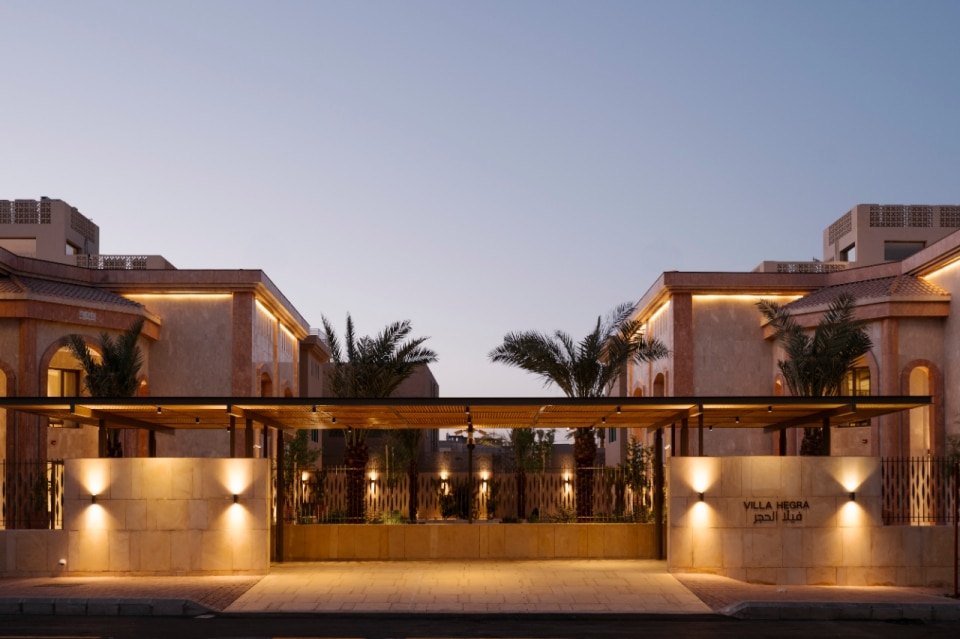
Two recent architectural projects have encapsulated this balance: Dar Tantora The House Hotel and The Chedi Hegra. The former was built by carefully restoring and repurposing ancient mud-brick buildings in the historic location of AlUla Old Town, incorporating the use of traditional décor and furniture. While The Chedi Hegra, designed and revitalized by Gio Forma, marks the first and only resort located within Hegra, Saudi Arabia’s first UNESCO World Heritage Site, was built directly into several existing structures, including an old railway station.
In AlUla, the desert becomes a literal and metaphorical blank canvas rendering both the traveler’s evolving experience and the creative inspiration ignited from the region’s dynamic landscape.
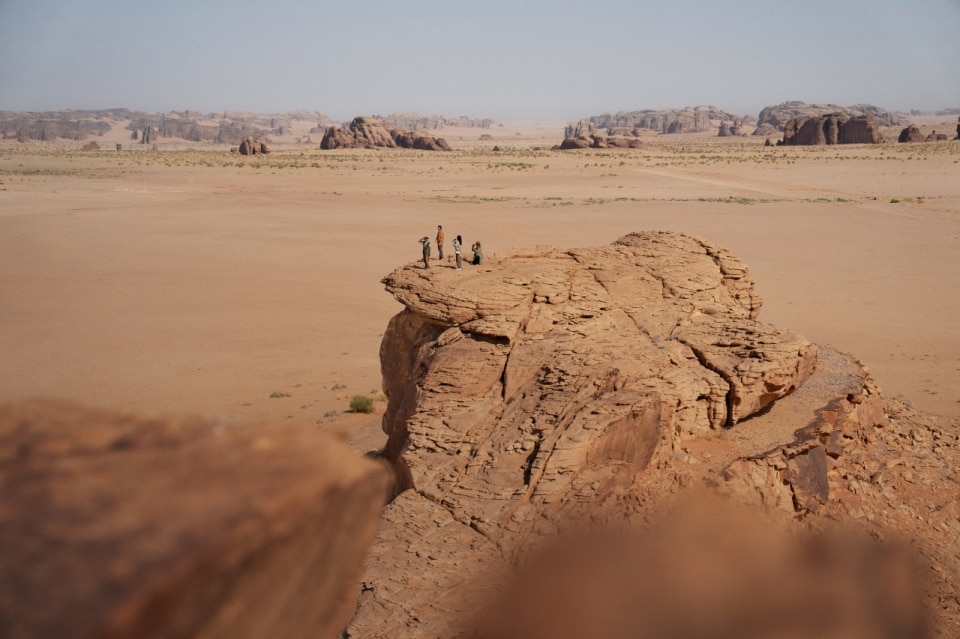
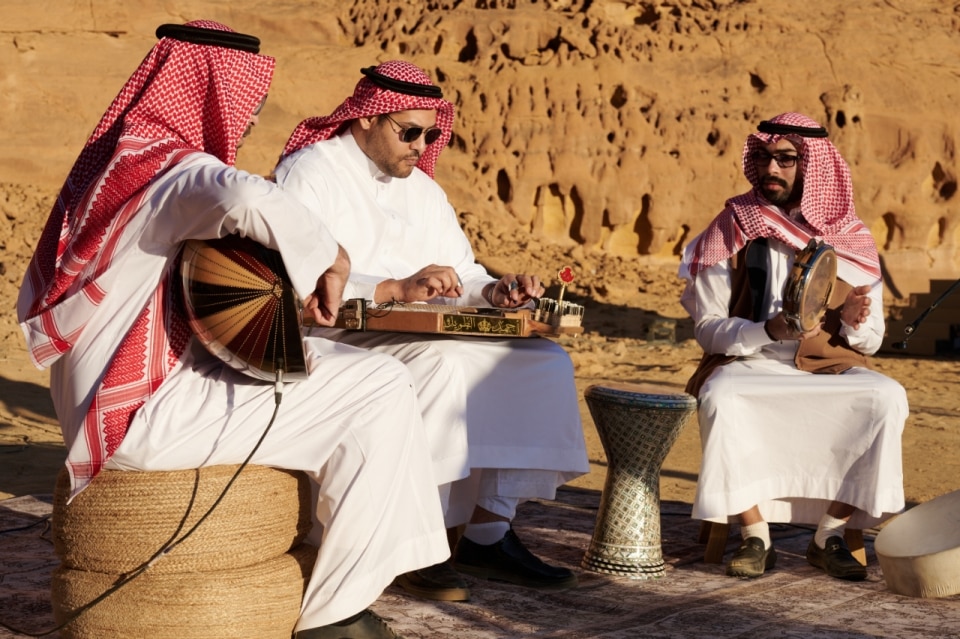
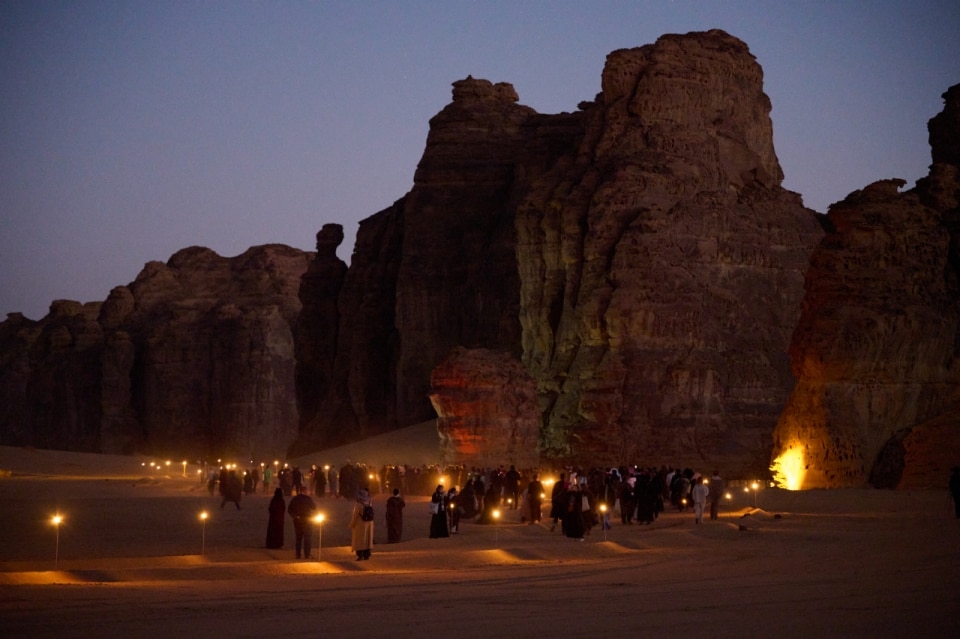
Whether you have an otherworldly experience floating thousands of feet above Hegra’s 110 Nabatean tombs in a hot air balloon or by perusing site-specific artworks positioned throughout the landscape or while enjoying a concert outdoors amid the region’s dramatic rock formations, AlUla offers a continuum of human artistry of the past with awe-inspiring nature to uplift the present moment.
Opening image: The Dot, Faisal Samra, Desert X AlUla 2024. Courtesy The Royal Commission of AlUla and Lance Gerber