


If today the debate around images – their circulation, their status as truth, their ability to produce reality – has become central even beyond the boundaries of contemporary art, it is difficult to overlook the role Hito Steyerl has played in making these issues legible, debatable, and even narratable. A filmmaker, moving-image artist, writer, and theorist of the “essay documentary,” Steyerl was born in Munich on January 1st, 1966, and over the course of three decades has developed a practice that never separates aesthetics from politics.
This is precisely what sets her apart. Steyerl does not simply “address” media and technology; she works from within their regimes of visibility, exposing their costs, asymmetries, and blind spots. Her main concerns – media, technology, and the global circulation of images – are not thematic labels, but a force field in which surveillance, militarization, finance, migration, digital labor, and institutional power intersect.
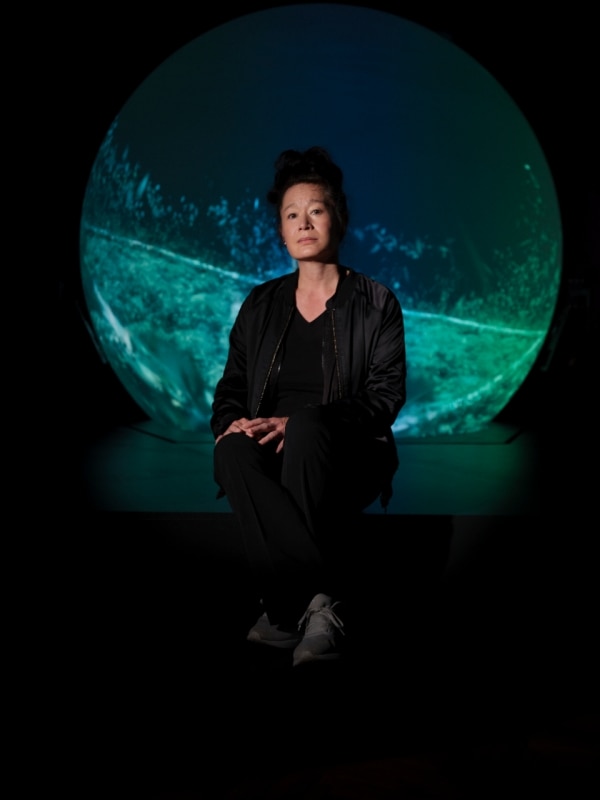
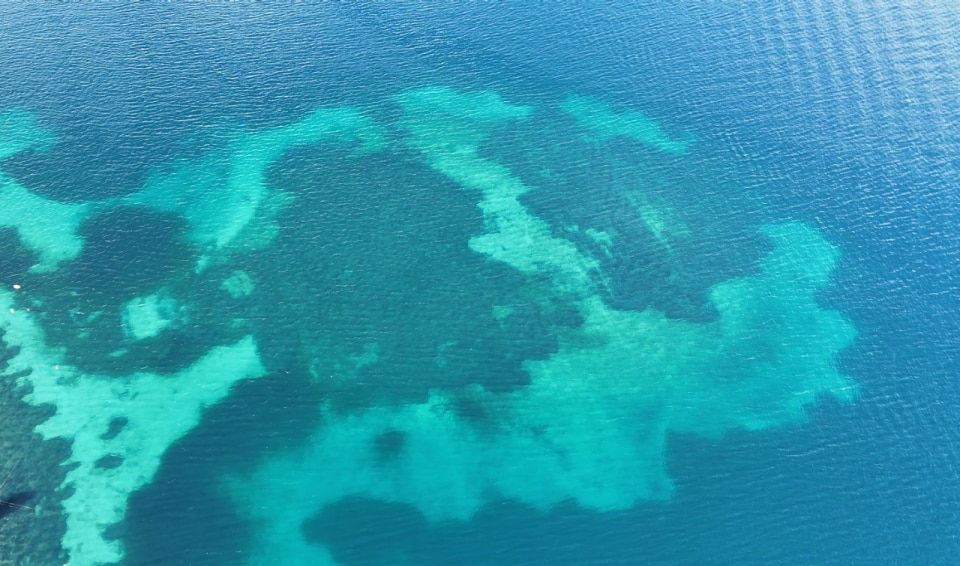
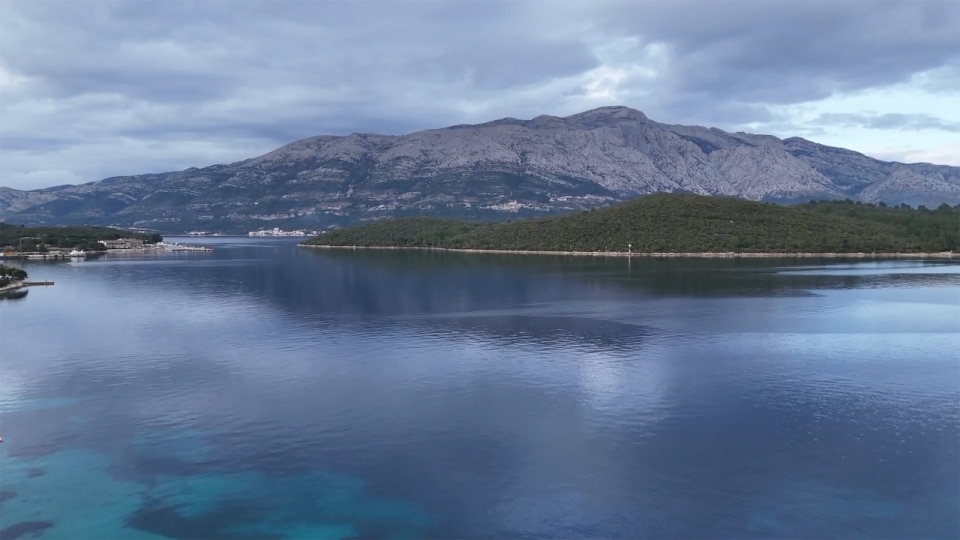
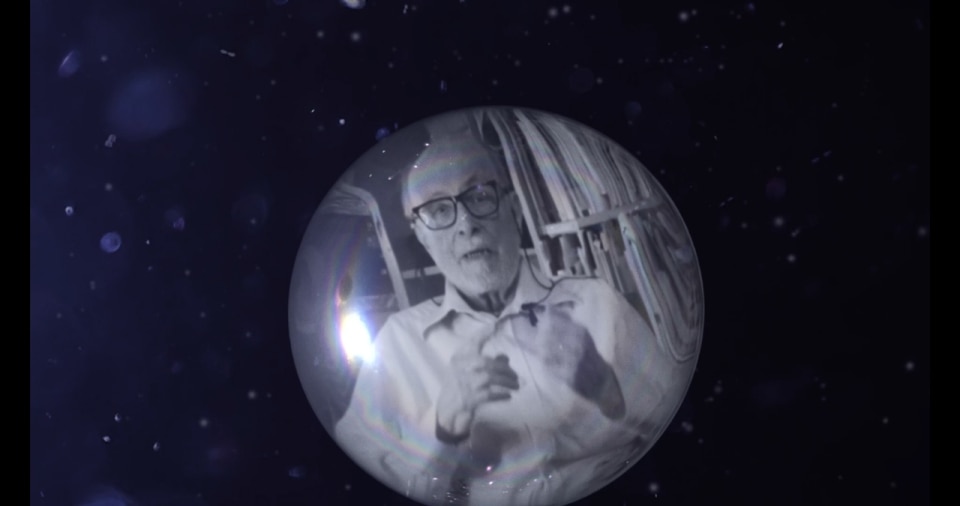
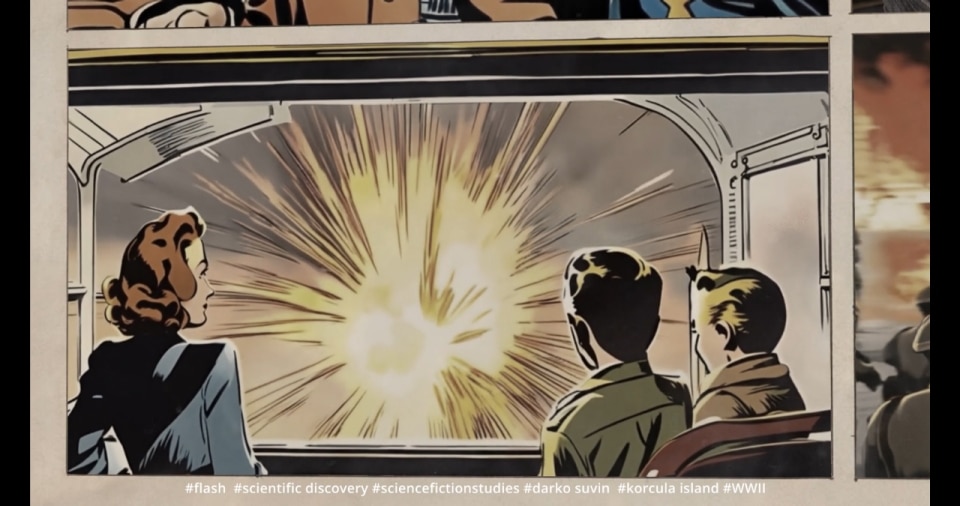
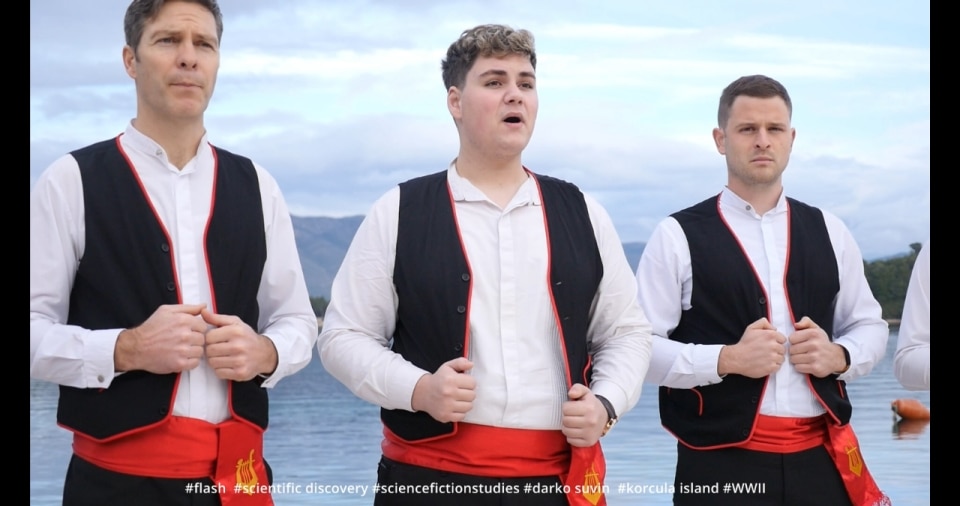
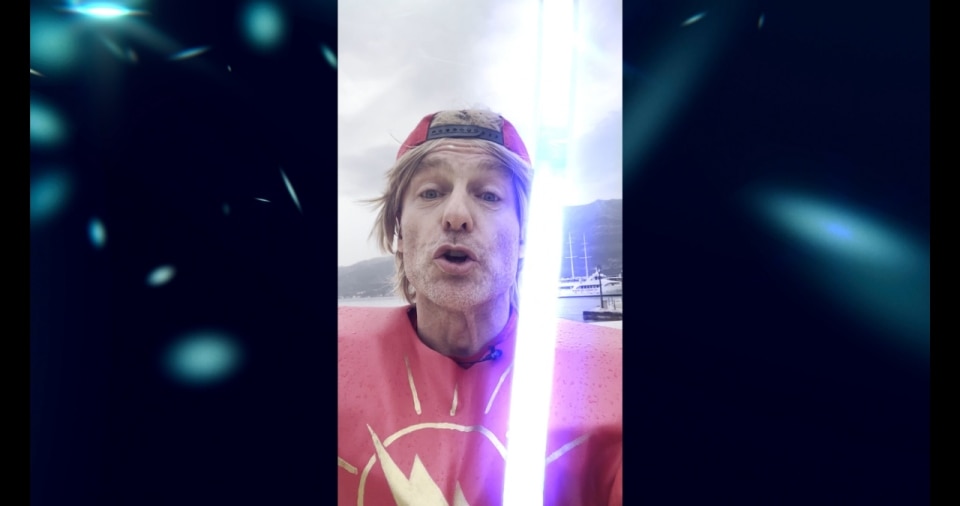
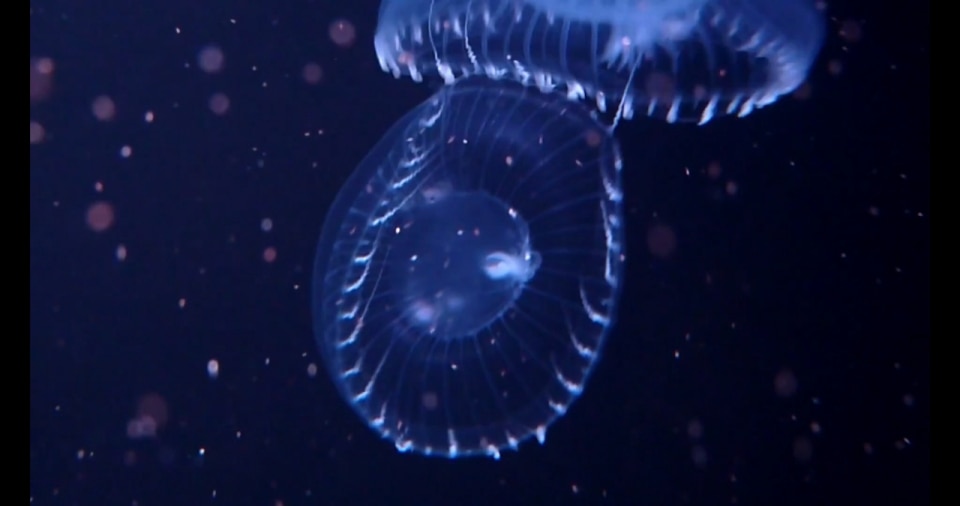
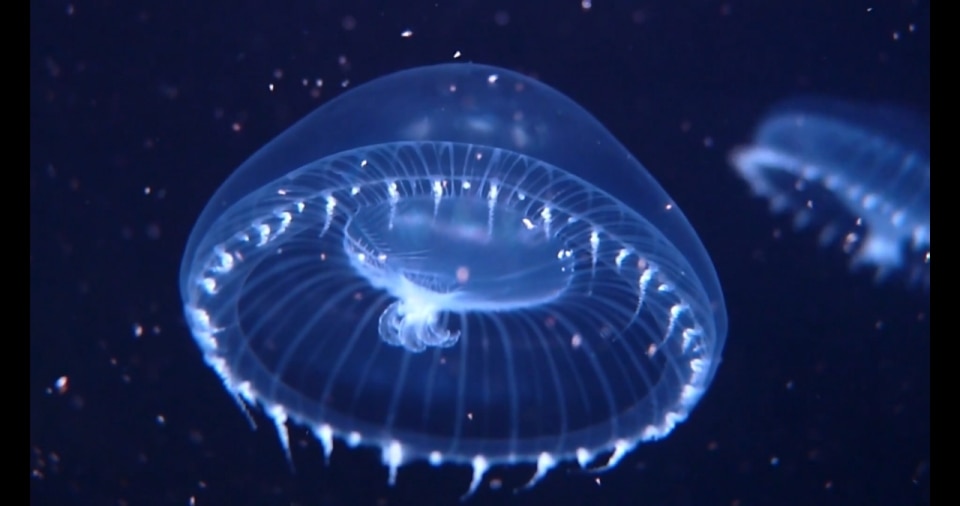
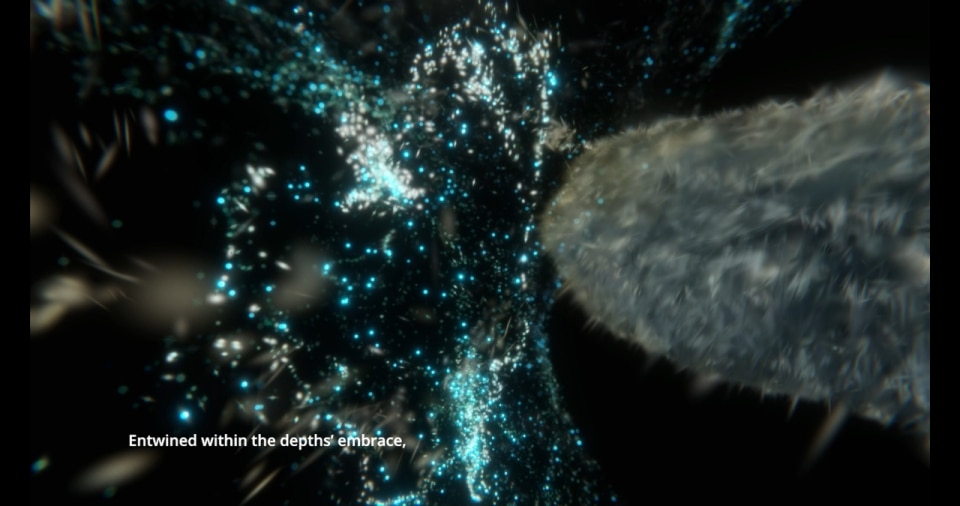
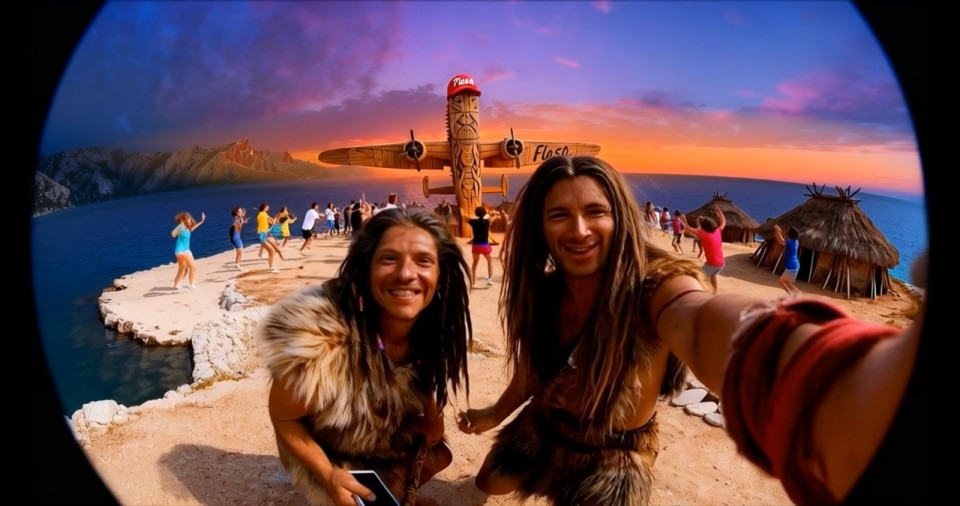
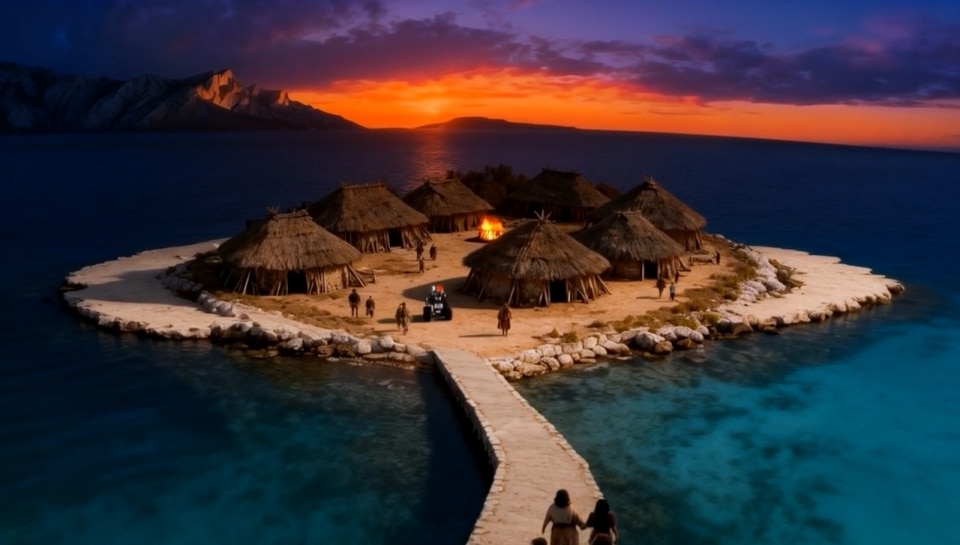
With The Island, presented at Prada Observatory in Milan, Steyerl constructs a constellation of heterogeneous elements converging around the theme of flooding – a metaphor for information saturation, the climate crisis, the unchecked spread of artificial intelligence, and the authoritarian tendencies such systems may enable.
Steyerl does not simply ‘address’ media and technology; she works from within their regimes of visibility, exposing their costs, asymmetries, and blind spots.
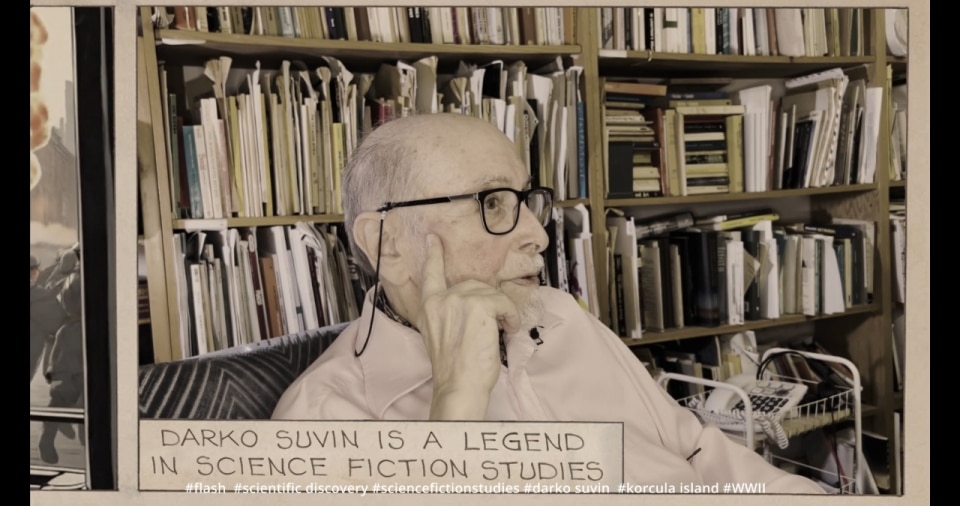
The Island is one of Steyerl’s most complex and layered works: a device that weaves together seemingly distant disciplines – archaeology, quantum physics, history, science, and pop culture – into a single, multi-stratified narrative capable of producing disorientation as well as new possibilities for thought. The exhibition offers neither solutions nor consolation; instead, it seeks to reorganize space and time through jumps, collisions, and short circuits, revealing how fragile and manipulable our perception of reality truly is.
In the choral multiplicity of her images – poor, kitsch, speculative, scientific – Steyerl interrogates the present as an unstable territory, where anything can transform into something else, and where the power of images remains the decisive battlefield of contemporaneity.
But who is the artist behind the most interesting exhibition of the moment? Raised in Munich, Steyerl pursued a deliberately non-linear education: she studied documentary filmmaking at the Japan Institute of the Moving Image (founded by Shōhei Imamura), then at the University of Television and Film in Munich, before earning a PhD in philosophy from the Academy of Fine Arts in Vienna.
Among her acknowledged influences is Harun Farocki, though Steyerl often emphasizes a more “precision-based” education tied to looking and to film history, citing film historian Helmut Färber as a direct influence – almost a discipline of vision. From this background emerges a crucial feature of her poetics: the ability to use audiovisual language not to “illustrate” a thesis, but to construct a form of thinking that unfolds through editing, sound, and the spatial relationship with the viewer.
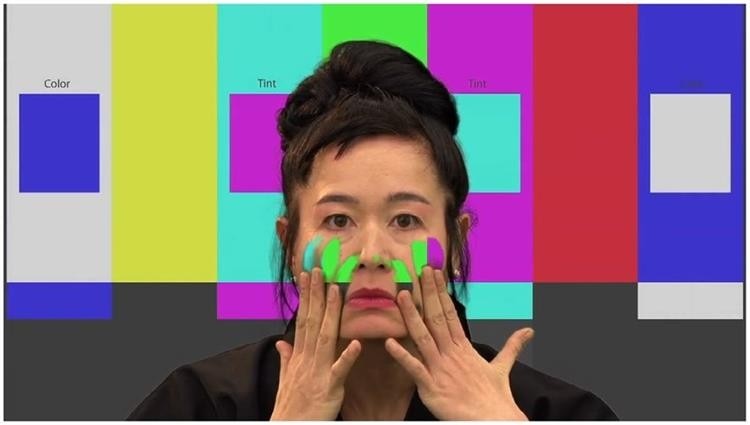
If one question runs through much of her work, it is this: who controls the conditions of visibility? And, more importantly, how does seeing become being seen, measured, profiled, monetized? It is no coincidence that one of her most famous works, How Not to Be Seen: A Fucking Didactic Educational .MOV File (2013), takes the form of a satirical tutorial on the (im)possibility of becoming invisible in an era of surveillance and high-resolution imagery. Parody does not soften the critique; it sharpens it, using the grammar of instruction and entertainment to expose the absurdity of compulsory visibility.
Steyerl often works through what might be called a “stratified realism”: archival materials, found footage, interviews, digital graphics, animations, and installation settings. The result is a register that oscillates between near-forensic rigor and dreamlike drift, between documentation and hallucinatory montage – as if reality itself were now readable only through accumulations, distortions, and glitches.
The image is no longer an object to be interpreted; it is an environment to be navigated, a system to be understood, and a battlefield on which our ways of thinking, desiring, and remembering increasingly depend.
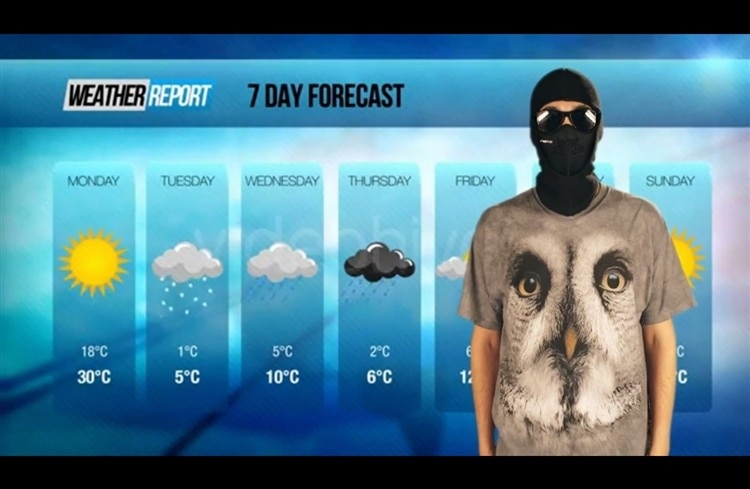
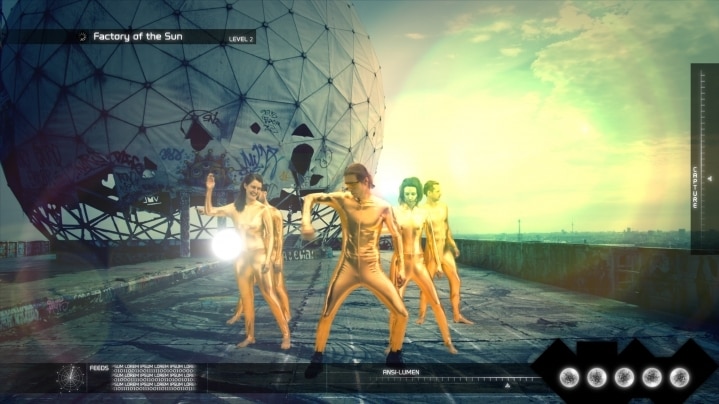
Another strong thread in her research concerns the transformation of capitalism into an atmospheric condition: something not encountered head-on, but inhaled, traversed, internalized. In Liquidity, Inc. (2014), Steyerl builds a powerful metaphor between water and images/money in the digital age: waves, flows, weather forecasts, interviews, and masks merge into the sense that economy and media share the same logic of volatility. In Factory of the Sun (2015), light enters the scene as a resource to be extracted and converted into value, within a world where surveillance and mega-finance appear as videogame and choreography.
In 2019, at London’s Serpentine Galleries, Power Plants integrated an augmented reality app that overlaid data, texts, and graphics onto the museum space and, in some visualizations, removed the name “Sackler” from the façade – a gesture intended as a lesson in the power of technological mediation to rewrite what appears as given.
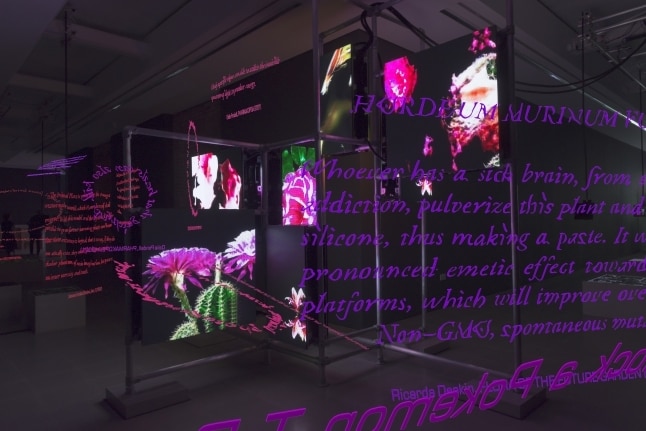
Here Steyerl demonstrates how power operates through interfaces, layers, and filters – and how it can be contested using the very same tools. Ultimately, Steyerl is an artist of the threshold: between documentary and fiction, analysis and satire, institution and counter-institution, visibility and invisibility. Her work reminds us that the image is no longer an object to be interpreted; it is an environment to be navigated, a system to be understood, and a battlefield on which our ways of thinking, desiring, and remembering increasingly depend.
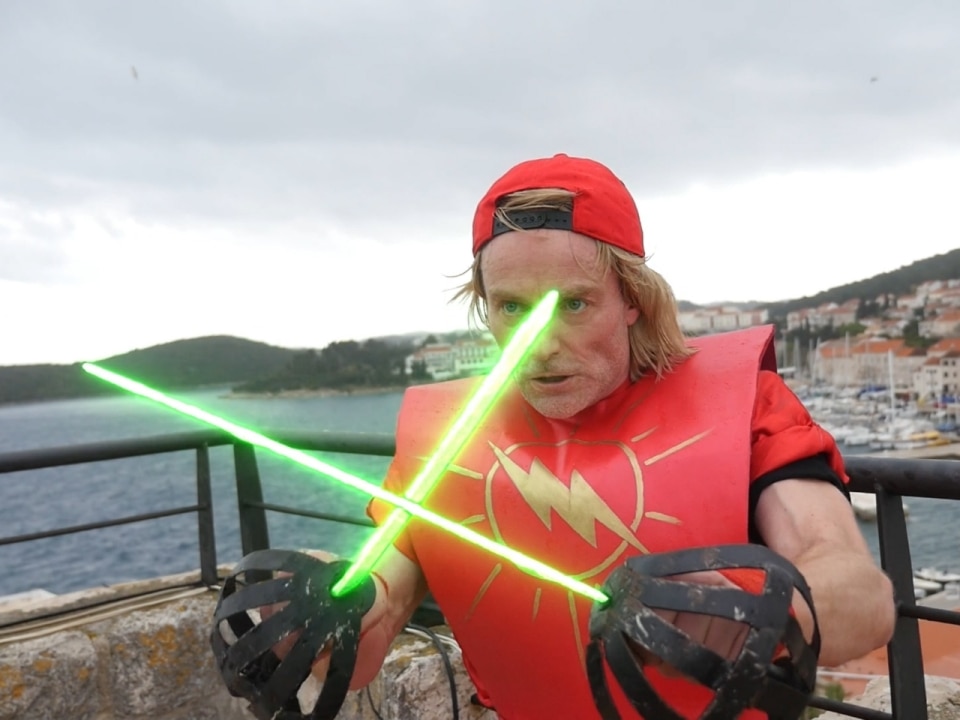
Opening image: How Not to Be Seen: A Fucking Didactic Educational .MOV File (film still), 2013. ©Hito Steyerl, Courtesy WikiArt
- Show:
- Hito Steyerl: The Island
- Where:
- Osservatorio Fondazione Prada, Milan
- Dates:
- 4.12.2025 - 30.10.2026