


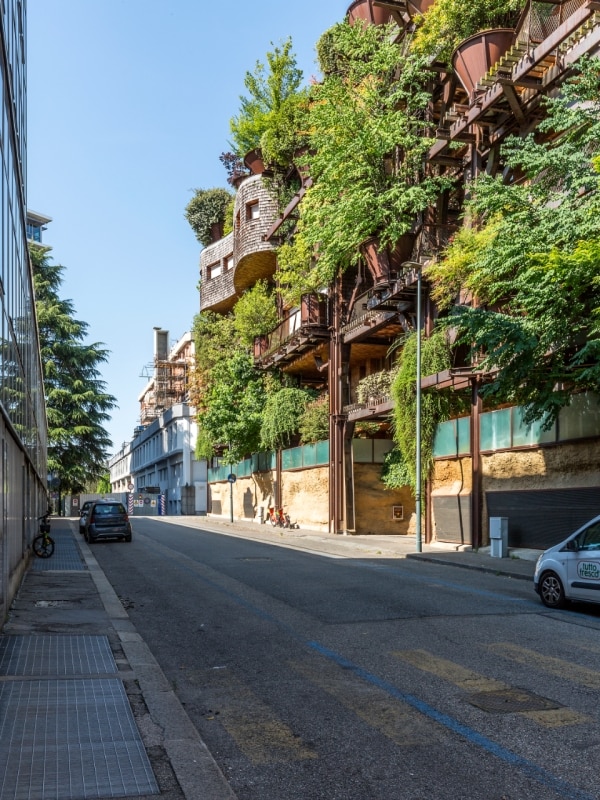
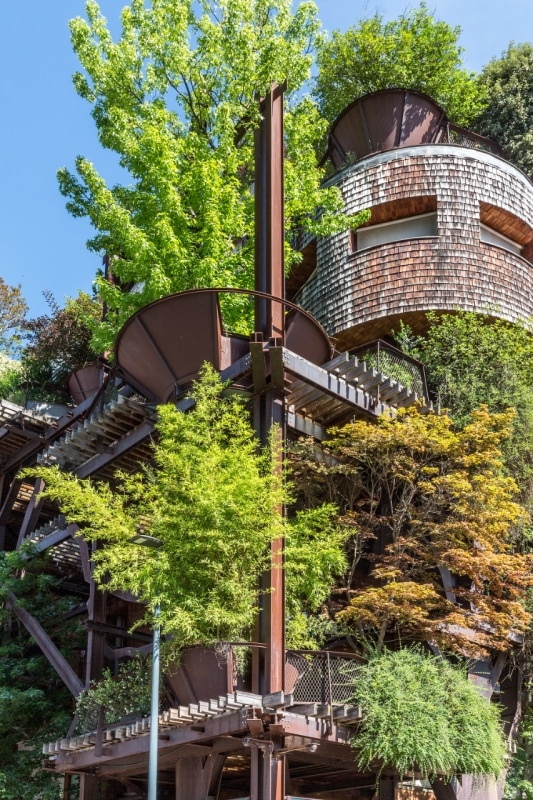
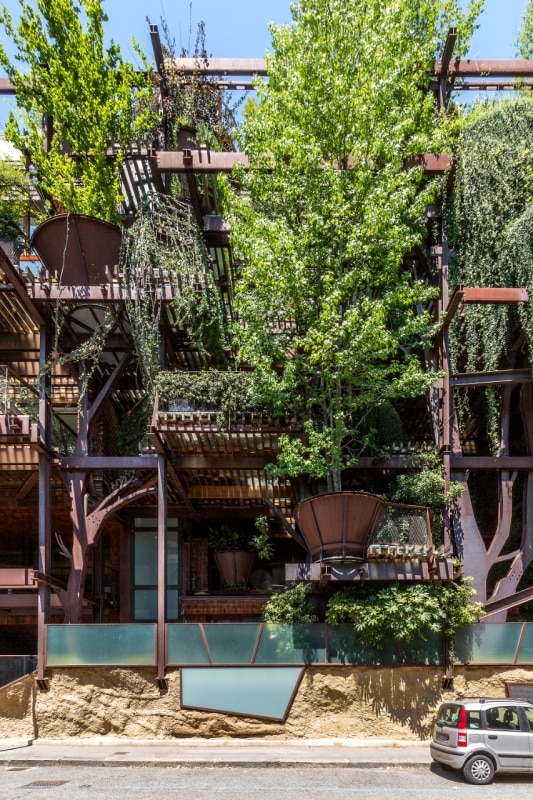
A district along the river, in Torino, which was originally meant to become the “exhibition axis”, set between two architectures designed by Pier Luigi Nervi – Torino Esposizioni and Italia ’61. A neighborhood where Fiat was born, but which, over time, had not established a high-quality urban language. It is here that, in the late 2000s, an experiment took place: completing a city block with a forest.
Before Milano’s Bosco Verticale transformed green architecture into a global image, Torino already had its own building-forest. Unlike the Milanese icon, however, in Luciano Pia’s project – who trained under Andrea Bruno – the forest is not just a scenic device, but the structural element of the entire building: functional in terms of distribution, climate control, and urban integration. And, undeniably, in terms of aesthetics.
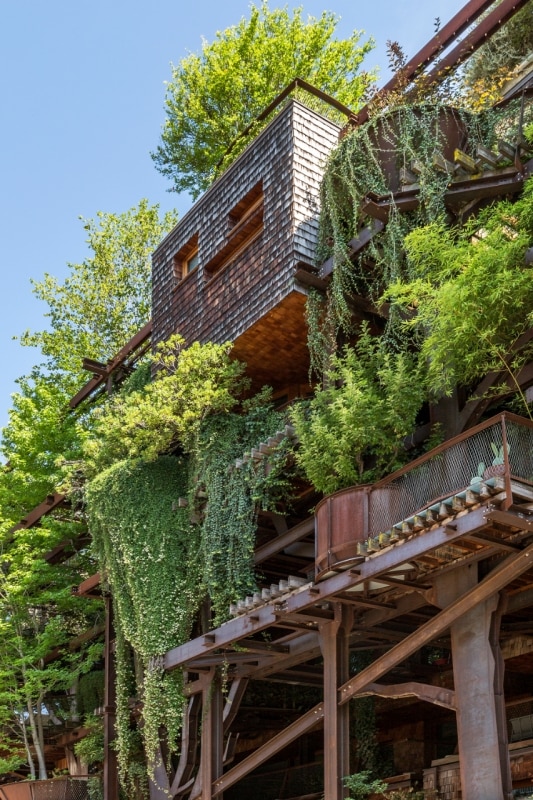
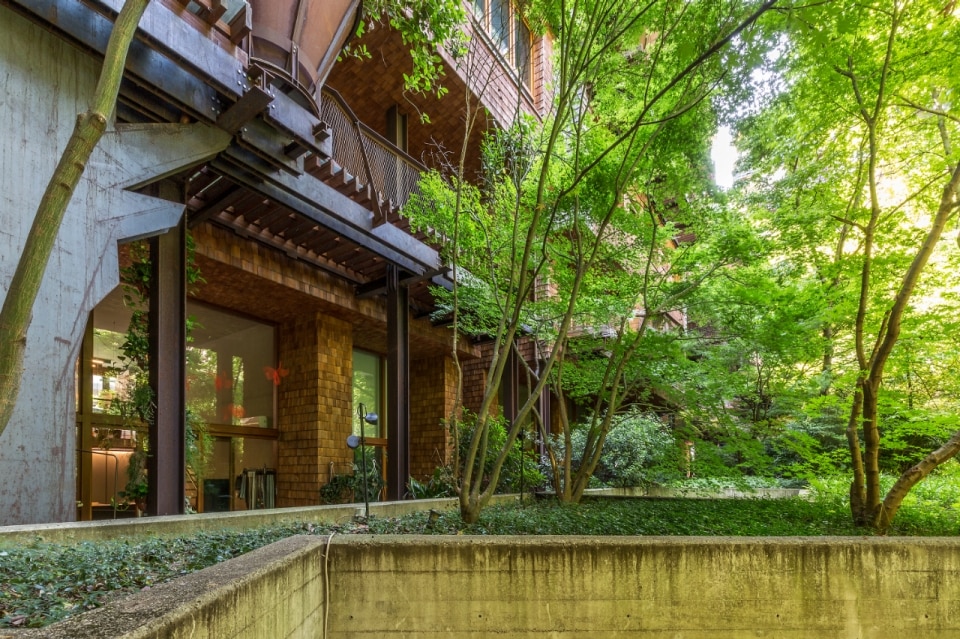
At the core of 25 Verde lies an almost programmatic act of returning nature to the city. The C-shaped plan organizes the six floors above ground around an internal patio, a forest within a forest where water features and walkways coexist with 50 trees.
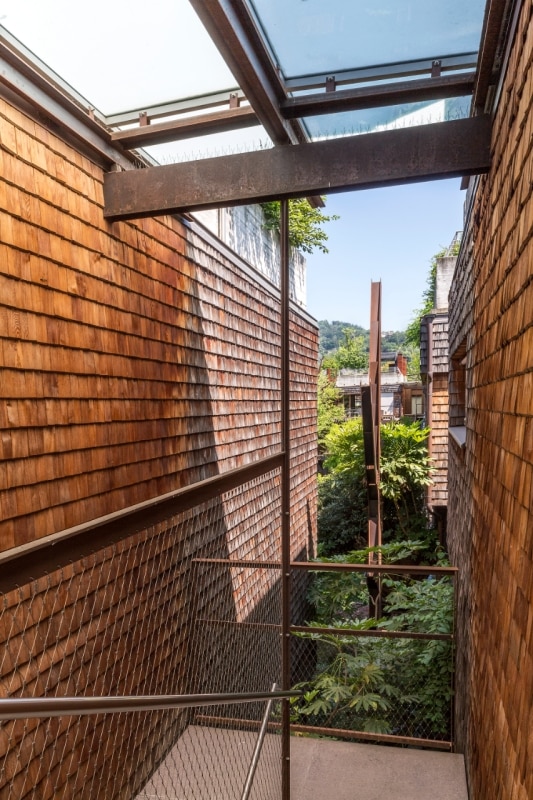
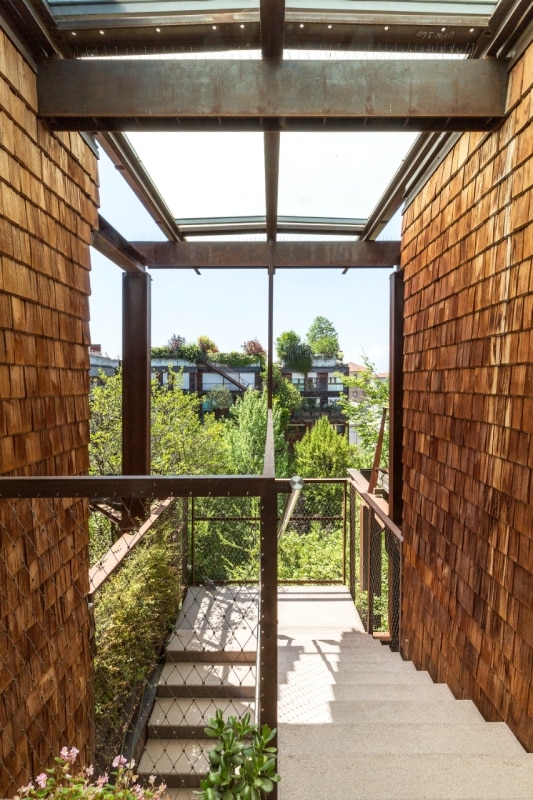
The 63 apartments, ranging from 45 to 180 square meters with pillar-free open layouts, are conceived as almost independent bodies. They stem from reinforced concrete box-like elements, vertically juxtaposed and horizontally staggered, served by six open staircases that generate a section in continuous movement.
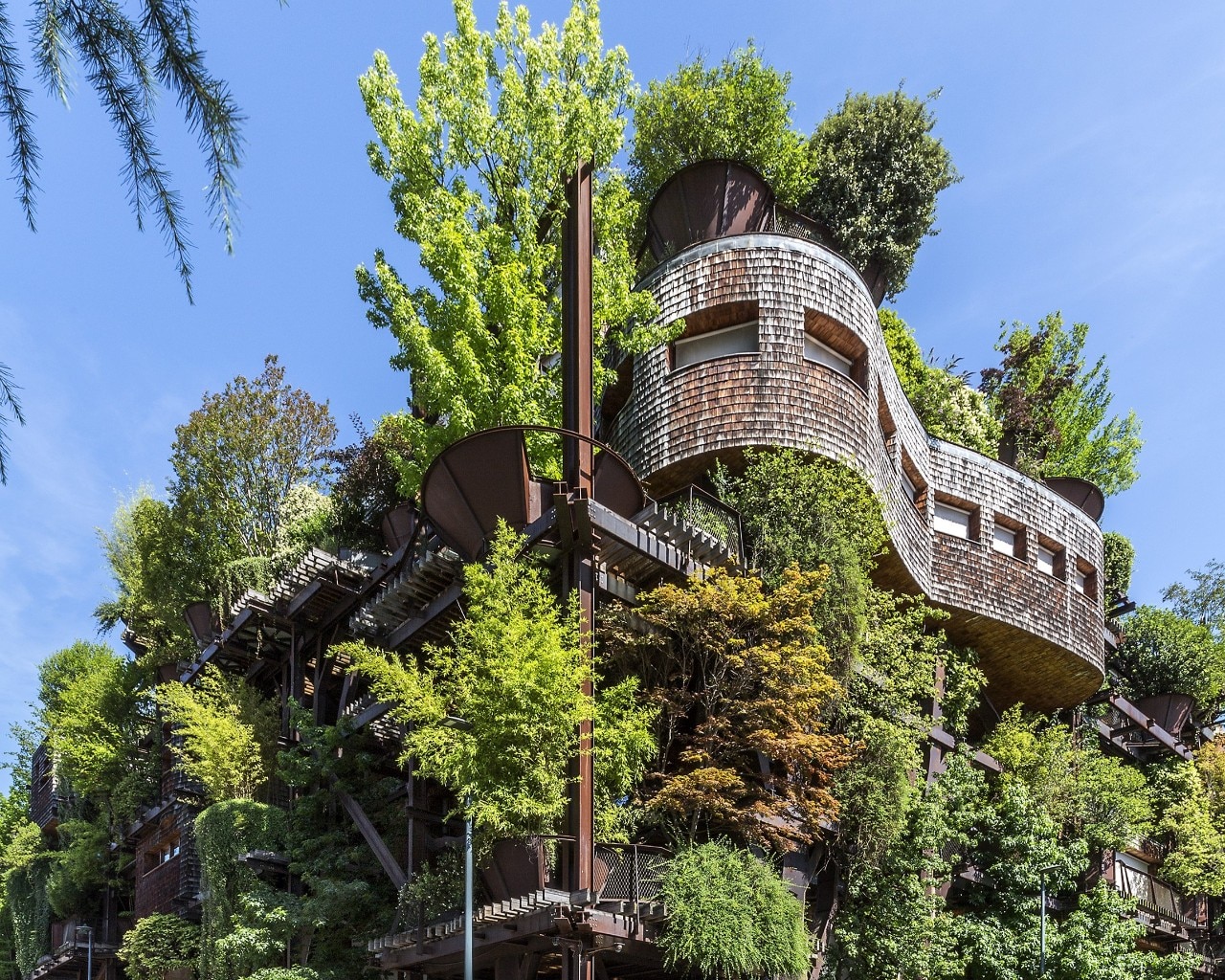
Yet the real heart of the project is the terrace system: open surfaces spanning 4,000 square meters, equal to 50% of the indoor areas. We speak of a system because the terraces are conceived as an active organism across all aspects of living. First and foremost, they act as a framework, which shapes the architecture while simultaneously denying any definitive form, blurring the line between structure and vegetation.
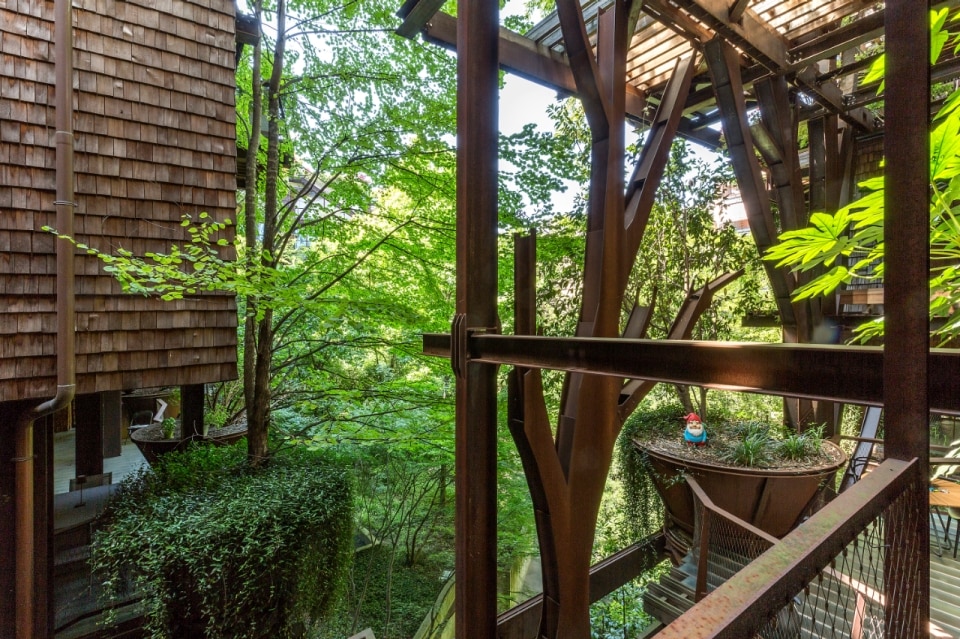
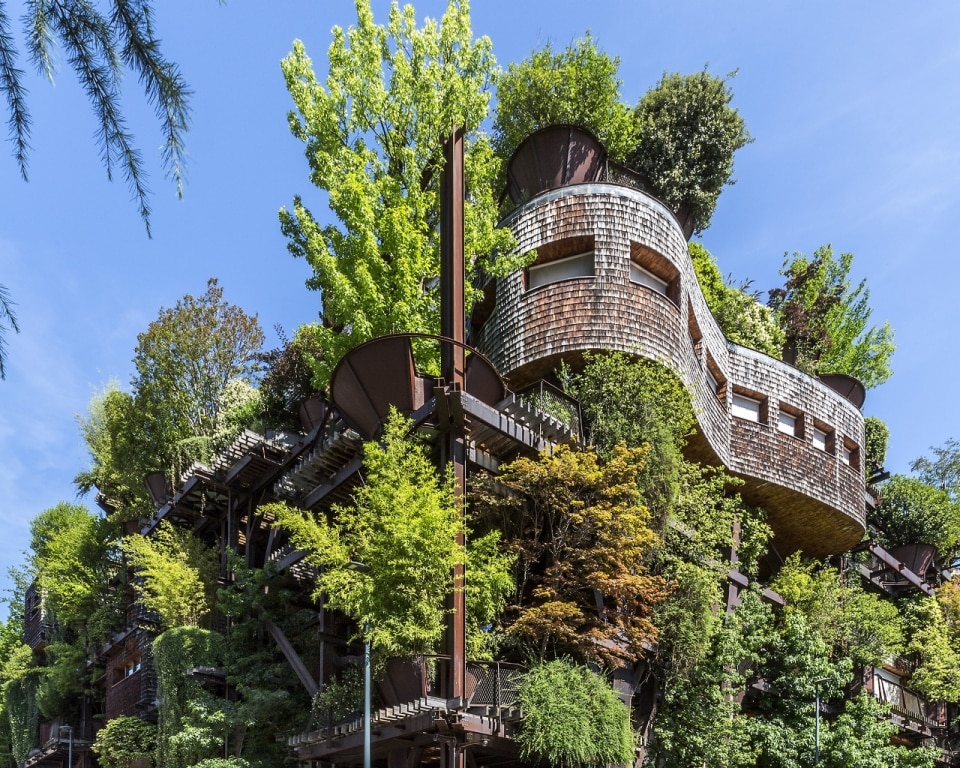
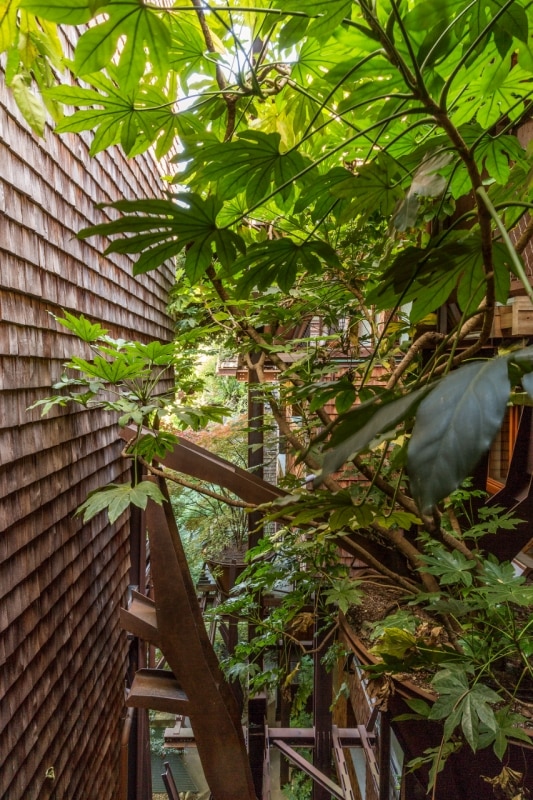
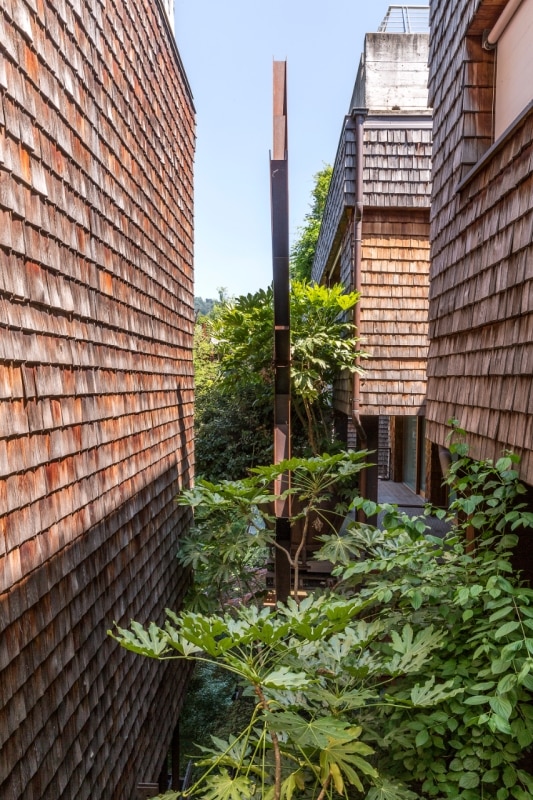
Corten steel beams and pillars structure the overhangs of the terraces and chromatically define the identity of the building with their rust color, which returns in the balustrades and handrails. The flooring of the terraces, supported by mahogany beams, combines iroko slats and laminated glass sheets. Along the outer envelope, together with fir wood window frames, runs a ventilated wall made of split larch shingles, which also embraces the biomorphi c cantilevered volumes on the corner.
And then, of course, the plants: the large truncated-cone Corten planters, between 2 and 4 meters wide, hosting medium and tall trees up to 8 meters high; the eighty tree-shaped metallic elements that blend with the actual greenery from the structure; the 150 trees on the flat roof, rooted in a one-meter-thick layer of soil. Three thousand cubic meters of soil throughout the entire building – if we can still call it a building.
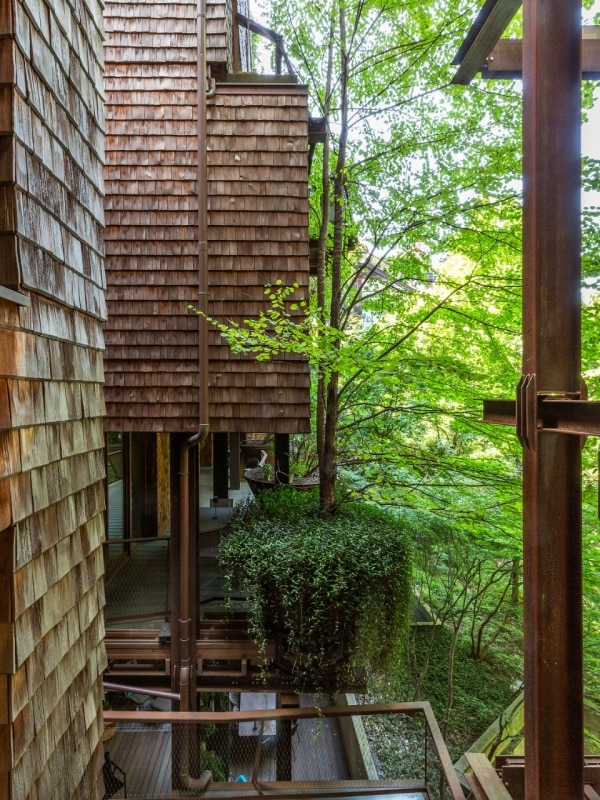
Sustainability, this time, does not arrive as a decoration to the project, because it is a consequence of its logic. The wide overhangs shield from summer solar radiation; the thermal inertia of the green roof stabilizes temperatures; geothermal heat pumps cover heating and hot water needs; rainwater harvesting systems feed the irrigation without drawing from the urban water supply. The indoor microclimate also benefits acoustically, with vegetation acting as a filter against external noise.
One of the rare cases where you can experience first-hand how close a realization is to its original idea, 25 Verde opens its common spaces for Open House Torino 2026 – an invitation to decide whether you are visiting a building or a designed forest, now reaching 15 years of life.