

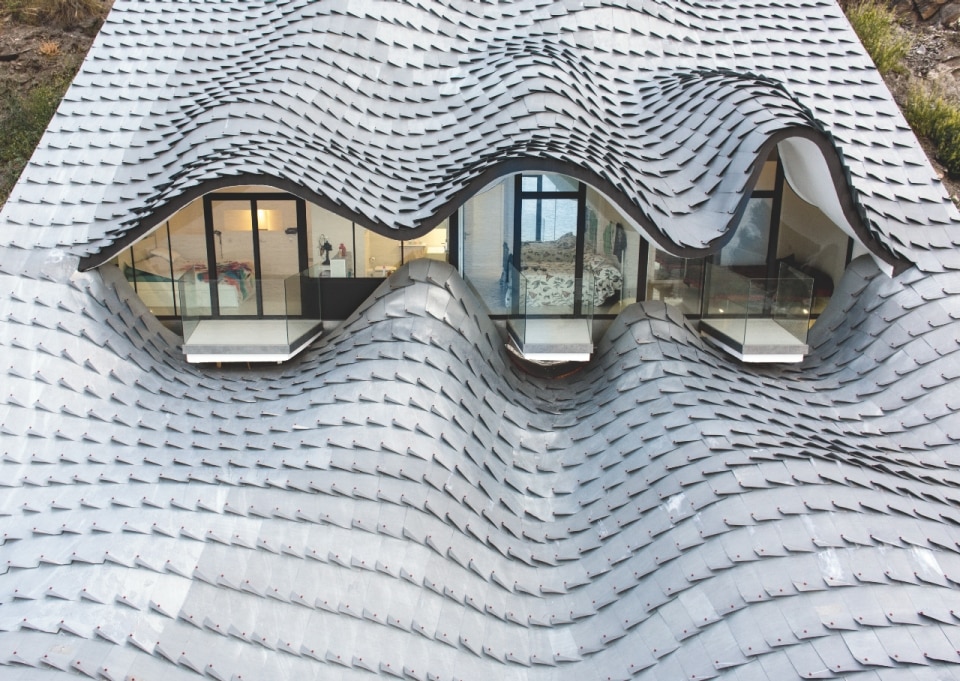
I once observed an anthill, the skyscraper of the ant world. The shape, space, and interior structure reflect its inhabitants: the ants’ body and activity.
Unlike other animals, humans wear clothing that they make themselves. This clothing is like architecture designed for the human body. Wearable devices, robots that detach from the human body and are enabled by new technologies, can also be understood as a broader form of architecture. These devices are designed for the body and connect with it; this connection is widely reflected in rehabilitation and medical facilities.
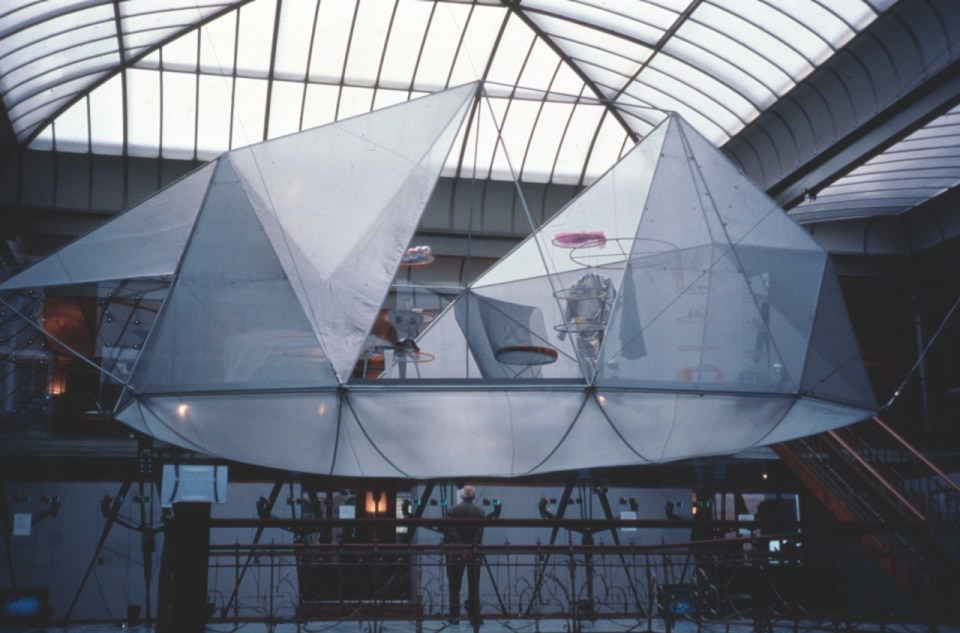
There is a quote that says, “The eyes are the window to the soul,” vividly and poetically. The window within architecture extends the function of the human eye, while architectural space connects with the human senses in a comprehensive manner: light, sound, temperature, and scent. Even more importantly, architecture should be spiritual, much like a functional human body supports an interesting soul.
Architecture itself can also be understood as a form of bionics in the broadest sense, echoing the functions of the human body.
Ma Yansong
Architecture itself can also be understood as a form of bionics in the broadest sense, echoing the functions of the human body. Anatomically, the body consists of skin, bones, blood, and a nervous system—just as a building has exterior walls, internal structures and spaces, and utilities such as water, electricity, and ventilation. A properly functioning building is like a healthy body—it requires careful design and maintenance.
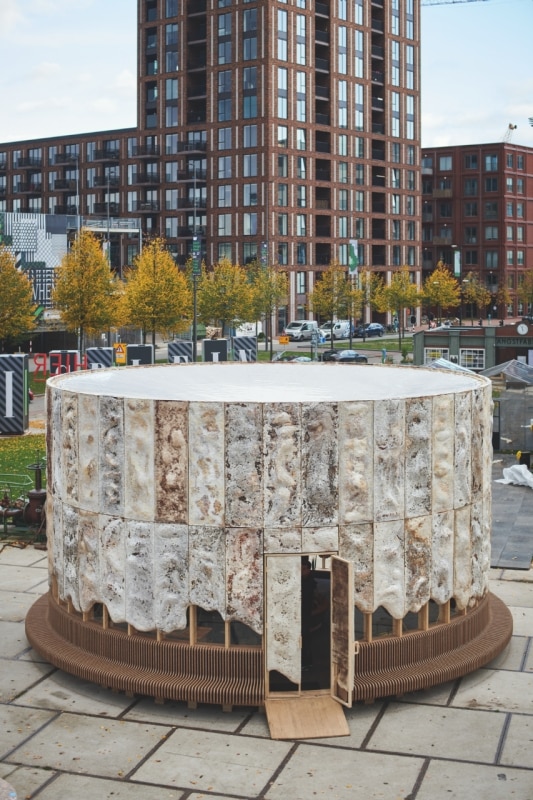
Just like the human body, buildings change and evolve. When a building is completed, it is not the end, but the beginning of its life. It will be used by people, weathered by time, and transformed by new needs. These are all traces of ageing, proof that it is “alive.” Over time, the meaning of buildings has constantly evolved: offices become homes, factories become museums, and even palaces can be transformed into shopping malls.
Architectural materials are gradually evolving from stone, steel, and concrete to more environmentally friendly, organic, and natural materials, including fungi that reproduce endlessly. The interior and exterior of architecture need flexible structures that can grow and adjust organically, like the human body.
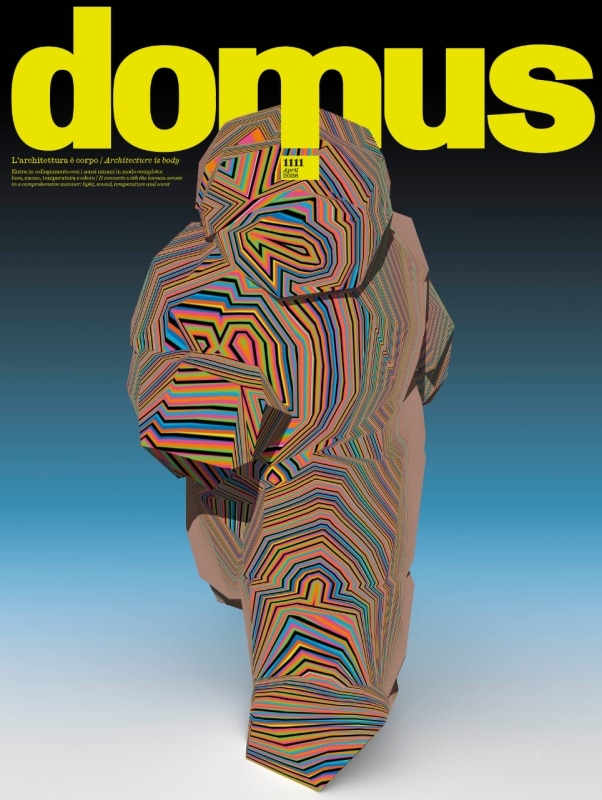
That said, we must recognise that far too many buildings and public spaces in today’s cities are designed in a way that is hostile to the human body. While human freedom, dignity, and social interaction should be the goals of public space design, they are restricted at every turn. While these designs are ostensibly intended to manage public order, they reflect a fundamental lack of trust in people.
Viewing architecture as a body might help everyone understand and care for it more deeply.
Overview image: GilBartolome Architects, The House On The Cliff, Salobreña, ES, 2015. Photo Jesus Granada. Courtesy of GilBartolome Architect
.