





Gen-Z’s obsession with outdated tech has entered a mass-phenomenon stage, and film cameras have become one of the clearest winners of this trend. The grainy, faded shots that look pulled from a 90s family album have become an established “young” aesthetic that has moved out of the niche and into the mainstream. Fujifilm, probably the smartest brand in contemporary photography, is now capitalizing on that with another low-cost, high-yield operation, giving one of its oldest and still commercially available products a birthday glow-up.
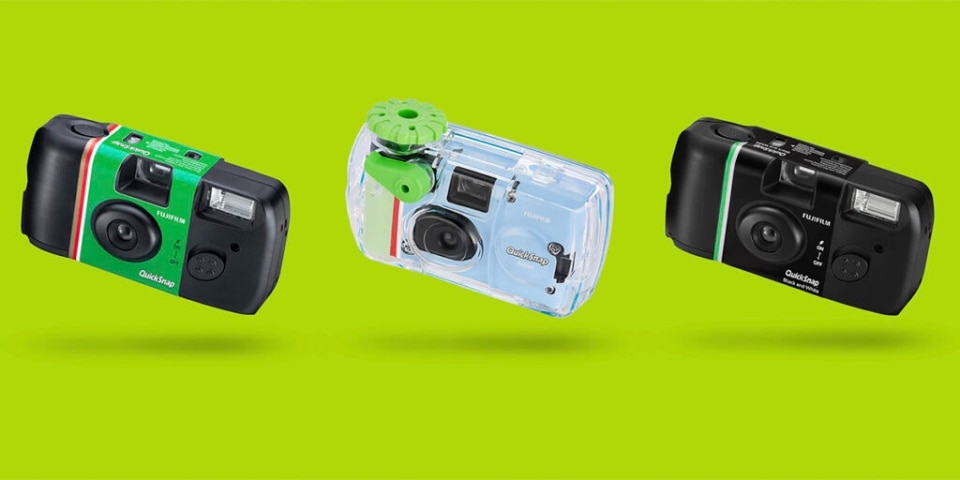
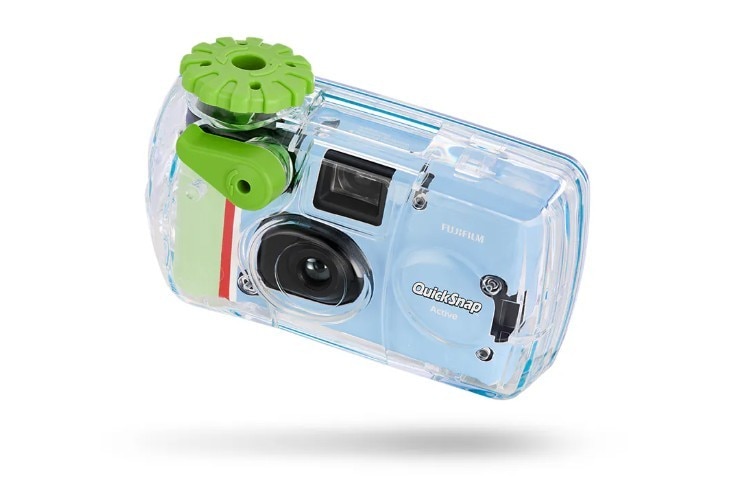
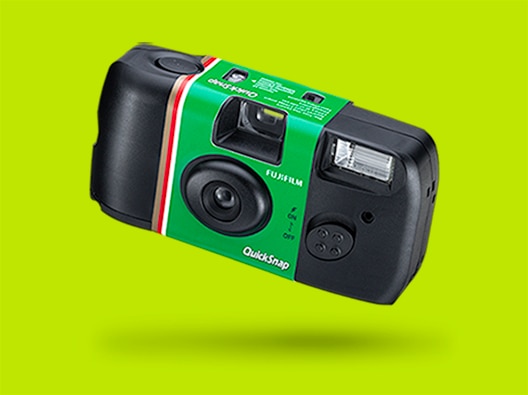
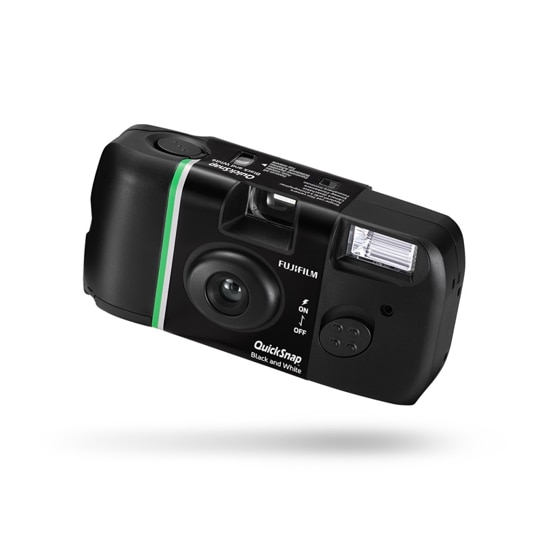
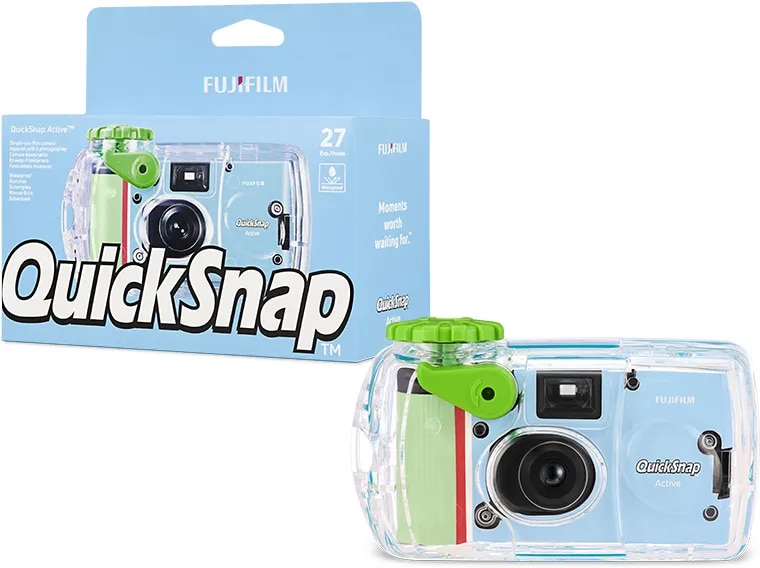
The Japanese company is marking 40 years of QuickSnap, the world’s first disposable camera, with a commemorative logo based on the camera’s original design and an expanded lineup that includes two new models. QuickSnap Active is a waterproof film camera that can be submerged down to 10 meters – it’s built for underwater shots, beach days, pools, and winter sports. QuickSnap Black and White loads monochrome film, letting anyone shoot moody, stripped-down portraits without touching a single setting.
Since its debut, QuickSnap has sold more than 1.7 billion units worldwide, according to the company. Not knowing how a shot turned out until it’s developed, plus the grainy, atmospheric look of film, has now become a selling point for Gen-Z and Gen-Alpha users looking for a break from the instant gratification of smartphone photography.
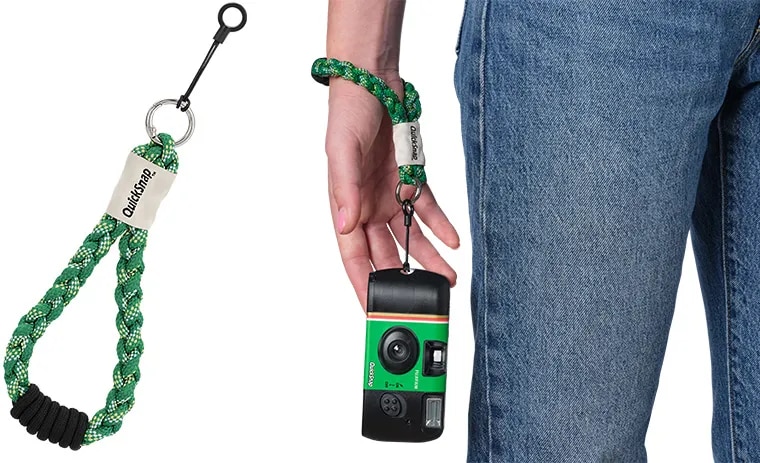
The format itself hasn’t changed much in four decades. QuickSnap uses standard 135 film with a built-in battery, so there’s no charging involved. It weighs 90 grams and holds 27 shots, counted down by a mechanical dial. A built-in flash covers up to 3 meters, and a strap hole lets people attach their own neck, shoulder, or wrist straps.
“In a world where everything is instantaneous, QuickSnap celebrates the joy of delayed gratification: take a photo, put the camera down, live the moment”, said Karina Thomsen, Marketing Director for Consumer Imaging at Fujifilm Europe. “When the photos come back from developing, you relive the experience all over again”.
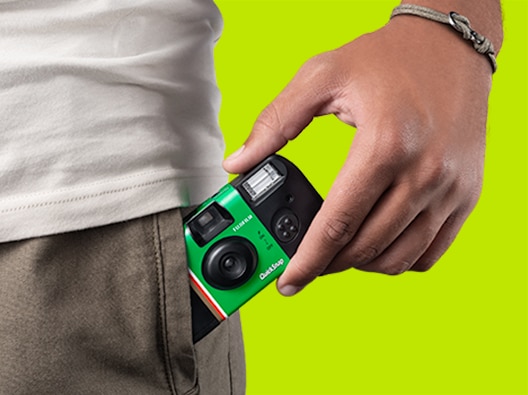
There is little doubt that with the right positioning in stores and the right price point, these new disposable film cameras will sell like hotcakes when they hit shelves in September. Fujifilm’s operation is just another sign that marketing is taking notes from the growing discomfort we all feel with smartphone addiction and the advent of generative AI.
It pairs well with Polaroid’s recent anti-AI campaign, reminding all of us that there’s so much more in life than endless AI chatter and insufferable AI slop. It would be nice if this newfound awareness didn’t come from marketing and advertising of all things, but we take the wins we can.