





Oskar Barnack dreamed of something that today feels almost obvious: a camera small enough to fit in a pocket and accompany its owner everywhere. In 1913, it was anything but obvious. Cameras were heavy, cumbersome machines, often tied to a tripod—tools that still belonged more to the studio than to everyday life.
That year, Barnack, an engineer working for a German microscope manufacturer in the small town of Wetzlar, built a prototype that would change the history of photography. Today we know it as the Ur-Leica. Twelve years later, the Leica I was officially introduced, setting photography on a trajectory that ultimately leads to Luna Ultra, the gimbal camera co-engineered by Insta360 and Leica. It may well be the first Leica product to question the very category it belongs to.
Over the course of a century, Leica has put its name on rangefinders, SLRs, medium-format digital cameras, compact cameras, smartphone camera modules and even instant cameras. Yet in every case, a Leica camera still looked unmistakably like a camera.
A Leica that doesn't look like a Leica
Over the decades, Leica has gradually transformed itself from one of the great innovators of analogue photography into one of Europe's most influential luxury brands. Today, its strategy extends far beyond optics, relying on a global network of Leica Galleries and a cultural ecosystem built around design, craftsmanship and belonging. In this respect, Leica increasingly resembles brands such as Ferrari or Bang & Olufsen, companies that have turned technical expertise into a lifestyle while preserving an uncompromising commitment to engineering.
Few places explain what Leica has become better than Leitz Park, the company's headquarters on the outskirts of Wetzlar. More than a corporate campus, it is a carefully choreographed environment where architecture, design and photography merge into a single brand experience. A museum, archives, exhibition spaces and public squares together tell the story of Leica's past while projecting its future.
We believe this category's potential is still far from fully realized, whether in image quality, professional capabilities, portrait rendering, color performance, portability, or creative flexibility.
Luna design team
The architecture is restrained and almost brutalist in character, with only subtle references to photographic film breaking its geometric rigour. Half an hour away, in the centre of Wetzlar, enthusiasts still visit the modest building from which Oskar Barnack took the first Leica photograph. It is slightly crooked today, but still standing. Few places could have been more appropriate for unveiling Luna Ultra, arguably the most unconventional product Leica has ever co-developed.
Insta360, in many ways, represents Leica's opposite. Founded in Shenzhen in 2015, the company built its reputation not around photography, but around moving images. One company emerged from early twentieth-century Germany; the other from twenty-first-century China's creator economy. Leica turned the camera into a cultural object. Insta360 has spent the past decade making image-making increasingly automated, stabilised, portable and shareable.
The partnership between the two companies, now more than six years old, was symbolically sealed after the presentation of Luna with a traditional Chinese fish-dragon dance weaving its way through the severe geometry of Leitz Park.
To anyone familiar with photography or filmmaking, Luna's form factor will not feel entirely new. It belongs to the category of gimbal cameras, compact devices that adapt the stabilisation technology originally developed for drones into a pocket-sized camera. DJI effectively established this category in 2018 with the first Osmo Pocket, now in its fourth generation. Following Luna's launch in the United States, DJI accused Insta360 of infringing several patents related to the Osmo Pocket platform.
The Luna line consists of two models. Luna is aimed at travellers, families and casual creators, while Luna Ultra targets professional creators, filmmakers and advanced users looking for higher image quality, greater creative control and a workflow closer to that of dedicated video cameras. It is the latter that Domus tested.
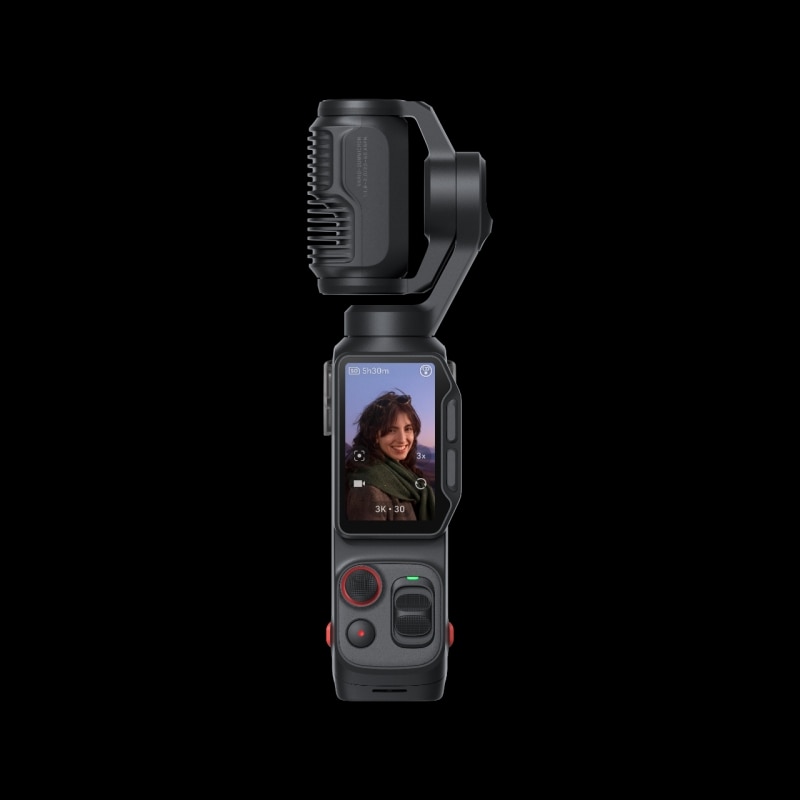
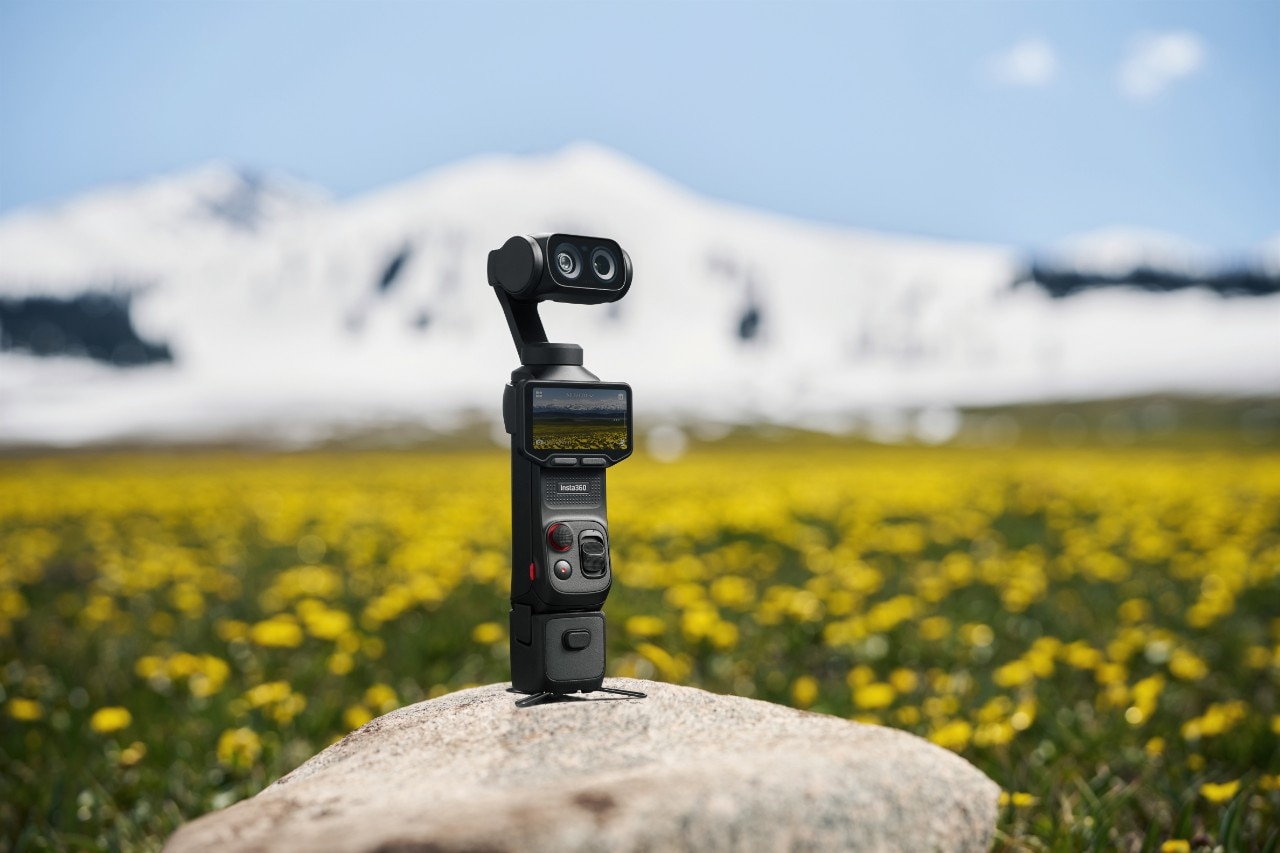
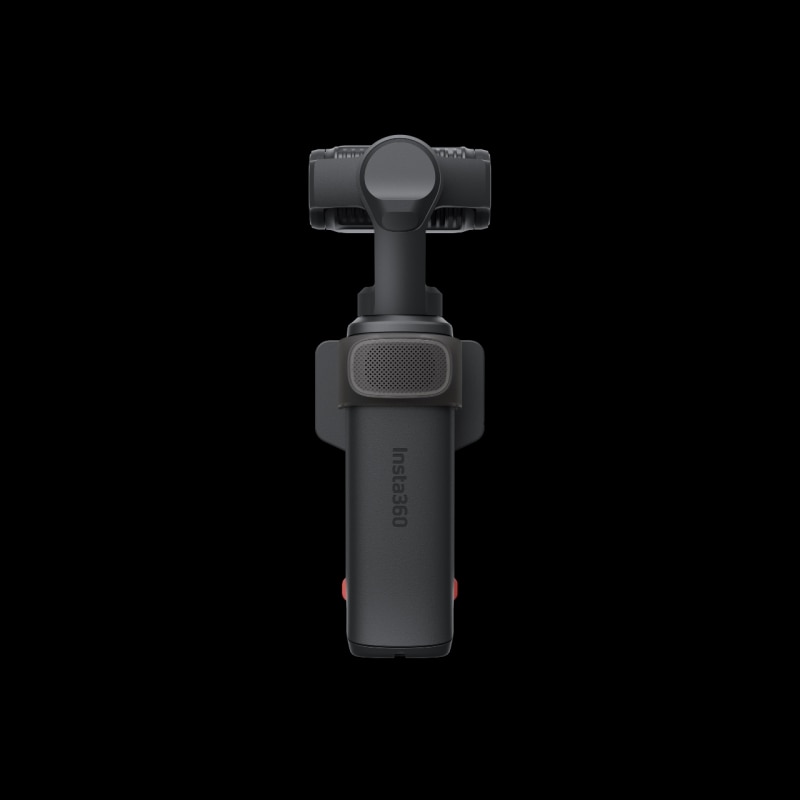
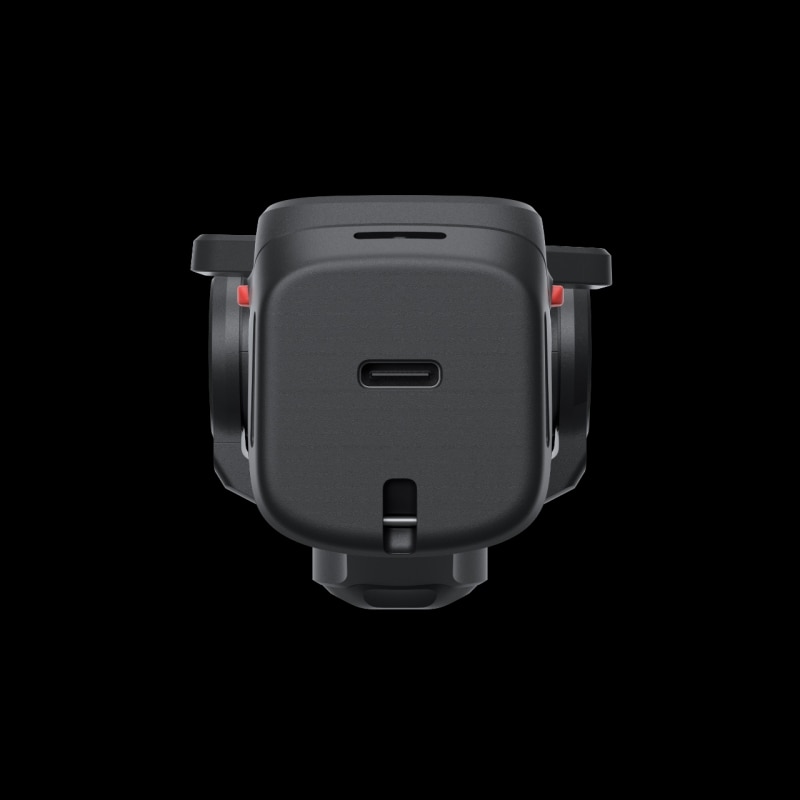
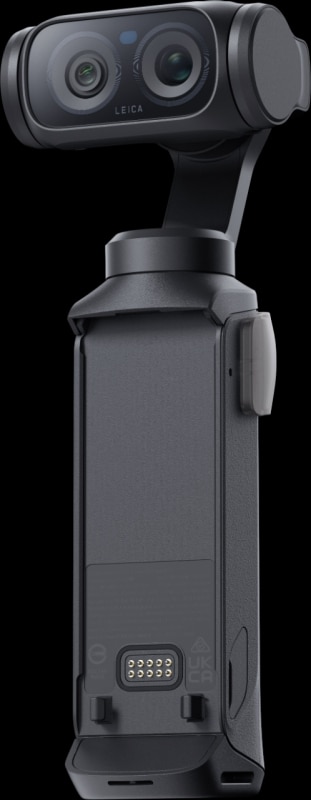
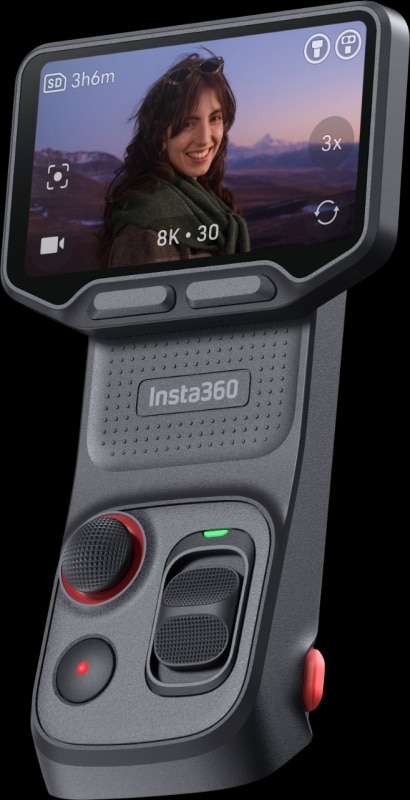
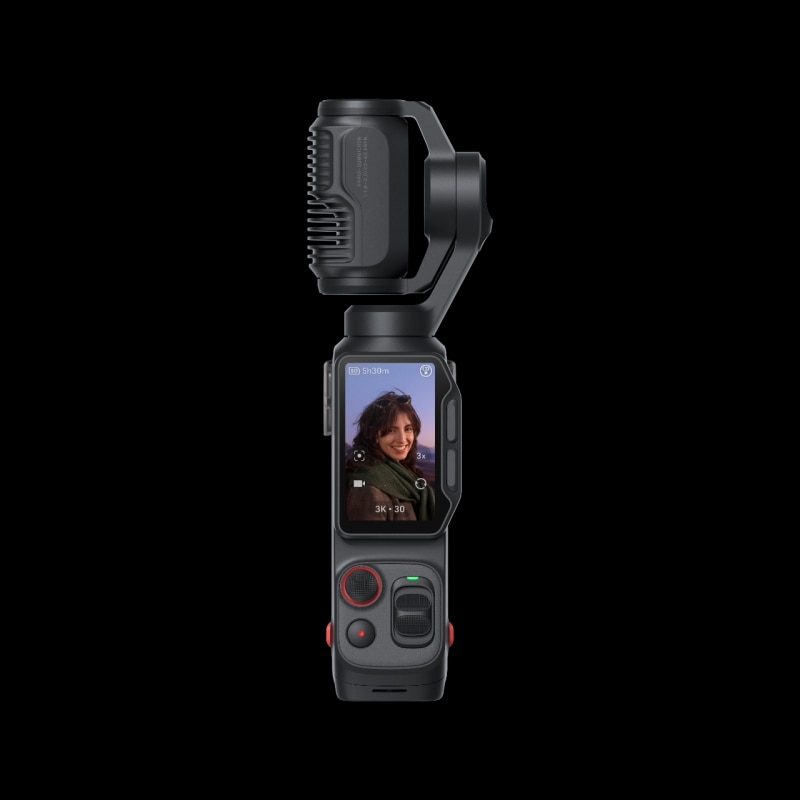
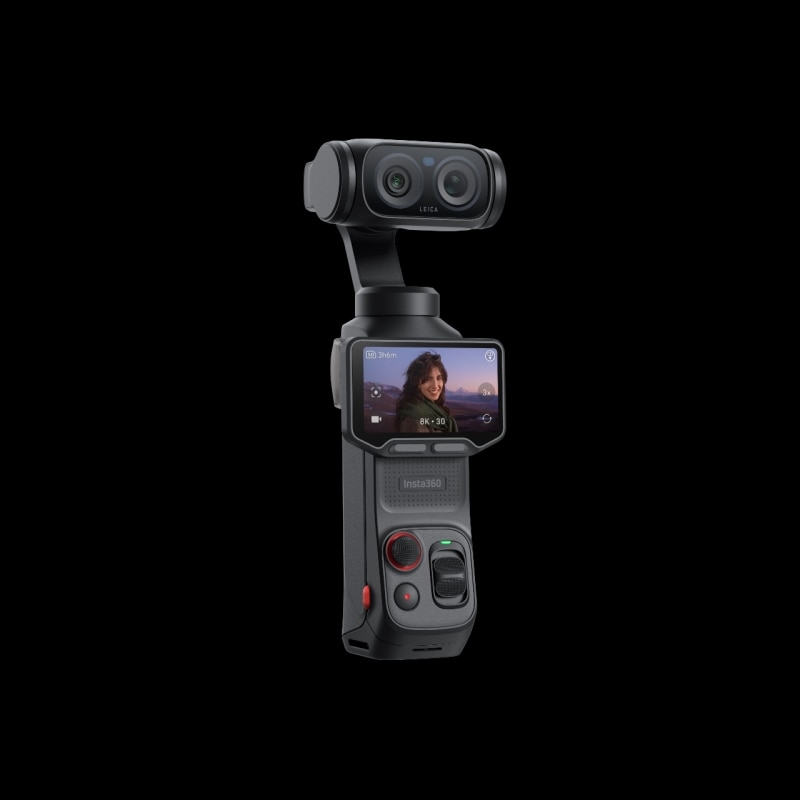
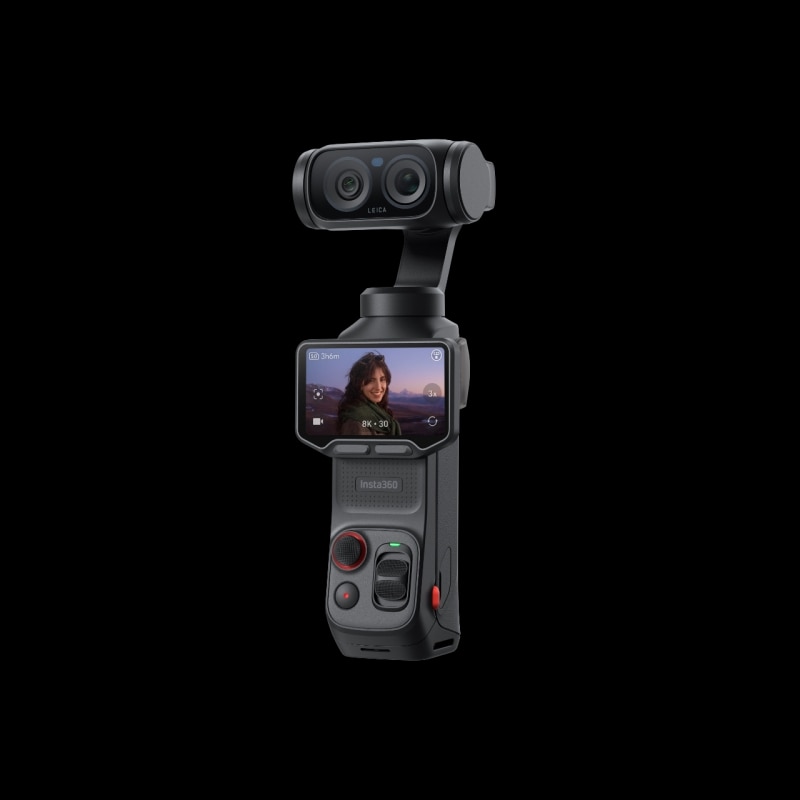
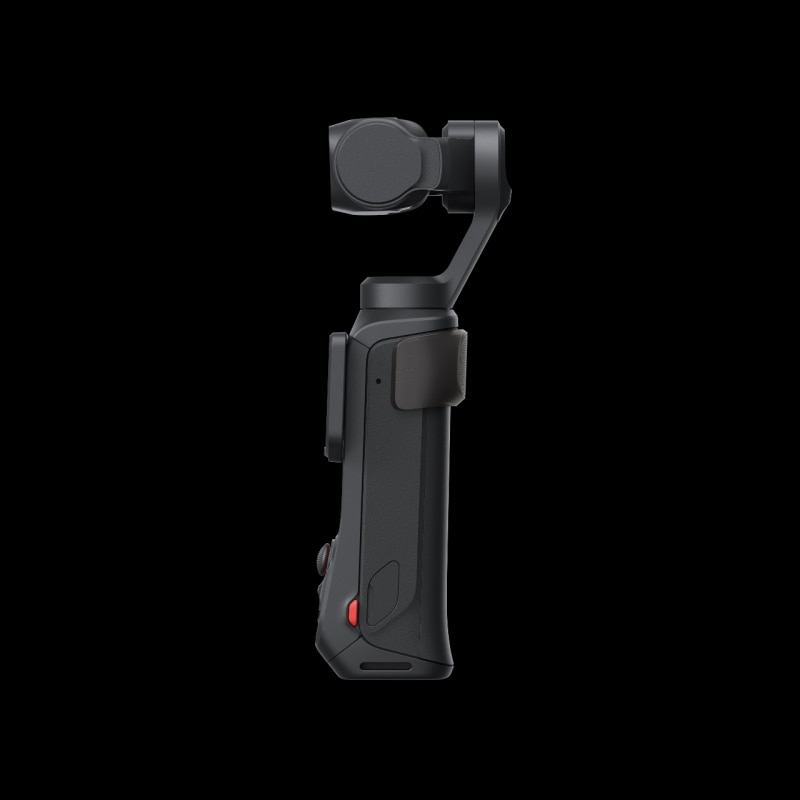
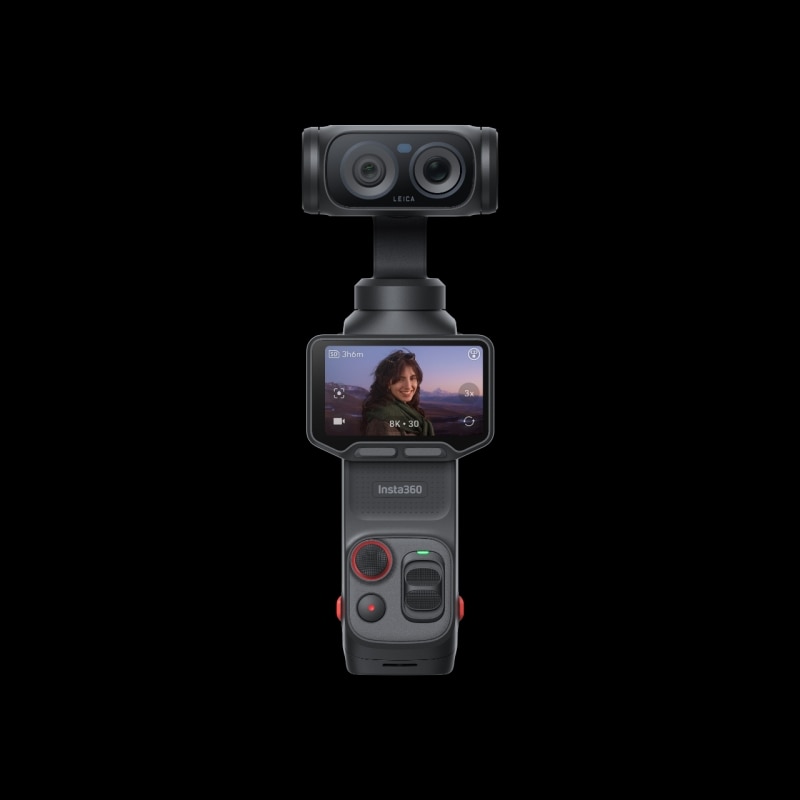
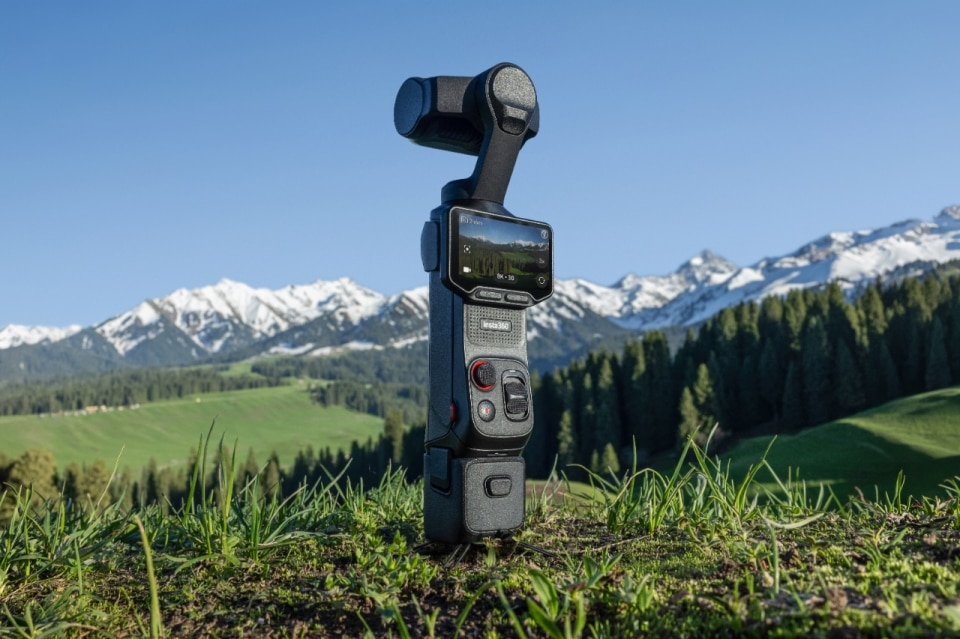
Weighing just over 200 grams, Luna Ultra combines a three-axis mechanical gimbal with a one-inch sensor paired with a Leica Summicron lens, a secondary telephoto camera and a two-inch OLED module integrating both display and controls. Its most distinctive feature is immediately visible: the entire control module detaches from the body, becoming a wireless monitor and remote controller capable of operating the camera from up to twenty metres away.
When Insta360 says that Luna Ultra brings Leica's “century-long aesthetic philosophy into a new product form”, the phrase may sound like marketing rhetoric. Yet it captures the essence of the project. Luna Ultra was never intended to become another Leica camera. Rather, it represents an attempt to translate Leica's cultural and design legacy into an object that belongs to an entirely different category.
Beyond the smartphone
The question is almost inevitable. At a time when billions of people already carry a camera in their pocket, why design a new device dedicated to making images?
According to the team behind Luna Ultra, the answer lies in the space that still exists between smartphones and professional cameras. “Luna Ultra marks Insta360's entry into the gimbal camera category and represents the culmination of our experience in imaging technology”, they told Domus. Rather than competing directly with the smartphone, the company sees an opportunity to rethink a category that, in its view, is still far from reaching its full potential.
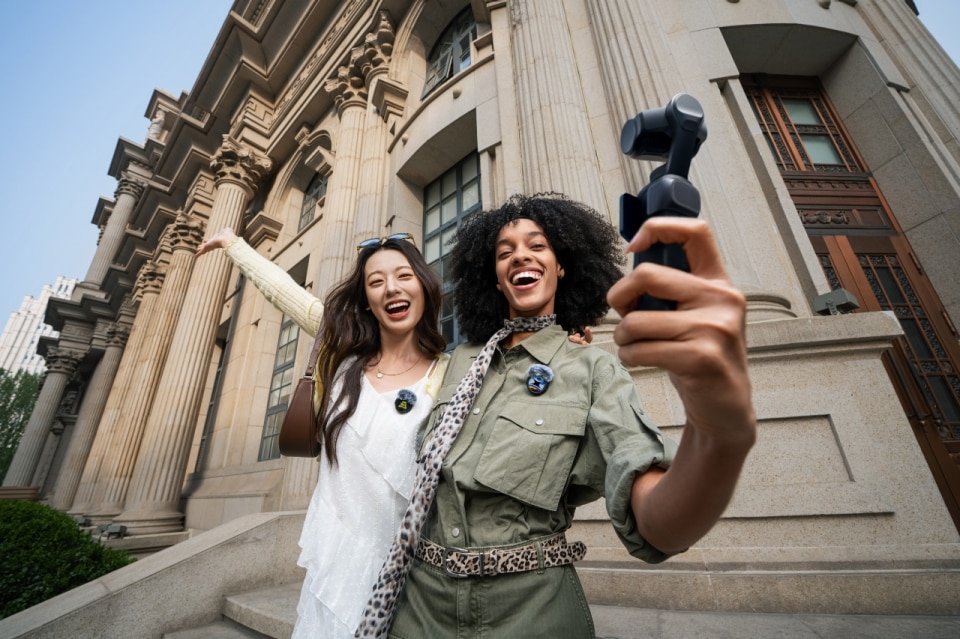
As they explain, “We believe this category's potential is still far from fully realized, whether in image quality, professional capabilities, portrait rendering, color performance, portability, or creative flexibility.”
The premise is straightforward. Smartphones have become extraordinarily convenient, but they remain constrained by optics, image quality and creative control. Professional mirrorless and cinema cameras offer far greater performance, yet often at the expense of portability and spontaneity. Luna Ultra is designed to occupy the space between those two worlds.
Beyond Leica's Lenses
The collaboration between Leica and Insta360 did not begin with Luna Ultra. The two companies have been working together for more than six years and have already co-developed five products. Until now, however, Leica's contribution remained largely confined to image quality, optics and colour science.
Luna Ultra shifts the conversation. Rather than simply supplying lenses, Leica becomes part of the product's design philosophy. As the design team explains, “Leica's approach has always emphasized clarity, simplicity, and a strong connection between the user and the act of taking pictures.”
Rather than treating AI as a single function, Luna Ultra integrates it into the role of a cameraman working in the background
Luna design team
It is more a matter of translating a certain concept of clarity, simplicity, and a direct relationship between the user and the image into a different type of device: “Leica’s approach has always prioritized clarity, simplicity, and a direct relationship between the photographer and the act of photography itself.” The ambition was never to recreate the experience of using a Leica M in miniature, nor to imitate the visual language of a traditional camera. Instead, the project attempts to translate Leica's design principles into a device conceived for an entirely different generation of image-makers.
That philosophy becomes immediately apparent in the interface. Despite the product's compact dimensions, the controls feel remarkably familiar to anyone coming from photography. Many functions inevitably move to the touchscreen, yet the overall interaction remains unusually clean and restrained. The detachable display—housing both the screen and the physical controls—is perhaps the project's most original design gesture, transforming what would normally be a fixed interface into a wireless extension of the camera itself.
Designing a new category
More than any individual specification, this is the idea that repeatedly surfaced during conversations with the designers. “We see Luna Ultra as a new kind of imaging tool designed to bridge the gap between existing categories.” It sounds almost like a manifesto.
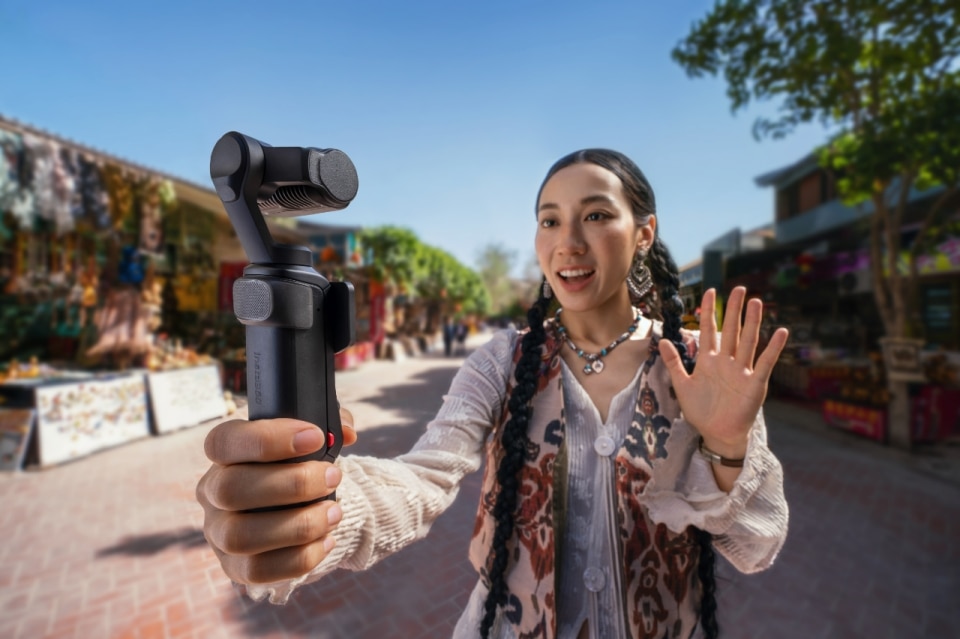
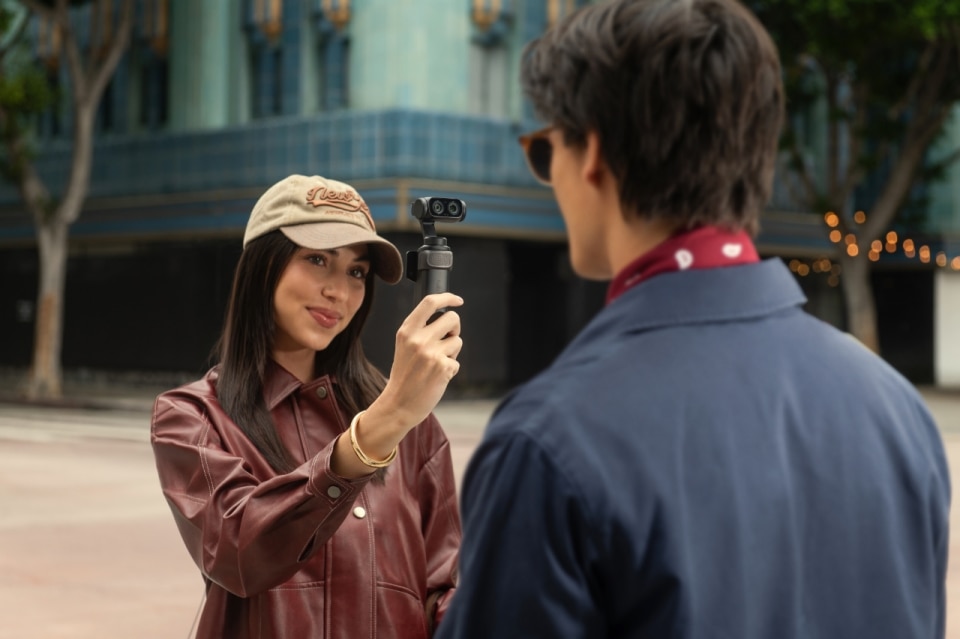
A gimbal camera resists traditional definitions. It is neither quite a still camera nor entirely a video camera, yet comfortably performs both roles. It rotates effortlessly between horizontal and vertical shooting, reflecting a media landscape where content constantly moves between cinema, YouTube, Instagram and TikTok. Compact enough to slip into a pocket, its motorised head remains delicate enough to require a lightweight protective shell during transport.
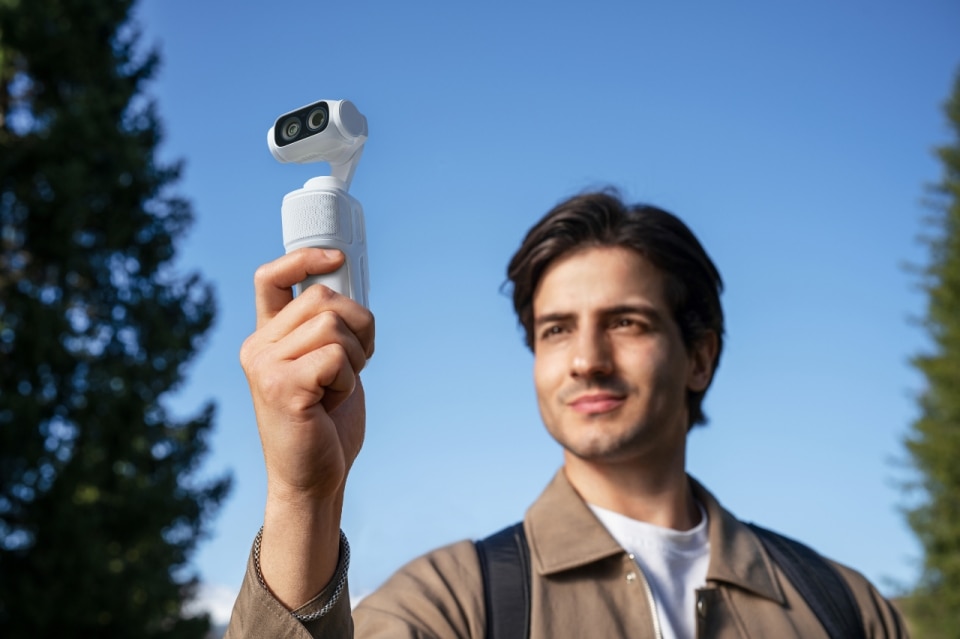
Again and again, the designers returned to the same argument. Smartphones provide accessibility and immediacy. Mirrorless and cinema cameras provide image quality and creative control. Luna Ultra attempts to combine, in their words, “the portability and ease of use of a smartphone, the image quality and control of a dedicated camera, and the expressive potential of a professional video tool.” Whether this truly constitutes a new category remains an open question. What is more interesting is the ambition itself: rather than improving an existing product, Luna Ultra proposes a different way of thinking about what a camera can be.
A camera designed for one
Many of Luna Ultra's most unusual design decisions become easier to understand once its intended user is taken into account. “Solo creators are one of Luna Ultra's core user groups”, the team explains, and much of the product was conceived around a simple premise: enabling a single person to produce increasingly sophisticated images without the complexity traditionally associated with professional equipment.
The detachable display is perhaps the clearest example of that philosophy. Rather than becoming an accessory that users have to remember to carry, charge or attach, it remains part of the camera itself until the moment it is needed. As the designers put it, “A great feature should always be there when users need it, without ever becoming an extra burden.”
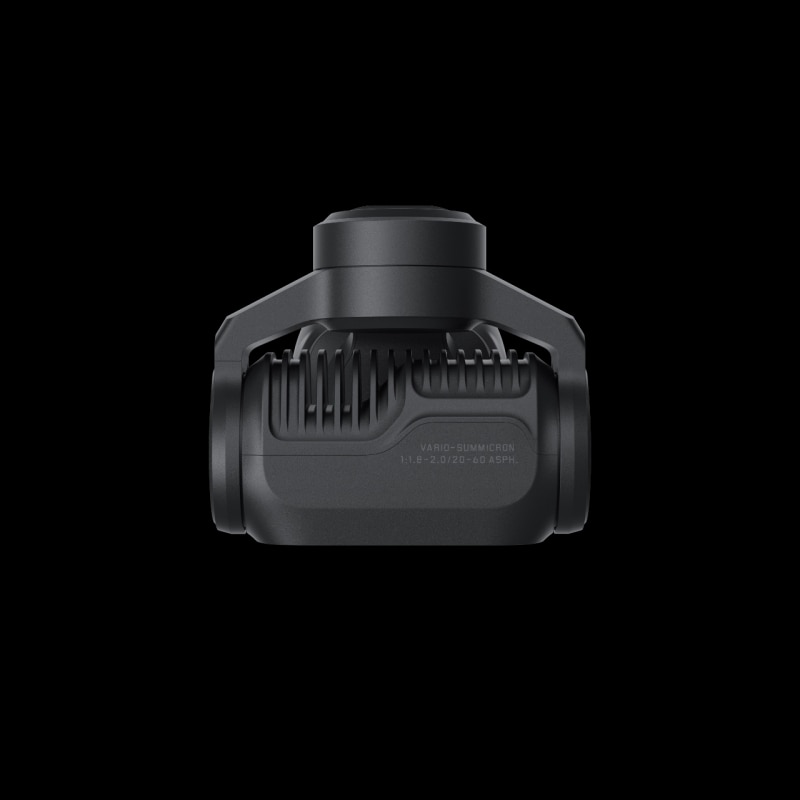
If the controller were a separate accessory, they argue, users would have to think about where to store it—and would inevitably discover they had left it behind precisely when they needed it most. By integrating it into the body of the camera, Luna Ultra allows it to become a wireless monitor only when required, while remaining part of a single, coherent object the rest of the time.
Automatic subject tracking, remote monitoring, the optional POV Head Tracker and AI-assisted framing all point in the same direction: reducing the amount of equipment—and often the number of people—needed to produce professional-looking footage. This, perhaps more than any individual specification, reveals who Luna Ultra was actually designed for.
The Invisible Cameraman
Artificial intelligence inevitably plays a central role in that vision. Yet here too, Insta360 deliberately frames AI not as a headline feature but as an invisible layer embedded throughout the product. “The most meaningful innovation”, the team says, “is how Luna Ultra uses AI not as a standalone feature, but as the foundation of a new kind of shooting experience.”
A few lines later comes perhaps the interview's most revealing sentence: “Rather than treating AI as a single function, Luna Ultra integrates it into the role of a cameraman working in the background.” It is an intriguing way of describing artificial intelligence. Rather than replacing the creator, AI becomes an invisible operator, quietly taking over many of the repetitive technical decisions—tracking, framing, stabilisation and image optimisation—so that the person behind the camera can focus on something else: deciding what deserves to be filmed in the first place.
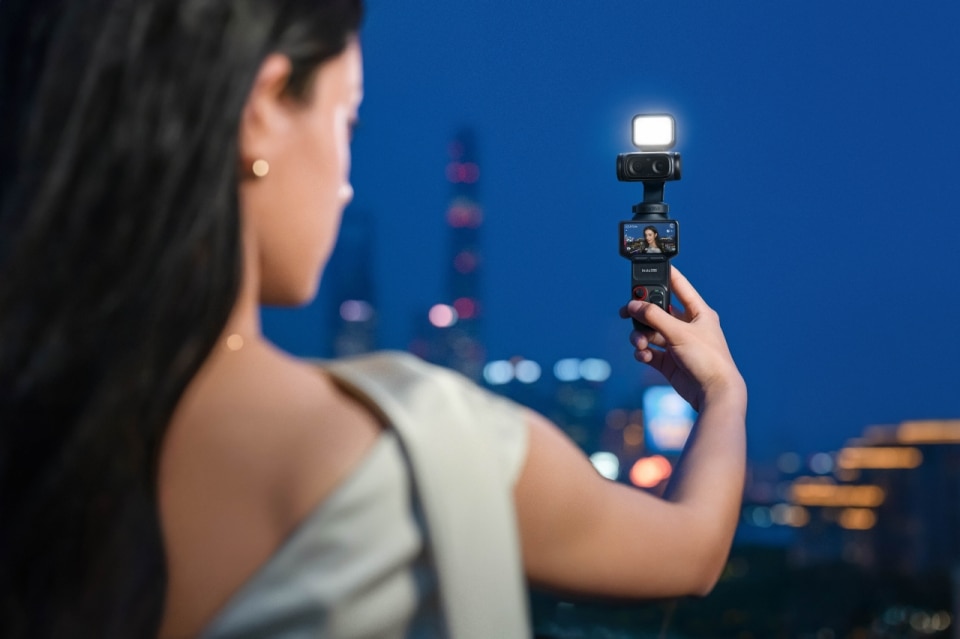
That idea also explains why Luna Ultra feels less like another camera and more like a design exercise in redefining the relationship between people and image-making. Near the end of our conversation, the designers offered what may be the clearest description of the project: “We see Luna Ultra much more as the beginning of a new camera category than as a final form. This first generation establishes the direction.”
It is far too early to know whether gimbal cameras will reshape photography in the same way Barnack's Leica did a century ago. What Luna Ultra already reveals, however, is something else entirely. It marks the moment when Leica decided to step into a category it did not invent, alongside one of the companies that has helped define the creator economy.
That is precisely why Luna Ultra matters. Not because it claims to redefine the camera, but because it explores what the camera could become next.