



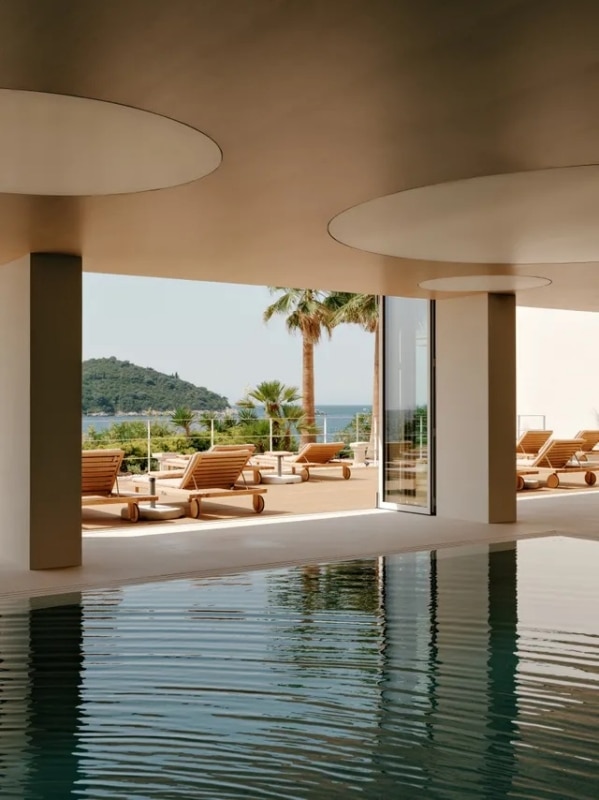
The hotel is one of the most revealing typologies in contemporary design. It is also one of the most ambiguous: on one hand, a testing ground for architects, interior designers, landscape architects, and hospitality brands; on the other, a stark symbol of the proliferation of luxury hospitality in the era of over-tourism and the housing crisis.
This is confirmed by the 2026 selection from the Prix Versailles, the French award that since 2015 has identified some of the most significant projects in contemporary architecture and design. This year, the recognition has unveiled its categories—ranging from museums and airports to restaurants and hotels—highlighting sixteen structures for which the word “hotel” now seems insufficient.
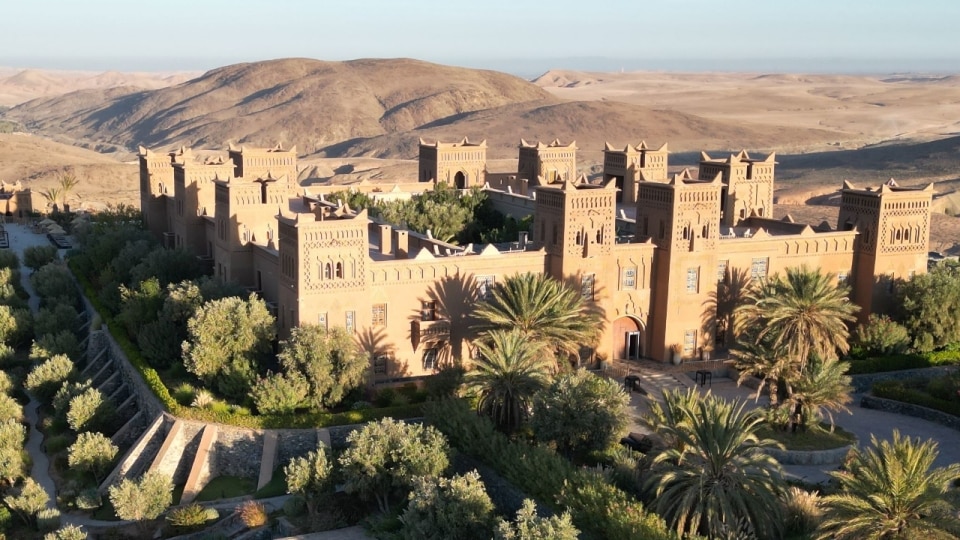
The hotel has progressively abandoned its function as mere temporary lodging to transform into a total experience, built around the idea of place, authenticity, and belonging—even when that authenticity often ends up speaking a global language of luxury, with more or less convincing local variations.
Wealth no longer coincides solely with silence, emptiness, or subtraction, but with the availability of time, attention, objects, and scenery: everything needed to transform a stay into a memorable experience.
It remains, however, one of the clearest proofs of design's tendency to transcend the product to build complete environments, atmospheres, and systems. The vocabulary is expanding accordingly: “boutique hotel,” “design hotel,” “heritage hotel,” “retreat,” “lakehouse.” Different terms to suggest that the word “hotel,” on its own, now feels reductive.
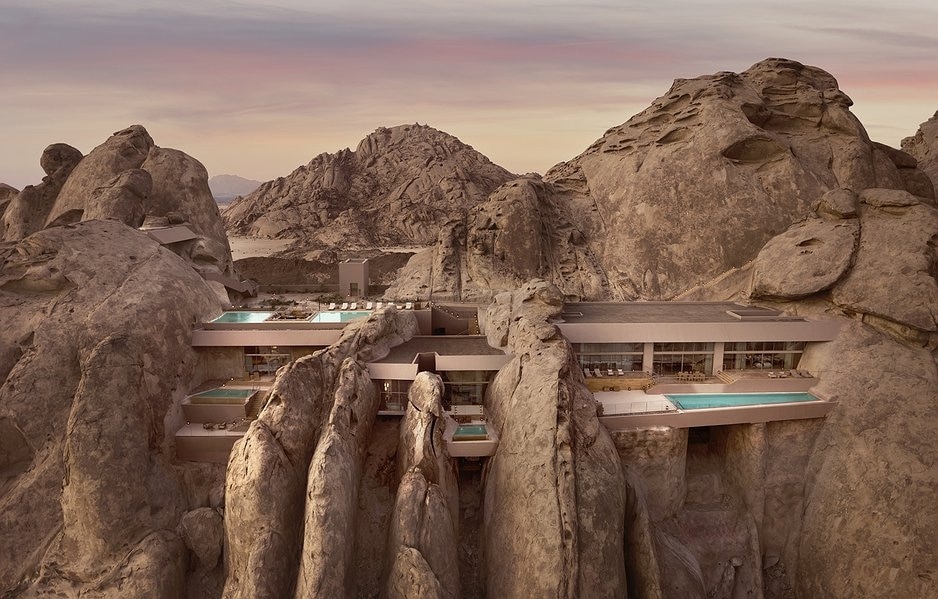
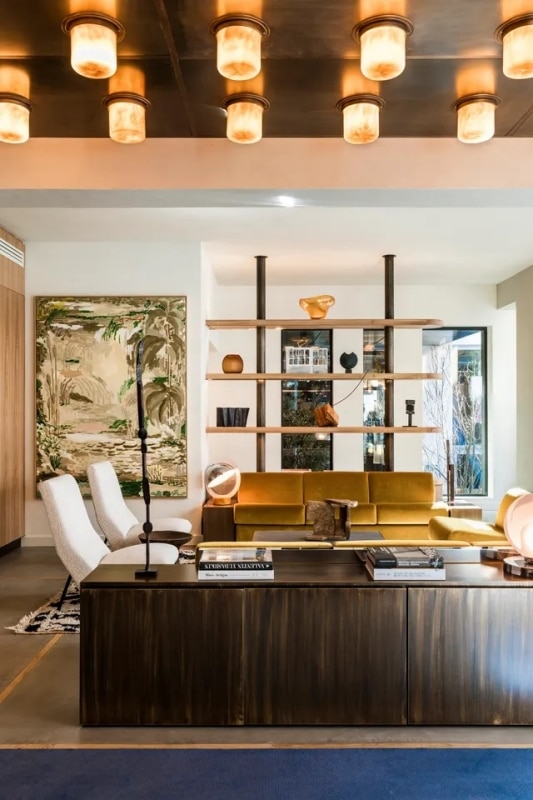
Observing the sixteen projects selected by the Prix Versailles—from structures immersed in lakes, cliffs, deserts, and forests to those situated in the hearts of capitals—an idea of hospitality emerges that is increasingly both domestic and scenographic. The focus shifts well beyond rooms and suites: libraries, open kitchens, objects, furnishings, books, terraces, gardens, and service rituals all become part of a narrative constructed to make the guest feel not simply welcomed, but momentarily the owner of a world.
As a tribute to this new abundance, many of the selected hotels seem to mark a change of pace compared to the hyper-minimalist structures of the early millennium. Wealth no longer coincides solely with silence, emptiness, or subtraction, but with the availability of time, attention, objects, and scenery: everything needed to transform a stay into a memorable experience.
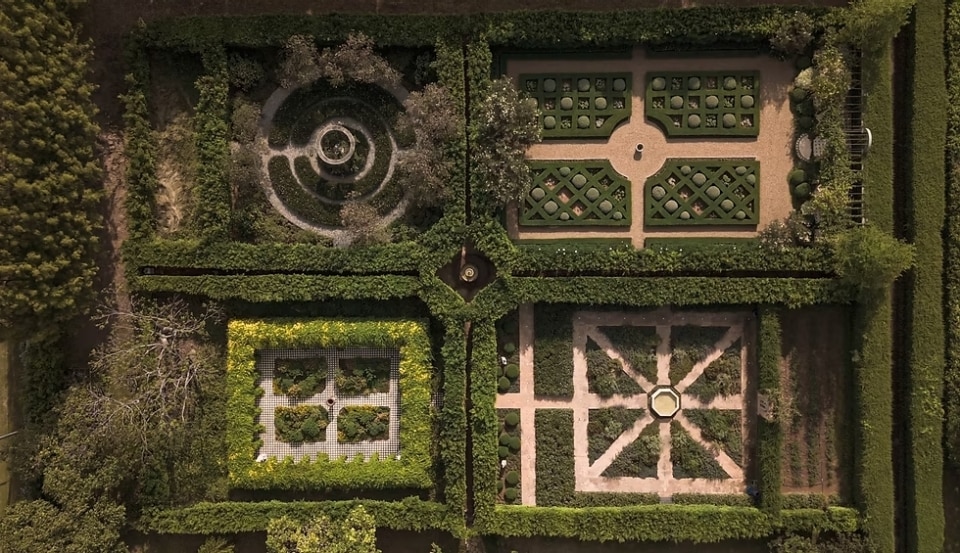
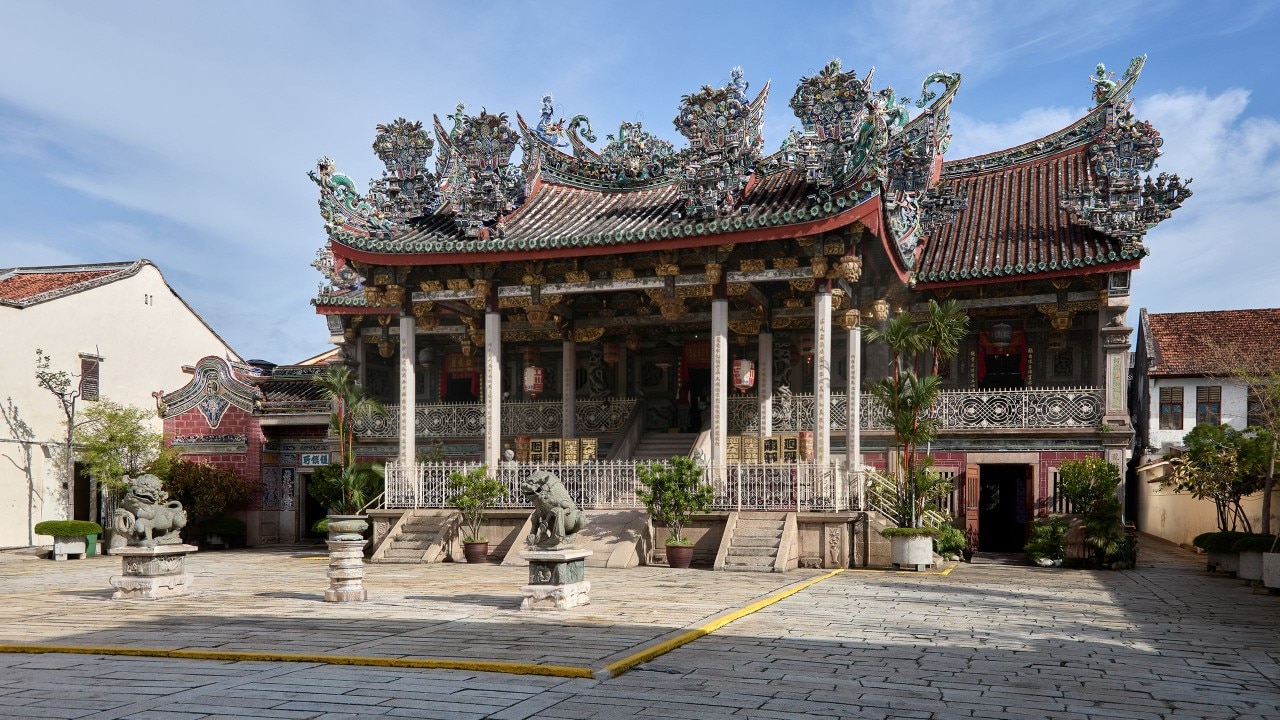
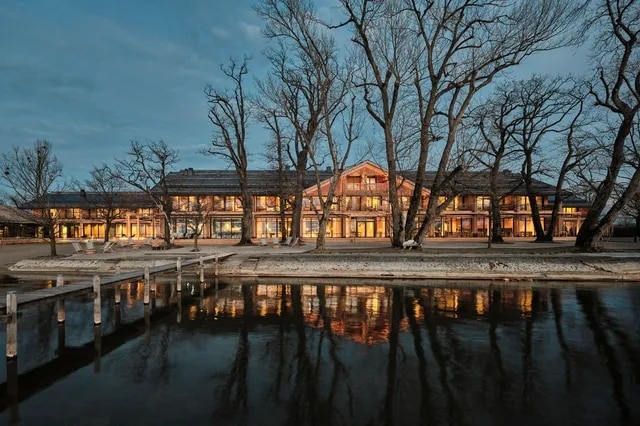
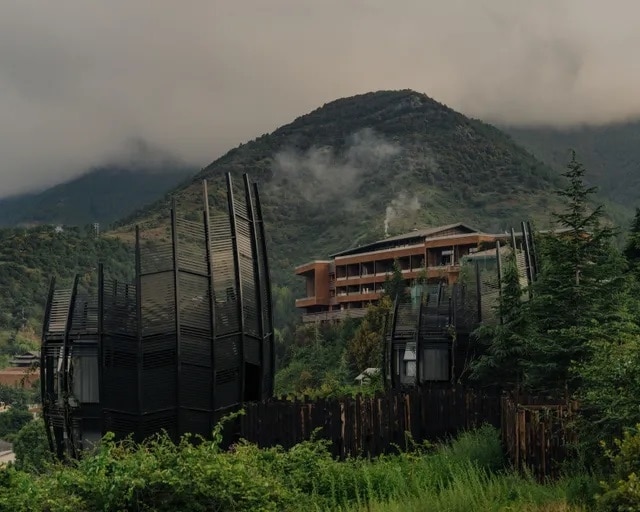
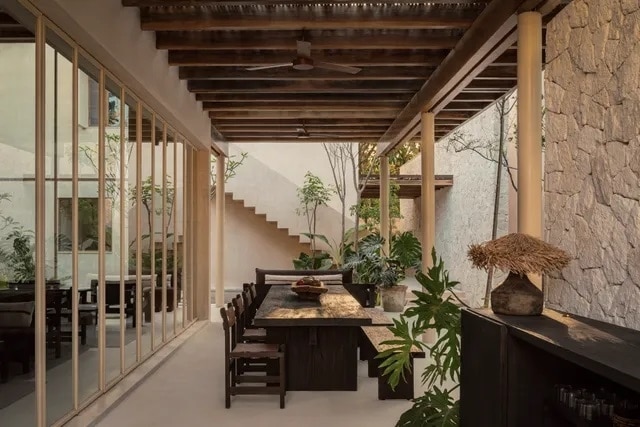
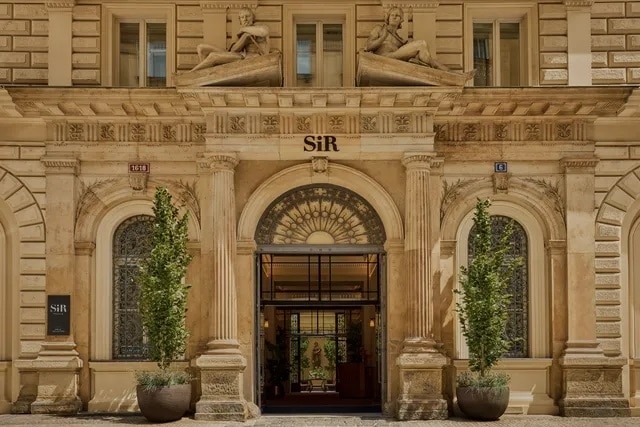
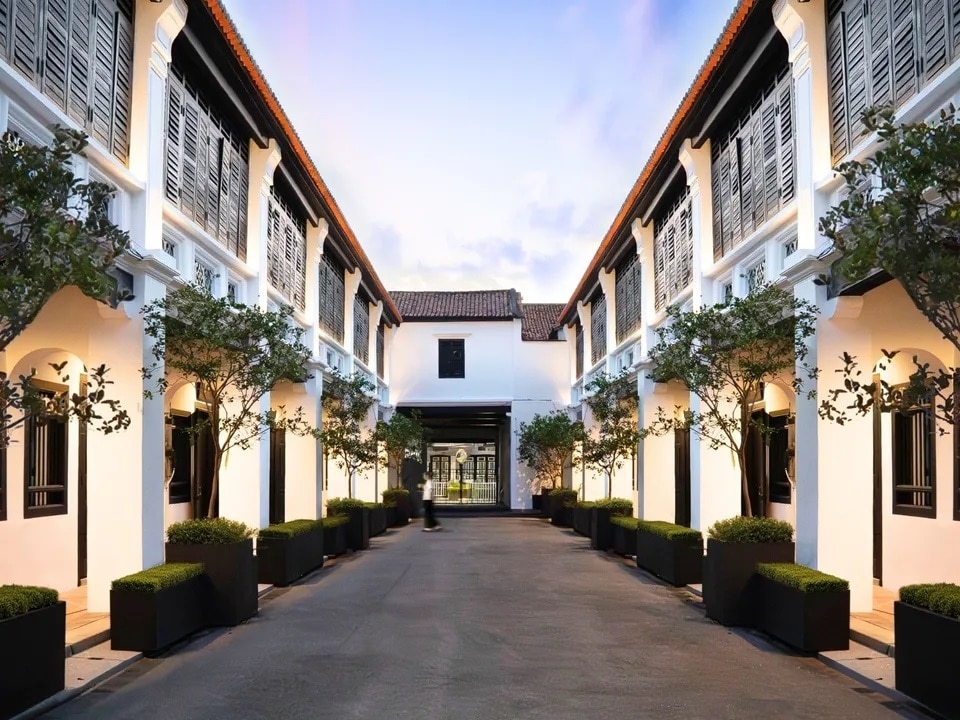
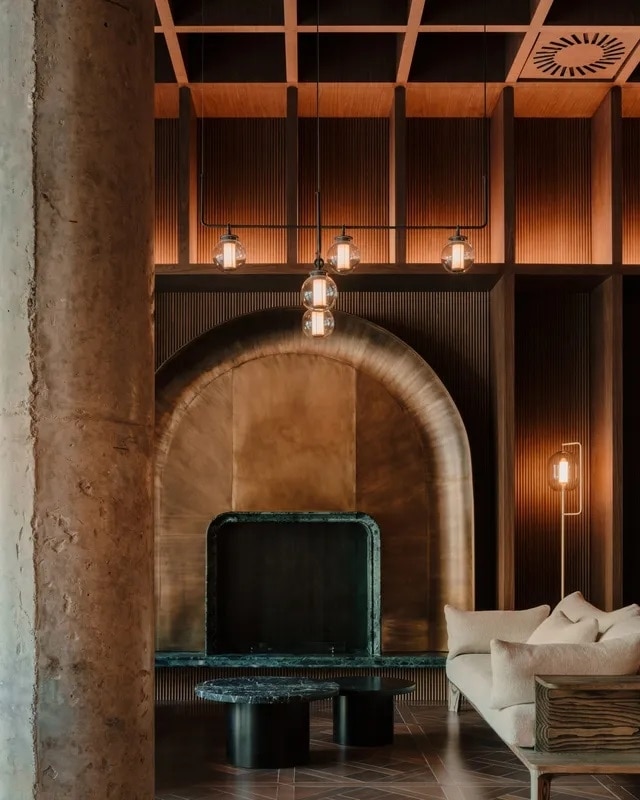
Moving—at least with a mouse—from one corner of the globe to another, we entered the sixteen most beautiful hotels of 2026 according to the Prix Versailles. One mimics the home of a silk merchant, another houses a grand library, and many seek the water of the sea or a lake as an essential part of the design. We reveal them all in our gallery. And keep an eye on the two in Italy.