



The seven most beautiful airports in the world for 2026 have been announced. From China to Germany, via India, Cambodia and the United States, the Prix Versailles – one of the leading international awards dedicated to contemporary architecture in the hospitality, commercial and infrastructure sectors – has published its annual selection, rewarding projects that stand out for architectural quality, design innovation, integration with the cultural and territorial context, and a vision of sustainability that goes beyond mere energy efficiency.
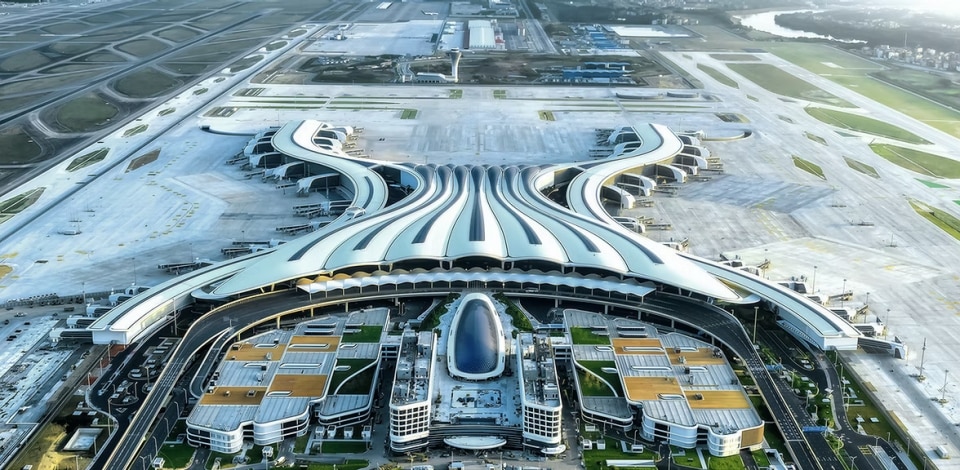
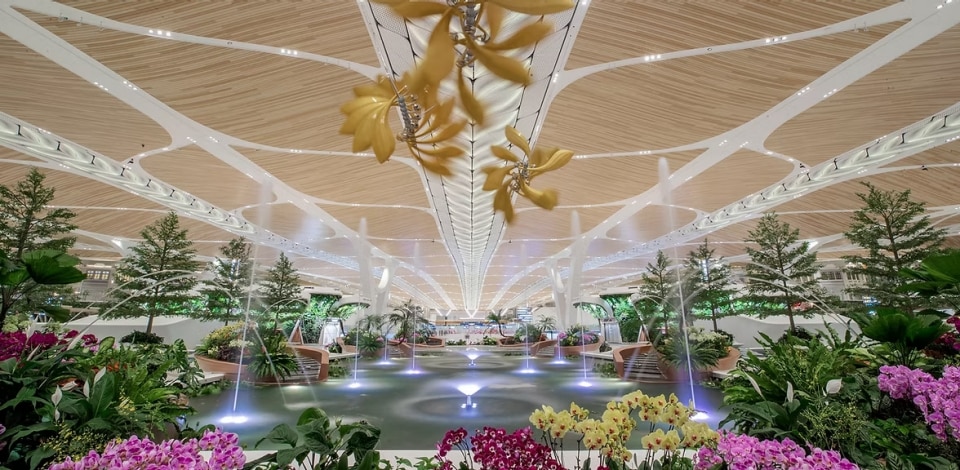
Among the seven airports awarded in the 2026 edition is the new Terminal 3 of Guangzhou Baiyun International Airport in China: a project that translates the architectural traditions of Southern China and those of the Maritime Silk Road into a landscape architecture of gardens, atriums and terraces.
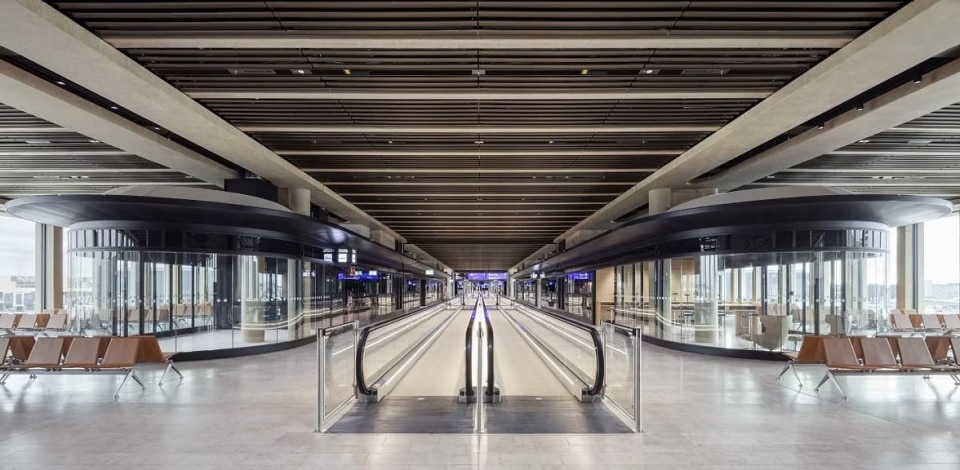
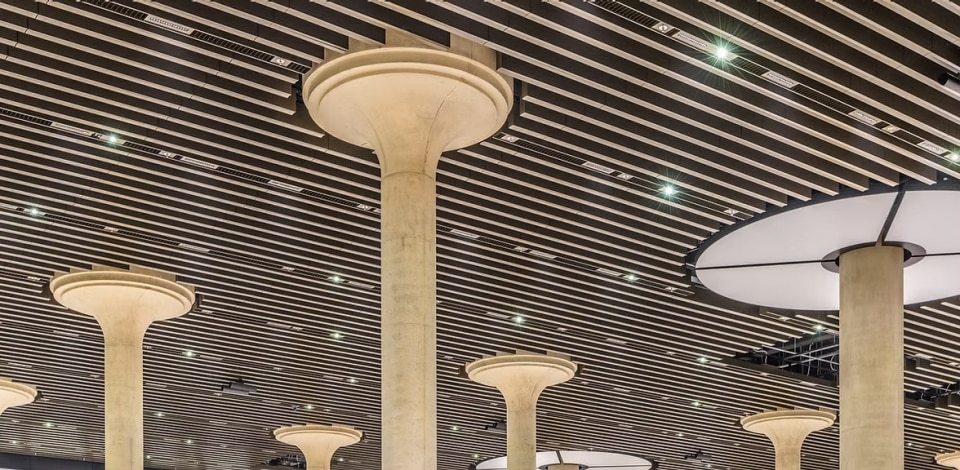
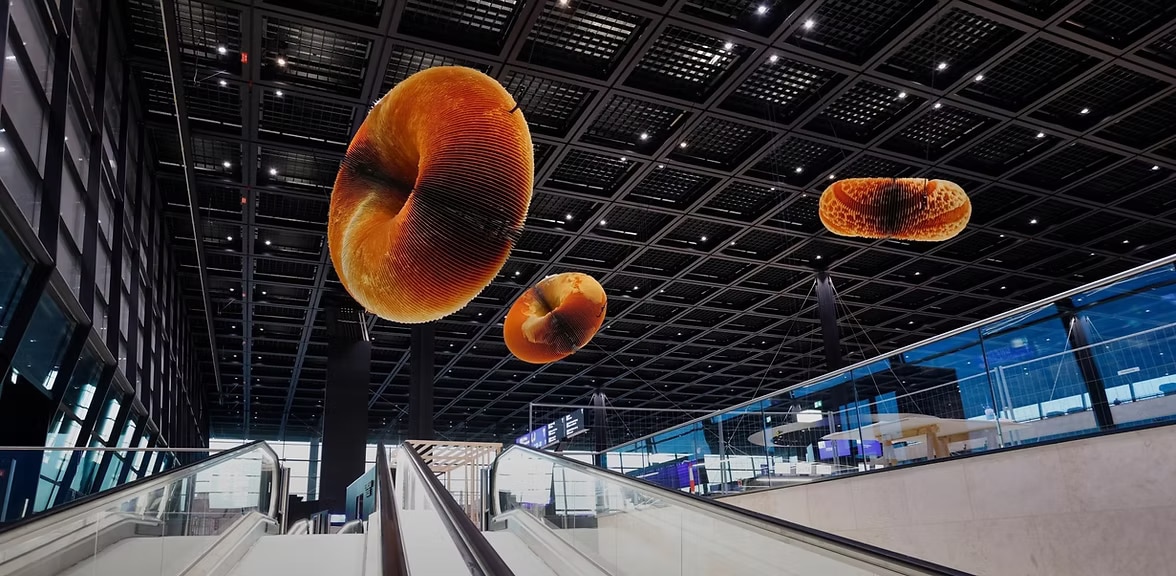
The only European representative is the new Terminal 3 of Frankfurt Airport, one of the continent’s largest recent infrastructure projects. Designed by Christoph Mäckler, the terminal adopts an urban principle that transforms the airport into a sort of miniature city: gates, lounges and pathways are organized like streets and squares.

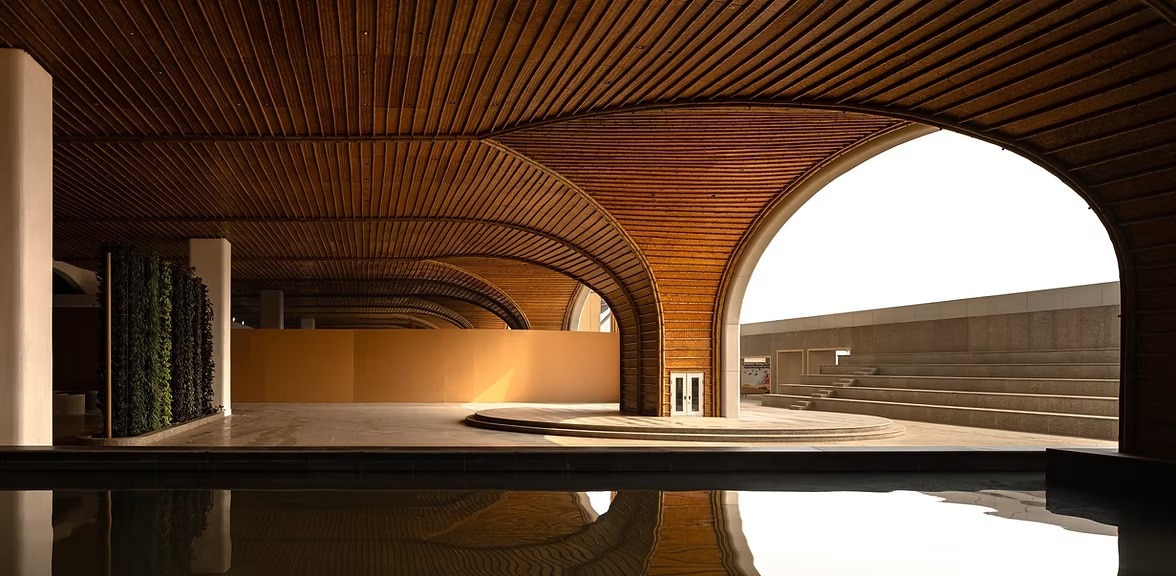
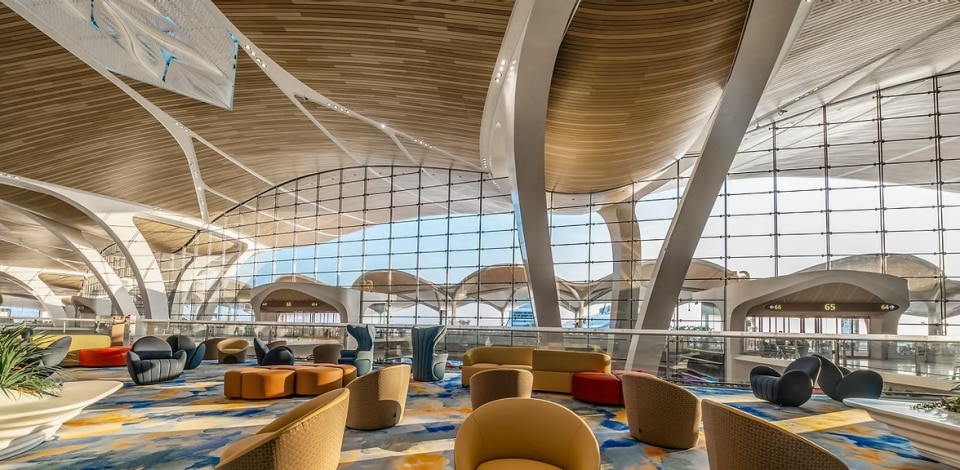
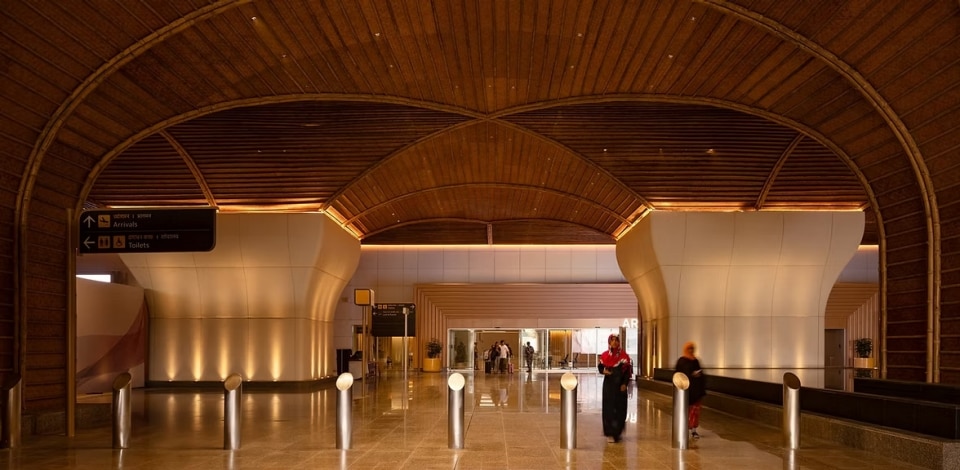
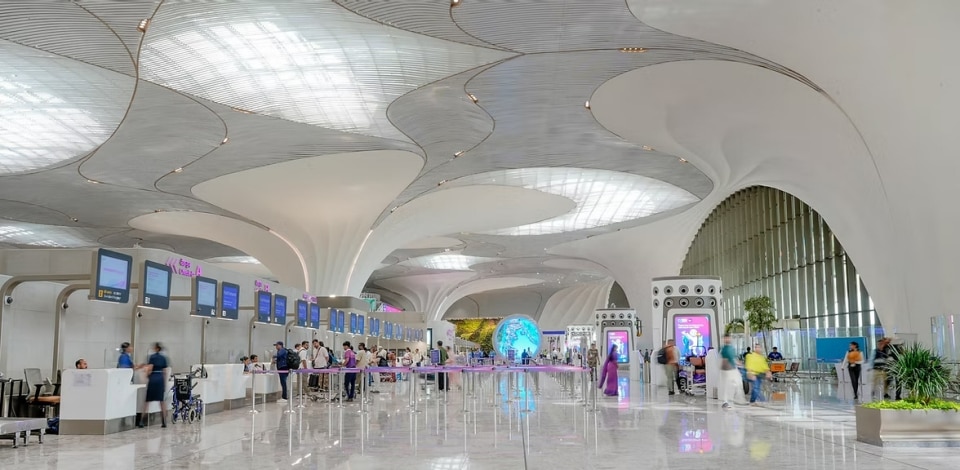
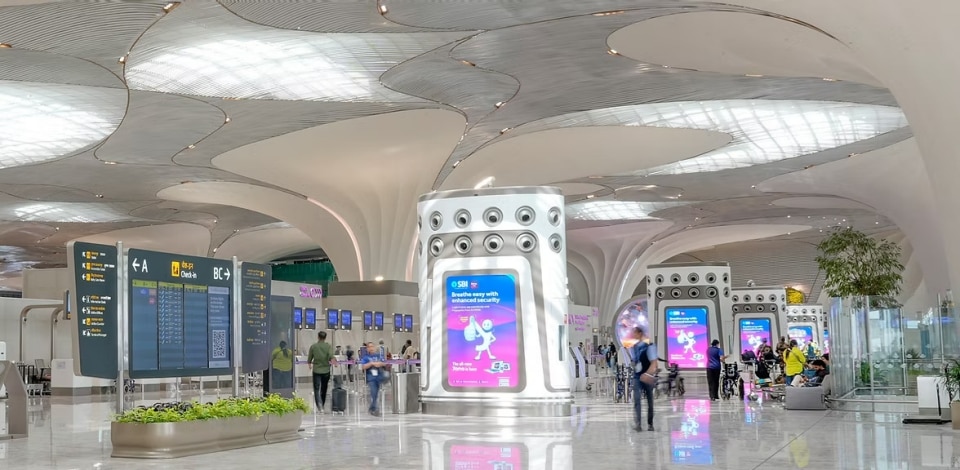
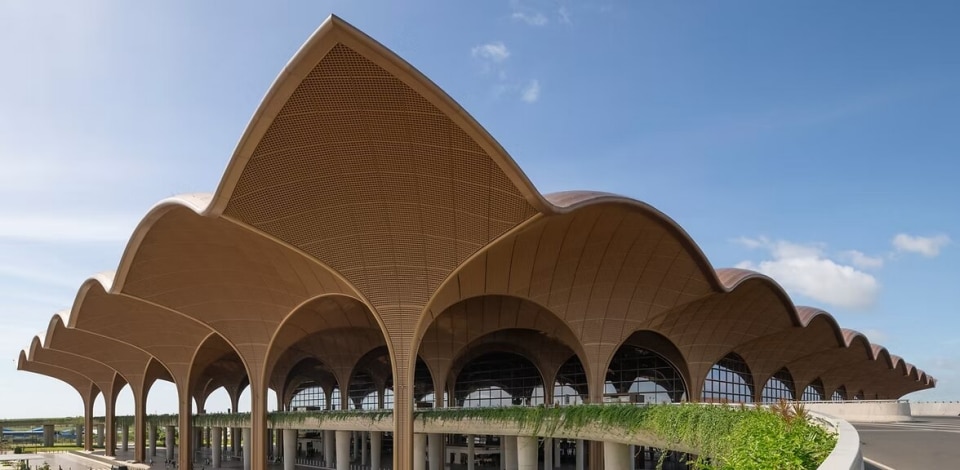
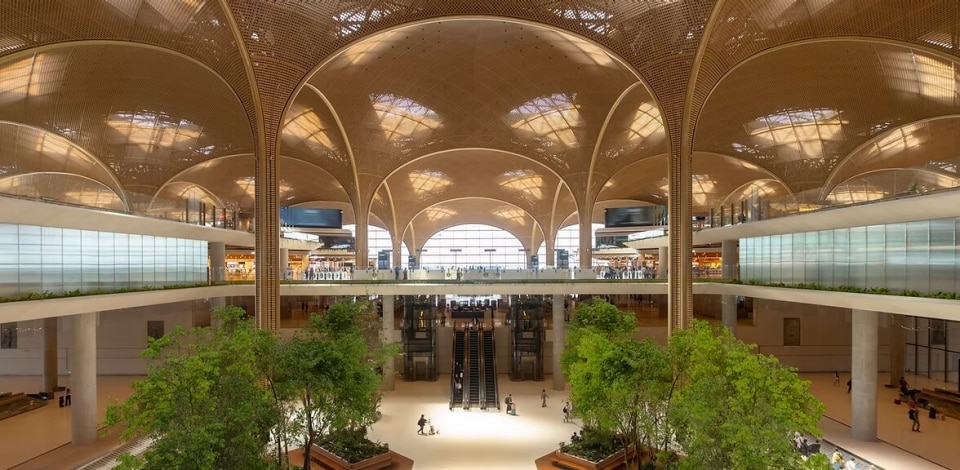
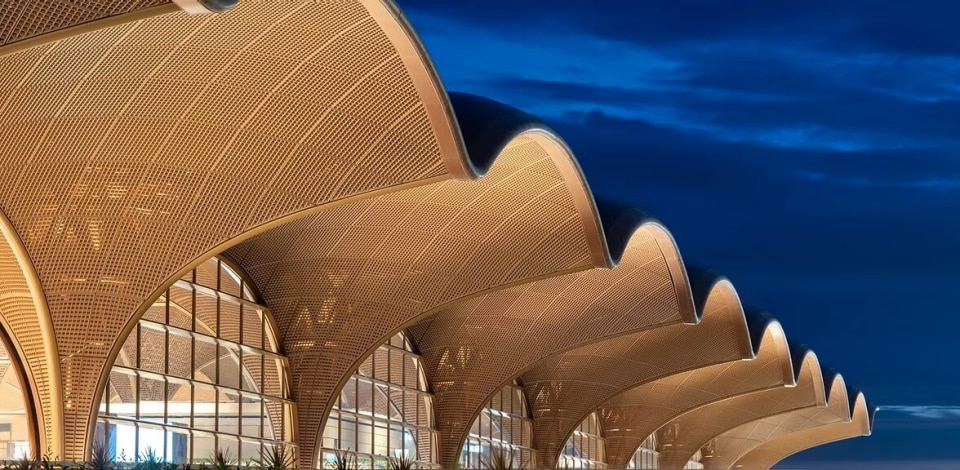
Two projects are featured in India. Terminal 2 of Lokpriya Gopinath Bordoloi International Airport in Guwahati, designed by Nuru Karim, incorporates over 140 tons of traditional bamboo into a structure that blends contemporary infrastructure and local craftsmanship, drawing inspiration from the bamboo orchid and the landscapes of Assam. Terminal 1 of Navi Mumbai International Airport, designed by Zaha Hadid Architects, develops the theme of the lotus flower through the large, fluid roofs and plastic geometries that characterize the studio’s signature language.
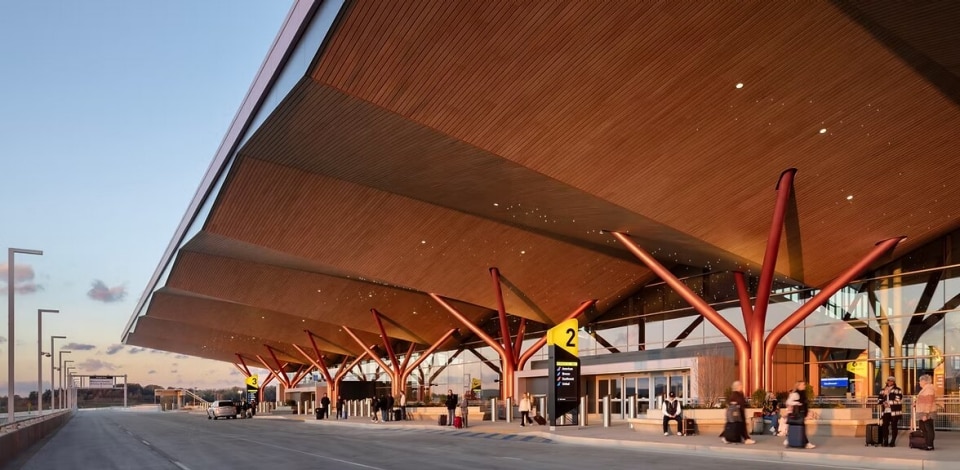
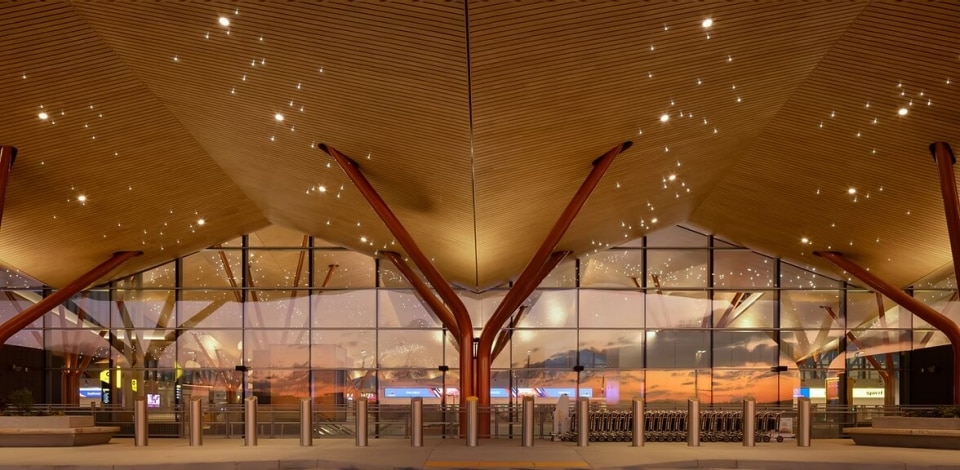
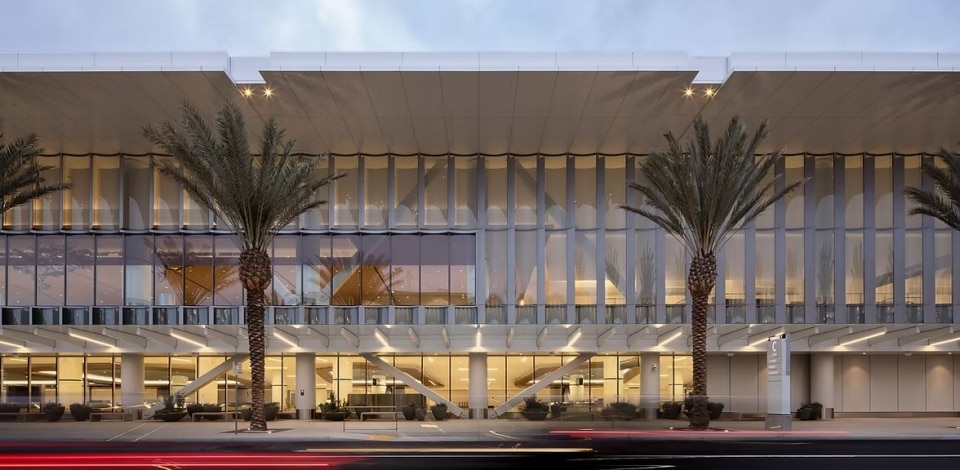
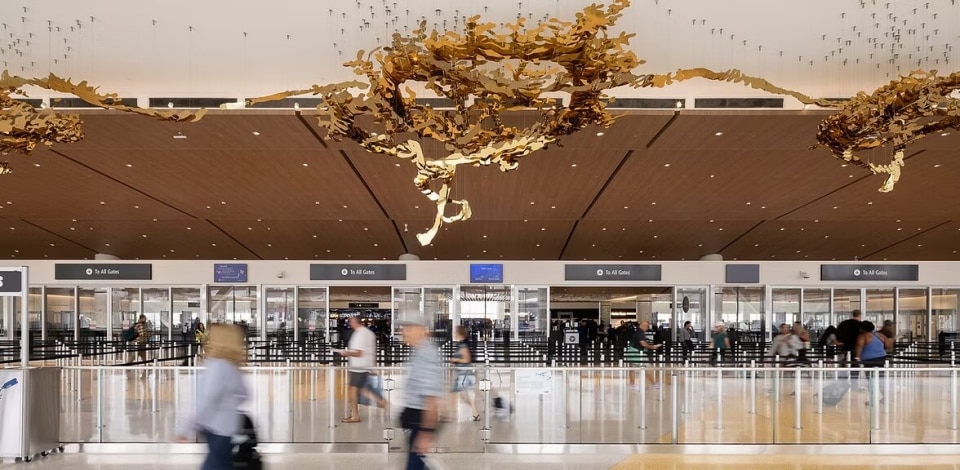
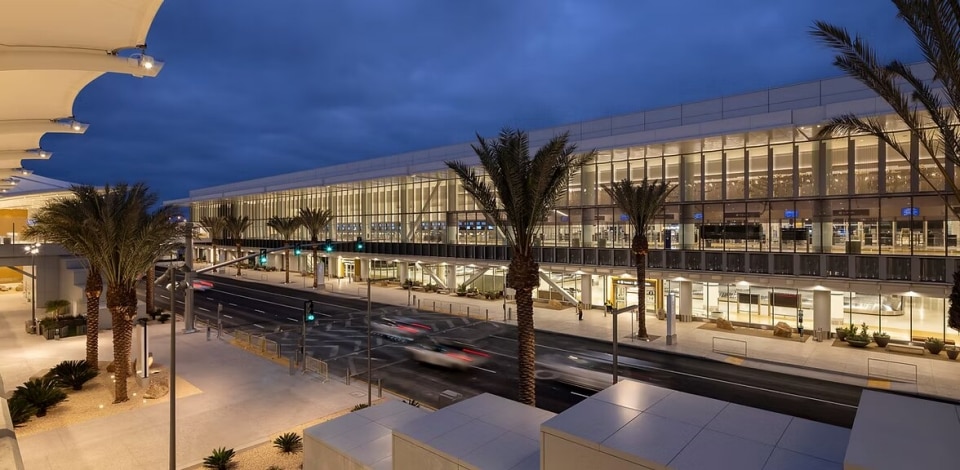
The United States also appears twice in the selection. In Pittsburgh, the new terminal designed by Gensler, HDR and Luis Vidal + Architects stands out for its large, undulating roof inspired by the Allegheny Mountains; in San Diego, the renovated Terminal 1 relies on a 244-meter-long curved glass facade that maximizes natural light intake and helps reduce the building’s carbon footprint by 30%.
In Cambodia, the awarded project is the new Techo International Airport in Phnom Penh, designed by Foster + Partners: a sort of open-air temple nestled in dense tropical vegetation with native trees, local palms, 200 handcrafted sculptures and a monumental bronze statue of the Buddha.
“Today, airports can no longer be considered mere transit spaces: they are becoming attractive stages and emblems of the economic, cultural and social dynamics that will shape the societies of the future,” stated Jérôme Gouadain, General Secretary of the Prix Versailles. Indeed, the Prix Versailles selection offers an insight that goes far beyond aesthetic considerations. The use of local traditions, the integration of vegetation and biophilic principles, the search for large, bright and legible public spaces, and the use of passive strategies to reduce energy consumption are some of the themes shared by the seven winning projects.
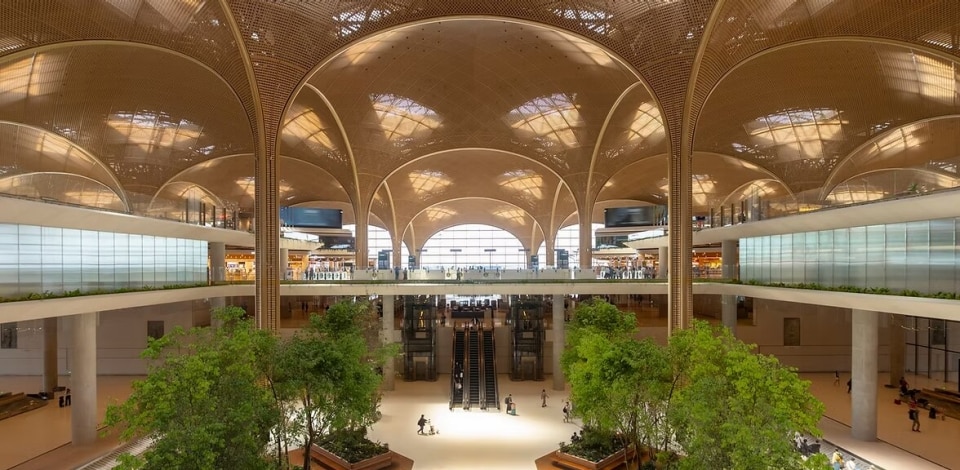
From the bamboo orchid that inspires the Guwahati terminal to the Navi Mumbai lotus, through to references to Guangzhou’s Lingnan culture, the Cambodian landscape and the mountains of Pennsylvania, all the selected projects attempt to condense a recognizable image of the place they represent into a single piece of architecture. This is perhaps the most evident trend to emerge from the 2026 edition of the award: the airport not as a neutral, global space, but as a built narrative of local identity.