

“For me, an image only exists once it’s printed. Everything else is just data.” Karin Kaufmann, Art Director and Chief Representative of the Leica Galleries, starts from the need to restore a tangible presence to photography. In a context where images have become a flow—immaterial, endless, and unstable—the historic German optics company has spent the past two decades constructing a counter-narrative grounded in the physicality of images and the relationships that sustain them.
This is not just an aesthetic preference. It is a strategy. Over more than a century, Leica has redefined its role: from camera manufacturer to cultural platform. And while its myth began in 1925 with the first portable 35mm camera, today it is reinforced through a network of spaces—the Leica Galleries—that function less like traditional galleries and more like brand infrastructure.
With 27 locations worldwide and around 150 exhibitions each year, Leica’s gallery system is a systemic presence. It doesn’t simply participate in the discourse on photography—it helps structure it from within, selecting which images can aspire to a stable, shared form.
A cultural infrastructure
“Quality, technology, optics, design, and a culture of photography.” This is how Kaufmann summarizes the “Leica recipe”: a combination that brings together engineering and imagination, and explains the brand’s longevity—its ability to speak both to iconic photographers and to a wider audience of enthusiasts.
The brand’s genealogy is well known—Henri Cartier-Bresson, Robert Capa, Elliott Erwitt, Steve McCurry—but what matters today is how this legacy continues to be activated.
The Leica community is no longer made up only of photographers, because today everyone is a photographer.
Karin Kaufmann, Art Director and Chief Representative of the Leica Galerie
After the crisis and relaunch in 2004 under the Kaufmann family, Leica began a repositioning that also passed through culture. The galleries, until then marginal, became central.
Kaufmann, who took over their direction in 2008, describes an initially fragile context: “Photography galleries were in New York, not in Europe.” In a market that struggled to recognize their potential, the choice was between closing them or betting on transformation.
The experiment worked. From the first gallery opened in Wetzlar in the 1970s, the model has expanded into an international network. “Today we organize around 150 exhibitions a year. That’s a statement about the power of photography.”

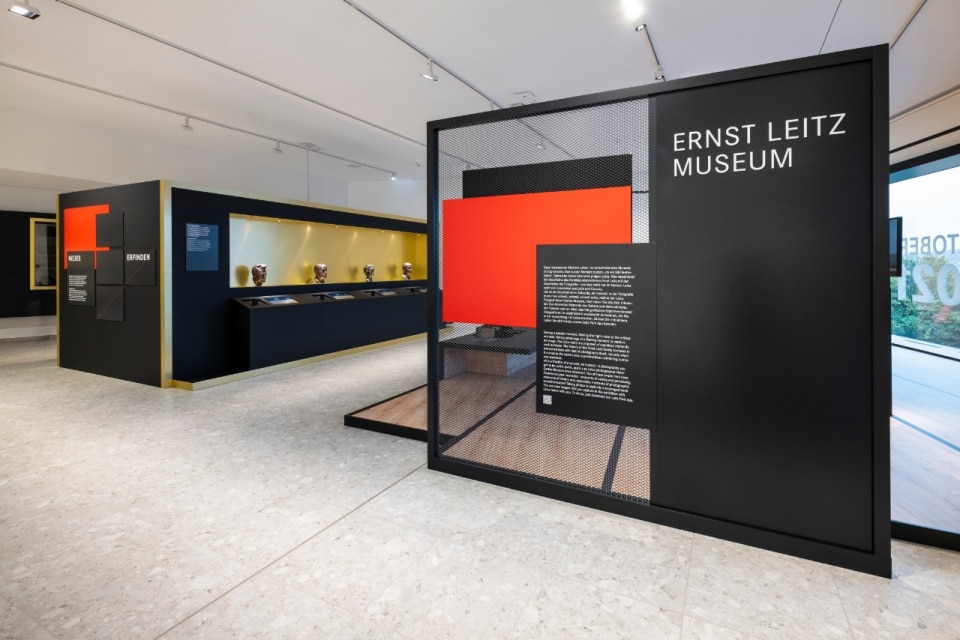
Around the galleries, Leica has built an essential ecosystem that brings together exhibition, recognition, and cultural production—from the Ernst Leitz Museum to the Leica Oskar Barnack Award. A system that, in its efficiency, also tends to close in on itself, reinforcing a coherent and selective vision of contemporary photography.
A global network, locally rooted
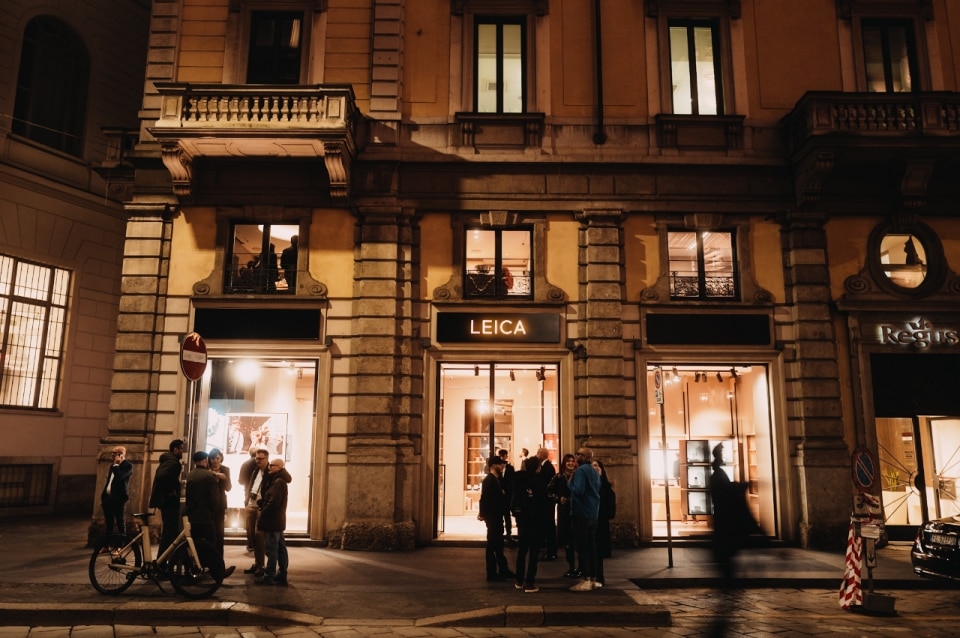
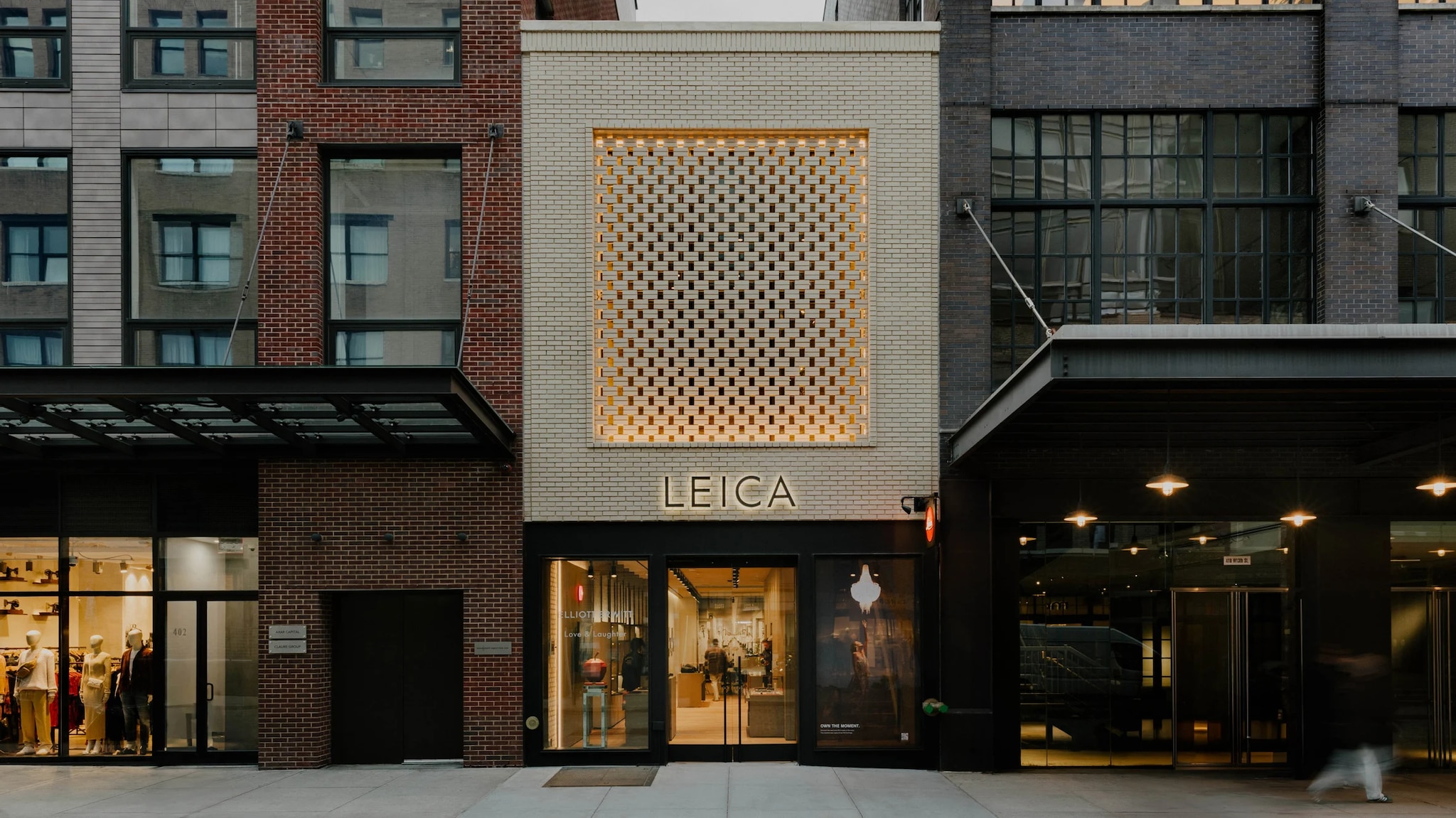
Leica Galleries continue to expand—across Europe, the United States, and Asia—without ever replicating themselves in identical ways. In Milan, Leica Camera Italia overlooks the Duomo; in New York, the flagship store sits in a former meat market in the Meatpacking District; in Shanghai, it engages with an urban scene shaped by new luxury collectors.
And yet something remains constant: “Each gallery is recognizable, but different. You need to maintain a local identity, but the common thread is the quality of the images.”
Rather than exporting content, Leica focuses on local embedding—building relationships with each context and engaging with local scenes. Programming reflects this tension: major names coexist with lesser-known authors, while the Leica Oskar Barnack Award becomes a living archive.
 View gallery


Each gallery develops its own annual program, later shared centrally. “At the end of the year I review them all, and I rarely intervene,” says Kaufmann.
The galleries become proximity devices: nodes where micro-communities take shape within a defined perimeter, where autonomy coexists with a strong coherence of vision.
Physical space as a statement
At a time when traditional photography stores are disappearing and photography is increasingly mediated by screens and platforms, Leica invests in physical spaces. An apparently anachronistic choice—but one that is fully consistent with its narrative.
“You can’t build a community online alone,” Kaufmann emphasizes. “You need to meet people, talk to them.”
You can’t build a community online alone. You need to meet people, talk to them.
Karin Kaufmann, Art Director and Chief Representative of the Leica Galerie
Leica Galleries are hybrid spaces where the relationship with the photographic object continues before and after purchase. They are not institutions in the strict sense, but they adopt some of their functions; they are not purely retail, yet they contribute to the product’s value.
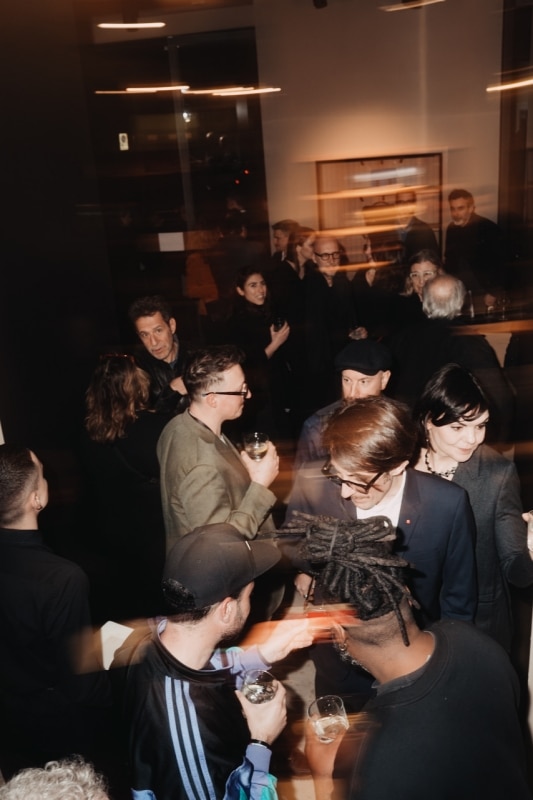
This hybridization is also a way to maintain direct control over the brand. “With retailers, you can’t control the brand,” Kaufmann explains. The exhibition space thus becomes a device that legitimizes the brand through culture, while culture itself is fully mediated by the brand: no longer just a place where photography is shown, but one of the few spaces where it can exist outside the noise of the digital.
Photography as community
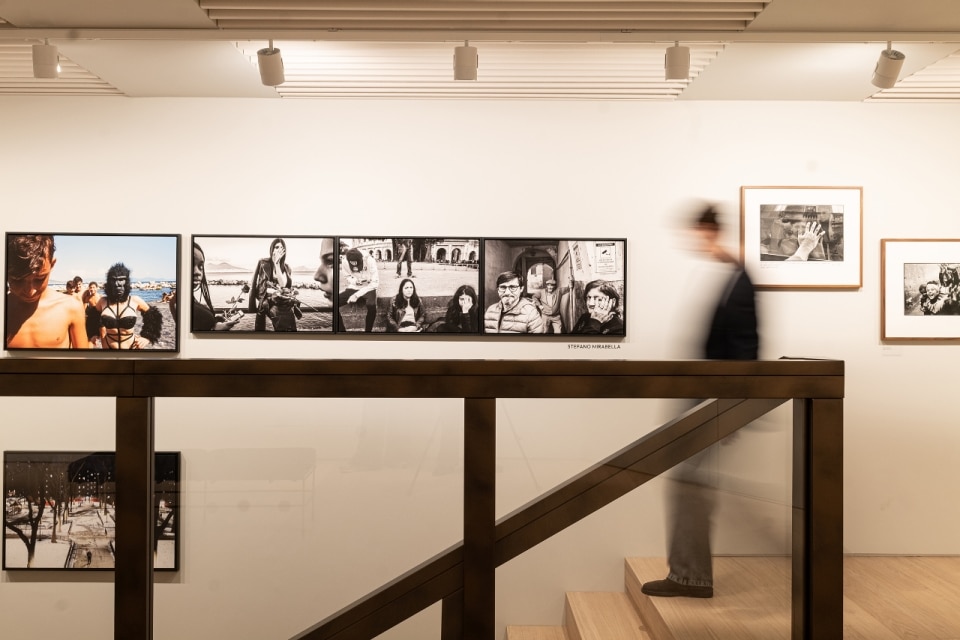
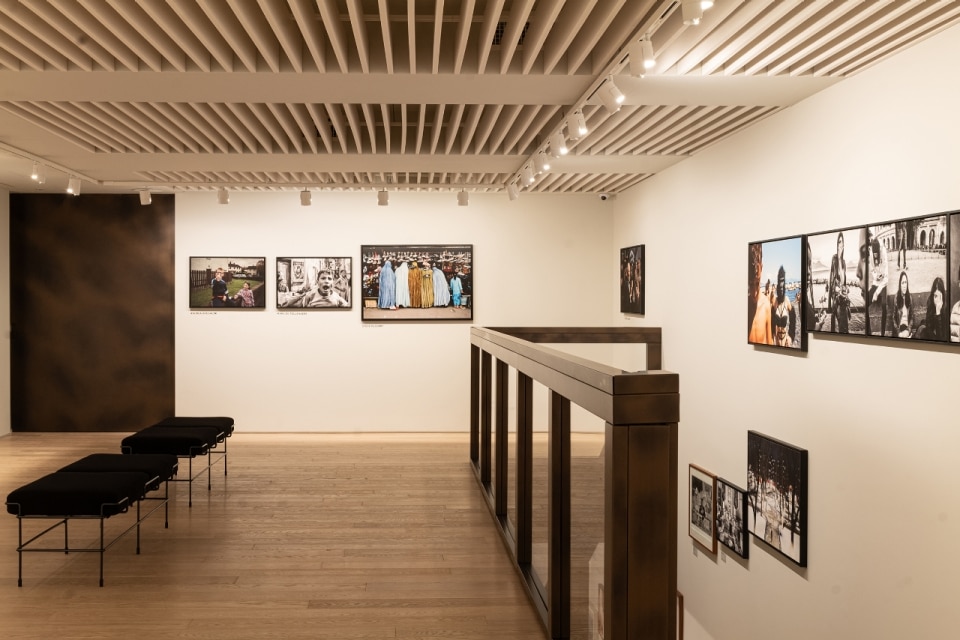
“When an image is on a wall, it becomes a fact.” This insistence on print is also strategic: restoring stability to an image that, in digital form, has become unstable.
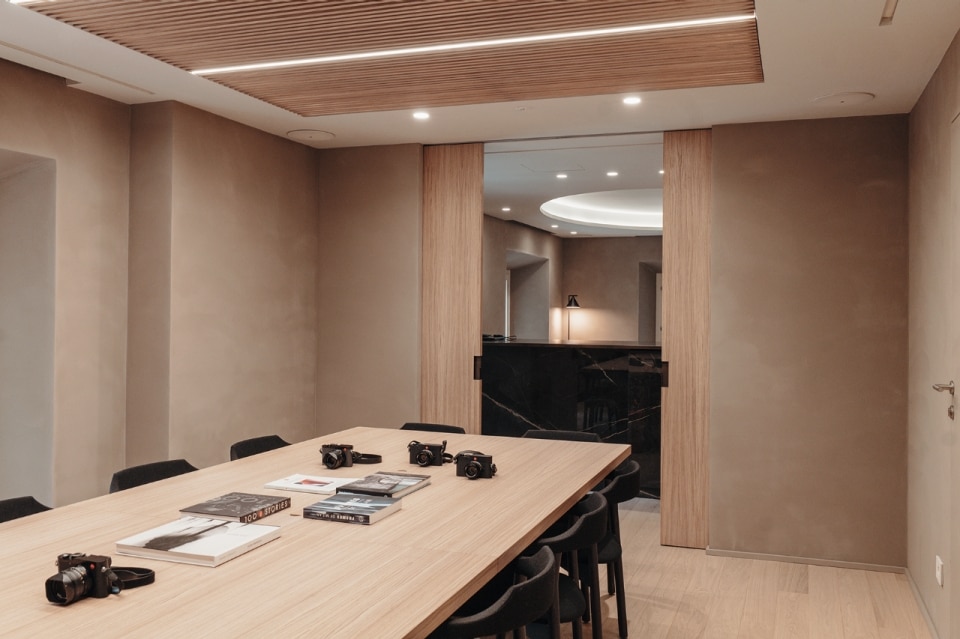
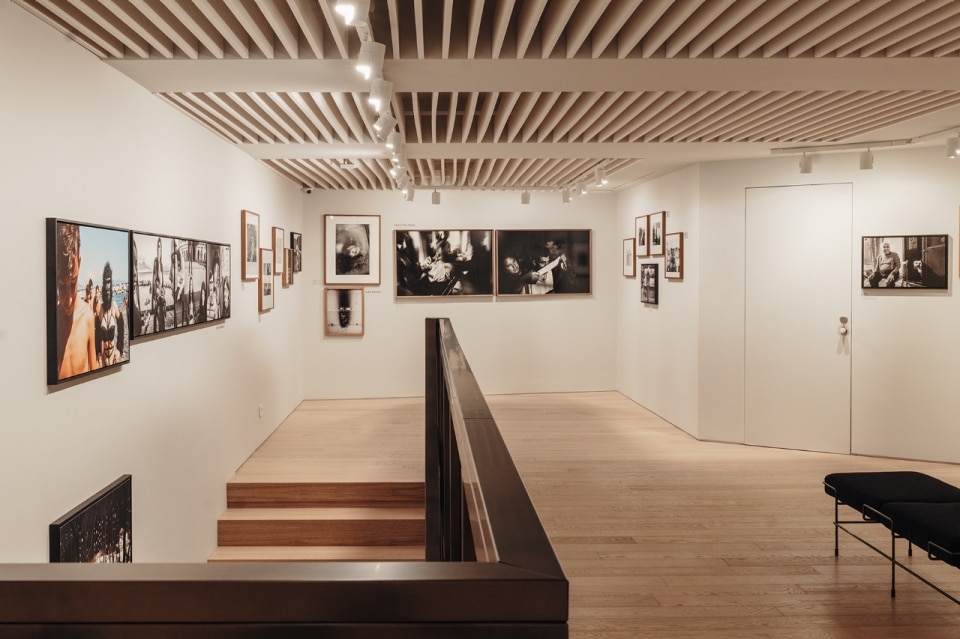
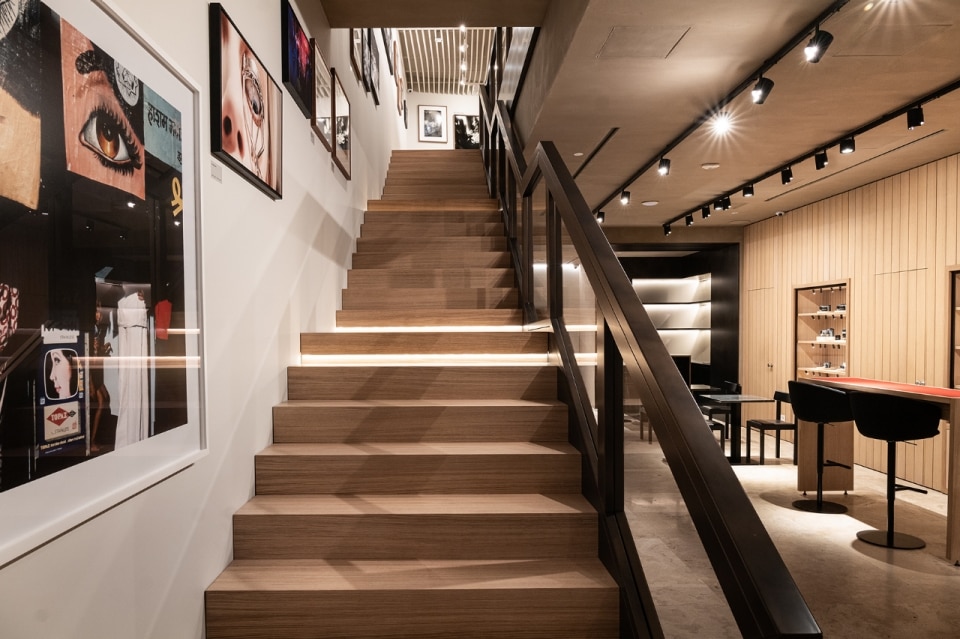
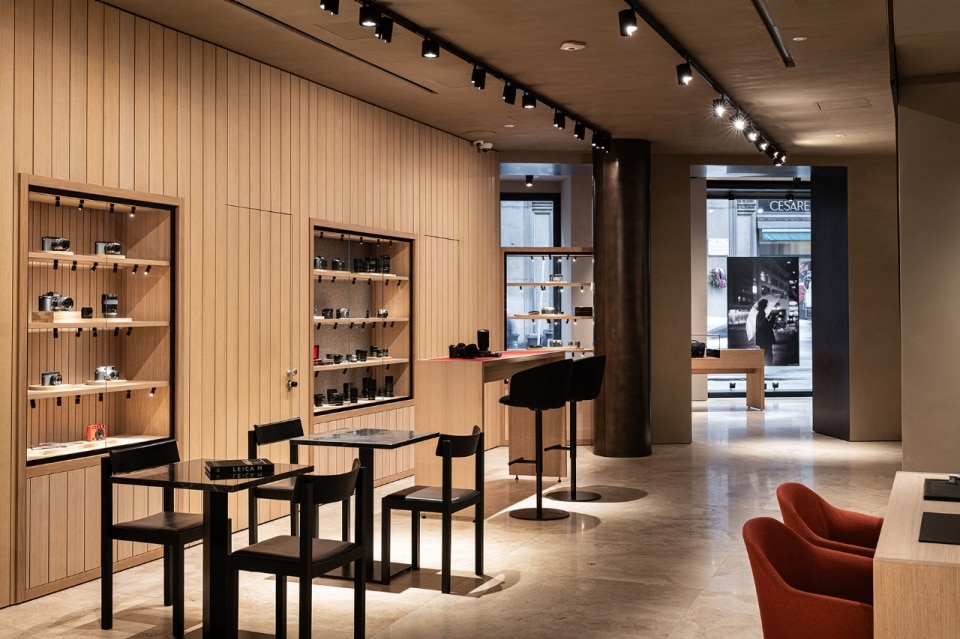
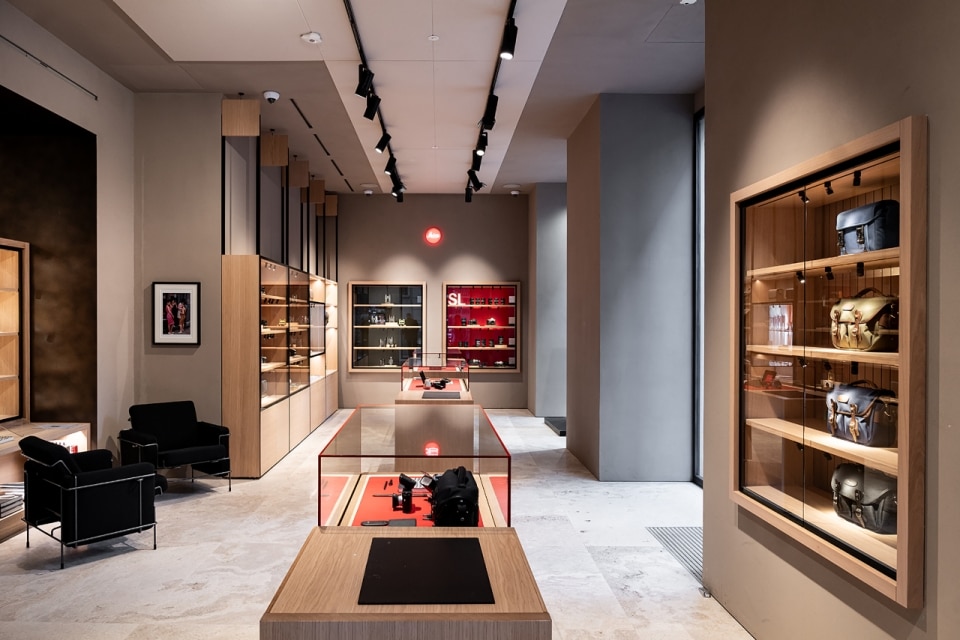
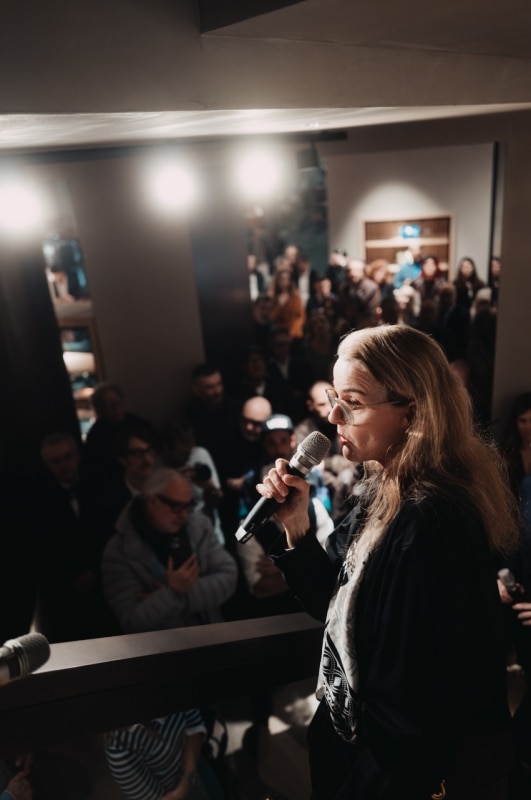
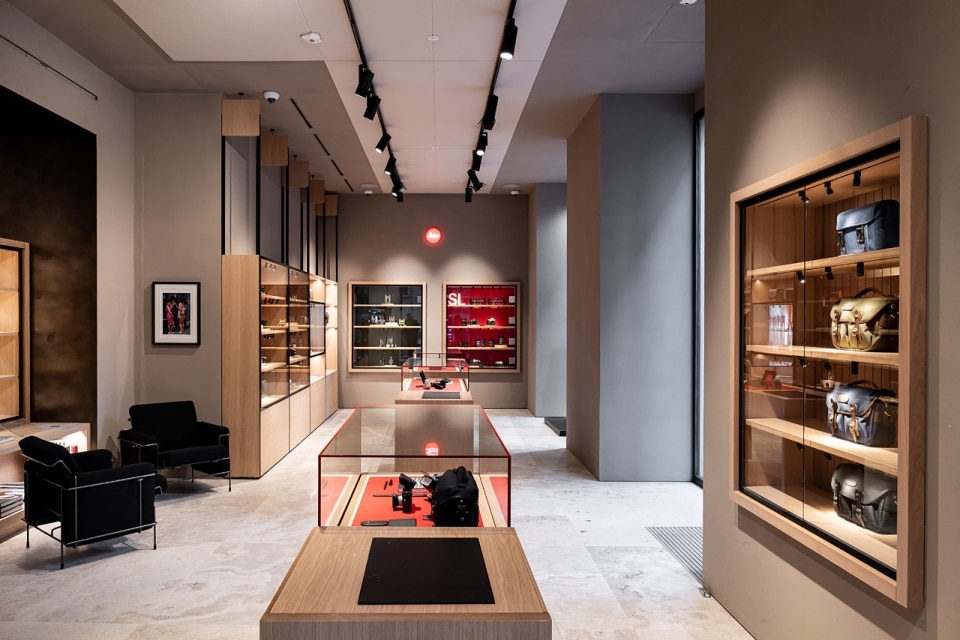
At the opening of Leica’s space in Milan, this physical dimension becomes tangible. Near Piazza Duomo, the space is minimal, organized as a fluid sequence between exhibition areas and places to pause. There is little design, and plenty of room left to the photographs.
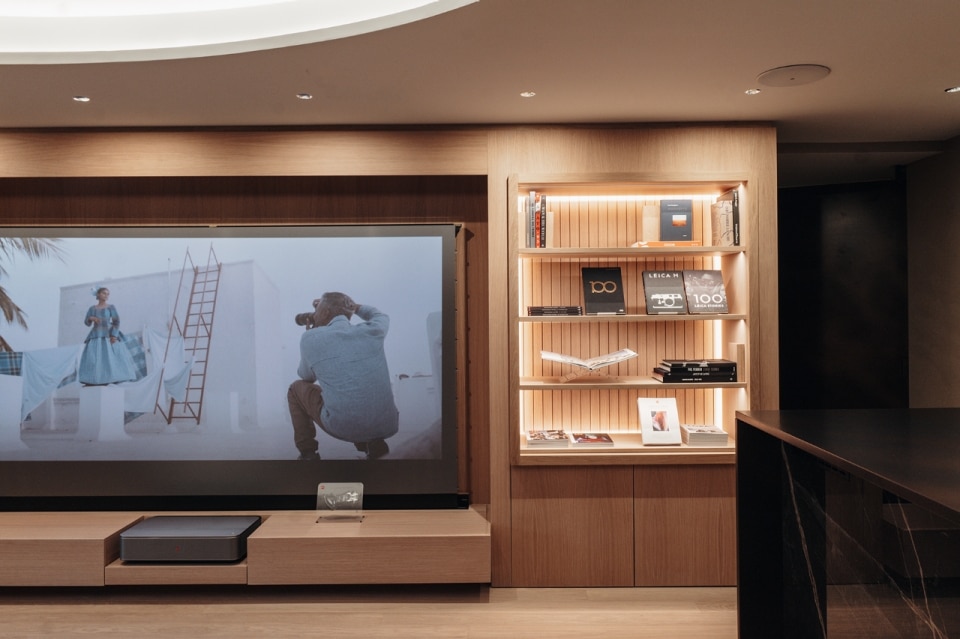
It is a place of permanence, filled with photographers—professionals and amateurs alike. Among them, Kaufmann mentions Paolo Pellegrin and Alex Majoli, alongside a broader constellation of authors.
“Everything is changing, but some things will remain.” The galleries do not oppose the digital—they create the conditions for a slower, more selective, shared experience.
“The Leica community is no longer made up only of photographers—because today everyone is a photographer,” Kaufmann says. What remains is the ability to tell stories. The exhibition space becomes the place where those stories take shape.
In this sense, the “Leica recipe” may not lie only in producing desirable objects, but in never losing sight of the community that moves through them—and in defining the context in which that community can exist.
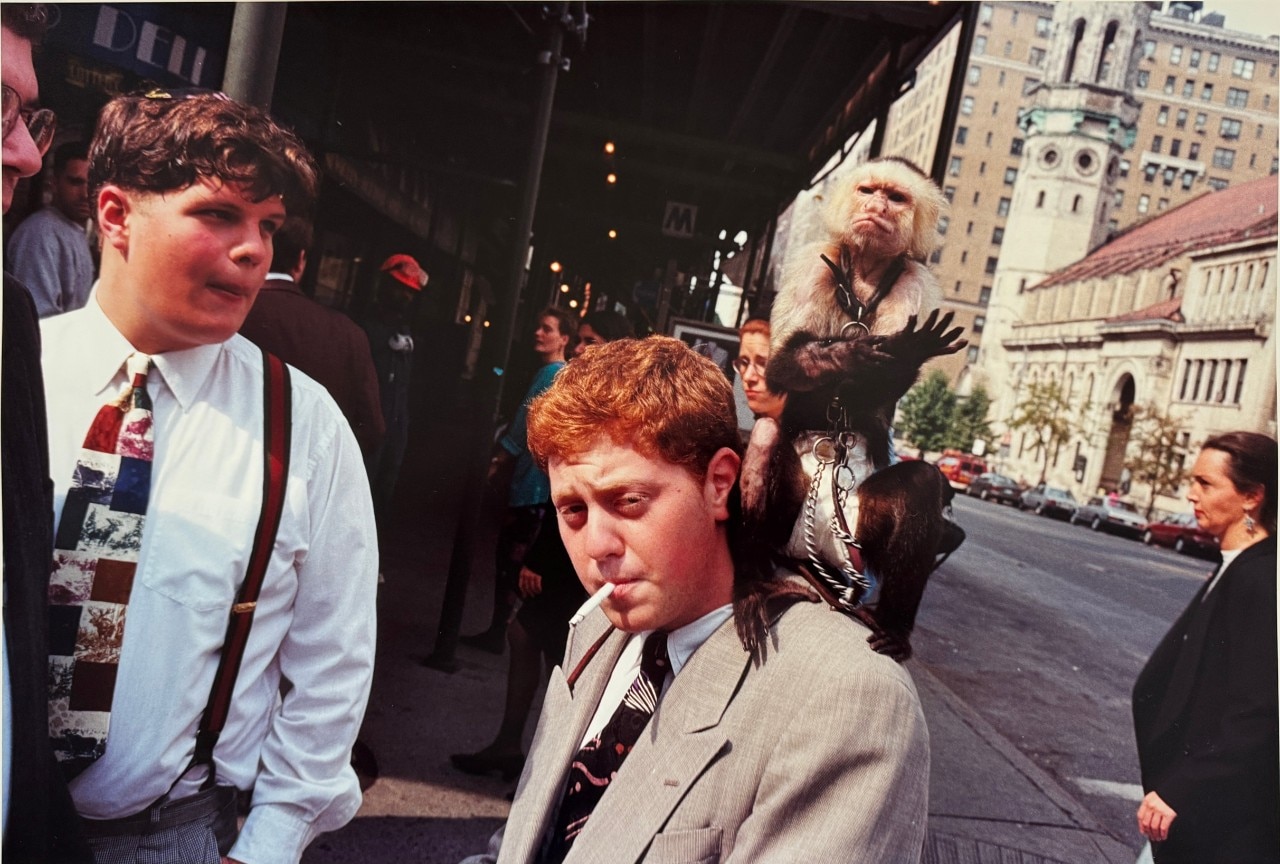
Opening image: Photograph from the exhibition Eyes on the street, Leica Store&Galerie Milano, 2026 © Jeff Mermelstein New York City, USA 1995