


For the FIFA World Cup, Levi’s was forced to remove its name from the stadium it had associated with its brand through a naming-rights deal worth more than $220 million. Yet in trying to neutralize the branding at Levi’s Stadium in Santa Clara—temporarily renamed San Francisco Bay Area Stadium—the opposite happened: the covered logo became even more recognizable.
There is one stadium that Levi’s, the American company that invented blue jeans, has tied to its name for at least two decades: Levi’s Stadium in Santa Clara, home of the San Francisco 49ers. Opened in 2014 in the heart of Silicon Valley, it is one of several American football venues hosting matches during the FIFA World Cup.
It’s a shame that this stadium, both inside and out, is literally covered in The problem for FIFA is that the stadium, inside and out, is covered with Levi’s branding, while Levi’s is not an official tournament sponsor. FIFA regulations require every venue to become a kind of “clean site” during the competition, free of unauthorized commercial branding. As a result, Levi’s Stadium was temporarily renamed San Francisco Bay Area Stadium, and references to the brand were concealed. Or almost all of them.
From the giant sign on the stadium façade to the many branded details throughout the venue, Levi’s did not truly make its identity disappear. Instead, it hid it in plain sight. The company’s famous Batwing logo—the red, bat-wing-shaped emblem that has defined the brand since 1967—was covered with a white panel that perfectly preserved its silhouette. The name vanished, but the shape remained instantly recognizable, making visible precisely what was supposed to be invisible.
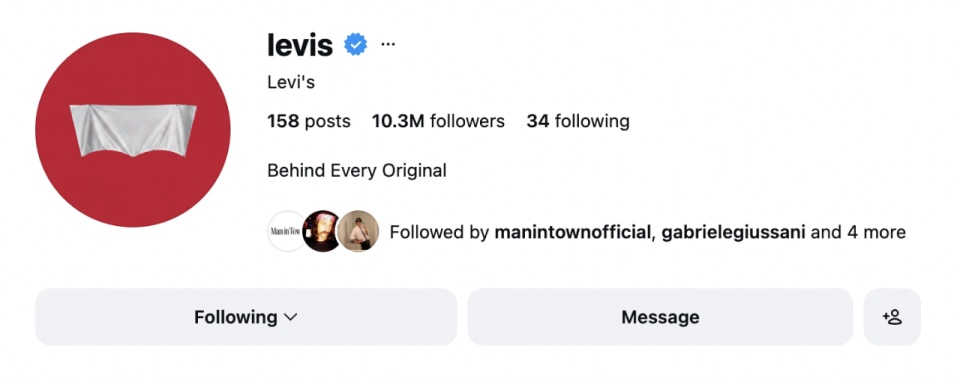
Images of the covered logo quickly spread across social media and international news outlets, turning a regulatory requirement into what may be the World Cup’s most effective piece of unintended marketing so far. Levi’s even embraced the paradox, replacing its logo across its own social media channels with the same “obscured” version seen on the stadium.
It is an accidental reminder of the power of visual identity: when a brand becomes strong enough, showing its absence is sometimes all it takes for people to keep seeing it.