

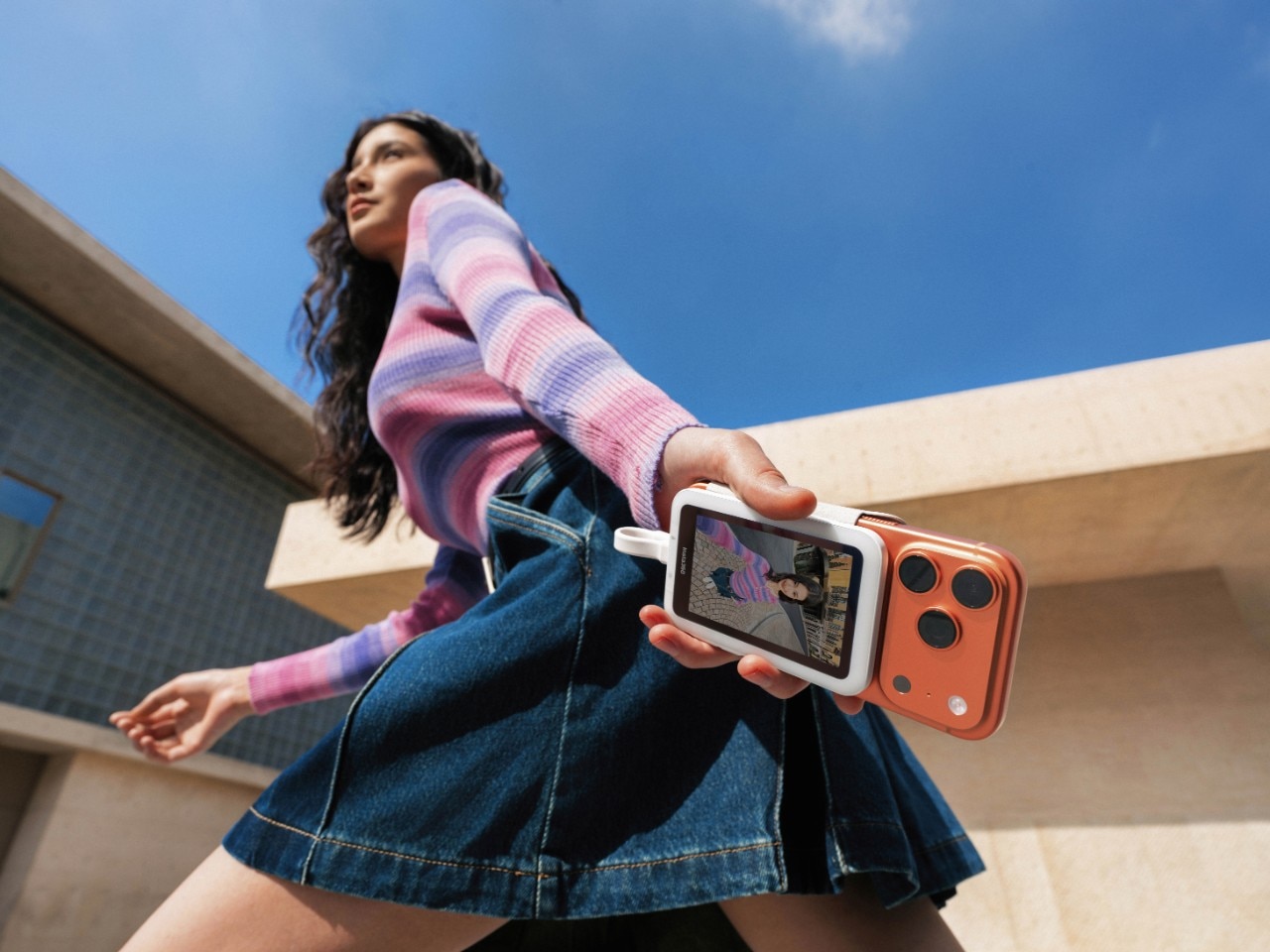

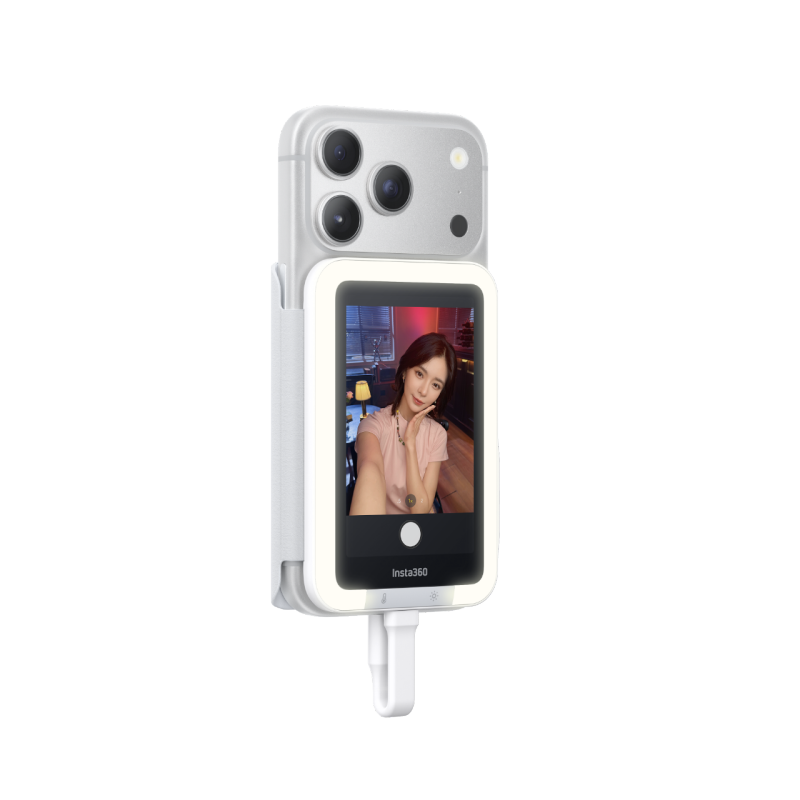
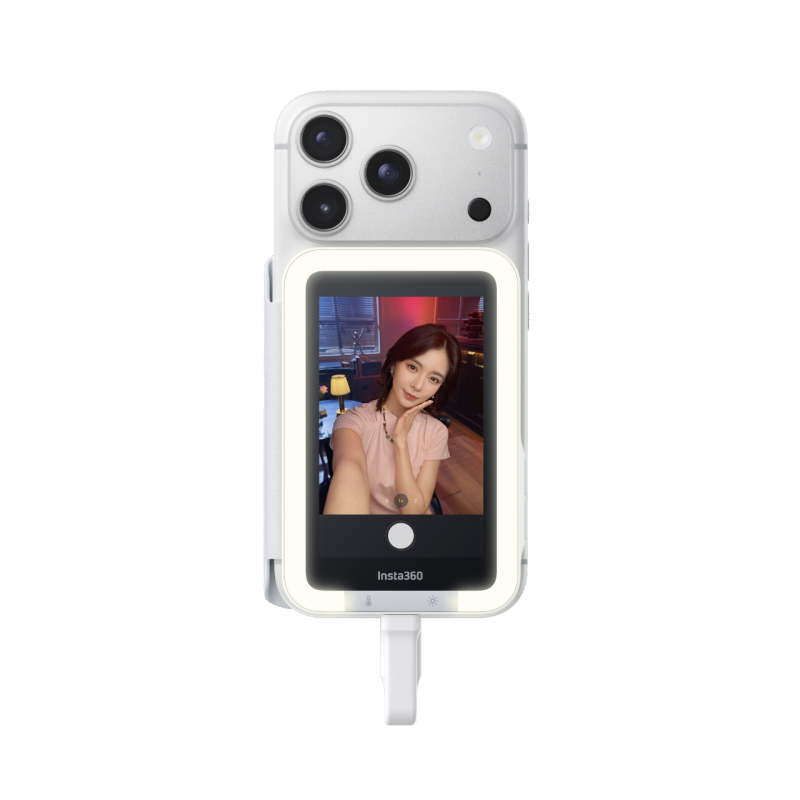
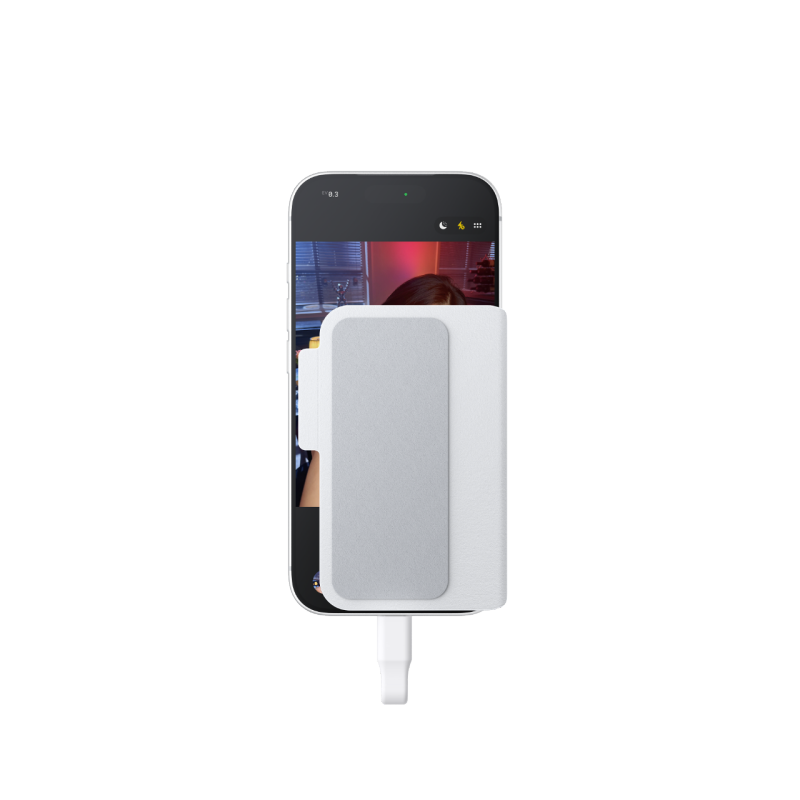
Insta360 has introduced Snap, a small magnetic display designed to solve a structural limitation of smartphones: the inability to see yourself while using the rear camera—the one with the best image quality.
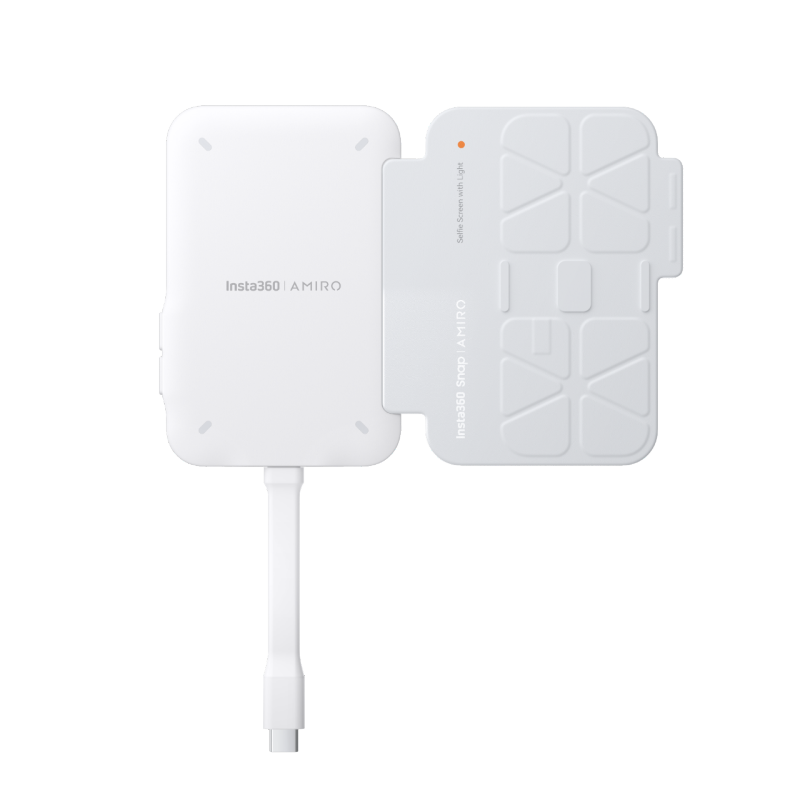
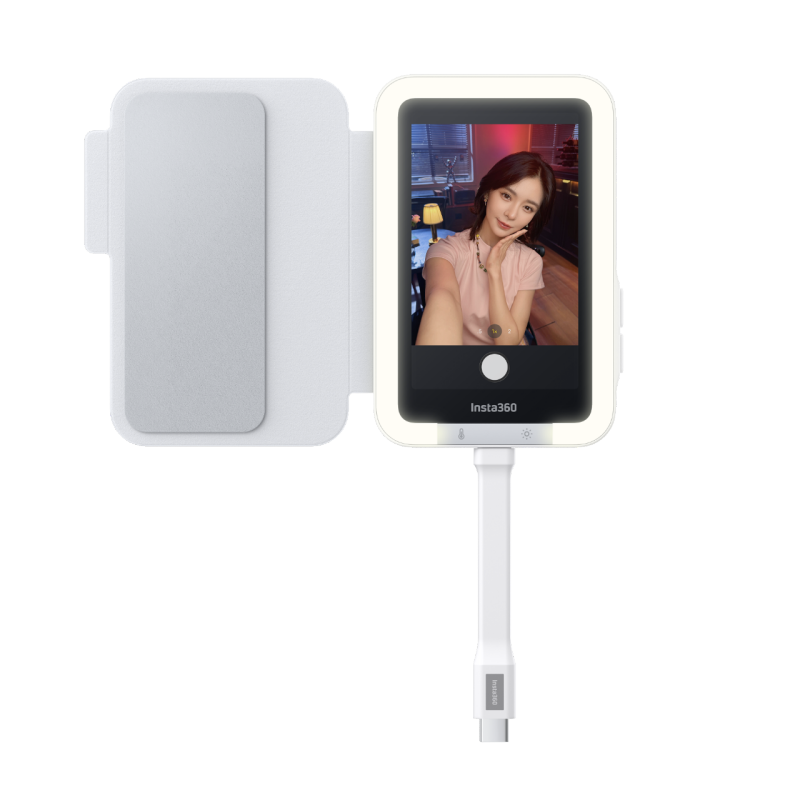
The device connects via USB-C and attaches to the back of the phone, mirroring the smartphone interface in real time. This allows users to frame themselves using the main sensors, avoiding the typical compromise of the front-facing camera.

The idea is simple, almost obvious: bring the screen where it’s needed instead of turning the device around. And it’s precisely this simplicity that makes it interesting. Snap doesn’t introduce a new camera or a new app; instead, it fits into an everyday gesture—the selfie—correcting a technical limitation.
In practice, however, this immediacy is only partial. After an initial setup phase, the system works as expected—it connects and operates without much friction—but there’s still the sense of holding an added object rather than something fully integrated. The cable, the magnetic module, the case: everything contributes to an experience that is never completely invisible.
More than changing the way we take selfies, Snap makes explicit a tension already embedded in today’s smartphone: between immediacy and control.
The design also shows some uncertainty. The magnetic attachment is quick but not always precise, and the case—meant to prevent accidental touches—doesn’t always succeed: it’s easy to trigger unwanted functions simply by holding the phone. Over time, typical issues of still-maturing products also emerge, such as inconsistent touch responsiveness on the secondary display.
From a technical standpoint, the choice of a wired connection almost completely eliminates latency (around 30 ms), avoiding the issues of wireless solutions. This makes Snap suitable for video and high-resolution recording, where preview delay becomes critical.
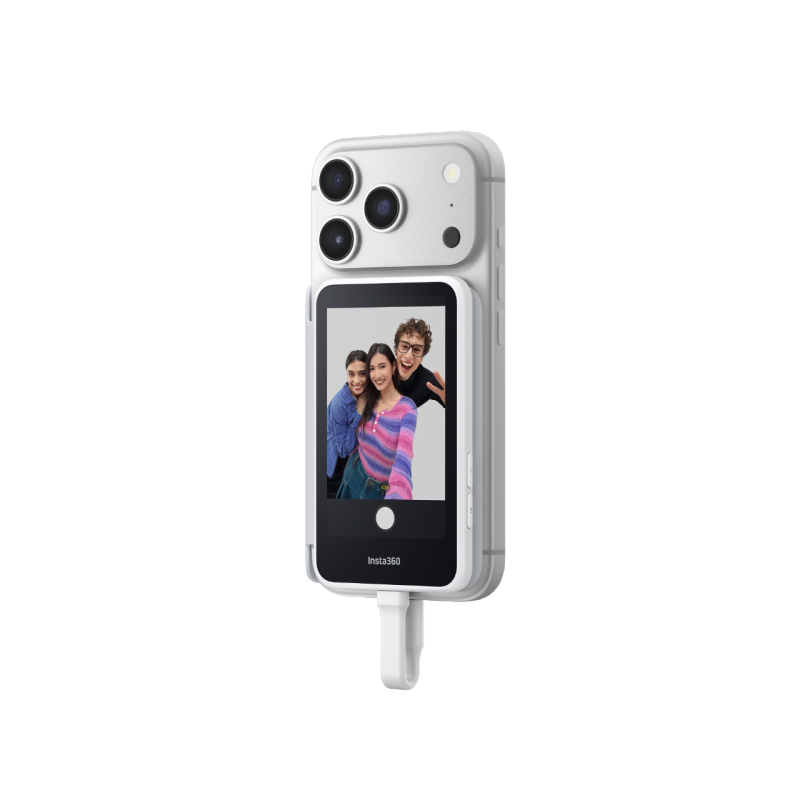
And this is where the device shows its strongest side. The results are convincing: using the rear camera—especially with wide-angle lenses or with the support of integrated lighting and adjustable color temperatures—allows for more controlled images and, in some cases, visibly better results.
But this improvement is not universal. On high-end smartphones—such as the latest iPhone Pro models—the advantage over the front-facing camera becomes less noticeable in everyday use. Snap makes more sense in specific contexts: video production, structured social content, or when using focal lengths that are usually excluded from selfies.
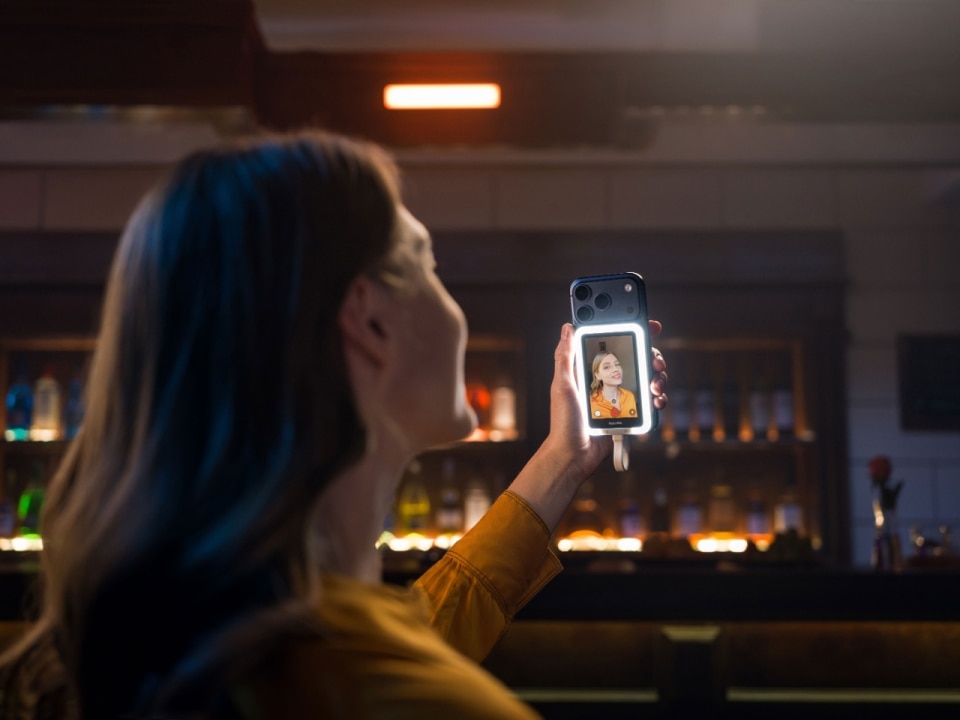
This is where the product’s true positioning emerges. More than an accessory for everyone, Snap seems designed for those who use their smartphone as a working tool: creators, vloggers, influencers. For the average user, the friction introduced by the device may outweigh its benefits, potentially leading to it being abandoned after the first few weeks.
More than changing the way we take selfies, Snap makes explicit a tension already embedded in today’s smartphone: between immediacy and control. On one side, the promise of quality and precision; on the other, the loss of the spontaneity that made the selfie a universal gesture.
And perhaps this is the real point. Snap is less a definitive solution than a clue: to truly improve the photographic experience, the next step won’t be adding accessories, but rethinking the device itself.