


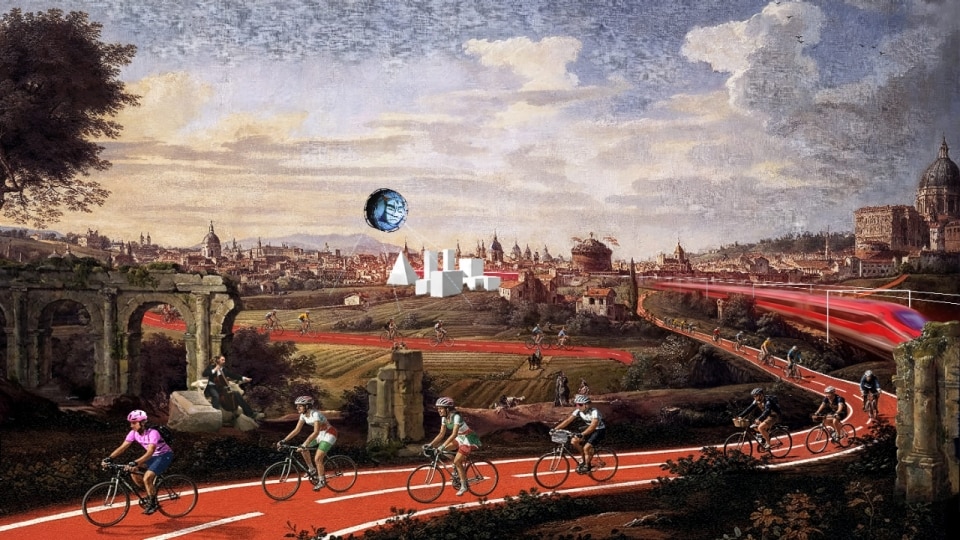
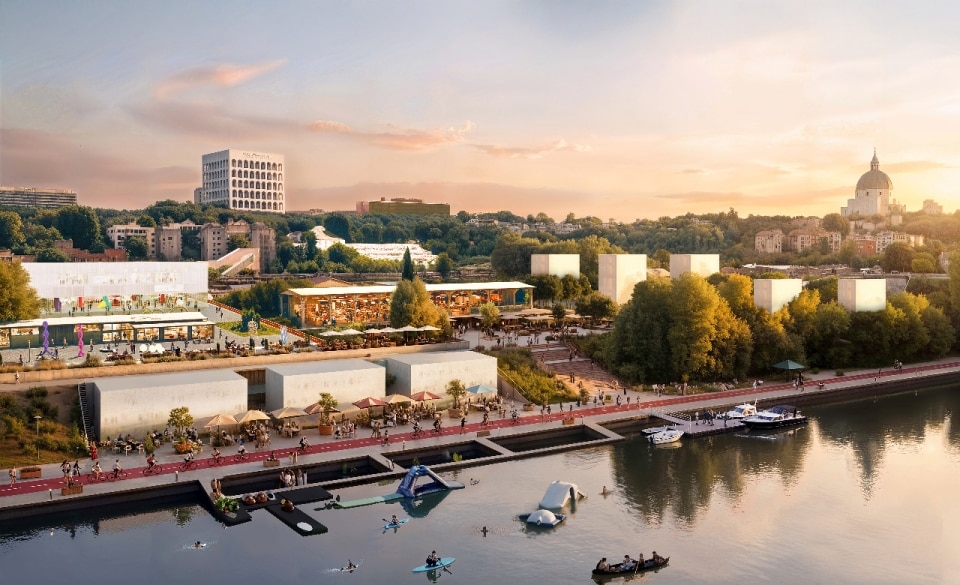
Developed by a group led by OMA and IT’S alongside partners including LGSMA, Okra, Net Engineering and others, RomaContinua was selected as the winner of the international ideas competition “Vision for Rome”, promoted by the Fondazione Roma REgeneration to gather design strategies capable of reshaping the future of the capital through sustainability and urban innovation.
At the core of the proposal is a vision of a city layered by centuries of history that, in the long term, moves away from additive expansion and instead embraces urban recalibration based on existing structures, vacant spaces, and untapped potential. This approach aligns with OMA’s long-standing urban research—from the reflections on the diffuse city in "S,M,L,XL", to more recent territorial plans such as Melun-Sénart and Euralille—understanding cities as complex, polycentric, interdependent systems to be rebalanced through infrastructure connections, adaptive reuse, and targeted interventions, as well as strategic management of voids and landscape.
In the words of OMA Managing Partner David Gianotten: “Our visionary project radically challenges the very meaning of growth for a contemporary city deeply shaped by history, culture and power. We are extremely honoured to have collaborated with a global, interdisciplinary team to translate diverse expertise into a unified vision: a vision that offers a model for adding new layers capable of promoting social, environmental and economic sustainability, whilst preserving identity, fostering transformation and encouraging innovation. By realigning infrastructure, nature and reuse, we aim to create the conditions for Rome to continue evolving according to its own dynamics over the next 25 years”.
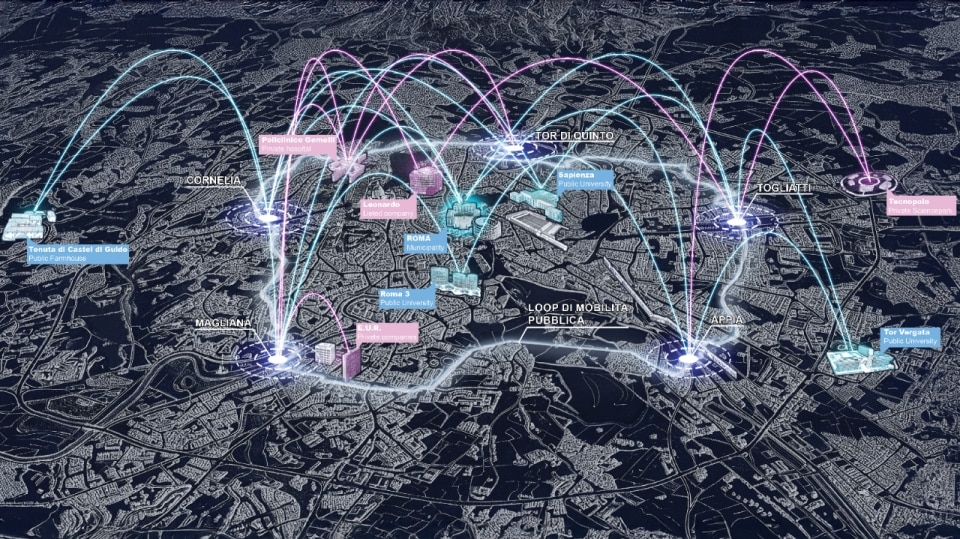
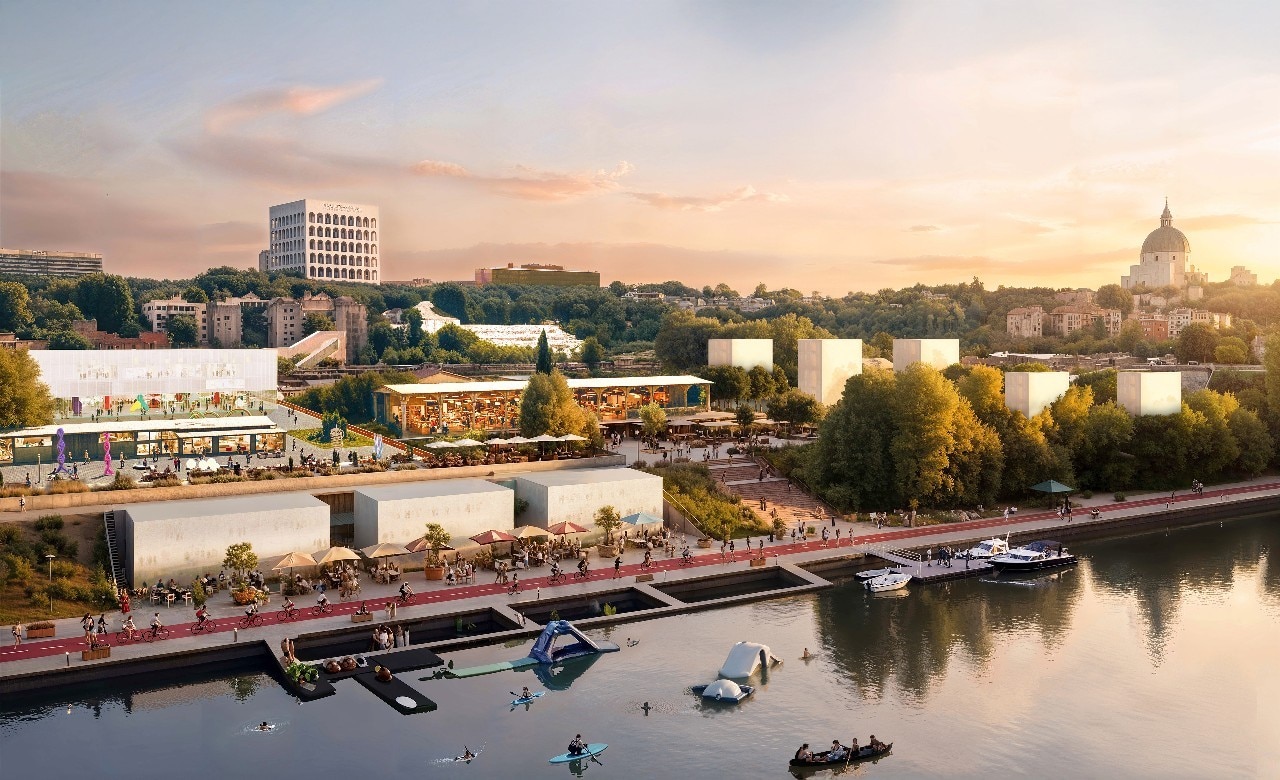
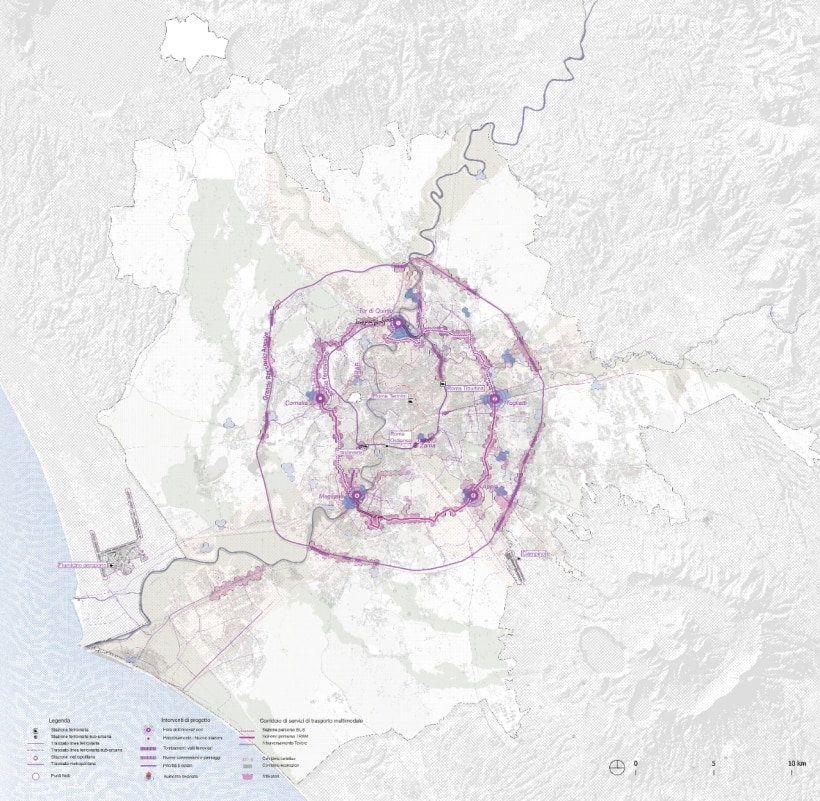
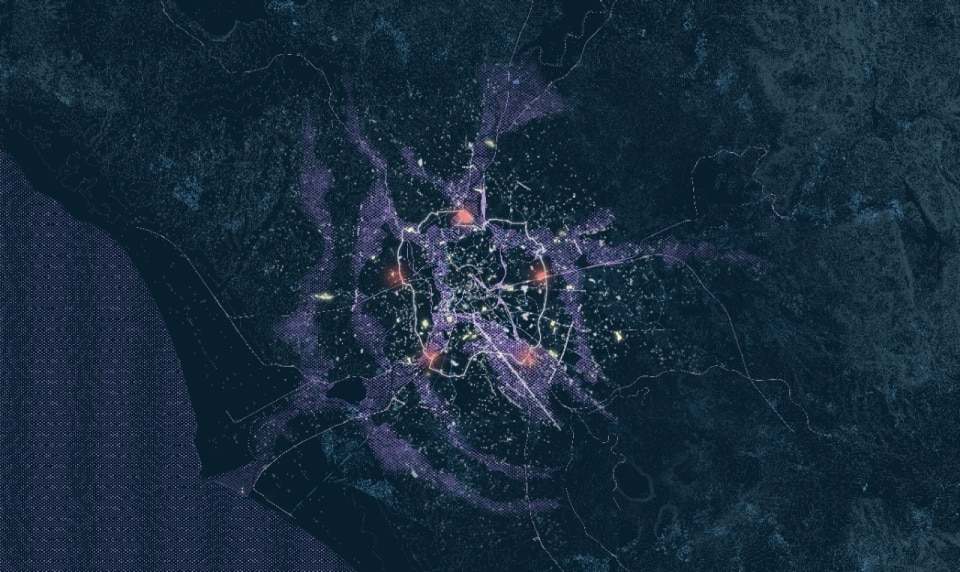
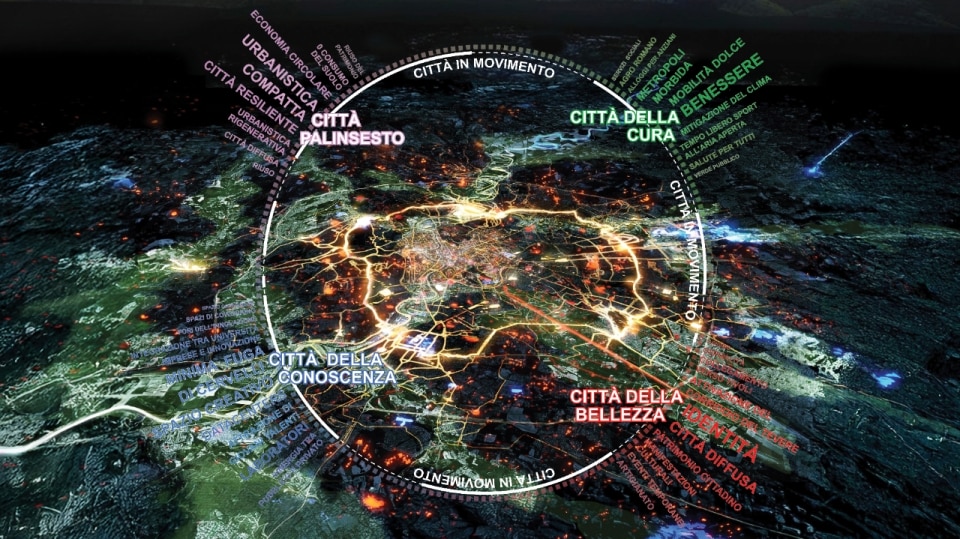
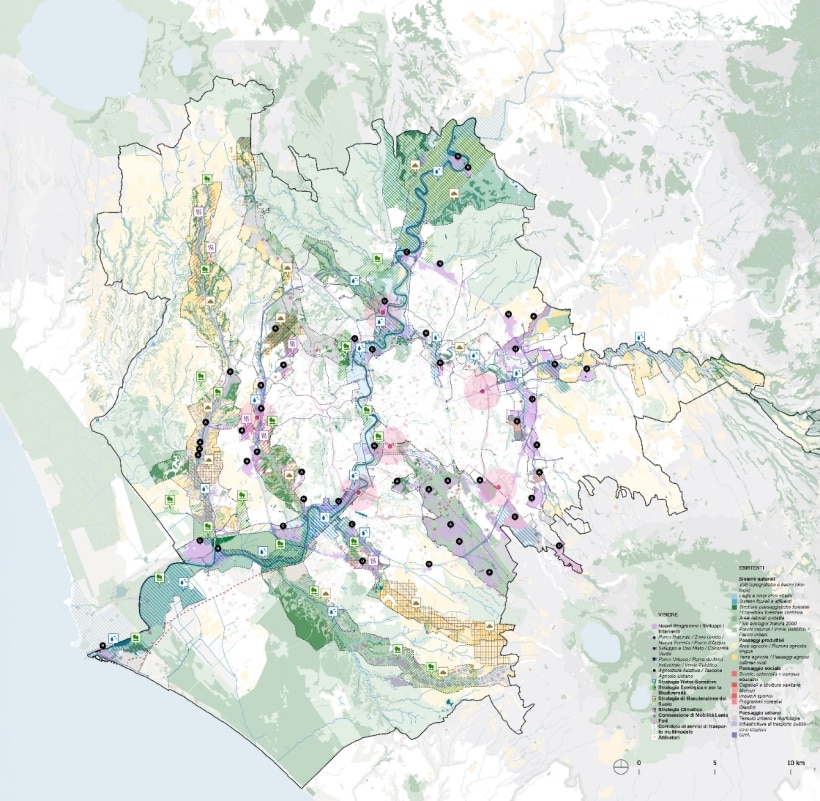
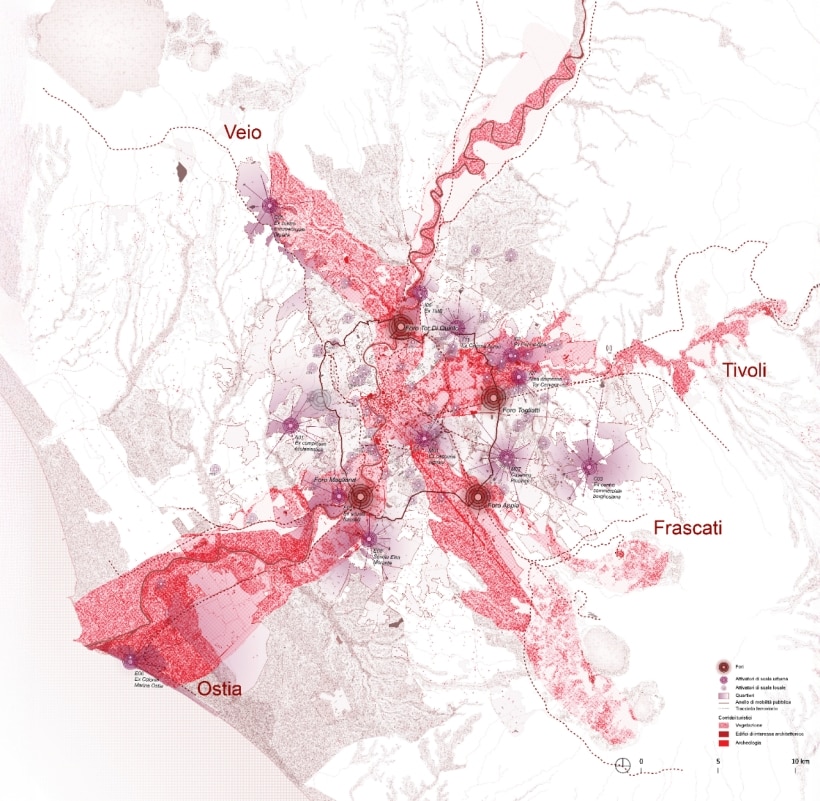
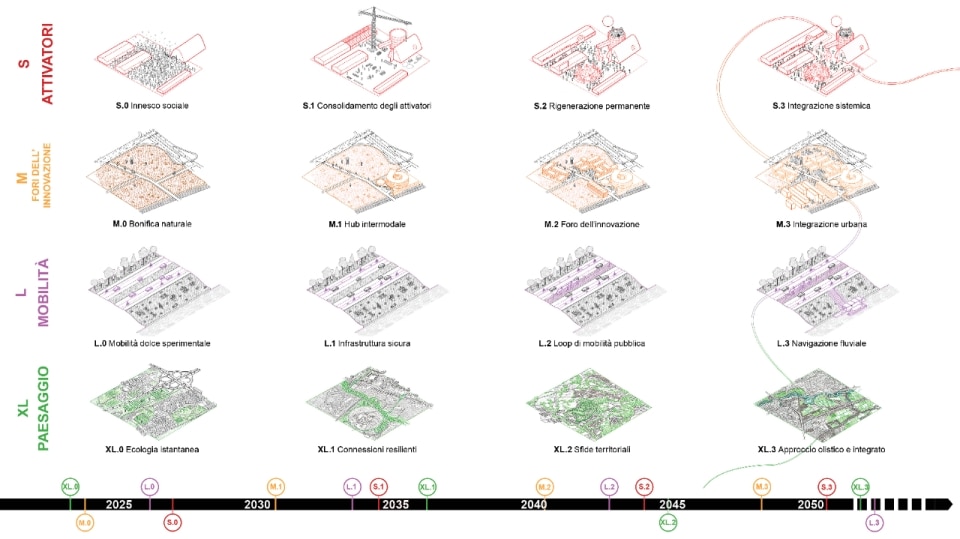
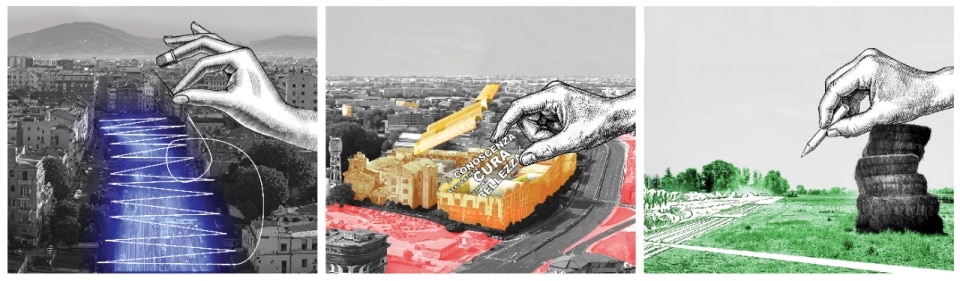
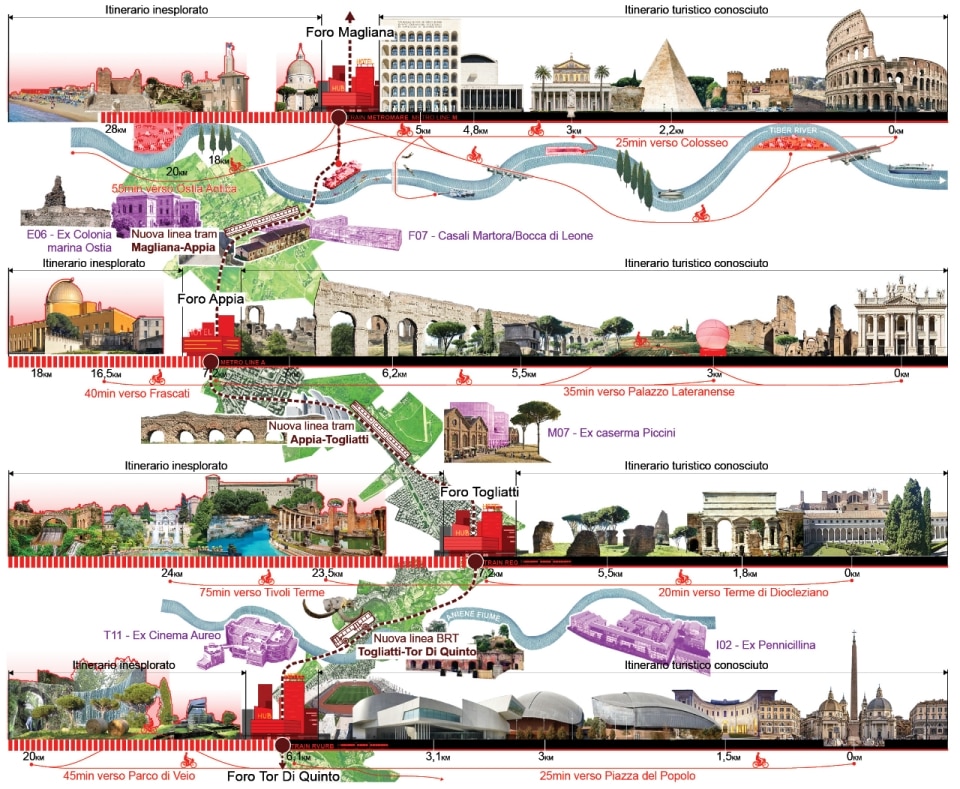
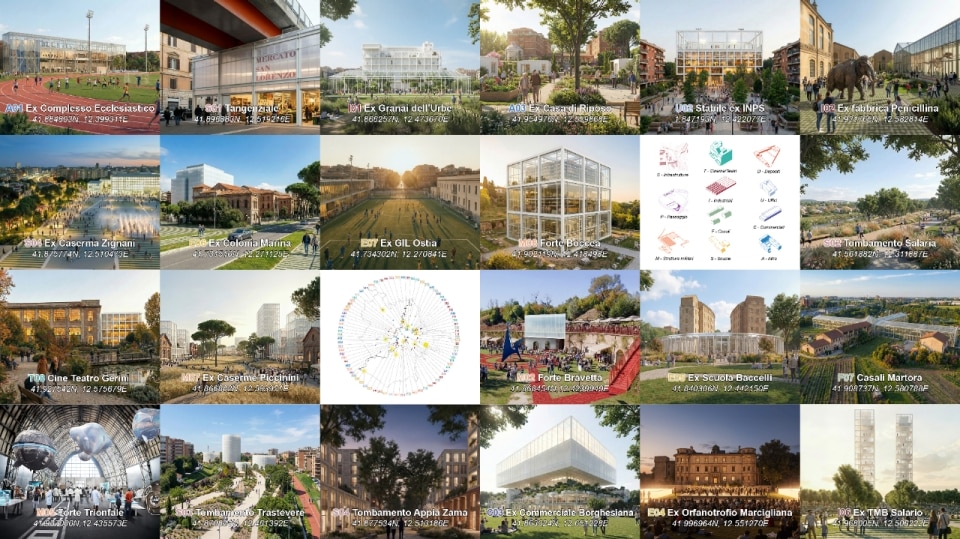
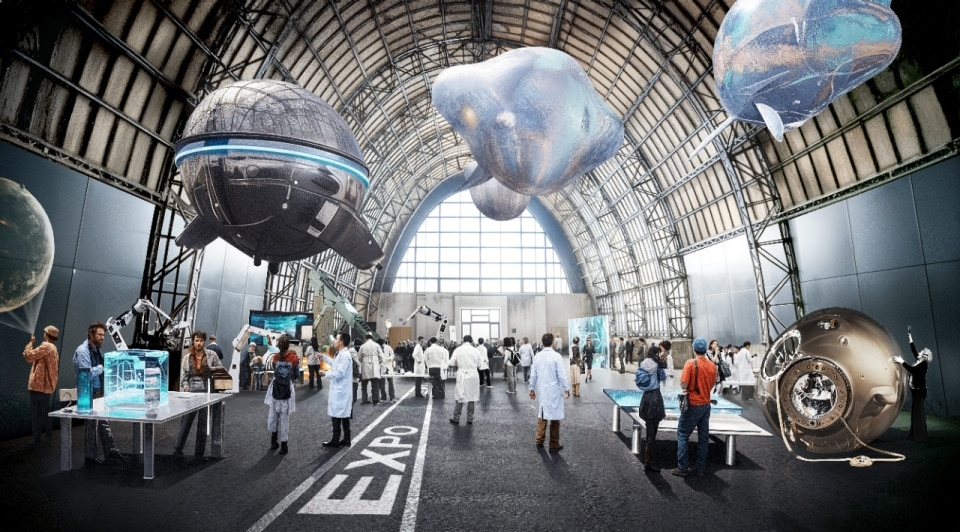
Five principles—Care, Beauty, Knowledge, Movement, and Reuse & Integration—define the project’s operational framework, translating its goals into systemic and site-specific interventions across multiple scales. Five green corridors along the Tiber will reorganise the city through a network of public spaces, ecological infrastructure, and slow mobility systems, alongside new rail connections to peripheral districts and destinations that will help activate a polycentric network of cultural hubs. Knowledge hubs will connect universities, startups, and existing productive systems within neighbourhoods, while adaptive reuse interventions will target underused heritage assets to foster new forms of living, collaboration, learning, and working.
As It’s partner Alessandro Cambi states: “RomaContinua must be understood as a project that views Rome as a constellation of places revealed and organised into a system, a programme that continues to be written based on what already exists in the city, embracing beauty and the places of future living, with a systemic and widespread vision of regeneration and revitalisation”.