



For a long time one of the challenges of design has been to make what works for some-or even for many-something that works for everyone. To do so requires designing without taking anything for granted, learning to unlearn: disassembling rather than assembling, questioning established processes and habits.
This is the approach taken by The North Face for its new Universal Collection of camping and outdoor products, designed to be truly accessible to all, right from the start and not as a later adaptation, beyond fads and slogans. To achieve this, the brand worked with adaptive athletes Vasu Sojitra and Maureen Beck, professionals in mountain sports and climbing, respectively. "Through their collaboration, we developed a collection that eliminates barriers through intuitive design elements, creating an inclusive experience for all," said Luke Matthews, Senior Technical Equipment Designer.
Designing without assumptions
From this collaboration come "Athlete Tested, Expedition Proven" products, which maintain the quality typical of The North Face while making it more accessible and intuitive. The collection includes a sleeping bag, a tent, a backpack, a hat, and a model of shoes: familiar items, but rethought from the archetype to ensure safety and reliability even for those with no experience with the outdoors. Inclusivity also extends to the price, as a concrete lever to broaden participation.
We developed a collection that eliminates barriers through intuitive design elements, creating an inclusive experience for all.
Luke Matthews, Senior Technical Equipment Designer at The North Face
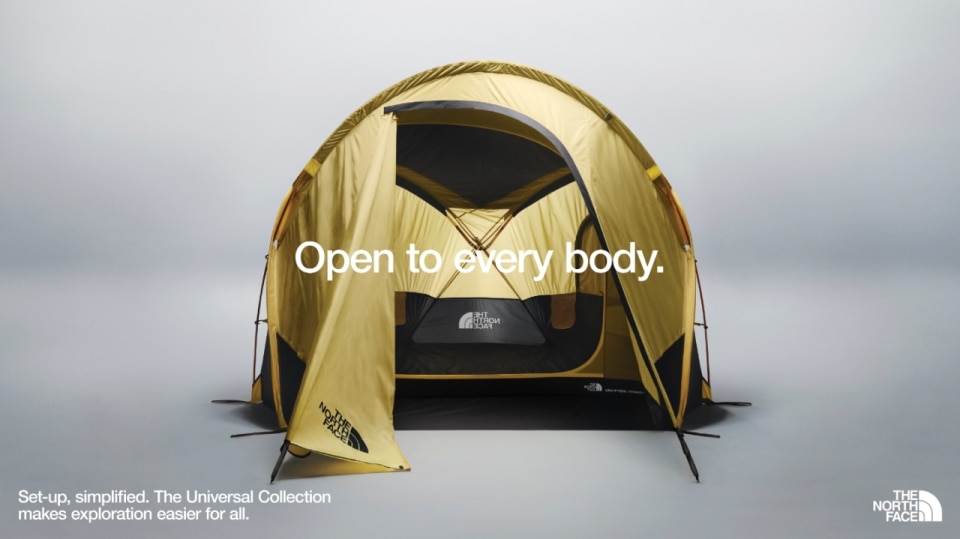
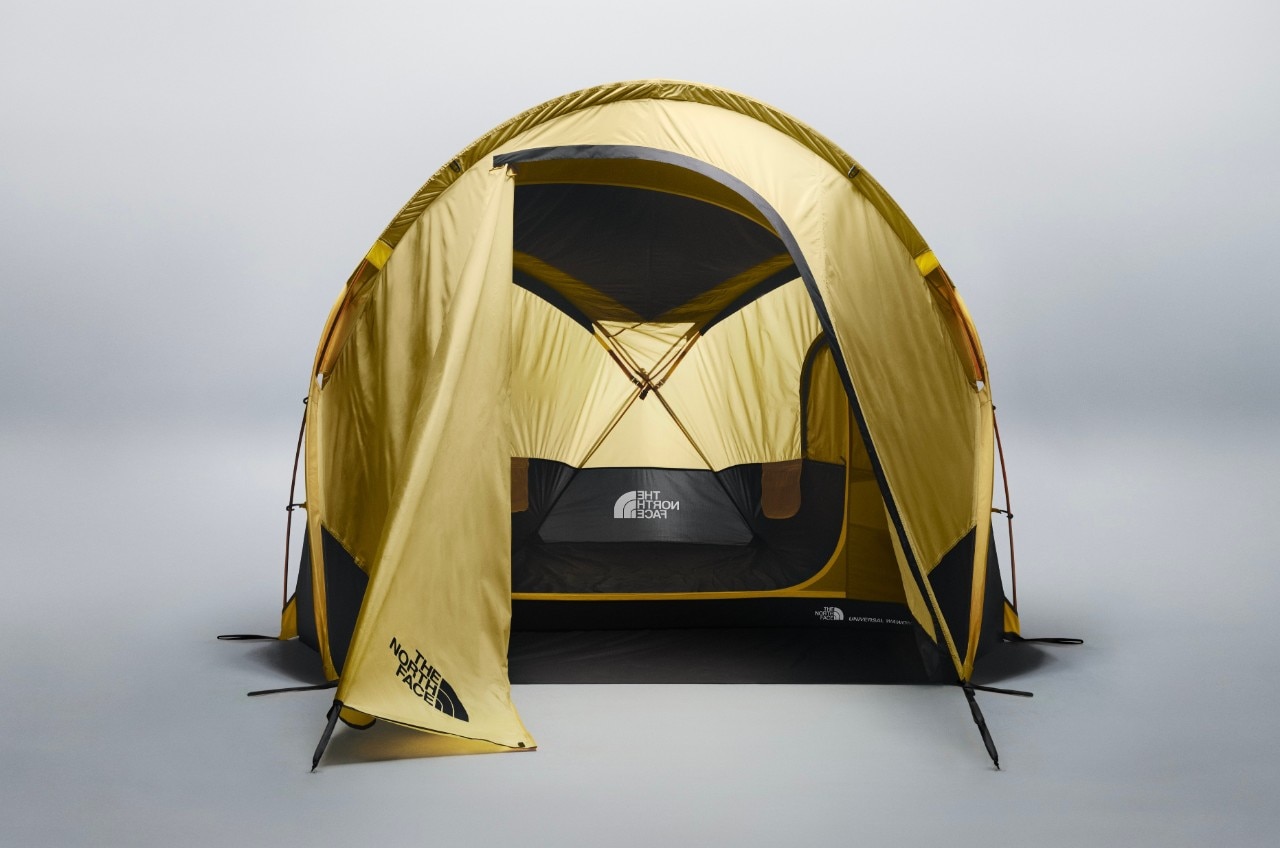
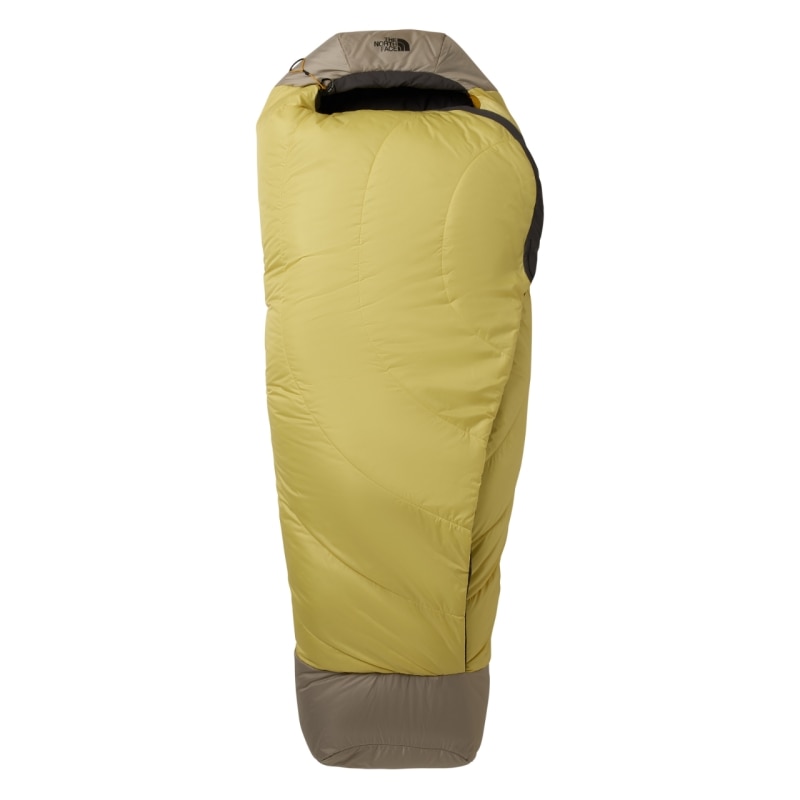
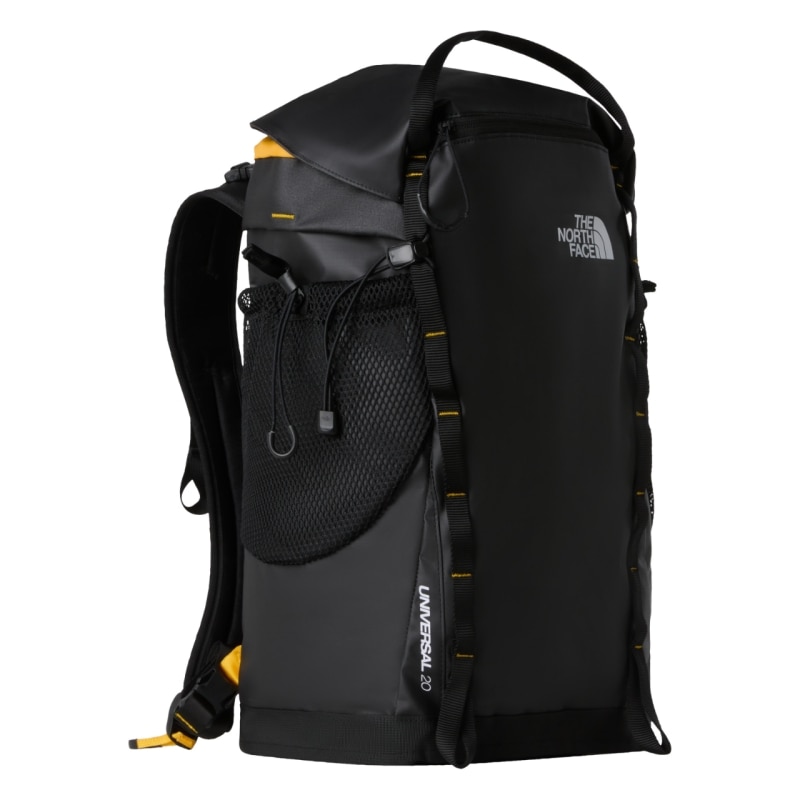
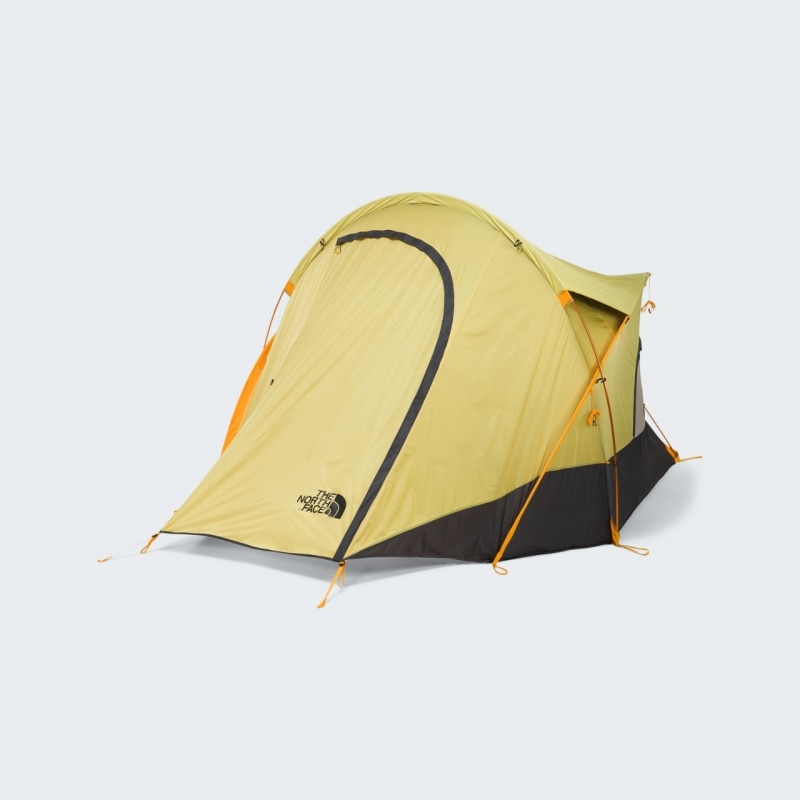
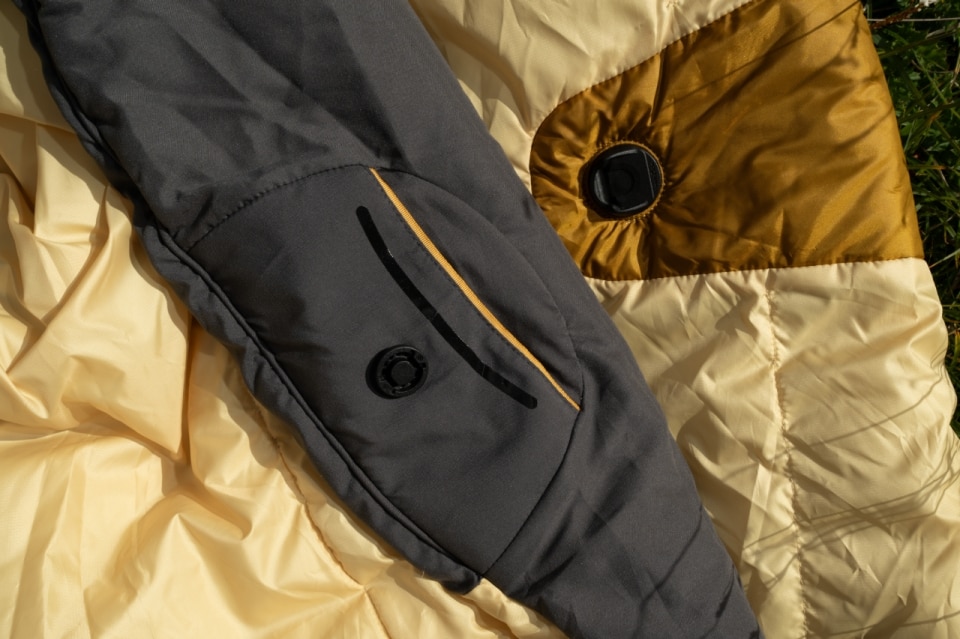
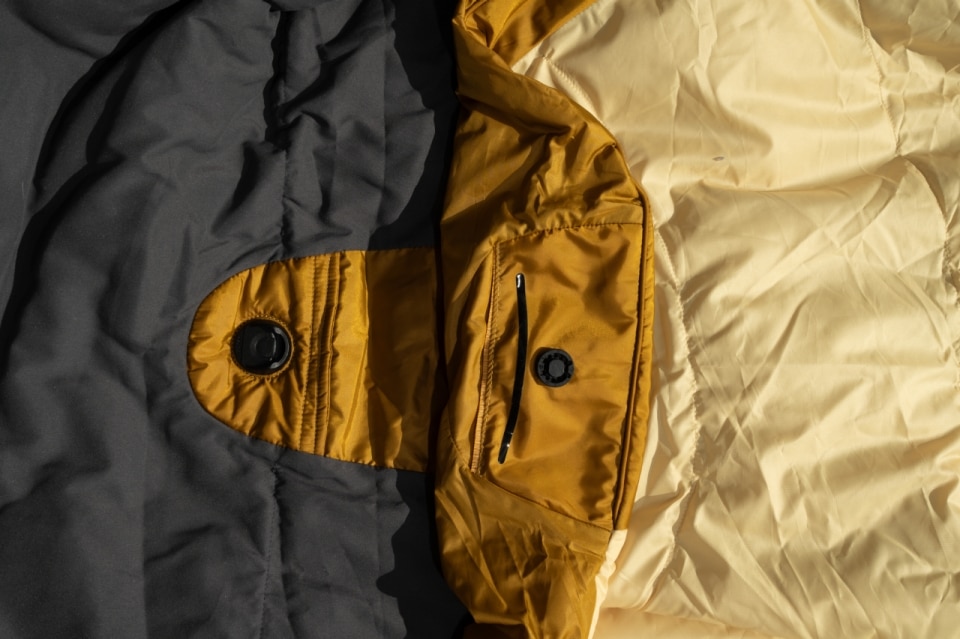
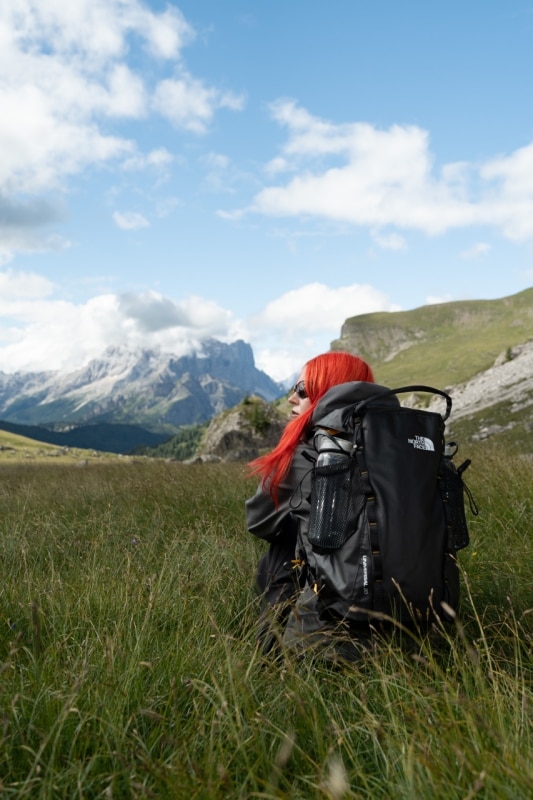
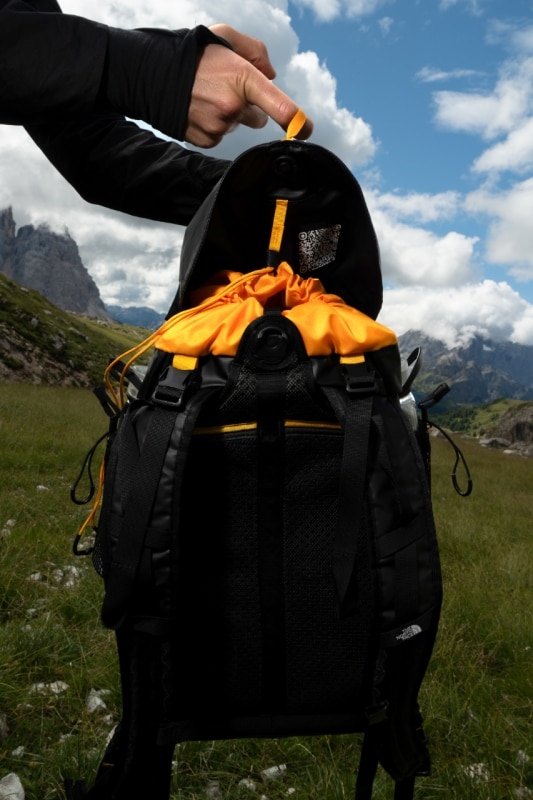
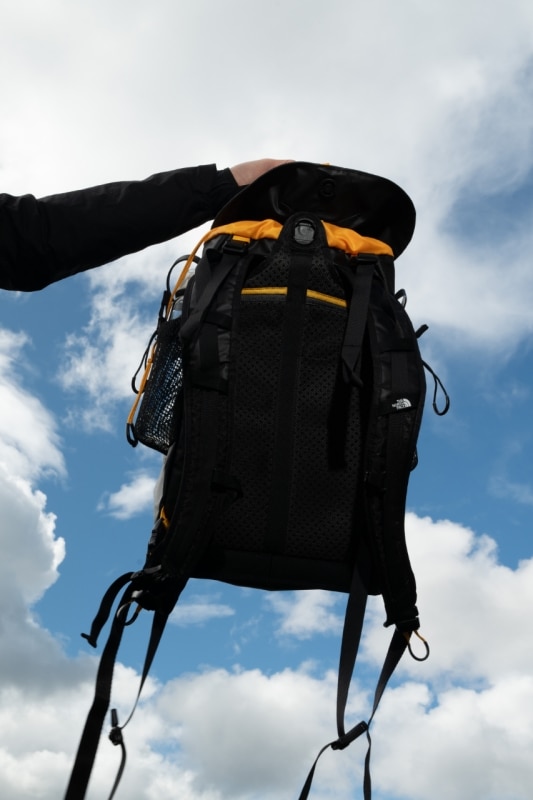
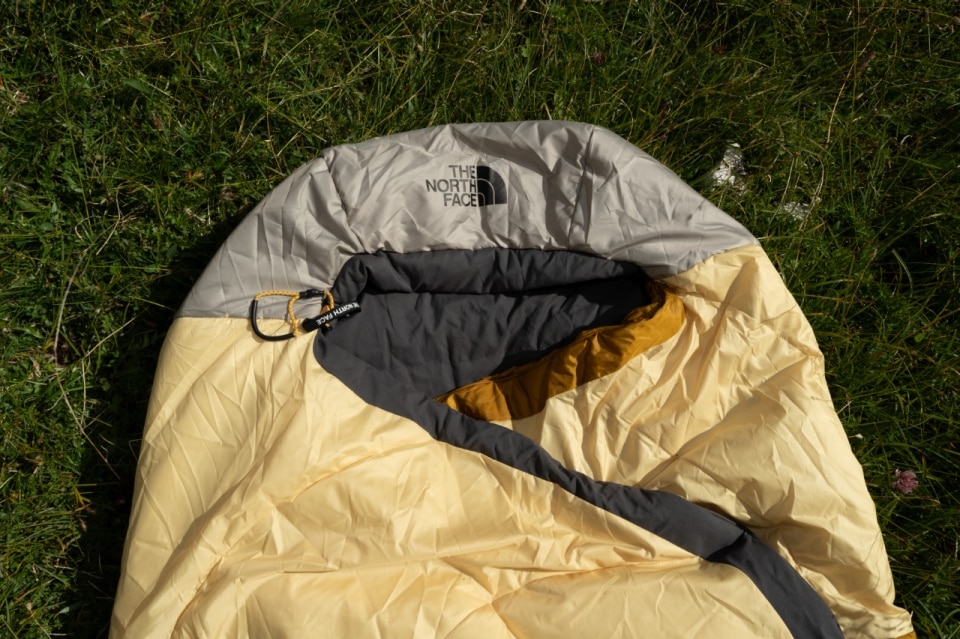
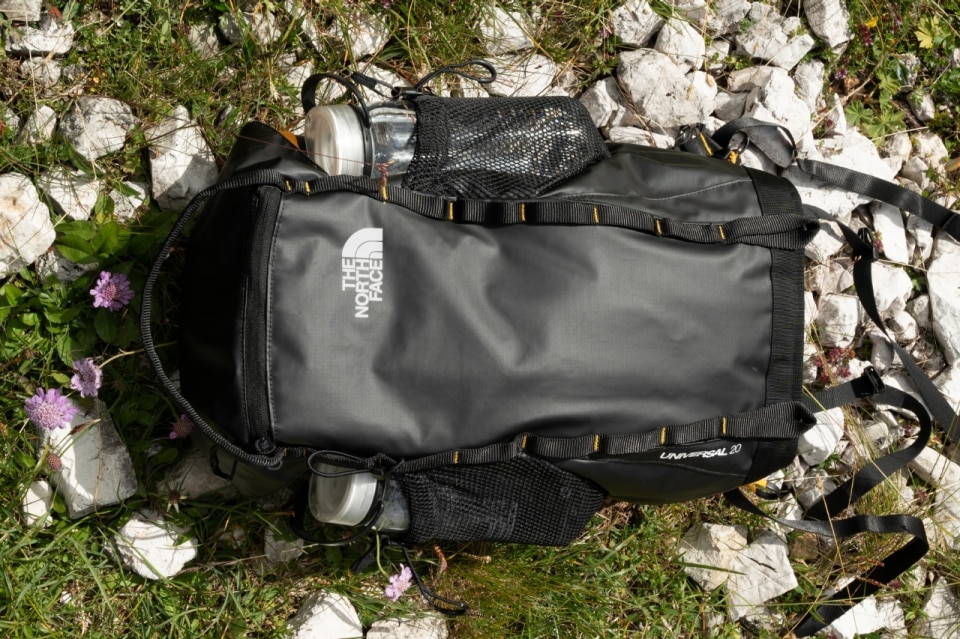
"Open to every body," reads the launch campaign. The sleeping bag, for example, eliminates the zipper and uses a magnetic closure, preventing simultaneous use of both hands; it is also easier to get in and out of thanks to two large padded wings that also allow for heat regulation. The tent is supported by quick-connect poles all of the same length, so it can be mounted even in the dark or by users with visual impairments. The entrance, which is wider and has a lower threshold, also facilitates access with mobility devices. The backpack fits different bodies, is self-supporting, and is designed to be opened and closed with one hand using the same system as the sleeping bag.
Inclusiveness as a standard, not an exception
The collection marks an important step in the challenge of building design that is accessible to diverse bodies, even outside professional settings. The recent Milan-Cortina Paralympics showed the advances that sports equipment companies make every day; the Universal Collection demonstrates that these advancements can be extended to everyone, even outside competitive and specialized contexts.