


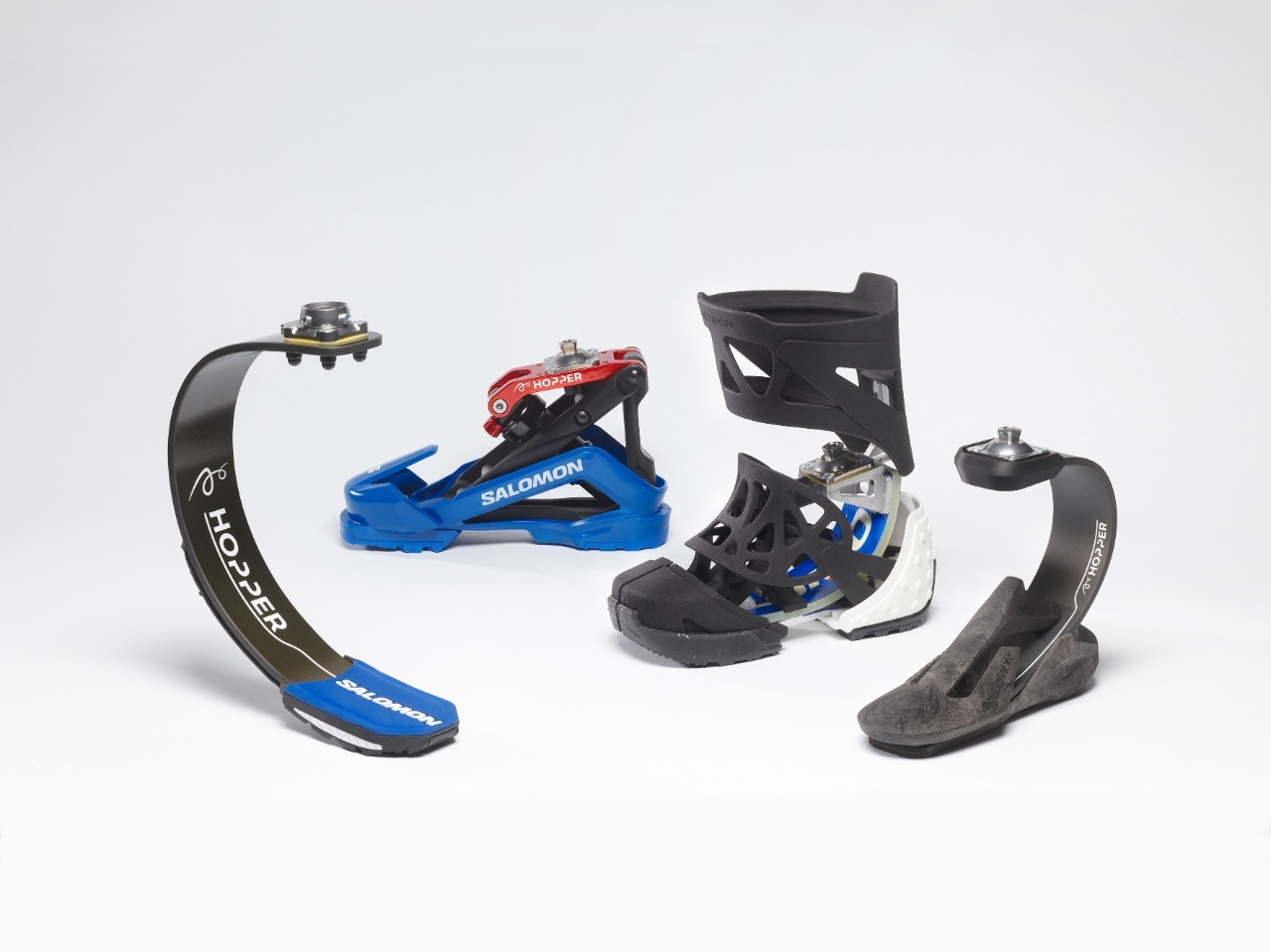

Milano-Cortina is many things at once: sport, design, technology, spectacle. When the Olympic Games end, however, the Paralympics begin — bringing with them a different perspective on athletic movement. If Olympic sport celebrates the perfectly functioning body, Paralympic sport places something more radical at the center: the movement of bodies for whom that gesture has been made difficult, or even impossible.
This raises a question that rarely enters the conversation about sports design: what happens to sport when the body changes?
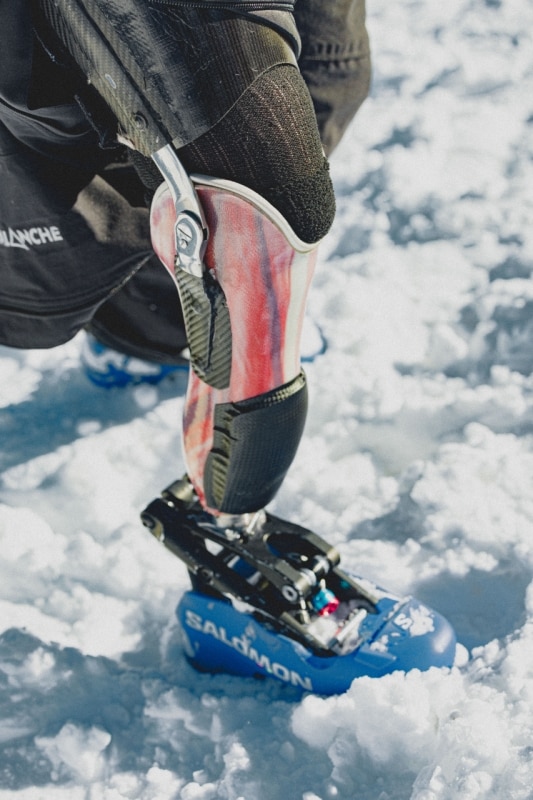
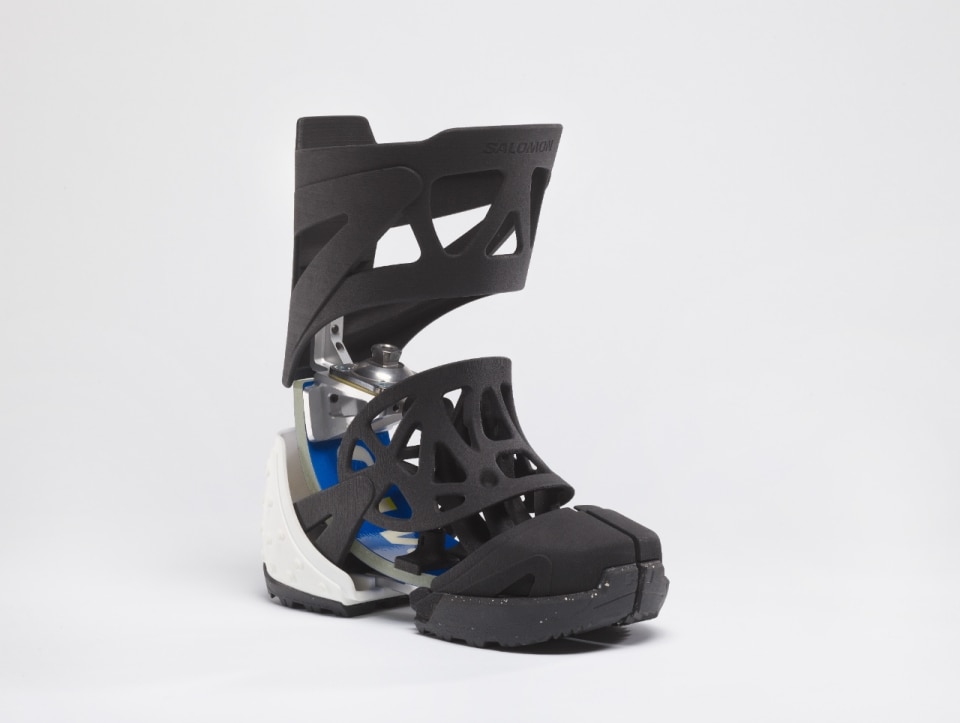
This is where Adaptive comes in — the project through which Salomon is developing sports prosthetics for trail running, skiing and snowboarding. It is not a new product line. Leading the project is Patrick Leick, Adaptive Team Manager, an engineer who has worked at Salomon for nearly forty years. Adaptive arrived in his career almost by accident — during Covid, when a group of students sent him their graduation project — but it quickly became something else: the work with which he would close a professional lifetime.
As Salomon CEO Guillaume Meyzenq puts it, innovation only matters when it expands what sport can be: creating new possibilities for people, not only new performances.
Without the pandemic, it might never have happened
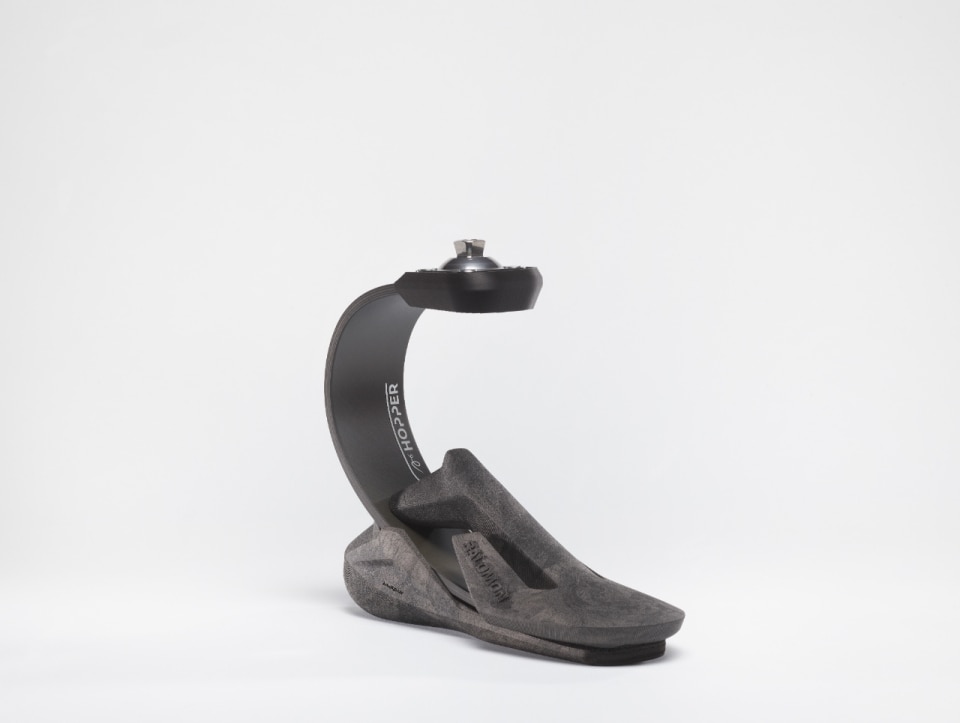
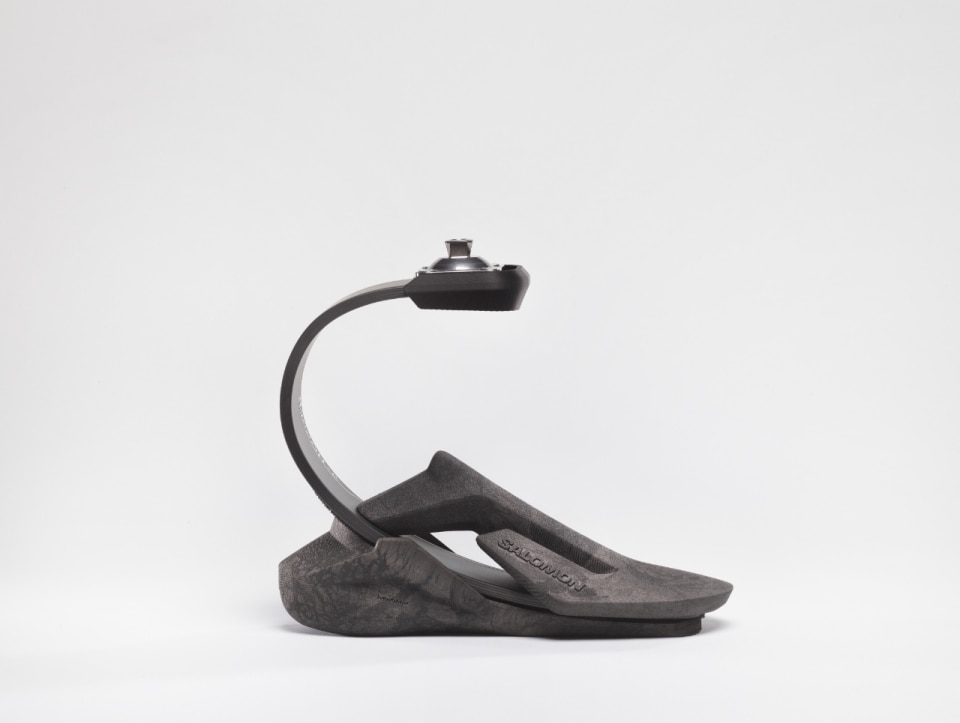
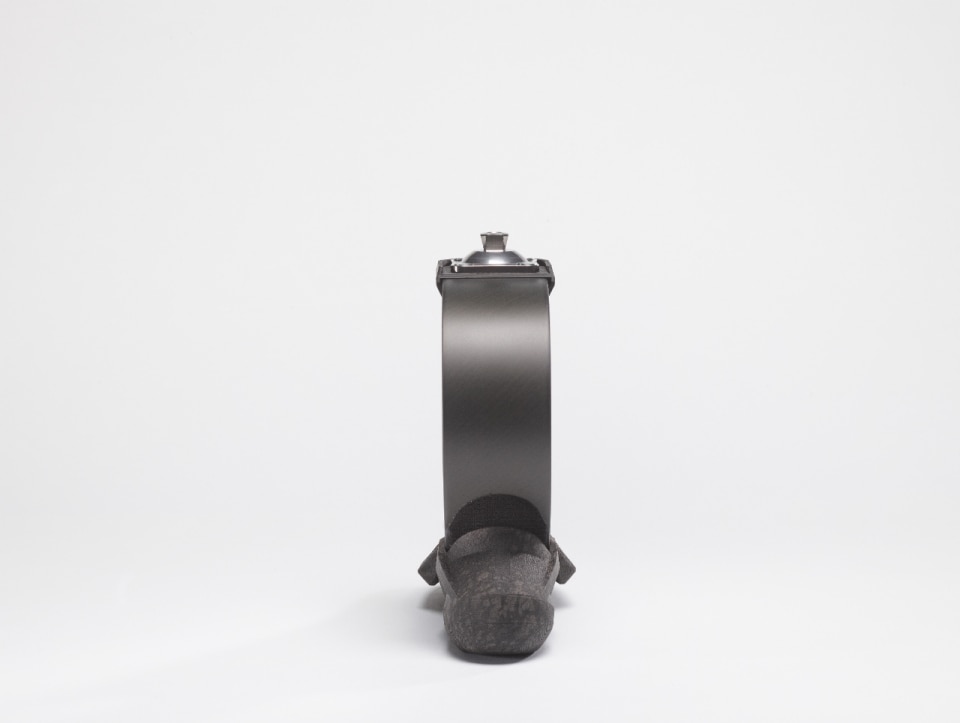
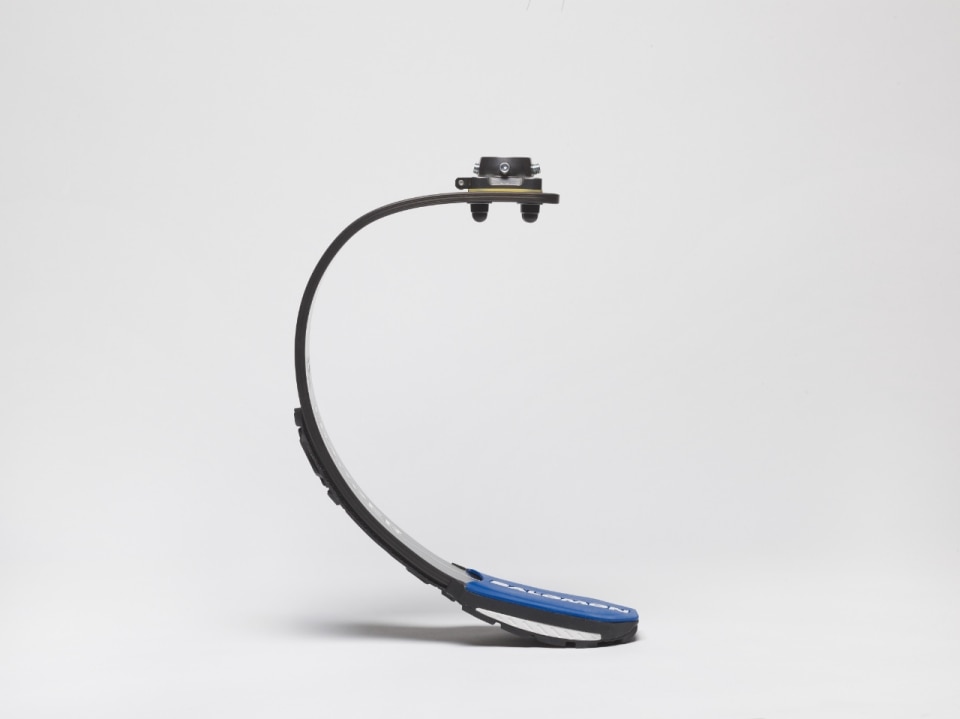
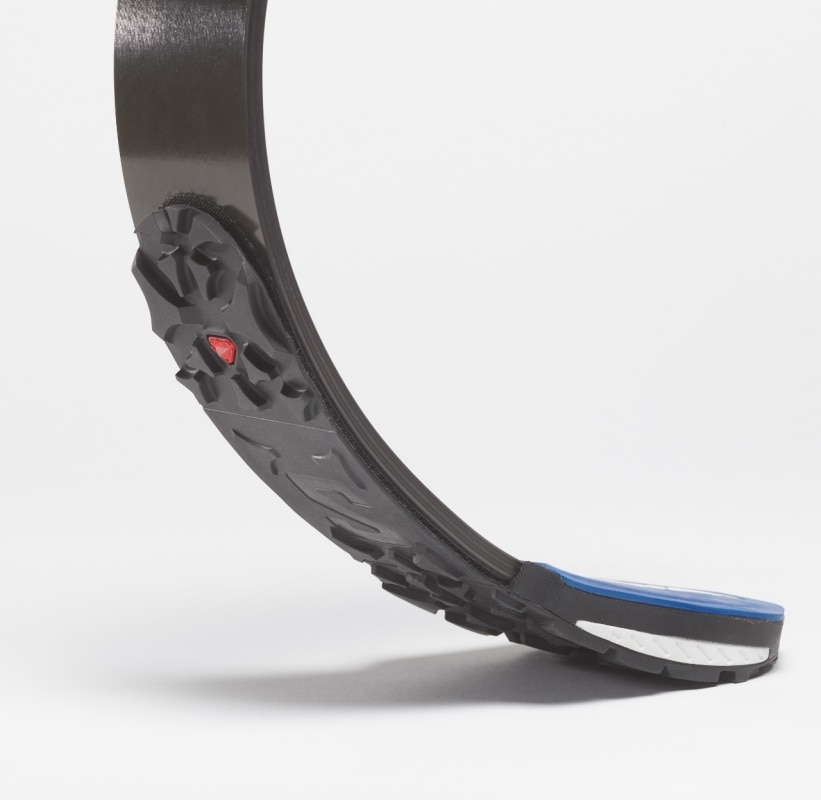
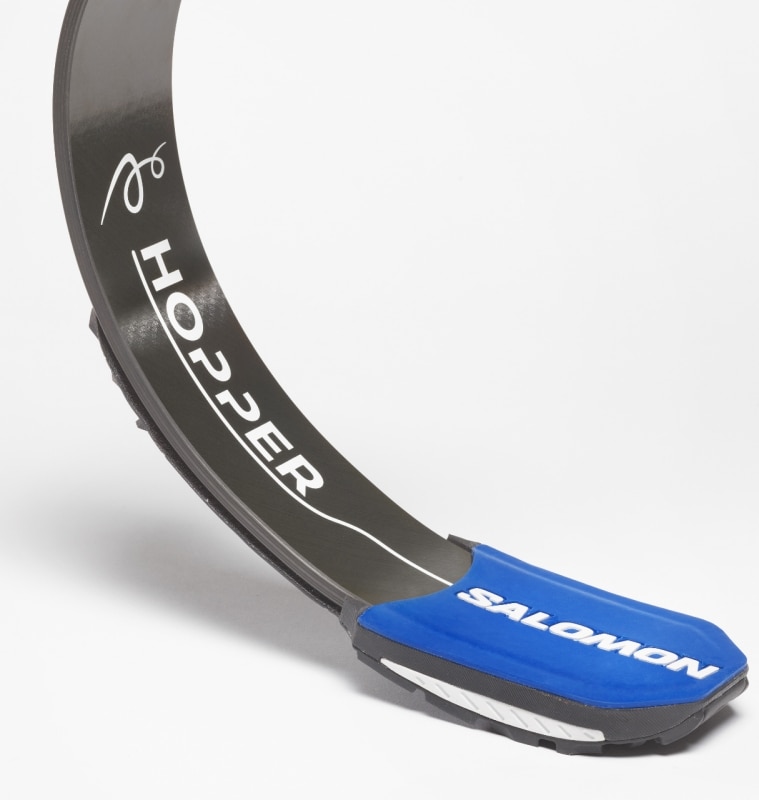
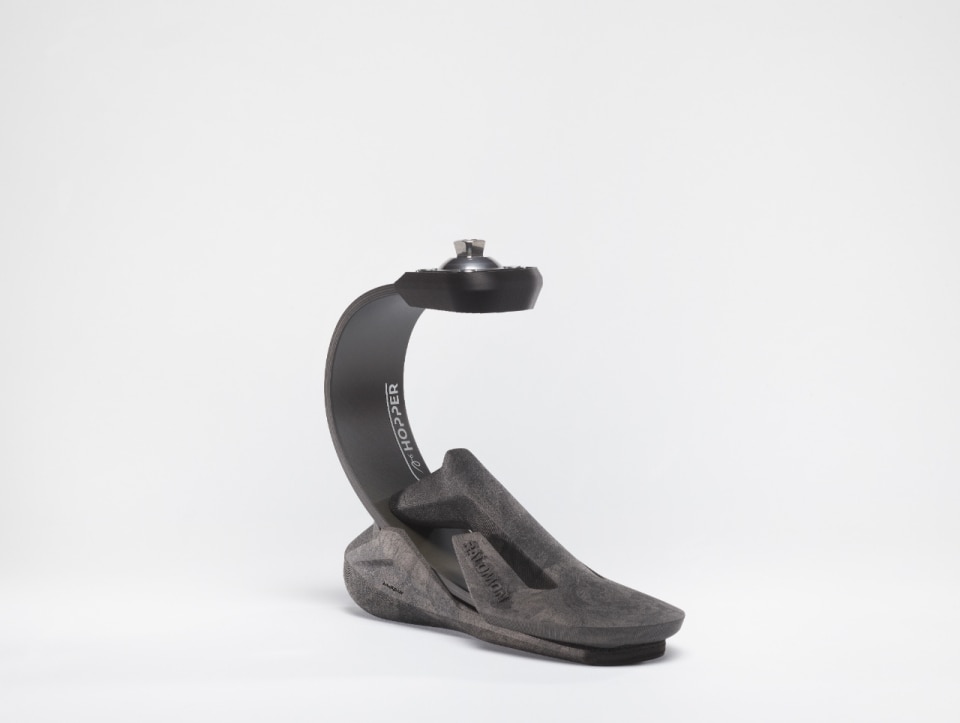
Adaptive began almost by chance during the Covid pandemic, when a group of engineering students sent Salomon a final-year project: a carbon running blade made using leftover fiber from Airbus aircraft production.
If someone loses a leg, the healthcare system covers the prosthetic for everyday life, but not for sport.
Patrick Leick, Adaptive Team Manager
The idea was simple but ambitious: to develop sports prosthetics that are more accessible than those currently available on the market. “Today a running blade can cost around five thousand euros,” Leick explains. “If someone loses a leg, the healthcare system covers the prosthetic for everyday life, but not for sport.”
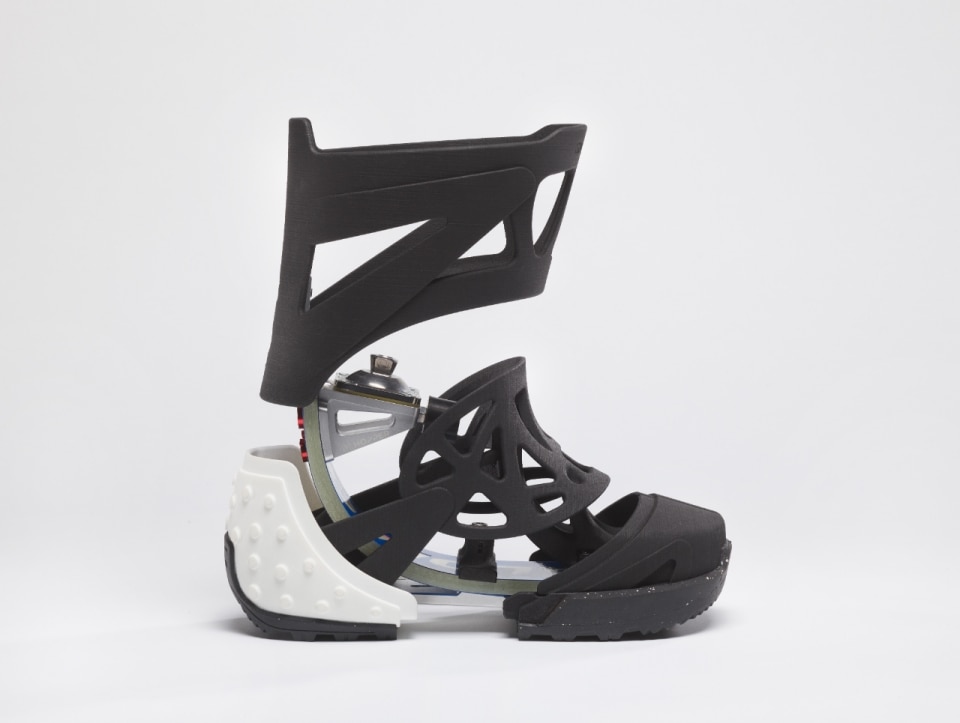
Salomon decided to help the students develop the project. Three of them founded a startup — Opal — which would handle commercialization, while the French company remained focused on what it knows best: research, development and design.
What began as an academic exercise soon became something else entirely — a laboratory where aeronautical engineering, sports design and personal stories meet.
Designing a prosthetic that doesn’t look medical
In the world of sportswear and outdoor equipment, this position is almost unique. Adaptive is not meant to conquer a market, but to address a question that is often overlooked: what happens to the sporting body after an amputation?
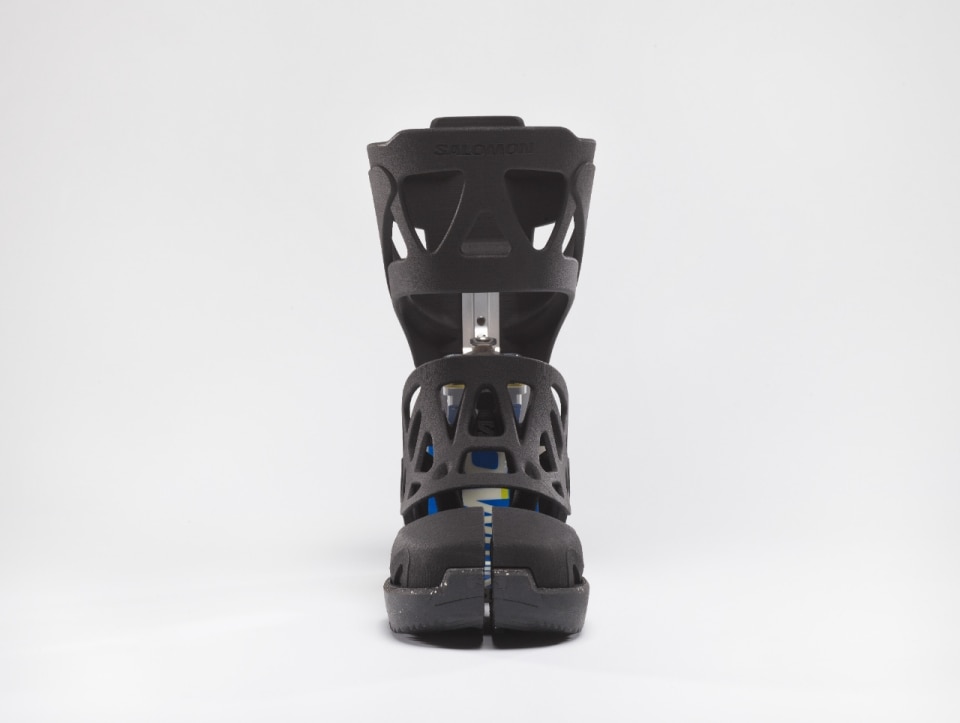
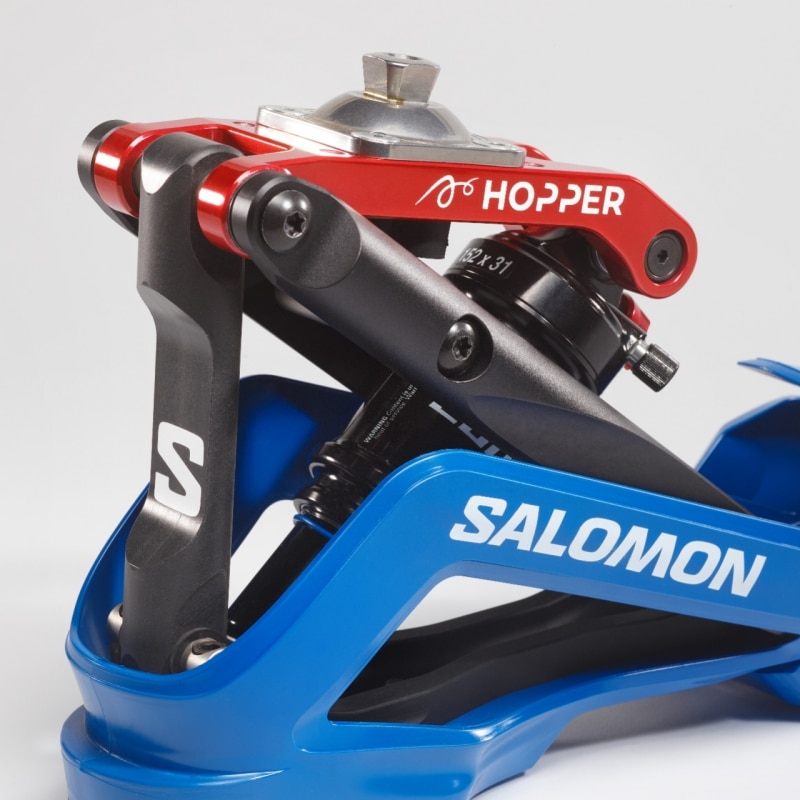
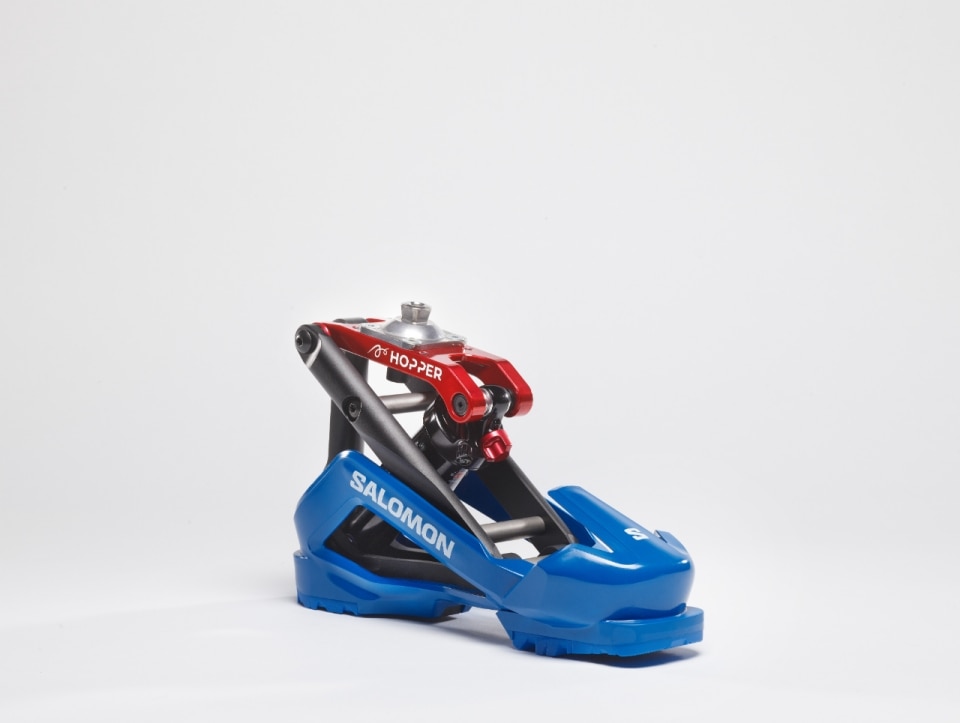
The work focuses on several types of prosthetics: blades for trail running, systems for skiing and snowboarding, devices that allow athletes to return to complex terrains such as mountains and snow.
But the point is not purely technical. According to Leick, one of the main limitations of prosthetics currently on the market is also aesthetic. Many are designed purely as medical devices: functional but not desirable. Adaptive attempts to reverse that paradigm.
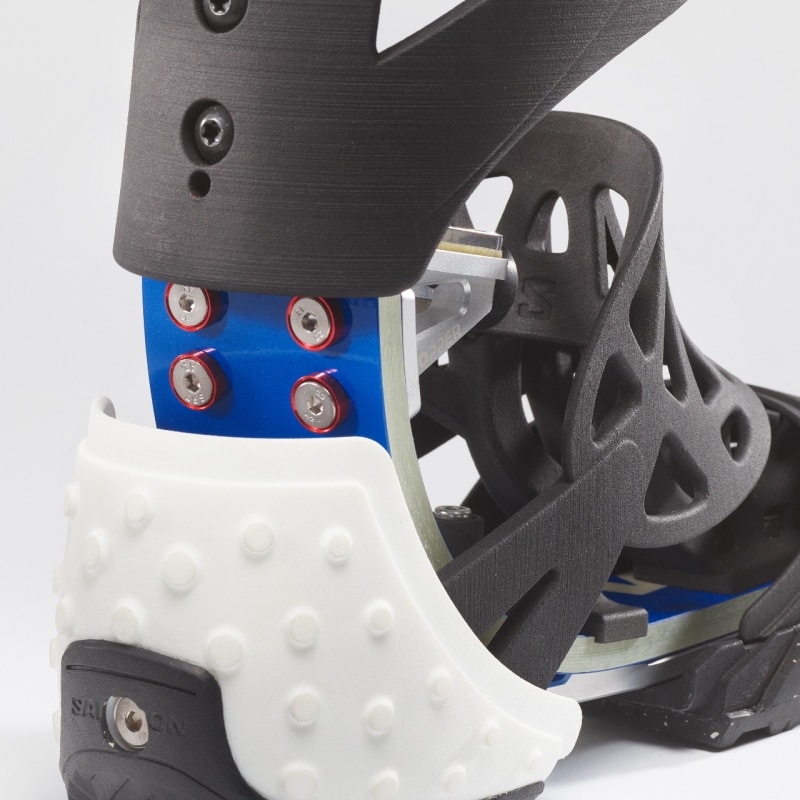
“What is important is to create desire,” he explains. “The power of Salomon was to develop something athletes are proud to show.”
This shift is deeply cultural. For many amputees, the prosthetic is something to hide — a visible sign of loss. Turning it into a recognizable technical object changes how the amputated body appears in public space.
In this sense Adaptive is not only a technological research project but also an economic one: lowering the cost of sports prosthetics means making sport accessible to many more people.
In this sense Adaptive is not only a technological quest but also an economic one: reducing the cost of sports prosthetics means making sports possible for many more people.
The role of athletes
The project is developed together with a small team of athletes. Today the Adaptive team includes around twenty athletes and ambassadors who collaborate on prototypes and help make this world more visible.
“Someone who has just been amputated needs role models,” says Leick. “When someone finds themselves in a rehabilitation center, they often think their life is over. But it isn’t.”
Sport is a beautiful way to reintegrate into society after an accident.
Oscar Burnham, French Paralympic skier
Adaptive has therefore become a community as well: an ecosystem of athletes, designers and engineers working together to rethink sports equipment for different bodies.
Among them is Oscar Burnham, a French Paralympic skier. Born in Catania to an Italian mother and an English father, raised in Tignes, Burnham worked for years as a ski instructor before an accident forced him to reinvent his relationship with sport. “Sport is a beautiful way to reintegrate into society after an accident,” he says.
After his accident, the first thing he did was search online for athletes like himself. “When I had my accident I searched ‘para alpine skiing’ on YouTube. I watched the videos and thought: why not?” Technology, in this sense, radically changes what is possible. “It’s always better to be amputated in 2026 than in 1900,” Burnham says.
Patrick Leick's Legacy
Adaptive is the result of a rare convergence: aeronautical engineering, sports design and personal stories. But another, quieter dimension runs through the entire project.
Patrick Leick has worked at Salomon for nearly forty years. Much of his career has been spent developing products and collaborating with some of the biggest athletes in outdoor sports, from Kilian Jornet to François D’Haene. Today he is approaching retirement, and Adaptive represents in many ways the final major project of his career.
“When I wake up in the morning, I know why I do this job,” he says, almost emotional during our conversation in Cortina. “This project has meaning.”
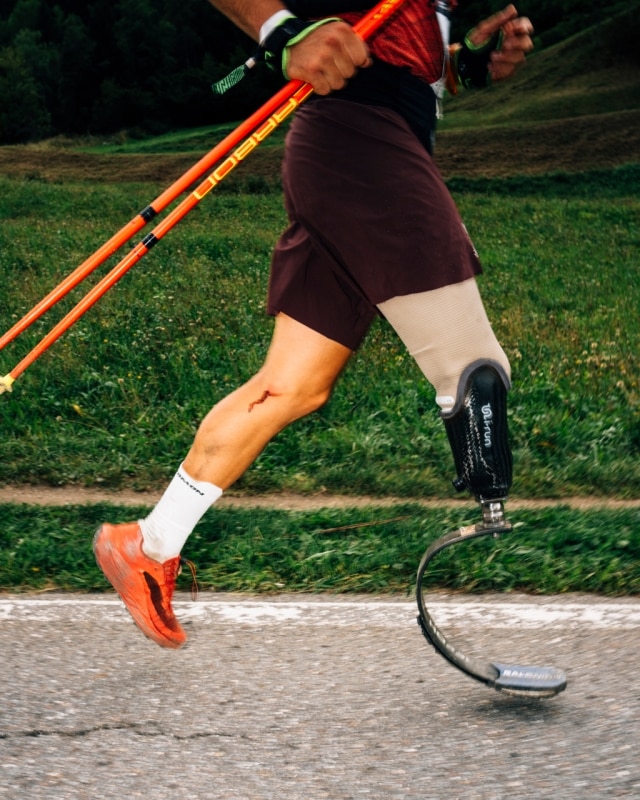
The system he helped build will continue to evolve: new athletes, new prototypes, new plans for future Paralympic Games. Some prototypes developed with Airbus are already exploring another direction — prosthetics for children, lighter and easier to replace as the body grows. Adaptive suggests that sports design is not only about performance. It can give people the possibility to imagine their bodies in motion again.