


In recent years, Pamela Anderson has pulled off something that once seemed almost impossible: she has radically changed how she is perceived.
For a long time, Pamela Anderson’s name was almost automatically associated with the red-swimsuited lifeguard from Baywatch, the star linked to Playboy, and, with all that, a certain idea of 1990s sensuality. It was an image that continued to follow her, even when it no longer fully matched who she was.
Until she decided to remind the world that there was a person behind the persona, and that this person did not necessarily have to coincide with the public figure that had made her famous.
Or, in any case, that she had the right to change.
She first did it with Love, Pamela, the memoir released in 2023, and with Pamela, a love story, the Netflix documentary that came out the same year, both of which allowed her to reclaim the narrative of her own life. Then came the no-makeup turn, which emerged at Paris Fashion Week in 2023 and quickly became her new visual signature. In 2024 came Sonsie, the skincare brand she acquired with her sons Brandon and Dylan. And in 2025, solidifying the shift, Gia Coppola’s The Last Showgirl — in which Anderson plays a Las Vegas showgirl facing the end of her own act — earned her the first major nominations of her career, from the Golden Globes to the SAG Awards.
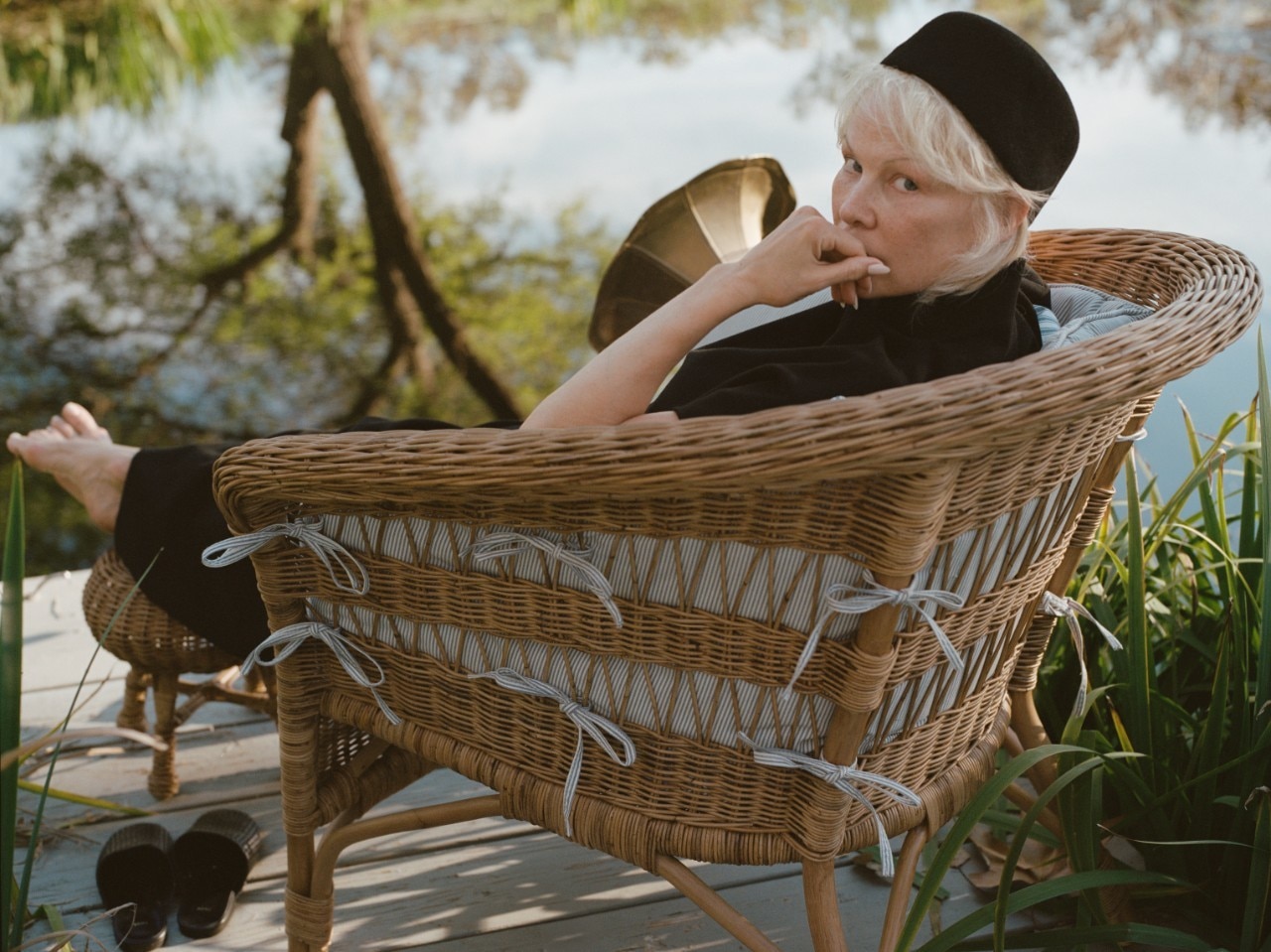
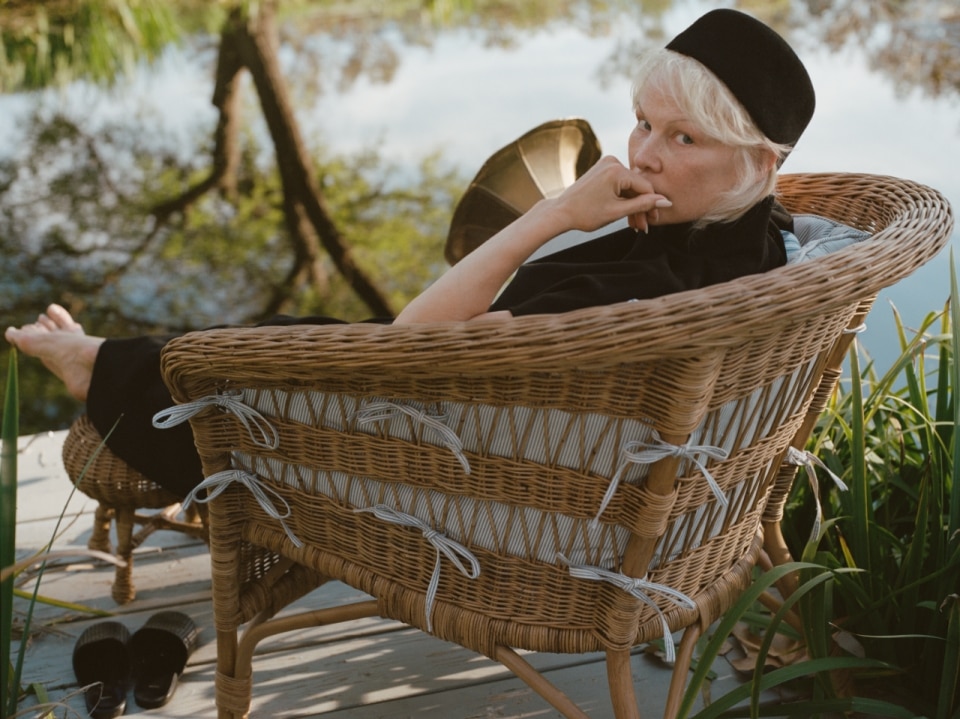
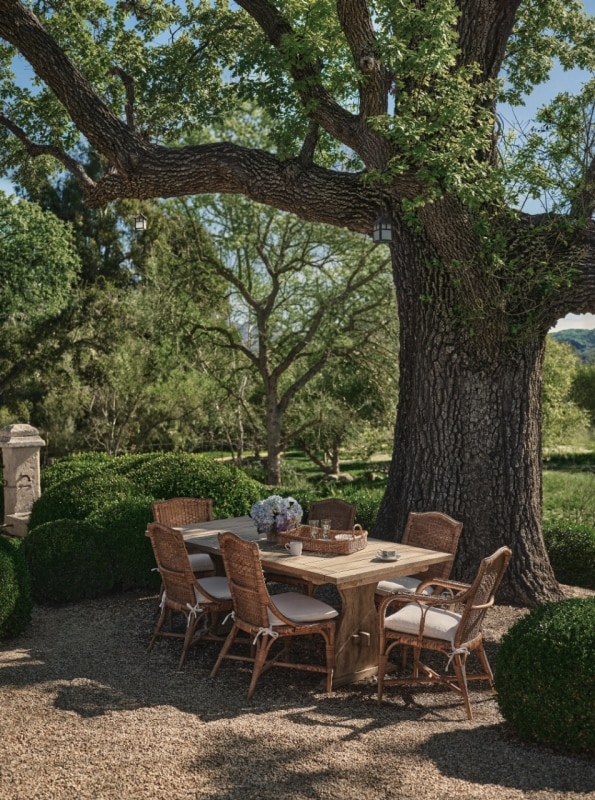
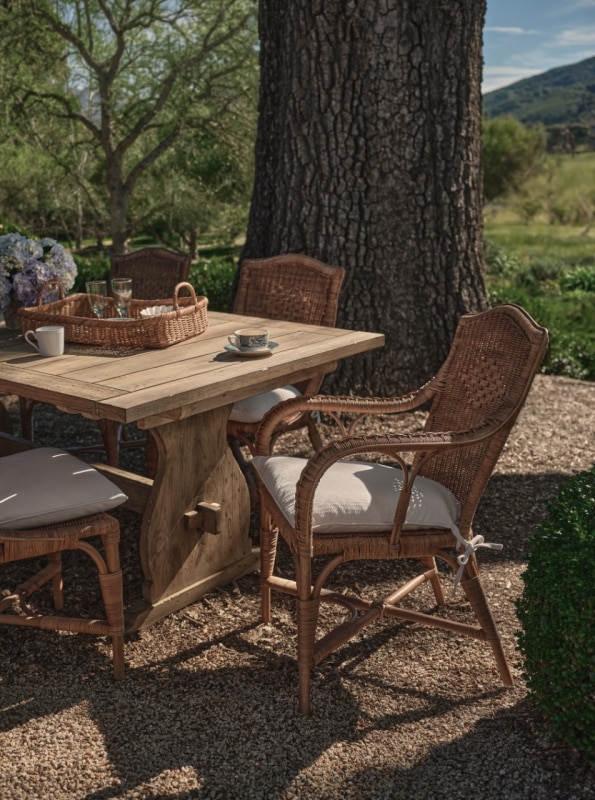
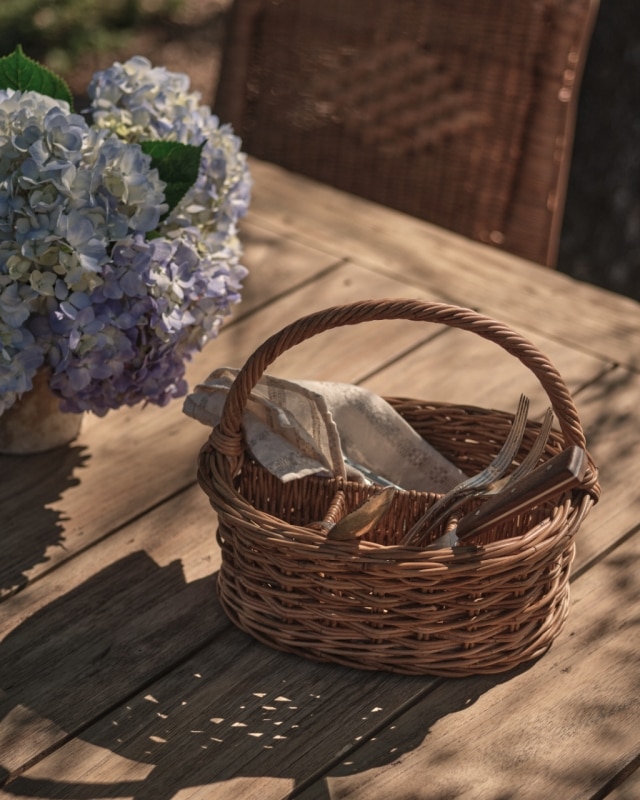
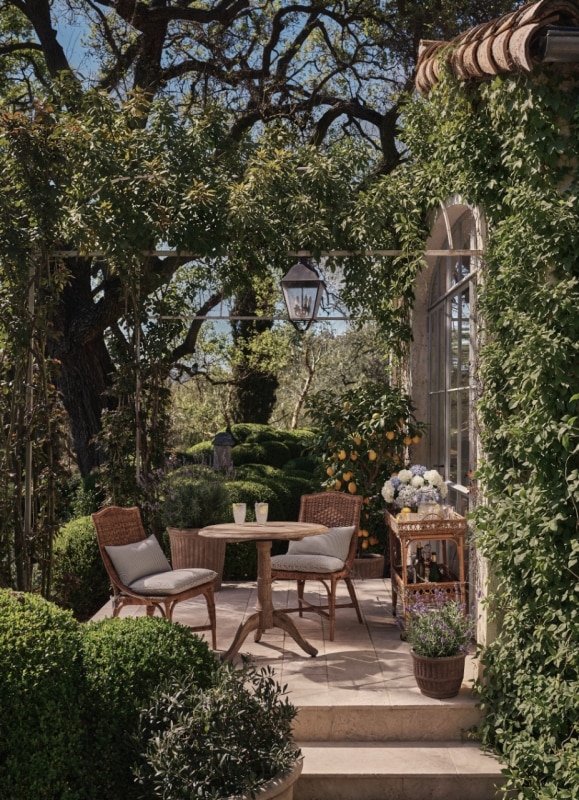
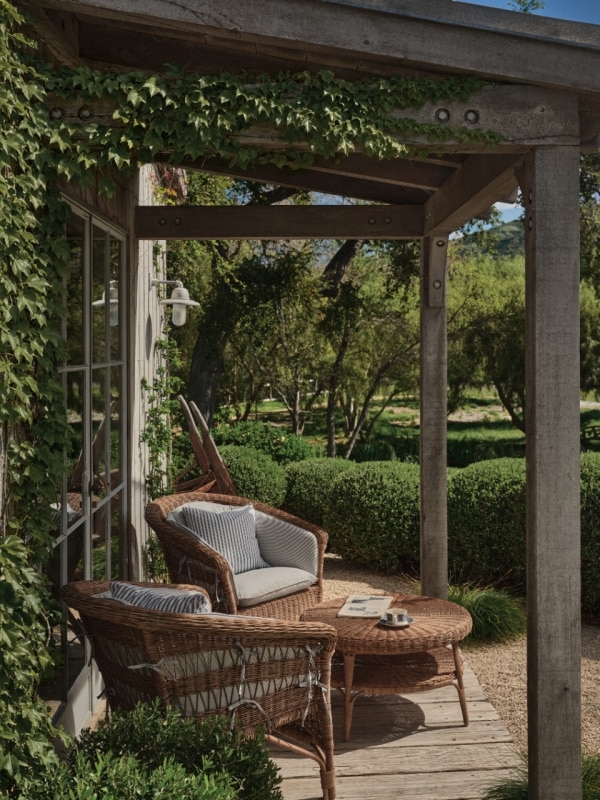
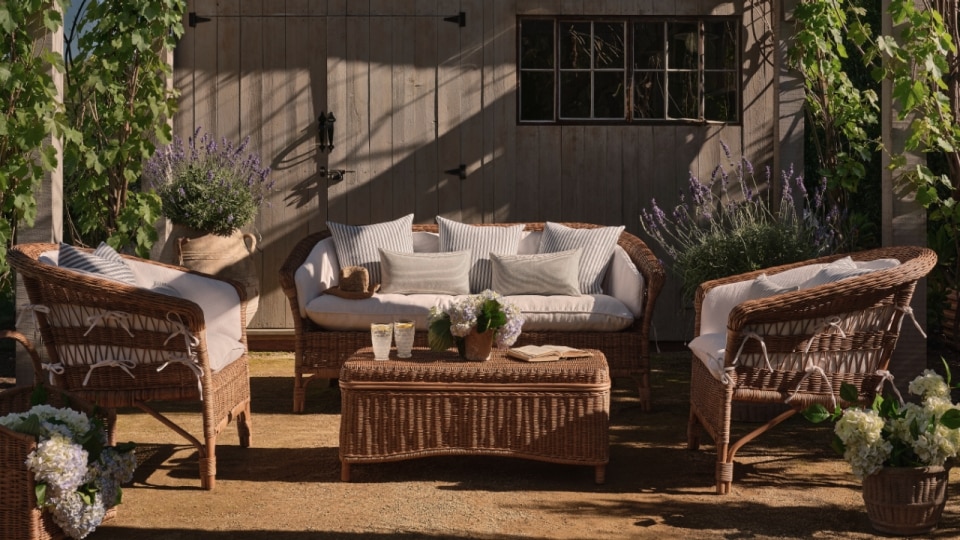
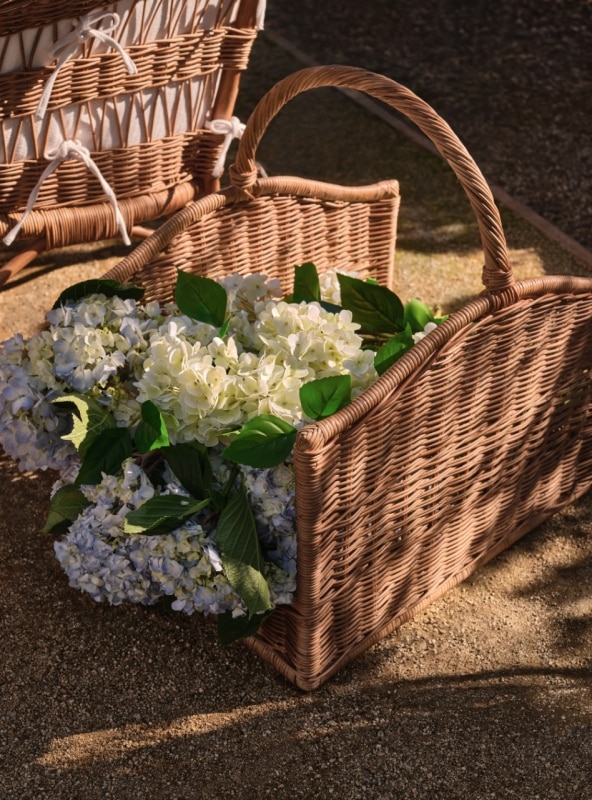
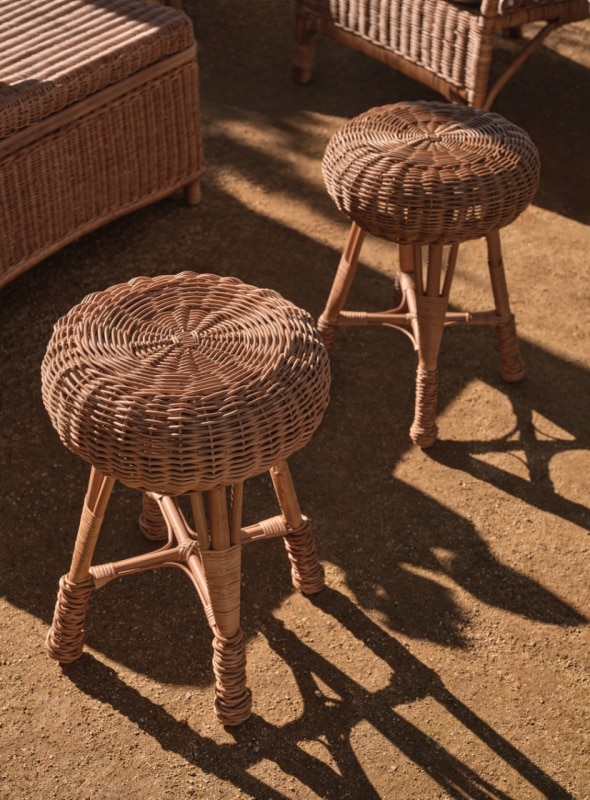
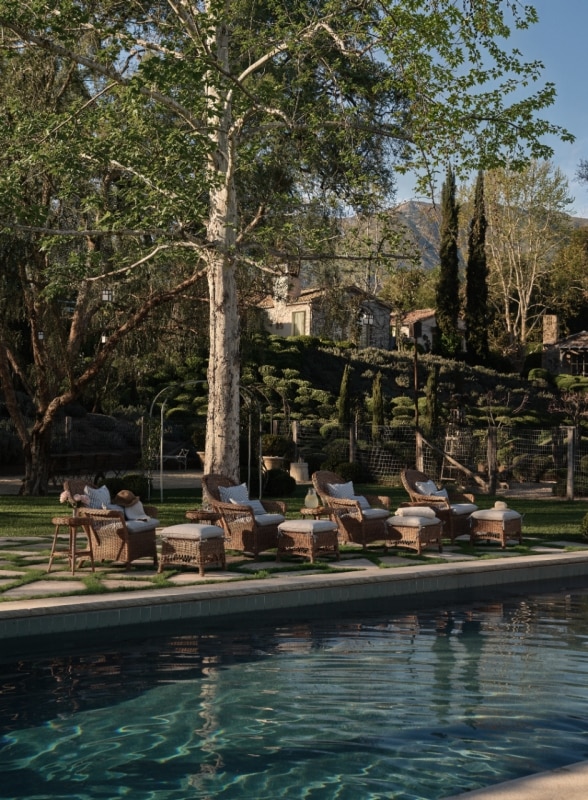
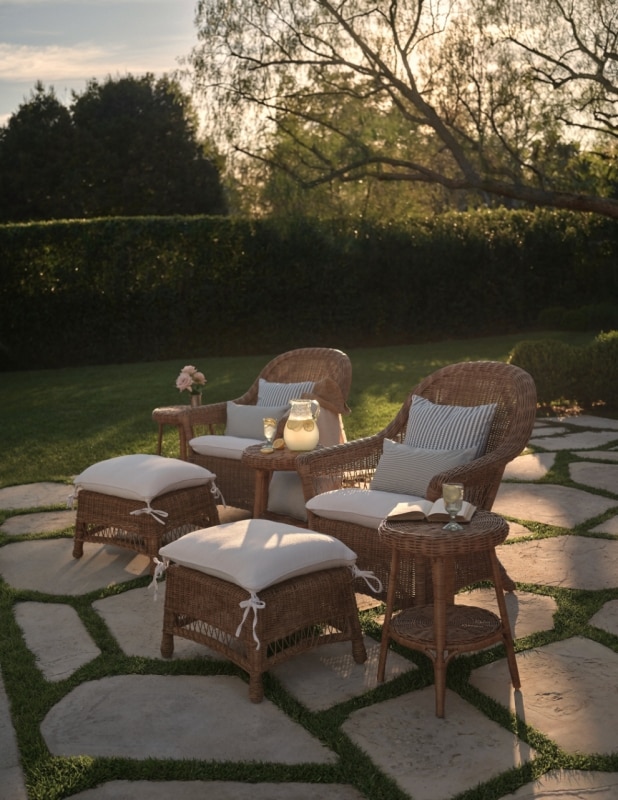
It was already one of the most successful self-reinventions of recent years, and yet it still does not seem to be over. Anderson now signs The Sentimentalist, a collection of more than forty interior design pieces developed with Olive Ateliers. Rattan chairs, teak tables, wicker baskets: objects made mostly from natural materials and inspired by her home in Ladysmith, British Columbia, which she bought from her grandparents and has restored over time.
Of course, Pamela Anderson is not the first celebrity to venture into design: Gwyneth Paltrow has been doing it for years with goop, Lenny Kravitz has his own studio, and more recently Emma Chamberlain has launched a home collection too. In Anderson’s case, though, the project feels like part of something larger.
She has said that she looked to the objects left behind by her grandmother for inspiration, along with a longstanding desire to give things a second life.