

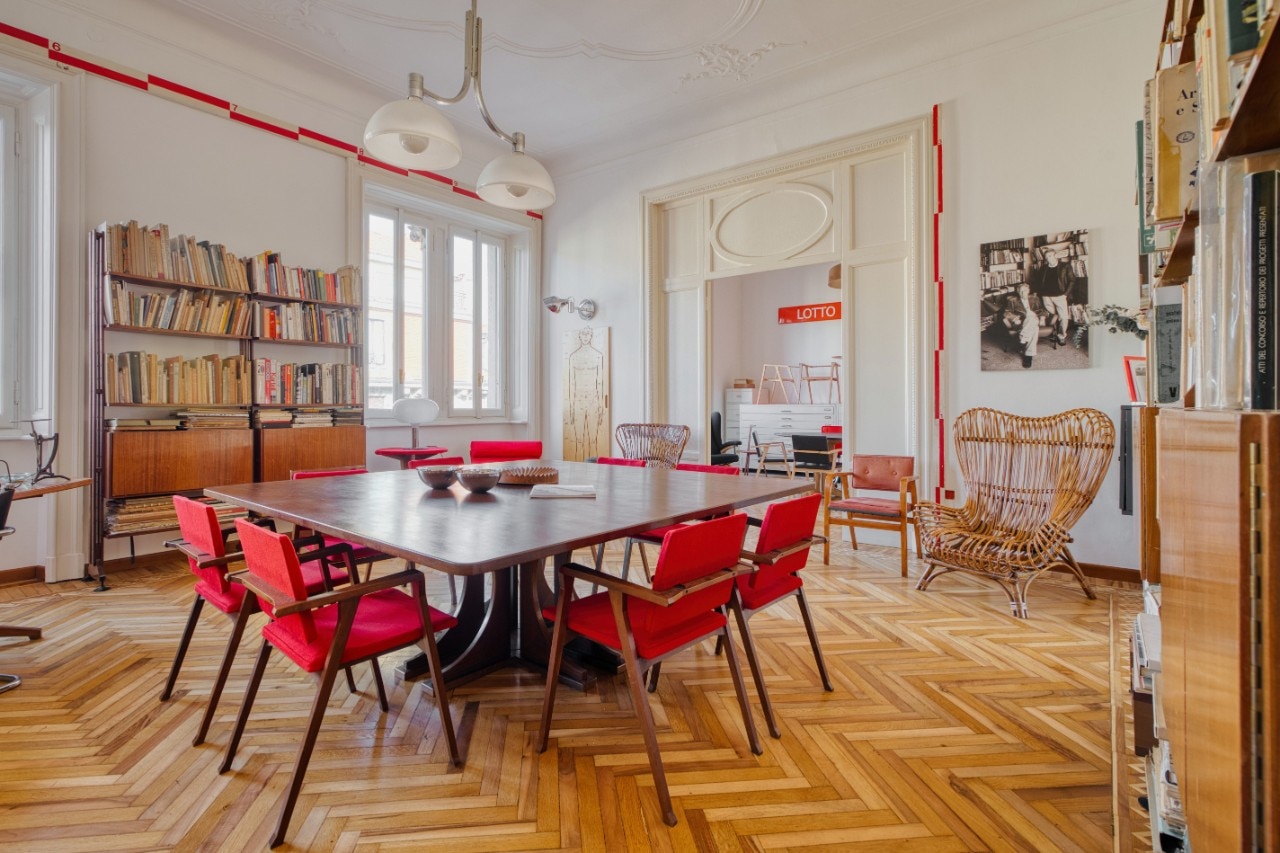

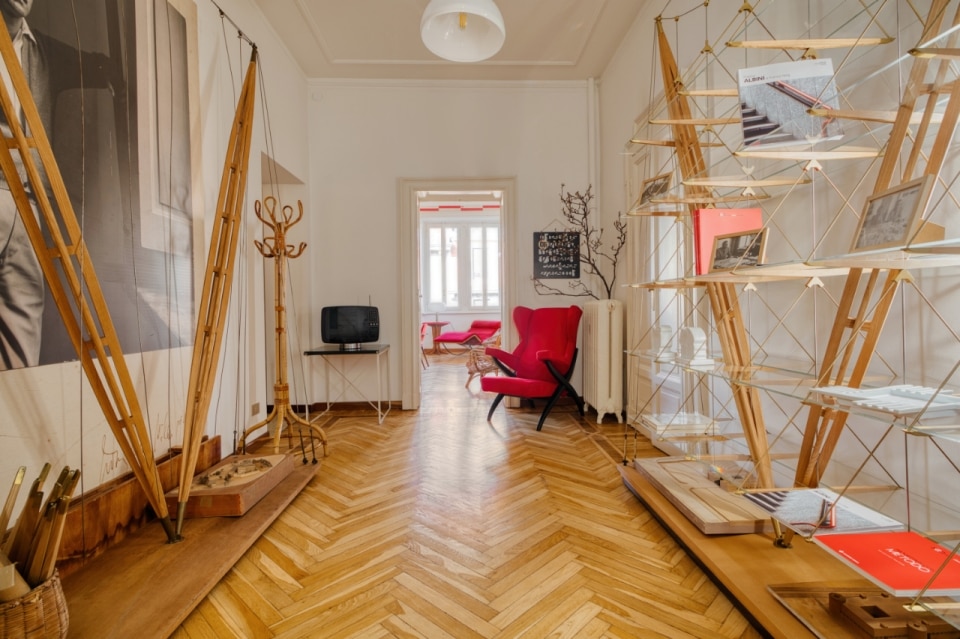
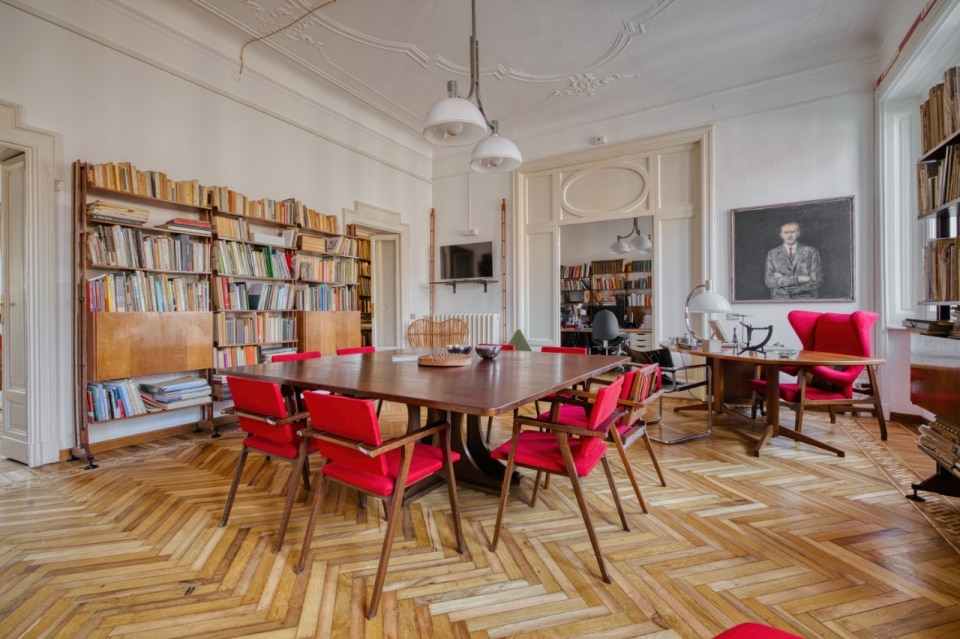
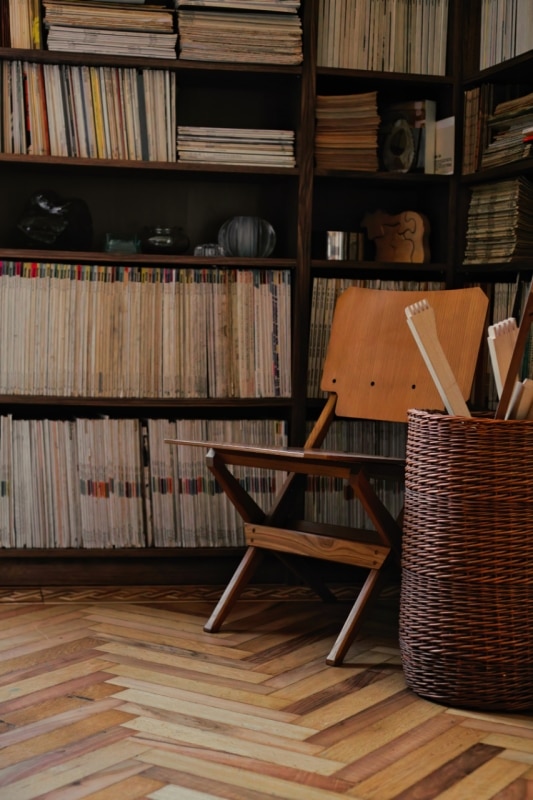
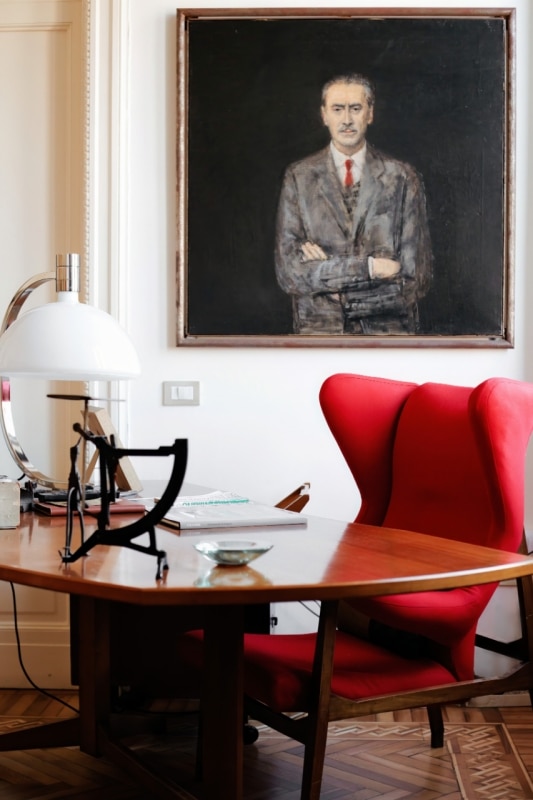
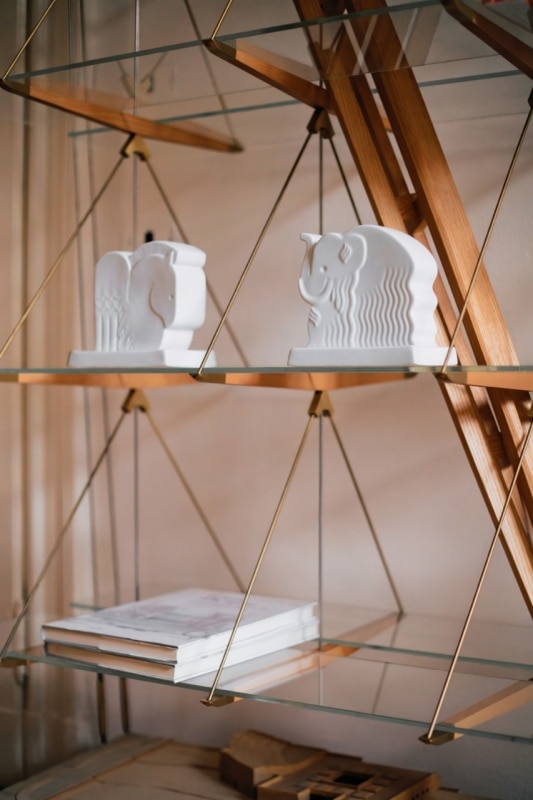

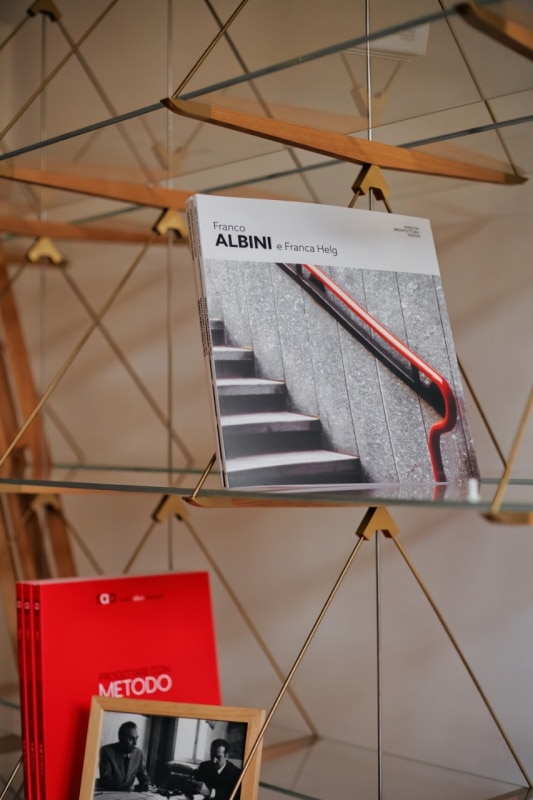
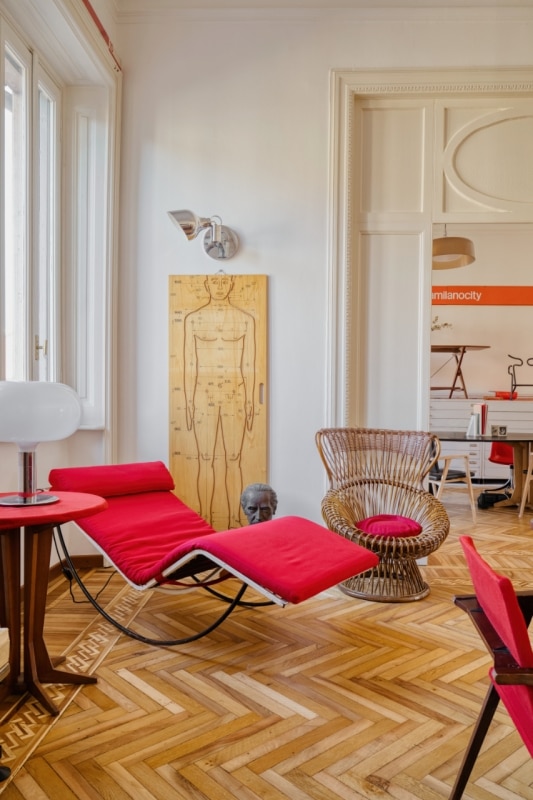
In Milan, at 27 Via Saffi, in the neighborhood between Corso Magenta and Parco Sempione, Spazio Albini has recently opened: the new headquarters of the Franco Albini Foundation and Studio Albini Associati established to preserve, disseminate, and enhance not only the architect’s legacy but also his design approach and methodology, as one of the leading figures of Italian Rationalism
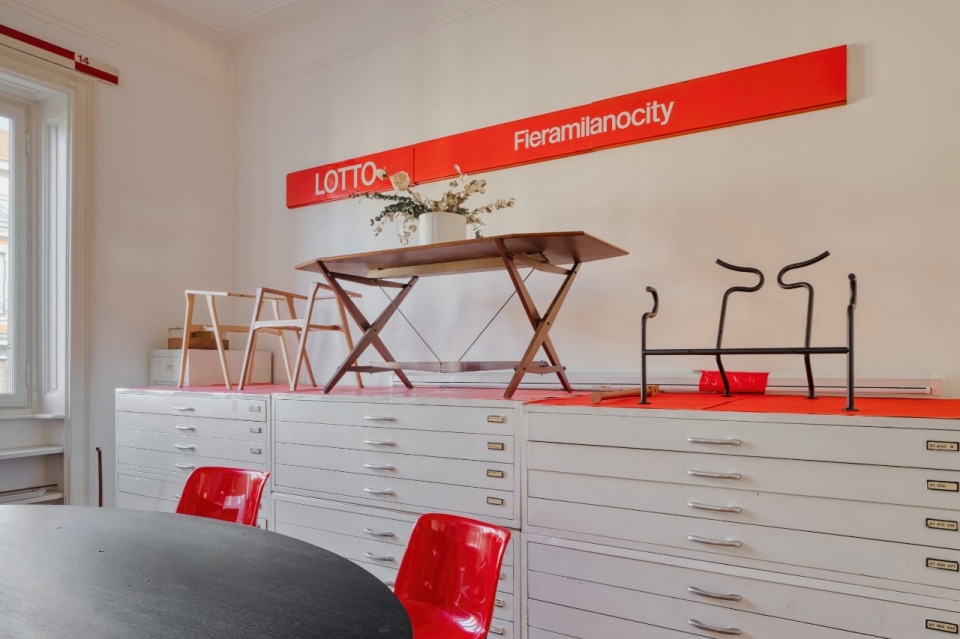
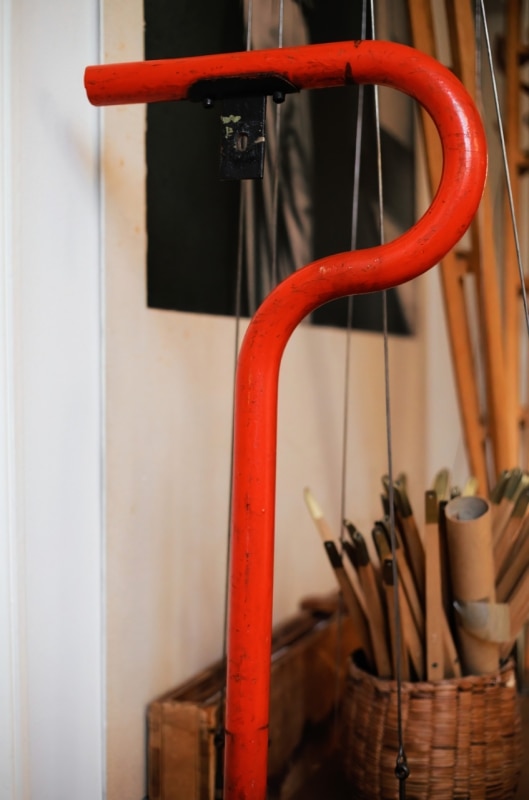
The new venue takes shape in a bright apartment just a few meters from the historic studio on Via Telesio, bringing together the entire Albini Archive—over 22,000 drawings, thousands of photographs, models, books, and prototypes—in an installation that aims to convey an operational as well as contemporary dimension of his thinking, beyond a merely celebratory remembrance. Among the objects on display within this nationally significant heritage are design icons such as the 1951 Margherita armchair and the tubular handrail of Milan's subway stations 1 and 2, part of the finish designed together with Franca Helg and Bob Noorda that won the Compasso d'oro in 1964 and that recently turned 60 years old.
The reopening of the Foundation comes at a strategic moment for the narrative of Albini's work: during Design Week 2026, the Alcova platform will open the doors of Villa Pestarini, the only private Milanese villa designed by the architect and never before accessible to the public. Built between 1938 and 1939, the villa stands as a manifesto of Italian Rationalism, with its rigorous geometries, glass-block façades, sliding partitions, and calibrated relationship with the garden, anticipating Albini’s characteristic “poetics of measure” and serving as an ideal matrix for reading historic spaces through new exhibition narratives.
In this context, the works of the Archive and Alcova represent two contrasting yet complementary operations. While the opening of Villa Pestarini will physically reactivate his architecture, the Foundation will instead provide a framework for understanding the influence of his design thinking on contemporary practice, reactivating his method—where constructive discipline and poetic tension coexist without compromise.
Franco Albini’s figure indeed embodied, with rigour, the idea of the “total architect”, attentive to the intrinsic social value of his profession. It is no coincidence that the new headquarters on Via Saffi was inaugurated with the exhibition "Milano Cortina, Andata e Ritorno: 1956–2026", dedicated to the 1956 Cortina Olympics, for which he oversaw the urban installations together with Franca Helg and Albe Steiner—an episode crucial to understanding the interdisciplinary dimension of his approach. The narrative also enters into dialogue with the Milan-Cortina 2026 Olympic Games through Cerchi di Pace, the reintepretation of his famous '56 Olympic Totem reconstructed in full scale at the Fabbrica del Vapore with the artistic intervention of Marco Gallotta.