


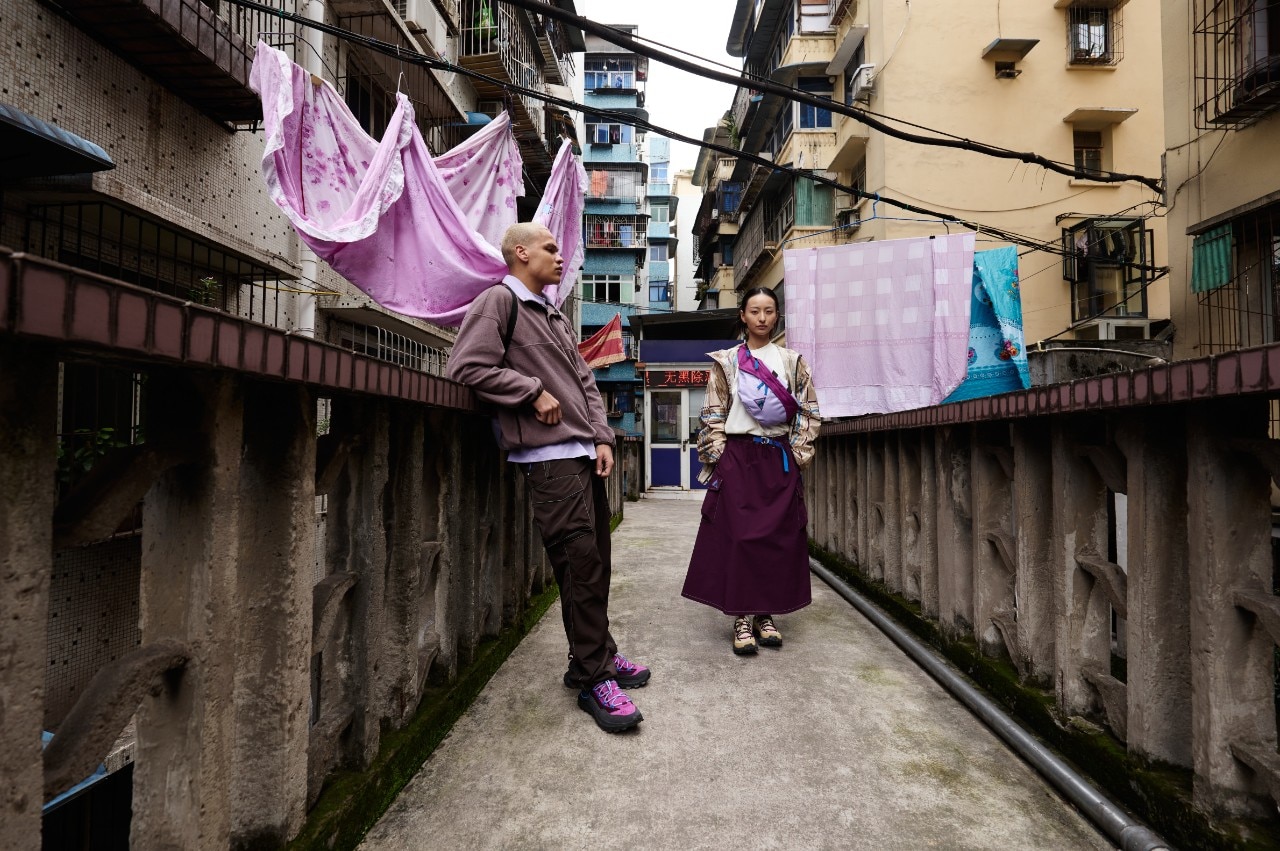

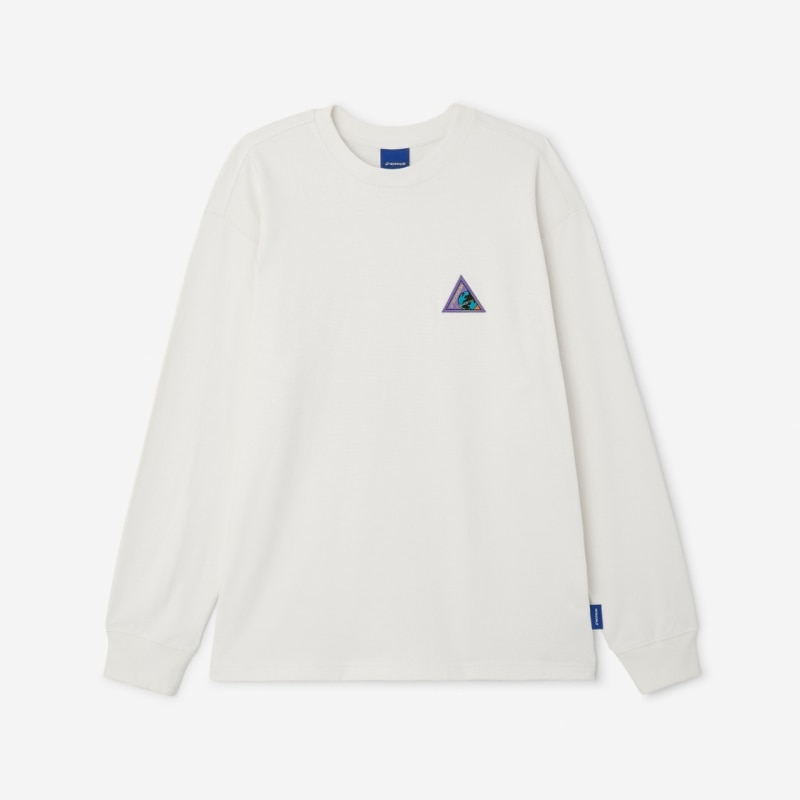
As technical clothing stops being a specialist language and becomes a shared code, even large, generalist outdoor brands are being called to redefine their positioning. With Vertigo 76, Decathlon steps into this hybrid space through an archive-based operation that looks to its own past as a design tool capable of engaging with contemporary use.
The French company thus taps into one of the most explored — and at the same time most ambiguous — territories of contemporary fashion: gorpcore, the transformation of mountain technical wear into everyday urban style.
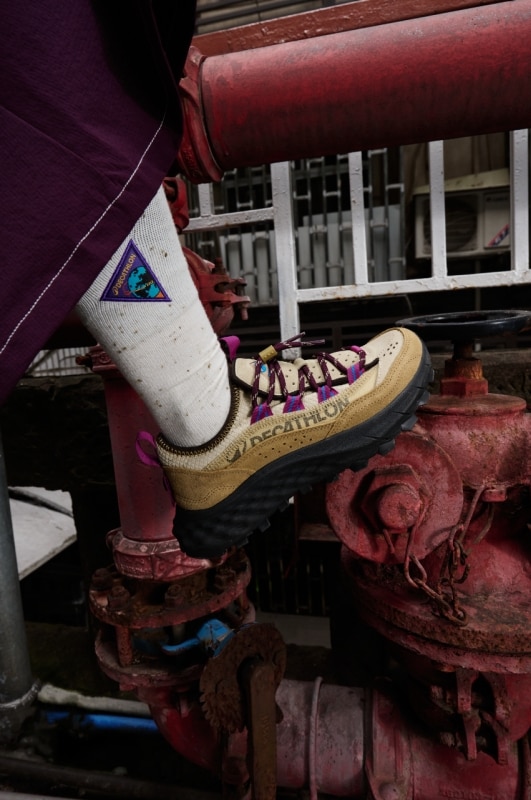
Presented in limited edition at the end of January, the collection takes 1976 (the brand’s founding year) as its reference point and forms part of the path leading up to Decathlon’s fiftieth anniversary in 2026. Beyond being a celebration, Vertigo 76 works as a test: to verify how well the codes of the mountain wardrobe can withstand their shift toward an urban context that is now used to wearing technical gear as a form.
Garments conceived for the mountains, then, but now perfectly integrated into urban life.
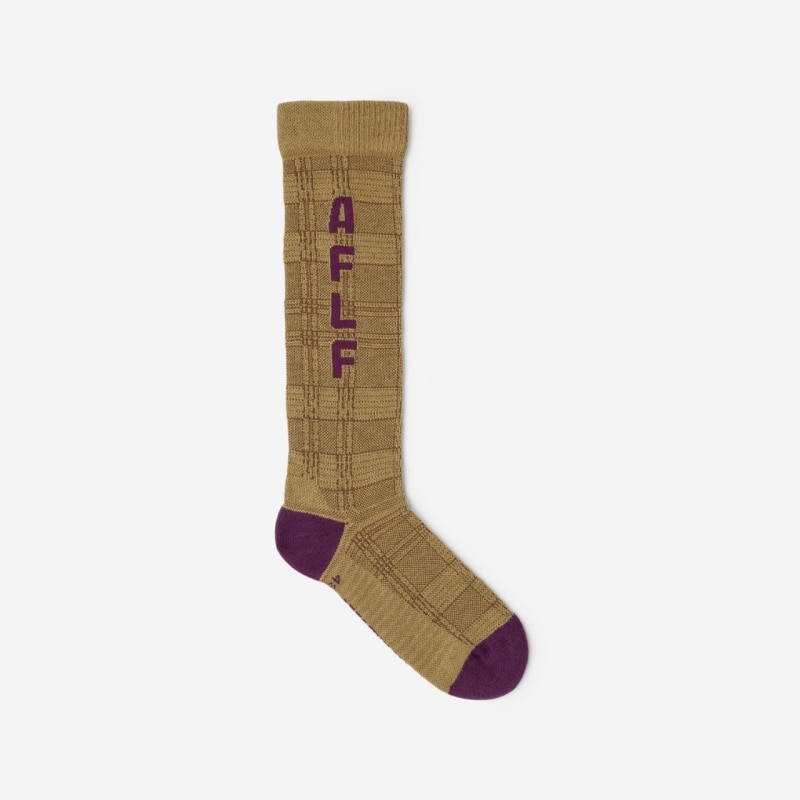
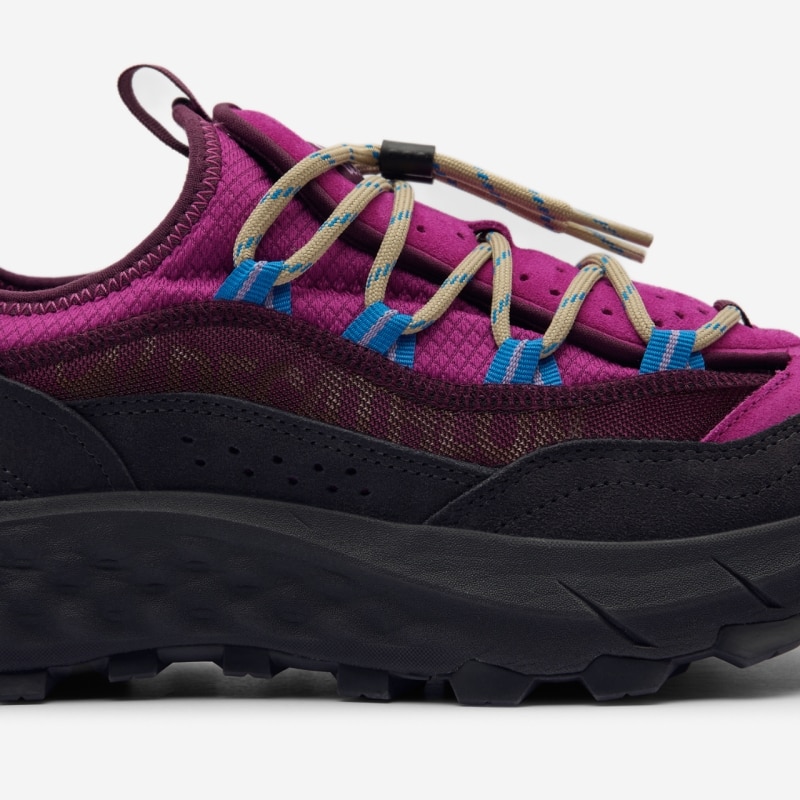
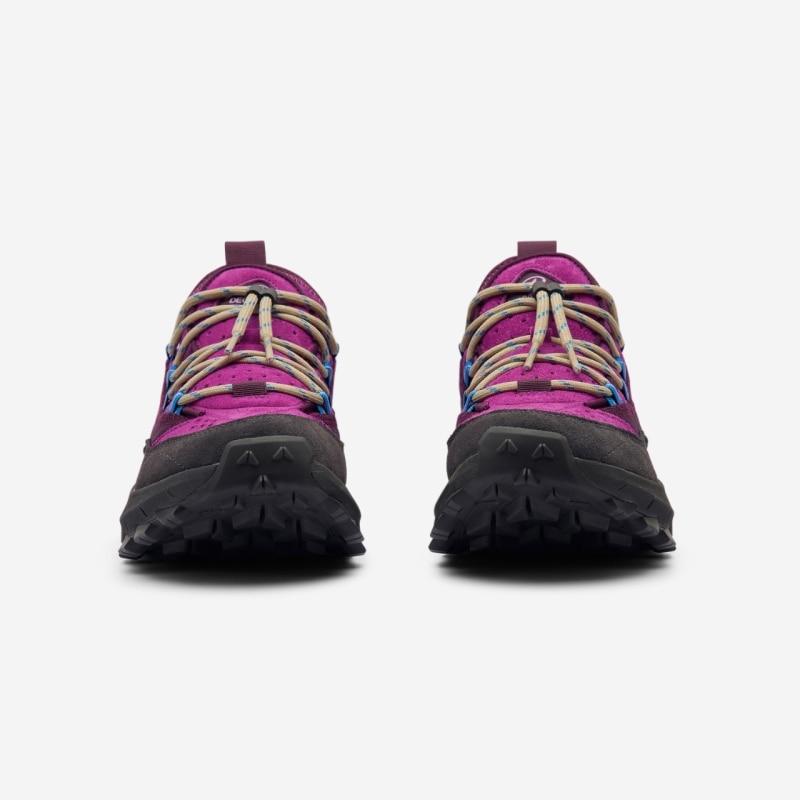
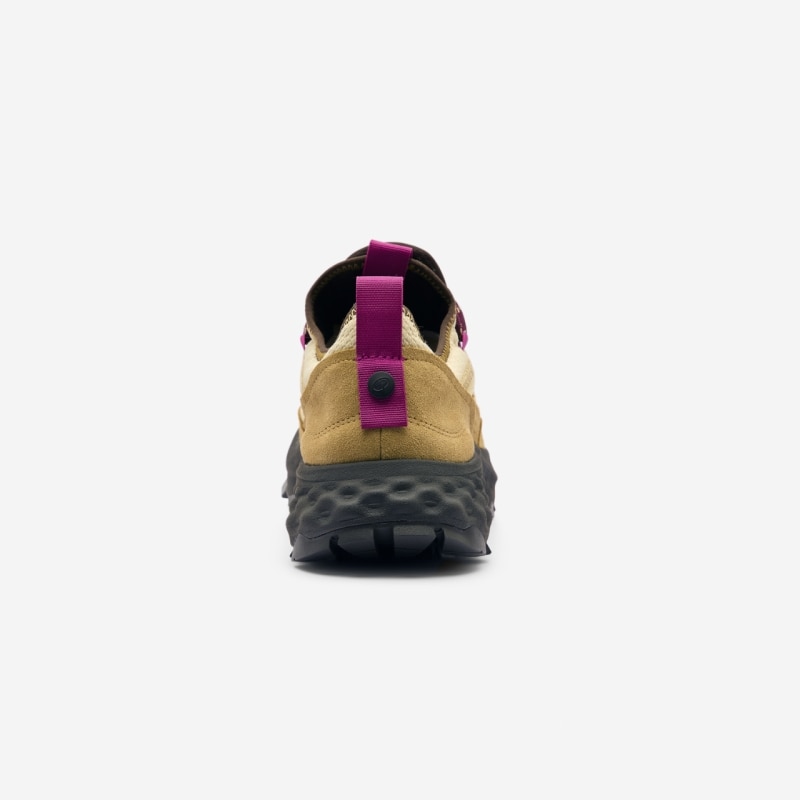
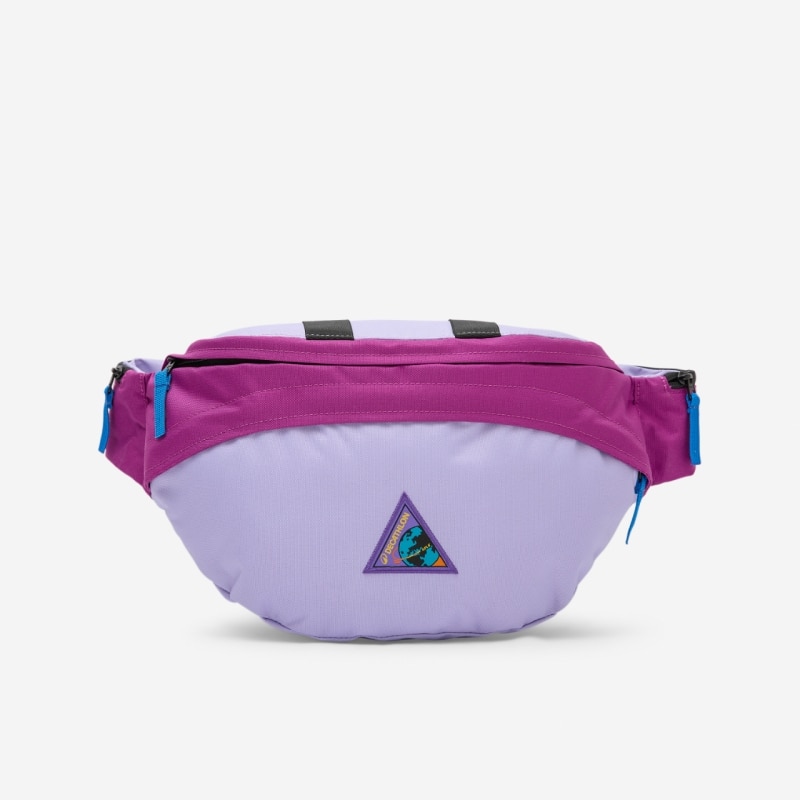
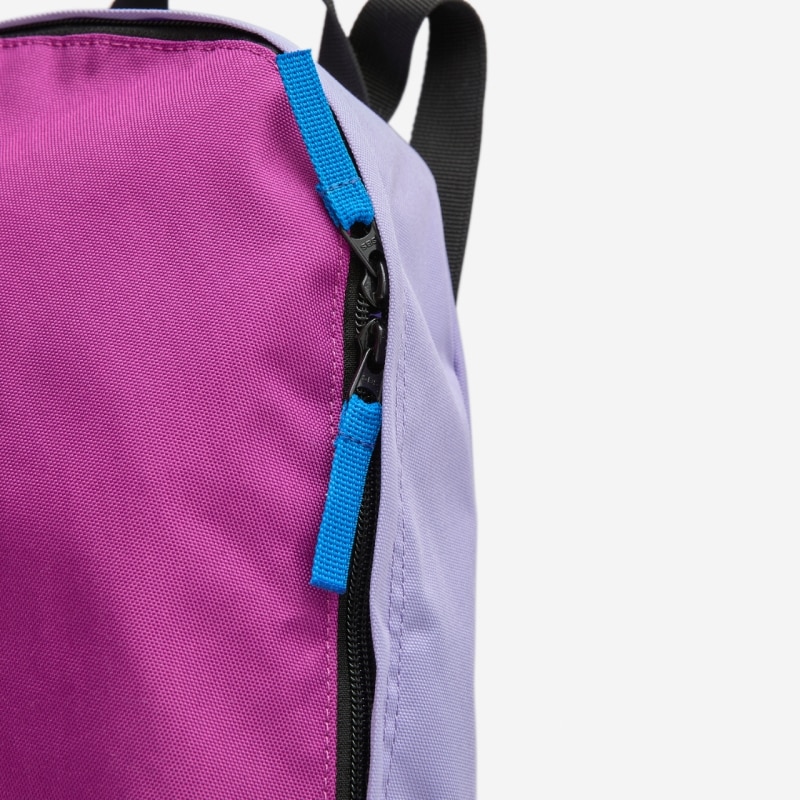
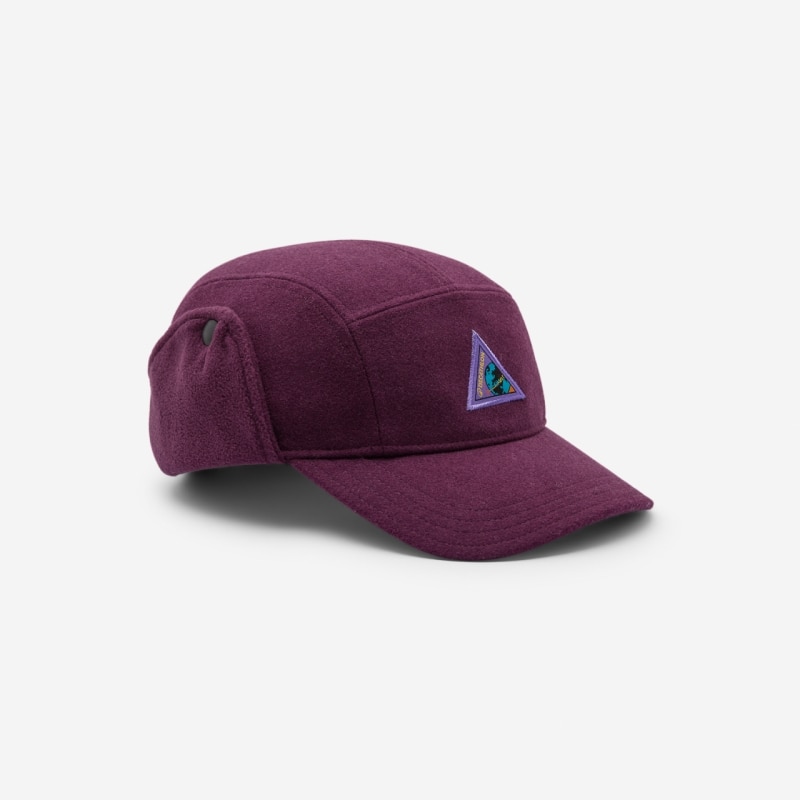
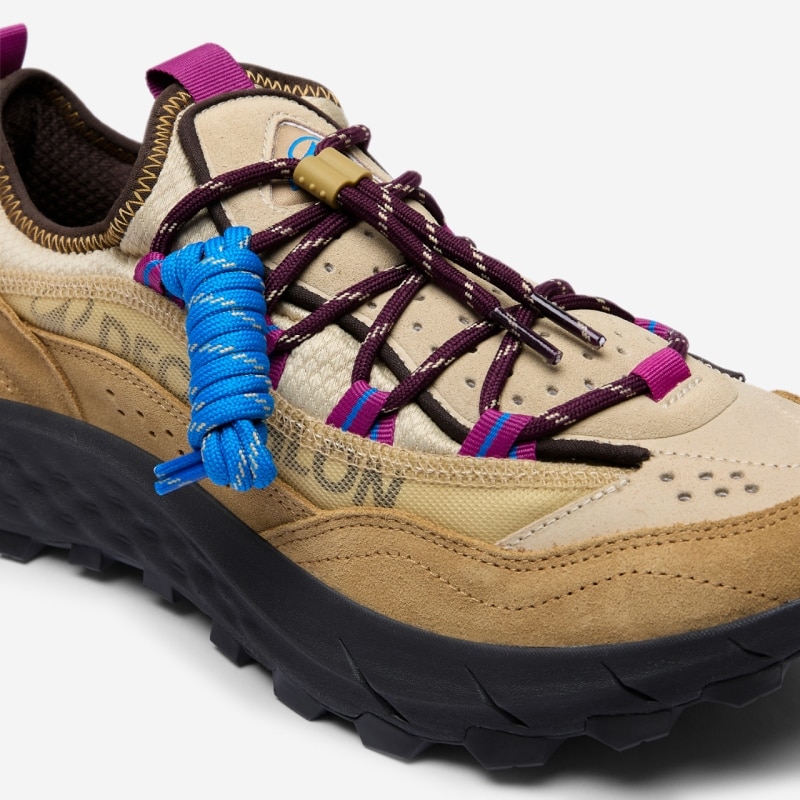
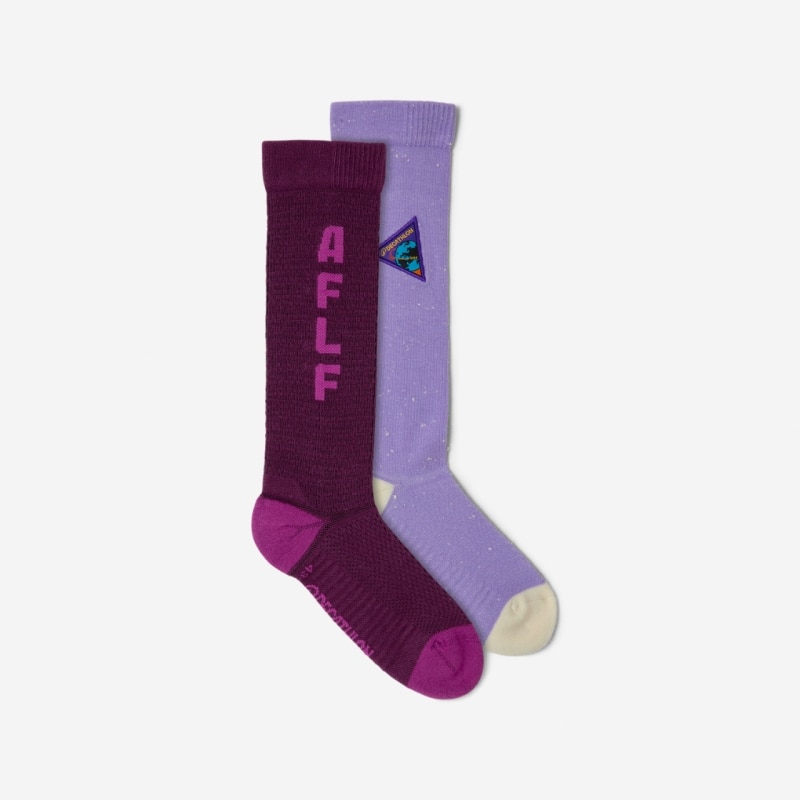
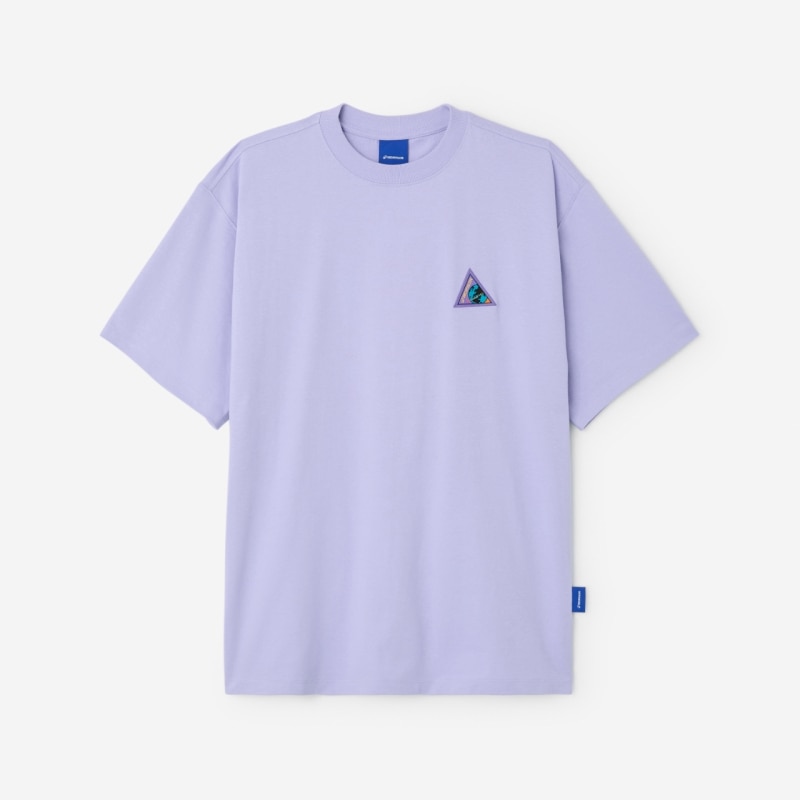
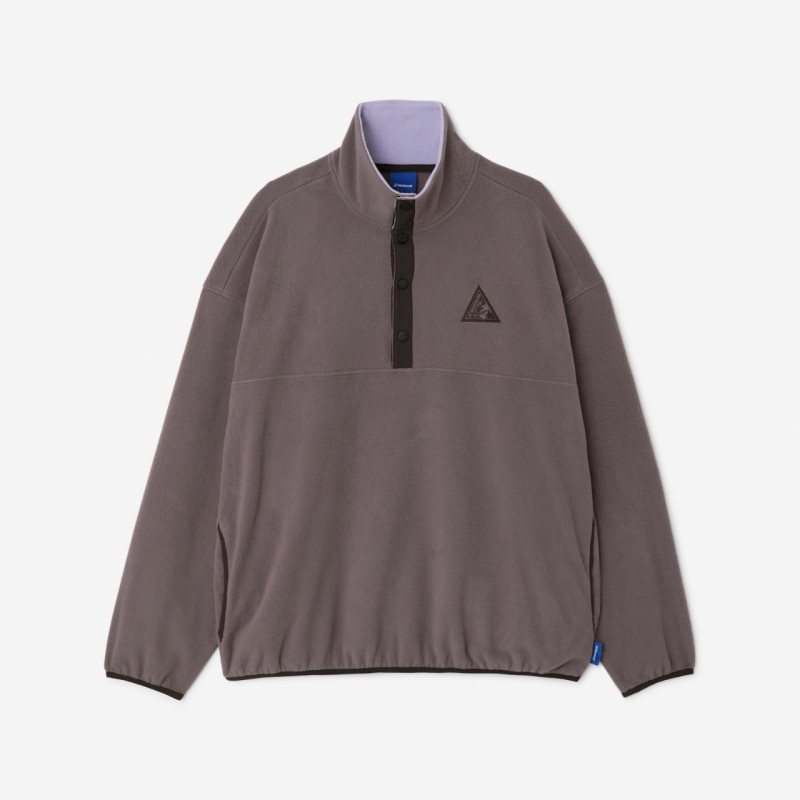
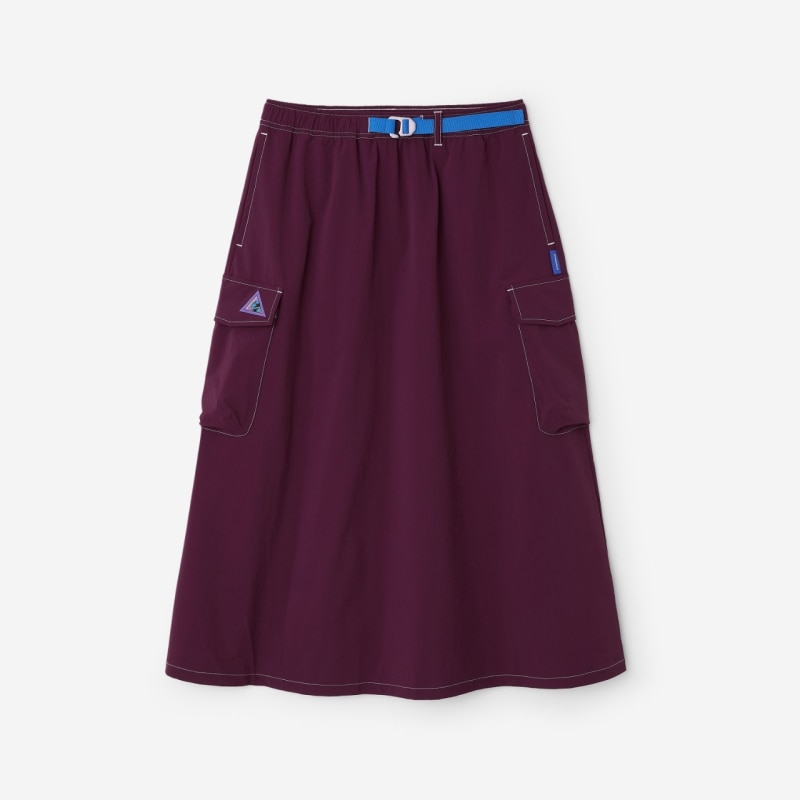
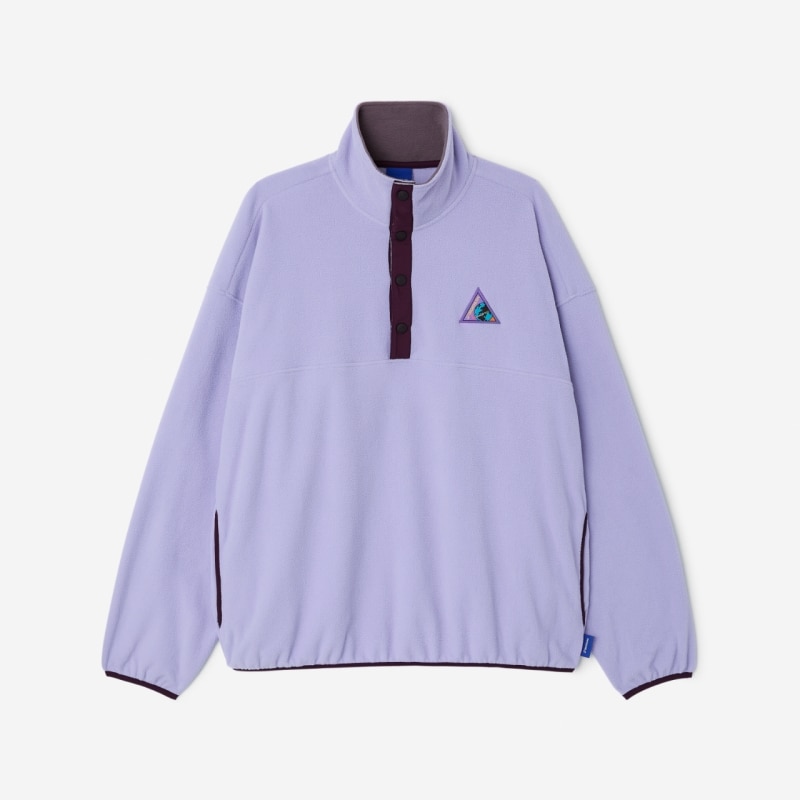
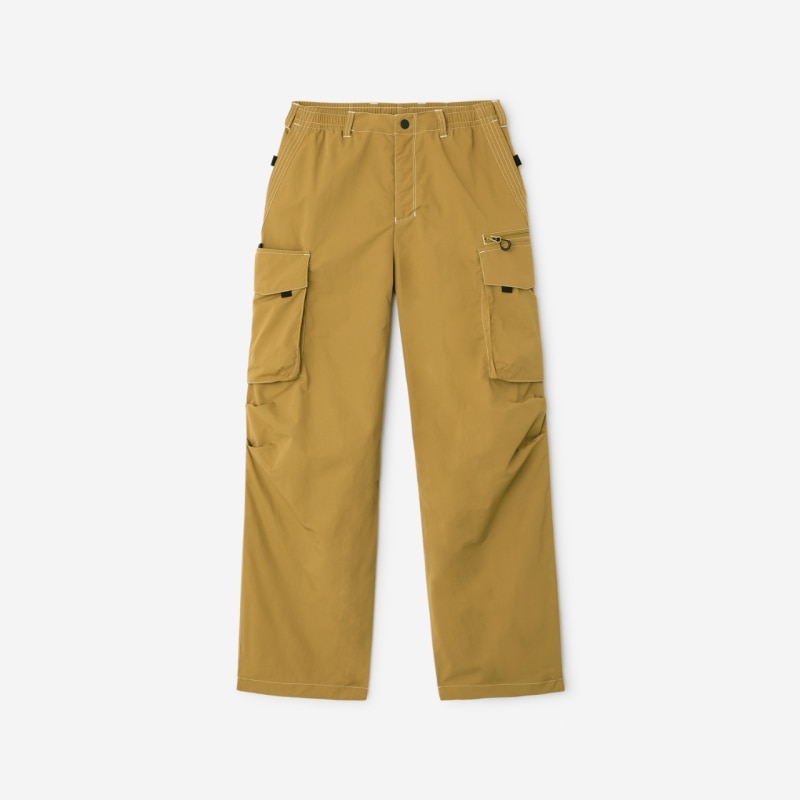
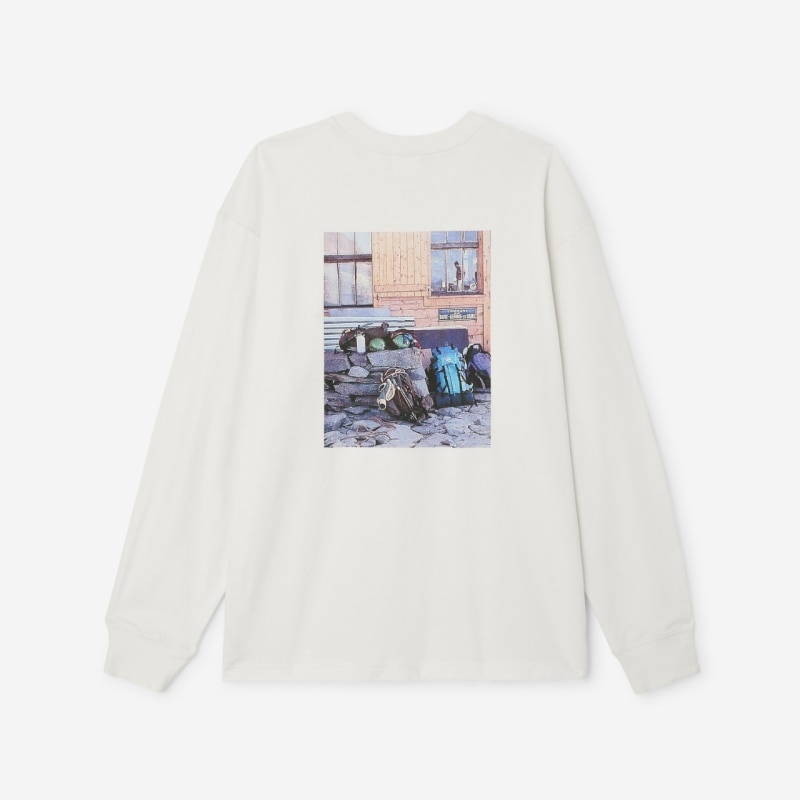
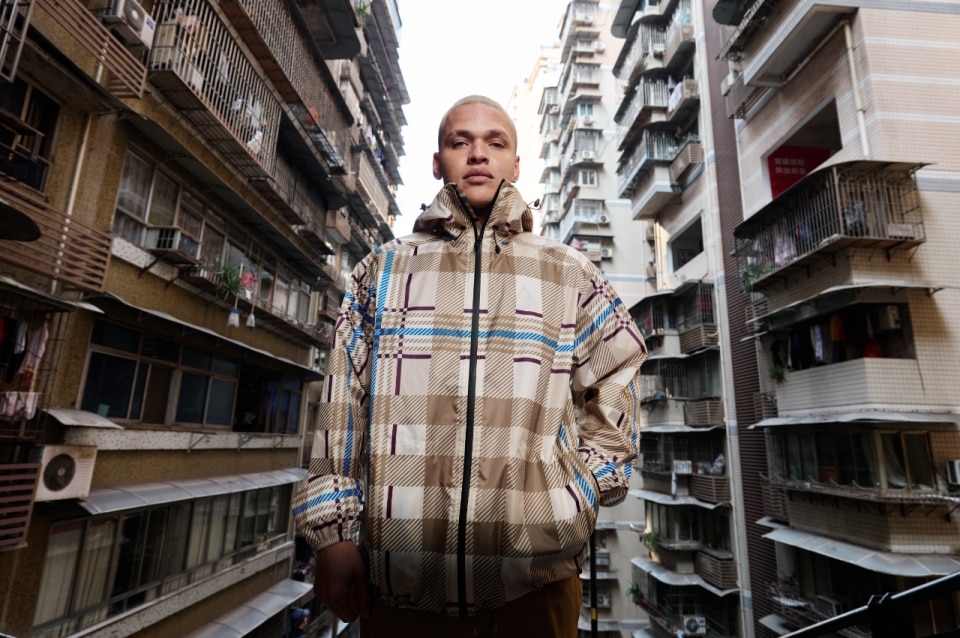
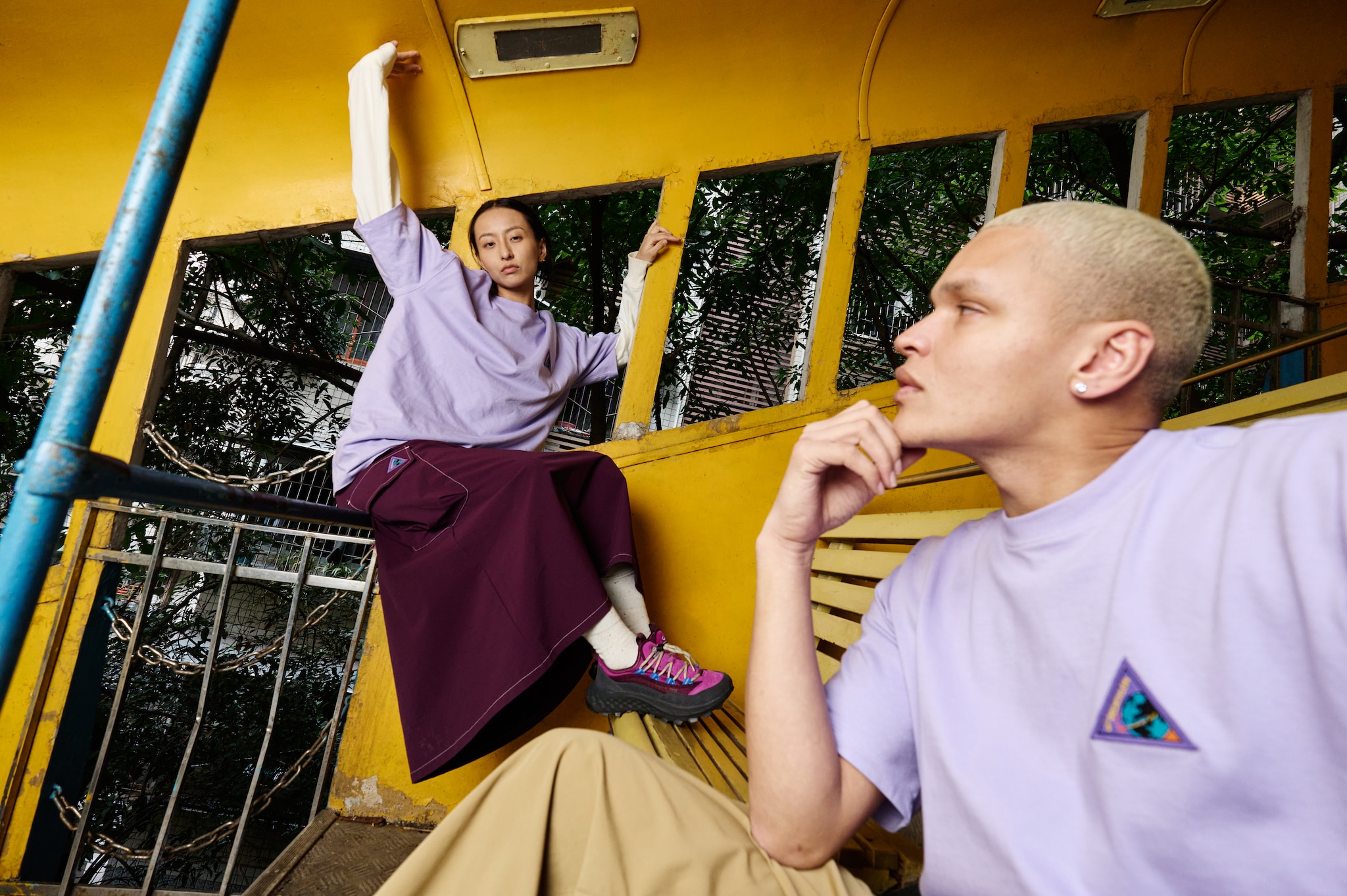
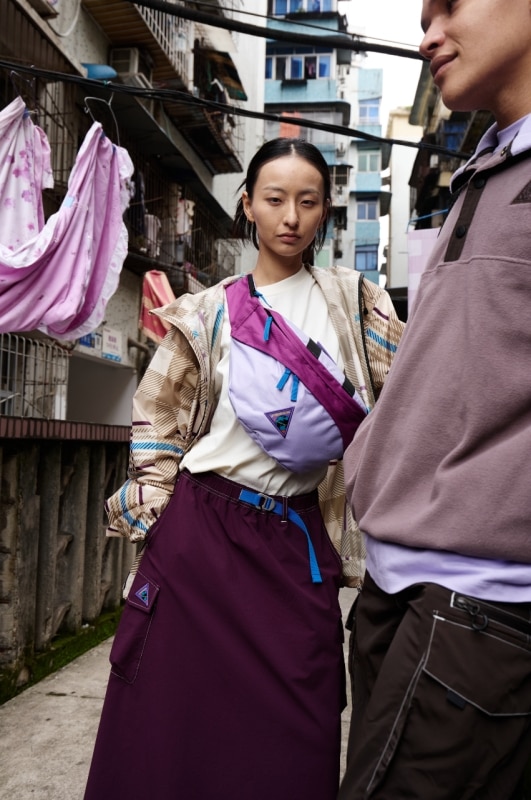
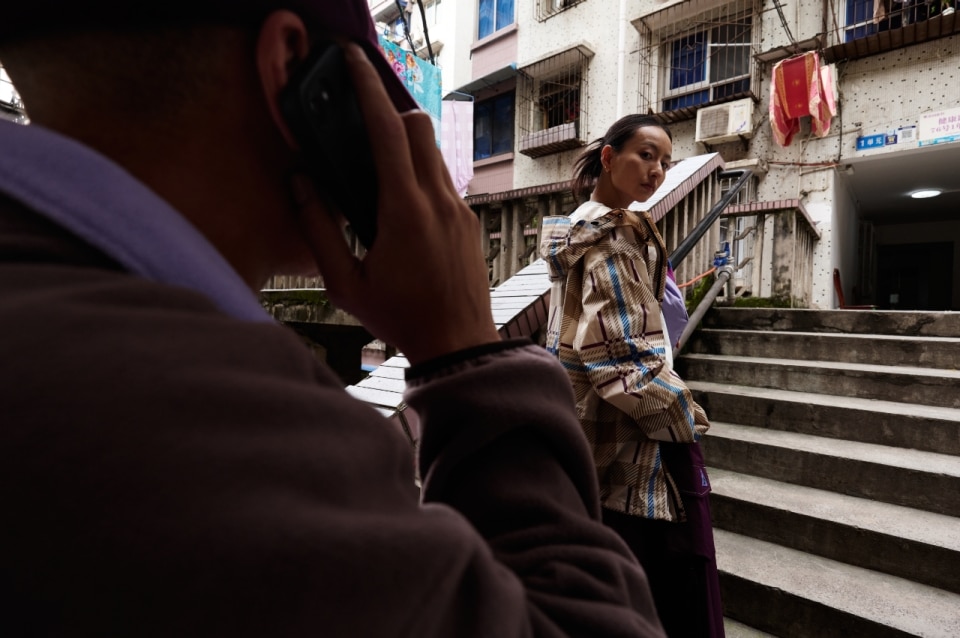
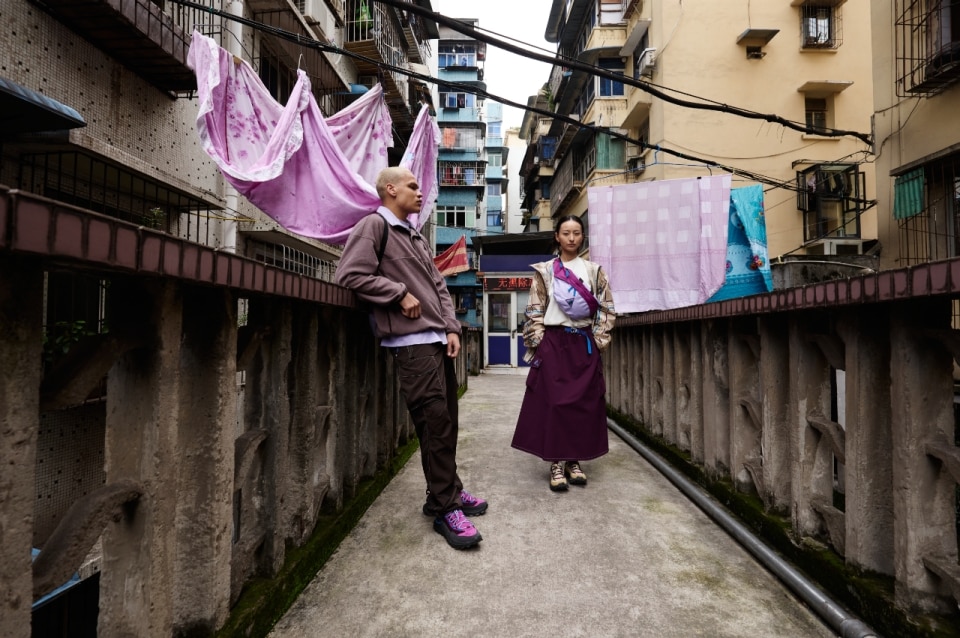
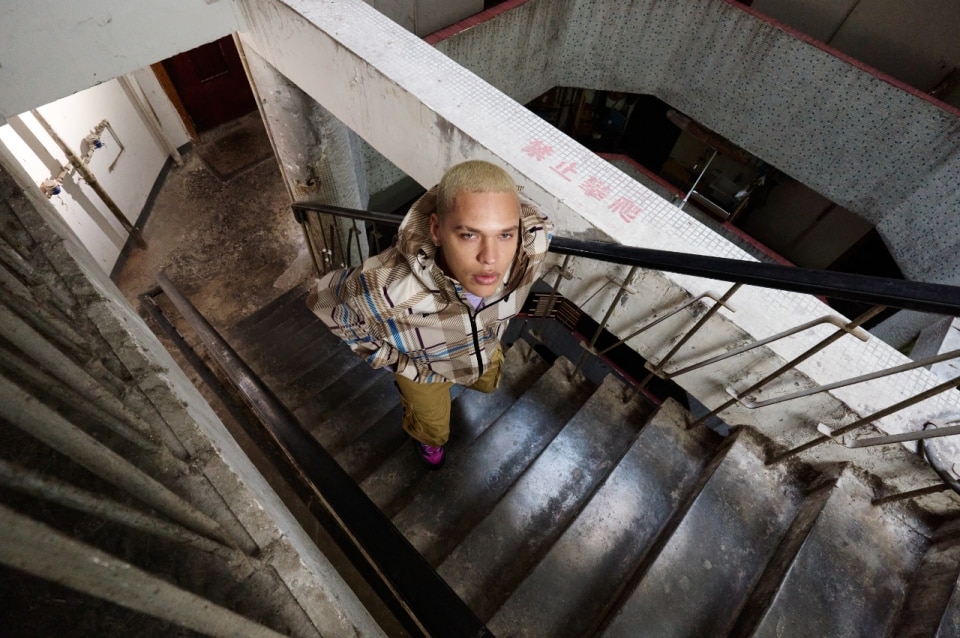
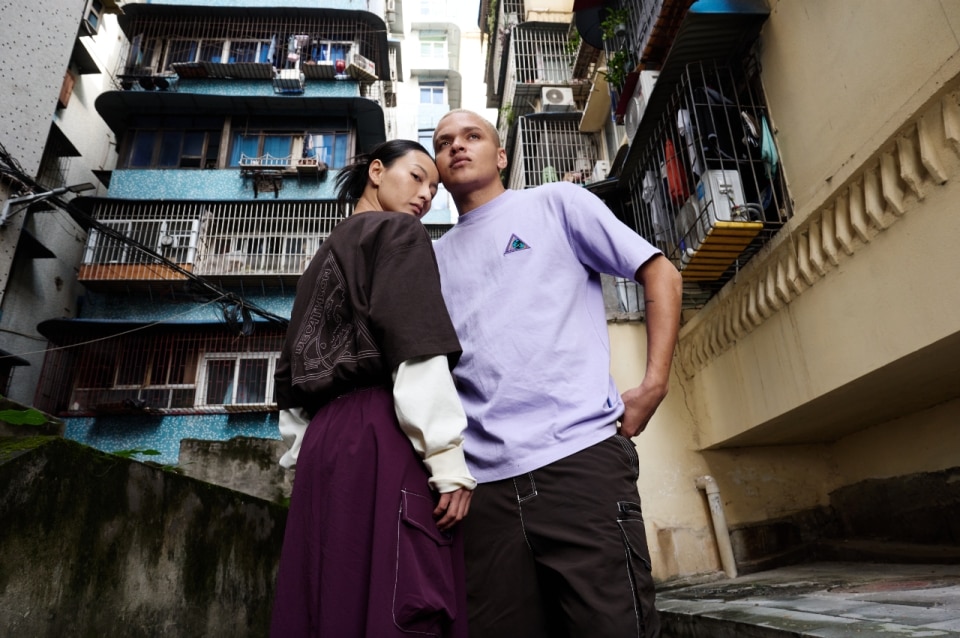
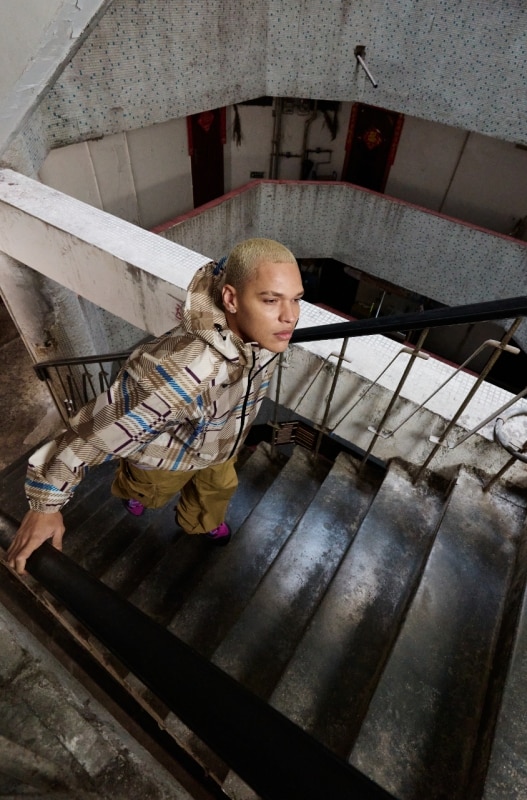
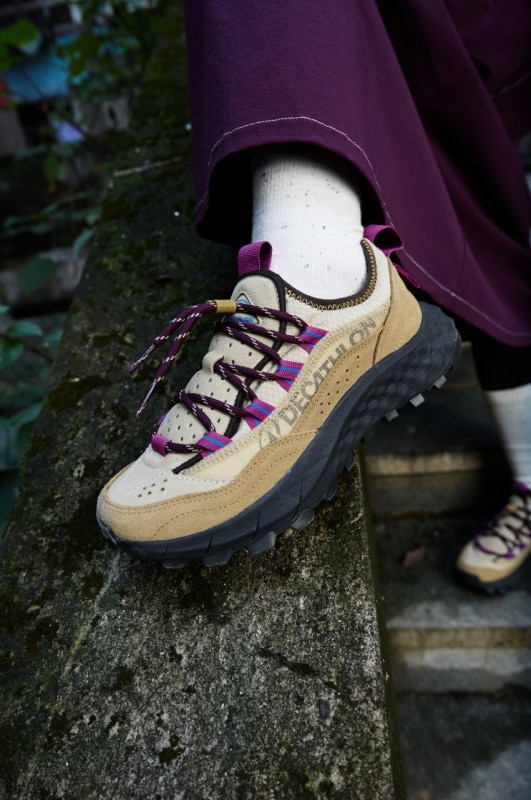
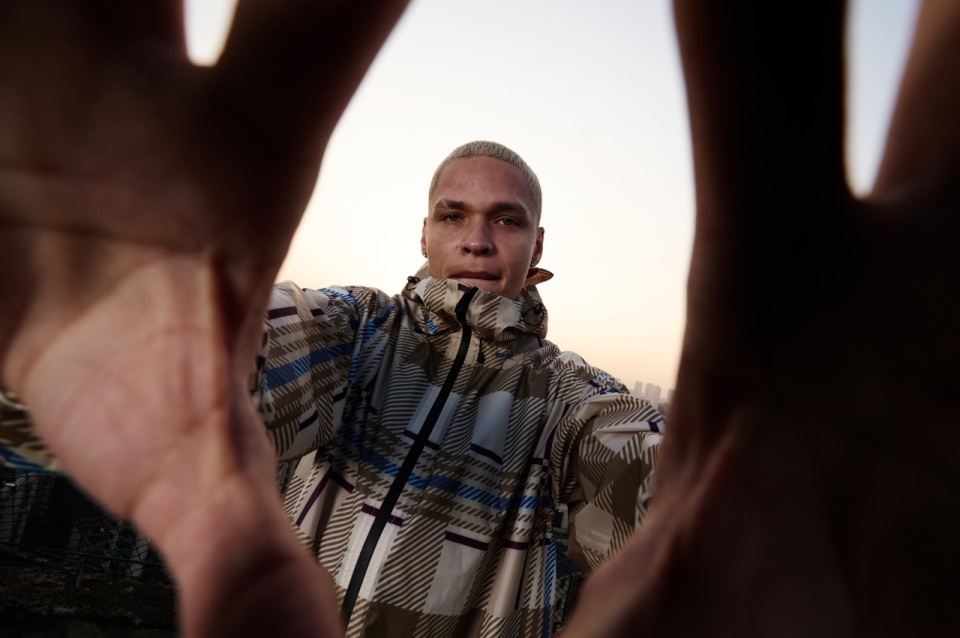
Vertigo 76 comes down from the peaks and takes shape through 15 unisex pieces that reinterpret technical mountain clothing for everyday, urban, layerable use. Windbreakers and fleece jackets, cargo trousers, technical knitwear, socks, footwear, and accessories such as a modular waist bag designed to turn into a backpack build a wardrobe that maintains a declared function while consciously shifting its setting. The garments are conceived for the outdoors, yet it is clear that the city has become their main testing ground.
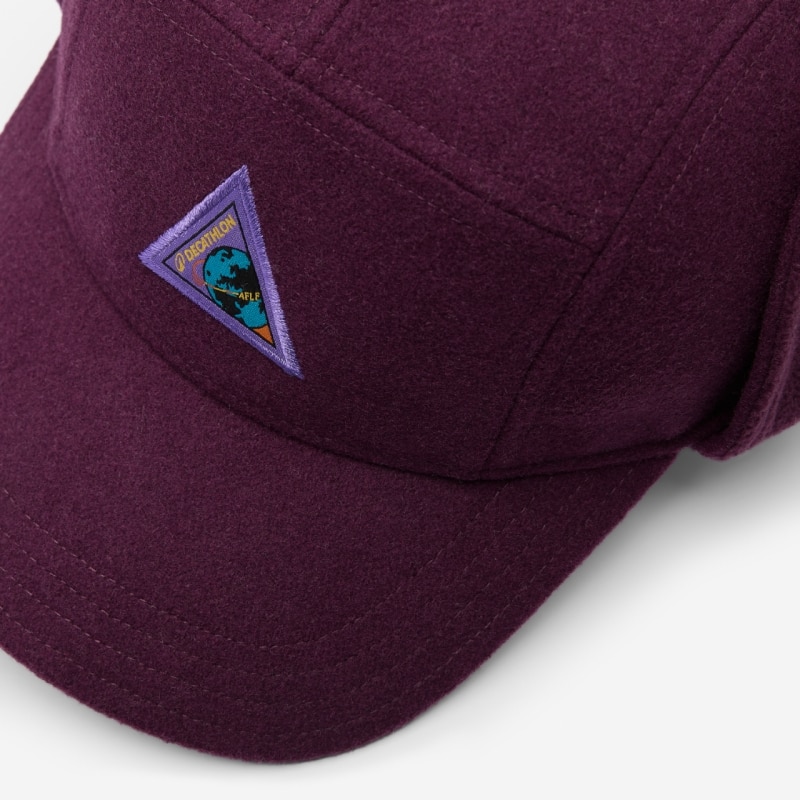
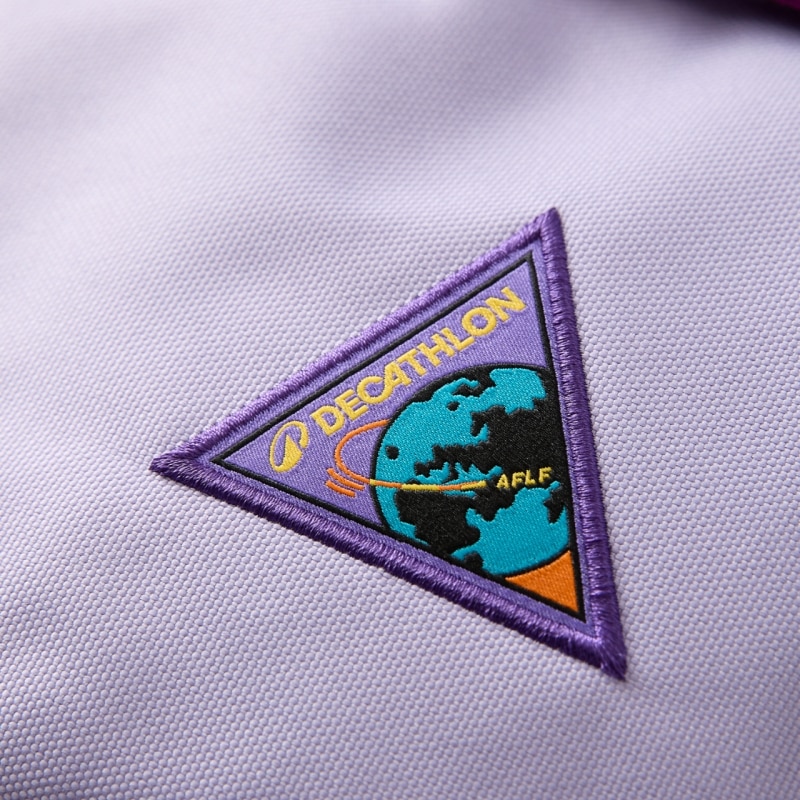
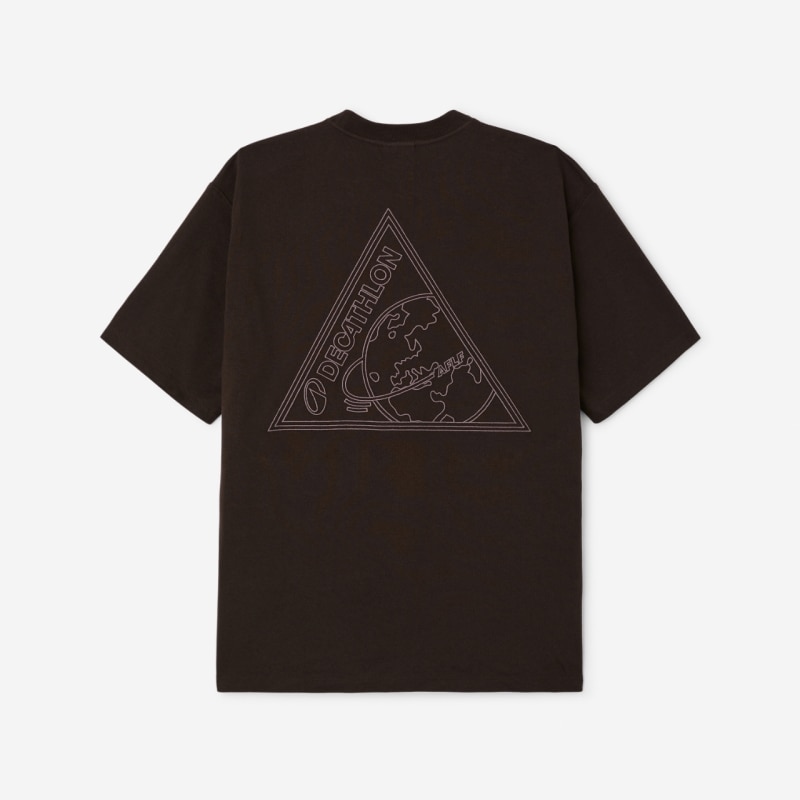
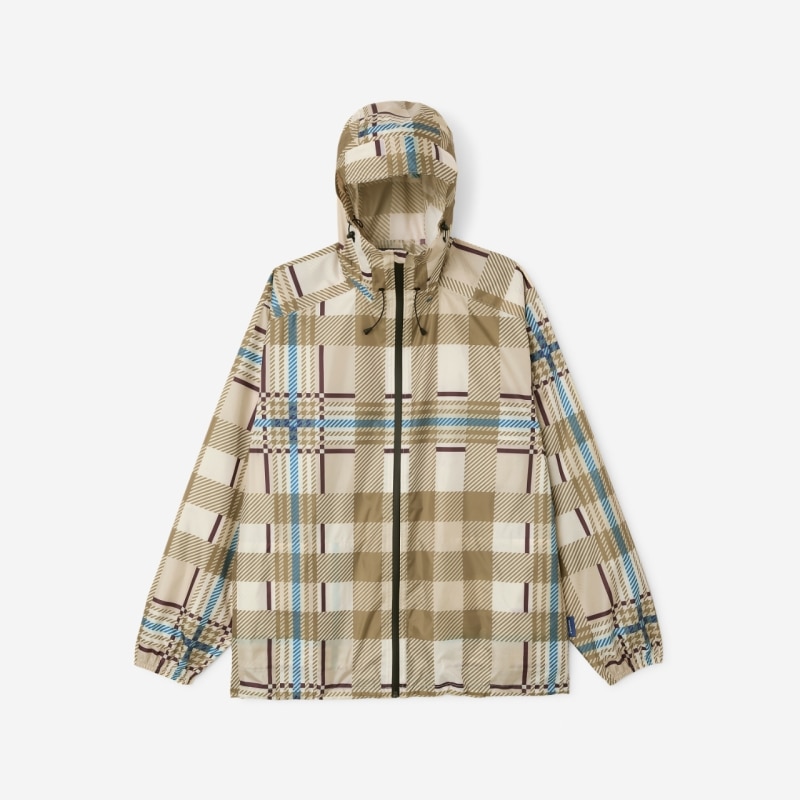
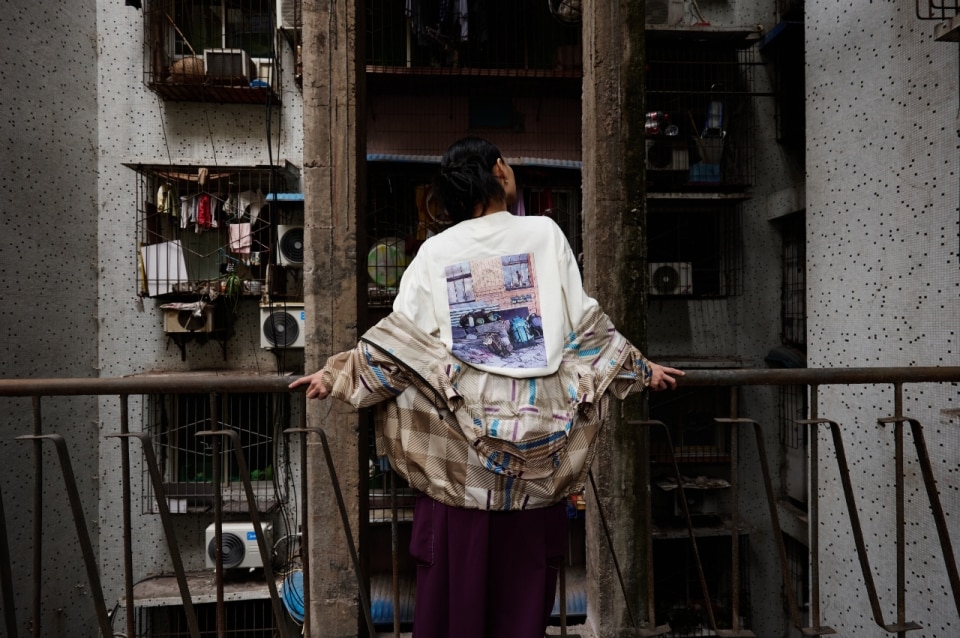
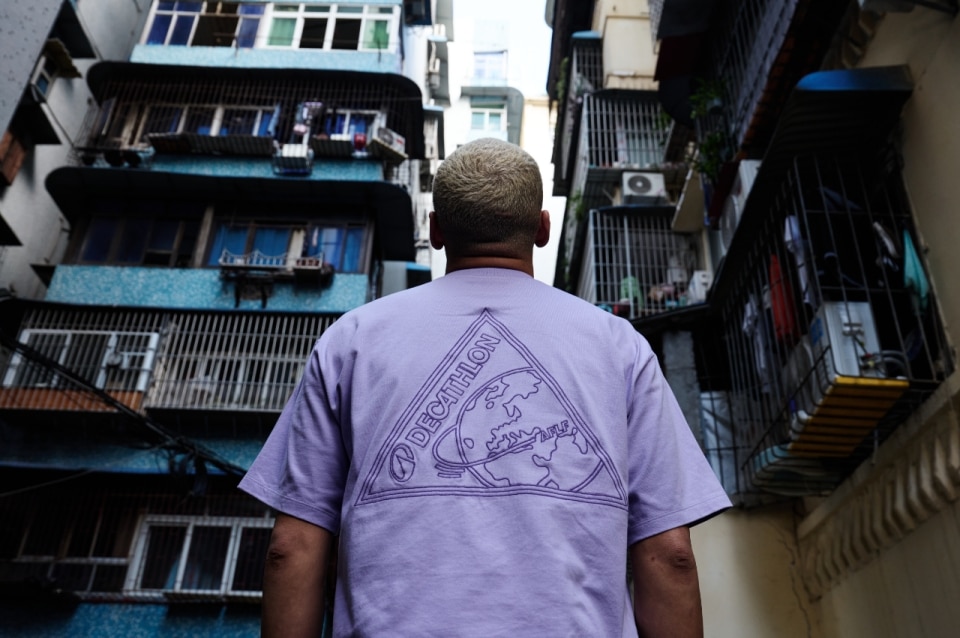
The work on materials and finishes is accompanied by a precise chromatic choice: purples, deep browns, burgundy and lilac, balanced by touches of cream and burnt sienna. A palette that distances itself from the most extreme technical minimalism and recovers an idea of color linked both to visibility in nature and to aesthetic recognizability in urban space. Archival references are also handled with caution: the tartan pattern featured on the windbreaker is graphically reworked, while the triangular badge (a Decathlon symbol in the 1990s) returns in an updated version, accompanied by the historic slogan AFLF (À Fond La Forme).
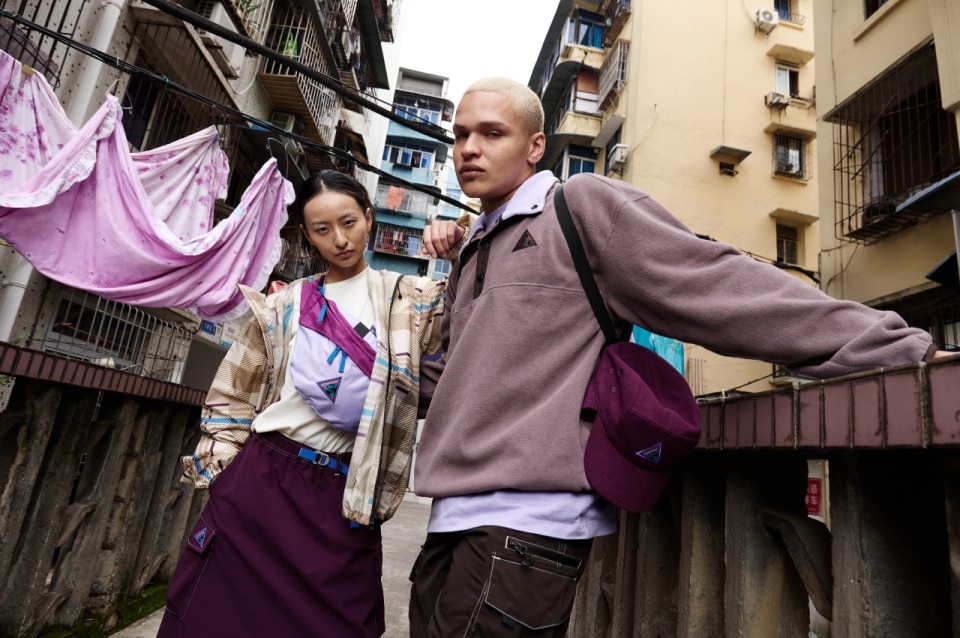
As textile designer Kynza Ahmed explains, the starting point was a selective process aimed at identifying the garments most representative of the brand’s DNA and reinterpreting them. Vertigo 76 thus moves within a balance of controlled nostalgia, between memory and the present, seeking formal coherence rather than a simple revival effect.
The operation fits into a broader context. The term gorpcore, coined in 2017 by The Cut from the acronym Gorp (“Good Ol’ Raisins and Peanuts,” the energy snack of hikers), describes the migration of technical clothing into everyday use. Gore-Tex, layering and hiking shoes become elements of a style that blends performance and comfort, a sense of belonging and protection, often more as an aesthetic statement than out of real environmental necessity.
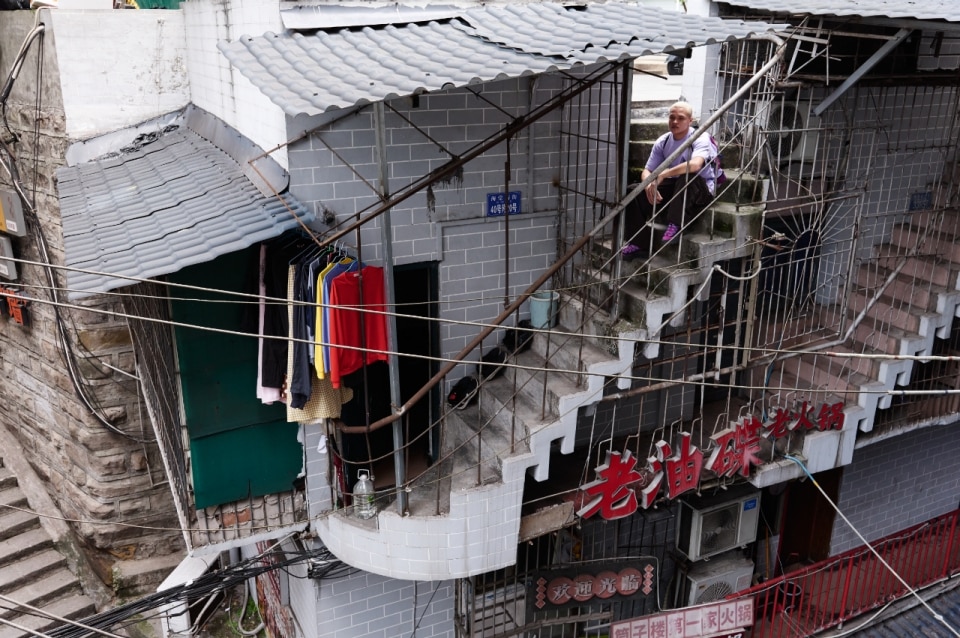
In this scenario, some outdoor brands have become true cult objects. Arc’teryx, with iconic accessories such as the Bird Head Toque, has seen products designed for skiing quickly sell out and re-emerge as cultural symbols, to the point of generating a proliferation of ironic content and DIY tutorials on social media about how to recreate the brand’s iconic fossil logo on a beanie. The North Face, now a structural presence in the market, recently introduced the Summit Series Advanced Mountain Kit Black Edition — an operation that does not alter the technology or simplify the function, but acts exclusively on color: all black.
Miuccia Prada had already intervened in this field well in advance in the late 1990s, juxtaposing cleated “bubble soles” and breathable mesh with brown and fluorescent hiking boots presented in Miu Miu’s AW1999 collection, along with waist bags that hinted at the normalization of technical aesthetics.
The city has become their main testing ground.
Within this framework, Vertigo 76 stands out for its positioning: rather than a fashion-driven hybridization, it reads as an accessible operation rich in symbolism. Prices range from 15 to 80 euros, and the collection is distributed online and in stores across six European countries (France, Spain, Italy, Belgium, Germany and the United Kingdom).


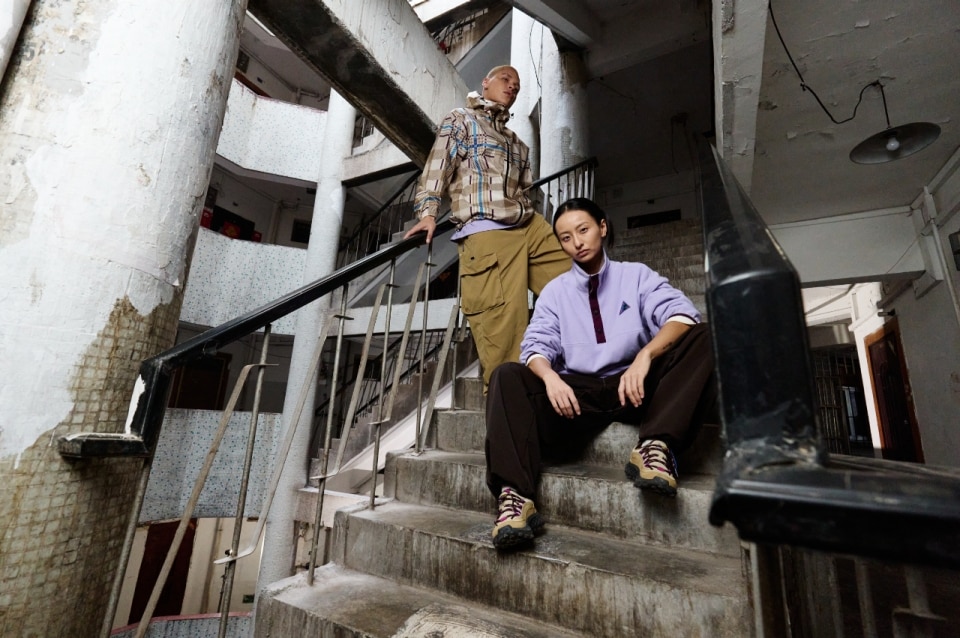
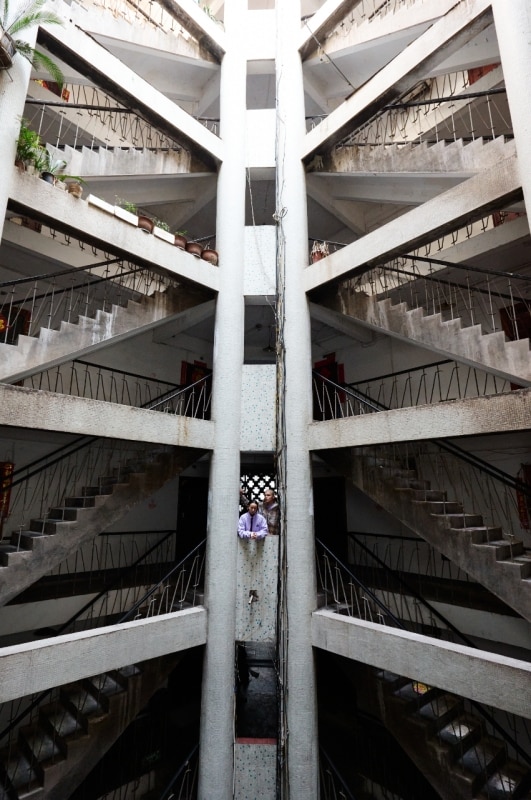
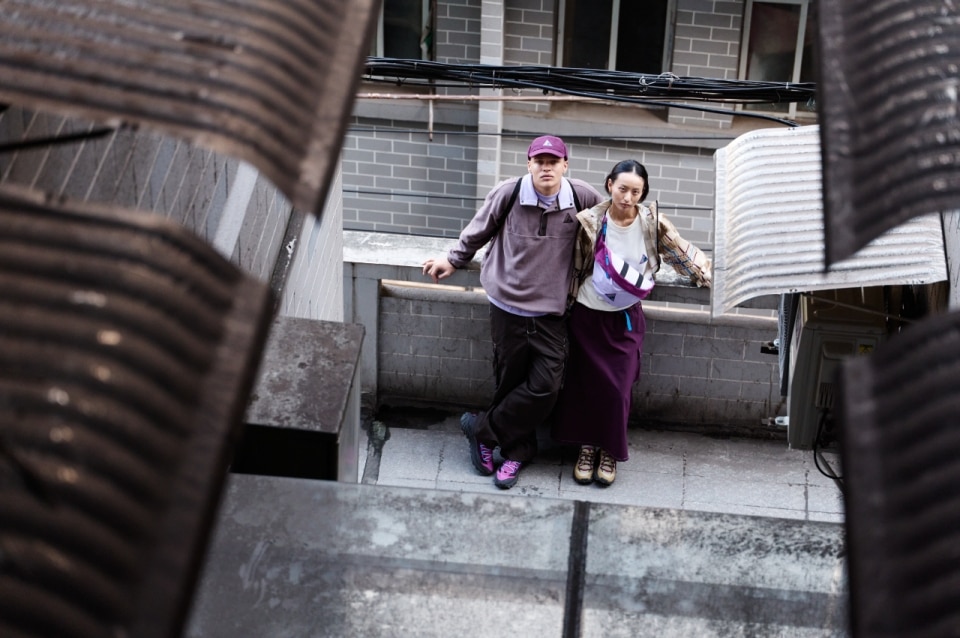
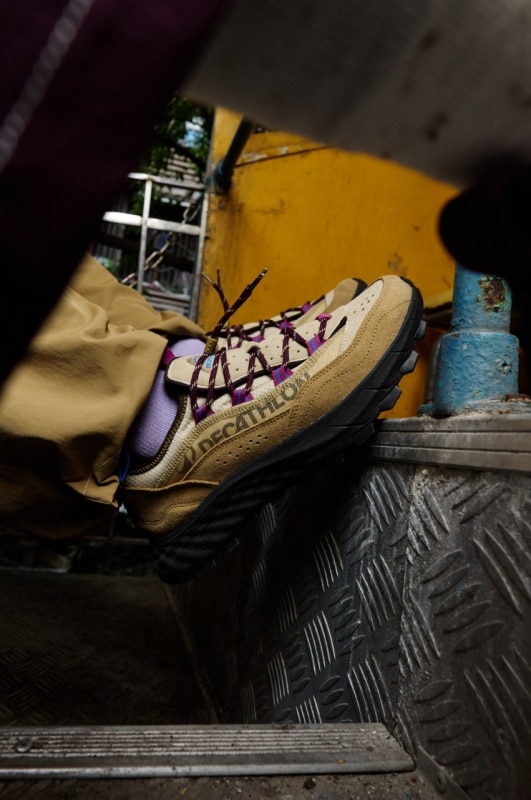
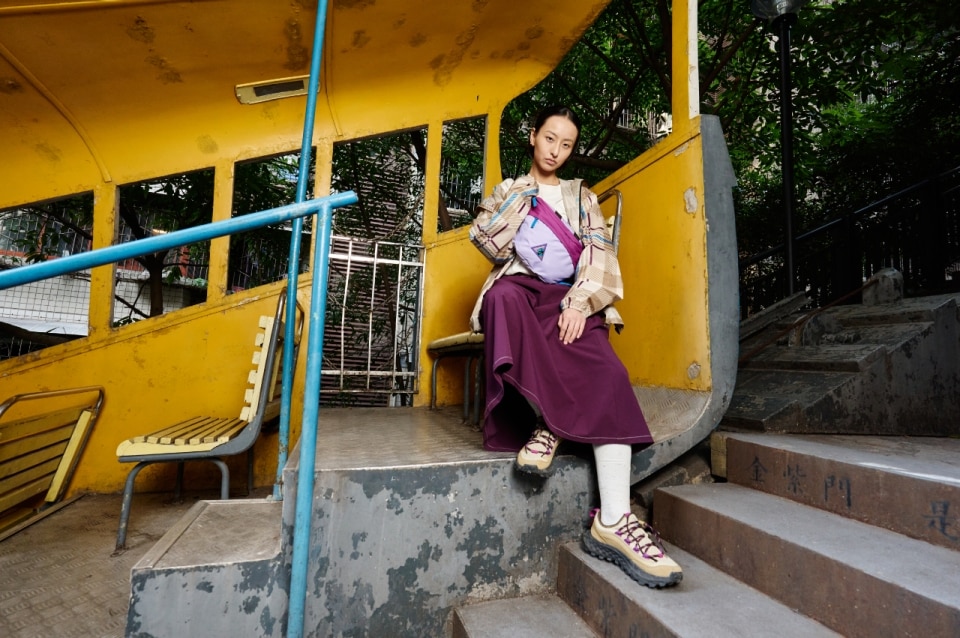
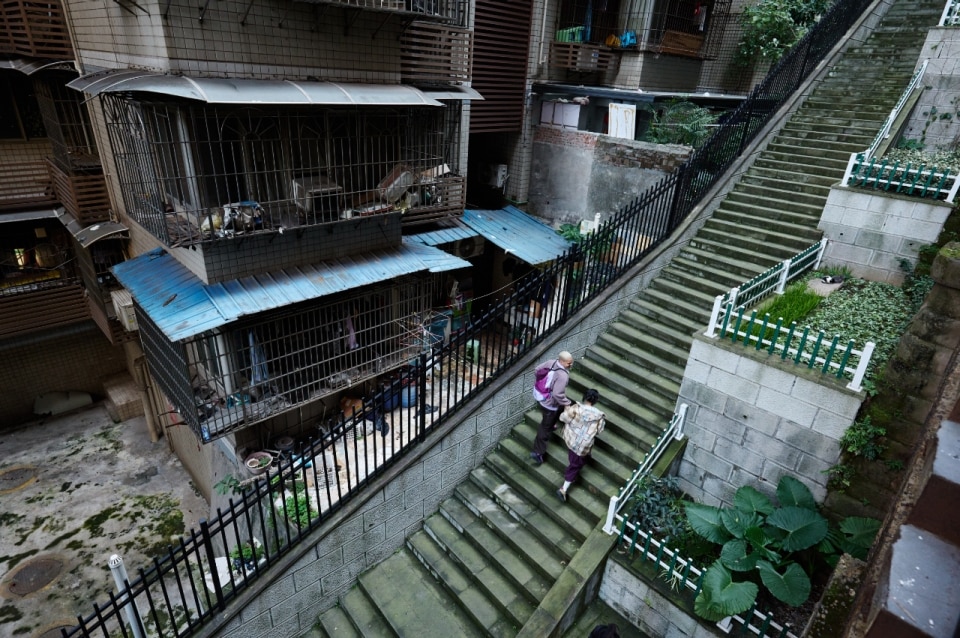

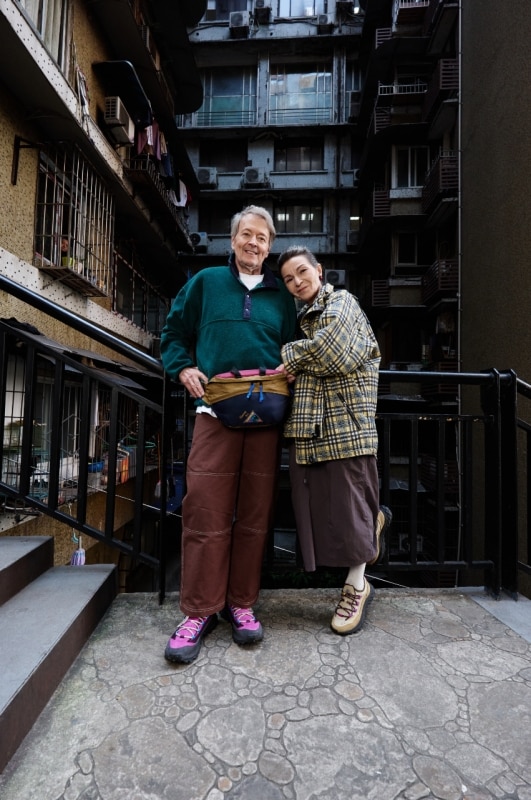
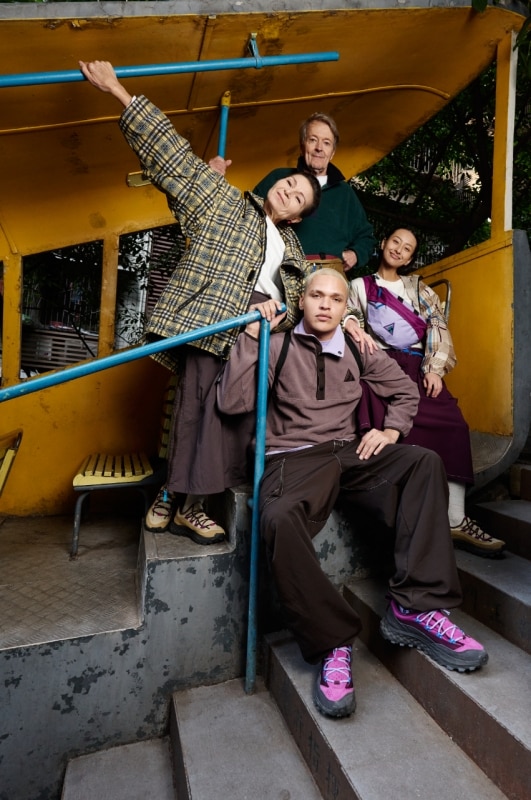
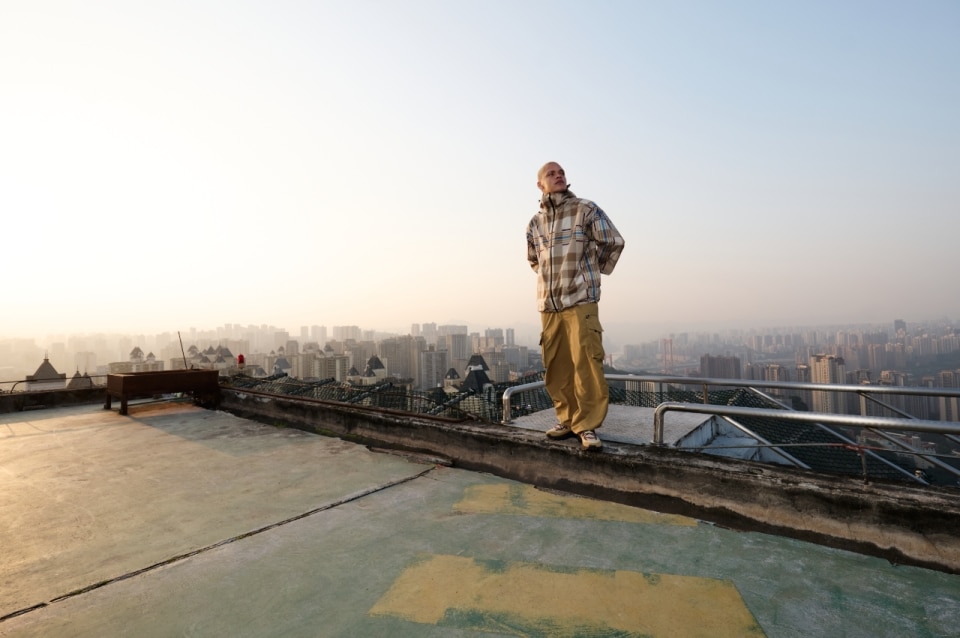
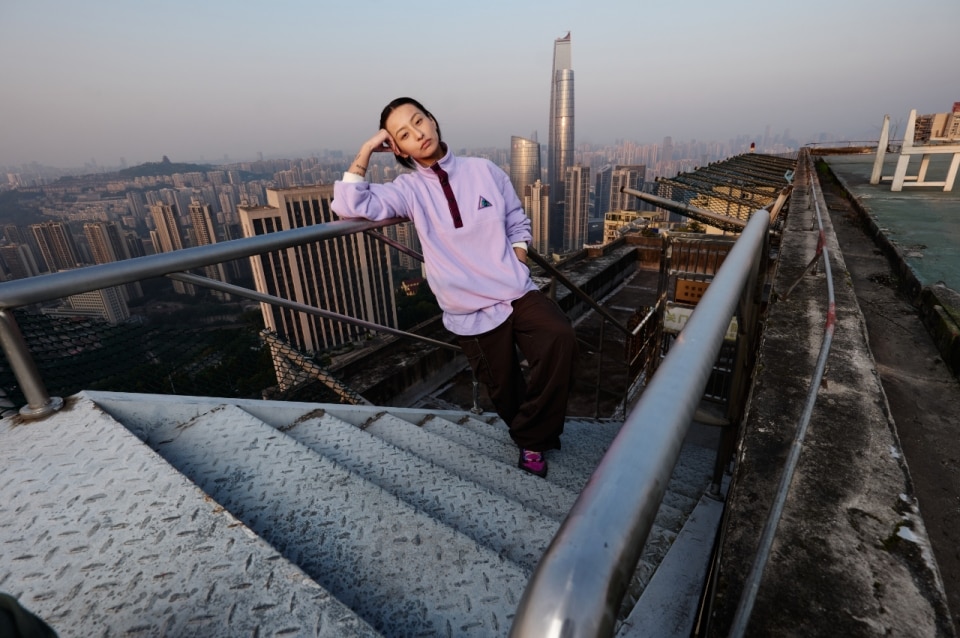
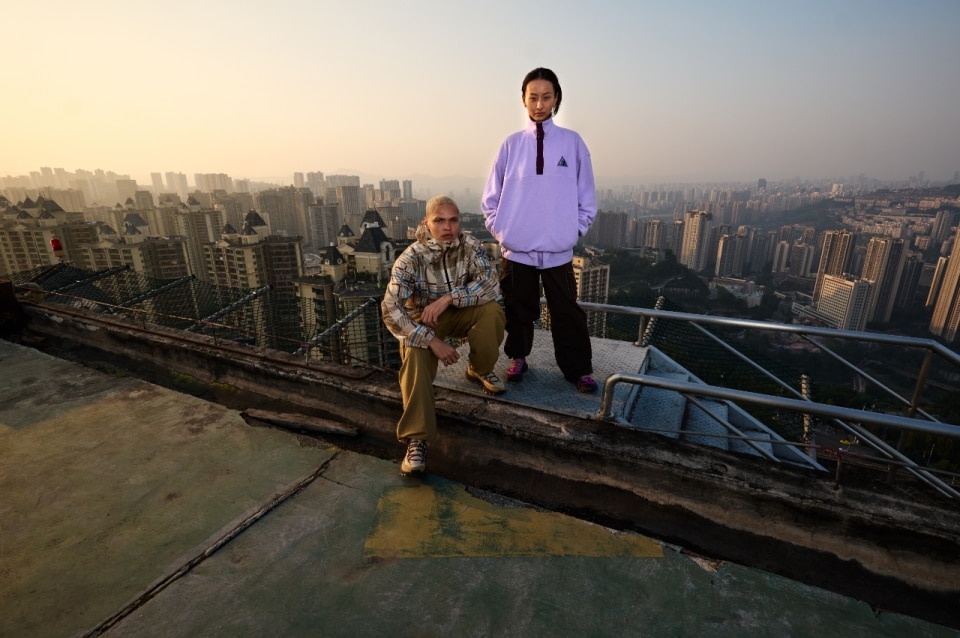
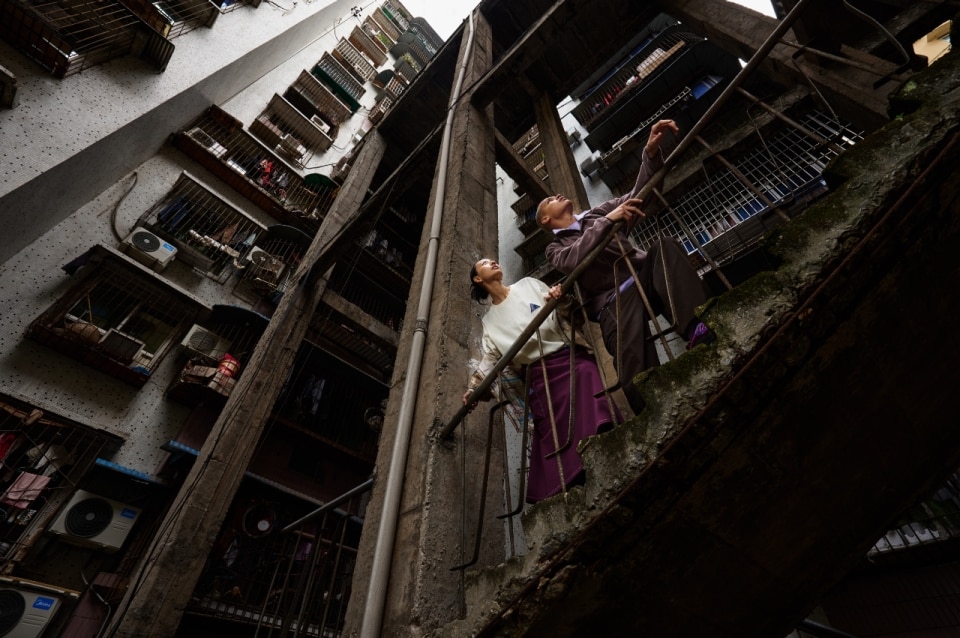
Decathlon does not attempt to “elevate” gorpcore, but to claim its internal genealogy, bringing attention back to a culture of equipment that predates its aestheticization.
Recovering past forms, signs and technical solutions allows Decathlon to question the original function of these garments and measure their shift in use, accepting the change of context as part of the design process.
Garments conceived for the mountains, then, but now perfectly integrated into urban life. It is not unlikely that, as happened with Salomon, these objects will end up permanently inhabiting city pavements, moving further and further away from the environments for which they were originally designed.
All images: Courtesy Decathlon