The number 2026 even appears in the price of tickets listed on official websites for the opening ceremony of the Milan-Cortina Olympics, held at San Siro — a stadium that may one day disappear — with performances by stars such as Mariah Carey. A nearly prophetic figure, because 2026 is shaping up to be a particularly performative year, unfolding before our eyes through announcements, dates, and countless “not-to-be-missed” events popping up everywhere.
Art enthusiasts can look forward to events such as the Venice Biennale, the historic Whitney Biennale in New York, the Gwangju Biennale in South Korea, and the sixteenth edition of Manifesta in Germany’s Ruhr region. Meanwhile, architecture and design events abound, with highly anticipated buildings opening around the world. Then there are sporting events, like the Milan-Cortina Olympics, which give rise to new architectural projects, alongside annual highlights such as the Salone del Mobile in Milan and the inauguration of the Serpentine Pavilion, which celebrates its 25th anniversary — following Zaha Hadid’s first pavilion in 2001, the designer changes every year, and this year it was entrusted to Marina Tabassum.
Domus has its own curated list of events, which we will reveal gradually throughout the year. For now, let’s keep it simple with five events that no Domus reader should miss in 2026.
Pan-African Architecture Biennale 2026
Nairobi, Kenya – from 1 September 2026
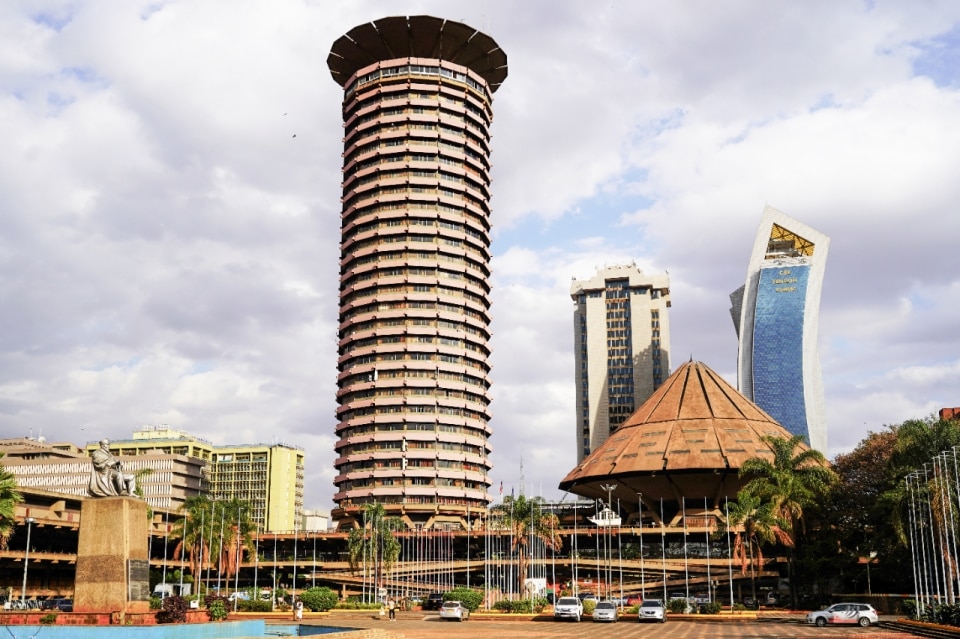
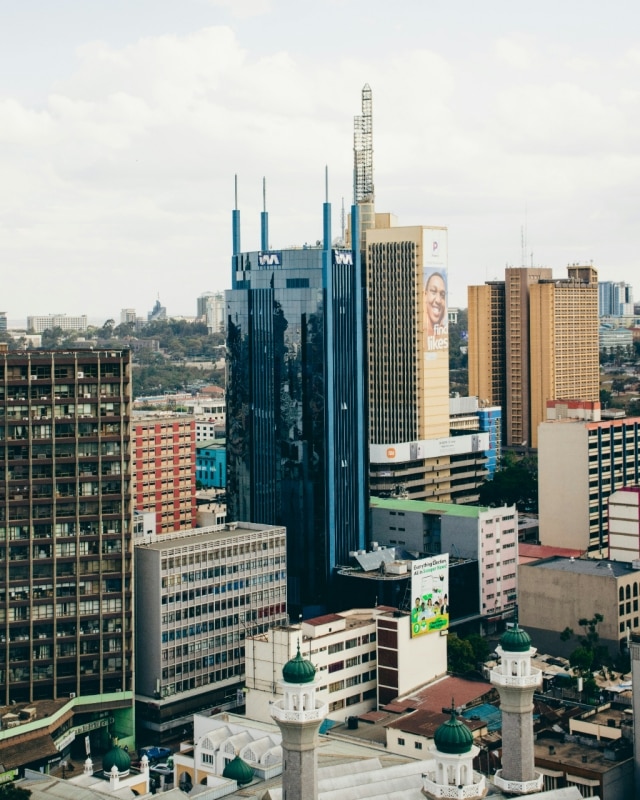
This is the year of architecture exhibitions. From the Tallinn Biennale in Estonia to Oslo and Sharjah in the UAE, one can’t help but wonder if the geography of the profession is shifting and the hubs of research are changing. A clear sign of this is a new major platform dedicated to African architecture, launching this year in Nairobi, Kenya. It is the first initiative of its kind, designed by and for Africa, involving only countries from the continent. The choice of venue alone speaks volumes: the Kenyatta International Convention Centre (KICC), built in 1973, is a symbol of post-independence African architecture. “From Fragility to Resilience” is the theme chosen by Somali-Italian architect Omar Degan for this inaugural edition.
UIA World Congress of Architects & Gaudí Centennial
Barcelona, Spain – 28 June to 2 July 2026
View gallery
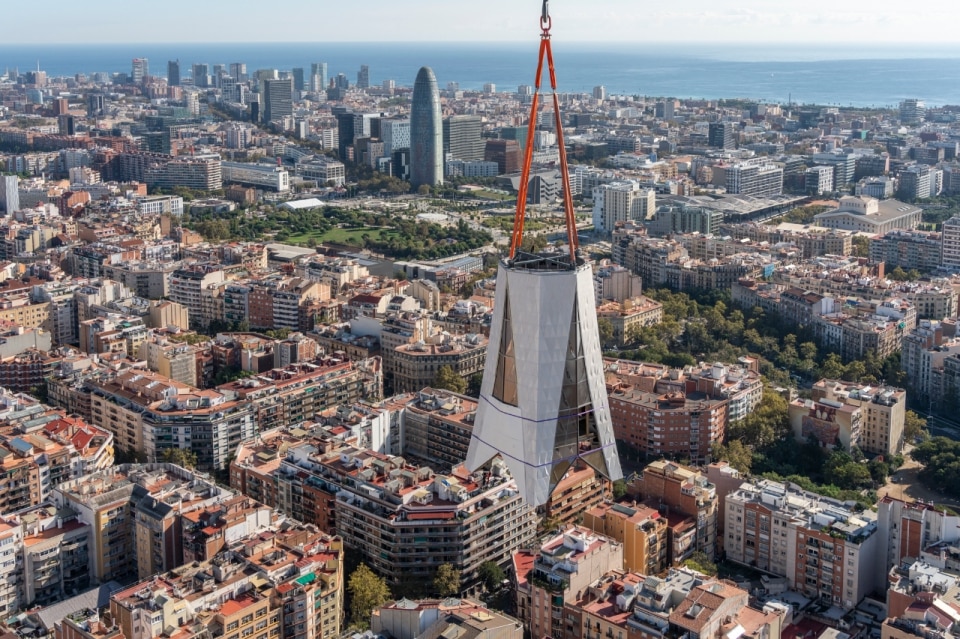
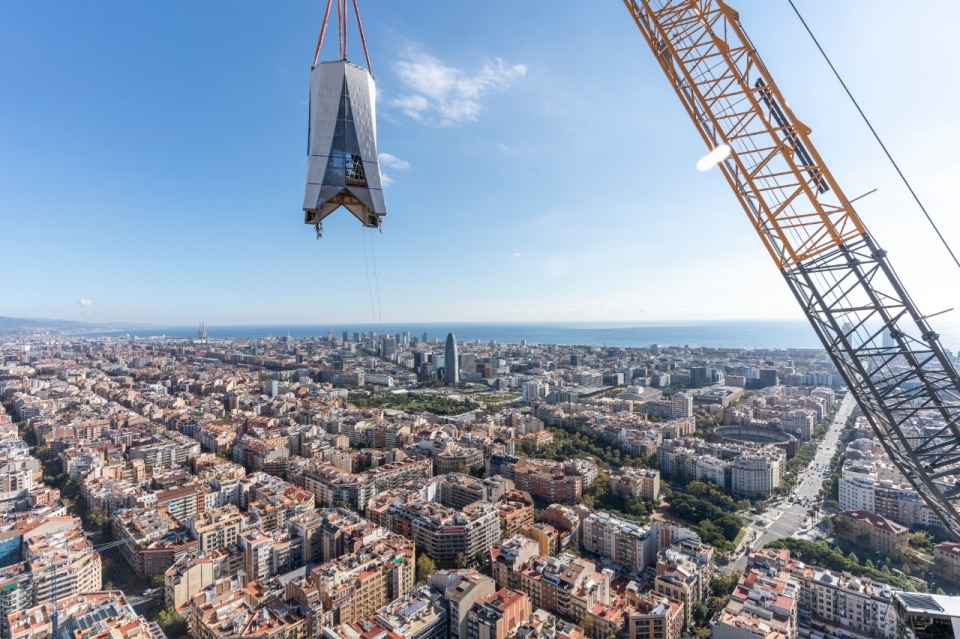
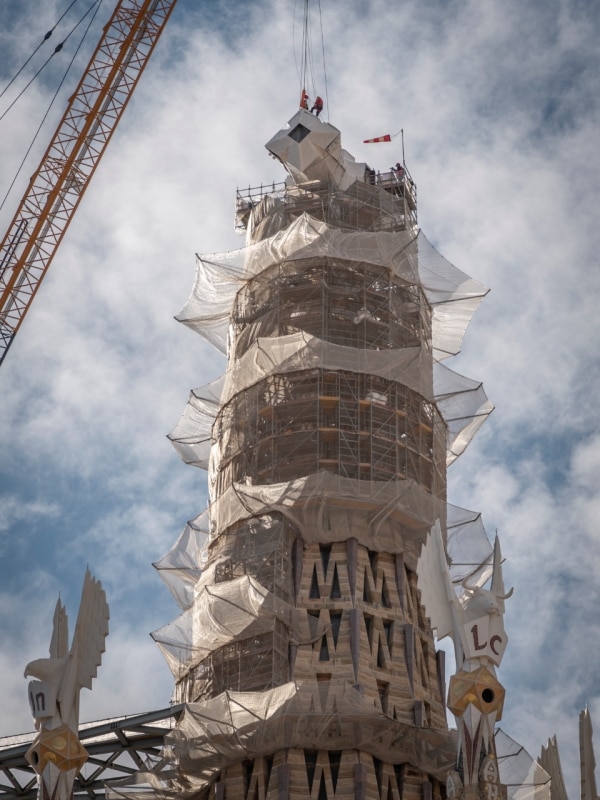
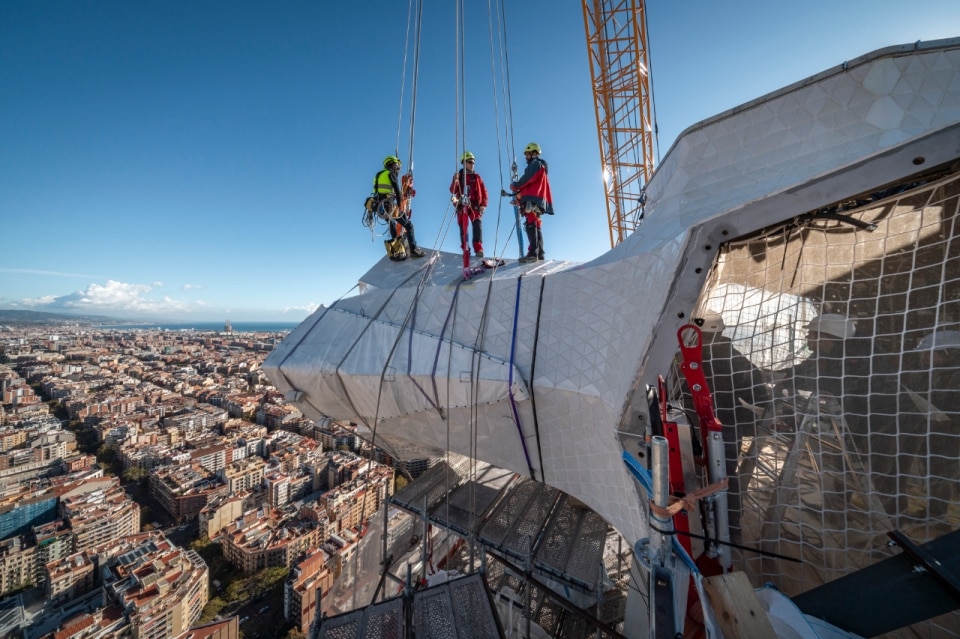
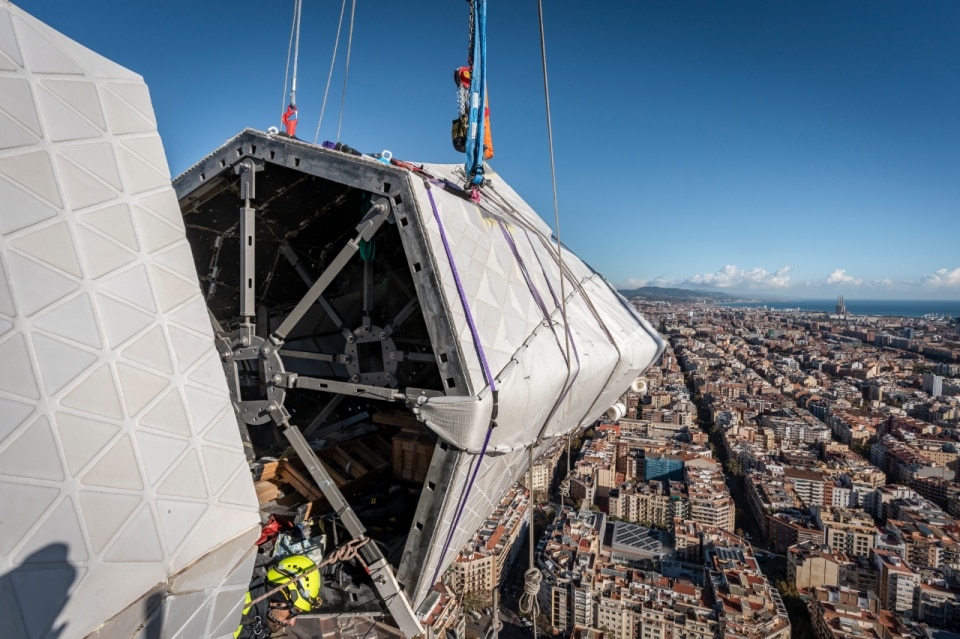
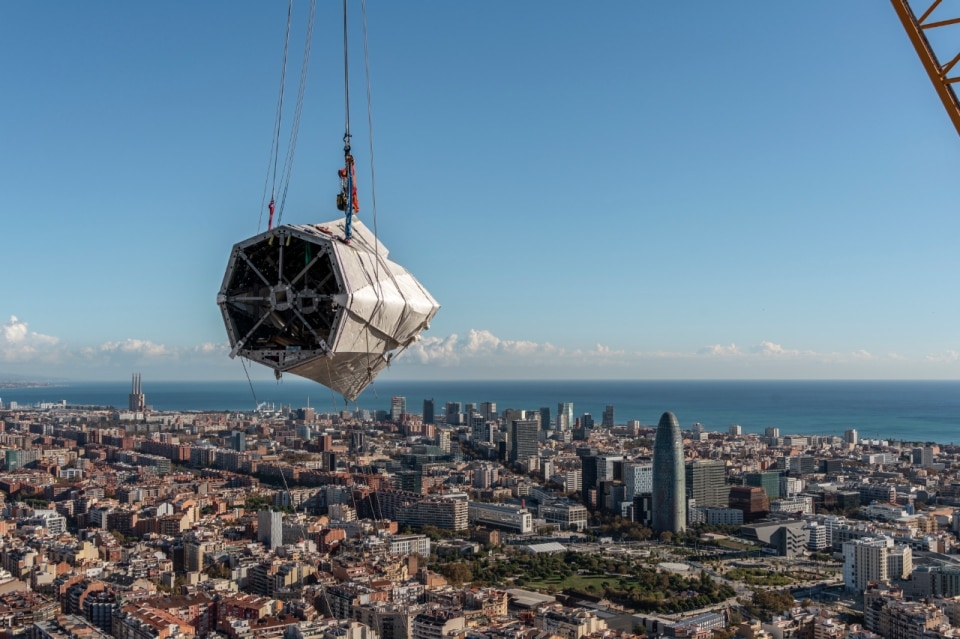
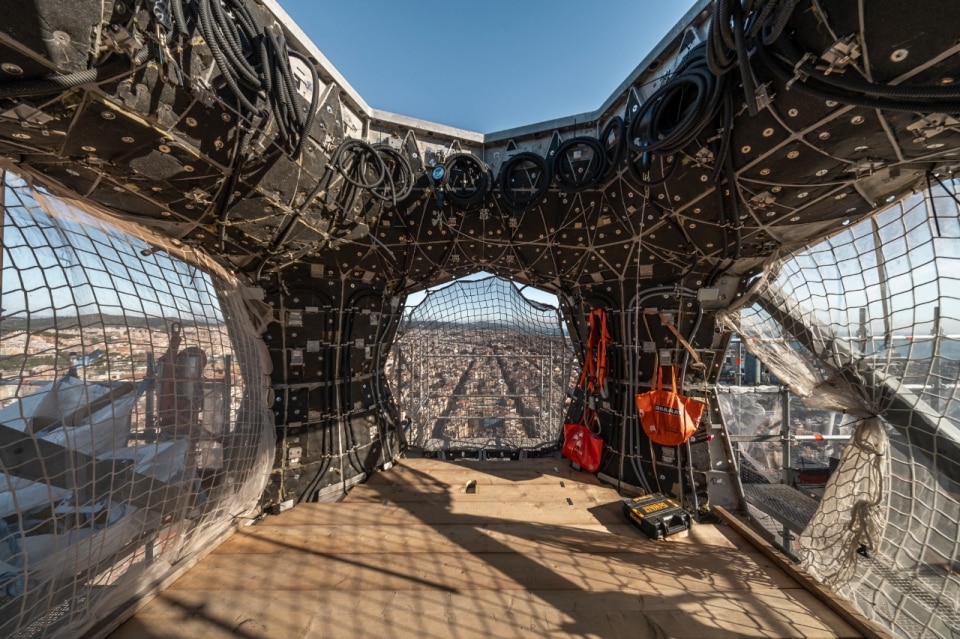
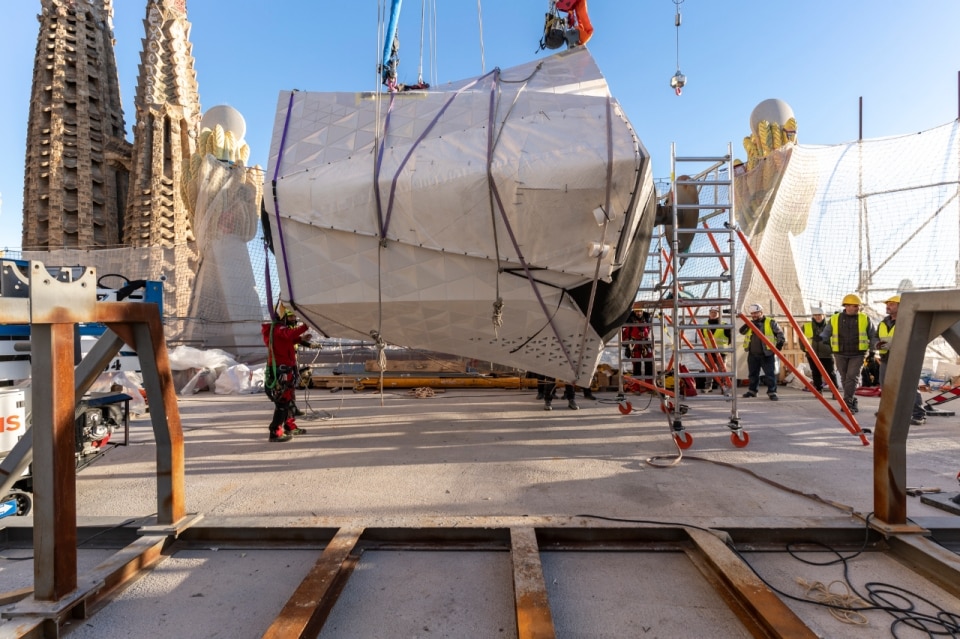
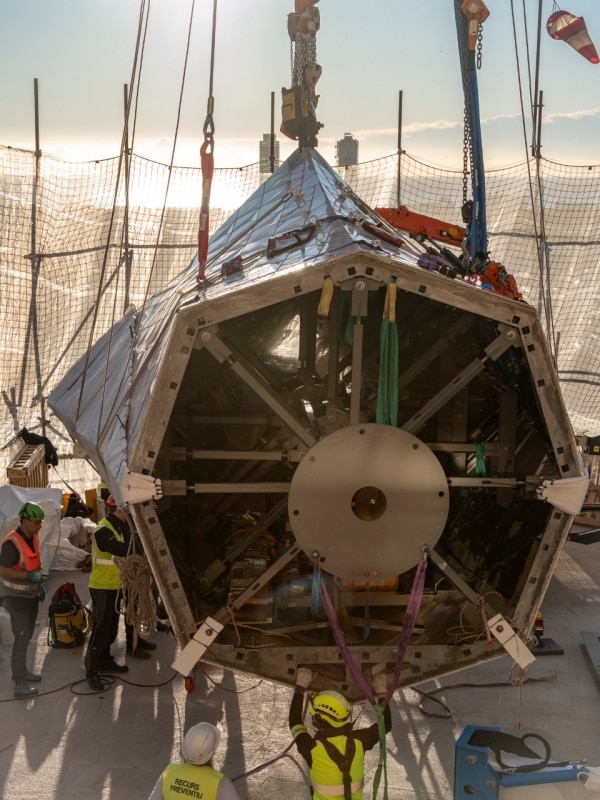
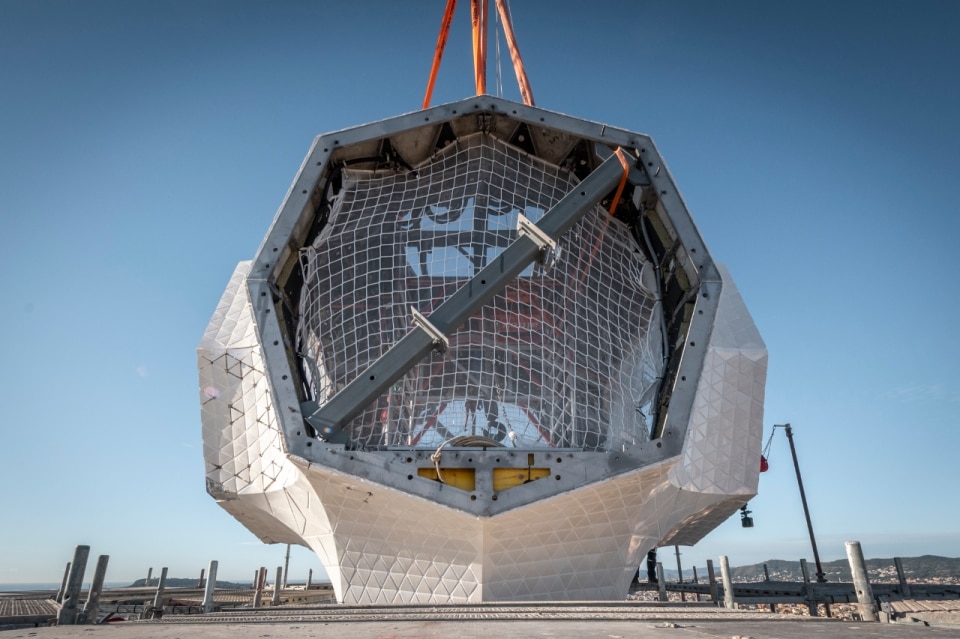
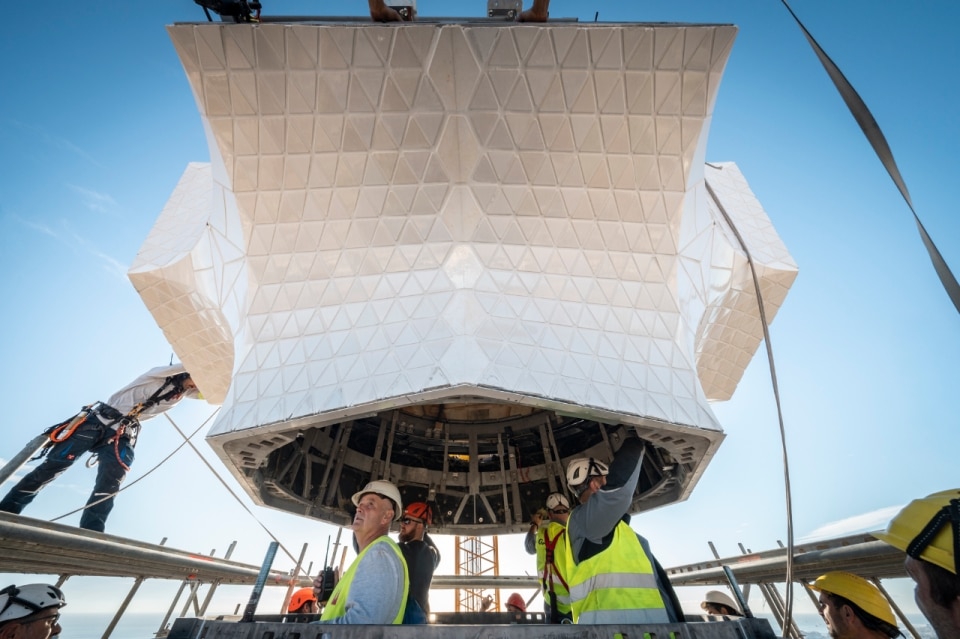
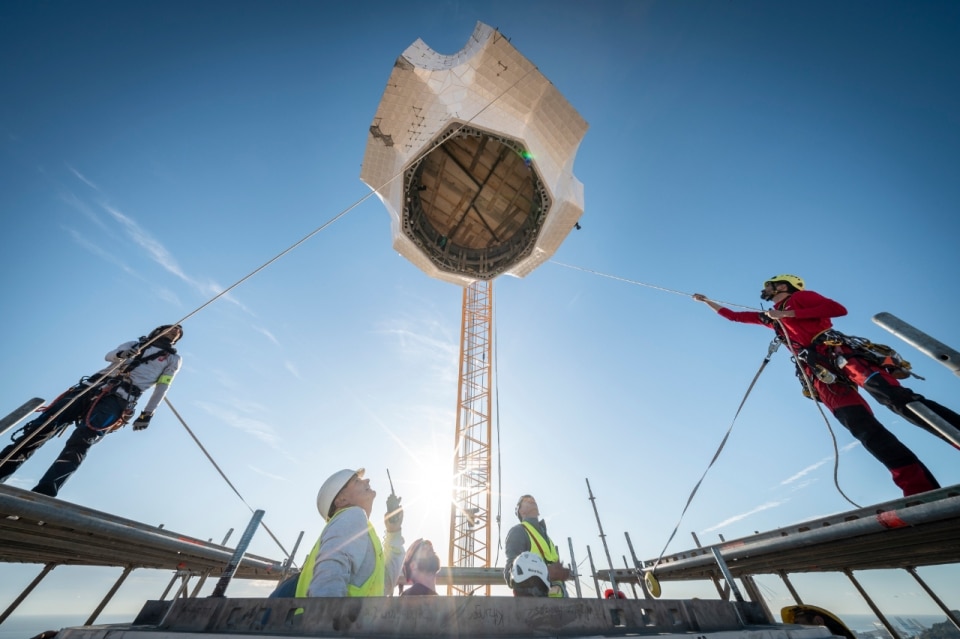
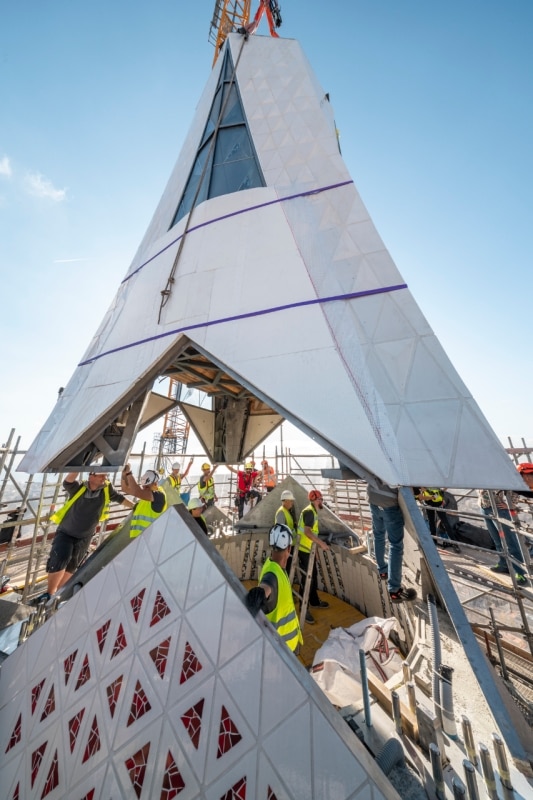
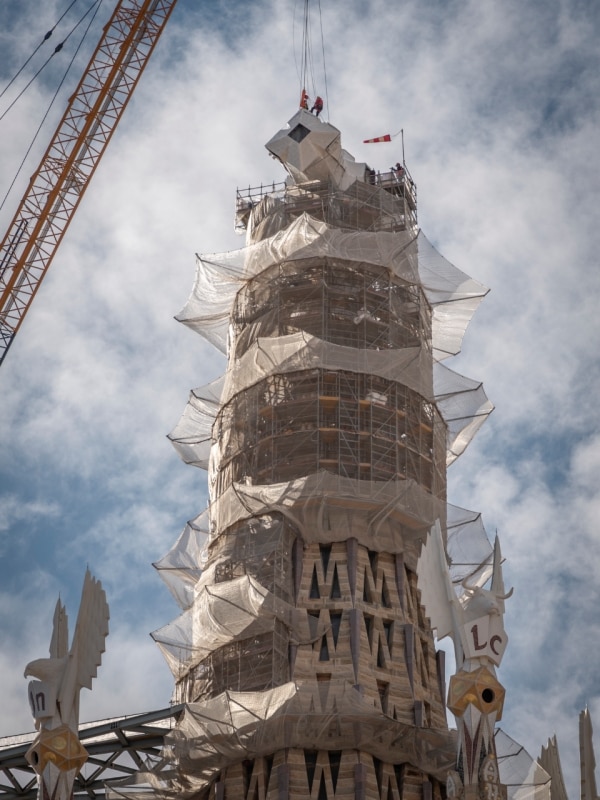
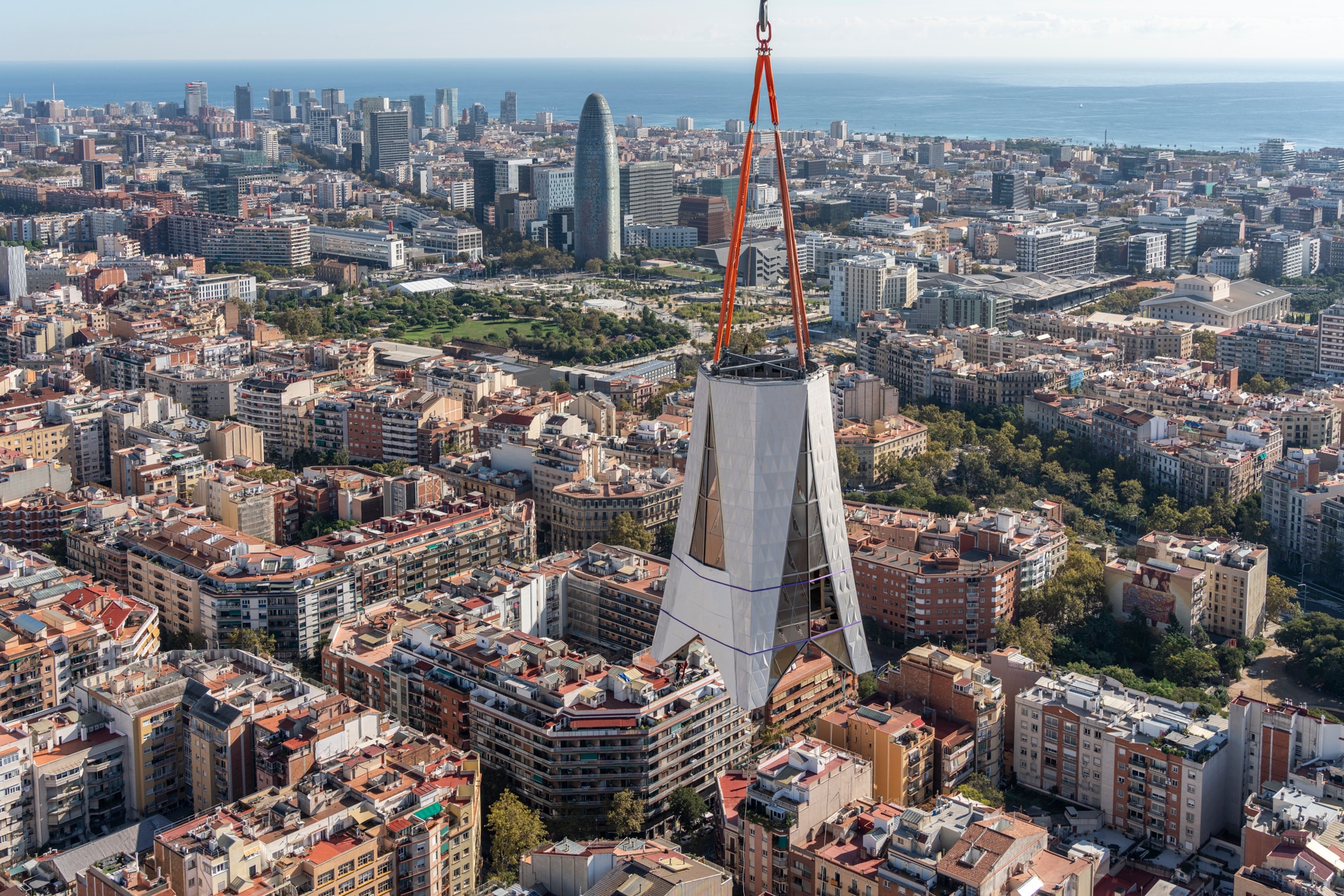
Sagrada Família: la posa dei componenti della croce che sormonterà la Torre di Gesù Cristo
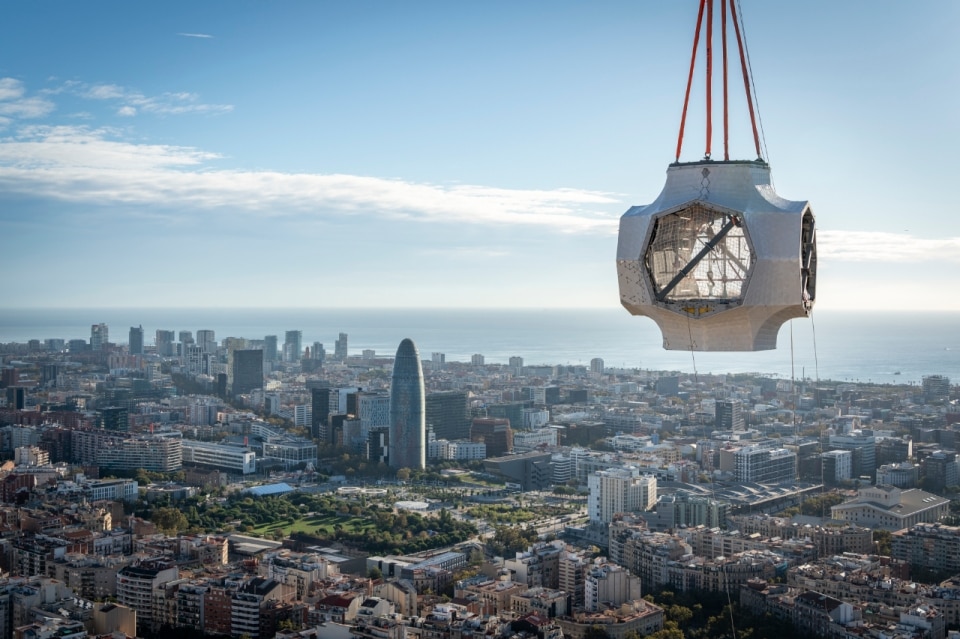
2026 marks the centenary of Antoni Gaudí’s death and the completion, after 145 years, of his Sagrada Família. Not coincidentally, Barcelona has been named World Capital of Architecture this year by UNESCO and the International Union of Architects (UIA), hosting the annual congress organized by the Union. Founded in the 1930s in Brussels to bring together professional architectural associations worldwide, the event includes more than 200 international speakers and a series of citywide collateral events. It is above all the international gathering where the profession defines new trajectories, urgent themes, and hot topics. This year, under the title “Becoming: Architectures for a Planet in Transition”, the focus is on architecture as a concrete response to ecological, social, technological, and cultural transformations around the world.
Art Basel Paris 2026
Paris, France – 23 to 25 October 2026
View gallery
Art Basel Paris 2025
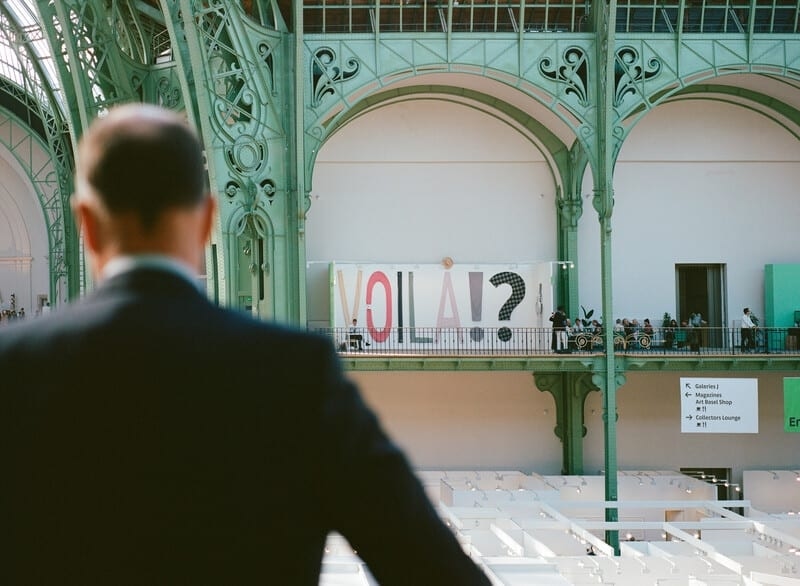
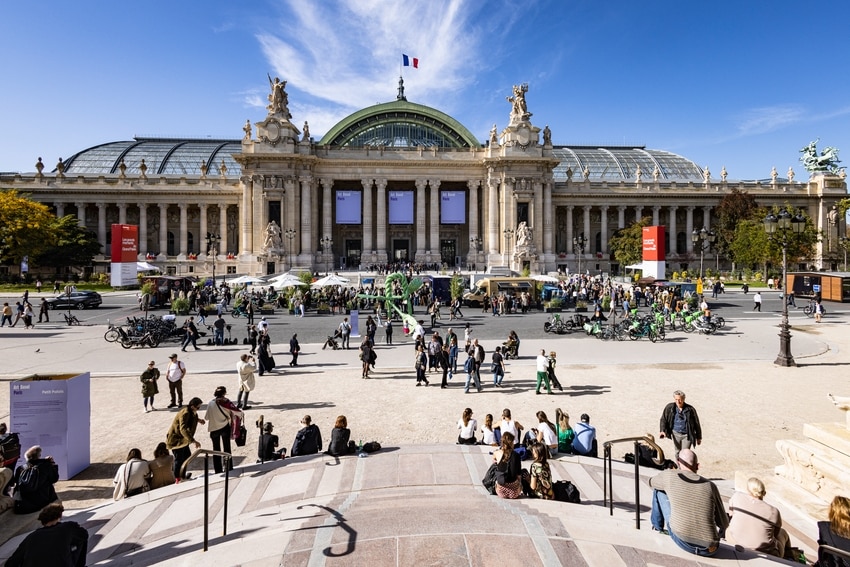
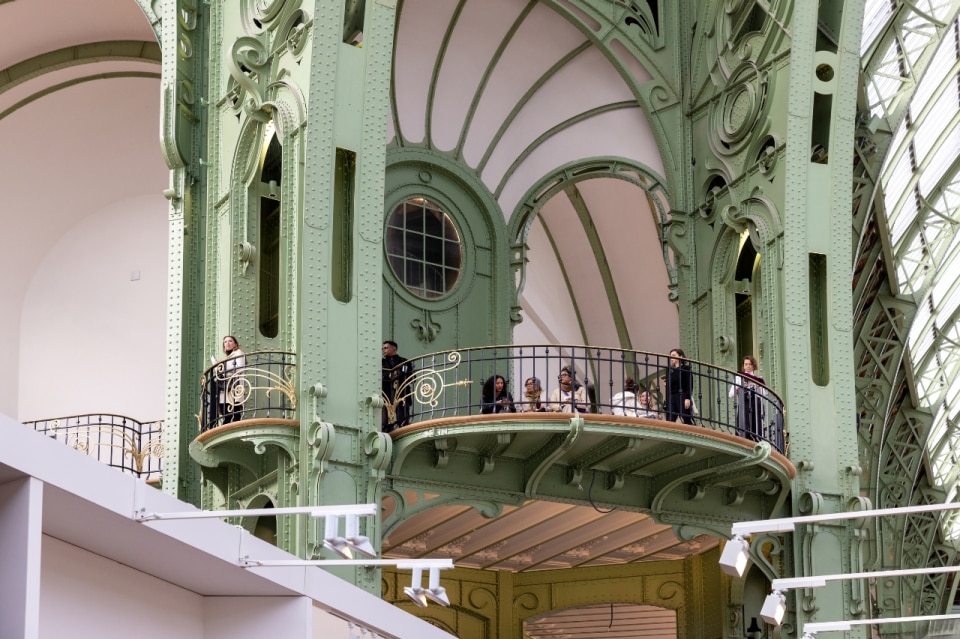
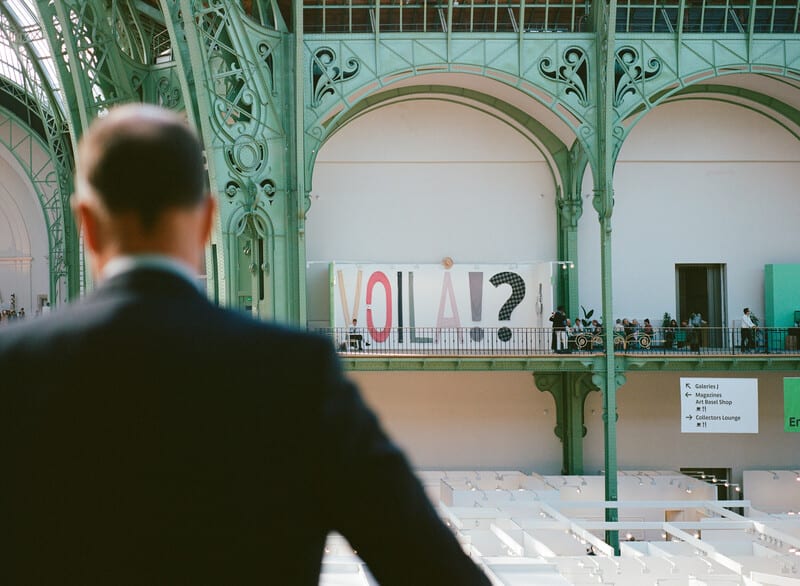
The 2025 edition of Art Basel Paris is scheduled for October 24–26 at the Grand Palais, the monumental building originally constructed for the 1900 Universal Exhibition and today one of the most iconic exhibition venues in the French capital.
Courtesy Art Basel
Public Program: Palais d’Iéna
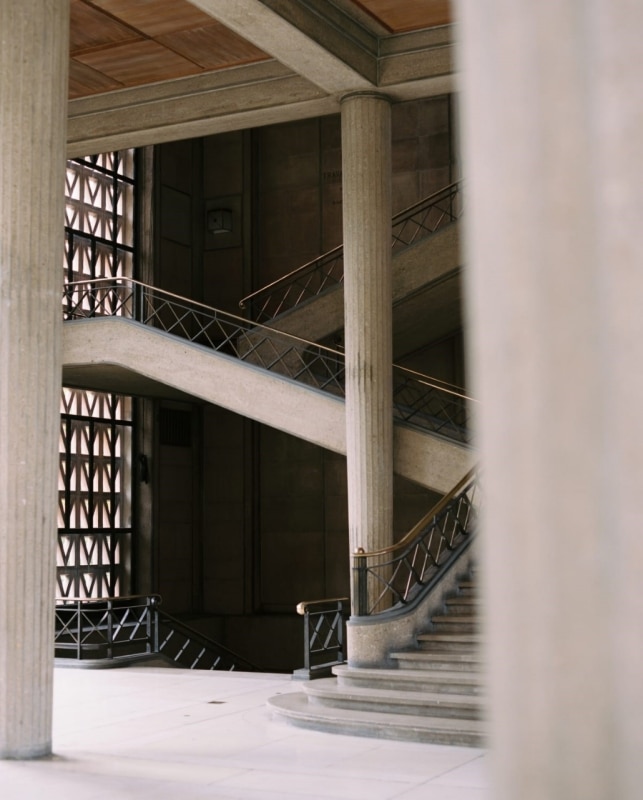
The Palais d’Iéna, a masterpiece by Auguste Perret and a Parisian symbol of modernism, combines the solidity of concrete with the elegance of neoclassical language, and will host 30 Blizzards, a special project by Helen Marten. The work spans multiple disciplines and draws on experiences of childhood, community, sexuality, interiority, and loss. The exhibition unfolds through a dialogue between five sculptures and five videos, enriched by a live performance conceived with opera director Fabio Cherstich and composer Beatrice Dillon: an immersive choreography that interweaves libretto, images, sounds, and presences.
Courtesy Art Basel
Public Program: Place Vendôme
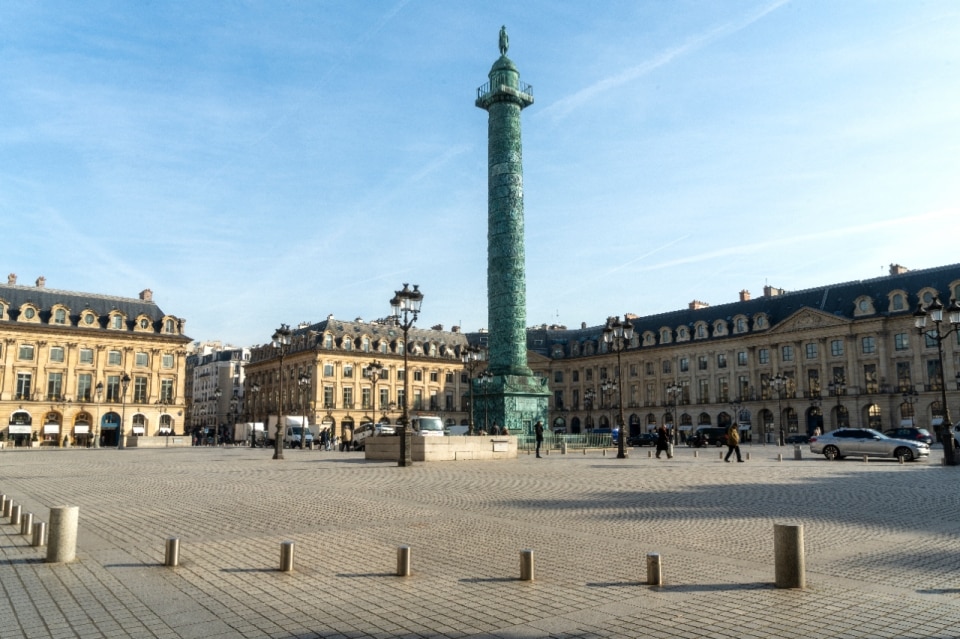
Place Vendôme is a neoclassical square in the 1st arrondissement of Paris, renowned for its elegant architecture, the Vendôme Column at its center, and its luxury boutiques, particularly jewelers and high-fashion houses. It is distinguished by the regularity and symmetrical uniformity of the surrounding buildings. Commissioned by Louis XIV through a decree signed in 1686, it was originally intended to house the Royal Library, the Academies, and an equestrian statue of the king. On the occasion of Art Basel 2025, it will host an inflatable installation by Alex Da Corte.
Courtesy Art Basel
Public Program: Place Vendôme
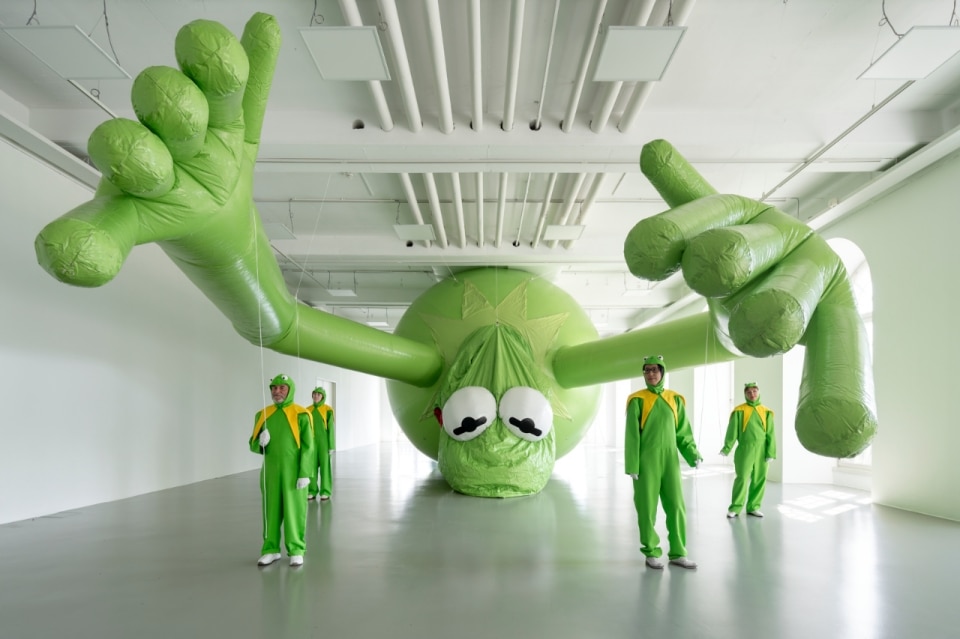
Artist Alex Da Corte’s installation revisits the 1991 Thanksgiving Parade in New York, when the giant Kermit the Frog balloon tore open and collapsed half-deflated along Fifth Avenue. Recreated here as an inflatable sculpture, Kermit remains suspended in a perpetual moment of collapse—between irony and melancholy—reflecting on how cultural icons absorb and echo our shared vulnerabilities.
Image: installation view of Alex Da Corte’s performance Kermit The Frog, Even, Fridericianum, Kassel, 2024. Courtesy of the artist and Fridericianum, Kassel
Public Program: Avenue Winston Churchill
Avenue Winston Churchill, which separates the Petit Palais from the Grand Palais, will be transformed into an open-air museum, with contemporary installations presented thanks to the support of the fair and the artists’ representing galleries.
Courtesy Art Basel
Public Program: Avenue Winston Churchill
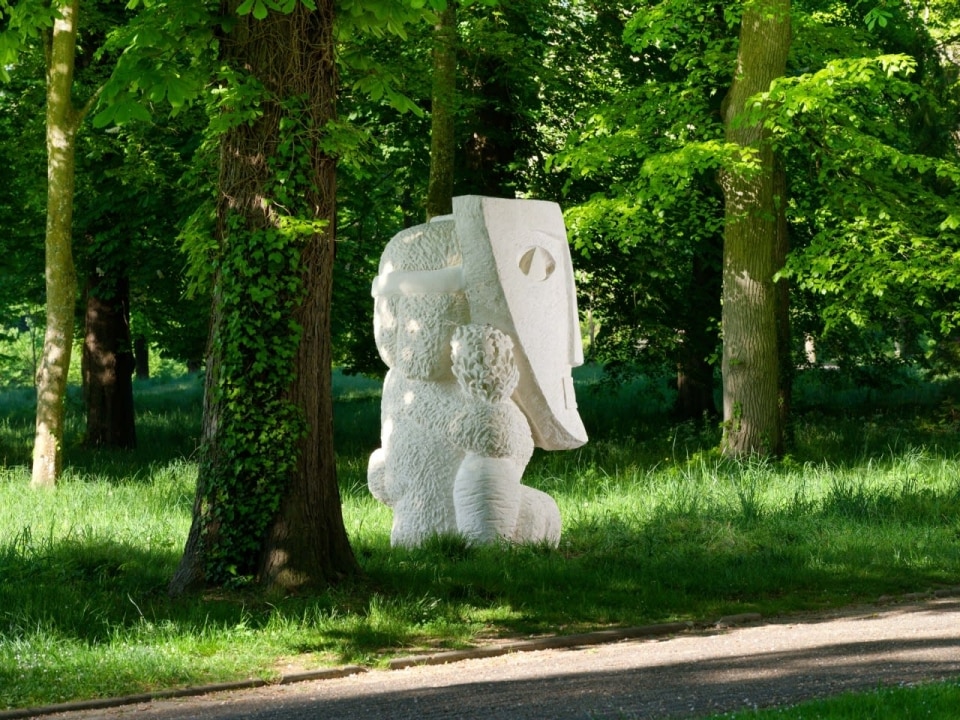
The public art project will take place on Avenue Winston Churchill in Paris, featuring works by Thomas Houseago, Leiko Ikemura, Wang Keping, Vojtěch Kovařík, Muller Van Severen, Stefan Rinck, and Arlene Shechet.
Image: Stefan Rinck, Camarillo in Disguise, 2025. Courtesy of Semiose, Paris. Photo: Aurélien Mole
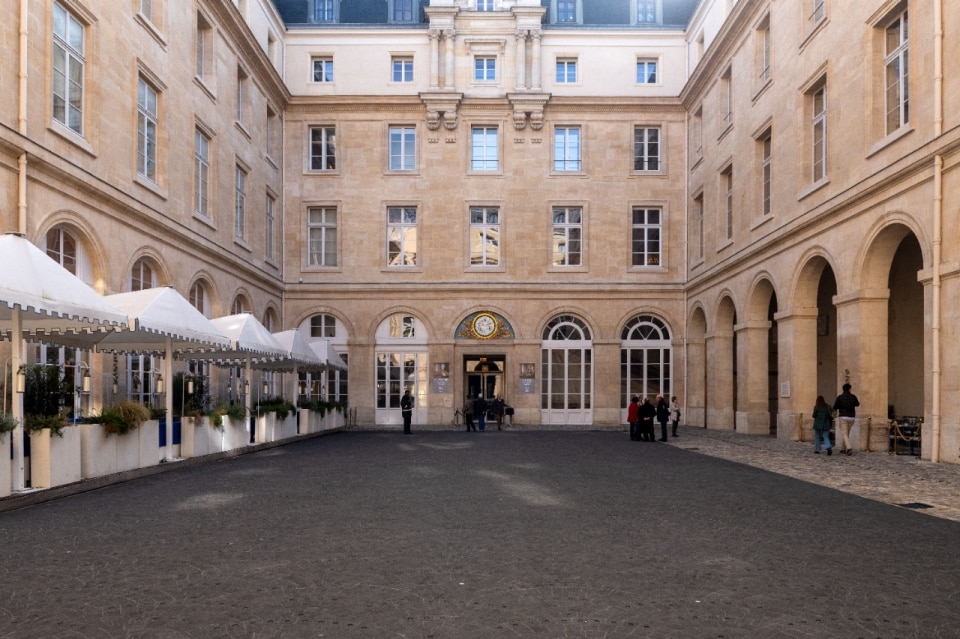
Public Program: Cour de l’Hôtel de la Marine
The Hôtel de la Marine is one of the landmarks of French heritage. Just steps from the Tuileries Gardens, it offers a spectacular view over Place de la Concorde. Designed in the 18th century by Ange-Jacques Gabriel, chief architect to King Louis XV, the building was originally home to the Garde-Meuble de la Couronne, the institution in charge of furnishing the royal palaces, before serving for more than two centuries as the headquarters of the French Navy. Steeped in history, it has witnessed the great transformations of France, from the royal era to the present day.
Courtesy Art Basel
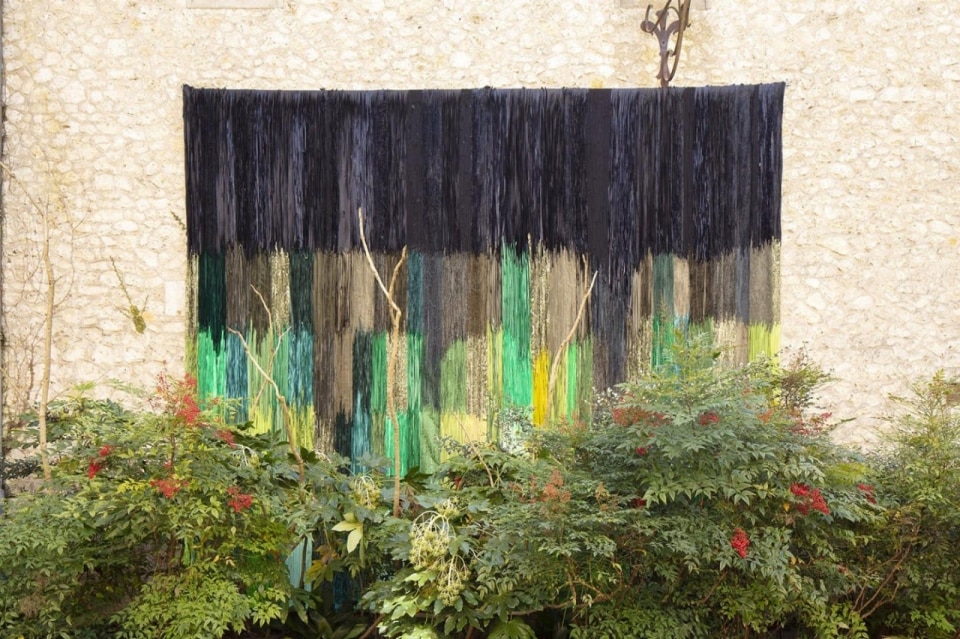
Public Program: Cour de l’Hôtel de la Marine
In the courtyard of the Hôtel de la Marine, Joël Andrianomearisoa unveils a monumental textile installation that weaves together history, memory, and ritual. With vivid colours and dense textures evoking the abundance of the natural world, the work opens onto an imaginary landscape inspired by a poetry collection by Maurice Ramarozaka. Bringing to Paris the symbolic power of Malagasy fiber arts, it belongs to a series of which three pieces are already held in the permanent collection of the Metropolitan Museum of Art in New York.
Image: Joël Andrianomearisoa, LES HERBES FOLLES DU VIEUX LOGIS, 2020-2025. Courtesy of the artist and Almine Rech. © Studio Joël Andrianomearisoa. Photograph by E. Sander. The project will take place at Hôtel de la Marine in Paris.
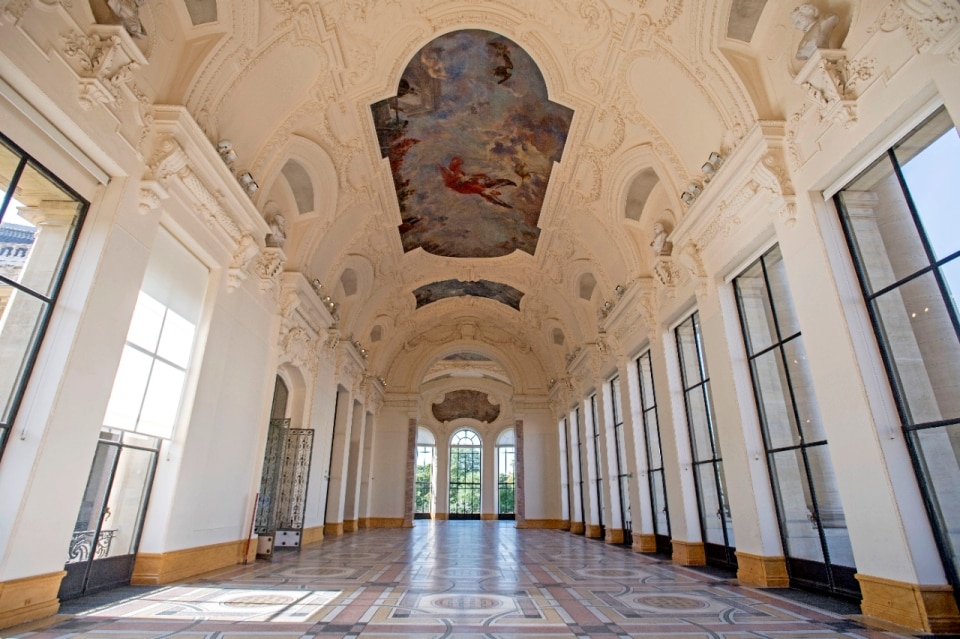
Public Program: Petit Palais
The Petit Palais, located between the Champs-Élysées and the Seine, was built for the 1900 Universal Exhibition as the Palace of Fine Arts, in tandem with the Grand Palais. Designed by architect Charles Girault, the building blends classical and modern elements: its monumental façade marked by Corinthian columns, the grand arched portal adorned with allegorical sculptures, and an elegant inner courtyard with a garden reminiscent of Renaissance cloisters. Today, the Petit Palais houses the Musée des Beaux-Arts de la Ville de Paris, with collections ranging from antiquity to the 20th century, alongside major international temporary exhibitions.
Courtesy Art Basel
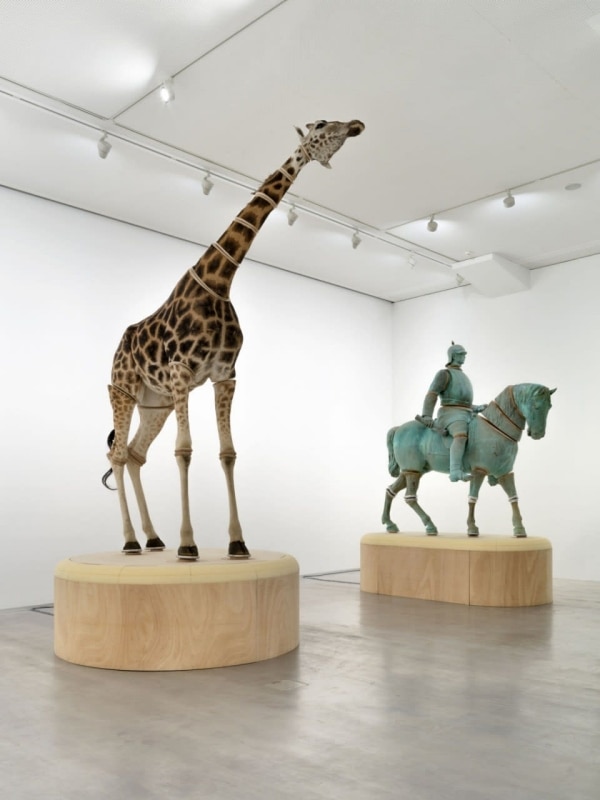
Public Program: Petit Palais
Julius von Bismarck often uses the notion of risk to unsettle established certainties. In The Elephant in the Room, he juxtaposes a taxidermy giraffe with an equestrian statue of Otto von Bismarck, both collapsing and reassembling in asynchronous loops—mechanical puppets that question the role of monuments in shaping collective memory, between the exploitation of nature and political mythmaking. His series OOOSB compresses flora, fauna, and remnants of civilisation into stratified panels, while the video Grenzen der Intelligenzen captures insects drawn to artificial lights, a metaphor for the disoriented fragility of living beings. This entire constellation now unfolds within the extraordinary setting of the Petit Palais in Paris.
Image: Julius Von Bismarck, The Elephant in the Room (Otto von Bismarck), 2023. Courtesy of the artist; Alexander Levy, Berlin; Sies + Höke, Düsseldorf. © The artist, VG Bild-Kunst, Bonn 2025. Photograph by Roman März. The project will take place at the Petit Palais in Paris.
Public Program: Chapelle des Petits-Augustins des Beaux-Arts de Paris
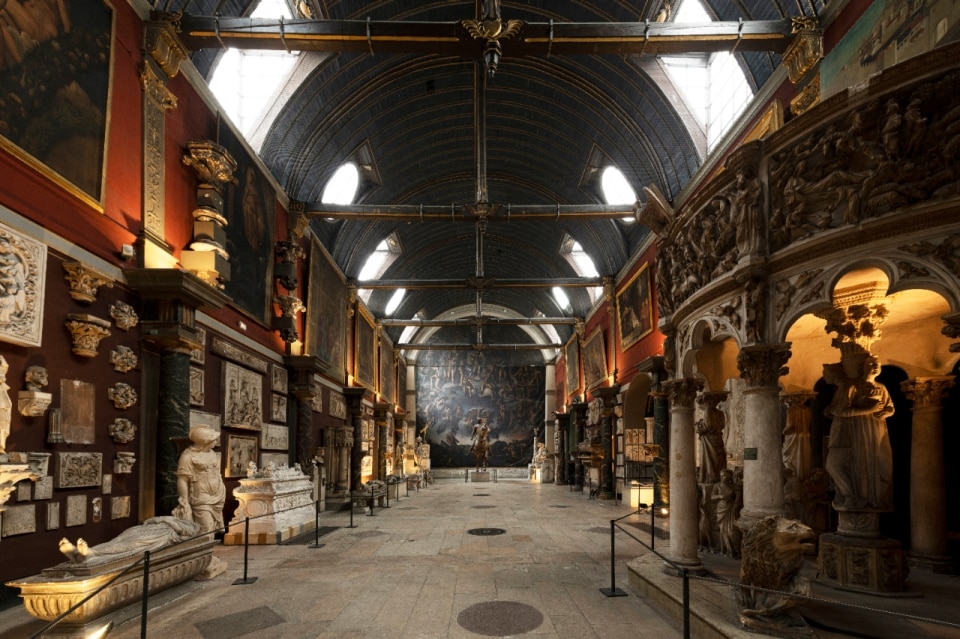
The Chapelle des Petits-Augustins is part of the École nationale supérieure des Beaux-Arts in Paris. Originally belonging to a 17th-century convent, it was transformed in the 19th century into the academy’s chapel and today stands as one of the most evocative spaces within the complex. With its Gothic vaults and strong historical resonance, the chapel is now often used as an exhibition venue, providing a unique setting where past and present converge.
Courtesy Art Basel
Public Program: Chapelle des Petits-Augustins des Beaux-Arts de Paris
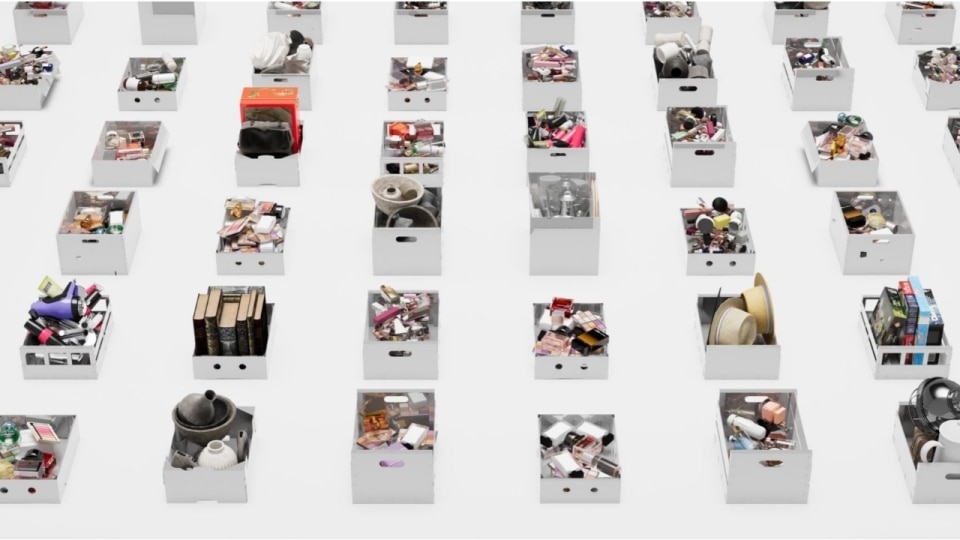
Harry Nuriev blends art and design to reinvent our relationship with everyday objects. Guided by his philosophy of “Transformism,” Objets Trouvés invites visitors to exchange unwanted items placed in supermarket boxes, each swap recorded and later compiled into a publication. By turning cast-offs into curated artifacts, Nuriev questions the very notion of value and prompts reflection on what we choose to keep, discard, or share.
Courtesy the artist and Art Basel
Public Program: Parvis de l’Institut de France
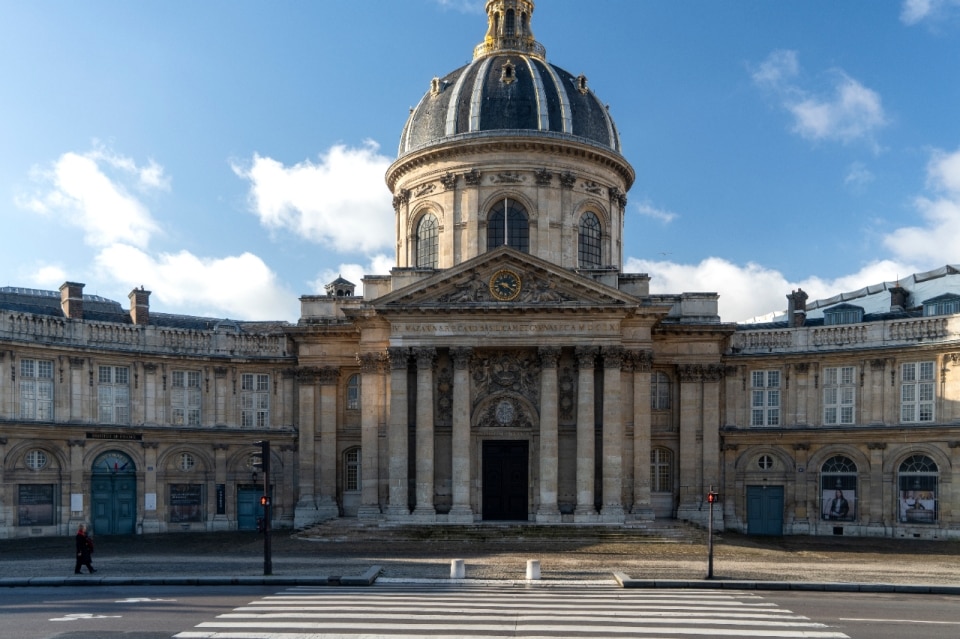
The Parvis, the wide forecourt in front of the Institut de France, overlooks the Seine with a view of the Pont des Arts and stands as one of the most striking examples of 17th-century Parisian architecture.
Courtesy Art Basel
Public Program: Parvis de l’Institut de France
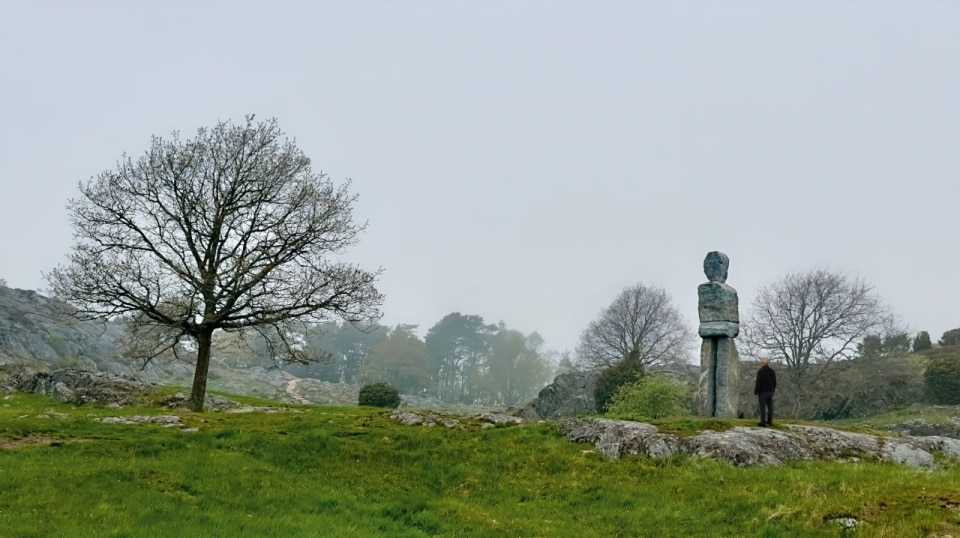
Ugo Rondinone places stone at the core of his practice, a symbol of humanity’s origins. the innocent, part of his Stone Figures series, is a four-metre totemic body of stacked rocks. Installed on the Parvis de l’Institut de France, it bridges the archaic and the contemporary with a commanding presence.
Courtesy the artist.
Beyond the main fair: Paris Internationale
Over the years, Paris Internationale has established itself as a new model within the ecosystem of international contemporary art fairs. Now in its 11th edition, it supports a new generation of galleries. Founded in 2015, this year it takes place at the Rond-point des Champs-Élysées, in Paris’s 8th arrondissement.
Image: An installation by Ad Minoliti at Paris Internationale. Photo © Margot Montigny, Courtesy of the artist and Crèvecoeur, Paris.
Beyond the main fair: OFFSCREEN Paris
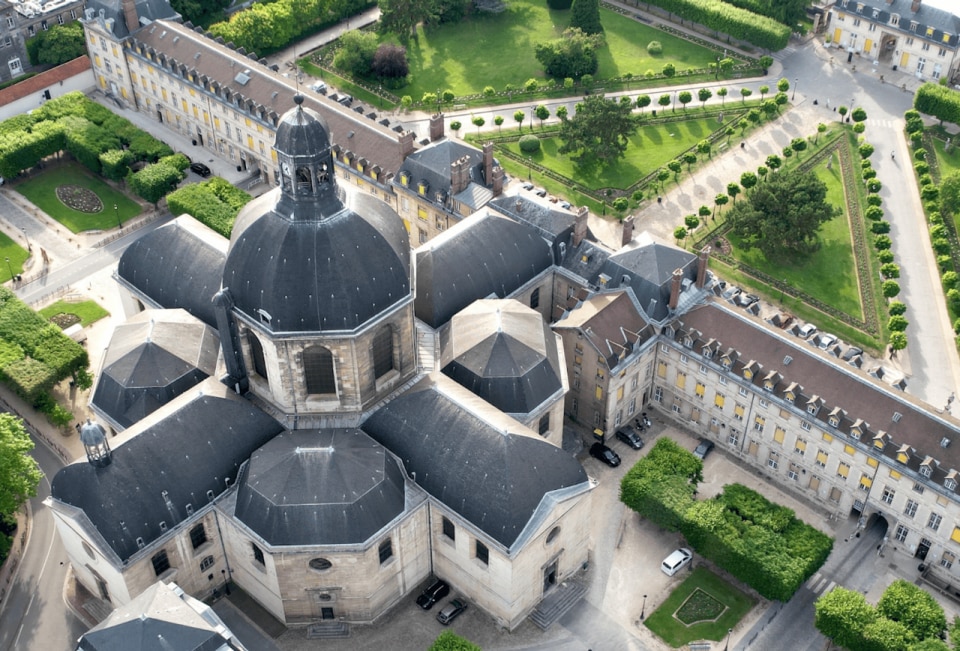
This year, Offscreen Paris takes over a new venue, the Chapelle Saint-Louis de la Salpêtrière, presenting a selection of historical and contemporary artists working with installations and experimental image-based practices.
Image: La Chapelle Saint-Louis de la Salpêtrière. Hôpital Pitié-Salpêtrière, AP-HP – Photo: Lympa Architectures.
Exhibitions: MINIMAL
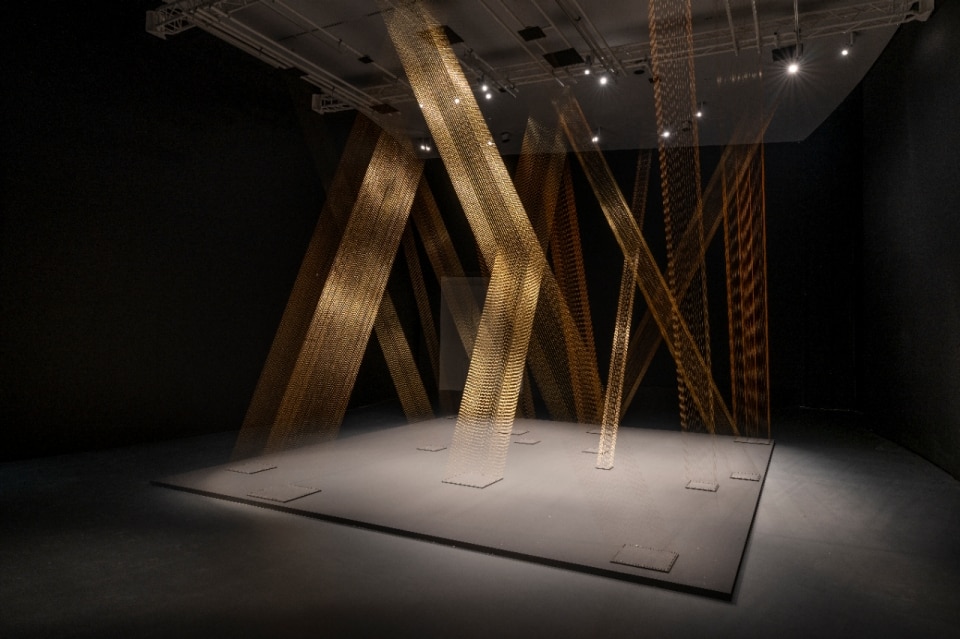
At the Bourse de Commerce – Pinault Collection, the exhibition Minimal traces the global and international evolution of a movement that, since the early 1960s, has radically redefined the status of the artwork.
Image: Lygia Pape, Ttéia 1, C, 2003–2025. Golden thread, wood, nails, light. Variable dimensions. Pinault Collection. Courtesy Projeto Lygia Pape. Exhibition view of Lygia Pape. Weaving Space, Bourse de Commerce – Pinault Collection, Paris, 2025. © Tadao Ando Architect & Associates, Niney et Marca Architectes, agence Pierre-Antoine Gatier. Photo: Nicolas Brasseur/Pinault Collection.
At the former Swedish Circle: Charles Zana
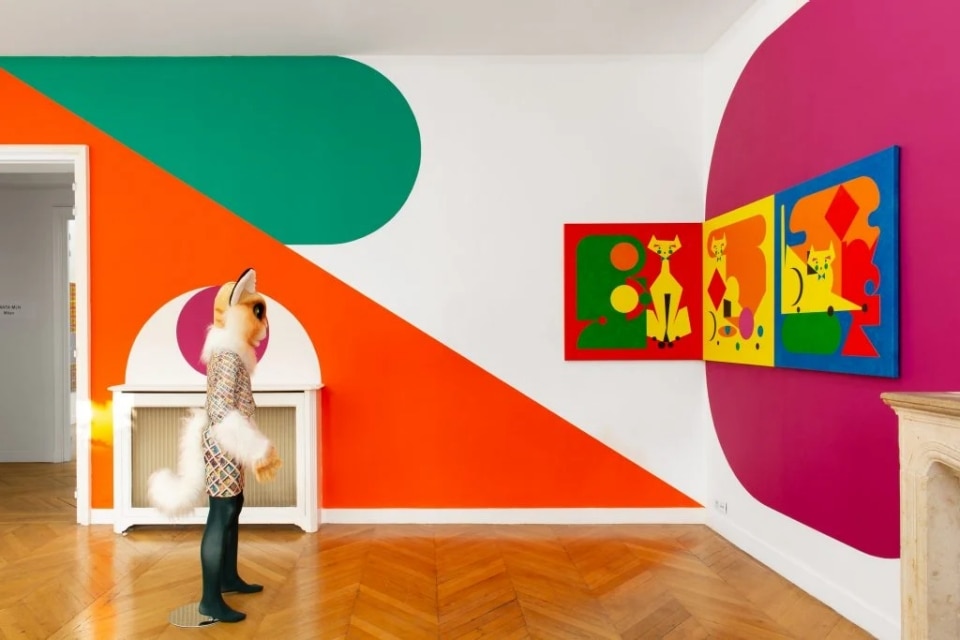
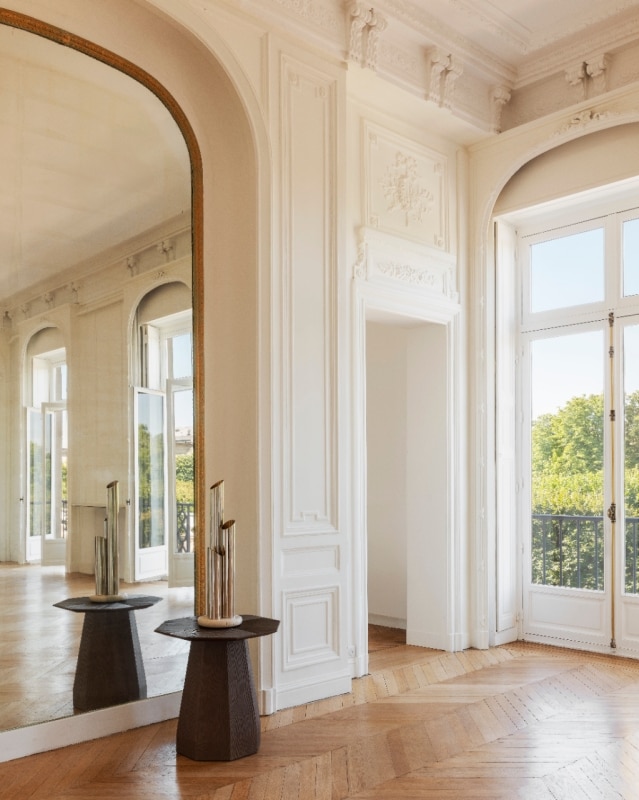
Charles Zana will open the doors of the former Swedish Circle on Rue de Rivoli with In Situ, an exhibition that transforms a Haussmannian apartment into a journey through design, architecture, and contemporary art. Curated by Paul Calligaro, the show will feature over 30 new creations by Zana, along with a personal cabinet of curiosities including, among others, Polaroids by Carlo Mollino, pieces by Ettore Sottsass, and works by Eugène Carrière — revealing Zana’s sources of inspiration and his sensibility as a collector.
Photo: Vincent Leroux. Courtesy Charles Zana.
Exhibitions: a double feature for Gerhard Richter
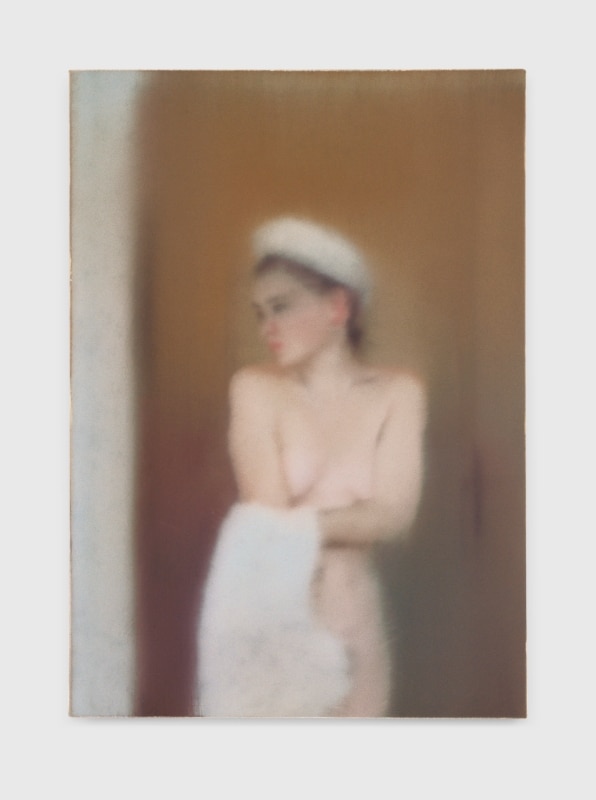
During the days of the fair, the versatile and elusive work of one of the great masters of our time is honored with a double exhibition: at the Fondation Louis Vuitton, a monumental retrospective spans the artist’s entire career (1962–2024); while at the Paris outpost of David Zwirner Gallery, his practice is explored in greater depth.
Image: Gerhard Richter, KI. Badende (Small Bather), 1994. Oil on canvas. © Gerhard Richter 2025 (20102025). Courtesy the artist and David Zwirner
At the gallery: Rirkrit Tiravanija
Galerie Chantal Crousel presents Rirkrit Tiravanija’s new exhibition, IN ALIENS WE TRUST, bringing together a selection of recent works, including collaborations with long-time artist friends. The result is a solo show in which the artist deepens his exploration of community and otherness through various media: sculpture, canvases layered with newspaper and silver leaf, and photography.
© Rirkrit Tiravanija, 2025.
Courtesy of the artist and Galerie Chantal Crousel, Paris.
At the gallery: Daniel Buren
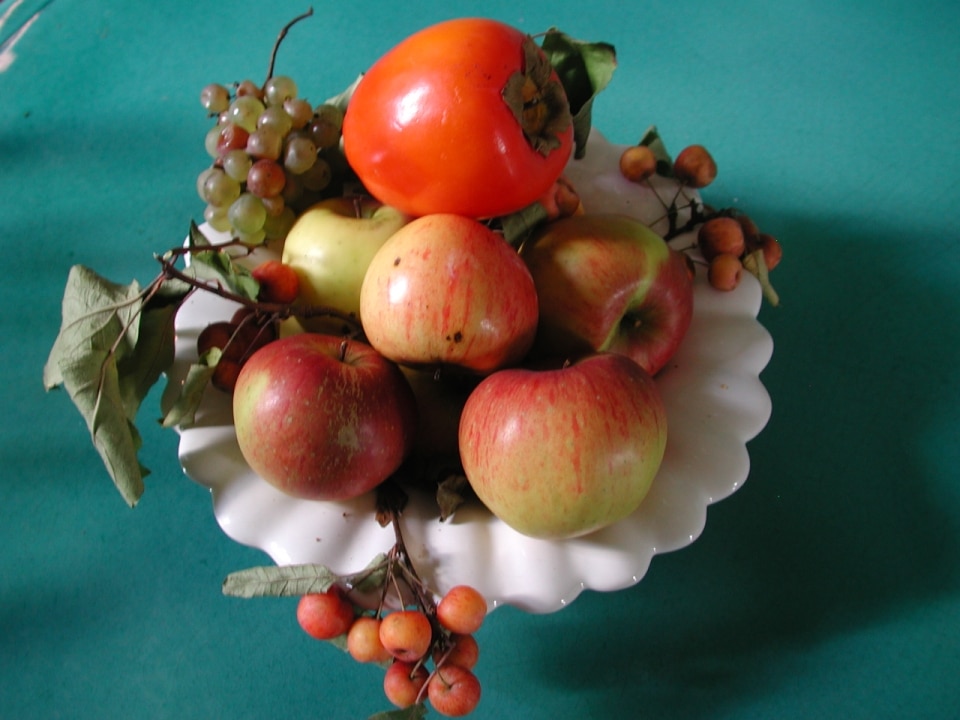
Also highly anticipated is the return of Daniel Buren to Paris with the exhibition Du Cercle aux carrés, travaux situés et in situ at Mennour.
Image: Photo-souvenir: Daniel Buren, Fruits d’automne, Île-de-France, 2002. © DB-ADAGP, Paris.
At the gallery: Trevor Yeung
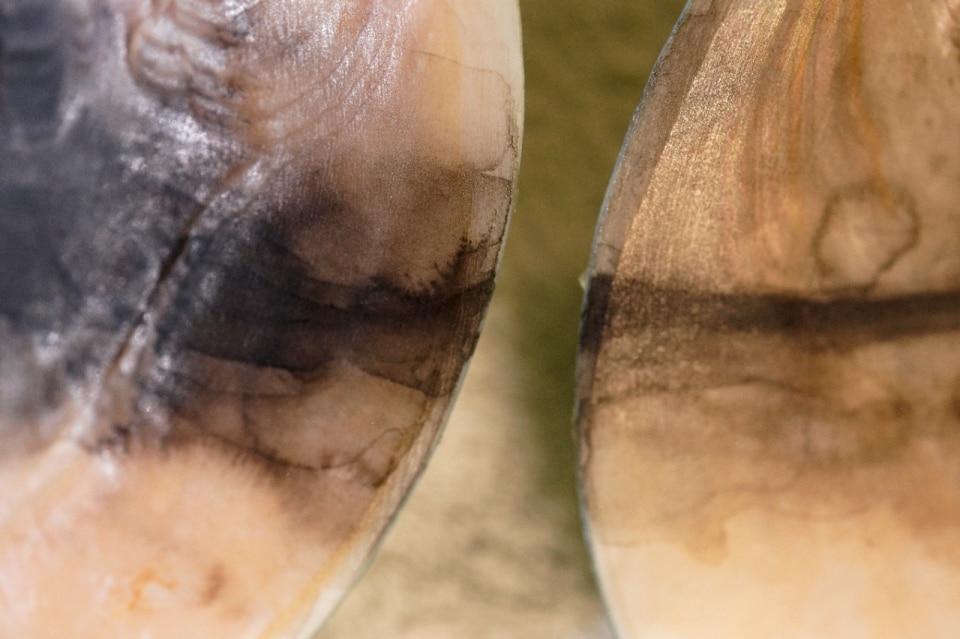
Galerie Allen puts the spotlight on Trevor Yeung. His new series, Redundant Lovers (2025), consists of ten painted mussel shells mounted on the wall—awkwardly oversized, almost unnatural in scale. These shells are byproducts of Southeast China’s freshwater pearling industry, which supplies most of the world’s pearls. Trevor Yeung transforms them with ink and mineral pigments, materials valued for their permanence compared to watercolors or oils. Instead of the precious pearl that might once have grown inside, he paints concentric circles within the hollow shells—what he describes as “remains of hope and lower expectations.”
Credits : Trevor Yeung.
Courtesy the artist and Galerie Allen, Paris.
At the gallery: Paola Siri Renard
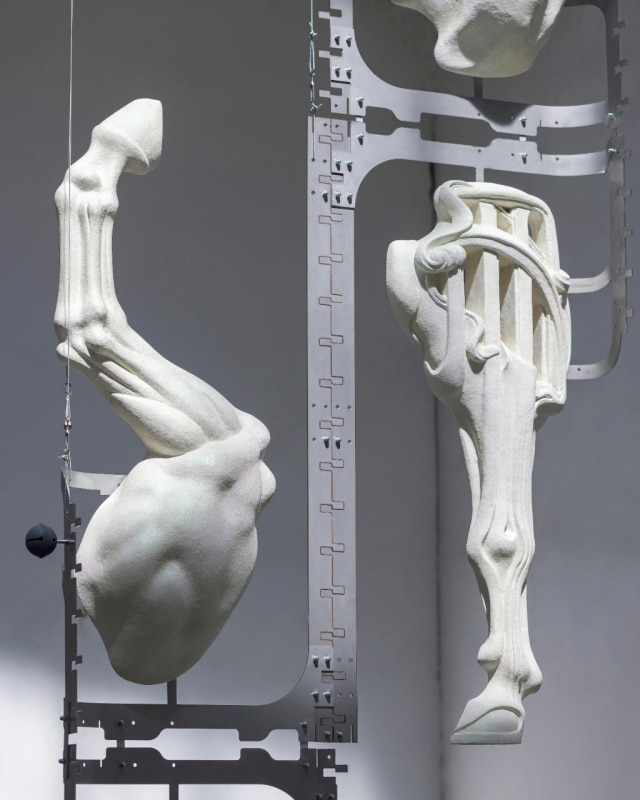
At Romero Paprocki, Paola Siri Renard presents her first solo exhibition in Paris. Between skeletal remains of buildings or animals, fossil fragments and mechanized presences, bone fractures and cyborg prostheses, the artist strains the fragile boundary between nature and culture, tracing new continuities between imaginaries and morphologies that have shaped our collective past, present, and future.
Image: Paola Siri Renard, Midway Kin, 2025 (detail). Courtesy of Kunstverein Ludwigshafen. Photo: Marco Vedana
At the gallery: Helene Appel
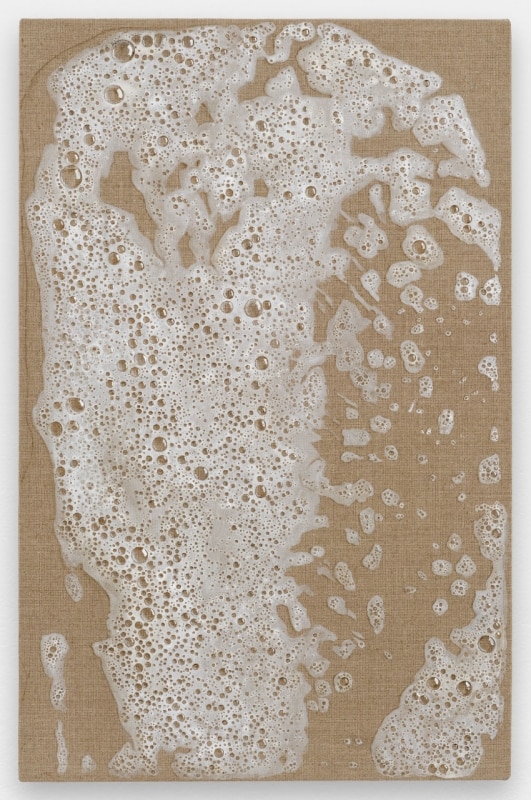
Galerie Semiose launches its collaboration with German painter Helene Appel through her first solo exhibition in France. Since the 2000s, she has painted everyday subjects — shells, headlights, drains, soapy water — at life scale on raw linen with uncompromising realism. Her practice elevates the ordinary into a radical reflection on the relationship between art and reality.
Image: Helene Appel, Soap Water, 2025. Acrylique et aquarelle sur toile de lin / Acrylic and watercolour on linen. Photo : A. Mole. Courtesy Semiose, Paris
In gallery: DS Galerie
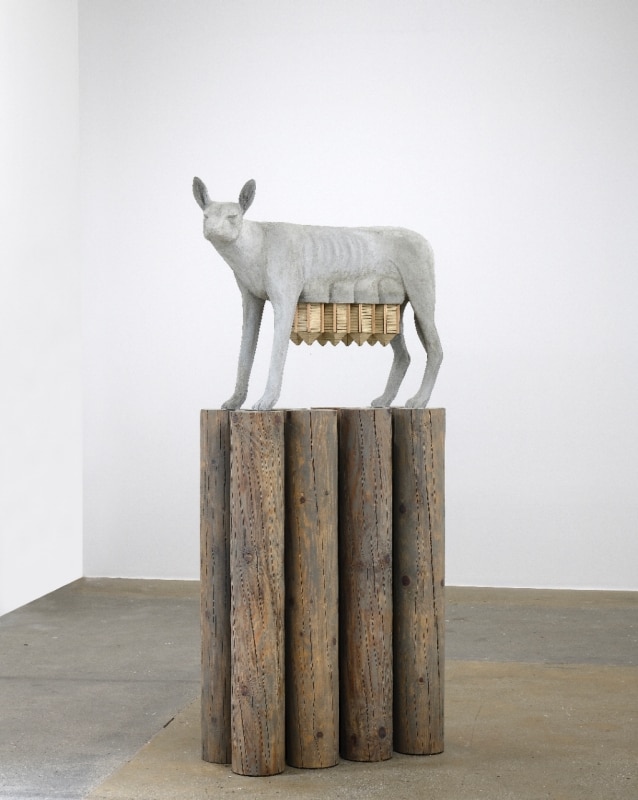
At DS Galerie, the duo Xolo Cuintle (Romy Texier and Valentin Vie Binet) presents Pulses Within, transforming the gallery into a living membrane. Concrete and stoneware sculptures unfold hybrid, organic forms that blur the boundaries between the biological and the mechanical. The exhibition conjures an interconnected world where architecture itself breathes like an organism.
Image: Lupa, 2025. H 198 × W 102 × D 40 cm. Concrete, pine, beech, steel.
Additional information: Exhibition view of Chloroplast Machinery at CAP Saint-Fons.
Courtesy of the artists. Photo: Blaise Adilon.
Art Basel Paris 2025
The 2025 edition of Art Basel Paris is scheduled for October 24–26 at the Grand Palais, the monumental building originally constructed for the 1900 Universal Exhibition and today one of the most iconic exhibition venues in the French capital.
Courtesy Art Basel
Public Program: Palais d’Iéna
The Palais d’Iéna, a masterpiece by Auguste Perret and a Parisian symbol of modernism, combines the solidity of concrete with the elegance of neoclassical language, and will host 30 Blizzards, a special project by Helen Marten. The work spans multiple disciplines and draws on experiences of childhood, community, sexuality, interiority, and loss. The exhibition unfolds through a dialogue between five sculptures and five videos, enriched by a live performance conceived with opera director Fabio Cherstich and composer Beatrice Dillon: an immersive choreography that interweaves libretto, images, sounds, and presences.
Courtesy Art Basel
Public Program: Place Vendôme
Place Vendôme is a neoclassical square in the 1st arrondissement of Paris, renowned for its elegant architecture, the Vendôme Column at its center, and its luxury boutiques, particularly jewelers and high-fashion houses. It is distinguished by the regularity and symmetrical uniformity of the surrounding buildings. Commissioned by Louis XIV through a decree signed in 1686, it was originally intended to house the Royal Library, the Academies, and an equestrian statue of the king. On the occasion of Art Basel 2025, it will host an inflatable installation by Alex Da Corte.
Courtesy Art Basel
Public Program: Place Vendôme
Artist Alex Da Corte’s installation revisits the 1991 Thanksgiving Parade in New York, when the giant Kermit the Frog balloon tore open and collapsed half-deflated along Fifth Avenue. Recreated here as an inflatable sculpture, Kermit remains suspended in a perpetual moment of collapse—between irony and melancholy—reflecting on how cultural icons absorb and echo our shared vulnerabilities.
Image: installation view of Alex Da Corte’s performance Kermit The Frog, Even, Fridericianum, Kassel, 2024. Courtesy of the artist and Fridericianum, Kassel
Public Program: Avenue Winston Churchill
Avenue Winston Churchill, which separates the Petit Palais from the Grand Palais, will be transformed into an open-air museum, with contemporary installations presented thanks to the support of the fair and the artists’ representing galleries.
Courtesy Art Basel
Public Program: Avenue Winston Churchill
The public art project will take place on Avenue Winston Churchill in Paris, featuring works by Thomas Houseago, Leiko Ikemura, Wang Keping, Vojtěch Kovařík, Muller Van Severen, Stefan Rinck, and Arlene Shechet.
Image: Stefan Rinck, Camarillo in Disguise, 2025. Courtesy of Semiose, Paris. Photo: Aurélien Mole
Public Program: Cour de l’Hôtel de la Marine
The Hôtel de la Marine is one of the landmarks of French heritage. Just steps from the Tuileries Gardens, it offers a spectacular view over Place de la Concorde. Designed in the 18th century by Ange-Jacques Gabriel, chief architect to King Louis XV, the building was originally home to the Garde-Meuble de la Couronne, the institution in charge of furnishing the royal palaces, before serving for more than two centuries as the headquarters of the French Navy. Steeped in history, it has witnessed the great transformations of France, from the royal era to the present day.
Courtesy Art Basel
Public Program: Cour de l’Hôtel de la Marine
In the courtyard of the Hôtel de la Marine, Joël Andrianomearisoa unveils a monumental textile installation that weaves together history, memory, and ritual. With vivid colours and dense textures evoking the abundance of the natural world, the work opens onto an imaginary landscape inspired by a poetry collection by Maurice Ramarozaka. Bringing to Paris the symbolic power of Malagasy fiber arts, it belongs to a series of which three pieces are already held in the permanent collection of the Metropolitan Museum of Art in New York.
Image: Joël Andrianomearisoa, LES HERBES FOLLES DU VIEUX LOGIS, 2020-2025. Courtesy of the artist and Almine Rech. © Studio Joël Andrianomearisoa. Photograph by E. Sander. The project will take place at Hôtel de la Marine in Paris.
Public Program: Petit Palais
The Petit Palais, located between the Champs-Élysées and the Seine, was built for the 1900 Universal Exhibition as the Palace of Fine Arts, in tandem with the Grand Palais. Designed by architect Charles Girault, the building blends classical and modern elements: its monumental façade marked by Corinthian columns, the grand arched portal adorned with allegorical sculptures, and an elegant inner courtyard with a garden reminiscent of Renaissance cloisters. Today, the Petit Palais houses the Musée des Beaux-Arts de la Ville de Paris, with collections ranging from antiquity to the 20th century, alongside major international temporary exhibitions.
Courtesy Art Basel
Public Program: Petit Palais
Julius von Bismarck often uses the notion of risk to unsettle established certainties. In The Elephant in the Room, he juxtaposes a taxidermy giraffe with an equestrian statue of Otto von Bismarck, both collapsing and reassembling in asynchronous loops—mechanical puppets that question the role of monuments in shaping collective memory, between the exploitation of nature and political mythmaking. His series OOOSB compresses flora, fauna, and remnants of civilisation into stratified panels, while the video Grenzen der Intelligenzen captures insects drawn to artificial lights, a metaphor for the disoriented fragility of living beings. This entire constellation now unfolds within the extraordinary setting of the Petit Palais in Paris.
Image: Julius Von Bismarck, The Elephant in the Room (Otto von Bismarck), 2023. Courtesy of the artist; Alexander Levy, Berlin; Sies + Höke, Düsseldorf. © The artist, VG Bild-Kunst, Bonn 2025. Photograph by Roman März. The project will take place at the Petit Palais in Paris.
Public Program: Chapelle des Petits-Augustins des Beaux-Arts de Paris
The Chapelle des Petits-Augustins is part of the École nationale supérieure des Beaux-Arts in Paris. Originally belonging to a 17th-century convent, it was transformed in the 19th century into the academy’s chapel and today stands as one of the most evocative spaces within the complex. With its Gothic vaults and strong historical resonance, the chapel is now often used as an exhibition venue, providing a unique setting where past and present converge.
Courtesy Art Basel
Public Program: Chapelle des Petits-Augustins des Beaux-Arts de Paris
Harry Nuriev blends art and design to reinvent our relationship with everyday objects. Guided by his philosophy of “Transformism,” Objets Trouvés invites visitors to exchange unwanted items placed in supermarket boxes, each swap recorded and later compiled into a publication. By turning cast-offs into curated artifacts, Nuriev questions the very notion of value and prompts reflection on what we choose to keep, discard, or share.
Courtesy the artist and Art Basel
Public Program: Parvis de l’Institut de France
The Parvis, the wide forecourt in front of the Institut de France, overlooks the Seine with a view of the Pont des Arts and stands as one of the most striking examples of 17th-century Parisian architecture.
Courtesy Art Basel
Public Program: Parvis de l’Institut de France
Ugo Rondinone places stone at the core of his practice, a symbol of humanity’s origins. the innocent, part of his Stone Figures series, is a four-metre totemic body of stacked rocks. Installed on the Parvis de l’Institut de France, it bridges the archaic and the contemporary with a commanding presence.
Courtesy the artist.
Beyond the main fair: Paris Internationale
Over the years, Paris Internationale has established itself as a new model within the ecosystem of international contemporary art fairs. Now in its 11th edition, it supports a new generation of galleries. Founded in 2015, this year it takes place at the Rond-point des Champs-Élysées, in Paris’s 8th arrondissement.
Image: An installation by Ad Minoliti at Paris Internationale. Photo © Margot Montigny, Courtesy of the artist and Crèvecoeur, Paris.
Beyond the main fair: OFFSCREEN Paris
This year, Offscreen Paris takes over a new venue, the Chapelle Saint-Louis de la Salpêtrière, presenting a selection of historical and contemporary artists working with installations and experimental image-based practices.
Image: La Chapelle Saint-Louis de la Salpêtrière. Hôpital Pitié-Salpêtrière, AP-HP – Photo: Lympa Architectures.
Exhibitions: MINIMAL
At the Bourse de Commerce – Pinault Collection, the exhibition Minimal traces the global and international evolution of a movement that, since the early 1960s, has radically redefined the status of the artwork.
Image: Lygia Pape, Ttéia 1, C, 2003–2025. Golden thread, wood, nails, light. Variable dimensions. Pinault Collection. Courtesy Projeto Lygia Pape. Exhibition view of Lygia Pape. Weaving Space, Bourse de Commerce – Pinault Collection, Paris, 2025. © Tadao Ando Architect & Associates, Niney et Marca Architectes, agence Pierre-Antoine Gatier. Photo: Nicolas Brasseur/Pinault Collection.
At the former Swedish Circle: Charles Zana
Charles Zana will open the doors of the former Swedish Circle on Rue de Rivoli with In Situ, an exhibition that transforms a Haussmannian apartment into a journey through design, architecture, and contemporary art. Curated by Paul Calligaro, the show will feature over 30 new creations by Zana, along with a personal cabinet of curiosities including, among others, Polaroids by Carlo Mollino, pieces by Ettore Sottsass, and works by Eugène Carrière — revealing Zana’s sources of inspiration and his sensibility as a collector.
Photo: Vincent Leroux. Courtesy Charles Zana.
Exhibitions: a double feature for Gerhard Richter
During the days of the fair, the versatile and elusive work of one of the great masters of our time is honored with a double exhibition: at the Fondation Louis Vuitton, a monumental retrospective spans the artist’s entire career (1962–2024); while at the Paris outpost of David Zwirner Gallery, his practice is explored in greater depth.
Image: Gerhard Richter, KI. Badende (Small Bather), 1994. Oil on canvas. © Gerhard Richter 2025 (20102025). Courtesy the artist and David Zwirner
At the gallery: Rirkrit Tiravanija
Galerie Chantal Crousel presents Rirkrit Tiravanija’s new exhibition, IN ALIENS WE TRUST, bringing together a selection of recent works, including collaborations with long-time artist friends. The result is a solo show in which the artist deepens his exploration of community and otherness through various media: sculpture, canvases layered with newspaper and silver leaf, and photography.
© Rirkrit Tiravanija, 2025.
Courtesy of the artist and Galerie Chantal Crousel, Paris.
At the gallery: Daniel Buren
Also highly anticipated is the return of Daniel Buren to Paris with the exhibition Du Cercle aux carrés, travaux situés et in situ at Mennour.
Image: Photo-souvenir: Daniel Buren, Fruits d’automne, Île-de-France, 2002. © DB-ADAGP, Paris.
At the gallery: Trevor Yeung
Galerie Allen puts the spotlight on Trevor Yeung. His new series, Redundant Lovers (2025), consists of ten painted mussel shells mounted on the wall—awkwardly oversized, almost unnatural in scale. These shells are byproducts of Southeast China’s freshwater pearling industry, which supplies most of the world’s pearls. Trevor Yeung transforms them with ink and mineral pigments, materials valued for their permanence compared to watercolors or oils. Instead of the precious pearl that might once have grown inside, he paints concentric circles within the hollow shells—what he describes as “remains of hope and lower expectations.”
Credits : Trevor Yeung.
Courtesy the artist and Galerie Allen, Paris.
At the gallery: Paola Siri Renard
At Romero Paprocki, Paola Siri Renard presents her first solo exhibition in Paris. Between skeletal remains of buildings or animals, fossil fragments and mechanized presences, bone fractures and cyborg prostheses, the artist strains the fragile boundary between nature and culture, tracing new continuities between imaginaries and morphologies that have shaped our collective past, present, and future.
Image: Paola Siri Renard, Midway Kin, 2025 (detail). Courtesy of Kunstverein Ludwigshafen. Photo: Marco Vedana
At the gallery: Helene Appel
Galerie Semiose launches its collaboration with German painter Helene Appel through her first solo exhibition in France. Since the 2000s, she has painted everyday subjects — shells, headlights, drains, soapy water — at life scale on raw linen with uncompromising realism. Her practice elevates the ordinary into a radical reflection on the relationship between art and reality.
Image: Helene Appel, Soap Water, 2025. Acrylique et aquarelle sur toile de lin / Acrylic and watercolour on linen. Photo : A. Mole. Courtesy Semiose, Paris
In gallery: DS Galerie
At DS Galerie, the duo Xolo Cuintle (Romy Texier and Valentin Vie Binet) presents Pulses Within, transforming the gallery into a living membrane. Concrete and stoneware sculptures unfold hybrid, organic forms that blur the boundaries between the biological and the mechanical. The exhibition conjures an interconnected world where architecture itself breathes like an organism.
Image: Lupa, 2025. H 198 × W 102 × D 40 cm. Concrete, pine, beech, steel.
Additional information: Exhibition view of Chloroplast Machinery at CAP Saint-Fons.
Courtesy of the artists. Photo: Blaise Adilon.
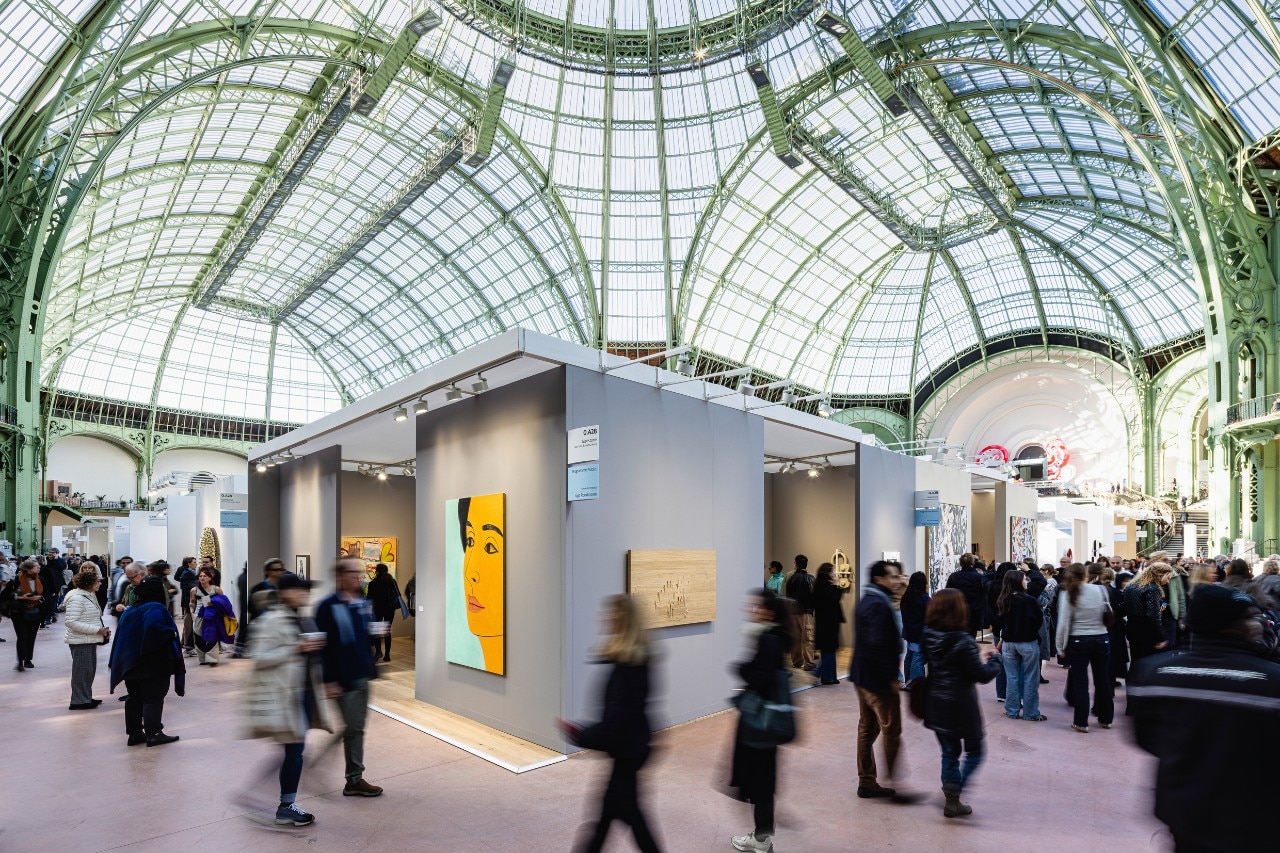
Domus has declared it a must-see for art lovers. More than Berlin, London, New York, or any other European city, Paris — the capital of Impressionism, Art Nouveau, and major museums such as the Louvre and Palais de Tokyo — has experienced a renaissance in recent years thanks to this contemporary and modern art fair, founded in 2022 as part of the Basel circuit. In 2026, Art Basel Paris will take place at the recently restored Grand Palais, hosting over 200 galleries from 40 countries and accompanied by a surprising number of collateral exhibitions: at the Fondation Cartier pour l’Art Contemporain in its new Jean Nouvel-designed venue, the Fondation Louis Vuitton with a monumental Gerhard Richter retrospective, and in many other iconic city locations.
3daysofdesign 2026
Copenhagen, Denmark – 10 to 12 June 2026
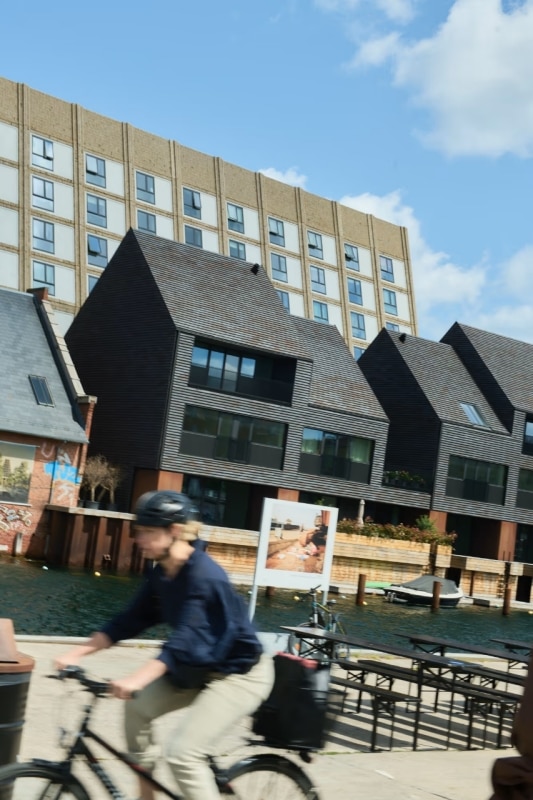
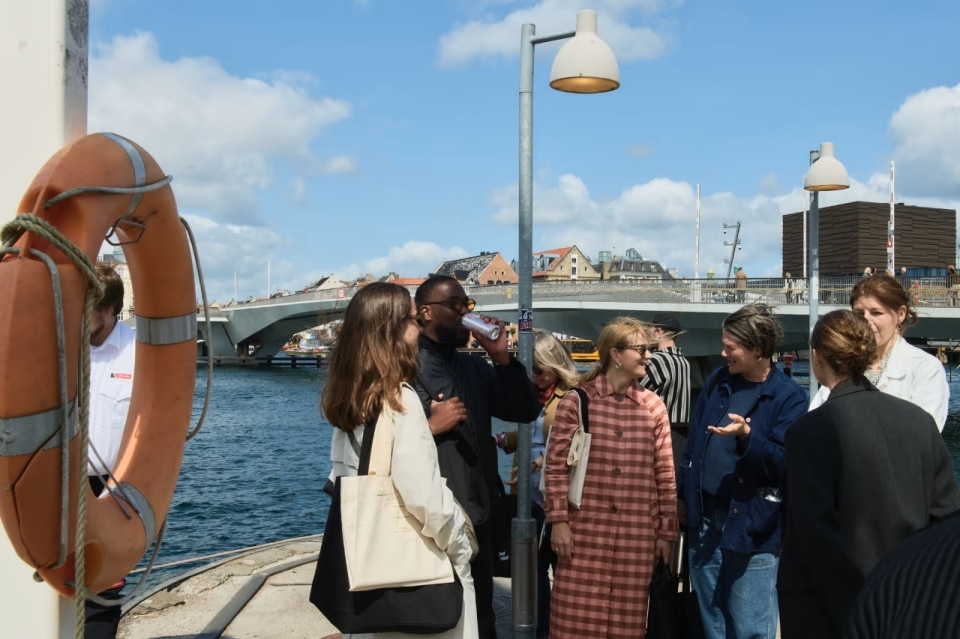
The Scandinavian design festival in the heart of the Danish capital: for three days in 2026, Copenhagen will come alive with new collections, products, and prototypes from Danish and international design brands across all neighborhoods. Unlike many other industry events, entrance is free, in keeping with the IKEA-inspired idea of design as truly democratic.
Fifa World Cup 2026
USA, Canada, Mexico – 11 June to 19 July 2026
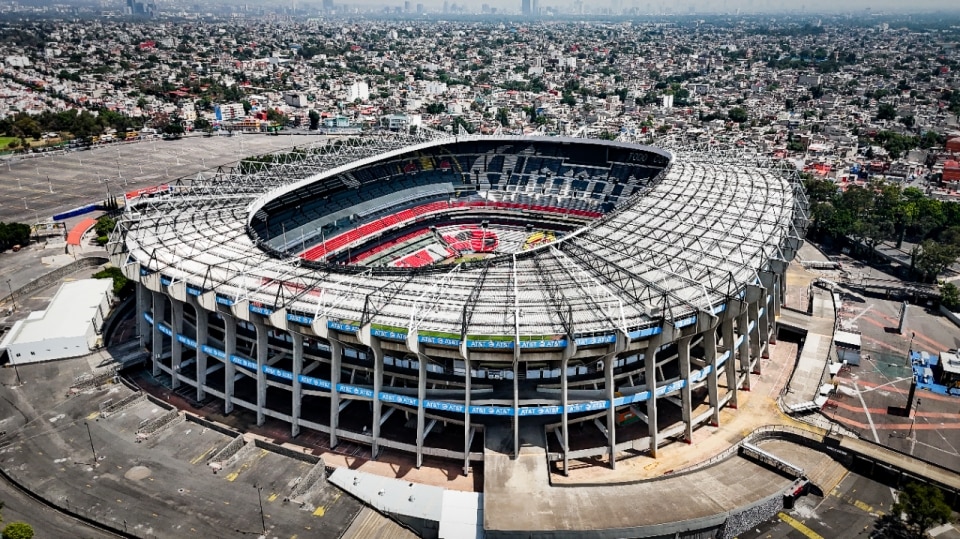
Sports events — as the Milan-Cortina Olympics have shown — are a global phenomenon that permeates everything: pop culture, technological and scientific research. They are often a major driver of architectural innovation. The 2026 FIFA World Cup will be the first hosted jointly by three countries — the United States, Mexico, and Canada — and the first to take place on a continental scale. While the eleven stadiums in the United States stretch thousands of kilometers from Texas to New Jersey, Mexico is renovating one of the world’s most historic stadiums: the Estadio Azteca in Mexico City, the bustling metropolis that also hosts Fondazione Prada exhibitions this year.
Opening image: Courtesy Art Basel Paris