The upcoming year will be full of science fiction and a reexamination of gender stereotypes—but ultimately also of monsters. Among the films and series most worth looking forward to in 2026, several, at least among the biggest, are original stories (which is not a given) and willingly venture into fantasy and science fiction, exploring new paths. Some go back to Greek myths, some move forward to encounter aliens, while others bring out the classic monsters.
2026’s most anticipated TV series and films
An Emily Brontë novel reinterpreted by the director of Saltburn, Spielberg’s new alien film, Tom Cruise in Iñárritu’s dark comedy, and Nolan finally tackling The Odyssey after years: these are just some of the things we will see this year.
View gallery
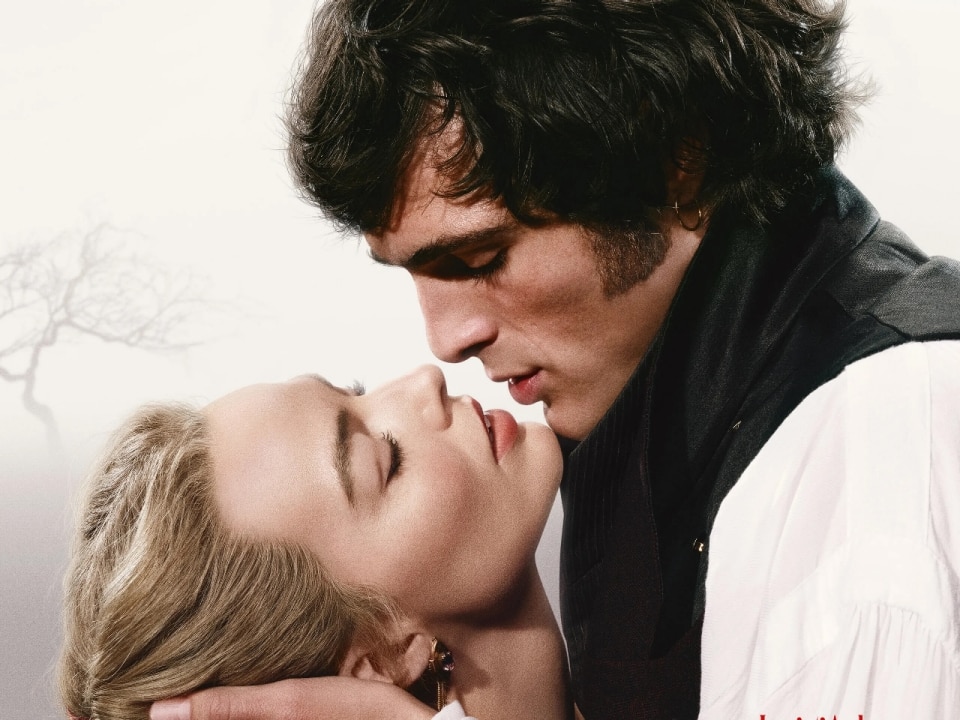
Wuthering Heights — directed by Emerald Fennell
In theory, it is the classic, period costume version of Emily Brontë’s novel; in practice it is the first version of a great classic of female Romantic literature, directed and written by an openly feminist author (the one behind Promising Young Woman and Saltburn) in an era of role revision. You can already see this from the casting: the protagonist, Margot Robbie, is older (by seven years), more well-known, and more production-powerful than the male lead, Jacob Elordi.
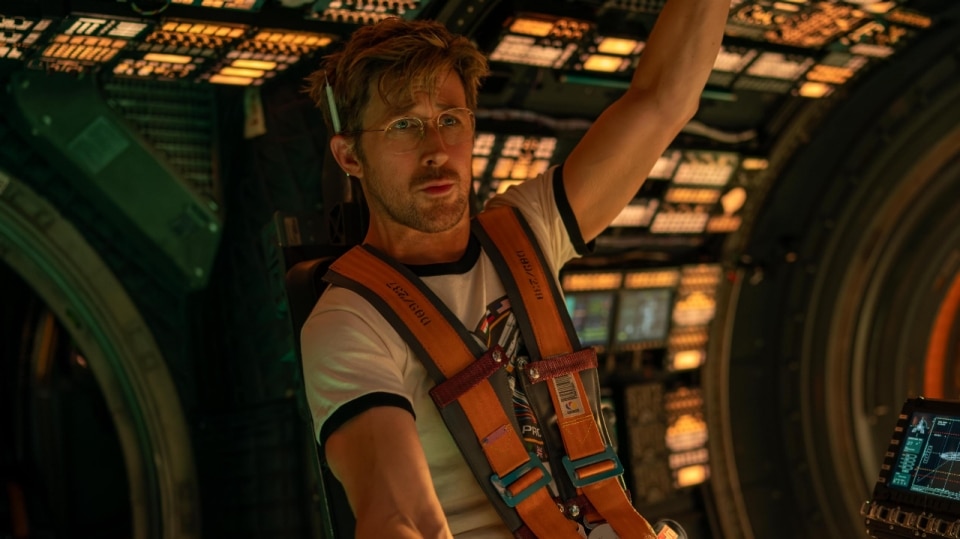
Project Hail Mary — directed by Phil Lord and Christopher Miller
Possibly the science fiction film of the year. It is based on the novel by Andy Weir, already the author of The Martian, and is directed by Phil Lord and Chris Miller, the duo behind the new generation Spider-Man animated films and the two The Lego Movie films. The protagonist is Ryan Gosling. It is the story of an ordinary man, a scientist hardly adventurous, who is sent into space in a desperate search for a habitable planet for the human race and who, on the journey, meets an alien with the same mission.
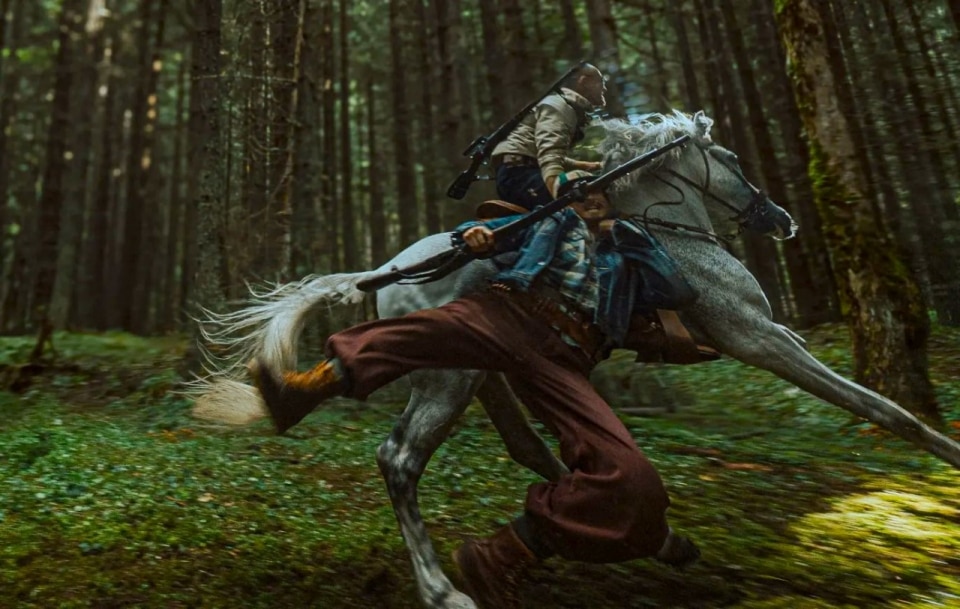
Hope — directed by Na Hong-jin
From the director of the sensational The Wailing comes a Korean story featuring Hollywood actors (Alicia Vikander and Michael Fassbender) about a small village thrown into chaos by the sighting of a tiger. It seems like a simple local crisis, but gradually it becomes more mysterious and destabilizing. The mysteries and oddities of Korean cinema are one of the best things about the cinema of our era, and Na Hong-jin (director and screenwriter) is one of those to keep an eye on.
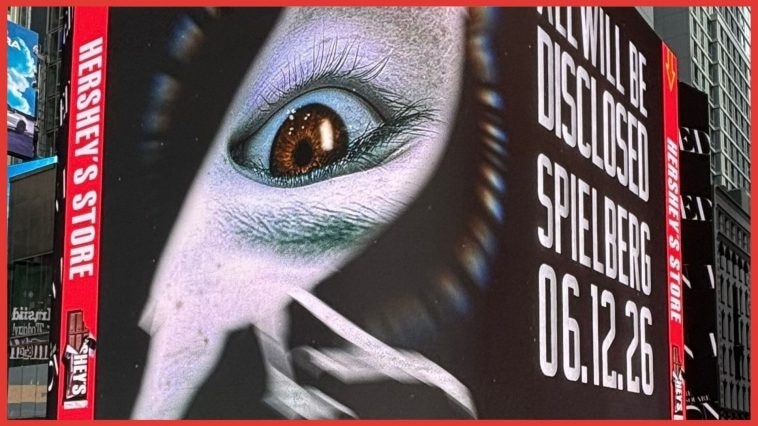
The new film by Steven Spielberg
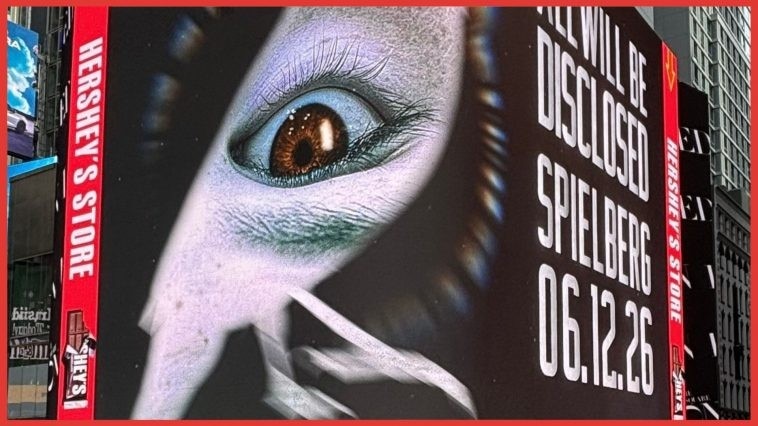
The title is not even known at the moment, but it is one of the most anticipated things ever: a new science fiction film by Spielberg. The main theme should be aliens and the secret surrounding them; the story was created by Spielberg himself and the screenplay was written by David Koepp (the two together made Jurassic Park). The secrecy is the kind necessary to promote original films, focusing on the event itself. And indeed, a new Spielberg film about aliens is somewhat of an event.
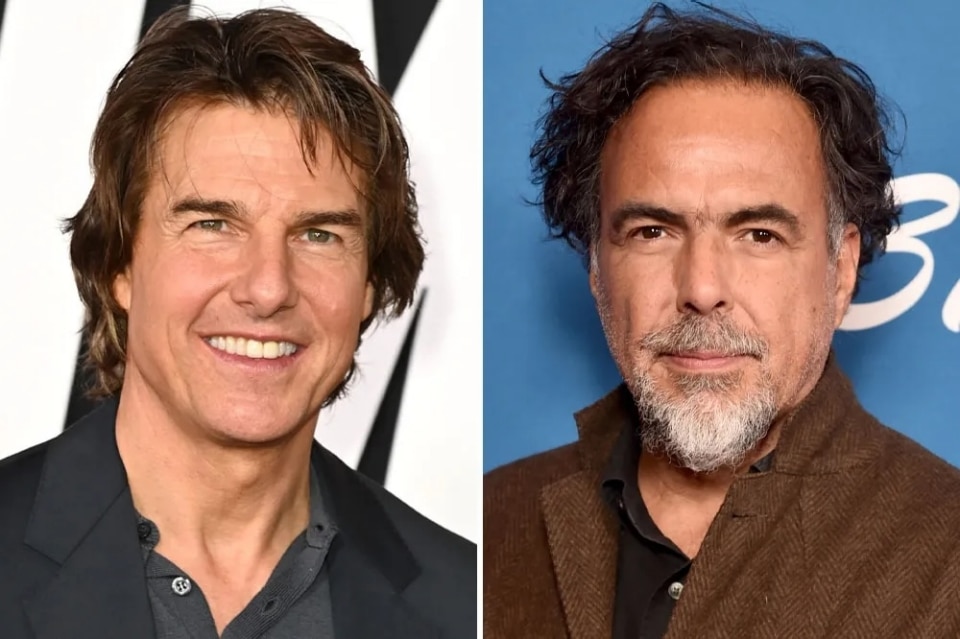
Judy — directed by Alejandro Iñárritu
Expectations are high here because it is a dark comedy by the director of Birdman, starring Tom Cruise. For at least two decades, Cruise has given up auteur cinema, after an entire career spent trying to win an Oscar, and has focused only on light entertainment films to earn more than anyone else. This film seems like a return to truly performed, challenging, and human cinema, all with the same director who managed to get Leonardo DiCaprio an Oscar. Judy is the story of the most powerful man in the world who, by mistake, triggers a catastrophe and must become the savior of the planet.
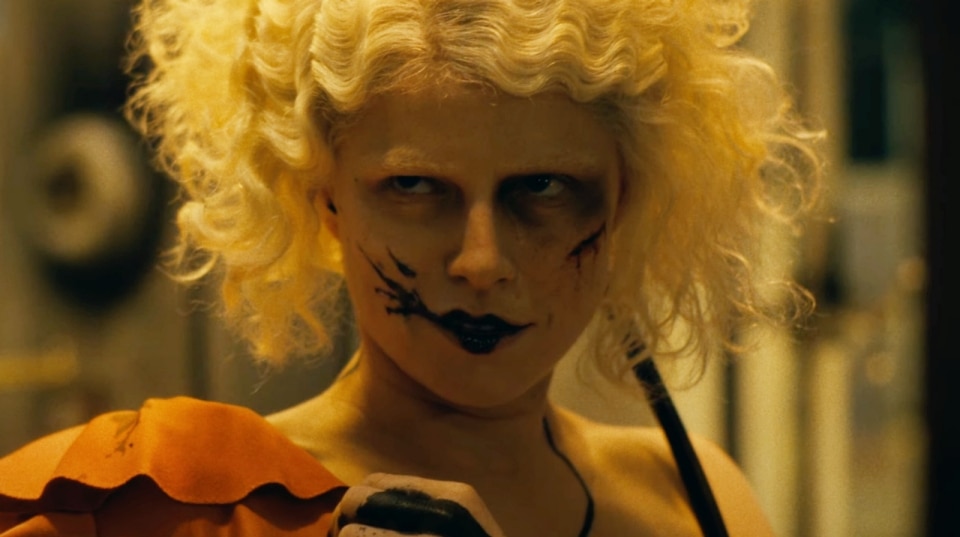
The Bride — directed by Maggie Gyllenhaal
The Wife of Frankenstein was the first sequel to Frankenstein, in 1935. A completely different era from today, when sequels could be entirely different films. That character was on the edge of comedy and had little space in the film, despite being in the title; Maggie Gyllenhaal has made something completely different of it and has created a version of Frankenstein and the woman he expects to be created for him: comic‑book-like, modern, and urban, a story of monsters and, clearly, a story of women in worlds of men.
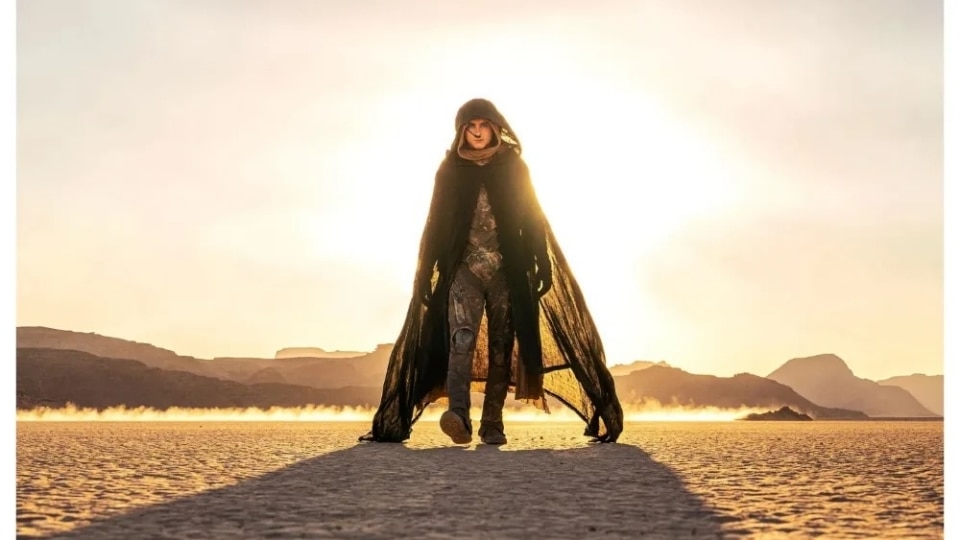
Dune: Part Three — directed by Denis Villeneuve
The third Dune, after several hesitations, is happening and is being directed by Denis Villeneuve, who from the very beginning of work on the first film had always said he planned to make a trilogy based on Frank Herbert’s cycle of novels. All the actors from the first two films return to tell the story of how Paul Atreides, the messiah, bears the weight of that role and must be overthrown so that the world can improve and his house can continue to rule.
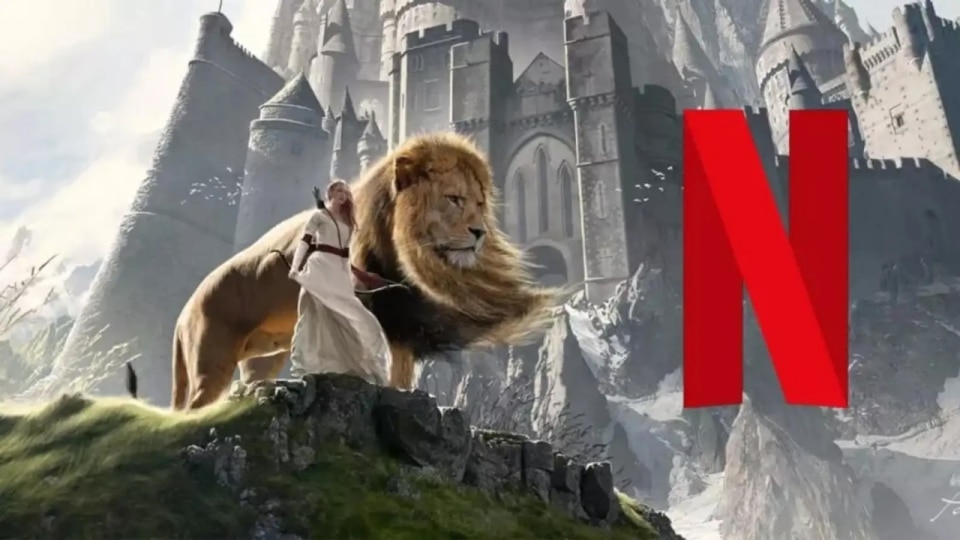
The Chronicles of Narnia: The Magician’s Nephew
After a trilogy of films that adapted some of The Chronicles of Narnia novels, here comes the version that Netflix has entrusted to Greta Gerwig, the director of Barbie. And like Barbie, it is once again a very large film, doing what is called “high fantasy,” that is, fantasy on a very large and epic scale. It is such a big production that Gerwig demanded a conventional theatrical release, something that Netflix had not yet granted to anyone.
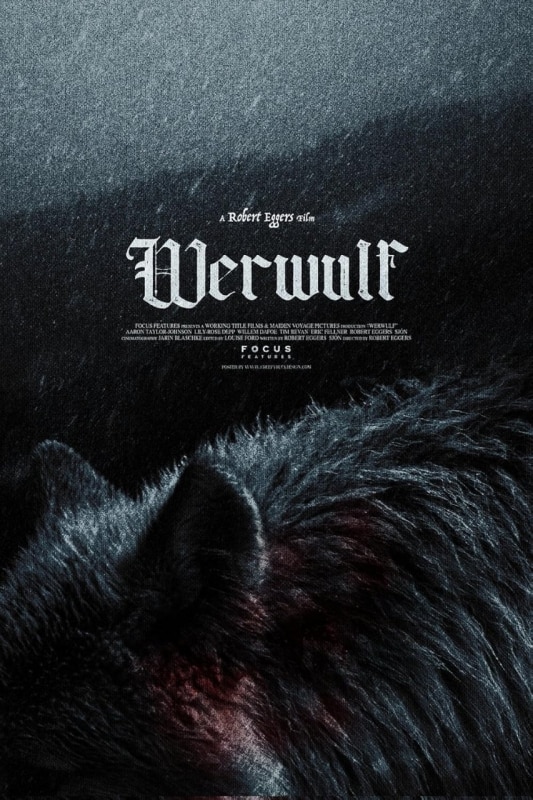
Werewolf — directed by Robert Eggers
After Nosferatu, Robert Eggers continues to explore the cinematic mythology of traditional monsters, with a period film about the werewolf. He does so with Sjón on the writing, the Icelandic novelist who previously collaborated on Björk’s texts and with whom Eggers made The Northman. Nothing is known yet about the plot or what approach the story might take, but it is clear, given the names involved, that it will be something extremely concrete and traditional. In what sense it might be “traditional,” however, remains to be seen.
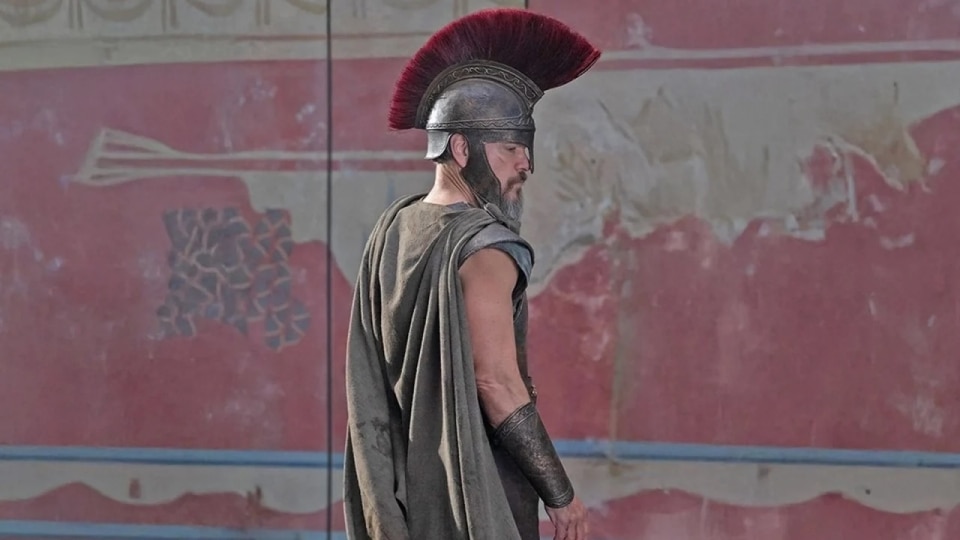
The Odyssey — directed by Christopher Nolan
The major Christopher Nolan film that has been promoted for about a year. The story of Odysseus with the correct temporal references, full of stars and told as a great epic of escape from a prison that is the sea. It is the first time Christopher Nolan approaches something so classic and traditional, so little futuristic or technological, and it will be very interesting to see whether it leans toward Dunkirk or finds a way to make The Odyssey a story in the style of Inception and Interstellar, where time is the true enemy.
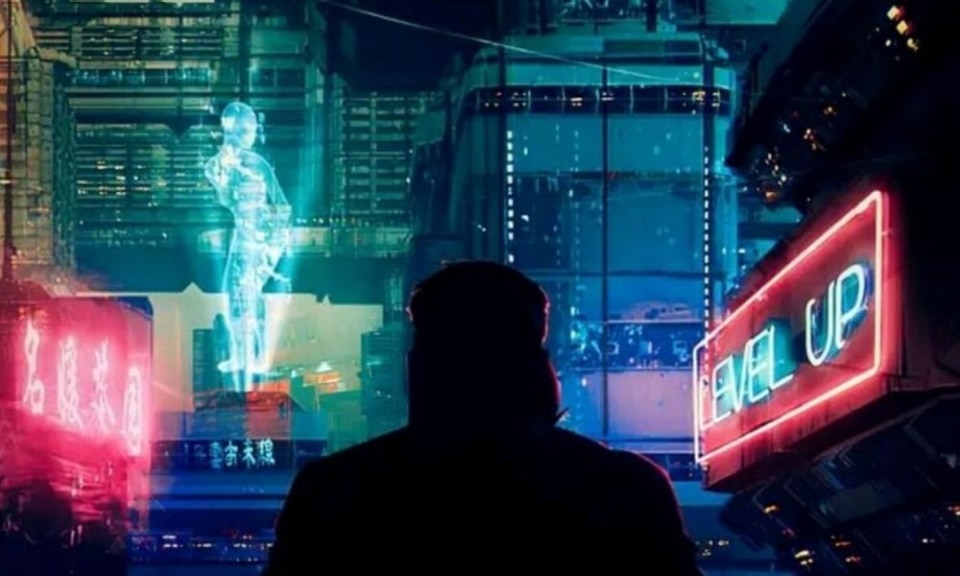
Blade Runner 2099 — created by Ridley Scott
There is obviously the long hand of Ridley Scott behind the first Blade Runner series project, a show set in that future world (another 50 years after Blade Runner 2049) with replicants on the run and replicant hunters at the end of their lives, brought together with the discovery of certain issues related to the city they live in. If Blade Runner has always been the science fiction version of a noir, this seems to be the science fiction version of a hard‑boiled.
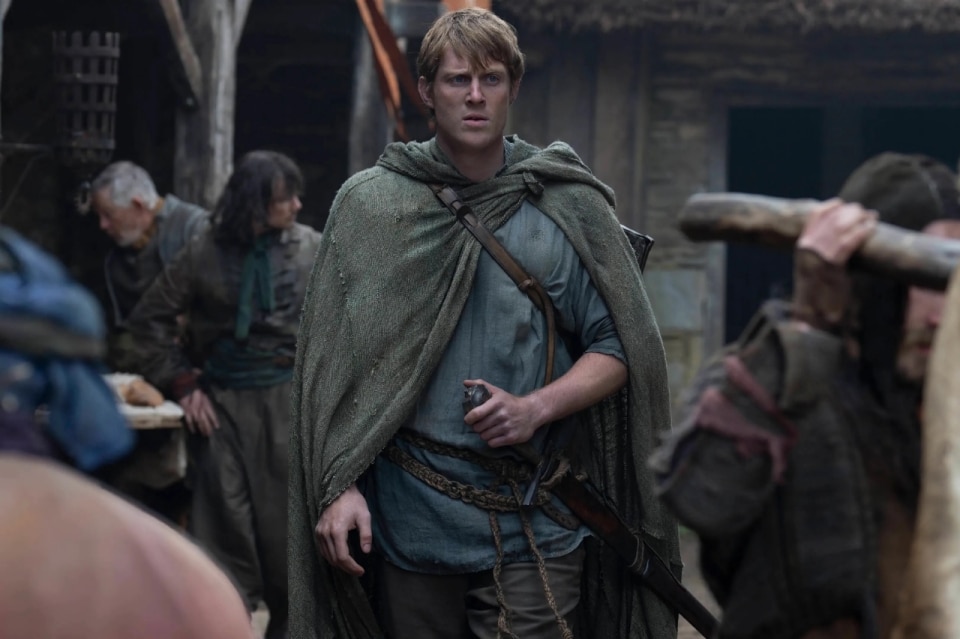
A Knight of the Seven Kingdoms
There are Targaryens even in this second Game of Thrones spin‑off after House of the Dragon. It comes from a novella written by George R. R. Martin and follows a knight and his squire. Everything is set about 90 years before the events of Game of Thrones, and if we are to rely on the novellas, these are stories of adventures of a knight newly promoted to that status from his position as a squire.
His & Hers
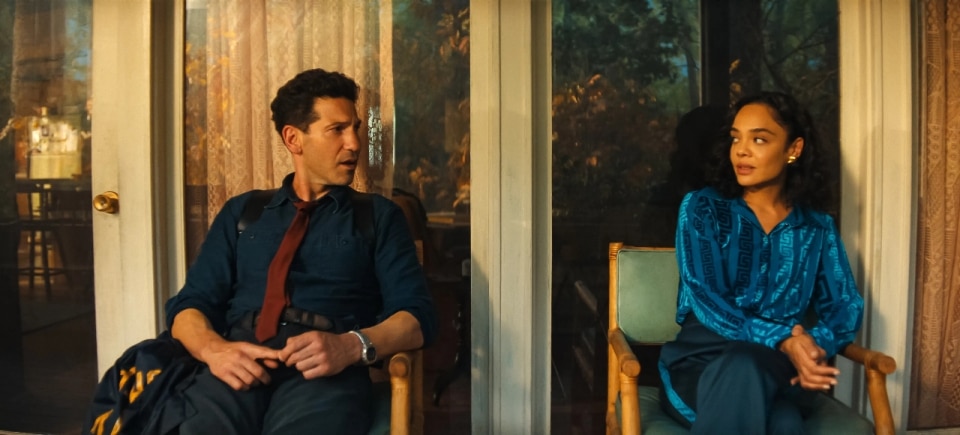
A detective and a journalist are on the trail of the same case in a small town. The problem is not only that they begin to get to know each other, but also that they discover they have a mutual acquaintance who is one of the suspects. A professional matter therefore quickly becomes a personal one for both of them. Not only are Jon Bernthal and the very talented Tessa Thompson involved, but also William Oldroyd, director of Eileen, one of the hidden gems of last year.
Y: Marshals
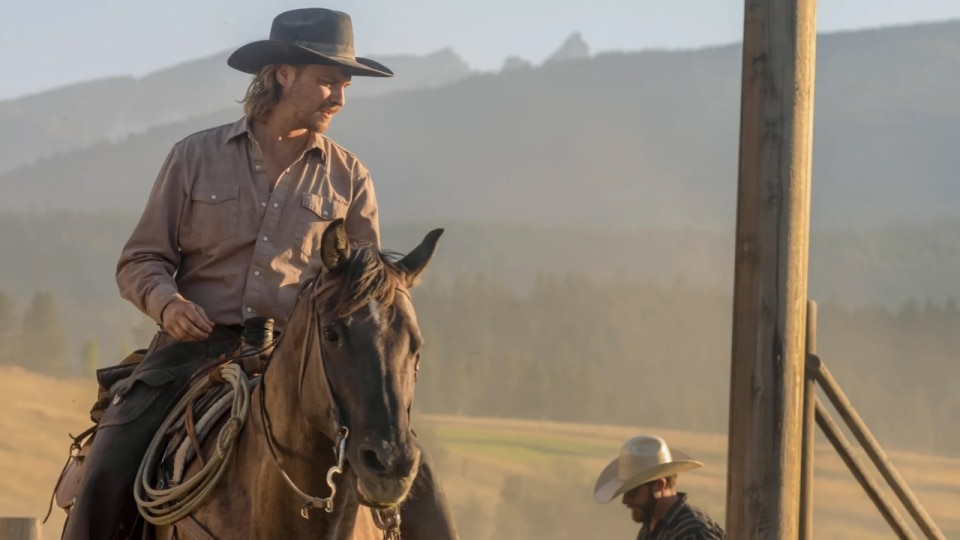
Taylor Sheridan doesn’t stay still. Y: Marshals is his new western series, a direct sequel to Yellowstone (and with this we are at four series created from the Dutton family), centered on Kayce Dutton, who has recently become part of one of the law enforcement forces protecting Montana.
The Boroughs
Yes, superheroes, but elderly and retired in New Mexico, who nonetheless must come together to fight an otherworldly threat that endangers the only thing they have and consider precious: time. The tone, of course, can only be light and comedic, and among the actors are Bill Pullman, Geena Davis, and Alfred Molina. Even if they do not write or direct, behind it all are the Duffer Brothers, the ones from Stranger Things.
Wuthering Heights — directed by Emerald Fennell
In theory, it is the classic, period costume version of Emily Brontë’s novel; in practice it is the first version of a great classic of female Romantic literature, directed and written by an openly feminist author (the one behind Promising Young Woman and Saltburn) in an era of role revision. You can already see this from the casting: the protagonist, Margot Robbie, is older (by seven years), more well-known, and more production-powerful than the male lead, Jacob Elordi.
Project Hail Mary — directed by Phil Lord and Christopher Miller
Possibly the science fiction film of the year. It is based on the novel by Andy Weir, already the author of The Martian, and is directed by Phil Lord and Chris Miller, the duo behind the new generation Spider-Man animated films and the two The Lego Movie films. The protagonist is Ryan Gosling. It is the story of an ordinary man, a scientist hardly adventurous, who is sent into space in a desperate search for a habitable planet for the human race and who, on the journey, meets an alien with the same mission.
Hope — directed by Na Hong-jin
From the director of the sensational The Wailing comes a Korean story featuring Hollywood actors (Alicia Vikander and Michael Fassbender) about a small village thrown into chaos by the sighting of a tiger. It seems like a simple local crisis, but gradually it becomes more mysterious and destabilizing. The mysteries and oddities of Korean cinema are one of the best things about the cinema of our era, and Na Hong-jin (director and screenwriter) is one of those to keep an eye on.
The new film by Steven Spielberg
The title is not even known at the moment, but it is one of the most anticipated things ever: a new science fiction film by Spielberg. The main theme should be aliens and the secret surrounding them; the story was created by Spielberg himself and the screenplay was written by David Koepp (the two together made Jurassic Park). The secrecy is the kind necessary to promote original films, focusing on the event itself. And indeed, a new Spielberg film about aliens is somewhat of an event.
Judy — directed by Alejandro Iñárritu
Expectations are high here because it is a dark comedy by the director of Birdman, starring Tom Cruise. For at least two decades, Cruise has given up auteur cinema, after an entire career spent trying to win an Oscar, and has focused only on light entertainment films to earn more than anyone else. This film seems like a return to truly performed, challenging, and human cinema, all with the same director who managed to get Leonardo DiCaprio an Oscar. Judy is the story of the most powerful man in the world who, by mistake, triggers a catastrophe and must become the savior of the planet.
The Bride — directed by Maggie Gyllenhaal
The Wife of Frankenstein was the first sequel to Frankenstein, in 1935. A completely different era from today, when sequels could be entirely different films. That character was on the edge of comedy and had little space in the film, despite being in the title; Maggie Gyllenhaal has made something completely different of it and has created a version of Frankenstein and the woman he expects to be created for him: comic‑book-like, modern, and urban, a story of monsters and, clearly, a story of women in worlds of men.
Dune: Part Three — directed by Denis Villeneuve
The third Dune, after several hesitations, is happening and is being directed by Denis Villeneuve, who from the very beginning of work on the first film had always said he planned to make a trilogy based on Frank Herbert’s cycle of novels. All the actors from the first two films return to tell the story of how Paul Atreides, the messiah, bears the weight of that role and must be overthrown so that the world can improve and his house can continue to rule.
The Chronicles of Narnia: The Magician’s Nephew
After a trilogy of films that adapted some of The Chronicles of Narnia novels, here comes the version that Netflix has entrusted to Greta Gerwig, the director of Barbie. And like Barbie, it is once again a very large film, doing what is called “high fantasy,” that is, fantasy on a very large and epic scale. It is such a big production that Gerwig demanded a conventional theatrical release, something that Netflix had not yet granted to anyone.
Werewolf — directed by Robert Eggers
After Nosferatu, Robert Eggers continues to explore the cinematic mythology of traditional monsters, with a period film about the werewolf. He does so with Sjón on the writing, the Icelandic novelist who previously collaborated on Björk’s texts and with whom Eggers made The Northman. Nothing is known yet about the plot or what approach the story might take, but it is clear, given the names involved, that it will be something extremely concrete and traditional. In what sense it might be “traditional,” however, remains to be seen.
The Odyssey — directed by Christopher Nolan
The major Christopher Nolan film that has been promoted for about a year. The story of Odysseus with the correct temporal references, full of stars and told as a great epic of escape from a prison that is the sea. It is the first time Christopher Nolan approaches something so classic and traditional, so little futuristic or technological, and it will be very interesting to see whether it leans toward Dunkirk or finds a way to make The Odyssey a story in the style of Inception and Interstellar, where time is the true enemy.
Blade Runner 2099 — created by Ridley Scott
There is obviously the long hand of Ridley Scott behind the first Blade Runner series project, a show set in that future world (another 50 years after Blade Runner 2049) with replicants on the run and replicant hunters at the end of their lives, brought together with the discovery of certain issues related to the city they live in. If Blade Runner has always been the science fiction version of a noir, this seems to be the science fiction version of a hard‑boiled.
A Knight of the Seven Kingdoms
There are Targaryens even in this second Game of Thrones spin‑off after House of the Dragon. It comes from a novella written by George R. R. Martin and follows a knight and his squire. Everything is set about 90 years before the events of Game of Thrones, and if we are to rely on the novellas, these are stories of adventures of a knight newly promoted to that status from his position as a squire.
His & Hers
A detective and a journalist are on the trail of the same case in a small town. The problem is not only that they begin to get to know each other, but also that they discover they have a mutual acquaintance who is one of the suspects. A professional matter therefore quickly becomes a personal one for both of them. Not only are Jon Bernthal and the very talented Tessa Thompson involved, but also William Oldroyd, director of Eileen, one of the hidden gems of last year.
Y: Marshals
Taylor Sheridan doesn’t stay still. Y: Marshals is his new western series, a direct sequel to Yellowstone (and with this we are at four series created from the Dutton family), centered on Kayce Dutton, who has recently become part of one of the law enforcement forces protecting Montana.
The Boroughs
Yes, superheroes, but elderly and retired in New Mexico, who nonetheless must come together to fight an otherworldly threat that endangers the only thing they have and consider precious: time. The tone, of course, can only be light and comedic, and among the actors are Bill Pullman, Geena Davis, and Alfred Molina. Even if they do not write or direct, behind it all are the Duffer Brothers, the ones from Stranger Things.
-
Sections