
In Jialeshui, a renowned nature area within Kenting National Park in the southern part of Taiwan, known for its extraordinary zoomorphic rock formations, the Pingtung County government recently selected the design proposal submitted by MVRDV together with HWC Architects for the construction of a new tourism infrastructure aimed at enhancing the attractiveness of the area.
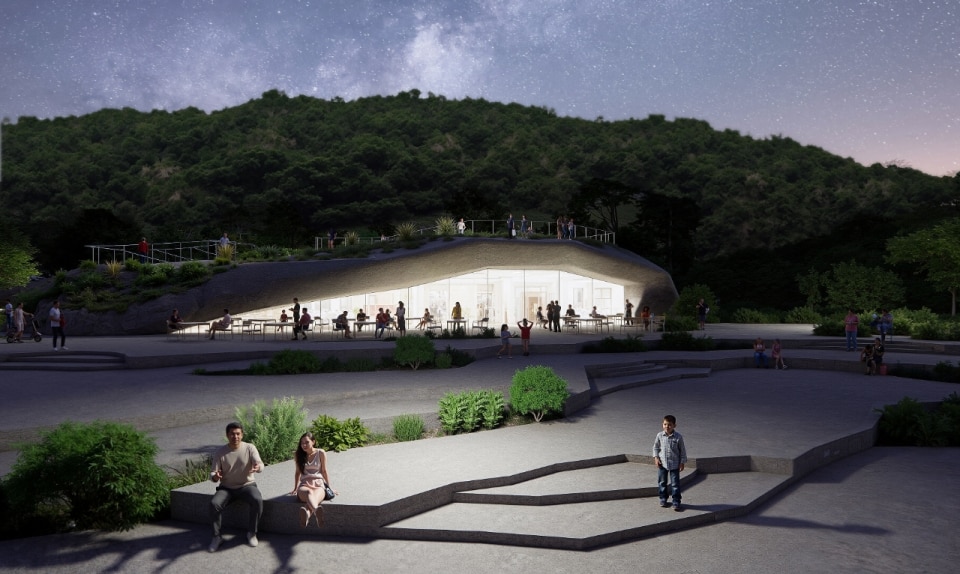
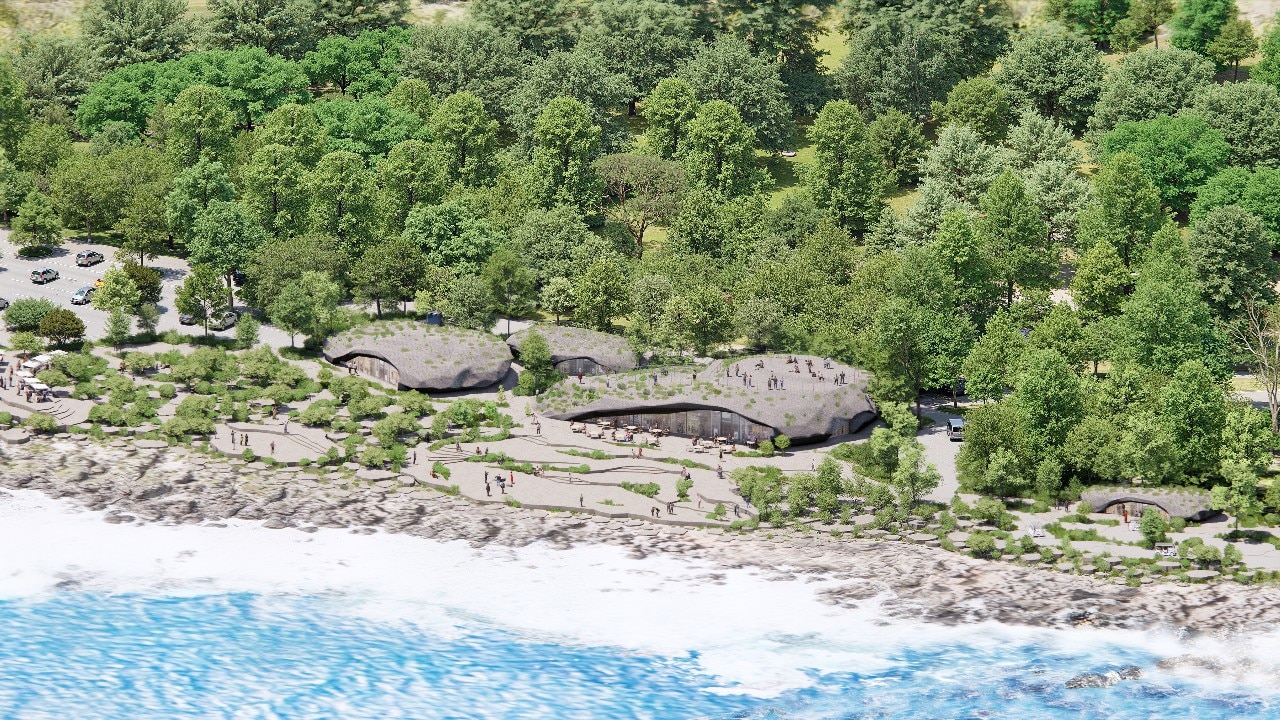
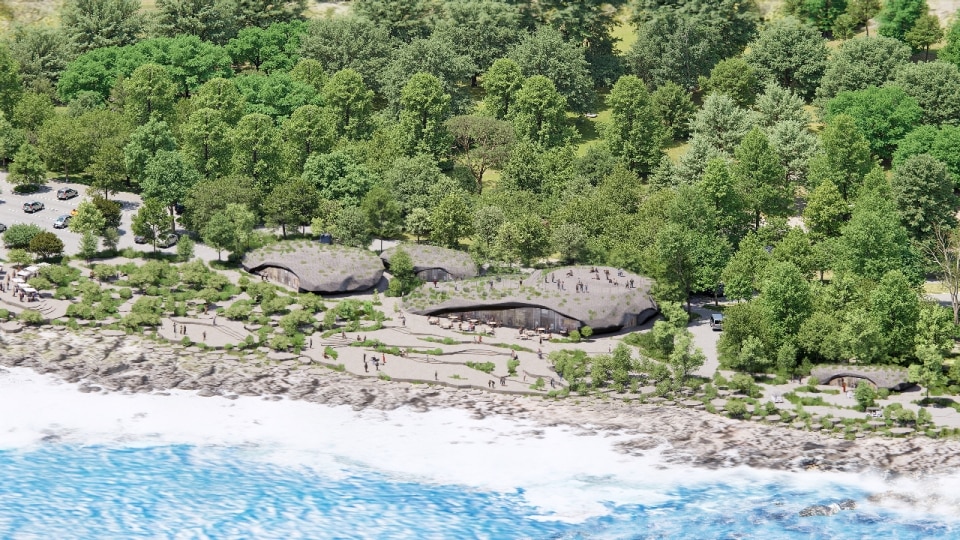
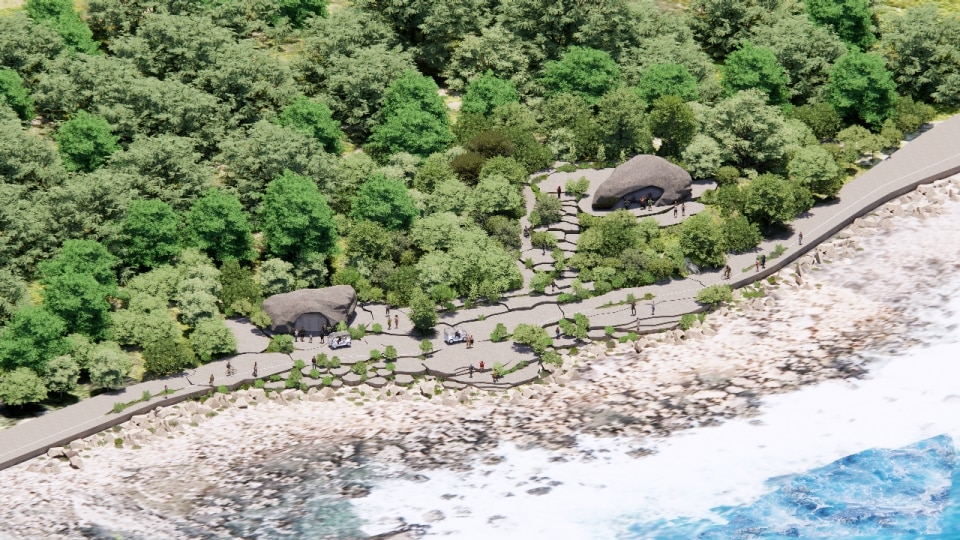
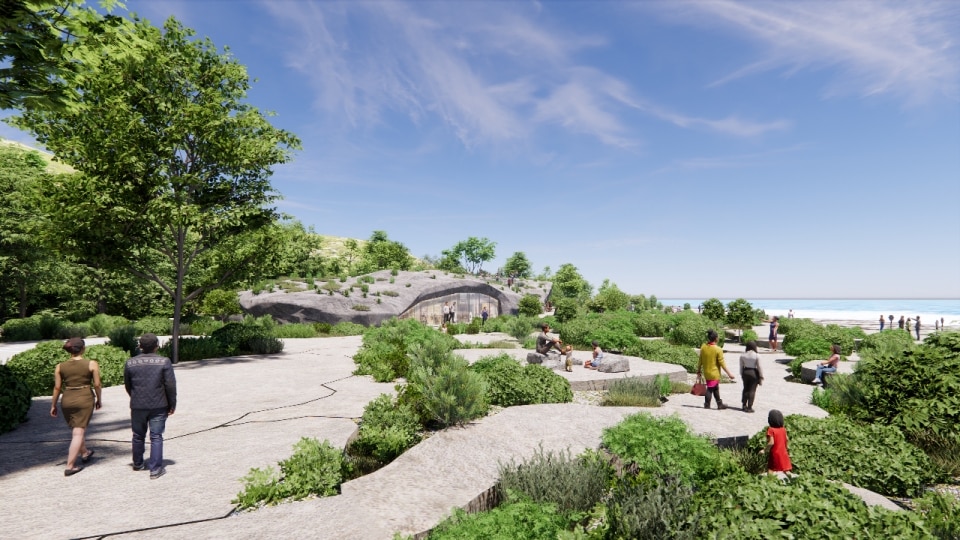
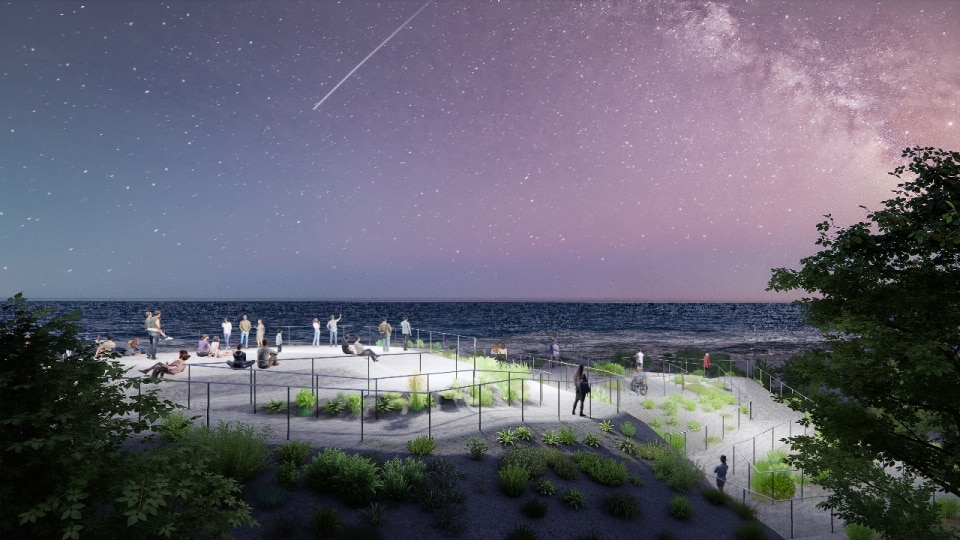
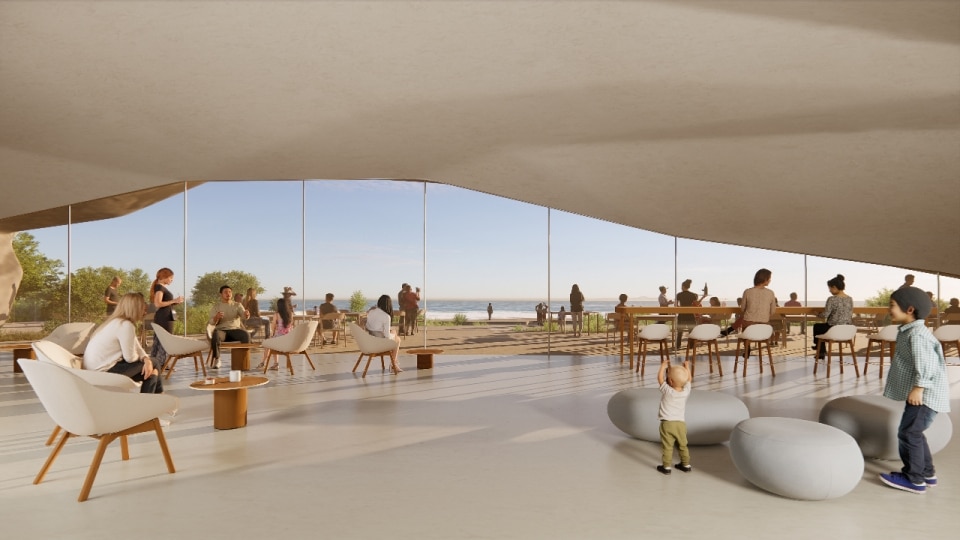
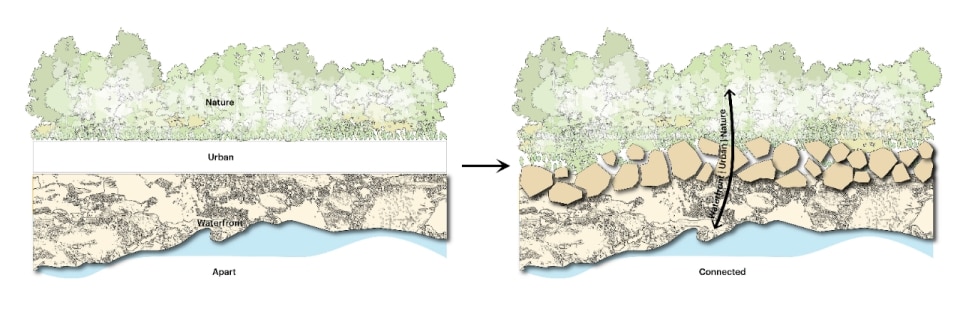
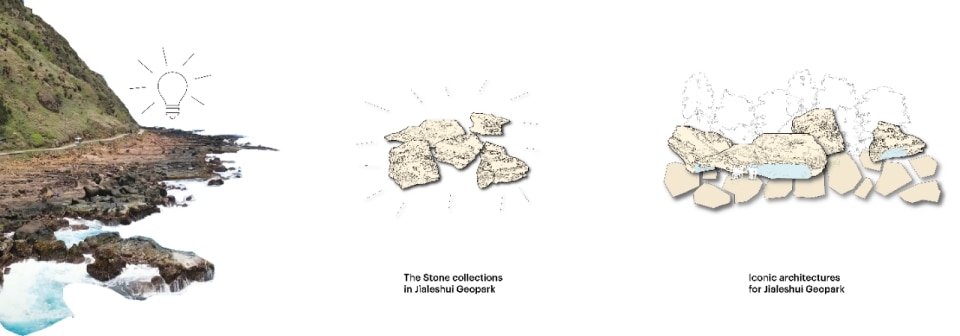
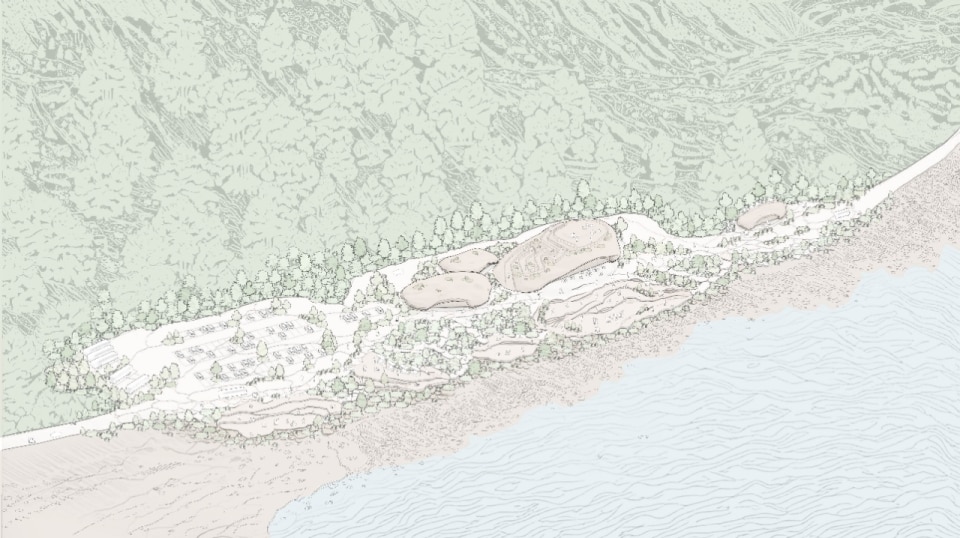
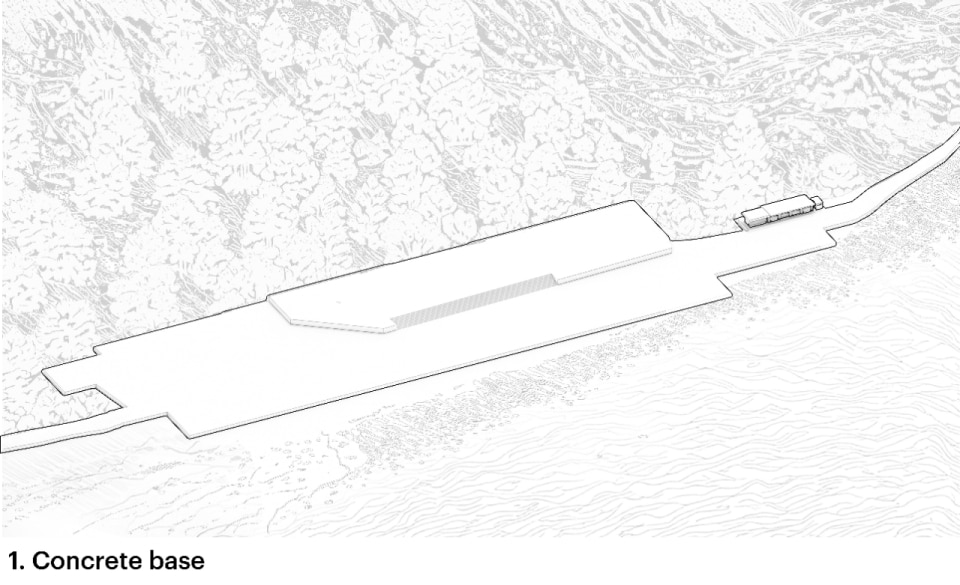
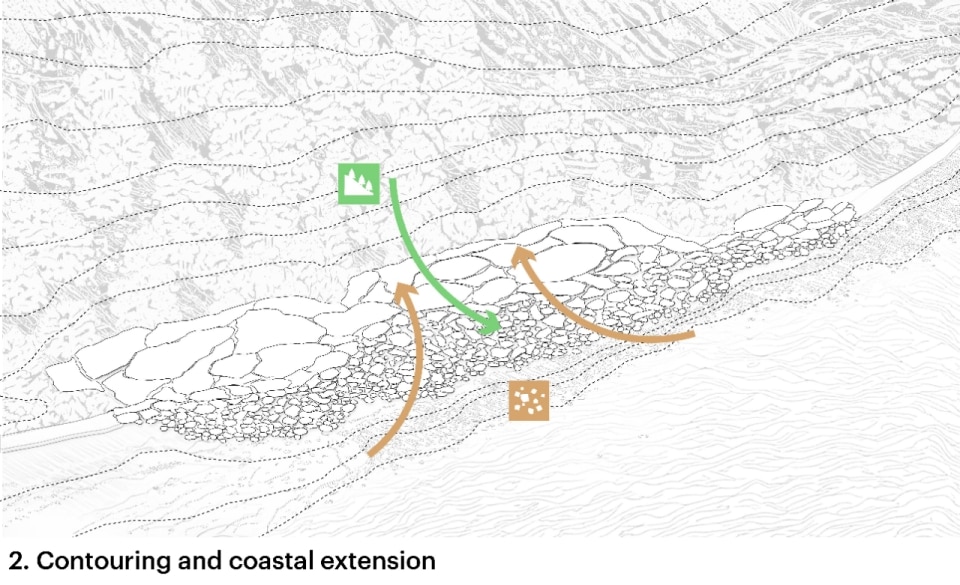
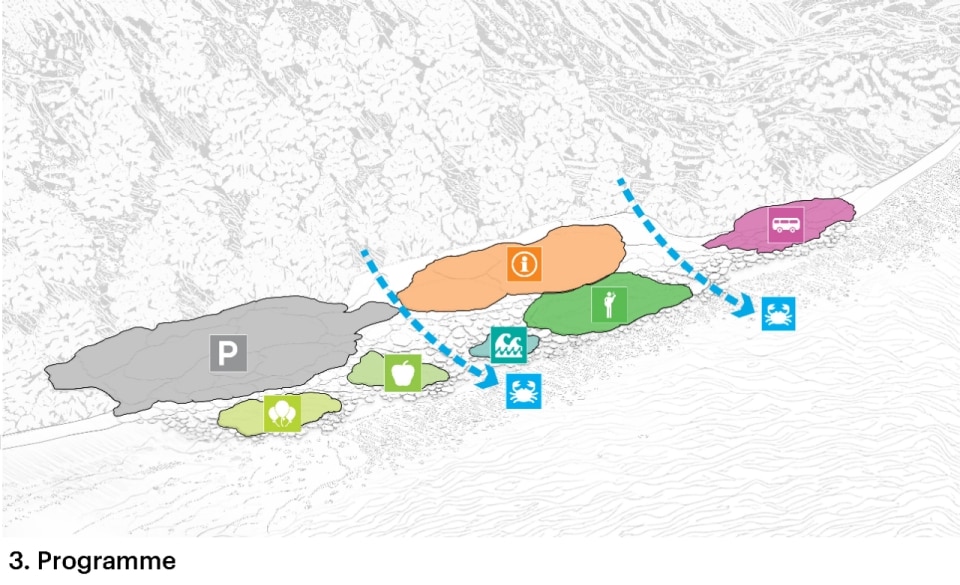
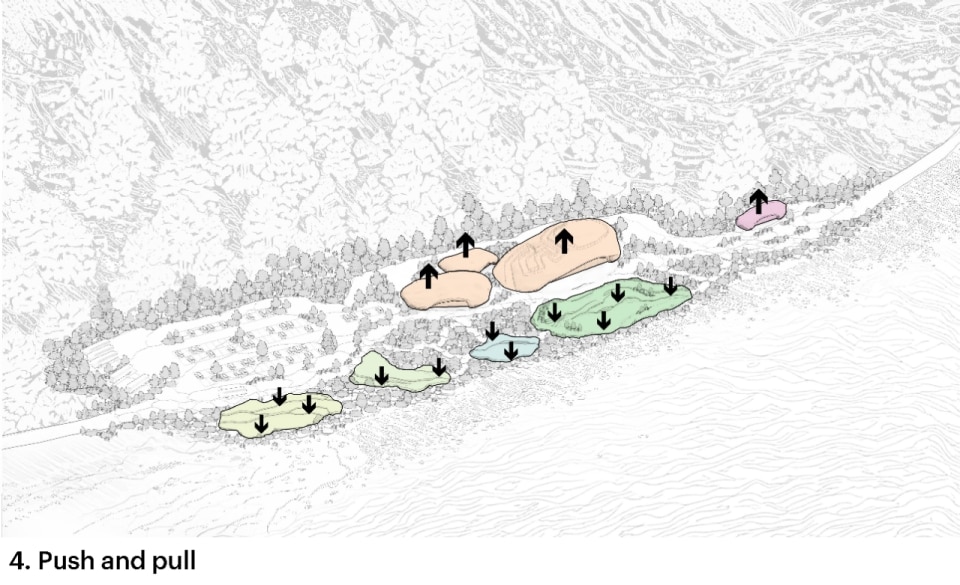
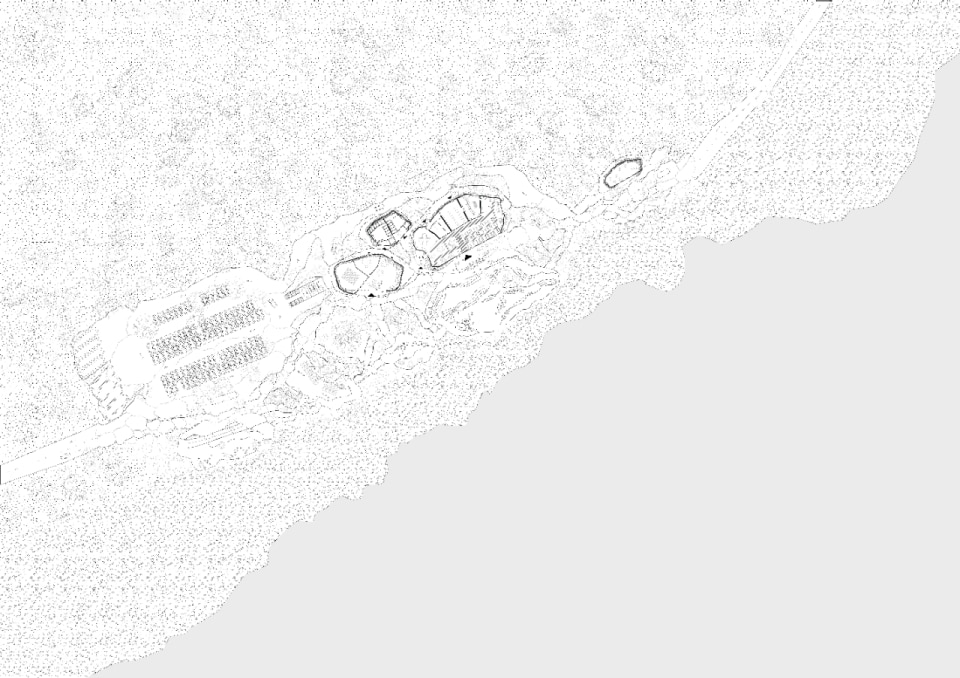
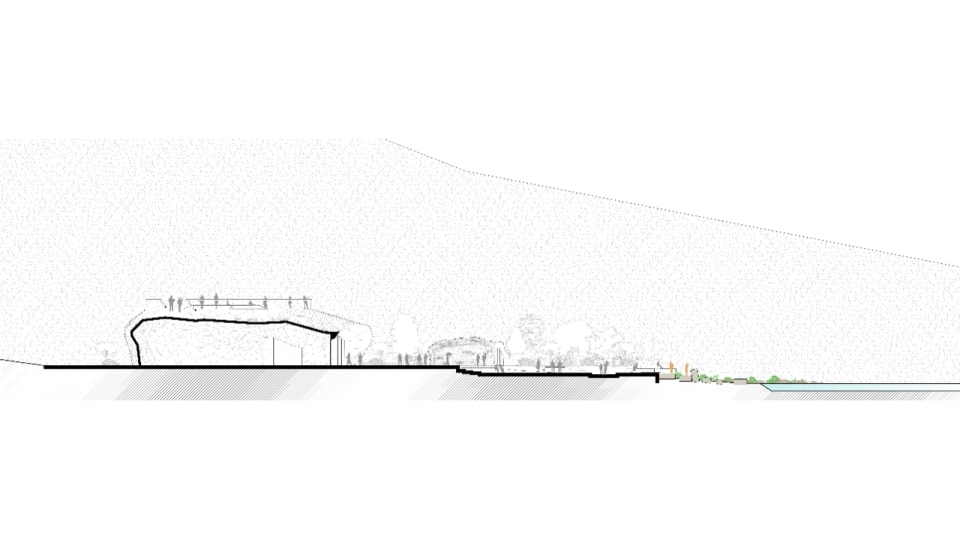
The master plan brings an organic design to an area that is now disorganized and fragmentary, interrupted by a driveway imposing a marked divide between forest and shoreline. The project replaces the old infrastructure and proposes a network of new paths and public spaces, improved accessibility and three new buildings blending into the jagged geology of the context: fragments of rock re-emerging from the earth's crust, marking out irregularly shaped passageways and rest areas, public squares for events and vantage points for enjoying the view. The first building houses a visitor centre, a café and a souvenir shop, the second exhibition and environmental education spaces, and the third services.
Winy Maas states: “In our design, the artificial elements feel take the shape of the surrounding nature, like natural extensions of the site rather than foreign objects. Our goal was never to impose architecture on the landscape but to let it emerge from the natural conditions; to break the monotony of the straight line… and to emphasise that Nature Rocks!”
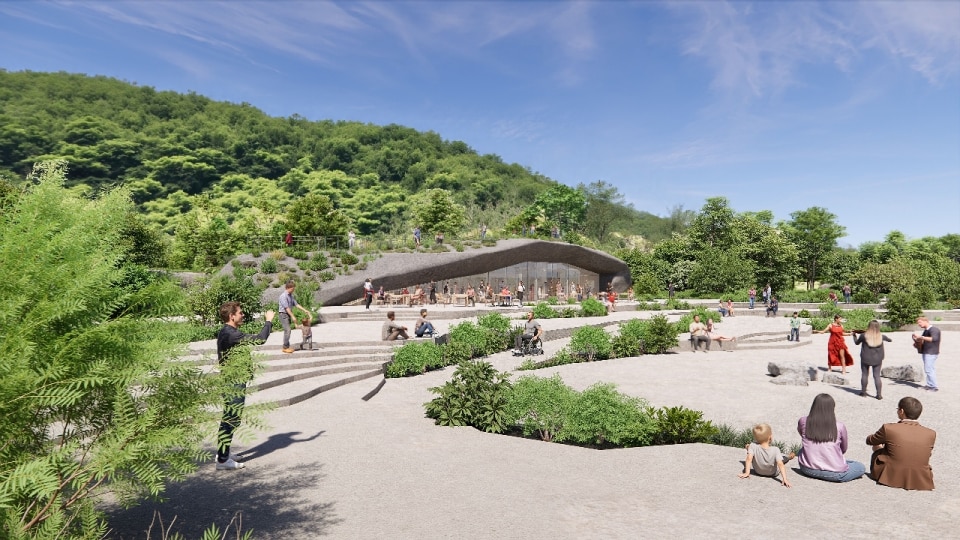
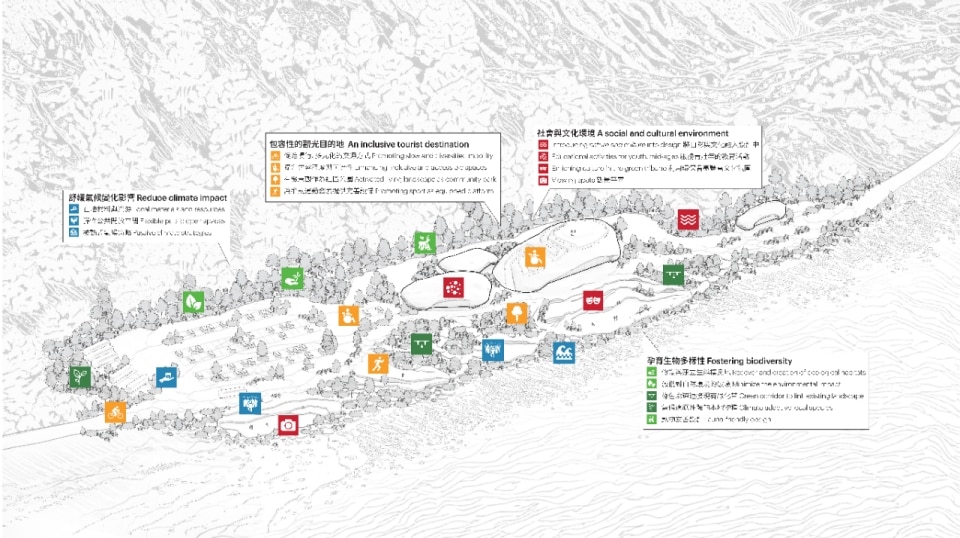
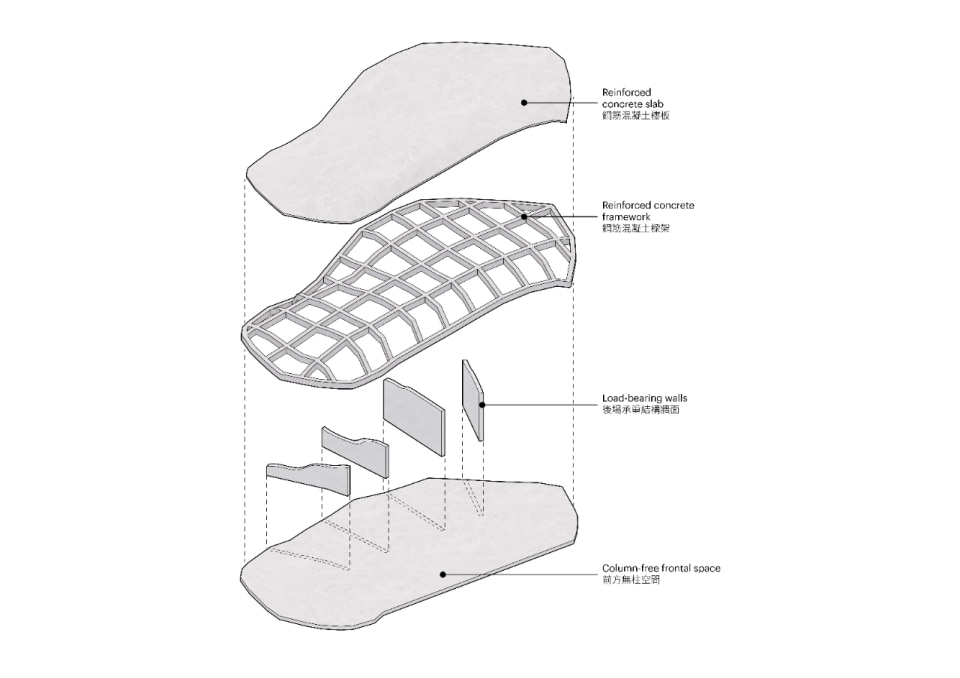
The osmotic connection of the artificial work with the natural context is further enhanced by a careful design focusing on environmental sustainability and the reduction of the ecological footprint. To help manage rainwater and reduce damage caused by typhoons and floods, cracks are introduced into the paving to act as passive drainage, from which vegetation springs up to increase biodiversity. The planting strategy involves a meticulous study of the context, with tall, dense native vegetation near the forest and shorter, salt-tolerant species closer to the sea. The surfaces of the buildings, made of concrete recovered from demolition, will eventually support moss and small plants, as if to emphasise the inexorable reconquest of nature over human artifice with the passage of time.