


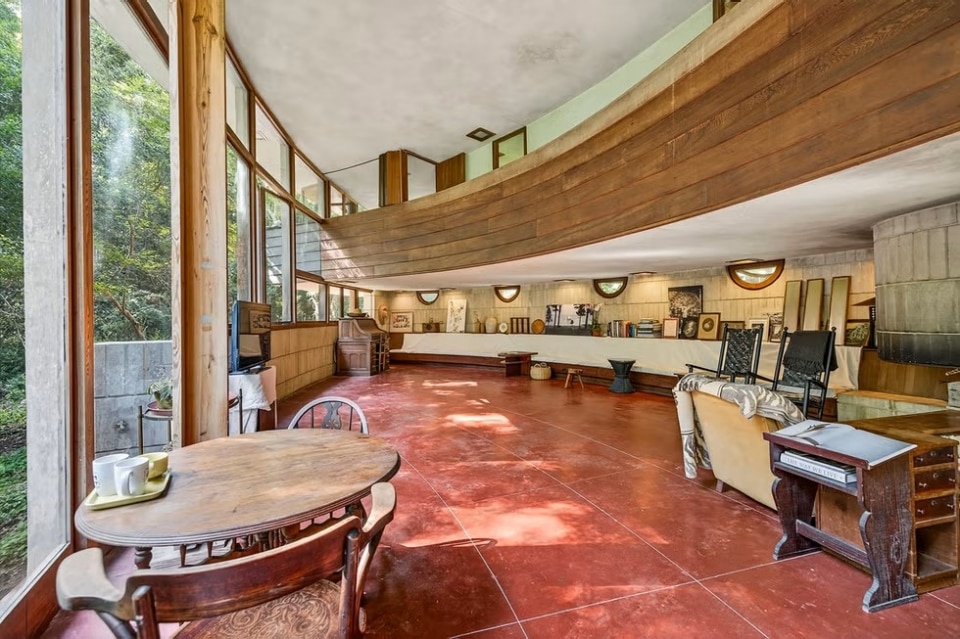
Not everyone knows that, at a certain point in his very long career, Frank Lloyd Wright stopped designing Usonian houses — horizontally developed buildings with perpendicular lines and pitched roofs — and began to conceive villas with circular forms, each time interpreted differently according to the client and the relationship with the surrounding landscape. Such is the case of the Spring House, located on the outskirts of Tallahassee, Wright’s only residential project in Florida.
Beginning in the 1940s, and with a more mature understanding of organic architecture, Wright became convinced that the circle was a “natural” geometry: continuous, fluid, and better suited to organizing space. These were the years of the Guggenheim Museum, but also of semicircular homes, spiral plans, and a wide range of formal experiments that pushed architectural conventions. It was during this period that the Spring House took shape, one of just fourteen circular houses designed by Wright.
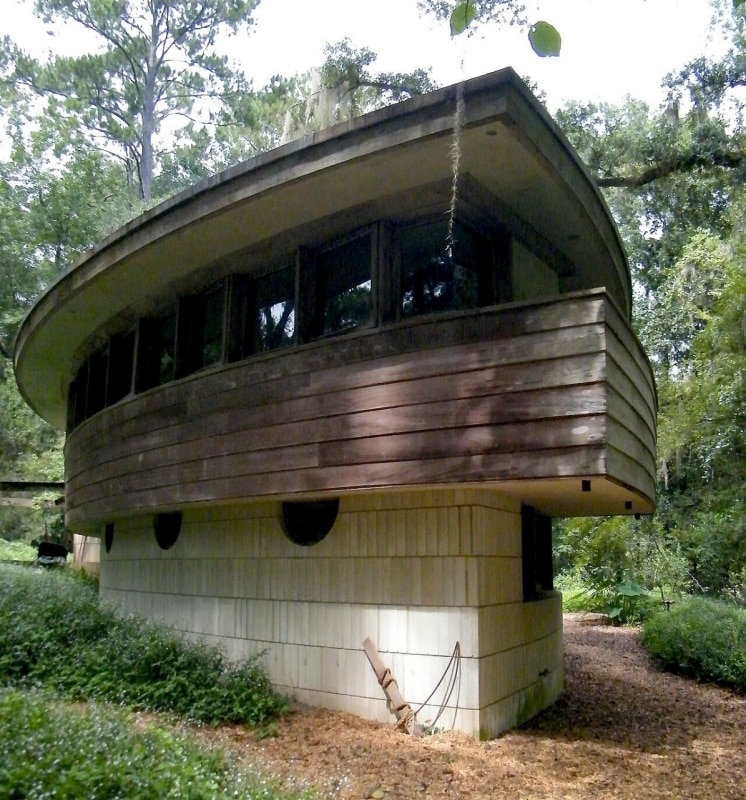
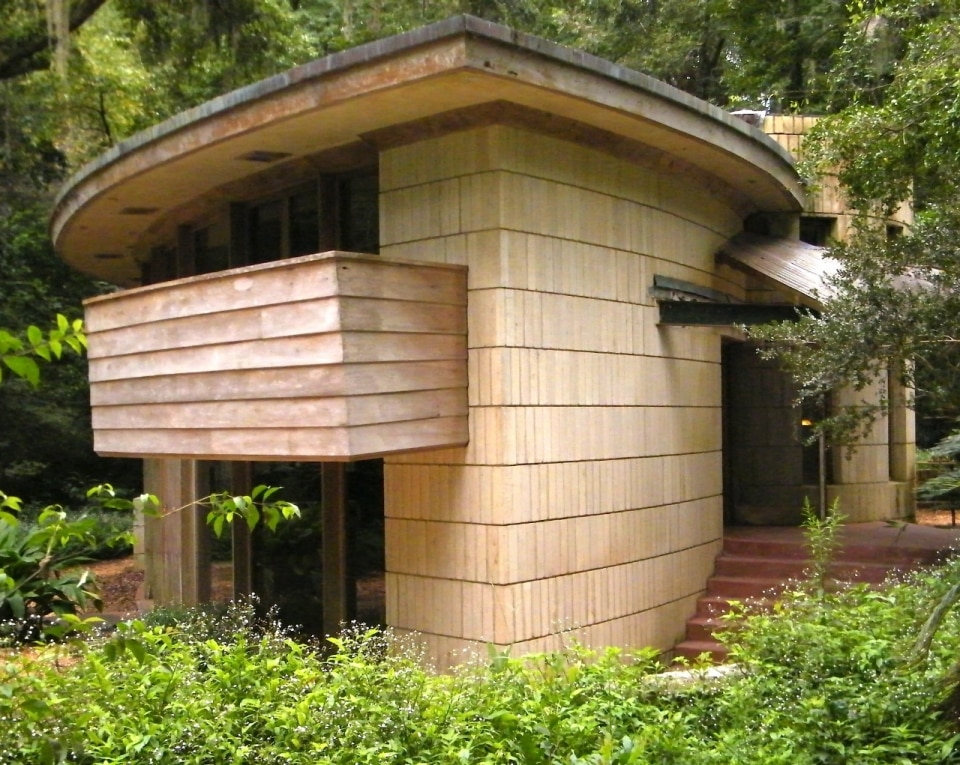
From the outside, the building resembles a vessel, an impression reinforced by its red cypress cladding and the semicircular openings at ground level. The structure itself is built from Ocala blocks, a type of concrete masonry widely used in Florida at the time. Inside, the large open-plan living area overlooking the surrounding woodland feels expansive, thanks to continuous glazing and a double-height volume that defines the main space. Upstairs, a corridor leads to the various rooms, which feature iconic elements of modern architecture, including continuous ribbon windows wrapping around the corners.
Wright became convinced that the circle was a natural, continuous geometry capable of organizing space in a more fluid way.
Designed in 1952 and also known as the Clifton and George Lewis House, after its original owners, the Spring House remained in the same family until 2025, when it was listed for sale for just over $2 million.
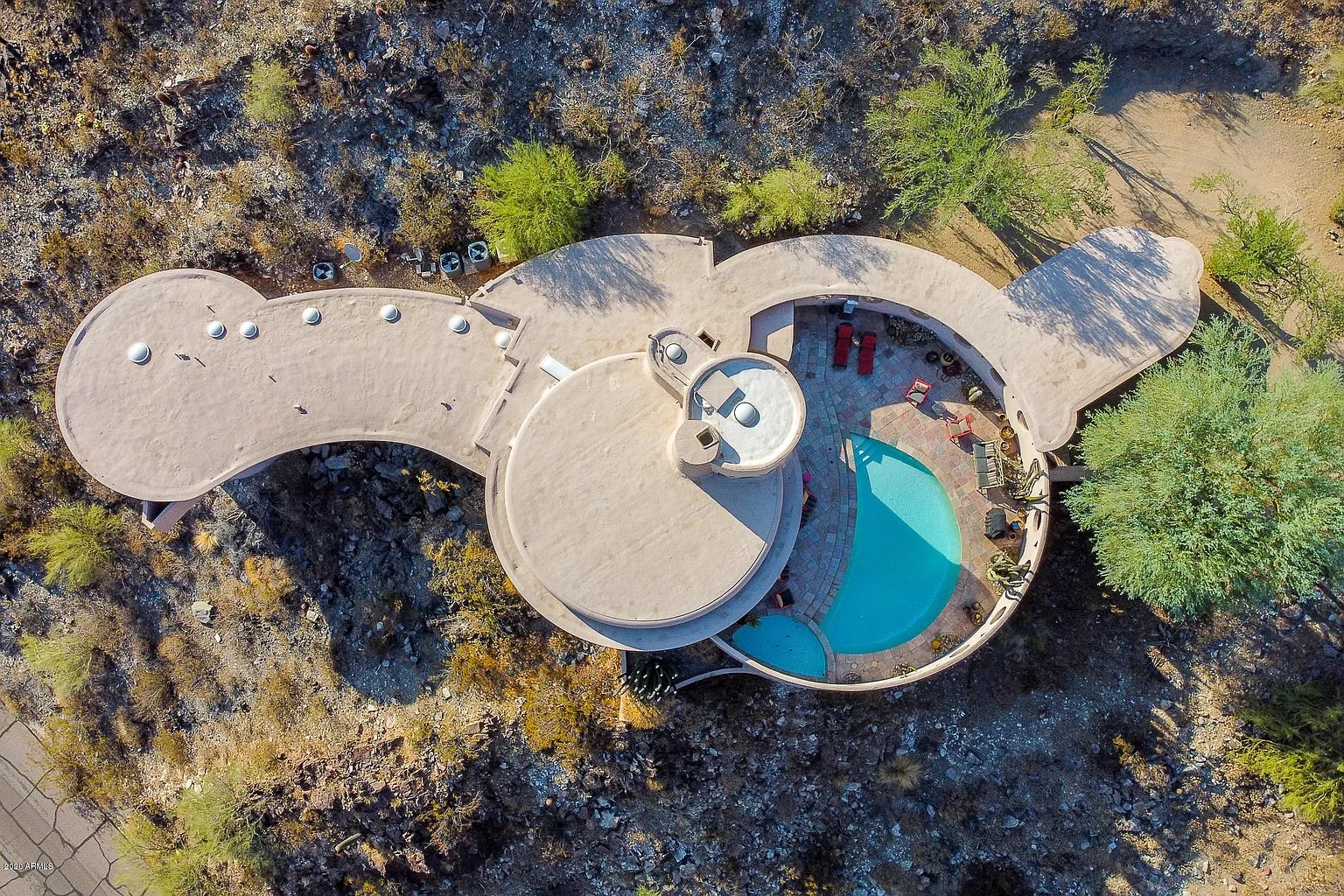

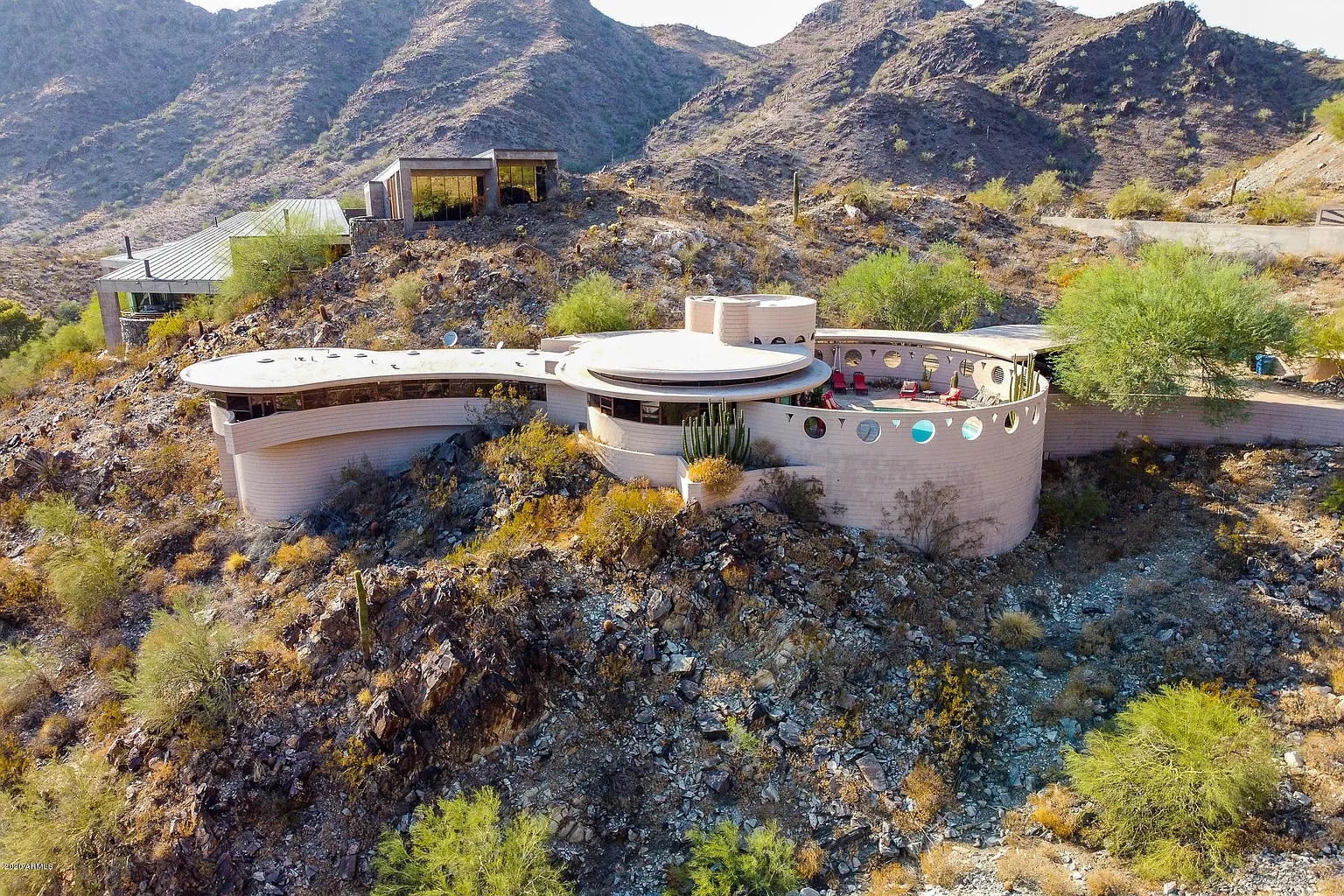


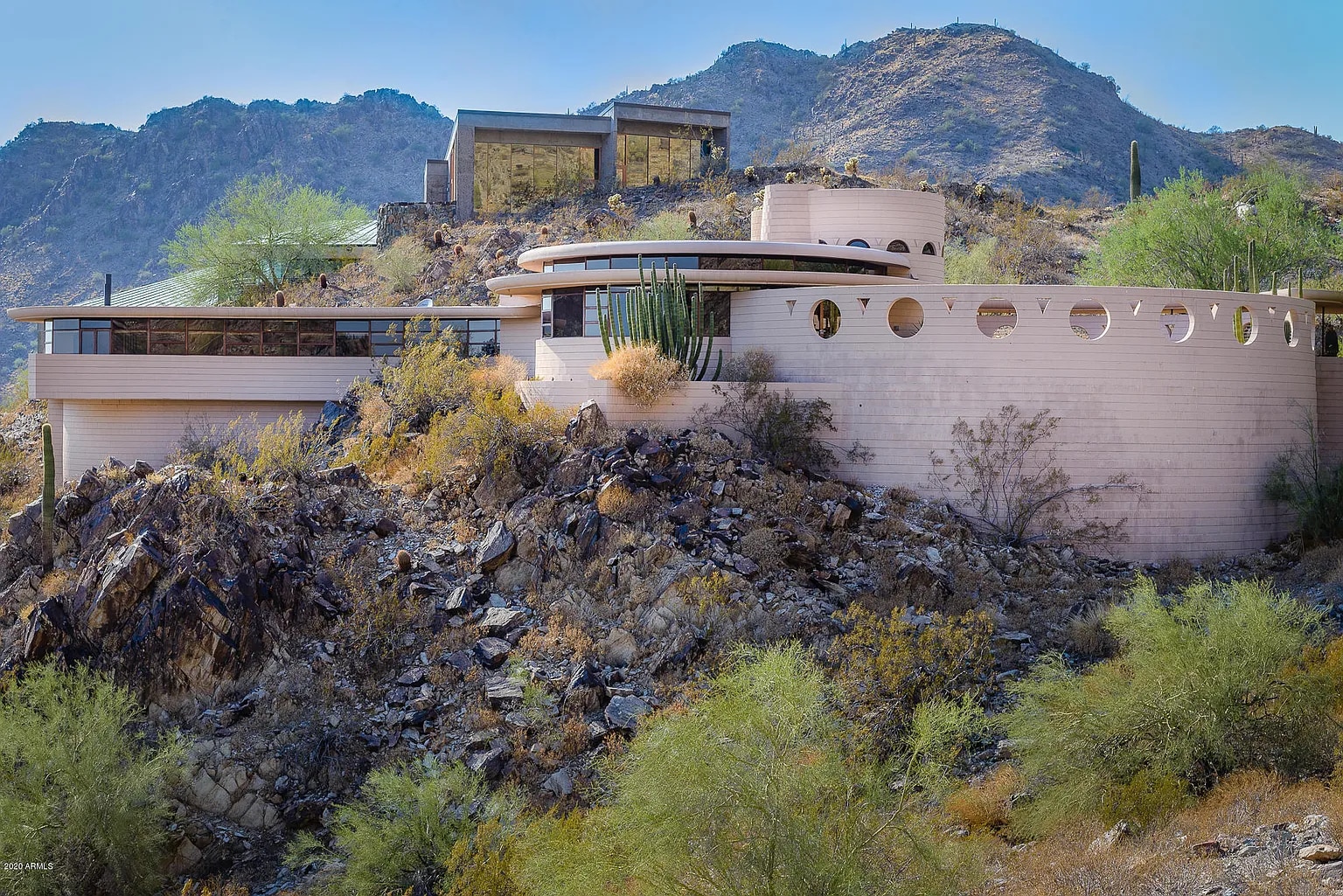
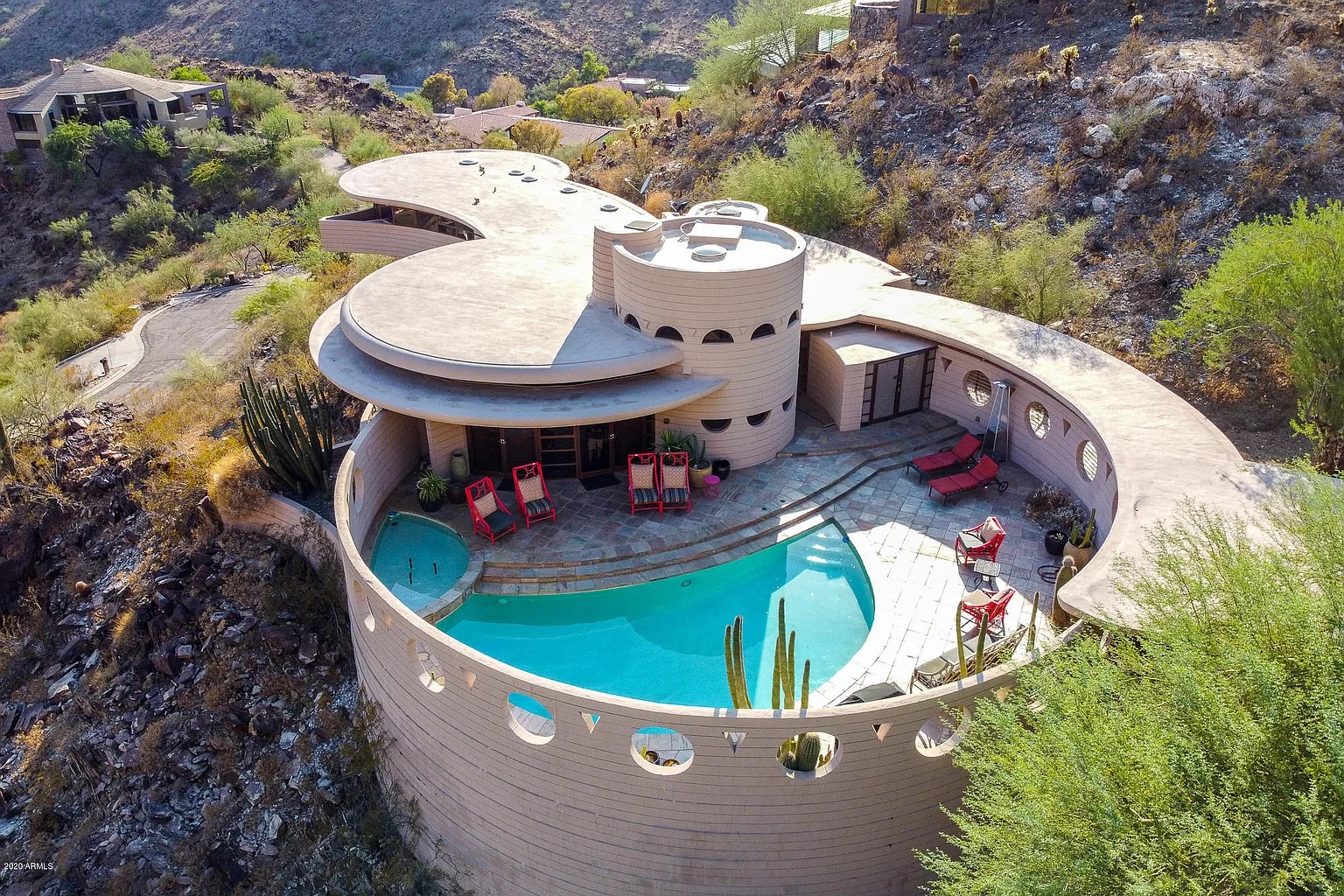
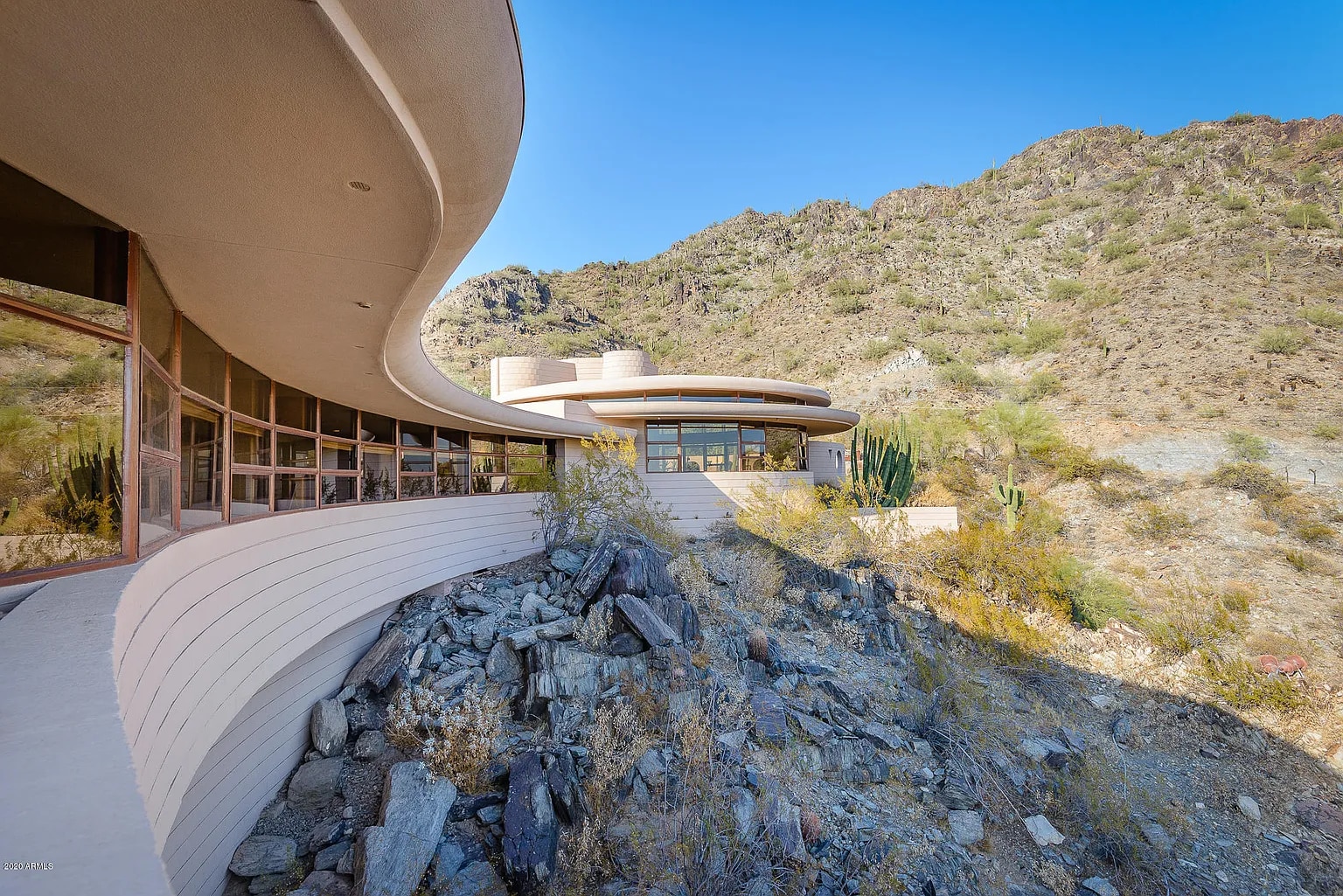
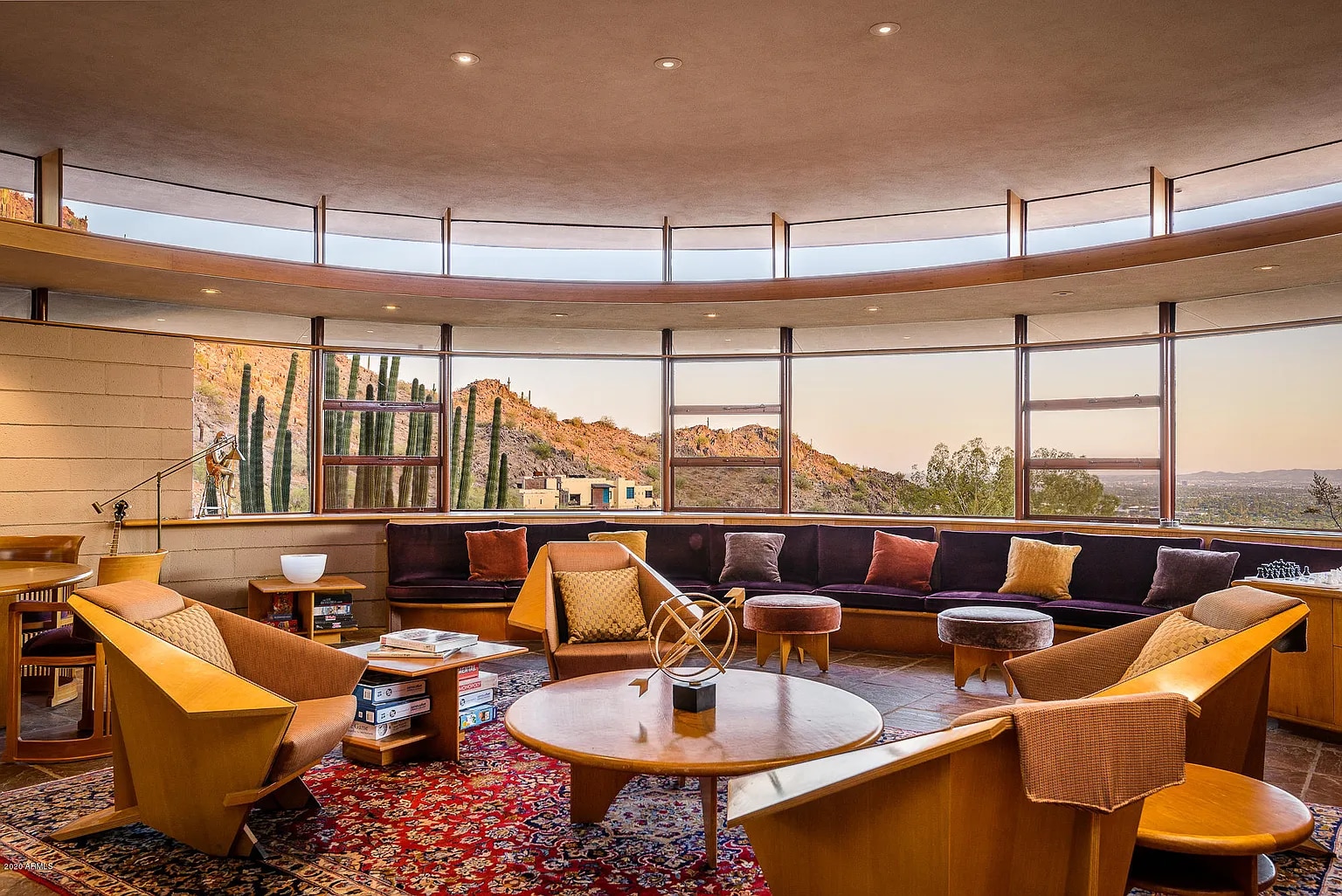
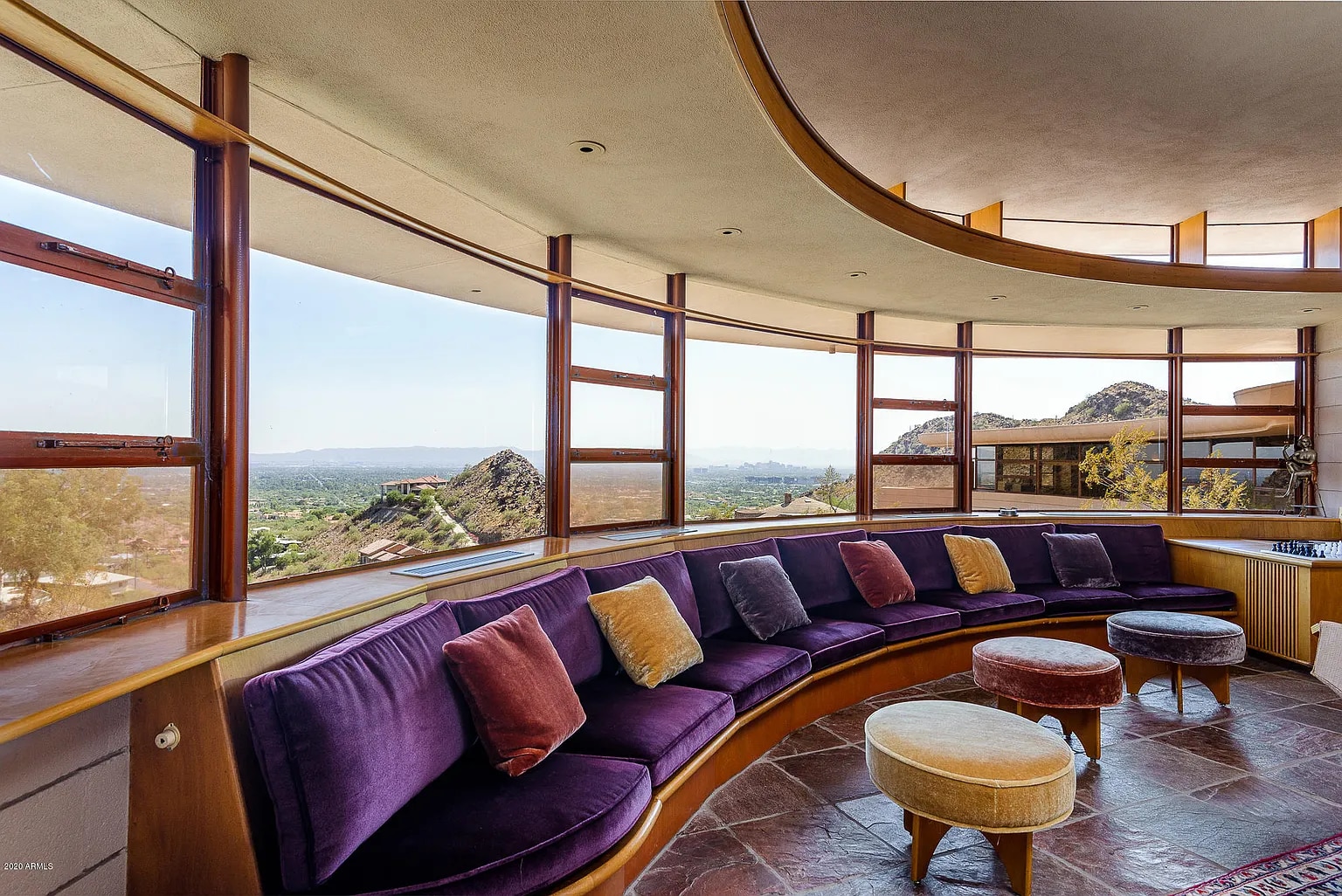
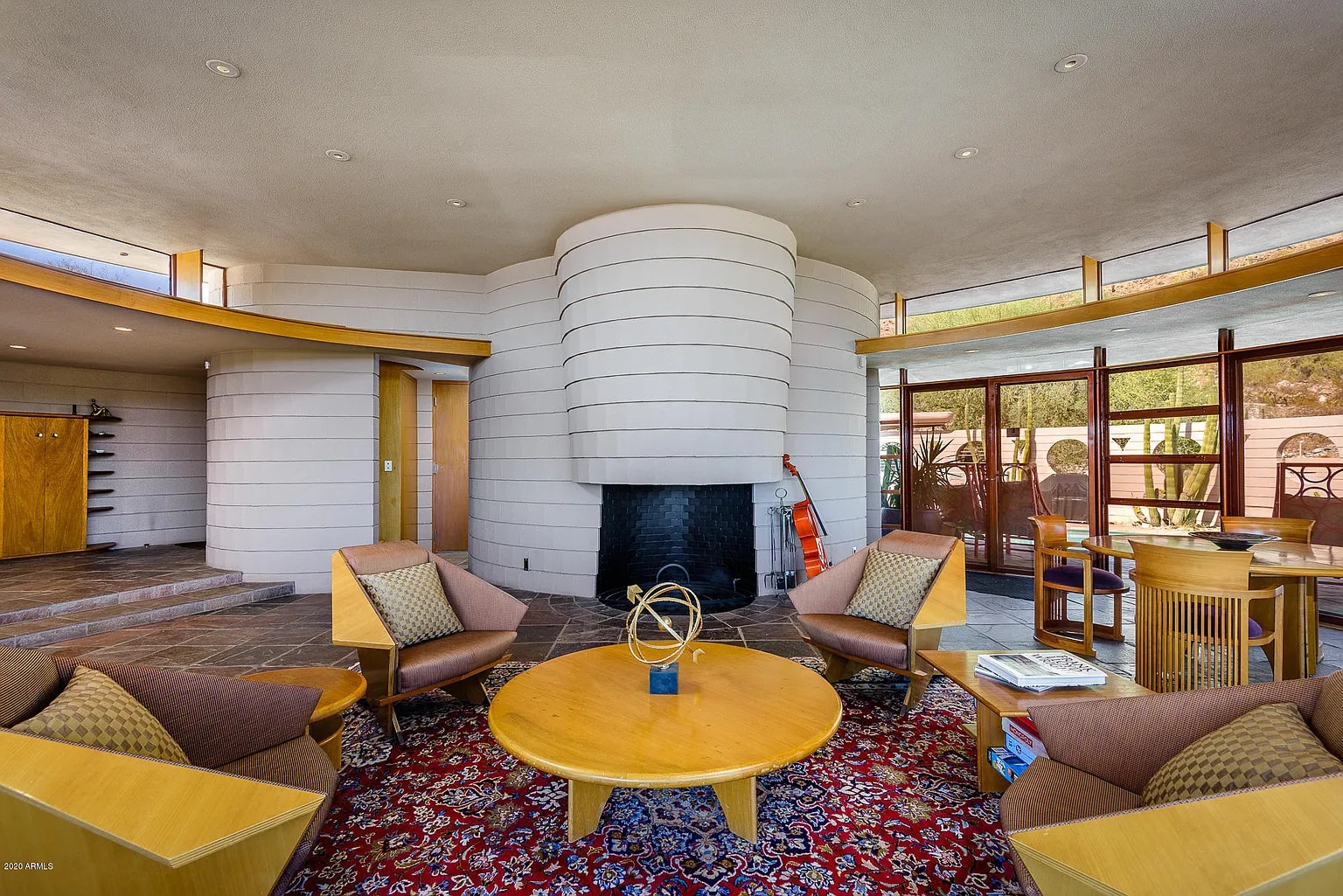
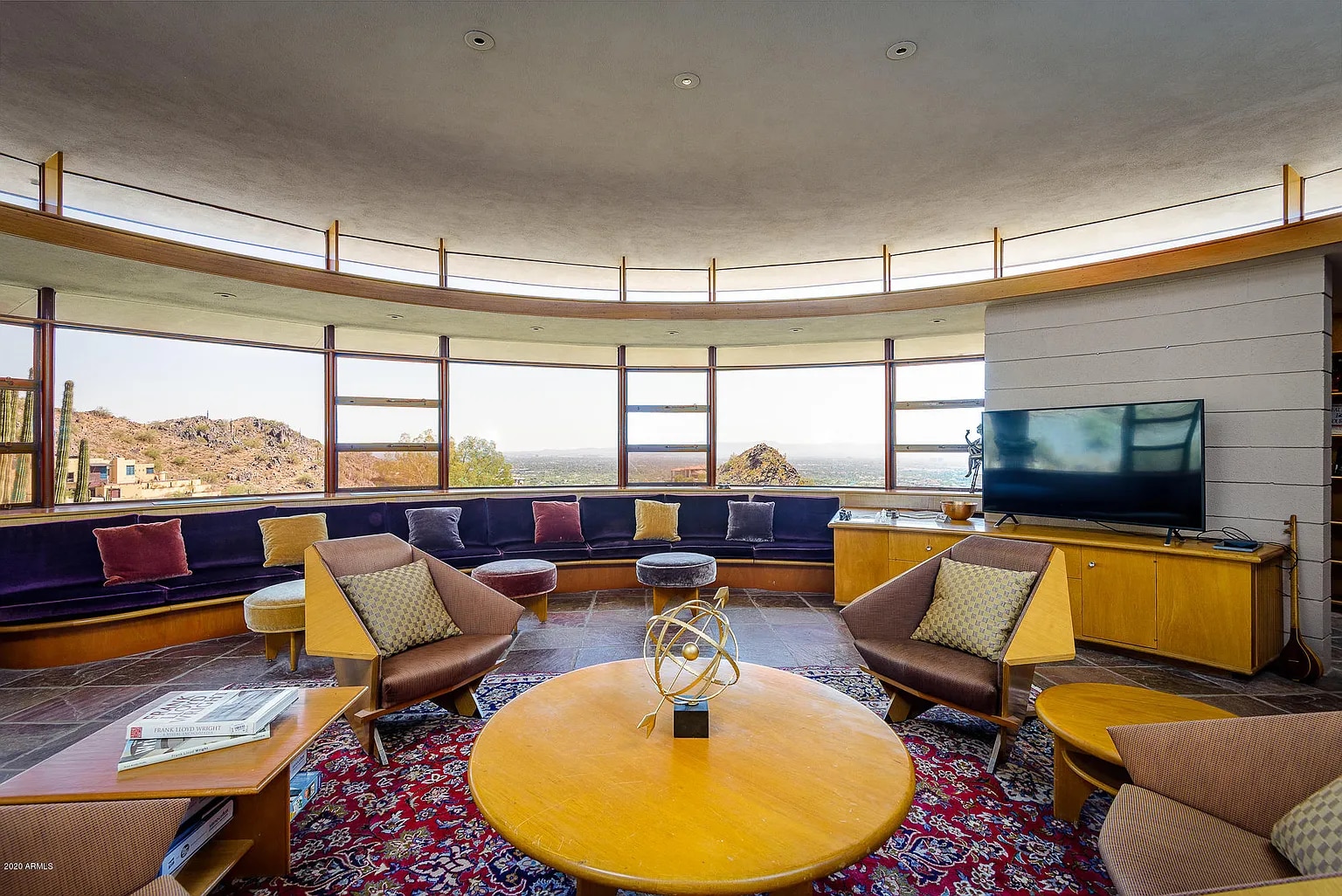
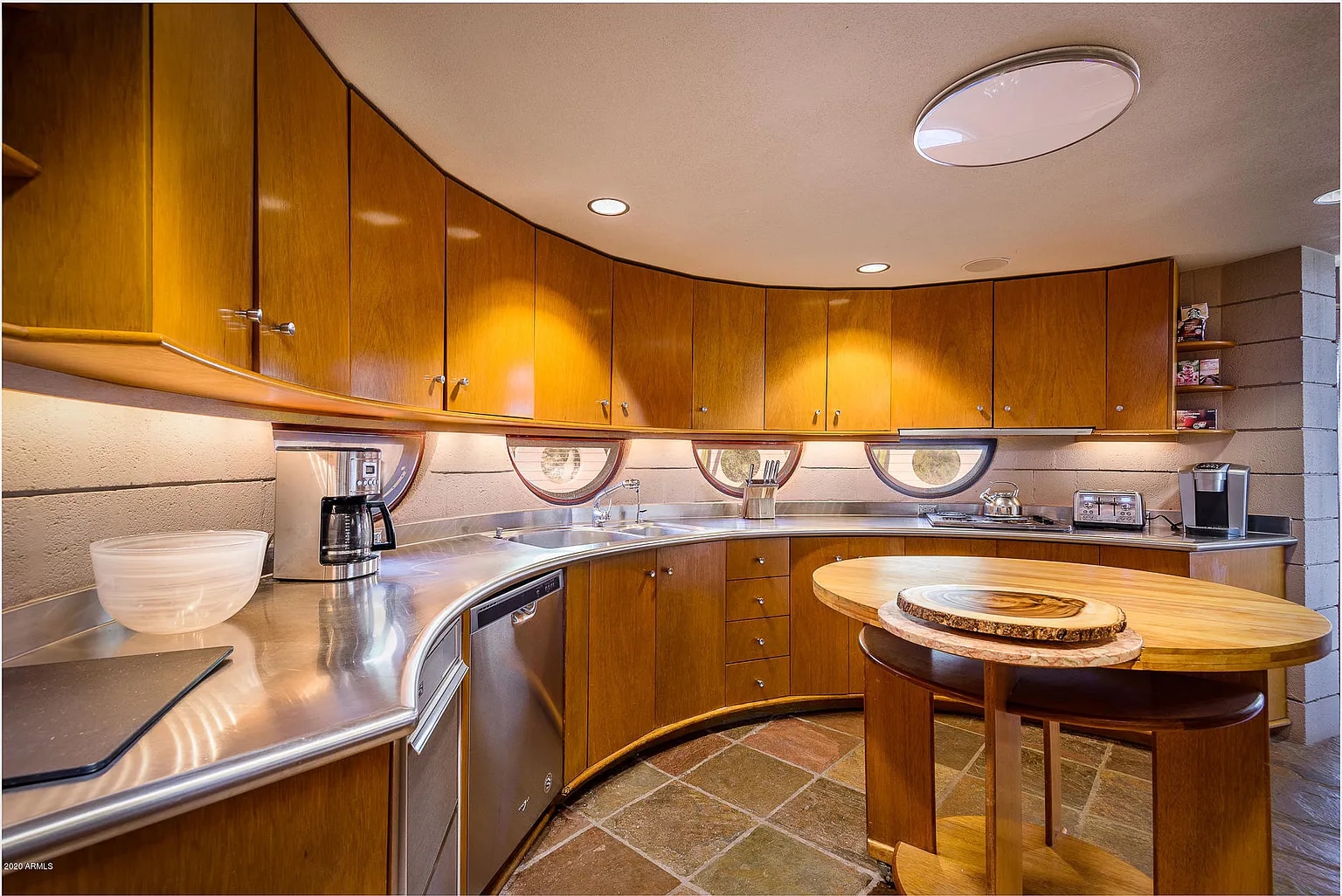
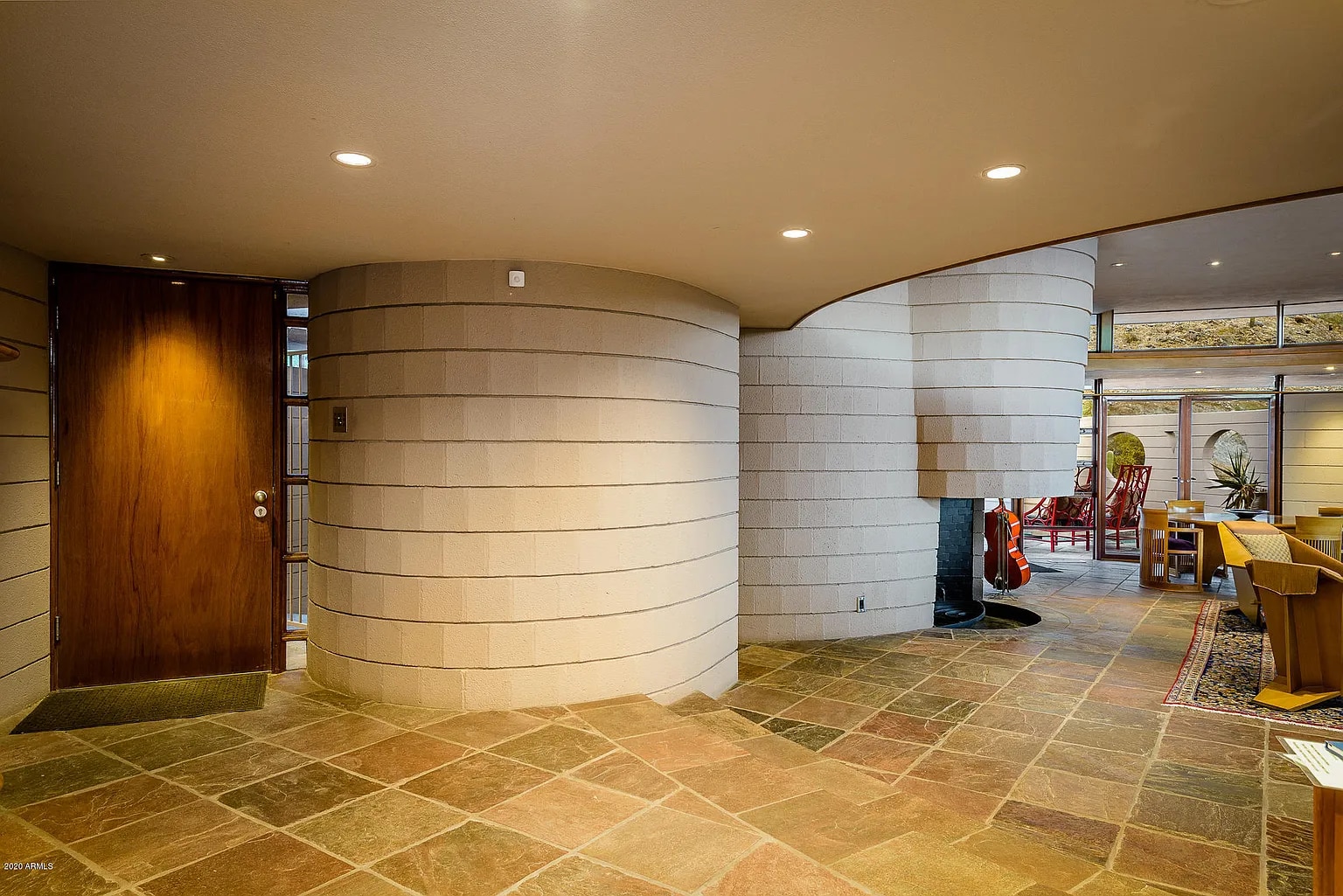
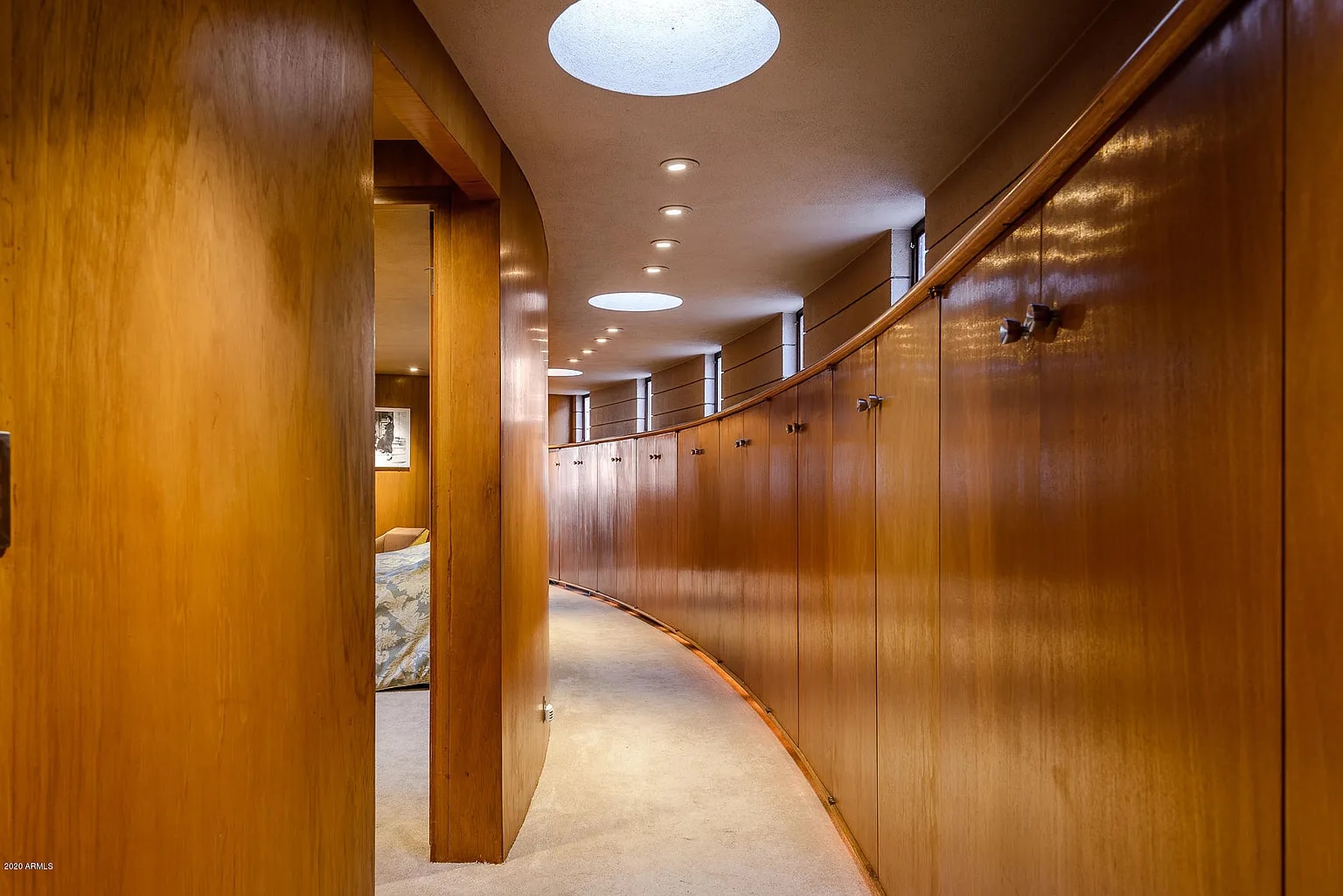
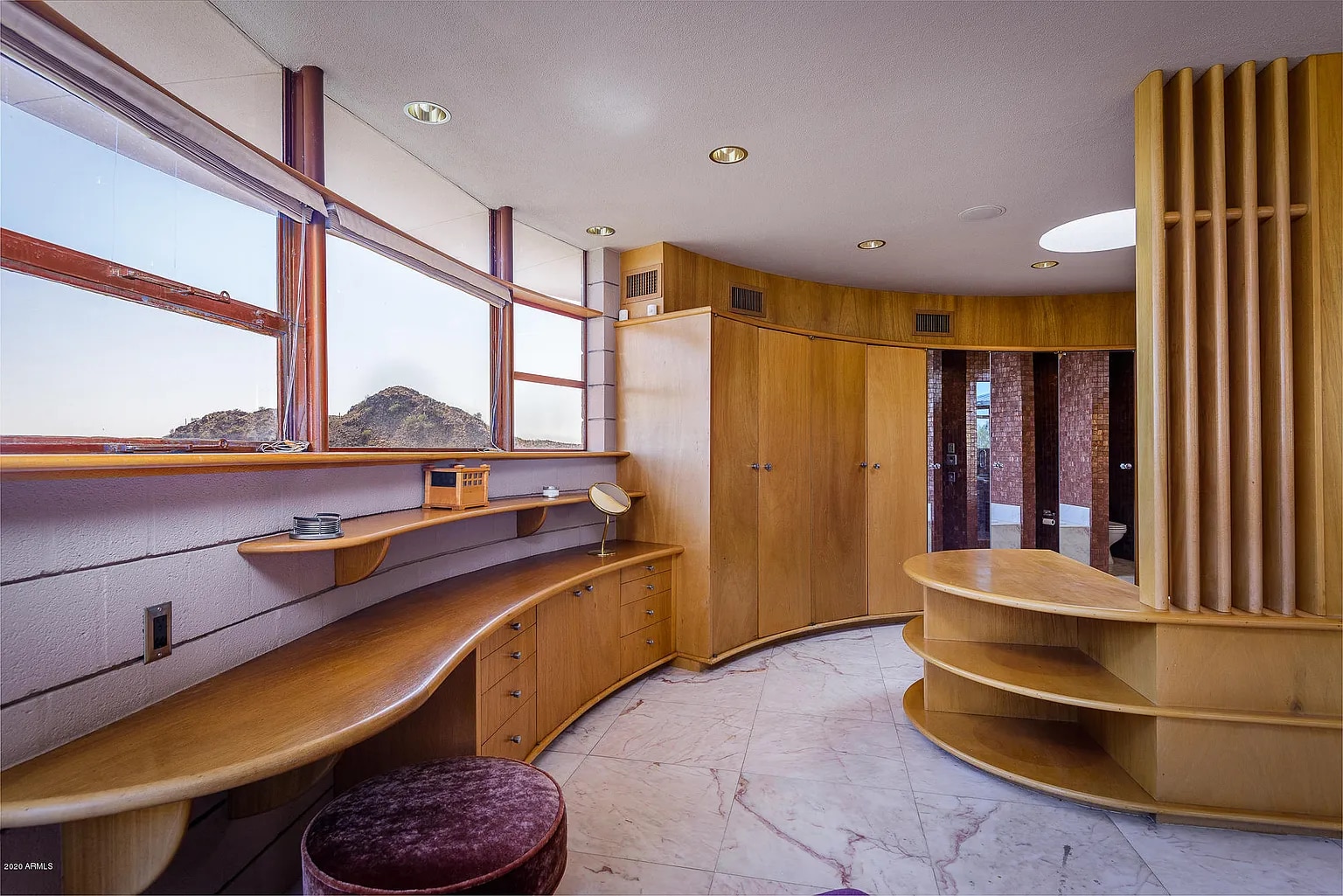
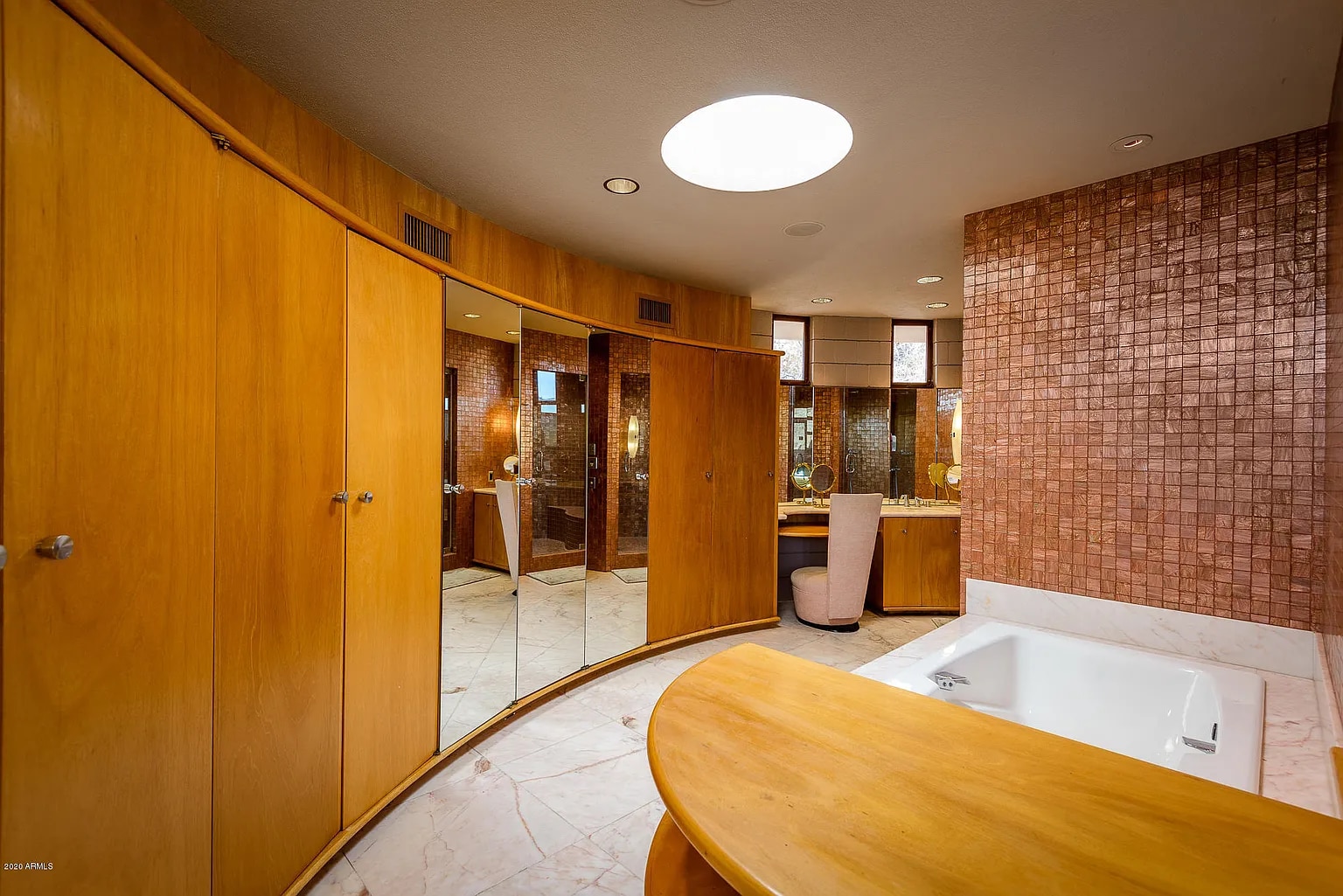
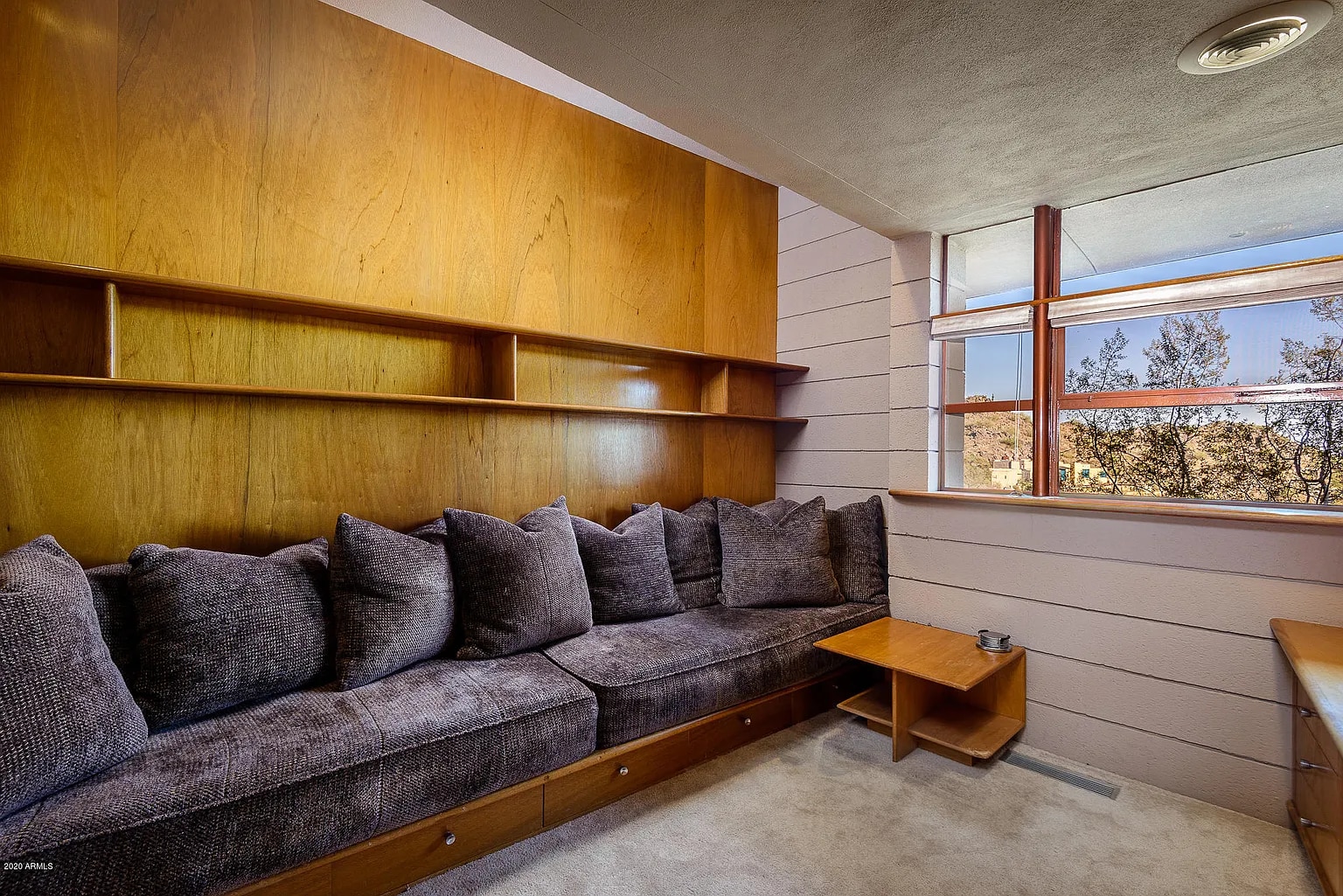
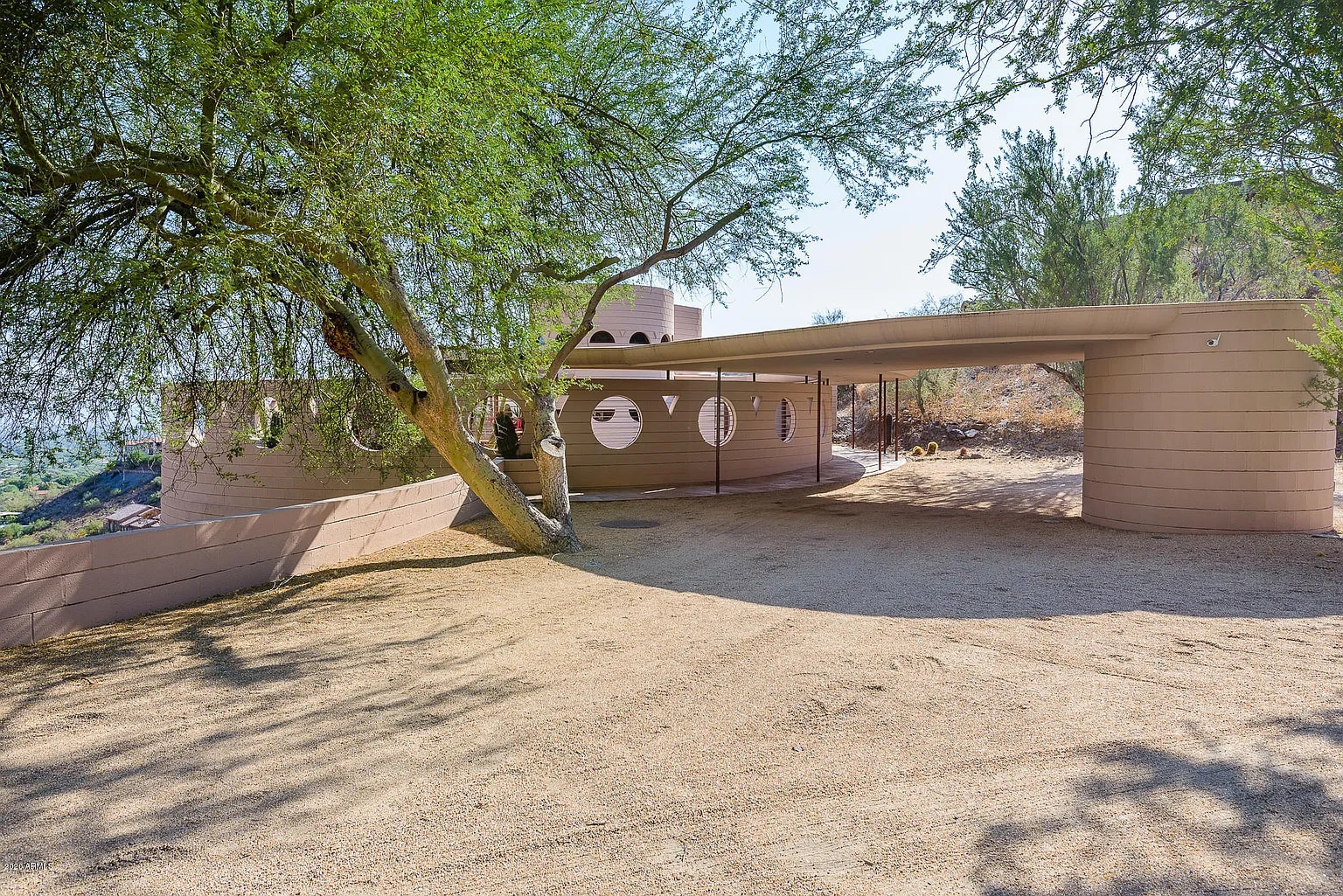
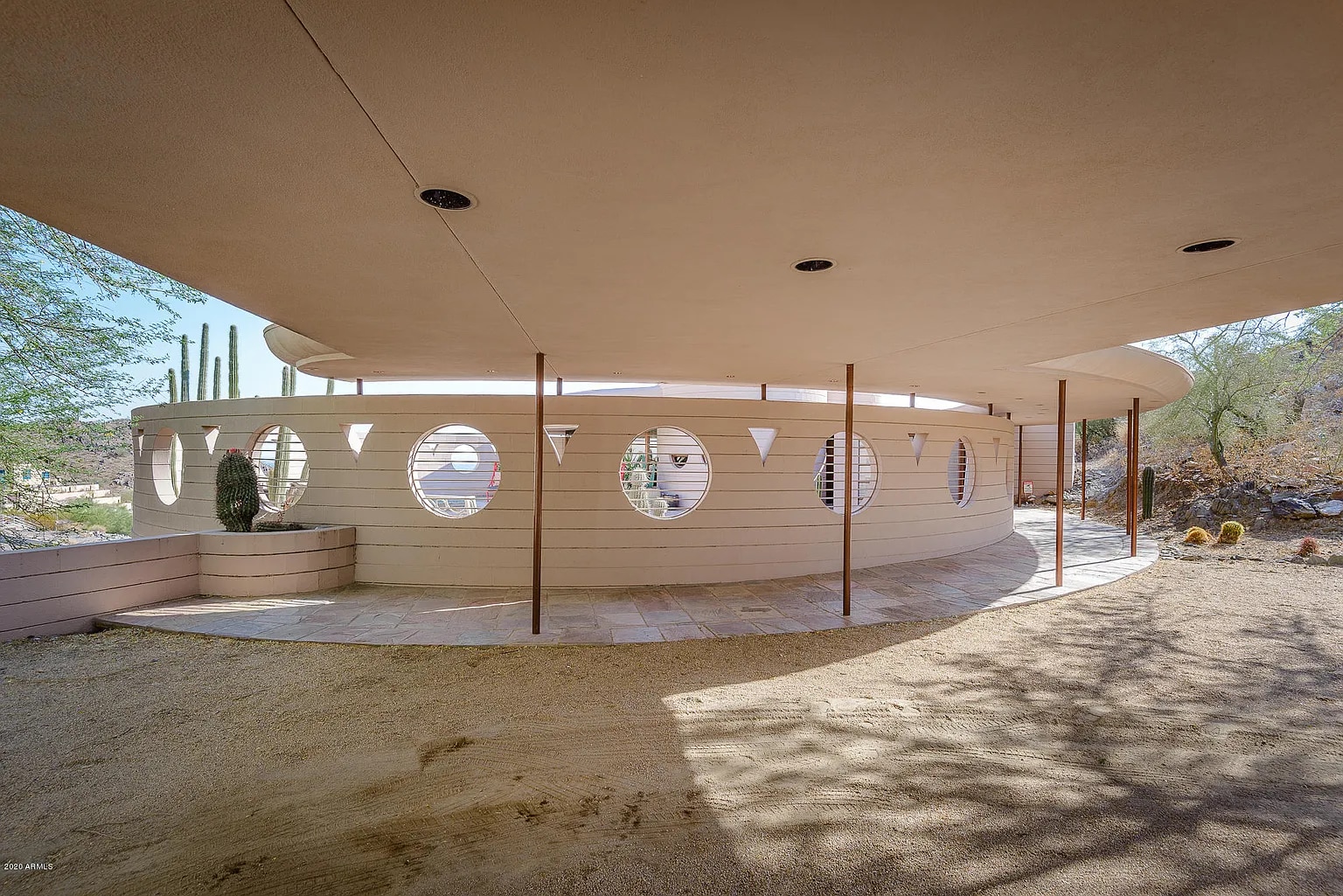
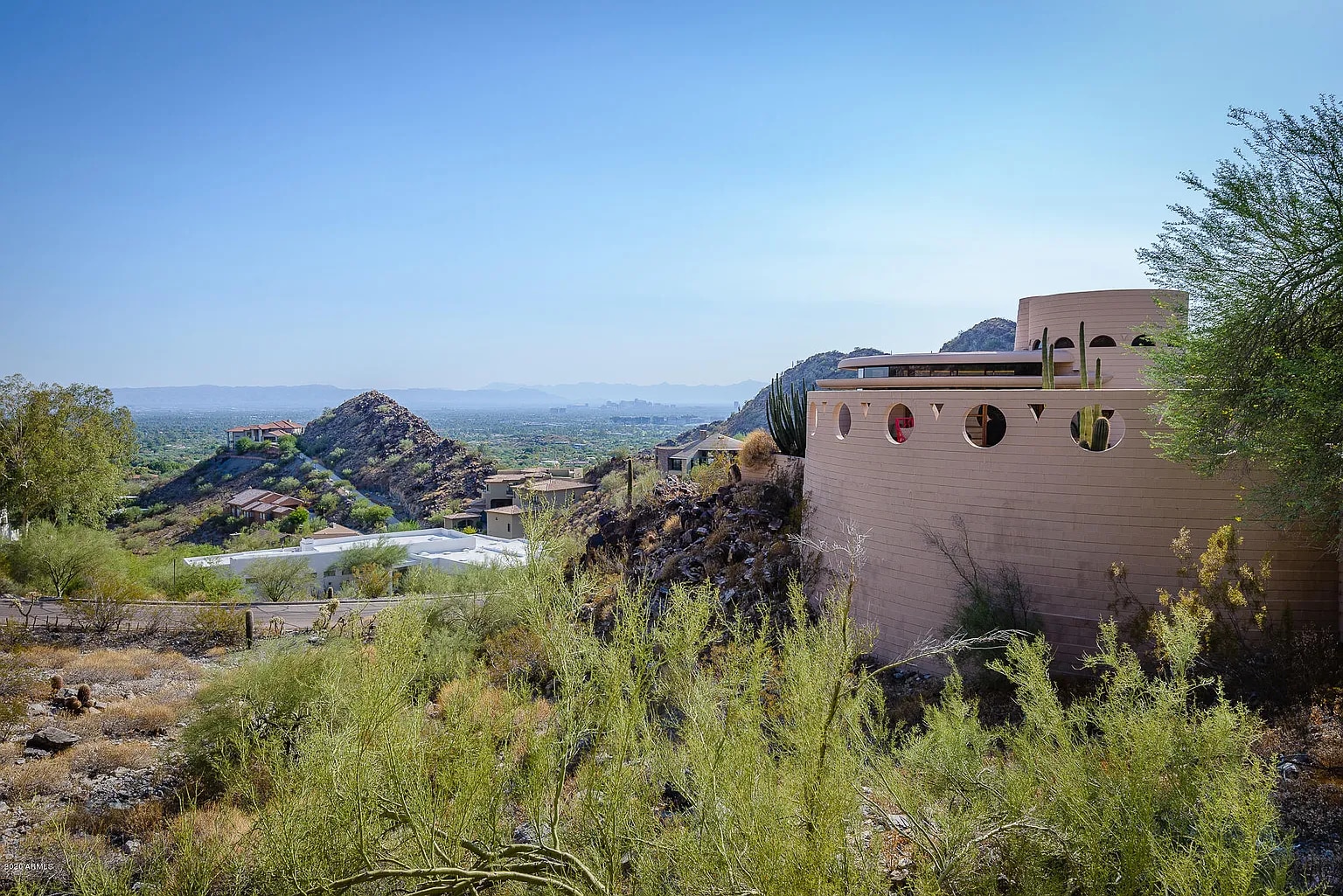
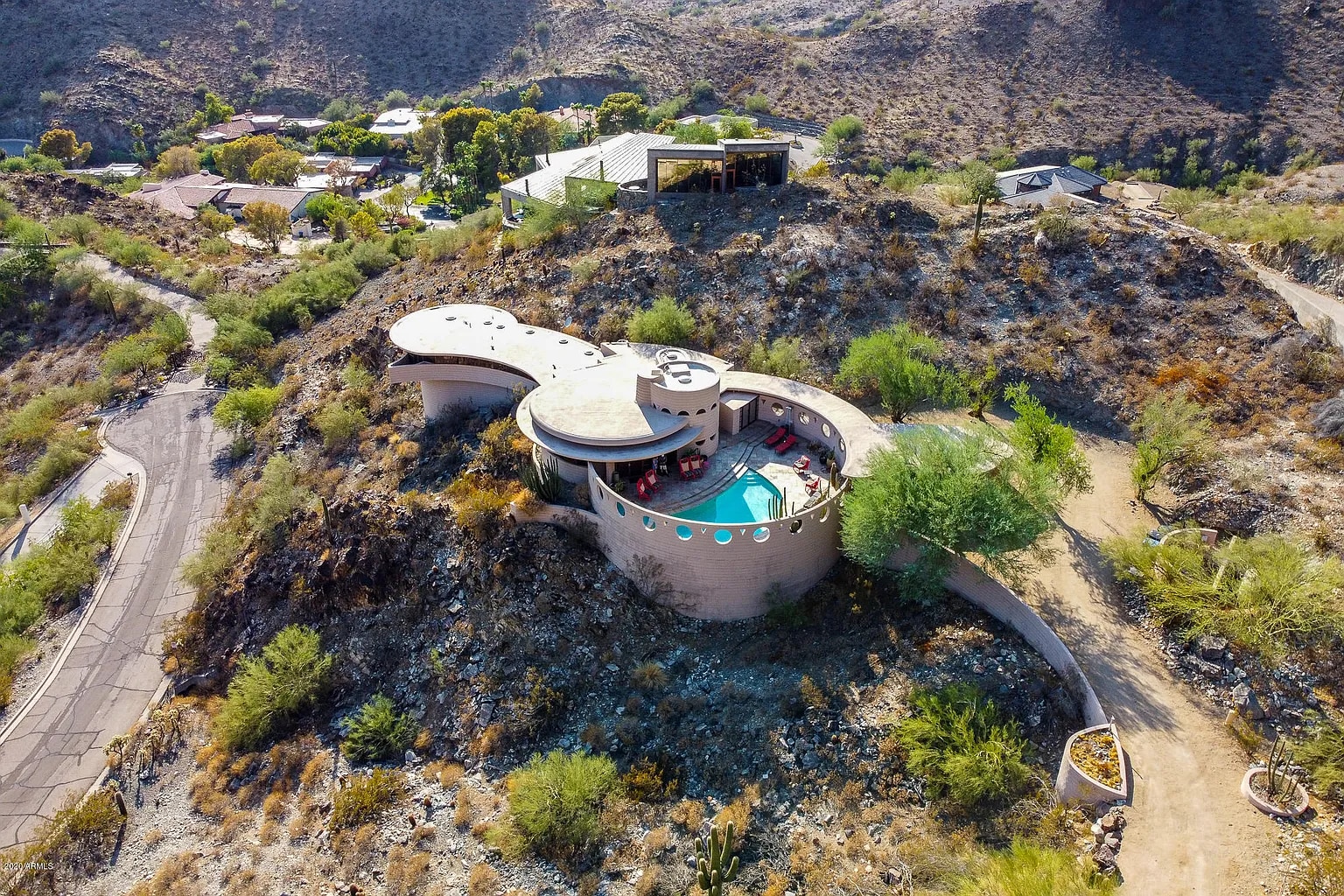
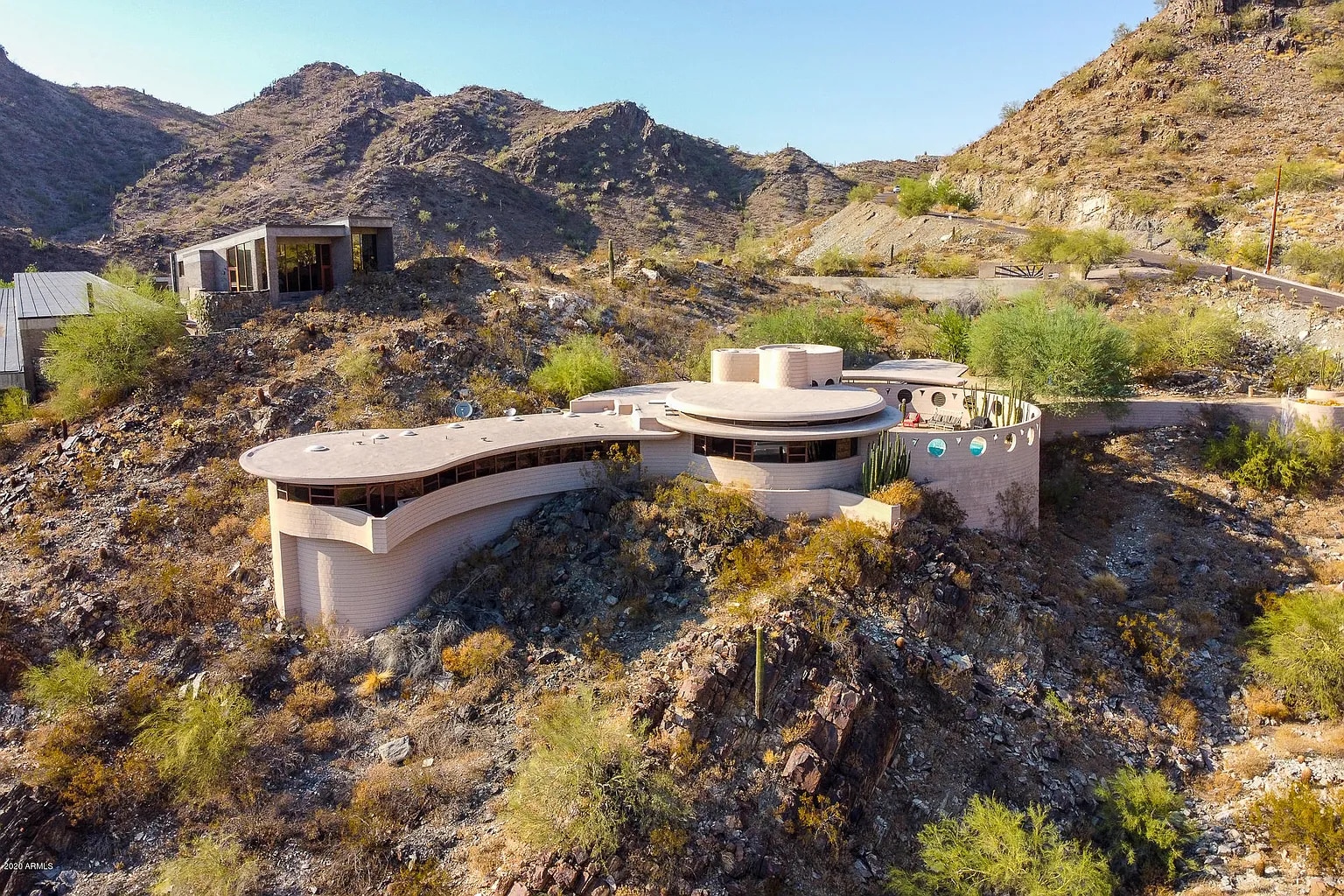
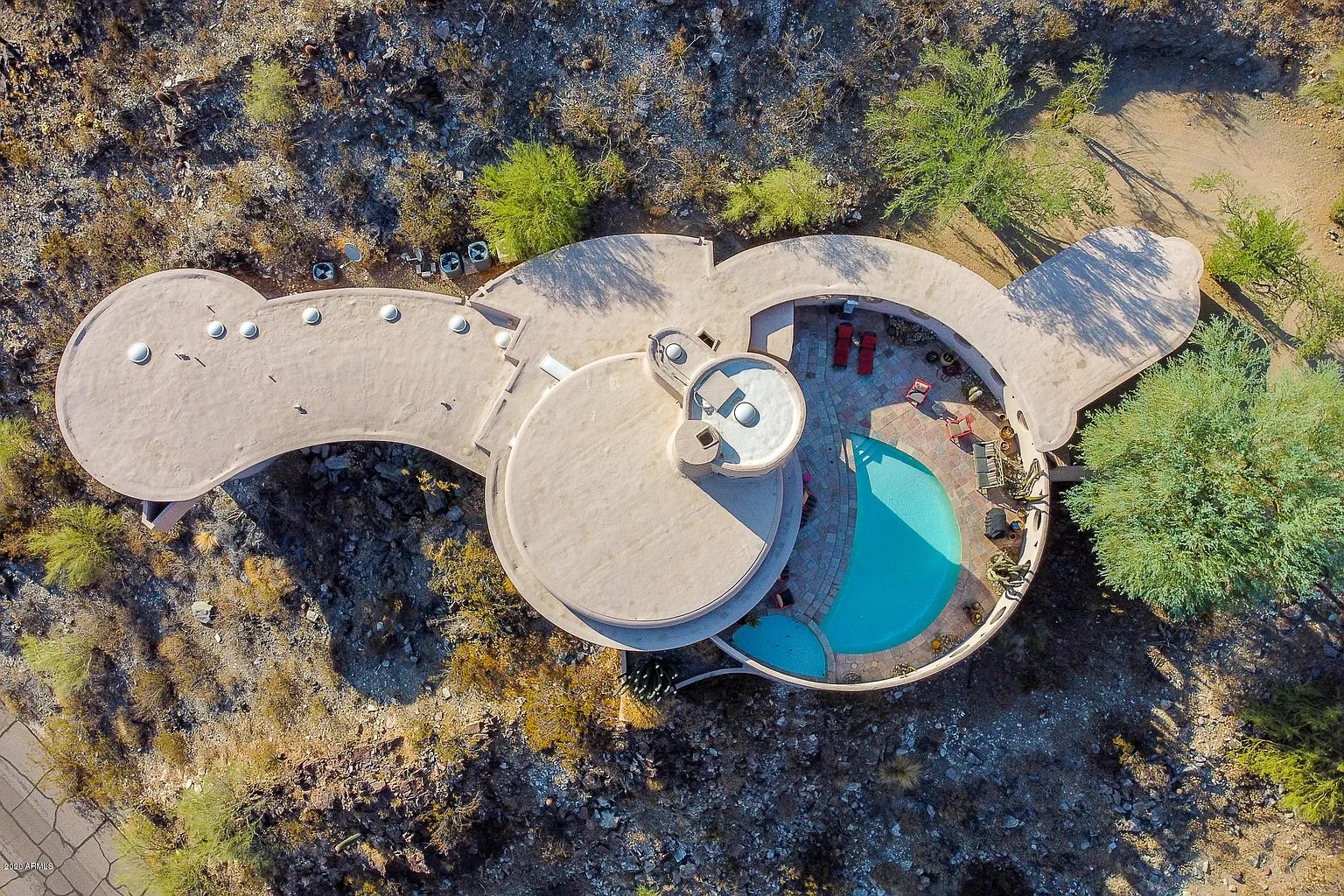
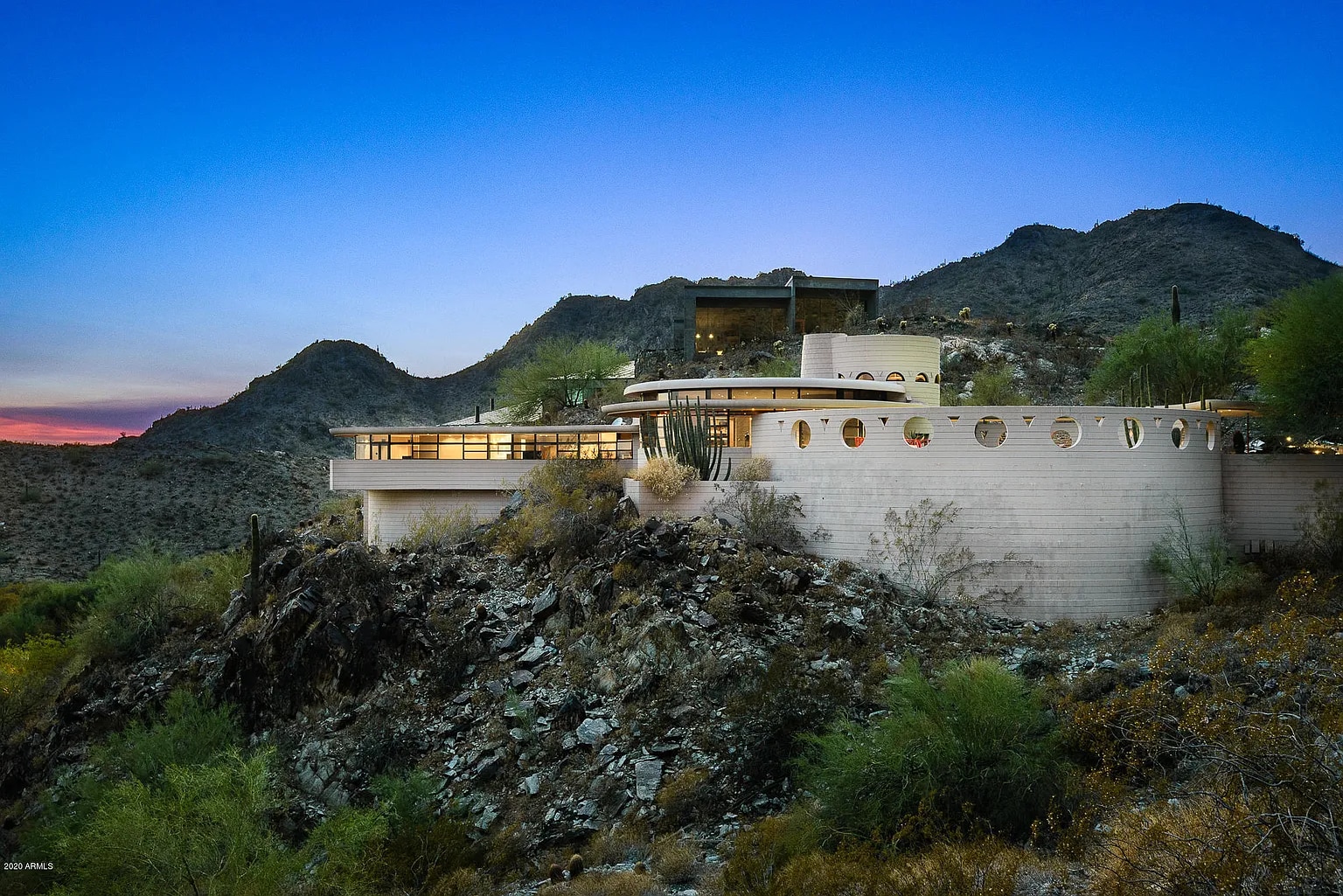
It is fair to wonder why Frank Lloyd Wright’s houses appear on the market so frequently. The list of properties designed by the American architect currently for sale is constantly evolving, with some familiar names reappearing time and again, such as the Lykes House — the final residence Wright designed before his death in 1959, and perhaps the most striking example of circular architecture. Conceived as a series of concentric circles meant to merge with the curves of the desert mountains surrounding Phoenix, it has been available for purchase since 2019 and is still used today as a short-term Airbnb rental.
Ultimately, considering that Frank Lloyd Wright completed more than 500 buildings over the course of his career, it comes as little surprise that his houses continue to resurface on the real estate market — and in the pages of architectural magazines. One thing is certain: amid changing ownership and ongoing conservation challenges, Wright’s legacy remains very much alive.
Opening image: Photos by Nancy O'Brien Sunlight Photos Llc, courtesy of Brian Proctor, Nai Talcor