


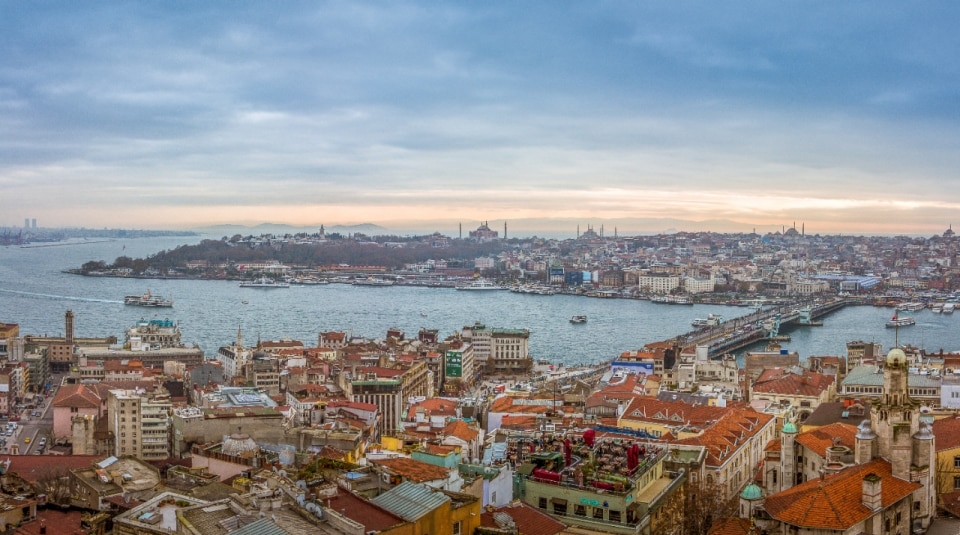
It is 2011, when Erdoğan, in his third term as prime minister, talks about three projects, calling them "crazy." Three infrastructures to transform Turkey by land, sky and sea. The first is the Black Sea Coastal Highway, the long road running along the Black Sea, built since the 1980s, but of which the Turkish president has inaugurated many tunnels and major sections; then Istanbul Airport, Europe's largest airport, operational since 2018; the third, under construction since 2021, is the Istanbul Kanal.
The long waterway will make it possible to connect the Sea of Marmara to the Black Sea by redistributing the ship traffic now concentrated in the Bosporus.
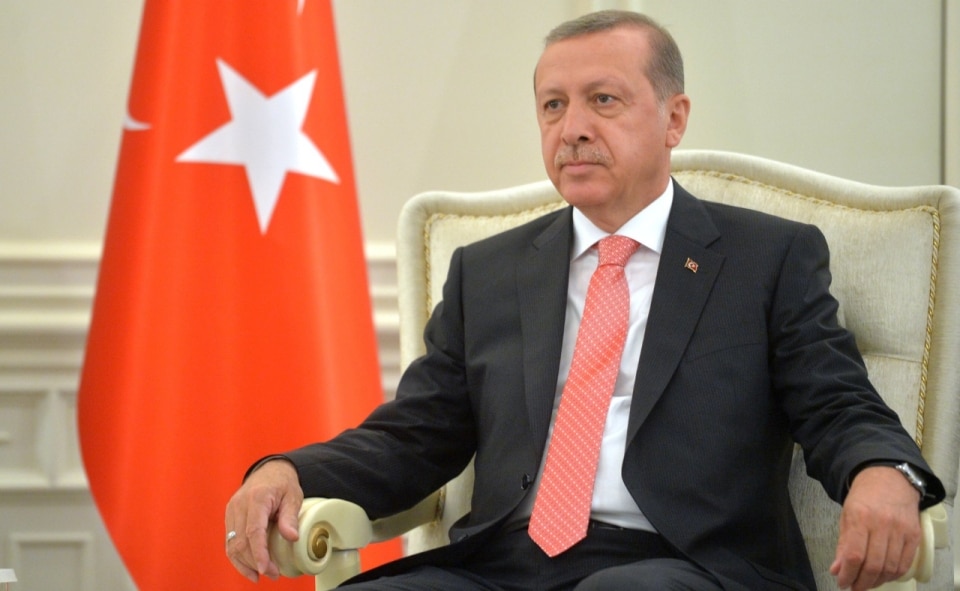
With the new canal, 45 linear kilometers of water will cut through the European part of Turkey, making Istanbul province an island. The long waterway wanted by Erdoğan will connect the Sea of Marmara to the Black Sea by redistributing the ship traffic that today is concentrated in the Bosporus and counts the passage of 165 ships per day.
Decongesting Bosphorus traffic means halving the probability of ship accidents and thus also environmental disasters. This is what Erdoğan says. But at what cost?
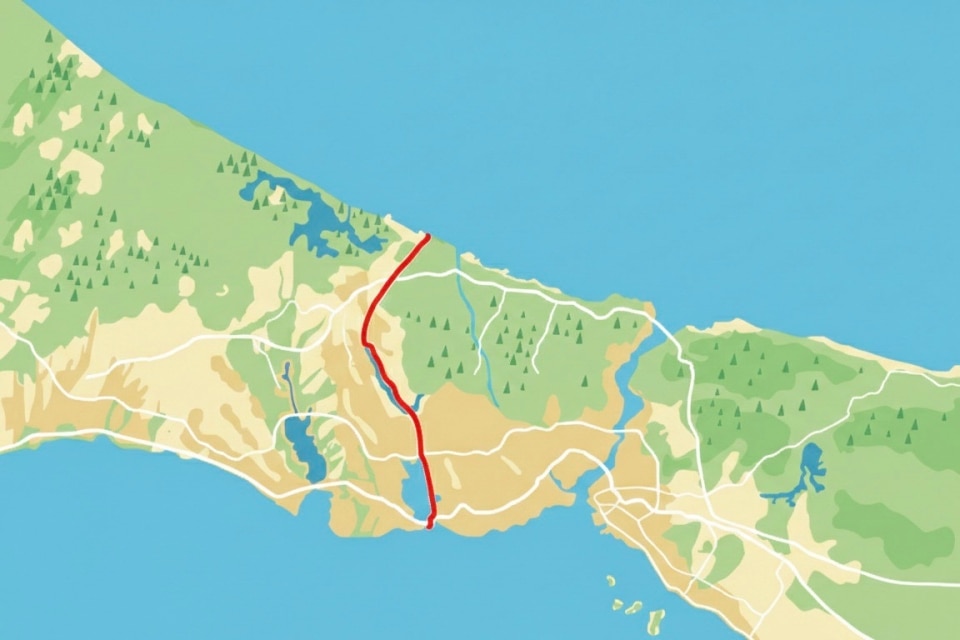
The huge construction site of the Istanbul Kanal - expected to cost at least two tens of billions - has been proceeding from north to south for nearly five years, erasing all traces of forest patches, cultivated fields and pastures that have always been the landscape and engine of Eastern Thrace. Lands (and thus jobs and livelihoods) expropriated from residents and becoming state property are returning to the market at dizzying rates, attracting entrepreneurs who, along the new canal, dream of infrastructure and buildings flourishing. In the already overcrowded region, an increase of two million residents is expected in the coming years.
Vessel traffic management and revenue collection would not fall under the Montreux Treaties (1936), which regulate only natural straits by guaranteeing freedom of transit for commercial vessels and imposing limits on naval vessels; being an artificial infrastructure under full Turkish sovereignty, the Istanbul Kanal would be regulated under national laws.
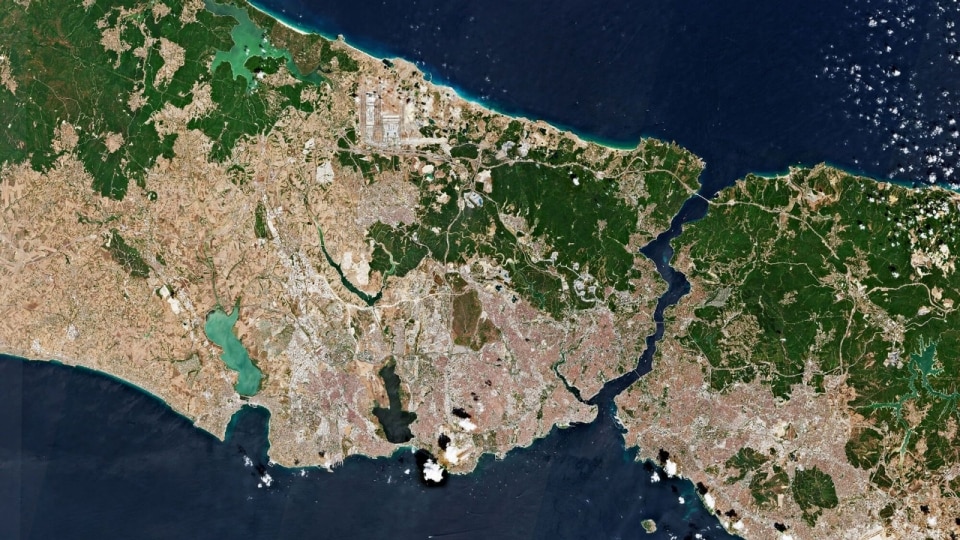
After the mega-road built ignoring every constraint and the airport that wiped out a marshy area crucial for bird migration, the new canal would threaten not only terrestrial ecosystems but also marine ones, altering the hydrobiological balances and salinity of the two seas and contributing to the great "ecocide" that the opposition and experts have been accusing Erdoğan of for years.