

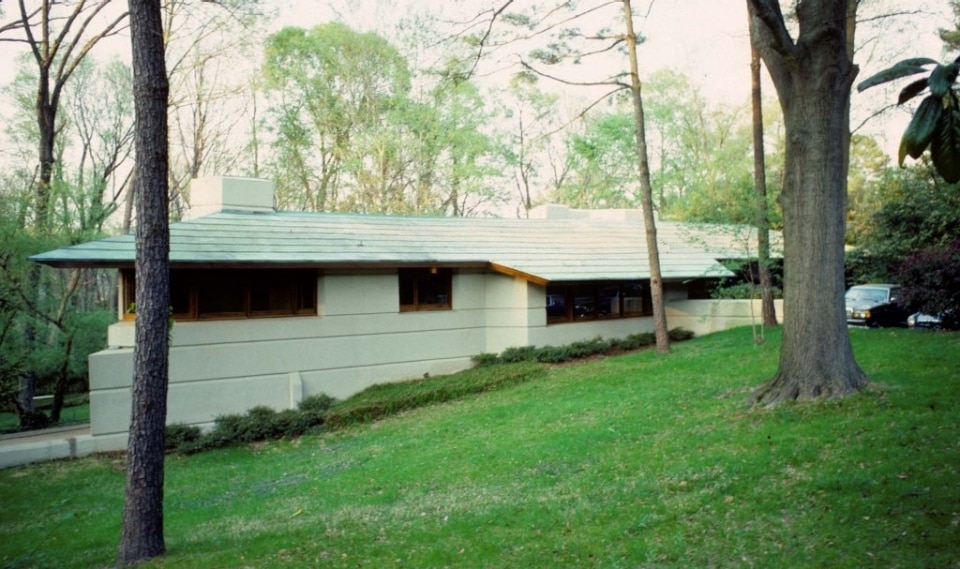
The Fountainhead residence, also known as the Hughes House after J. Willis Hughes, the client and oil magnate, is located in Jackson, the capital of the state of Mississippi, in the Fondren neighborhood. Built in 1949, it is one of the last among the more than five hundred works constructed over seventy years of Frank Lloyd Wright’s career, whose complete list can be found on the Frank Lloyd Wright Building Conservancy website.
After spending almost seven years on the real estate market, with an initial asking price of more than 2.5 million dollars, the Hughes House was purchased for one million by the Mississippi Museum of Art, the largest modern and contemporary art museum in the state, which plans to restore it and then open it to the public—for guided tours by appointment—for the first time in decades.



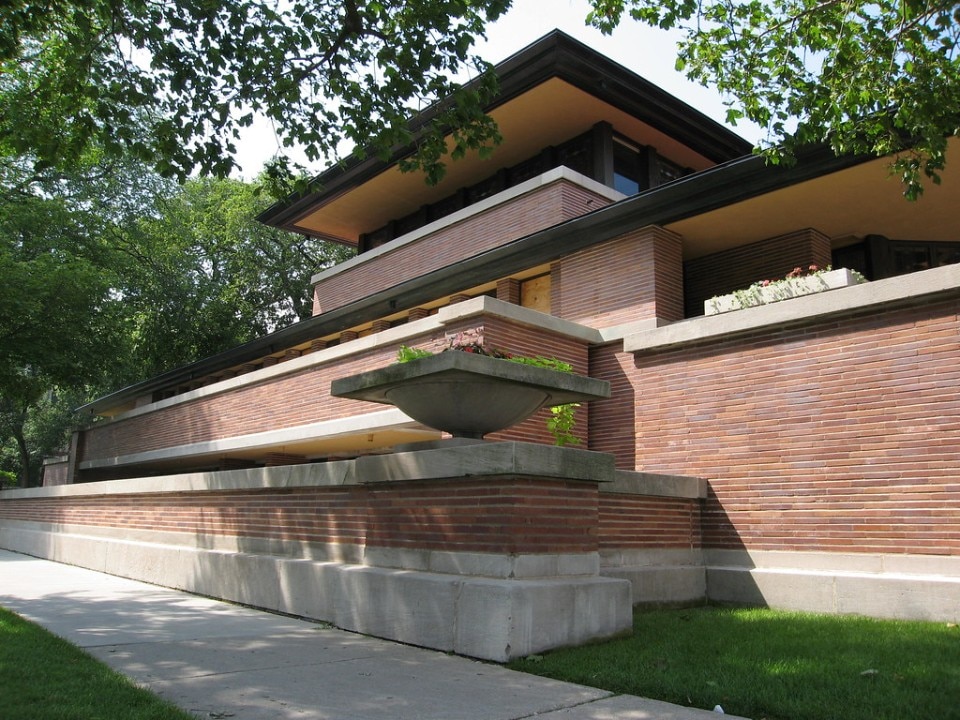
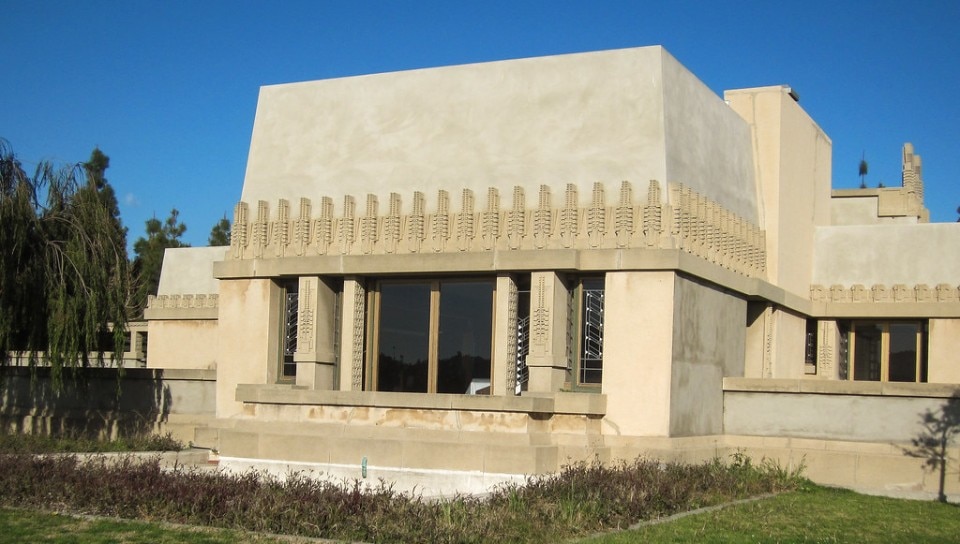
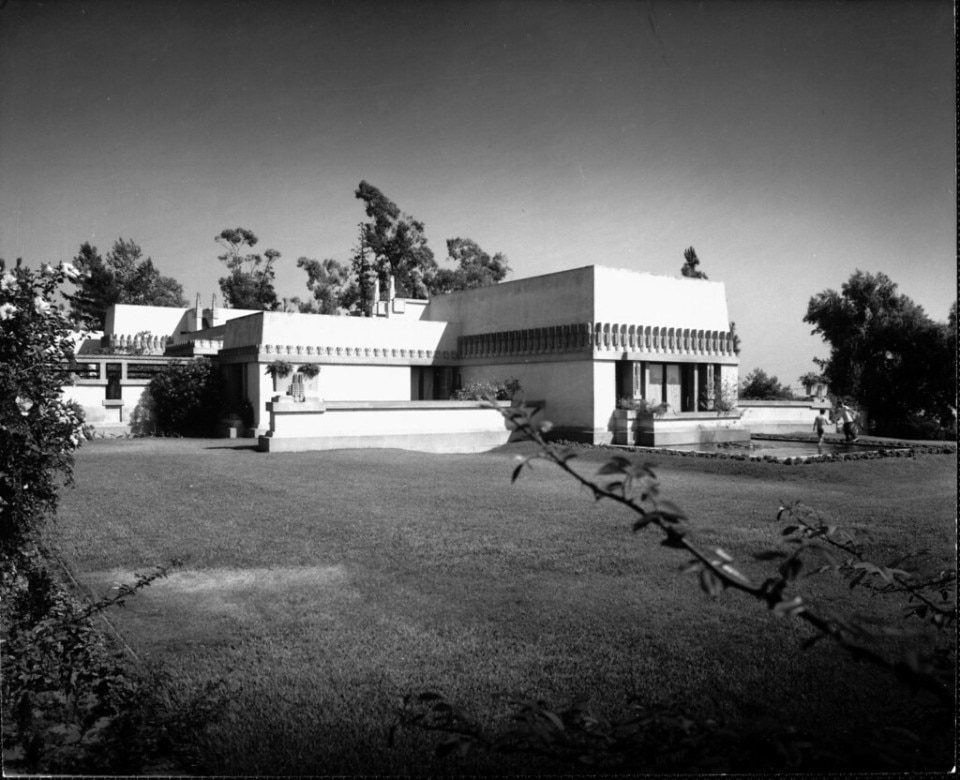
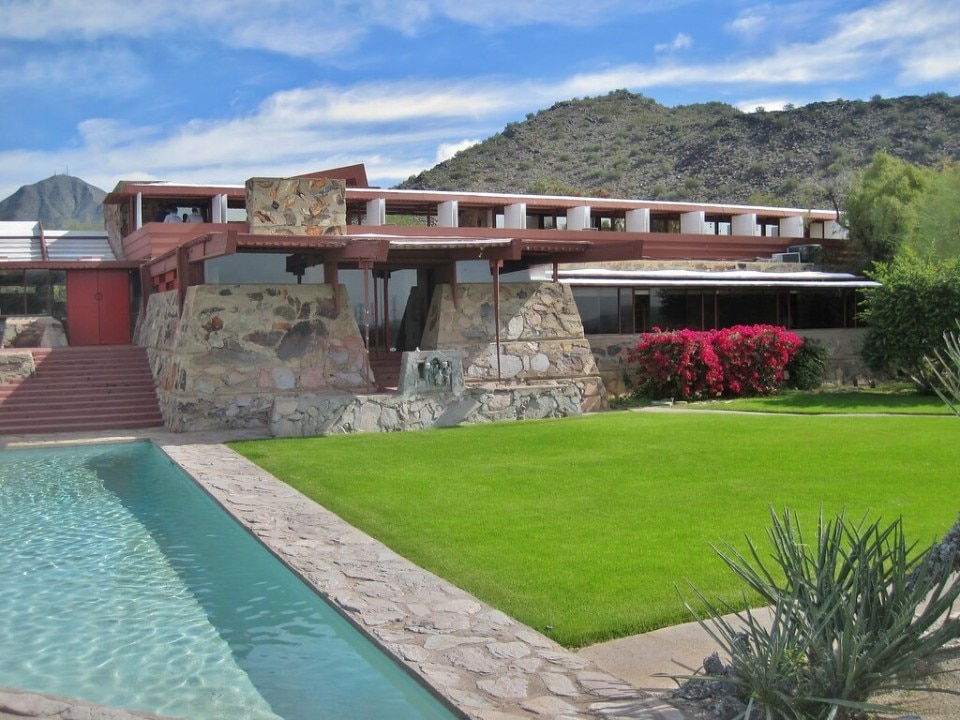
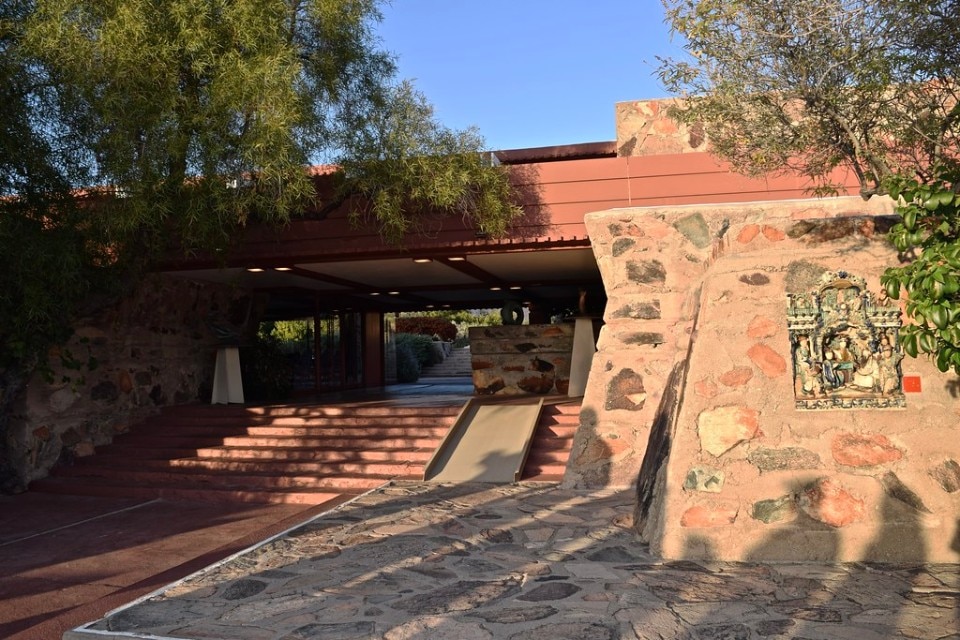
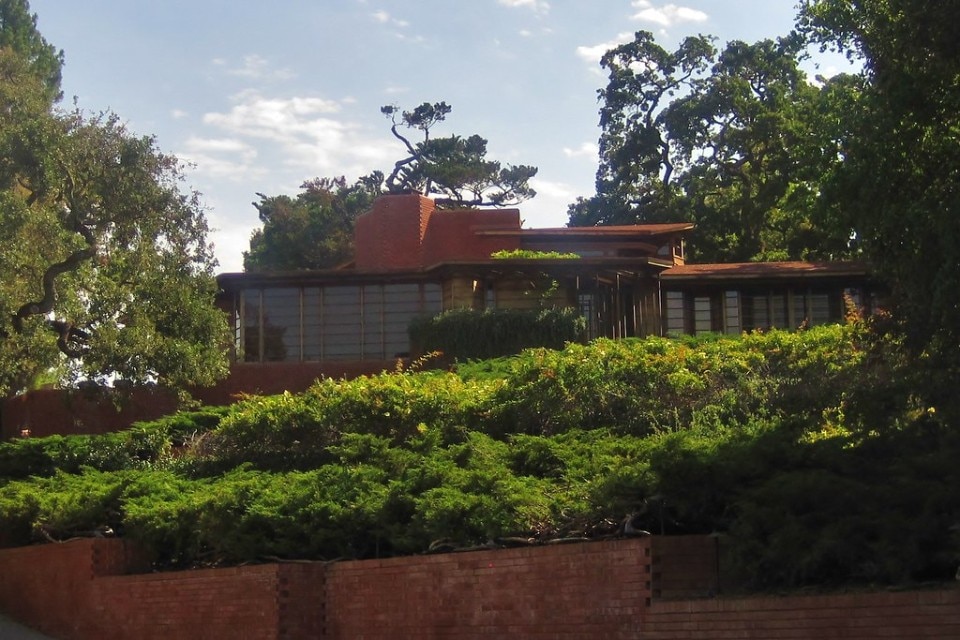
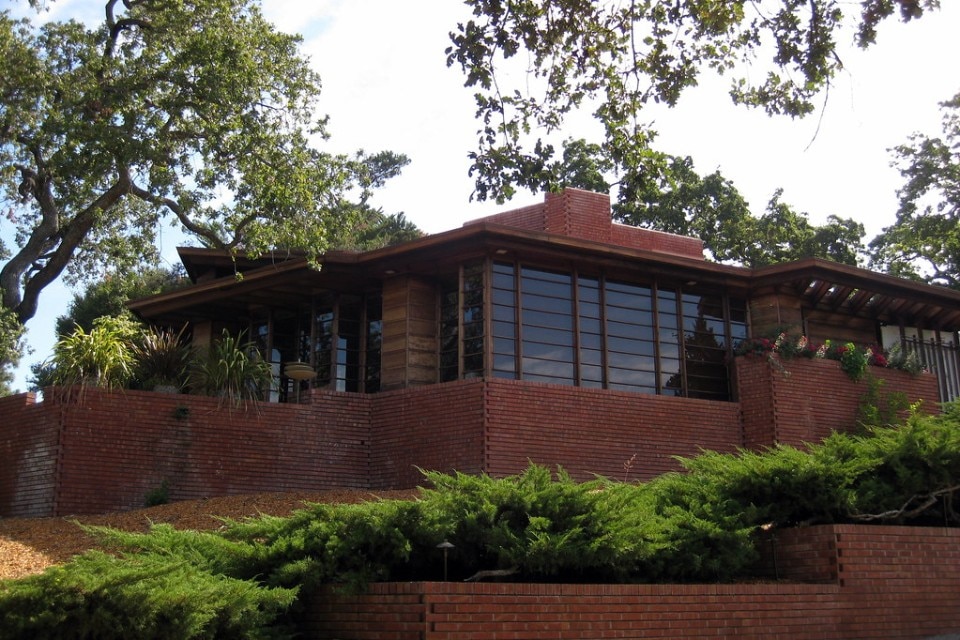
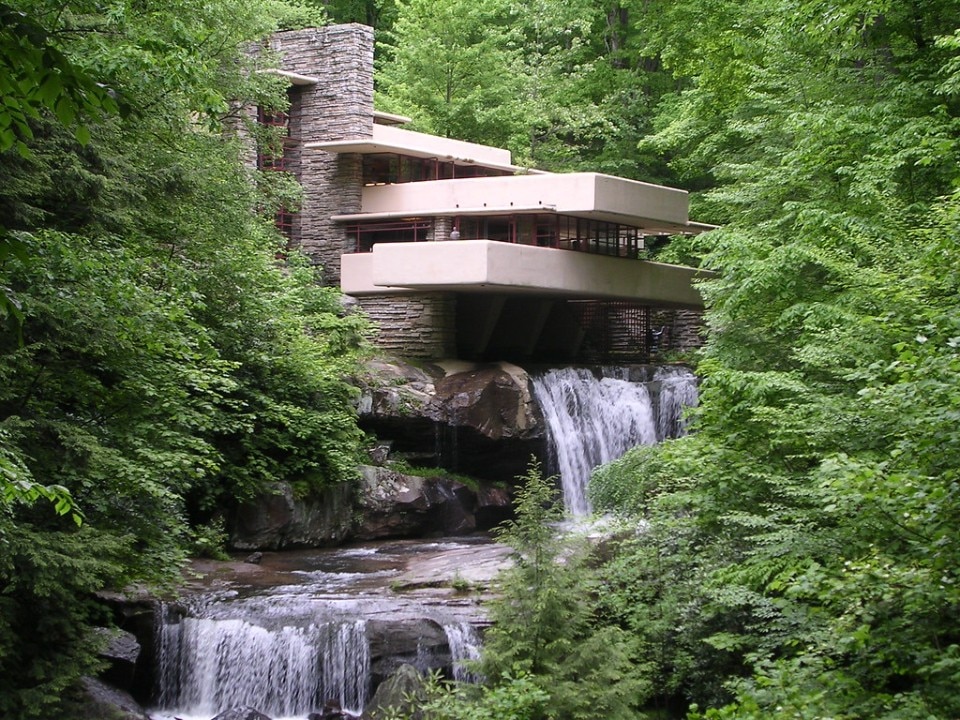
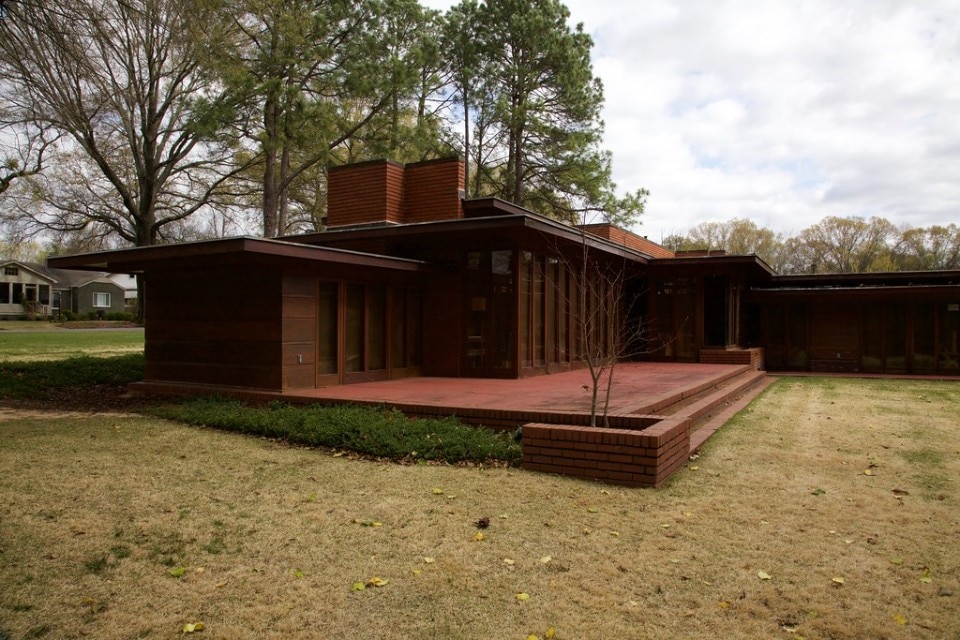
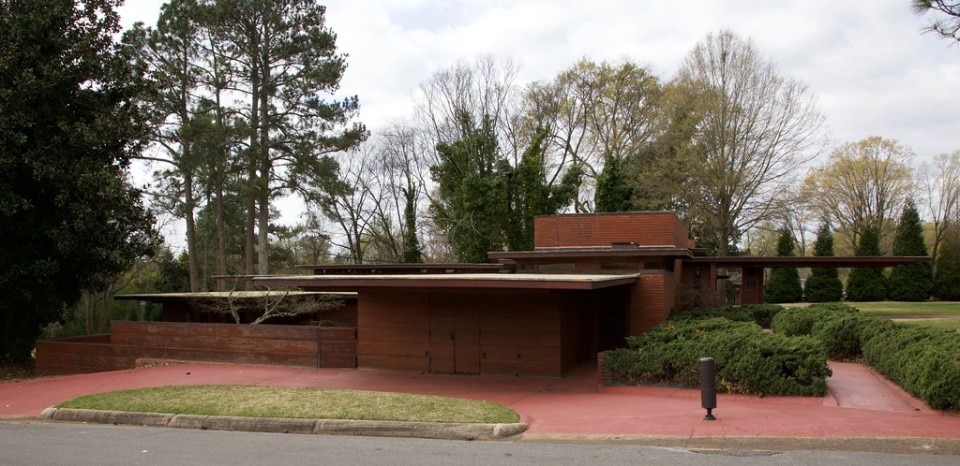
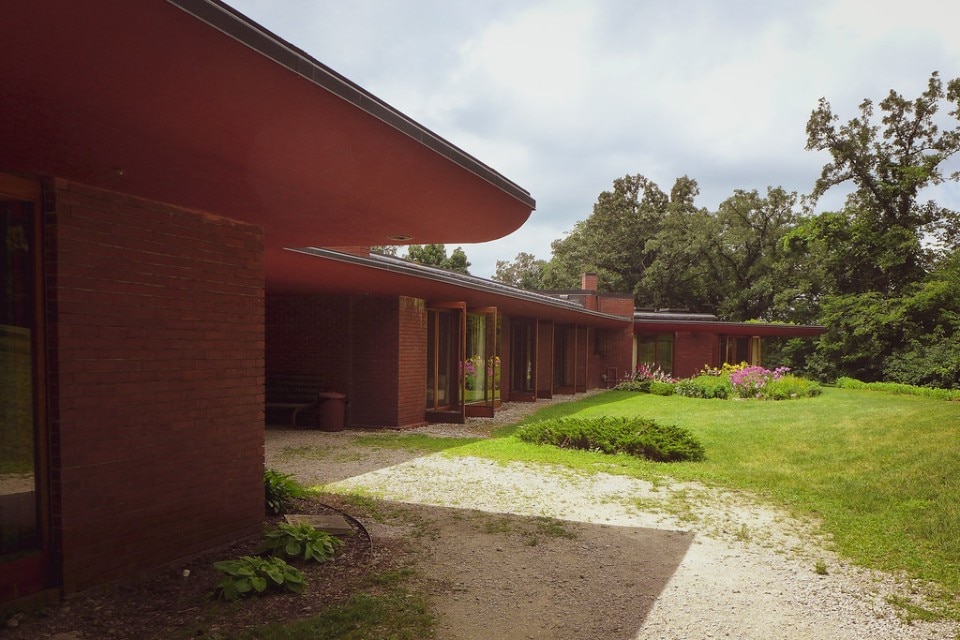
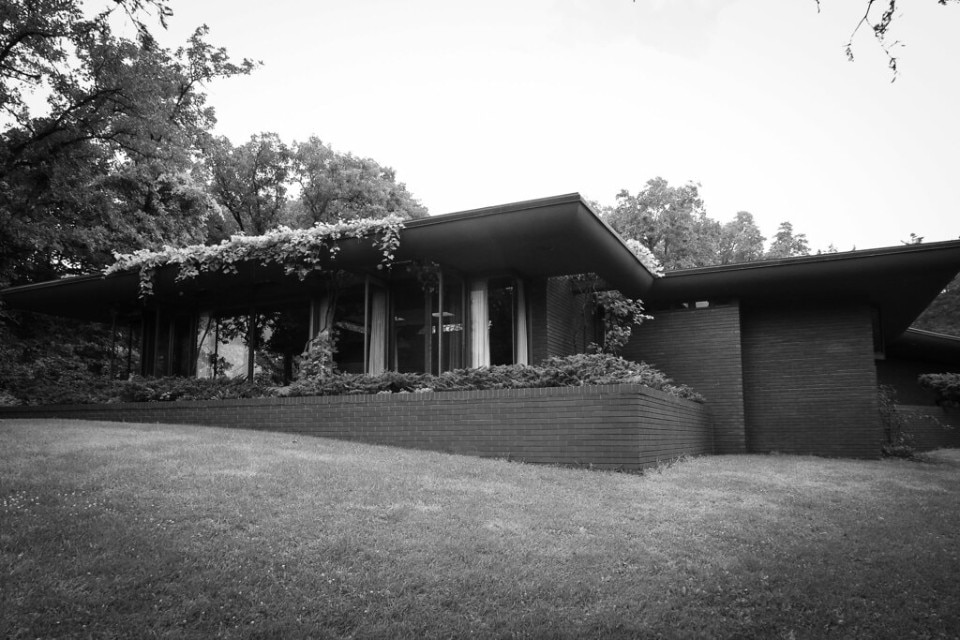
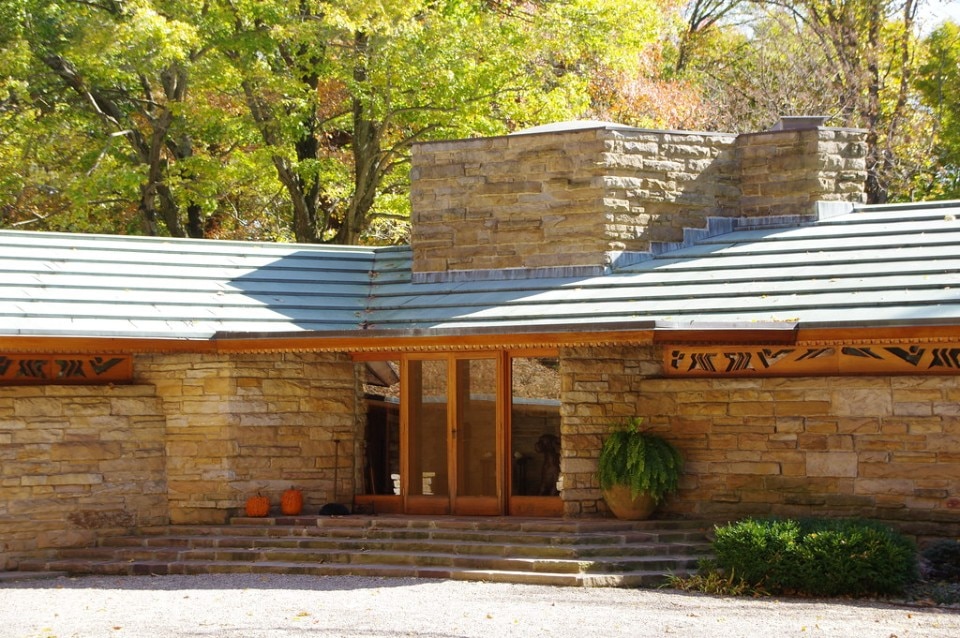
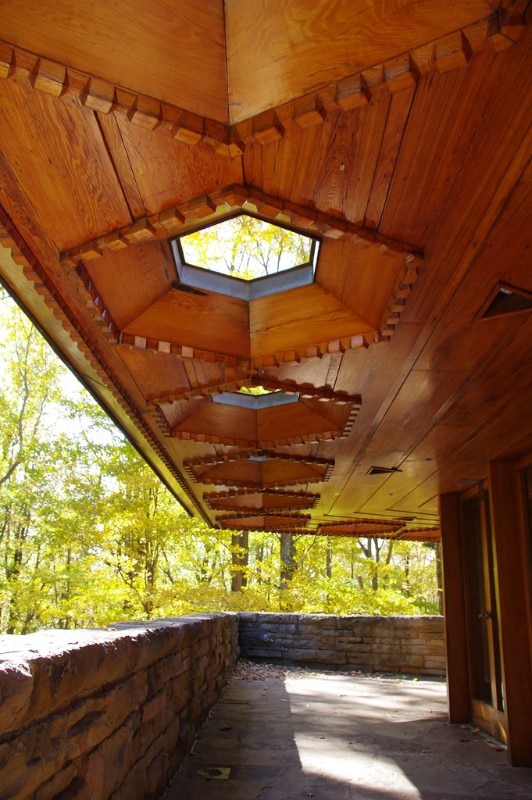
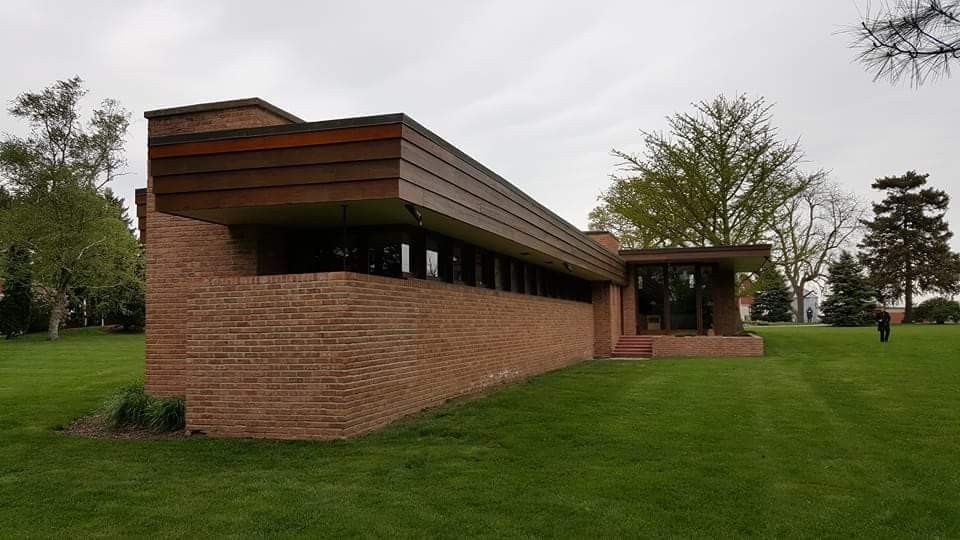
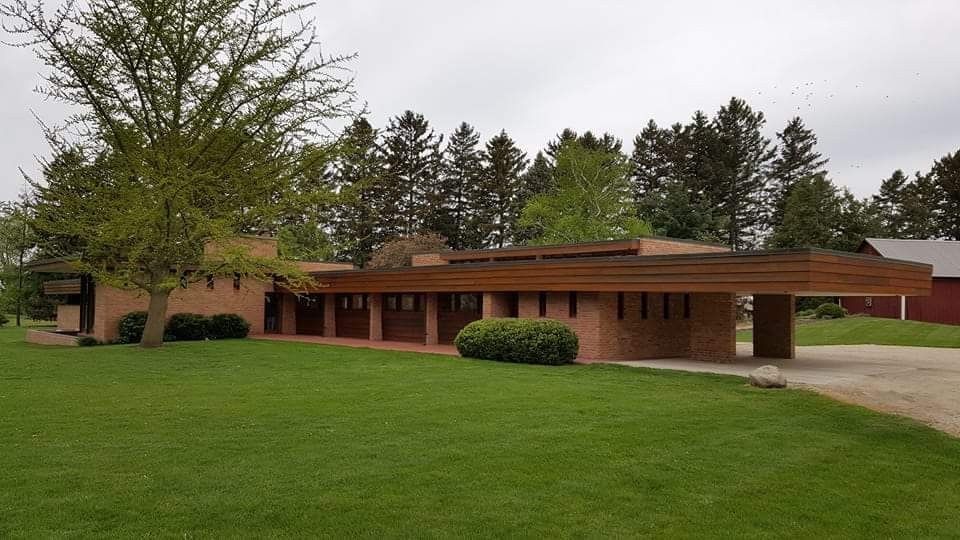
Designed like a sharp-edged diamond amid subtropical woods, gentle hills, waterways, and wetlands, this single-family Wright villa has one of the most unique histories. Deeply intertwined with the architect’s life and his idea of organic architecture, the Hughes House represents a turning point that deserves to be told within the context of his residential poetics.
Designed by Wright at the age of 81, the house in southeast Jackson was built following the Usonian house model: a construction method and ethical principle Wright began experimenting with after World War II. The idea, in short, was to involve architecture in the reconstruction of the United States after the Great Depression by designing affordable homes for the American middle class. Low-cost, modular, and free of unnecessary ornamentation, Wright’s Usonian houses are numerous and still well-known—so much so that in 2022 a Seattle construction company revived their principles to build a new series of homes for the market. The Hughes House, however, stands out significantly from the others.
This forms a network—unofficial but increasingly significant—of ‘Wright house-museums’: private architectures that become collective heritage.
Nestled and almost buried among hills and cypress trees, the residence is built almost entirely of swamp cypress, a moisture-resistant wood typical of Mississippi’s floodplain forests. The exterior walls, as well as the floors, paneling, and custom furniture, feature the warm, pinkish grain of this wood, in an intense dialogue with the surrounding landscape. Its Y-shaped form traces the contours of the surrounding hills, in keeping with the principles of organic architecture.
The house is particularly famous for the fountain and pool at the back, designed together with the building, which function as part of a water path running through the garden and gave the house its nickname, “Fountainhead.” Viewed today, the Hughes House appears as the most dynamic and forward-looking iteration of Usonian houses—a model of American residence already looking toward the second half of the twentieth century, while remaining anchored in a millennial landscape.
The museum’s purchase is far from an isolated gesture: it is part of a strategy in which most U.S. cultural institutions are committed to preserving Wright’s legacy, particularly the Usonian houses, such as the Bachman–Wilson House, purchased, dismantled, and relocated to the grounds of the Crystal Bridges Museum of American Art in Bentonville.
This forms a network—unofficial but increasingly significant—of “Wright house-museums”: private architectures that become collective heritage.
A bulk sale of most of Wright’s properties also follows a certain renewed popularity of the Prairie House architect. Between unbuilt projects and iconic architectures, Wright is now everywhere, from TV series to trailer designs. And with this acquisition, he is also part of a museum collection in Mississippi.
Opening image: Courtesy Frank Lloyd Wright Building Conservancy