


Andy Warhol’s artistic legacy remains today an essential point of reference for American—and international—culture, influencing contemporary discourse and keeping important lines of research open. On this basis, Palazzo Gromo Losa Srl, in collaboration with the Fashion Textile Museum in London, has decided to present in Biella, Italy’s textile capital, the exhibition “Andy Warhol. Pop Art & Textiles”, a retrospective of Warhol’s career and aesthetic across its many and varied phases, with the aim of offering a complete portrait of a complex and multifaceted artist while also revealing some of his lesser-known sides.

 View gallery
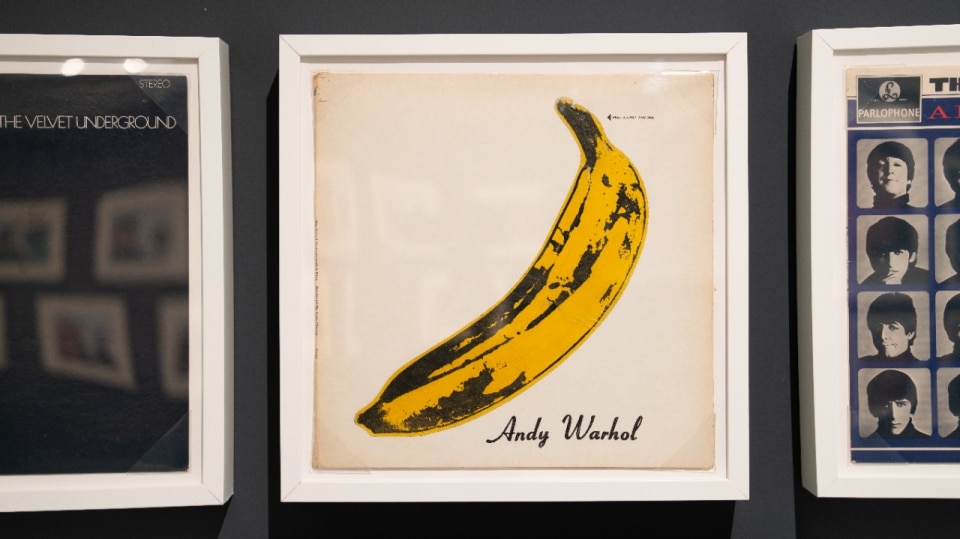


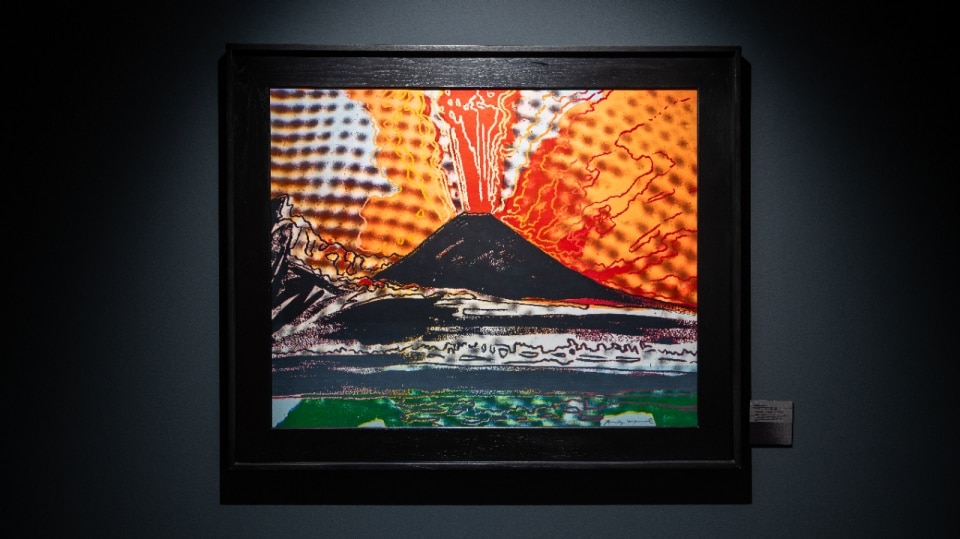
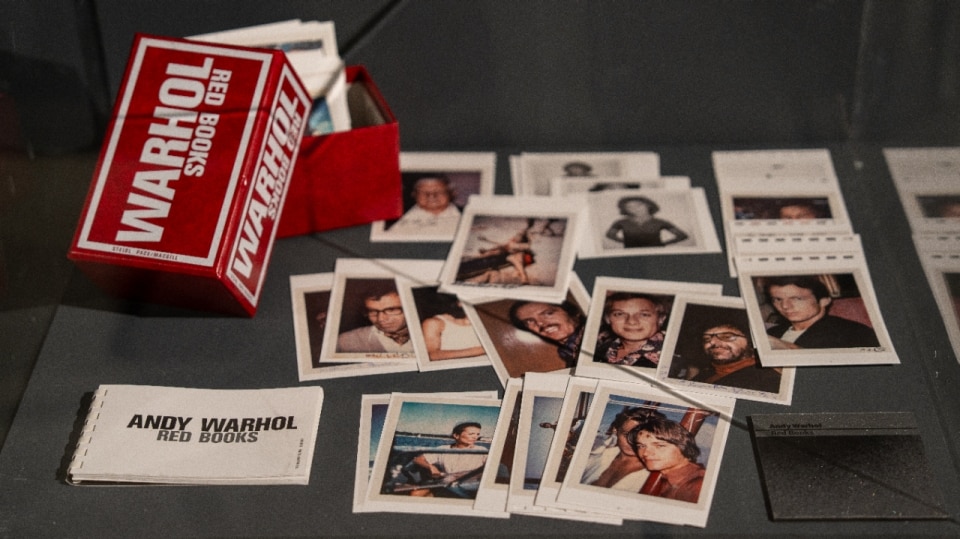
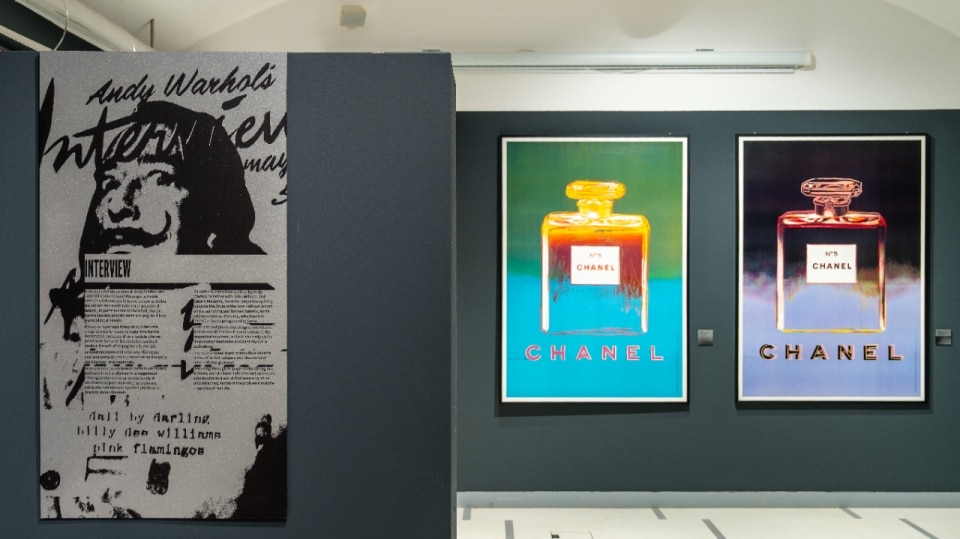
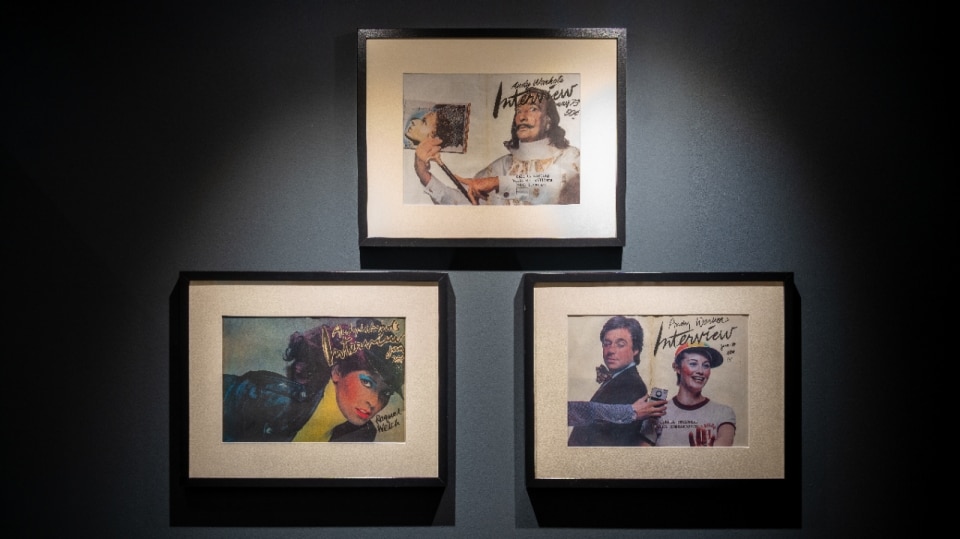
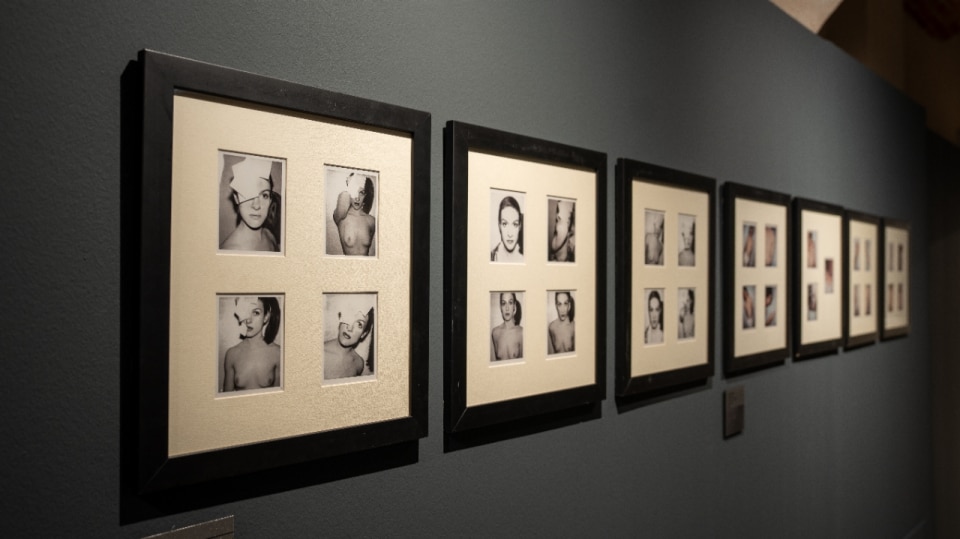
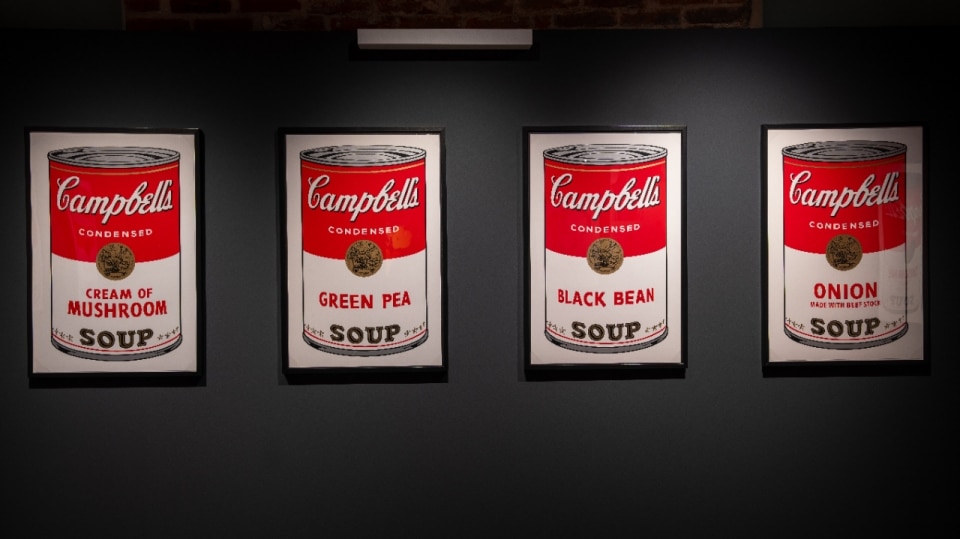
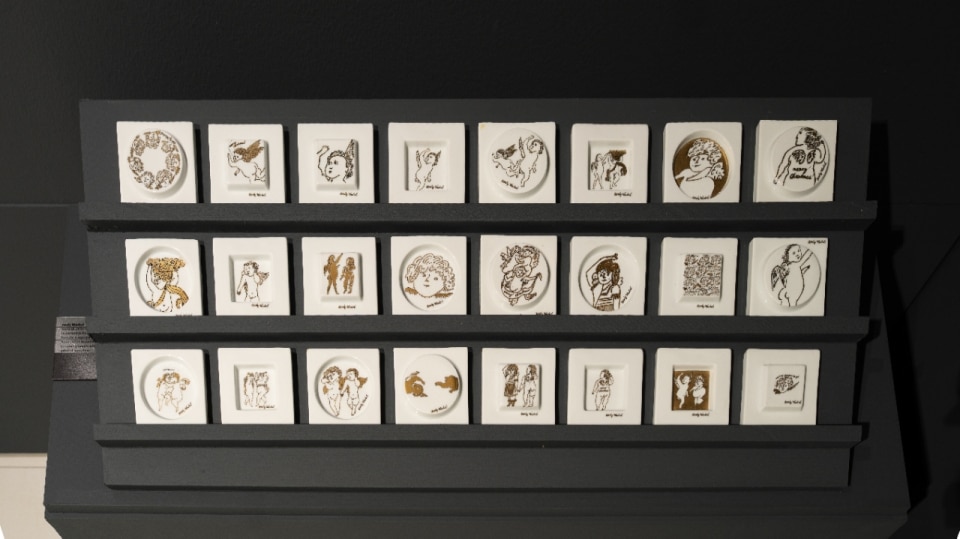
The exhibition unfolds across two separate venues, the historic residences of Palazzo Gromo and Palazzo Ferrero, which each explore a different moment in the artist’s production. The former, at Palazzo Gromo, hosts the exhibition curated by Alberto Rossetti and Vincenzo Sanfo, featuring 150 works tracing Warhol’s career: the experimental vinyl records created in collaboration with record labels, the vibrant gallery of celebrity portraits, twenty-four Rosenthal ceramic tiles, and the screenprints—the heart of the exhibition—including the iconic Campbell’s Soup and no fewer than ten Marilyns. Completing the itinerary is the special room “Warhol and Italy,” which presents two Vesuvius screenprints from the Gallerie d’Italia of Intesa Sanpaolo, celebrating the artist’s deep connection with the Italian territory.
The aim is to offer a complete portrait of a complex and multifaceted artist while also revealing some of his lesser-known sides.
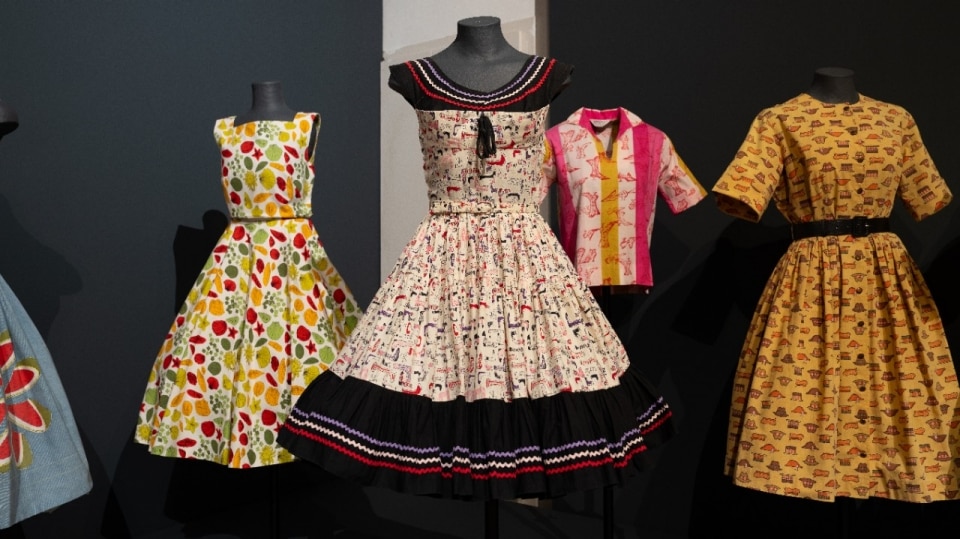
Palazzo Ferrero, instead, hosts “Andy Warhol: The Textile”, the section devoted to a lesser-known dimension of Warhol’s work, an area in which research is still very much ongoing. Curated by Geoff Rayner and Richard Chamberlain, the exhibition documents Warhol’s pre-pop phase and his contribution to American fashion as a designer, illustrator, and advertising artist. In the 1950s, Warhol worked as a freelance graphic designer for some of the most influential fashion magazines, such as Glamour, Vogue, and Harper’s Bazaar, and collaborated with numerous luxury brands. From these years comes a series of garments, drawings, and textiles: fifty of these archival pieces are now arriving in Italy for the first time.

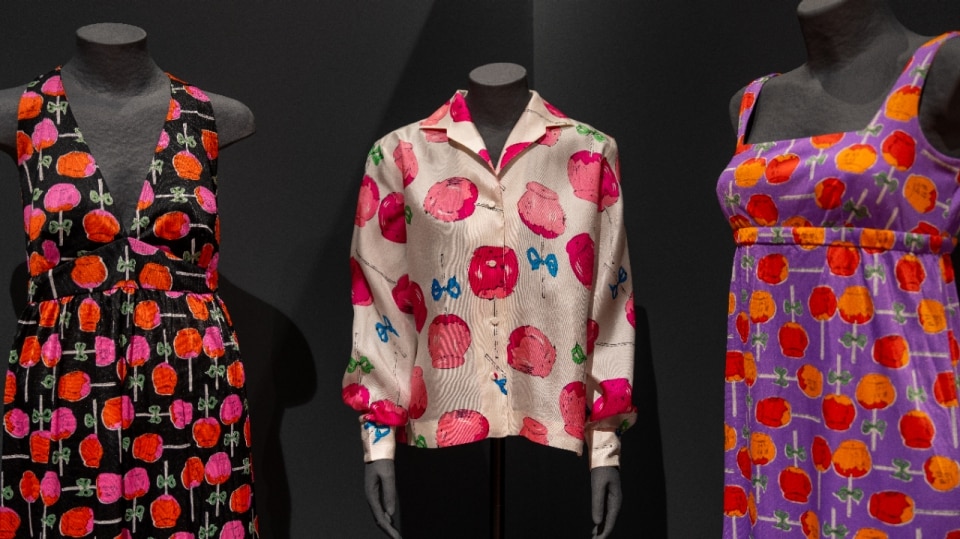
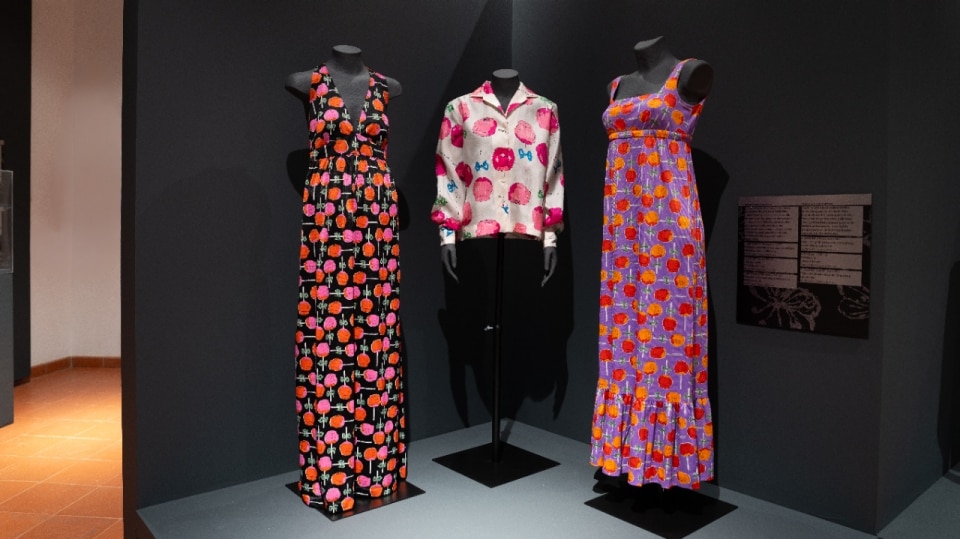
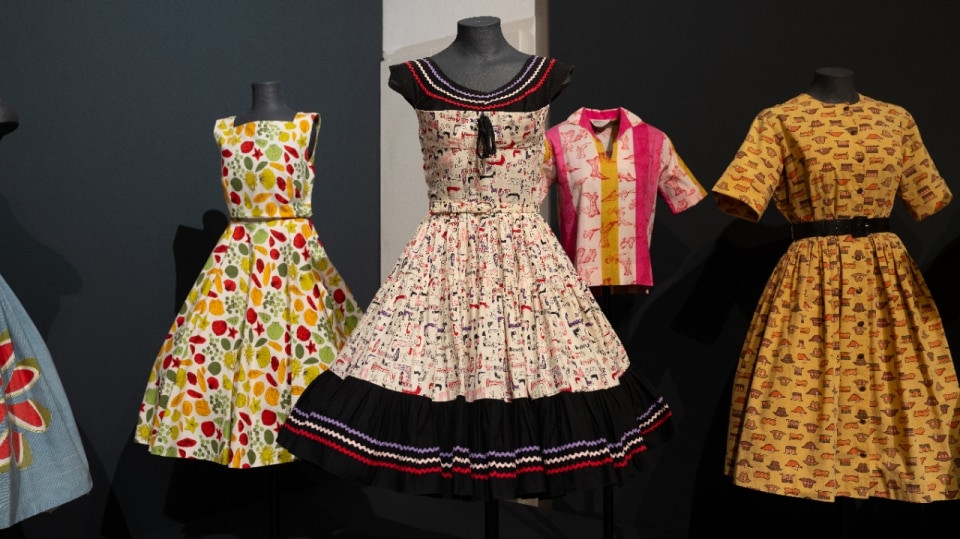
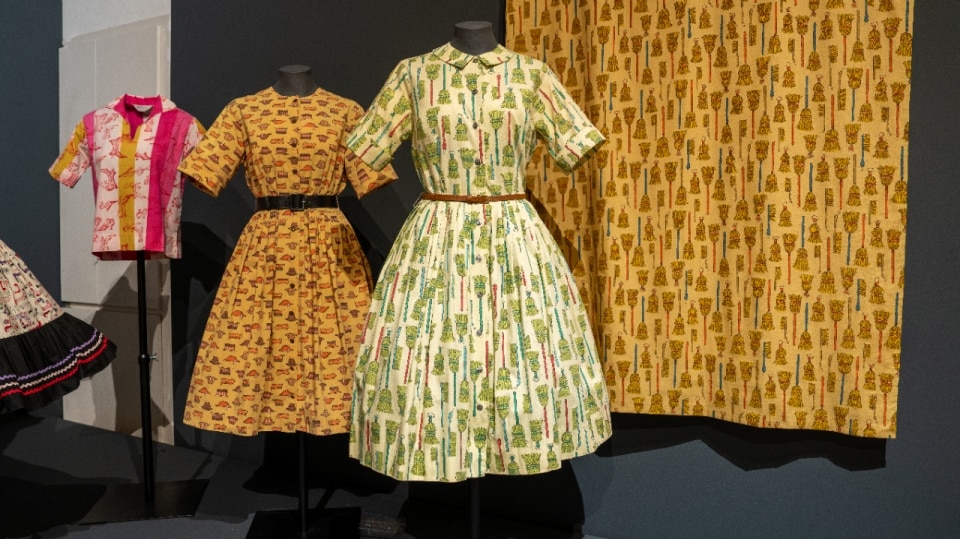
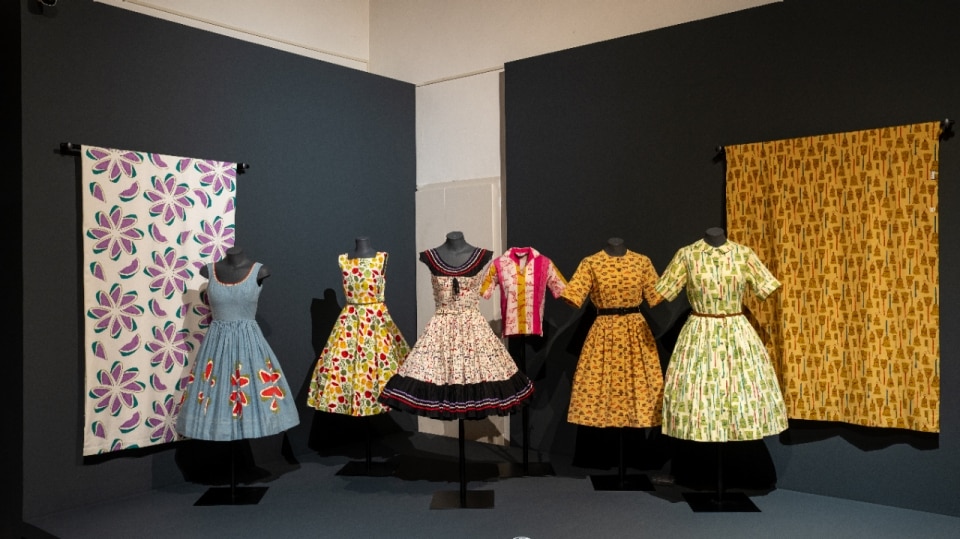
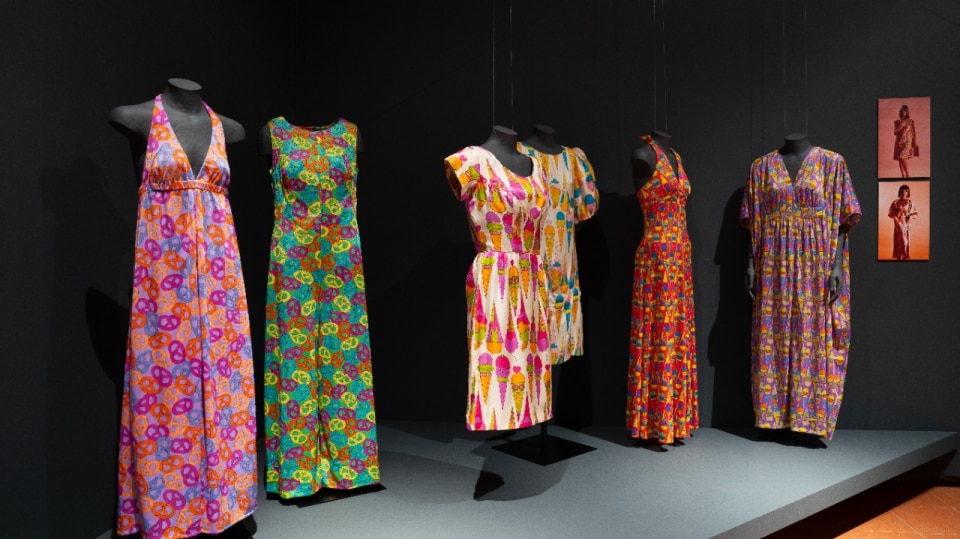
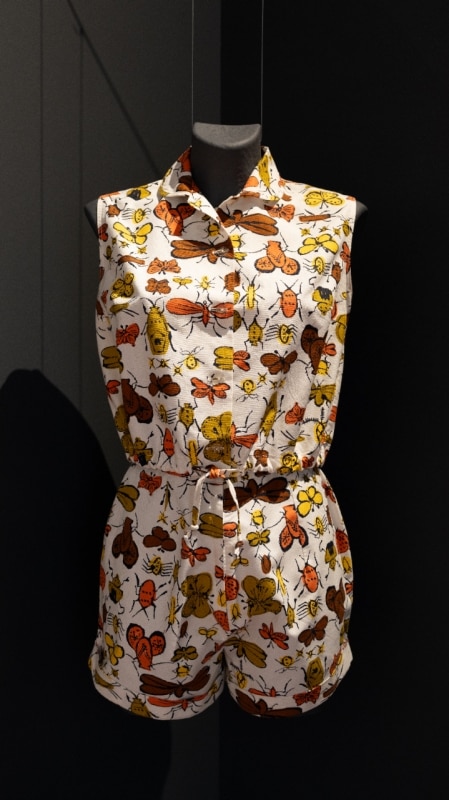
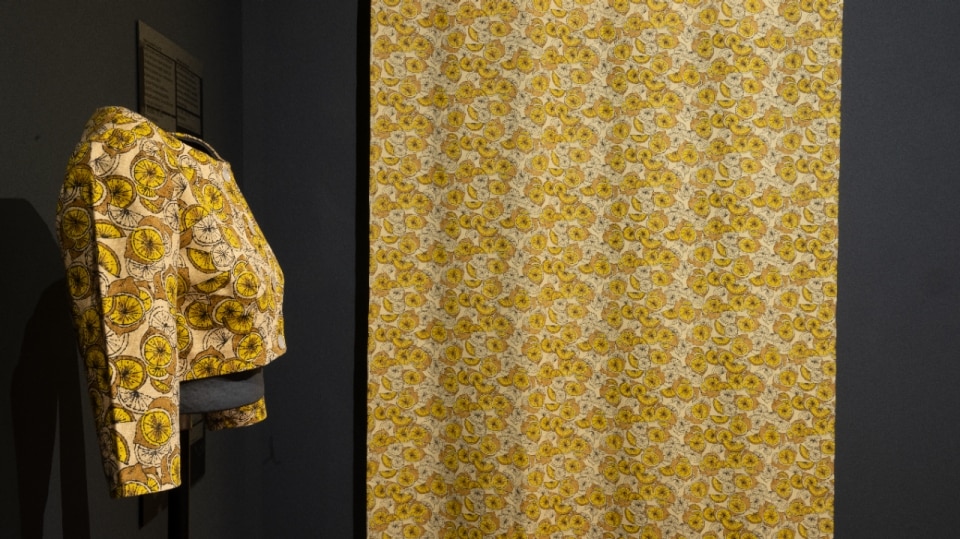
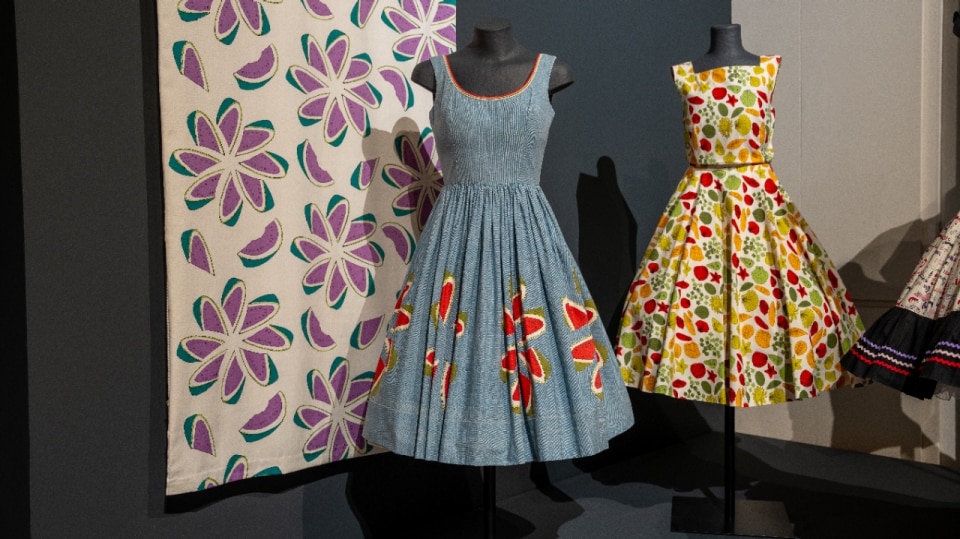
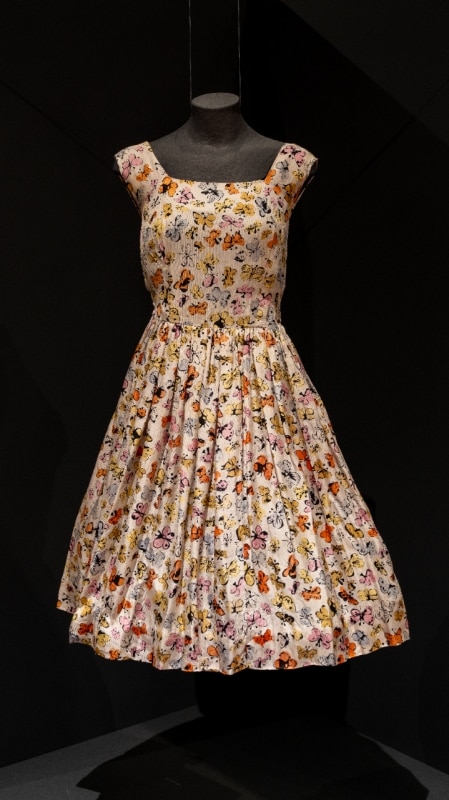
Though belonging to his pre-pop phase, these textile designs and garments will appear remarkably familiar to visitors, proving highly coherent with—and faithful to—the unmistakable pop aesthetic that would dominate the decades to come. From his use of icons and ironic motifs printed on fabrics to distinctive techniques such as the blotted line—an irregular line obtained by blotting fresh ink onto absorbent paper—and novelty prints, attentive viewers will recognize in these works the early signs of the revolutionary style gradually taking shape: butterflies, clowns and horses, fruit and ice-cream cones, all of which would soon become protagonists of Warhol’s pop revolution. Palazzo Ferrero also hosts a reconstruction of Warhol’s Factory, the scenographic re-creation of the New York studio-laboratory that served as the creative refuge of an entire generation.
The exhibition will remain open to the public in both venues until April 6 next year, presenting itself as a project capable of bringing into dialogue fields traditionally kept separate—art, design, textile production, and artistic vision.
- Exhibition:
- Andy Warhol. Pop Art & Textiles
- Where:
- Palazzo Gromo Losa and Palazzo Ferrero, Biella
- Dates:
- October 31, 2025 – April 6, 2026