The Music Box by Juliane Tag, a graduate and science assistant at the Design Faculty at Pforzheim College, is all about cultural communications. The Music Box provides an acoustic, visual and haptic opportunity to get to know the music of Egypt. A variety of media like CDs, DVDs, books and memory are available on this voyage of discovery.
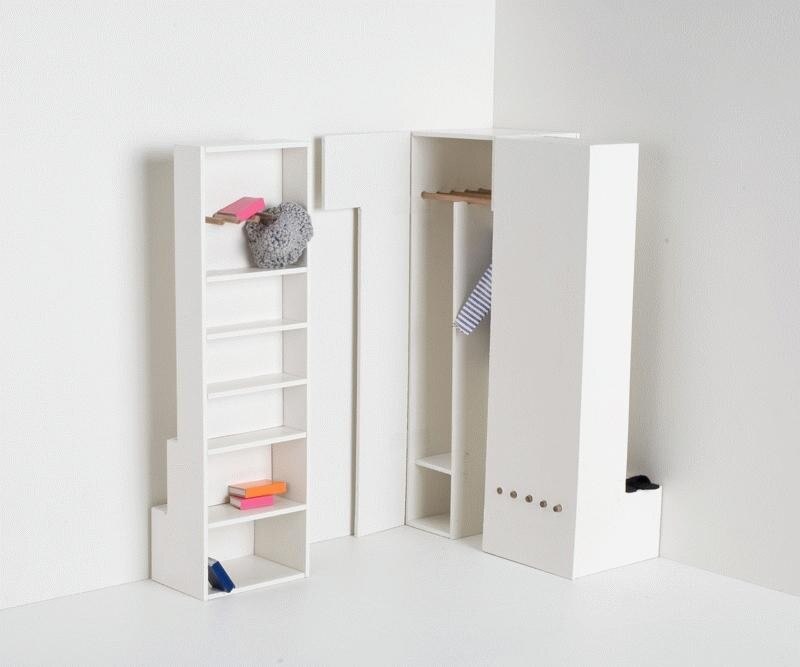
In recent years, the number of single households has continued to grow. In big cities, living space is small and expensive, so small units are in demand. Often they have insufficient storage, no storeroom or cellar. The Zwischenraum project, the work of Christina Lobermeyer and Paula Weise, two product design students from the University of Weimar, focuses on this problem. They have designed a product family of what they call “Zwischen raum möbel”, consisting of a cupboard with flat and hanging storage space and a shelf. This furniture not only provides internal storage space but also creates useful external space, which is ideal for storing clothing, household effects and other things.
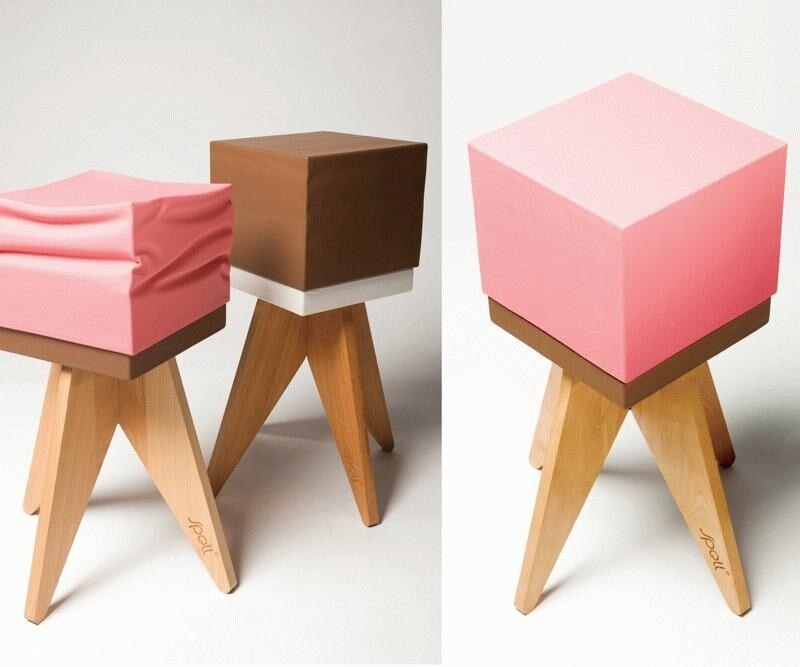
Functional intelligence is very important to the designer collective Spell in addition to user enjoyment and visual elegance. For example, the six Dutch designers create Blitz, a piece of furniture which adopts a playful approach to the theme of seating and resembles a riding saddle. Posture is also the focus of a new collection of footstools. The surface of each stool adjusts to the person sitting on it.
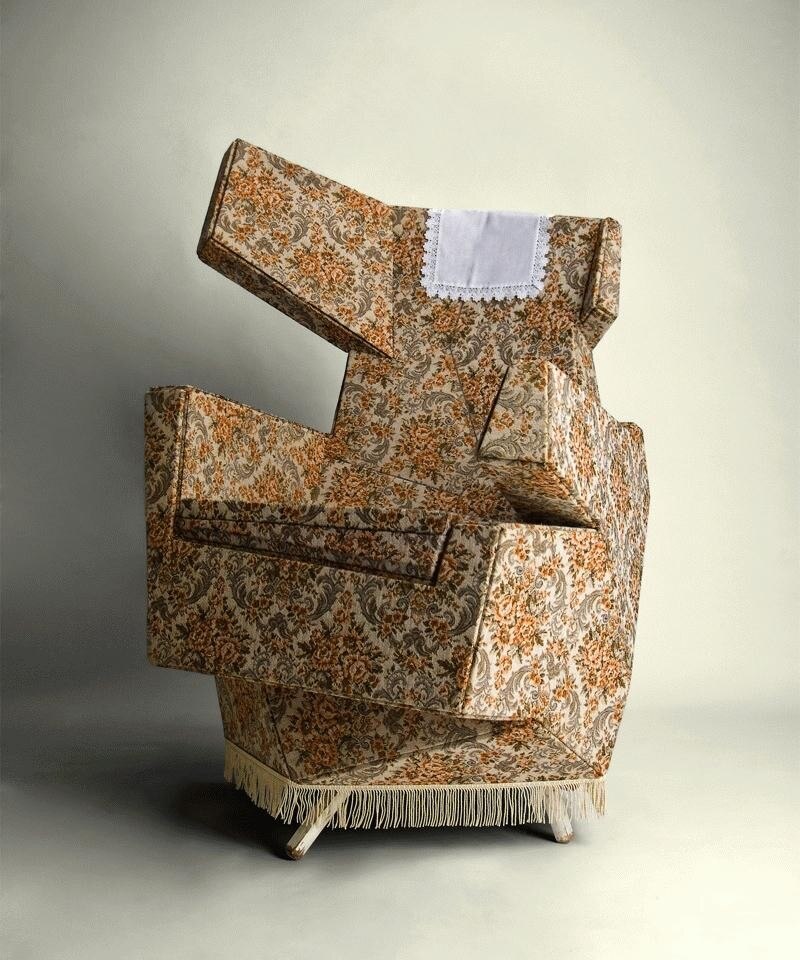
The leitmotif for Redesign of the German living room, Hannes Grebin’s thesis at the Bauhaus University in Weimar was interpreting something old in a new way. The starting point for this is the traditional furniture in an average seventies living room and the concept of congeniality associated with it. Grebin dispenses with the well-known symmetries of furniture, although the original object is still recognisable. This project is his attempt to dismantle the conventional picture of German congeniality, to re-articulate it and create it using individual objects, which encourage discussion.
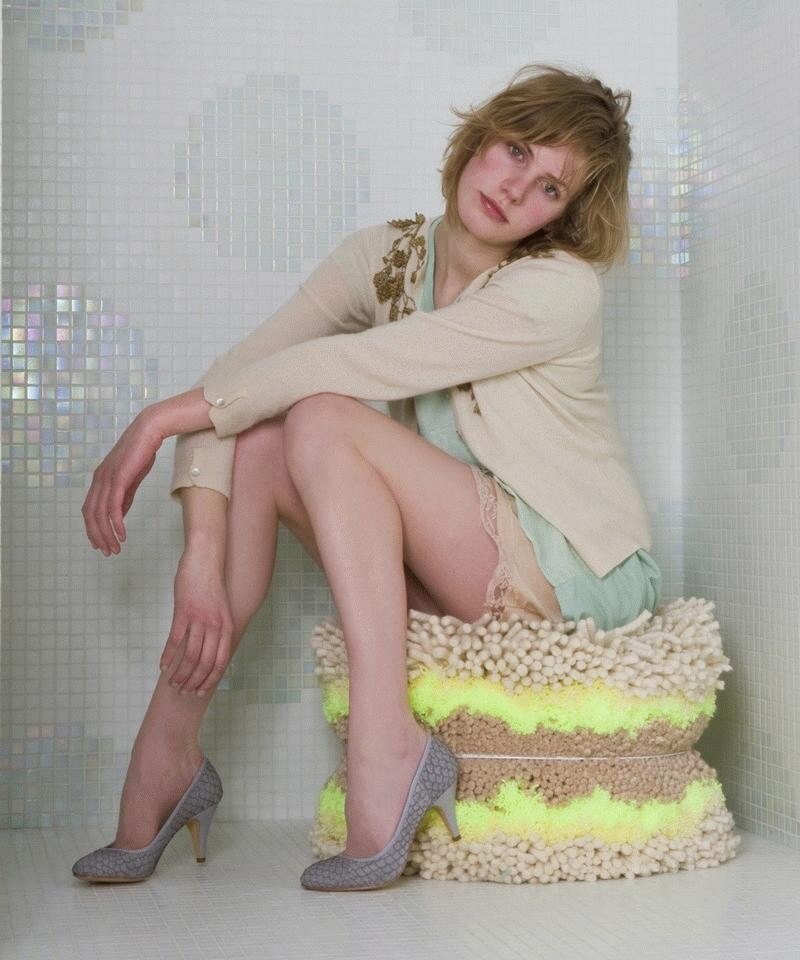
Re-interpreting well-known artisan techniques, with unusual materials and modern motifs. The products created in this way, are unexpected and have what it takes to be showpieces. Twin sisters Marieke und Tineke Willems from design studio Tweelink embrace traditional techniques to create individual showpieces and transform everyday products into beautiful accessories. For example, they have produced giant, handknotted, woollen pompoms (max. 50 centimetres), which they present as comfortable seats. For another project, they thread wooden pearls onto the cable of headphones, transforming it into a fashion accessory. Felt and felt technology have been back on trend for some time now.