The “fake-analog” camera created by a photographer is already a case
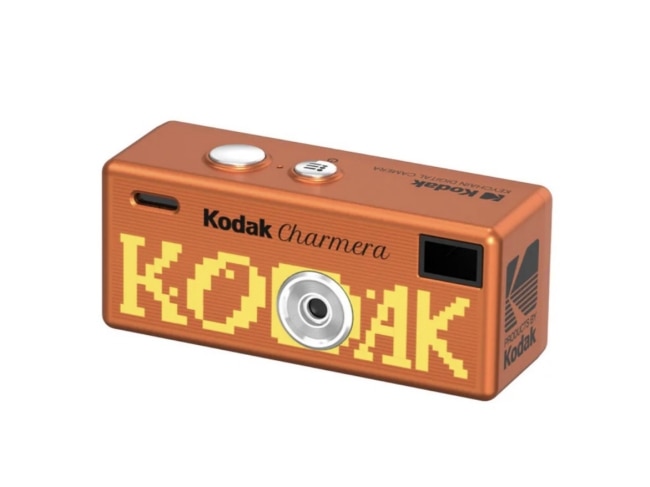
RewindPix has surpassed 830,000 euro on Kickstarter: a digital compact camera that doesn’t just imitate the aesthetic of film, but reconstructs its limits, rituals, and timing.
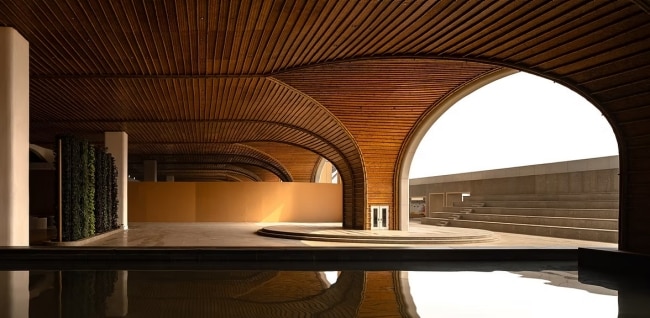
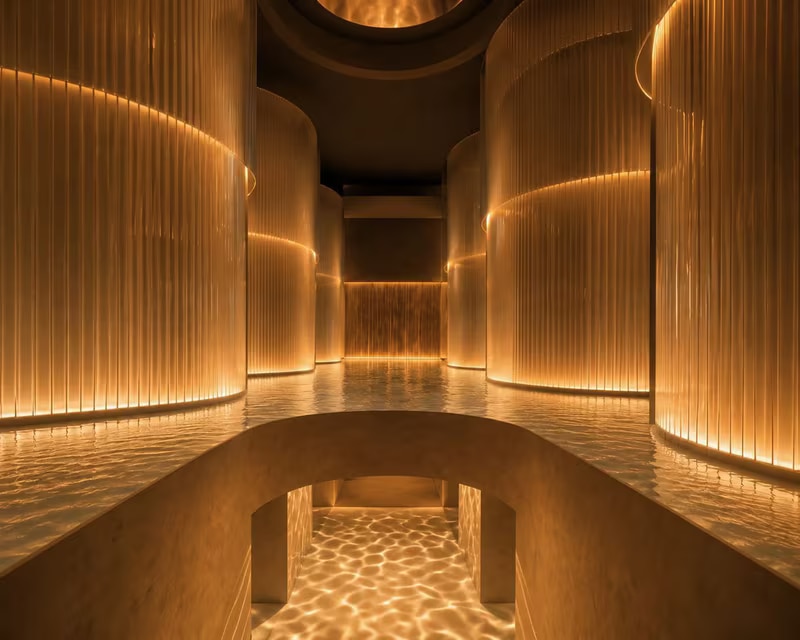
The new David Geffen Galleries redefine the museum through a continuous, non-hierarchical journey immersed in natural light. But in transitioning to the scale of a major global institution, can Zumthor’s sensory architecture still maintain its signature intensity?
Mauricio Cortés, architect of the Tower of Jesus Christ, tells Domus how Sagrada Familia, Antoni Gaudí’s most important project, has been built and passed on.
The Milano Green Circle 90/91 project transforms the route of the 90/91 into a continuous green corridor: an urban infrastructure that improves air, soil and biodiversity, supported also by the Armani Group.
We met one of the greatest living writers: to mark the Italian release of Kolchoz, Emmanuel Carrère speaks to Domus in an exclusive interview about how houses and urban spaces become the key to understanding his family’s genealogy.
The Prix Versailles selects seven new museums around the world: from Abu Dhabi to Japan, projects that transform the museum into a narrative, immersive, and urban space, combining technology, memory, and landscape.
At the Adi Design Museum in Milan, an exhibition traces eight decades of innovation, from the twentieth-century masters to the led revolution. A journey through icons that have redefined the way we design and inhabit light.
Before leading major fashion houses, many designers trained as architects—a natural shift across scales that still shapes how we think about fashion and space.
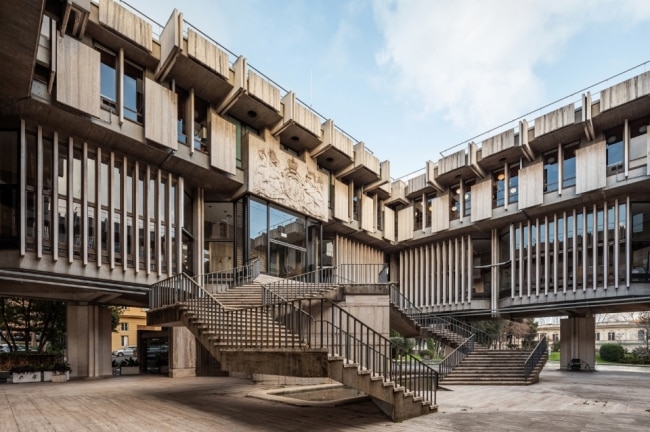
Through Nigel Green’s photography and Owen Hopkins’s prose, the new Blue Crow Media book Brutalist London explores an era when architecture shaped the city’s future as a collective social project.
As Russia returns and Israel re-enters the 2026 edition, the Venice Biennale reveals a structural paradox: conceived as an open international platform, it has become an institution that cannot exclude.
Tested during Milan Design Week, it’s not an alternative to the smartphone but a device that introduces a different visual language – somewhere between a camera and a drone.
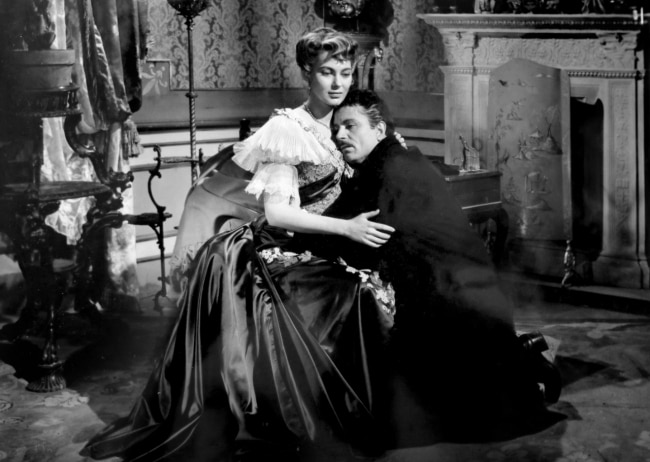
Twenty years after the original, between influencers, editorial crisis and nostalgia, the sequel returns to portrait a system that has changed everywhere — with no auteur ambitions whatsoever.
Over the weekend of the 2026 Rome Marathon, New Balance transformed the Corsie Sistine into a temple of running, turning it into a place of care, recovery, and community for participants.