


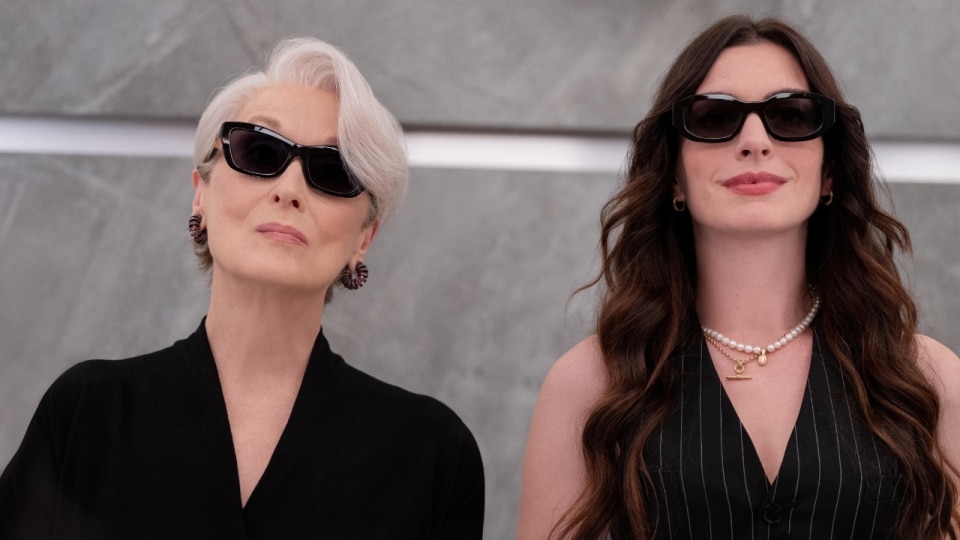
At the dawn of the fashion blogger “epidemic”, in 2011 Franca Sozzani described them in a famous editorial on Vogue.it as people “with no fashion cultural background whatsoever”. She criticized their “naif and enthusiastic” approach, arguing that their opinions held no value for industry insiders. She had identified the main enemy of the ancien régime — a world where a magazine's authority no longer carries the weight it once did against the democracy of social virality.
One can only wonder what she would have said watching the Italian premiere of The Devil Wears Prada 2, packed with influencers and creators, and already drawing the same criticism for its guests, outfits and questionable attitudes.
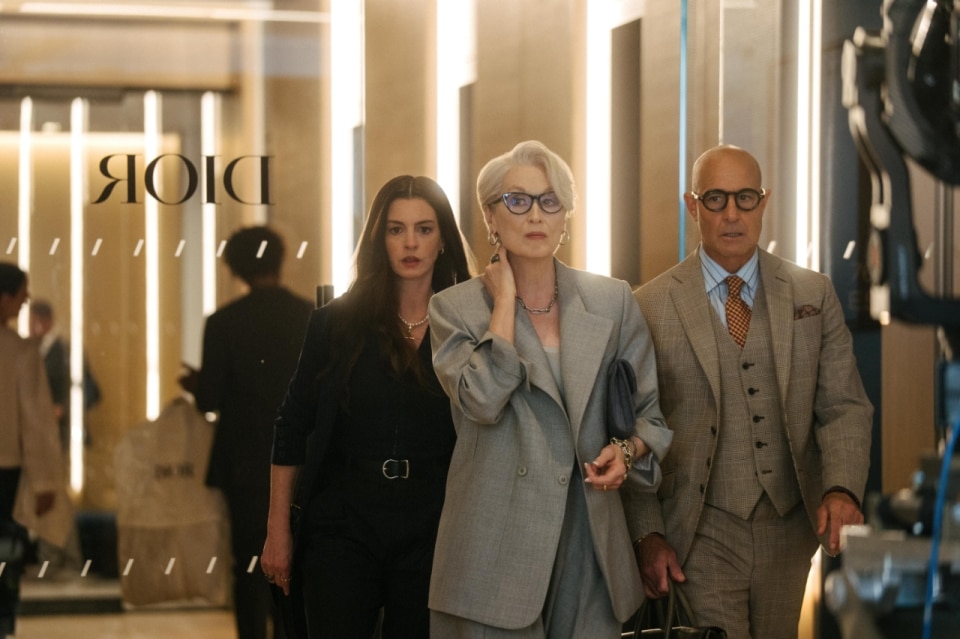
Nearly twenty years have passed since the first chapter, back in 2006. A time when fashion still seemed able to tell its own story through a handful of gatekeepers, and editorial media set the pace of the collective imagination. Today, that same system has exploded, fragmented, redistributed. And yet it has not become any clearer for it.
Despite this radical transformation, the effort to adapt to digital change still feels like a work in progress — perhaps because that underlying fear of losing authority is slowly coming true. The Italian premiere is just one piece of evidence of a shift that played out first on the red carpet, and then, almost immediately, on the big screen.
And yet the devil is back in Prada, while the system itself seems to dress no one anymore — except through sales that are becoming less and less private.
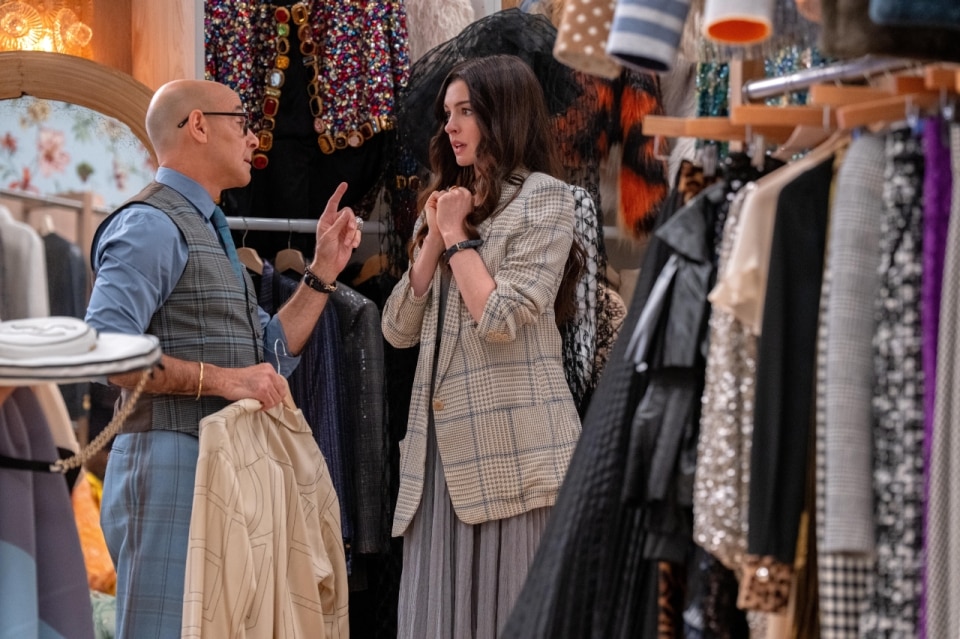
The wait is over, after years of rumors and the leads' resistance to returning to those roles. Honestly, no one was ever that desperate for a sequel: that bittersweet little fable felt like a closed chapter.
And yet the devil is back in Prada, while the system itself seems to dress no one anymore — except through sales that are becoming less and less private.
Since 2006, the original film has shaped a global imagination, turning an often cruel reality into a glittering dream. The “Devil Wears Prada attitude” has become a category of its own: a shorthand for the snobby, mean, elitist colleague. Today we consider it archaic, and yet it keeps resurfacing. That is where the film proves it has never really aged.
What has really changed (and what hasn't)
The second chapter revolves around a simple question: what has happened to fashion over these twenty years — and, above all, to editorial media?
If the market is saturated, perhaps this pop icon bears some responsibility: it brought millions of people into the industry, turning a profession into a mass aspiration. And yet, now that the toxic dynamics of that world have come to the surface, that narrative no longer holds the same appeal.
Did we need a sequel? Yes — because fashion, for all its ubiquity, struggles to tell its own story coherently.
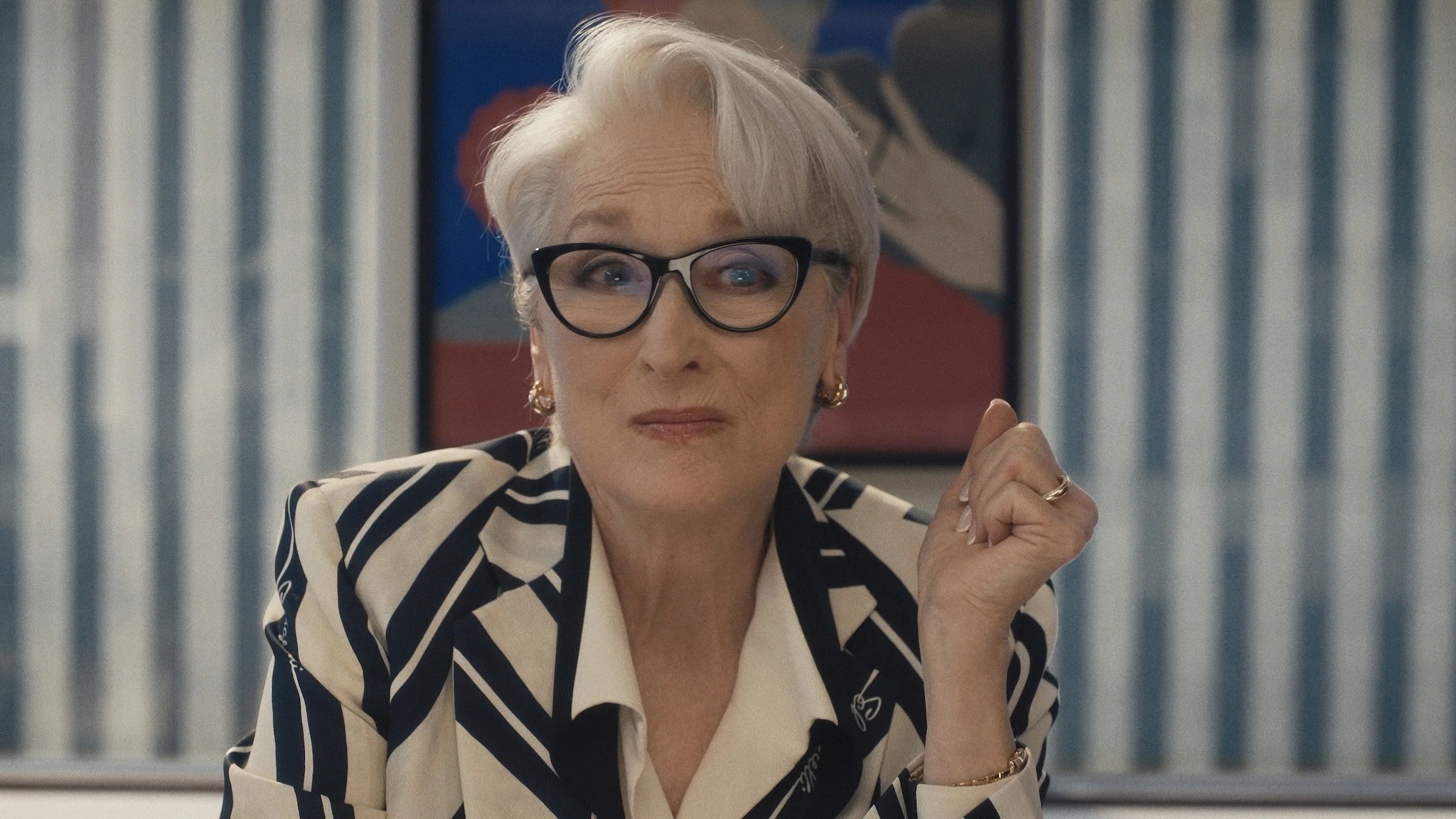
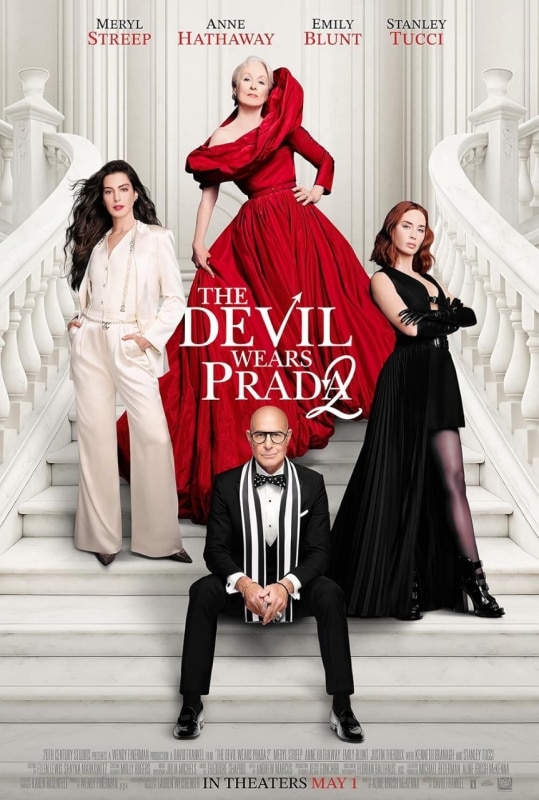
Directed again by David Frankel, with Meryl Streep, Anne Hathaway, Emily Blunt and Stanley Tucci all back, the film is not an auteur work in any strict sense — and that is precisely why it manages to be less fragmented than the reality it describes.
Runway, once a symbol of powerful, structured editorial media, is now trying to survive between social media, fast fashion and a body positivity that is often little more than a statement. And it still took Miranda to say it without filters.
A system that has become hollowed out
There is something still compelling that holds the curiosity. And, like it or not, this sequel is there to show what has truly changed since the first film, which stereotypes have stuck around, and which shifts were cosmetic at best.
Beyond the editorial crisis — which here is not fiction but shared experience — the film stays on the surface, but does so knowingly: it moves through the clichés without cheapening them, puts them on display and hollows them out.
The Devil Wears Prada 2 is, at its core, the pop anatomy of an exhausted system.
This cult continues to be necessary because fashion can no longer construct a credible narrative of itself. So it still needs an imperfect and accessible pop narrative to explain itself.
In fashion, the product has become secondary; in editorial media, the magazine even more so. Runway is now a brand, while the physical object thins out until it almost disappears. A familiar dynamic: those who produce, those who consume, and even those who always felt outside the system end up being part of it anyway.
Like Lauren Weisberger, Andy still imagines writing a book about her boss. That is where the circle closes, bringing everything back to something lived.
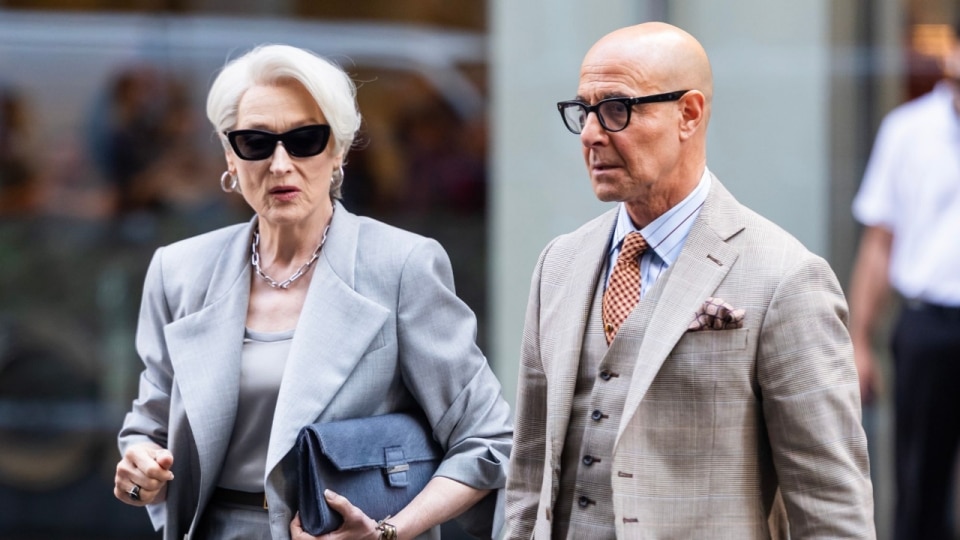
This film remains necessary because fashion can no longer build a credible narrative of itself. So it still needs a pop story — imperfect, accessible — to explain what it is. Even when that story, by now, speaks of a glamour that is slowly losing its edge.