




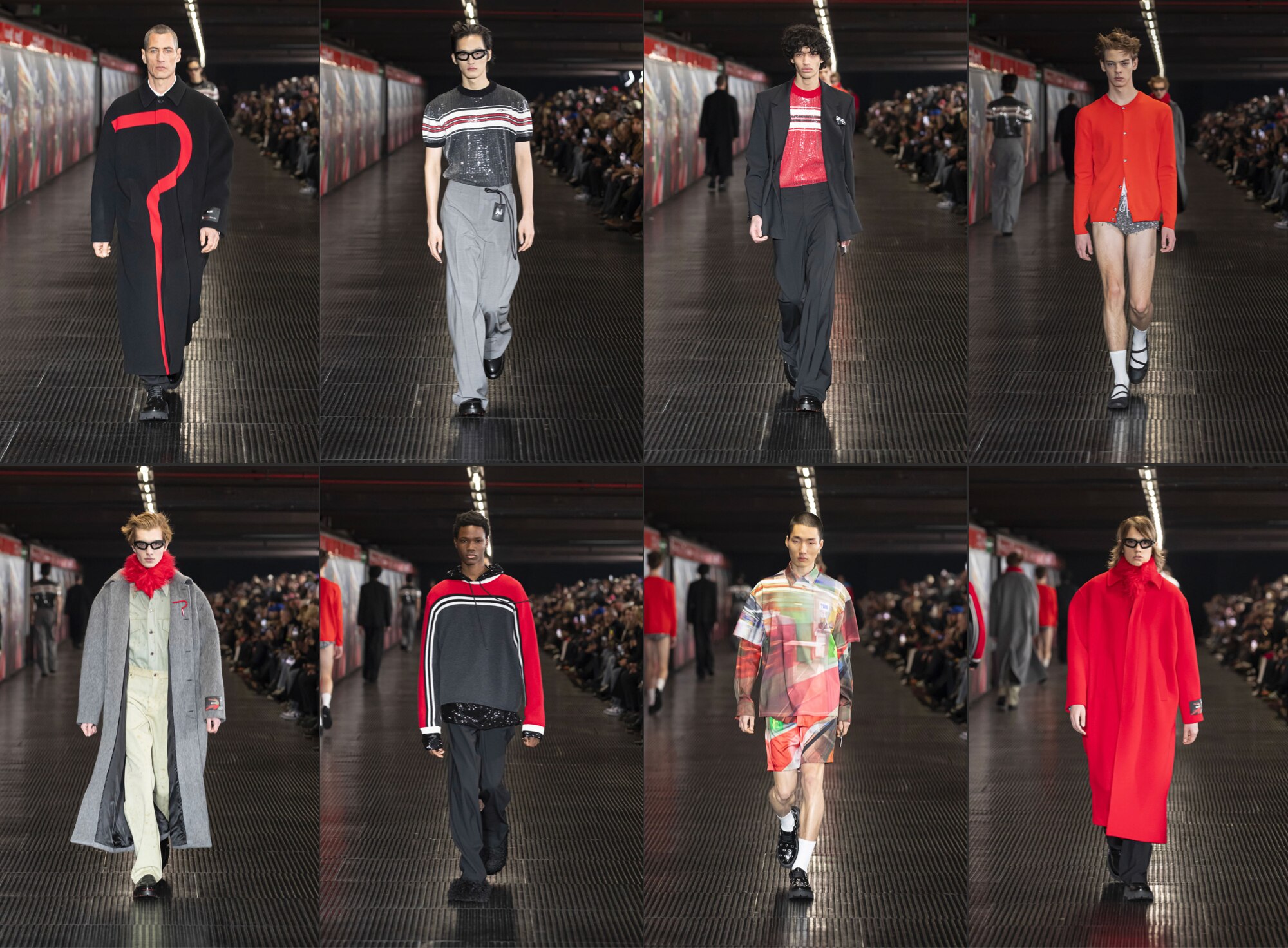
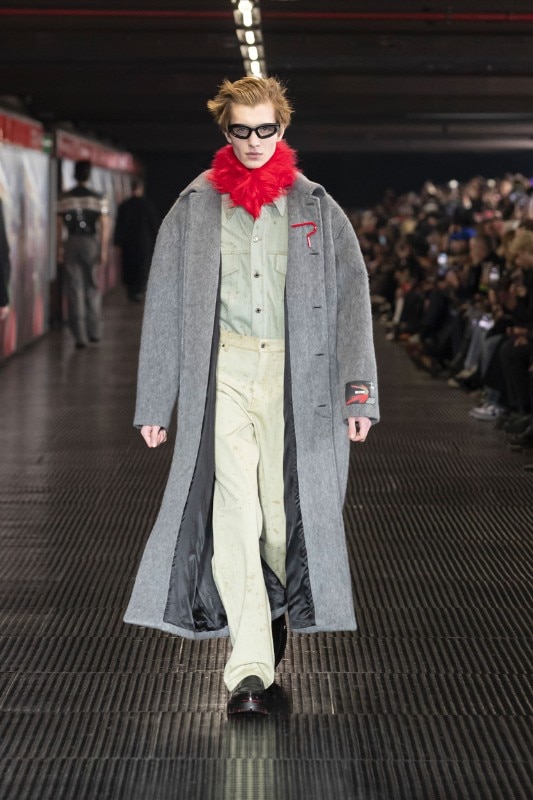
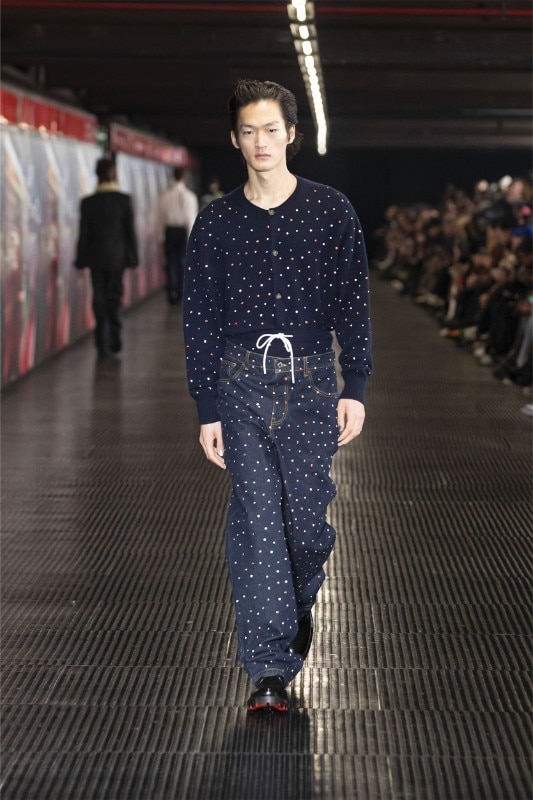
An inescapable connection between architecture and fashion can be traced practically always and in some cases very clearly. Clothes and living are linked etymologically from the Latin habere, to be understood as "to behave," but also in substance: both disciplines are an investigation of the human body as an experience of space and in space. Thus clothes are houses in the shells of the "Craig Green" collection for Moncler, and urban spaces are dressed in Msgm's homage to the Milan subway by Albini and Helg.
 View gallery




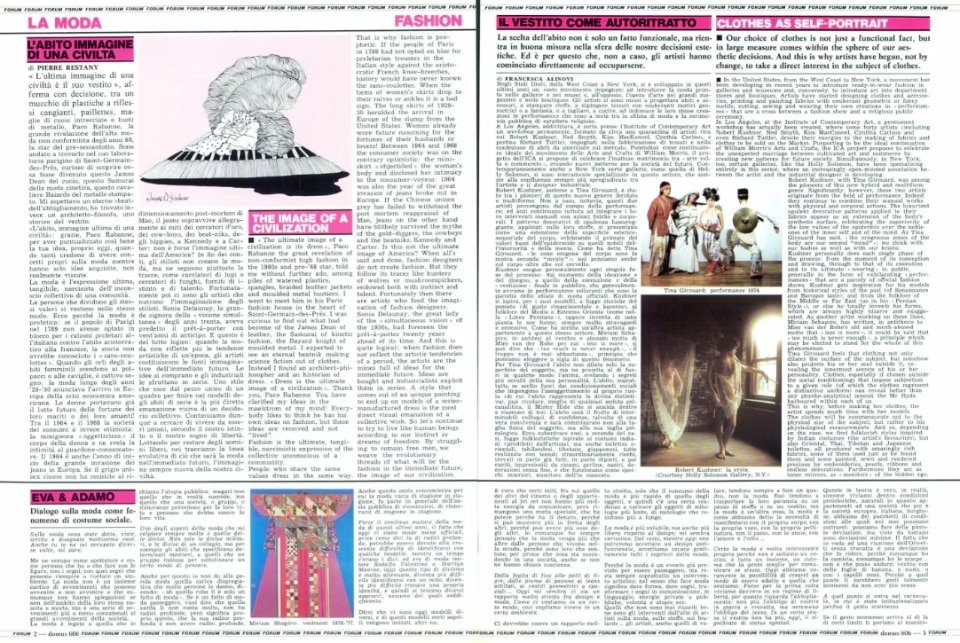
"Architecture and fashion are meeting on the terrain of a function that goes beyond them: that of the presence of the human body, a function that wants to renew itself." Thus opens the interview in Pierre Restany's Domus issue 460 with Paco Rabanne; he, like other fashion designers (other architects), also has a degree in architecture.
Together, fashion and architecture have always represented and documented the most significant passages in human history and, above all, have defined the forms and modes of its evolution; without one ever betraying the other, they have been accomplices in technological, social and political challenges, as attentive observers and ready operators. This relationship ismanifested in the open dialogue between all the elements that, during the shows, relate architecture and fashion.
After a few years of more or less bare and minimal sets, it seems that the catwalks are returning to being far more complex places than just a runway, just as was the case at Chanel under Karl Lagerfeld, where the settings for the shows were practically anything: an airplane, a supermarket, a garden, a forest, and almost always protected by the Art Nouveau vaults of the Grand Palais.
This is evidenced by the sets architected by Amo (the alter ego of Oma) for Prada - sloping planes, grills, industrial surfaces, or the radical sets constructed by Demna, from the catwalk transformed into an artificial snowstorm to the flooded tunnel. Alongside these, there are designers who choose to entrust the narrative of their collections to strongly eloquent places, such as Alessandro Michele's Gucci at Castello Ottagonale, or Jacquemus at Villa Malaparte in Capri.
Without one ever betraying the other, they have been complicit in technological, social and political challenges as keen observers and ready workers.
And zooming in, the architecture is in the clothes themselves: in the pleated textures of Issey Miyake, in the Sicilian majolica decorations printed on Dolce & Gabbana's garments, in the parametric volumes of Balenciaga.
Both disciplines are an investigation of the human body as an experience of space and in space.
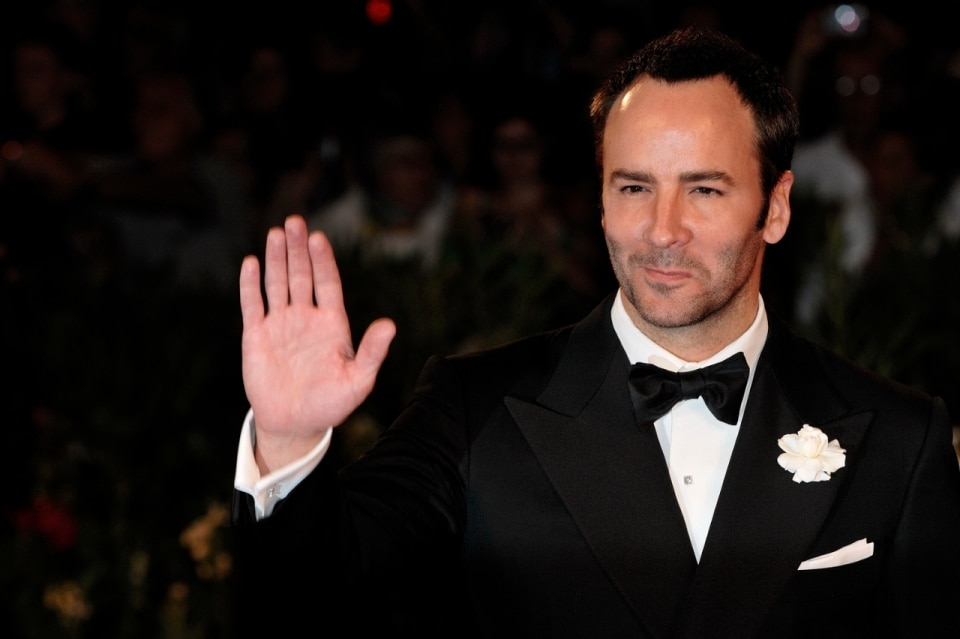
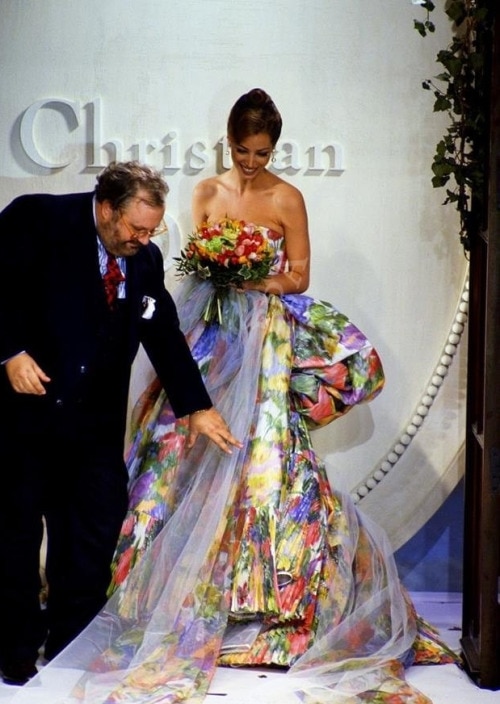
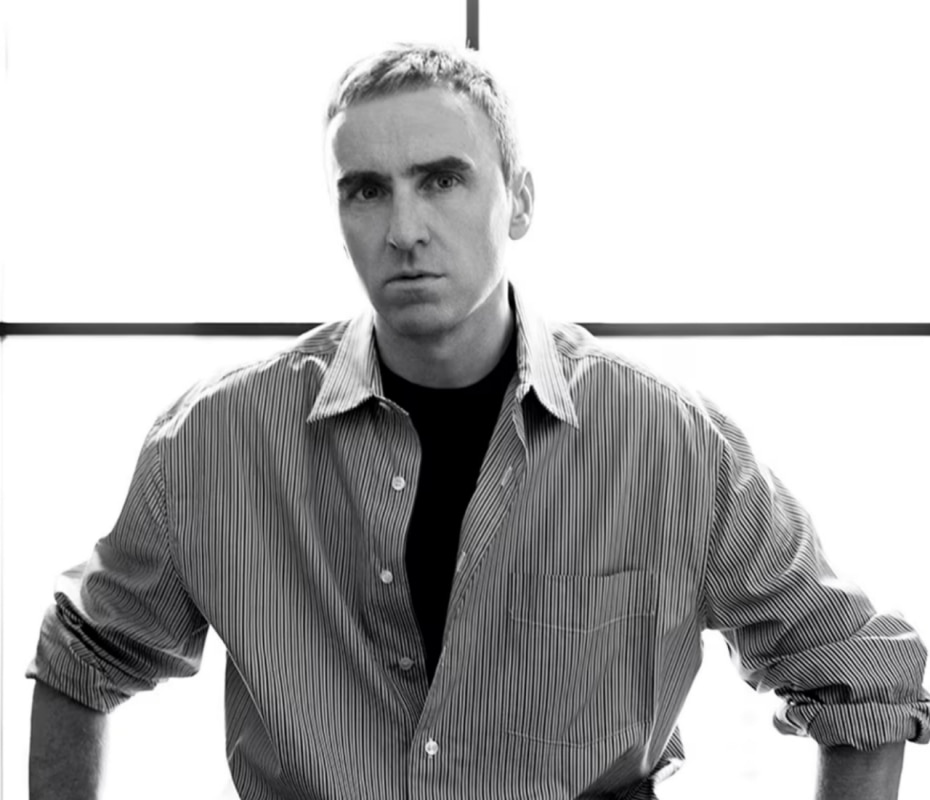
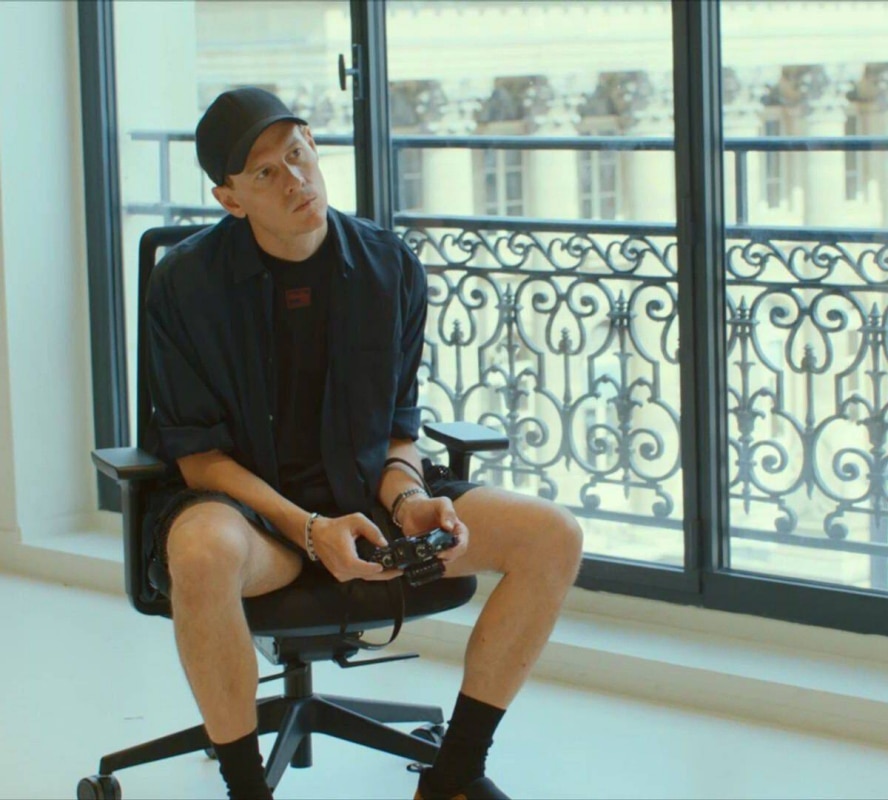
It is therefore not surprising that in the biographies of great designers, beginnings and training often happen in the fields of architectural or interior or furniture design. It is an entirely natural transition from one scale of design to another. In the gallery five extraordinary designers who did not study fashion.