


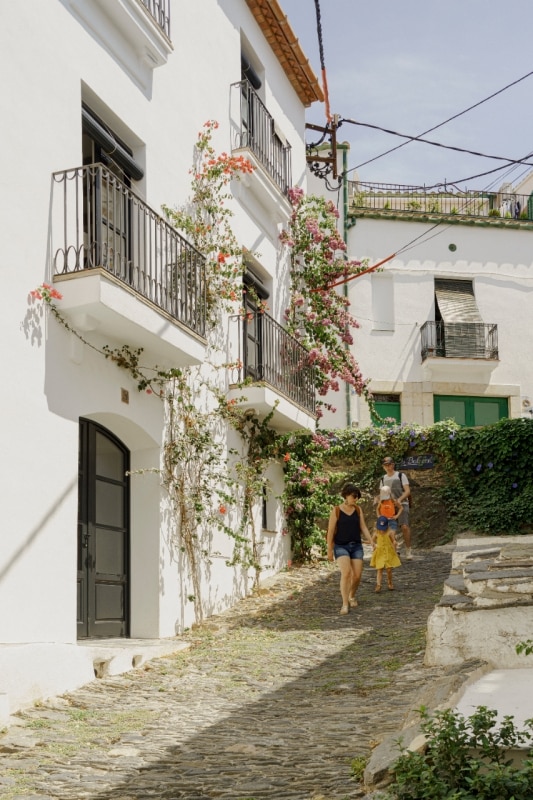
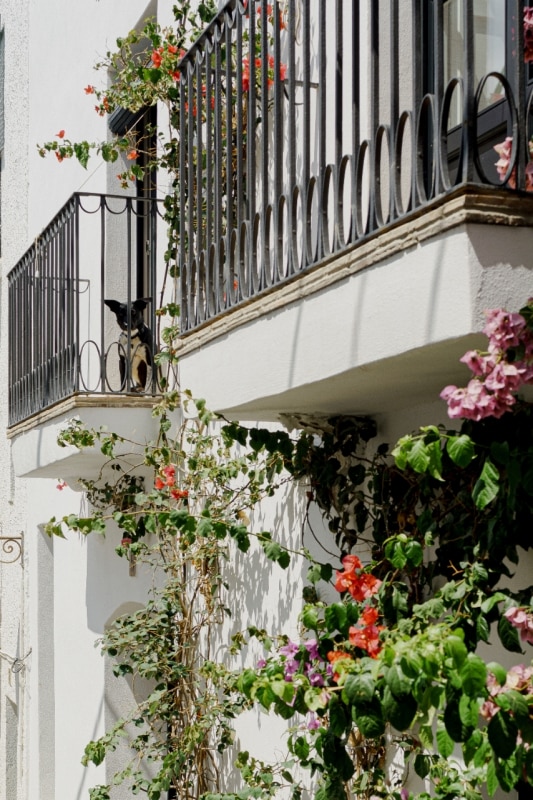
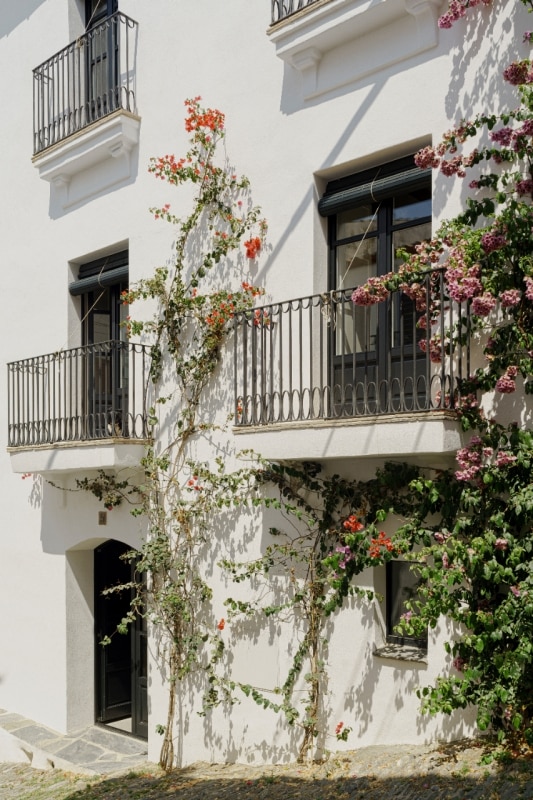
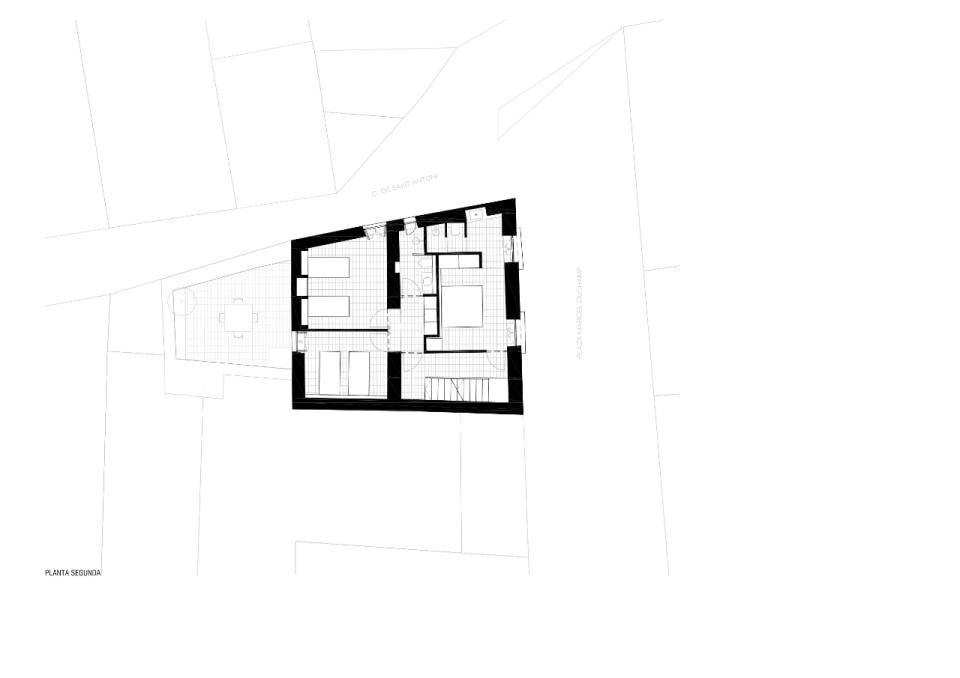
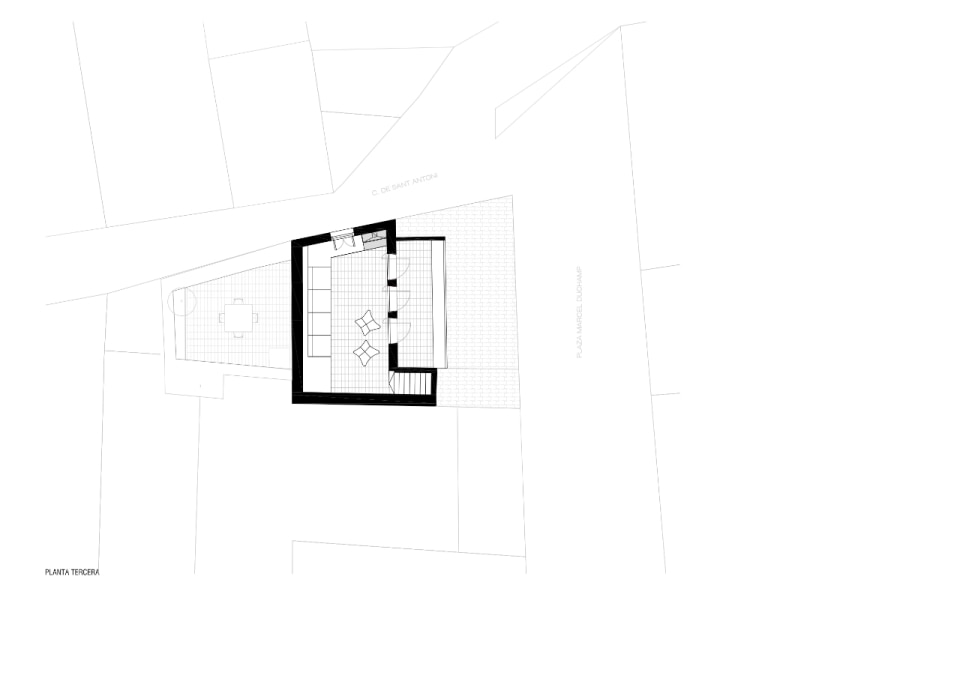
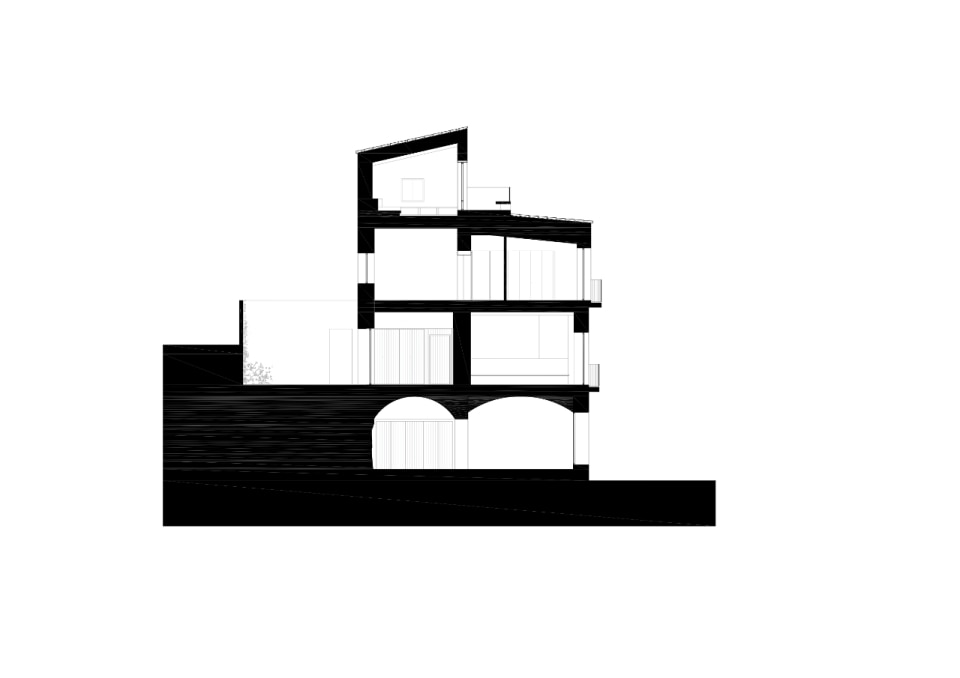
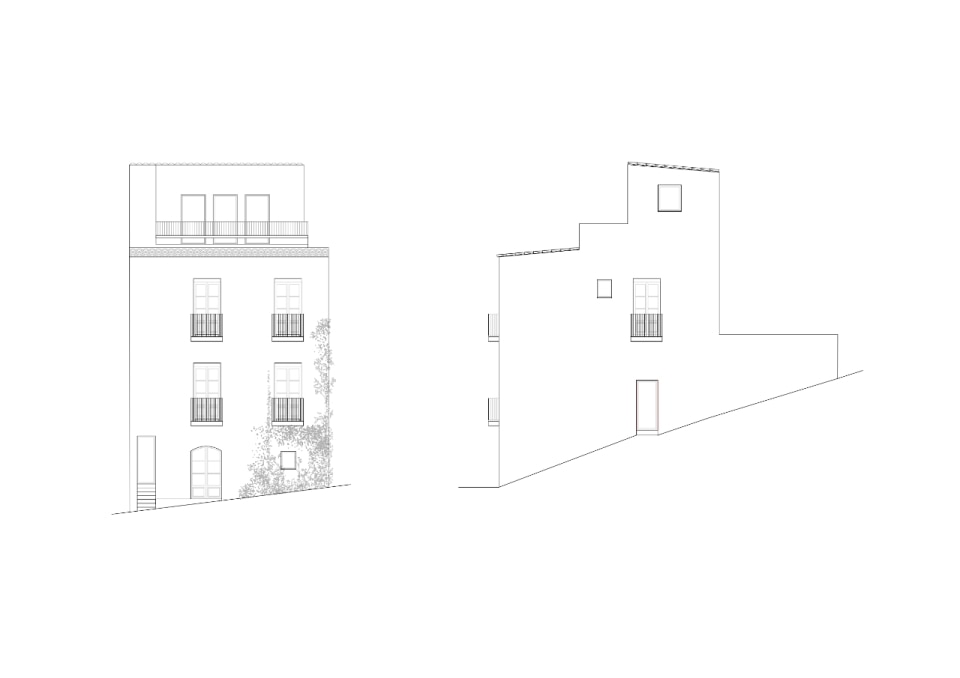
This house, located in the province of Girona in Cadaqués, is a significant piece of local history. The renovation of “casas de pescadores” (fishermen's houses) is widespread in Spain: many of these dwellings, built over the centuries with local materials and vernacular techniques, are being restored, reused or adapted to preserve their architectural history while updating them for contemporary use. One such house is that of Salvador Dalí, the surrealist artist who spent part of his life in Cadaqués, specifically in the small village of Portlligat, from 1930 until his wife Gala's death.
Embracing the past in the contemporary project
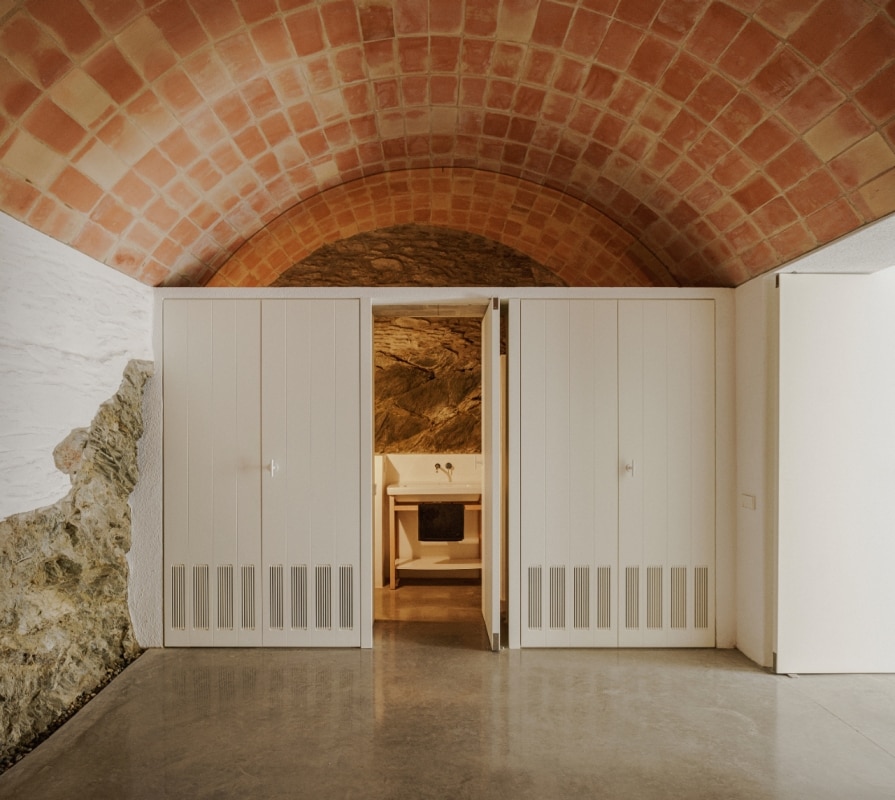
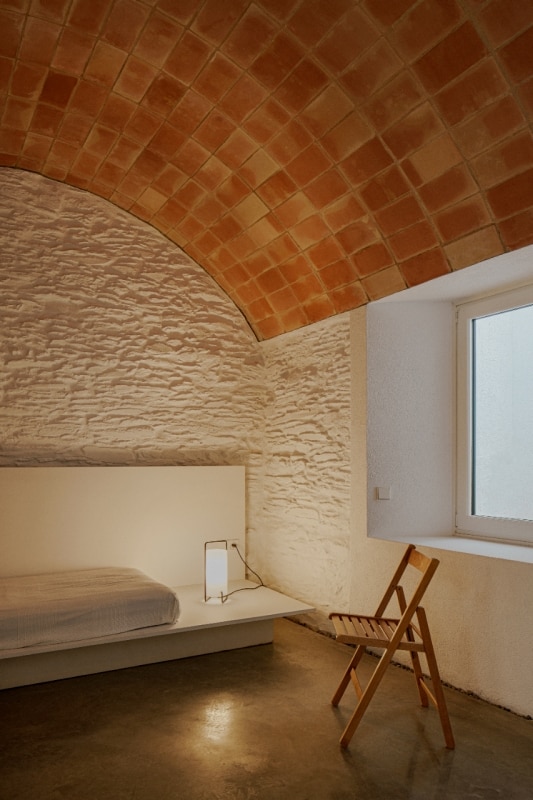
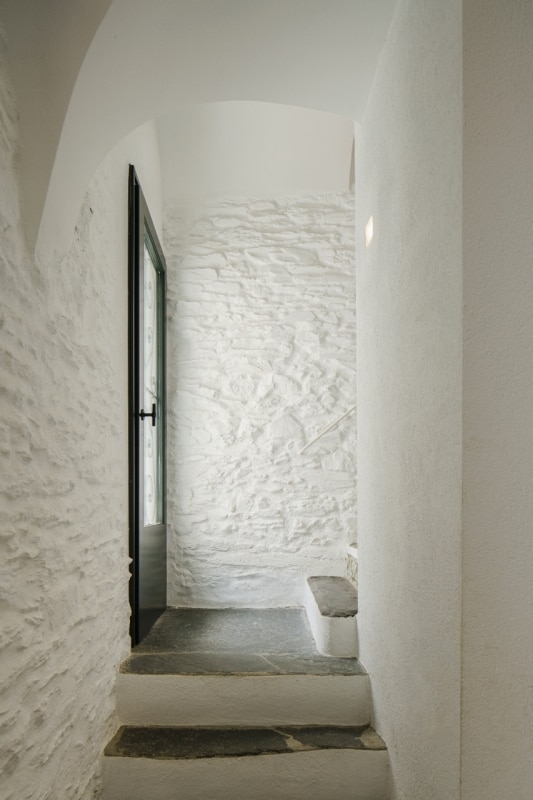
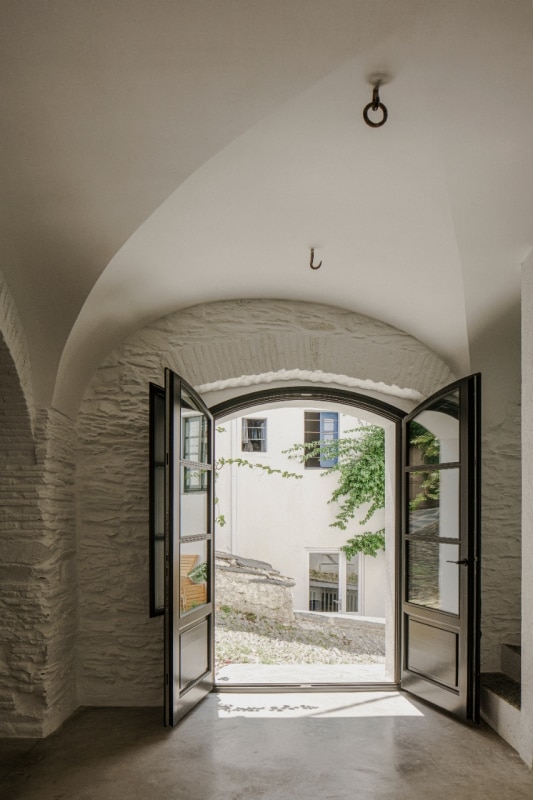
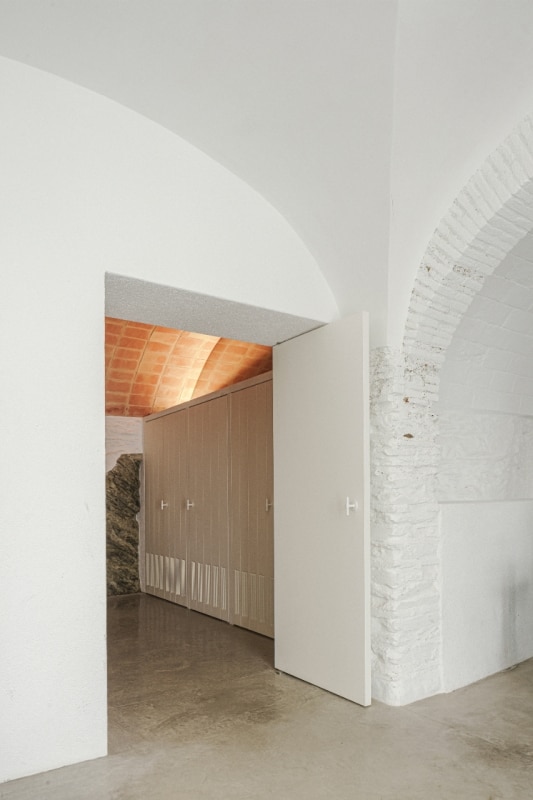
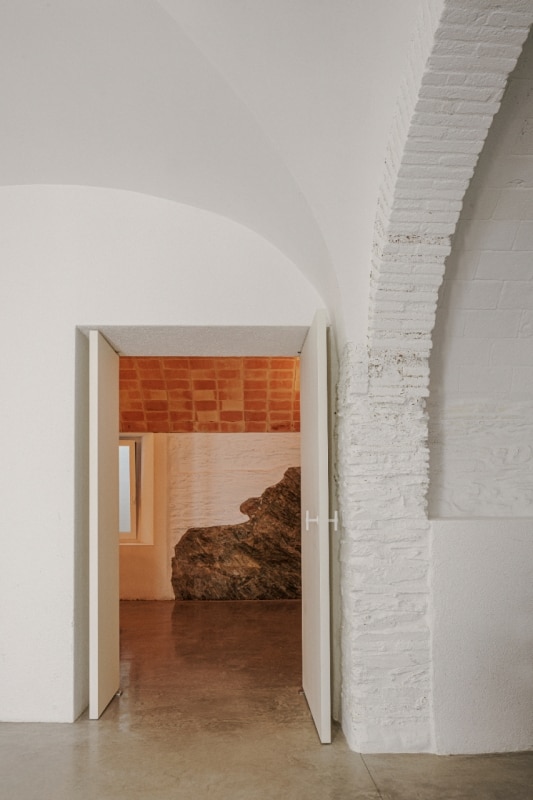
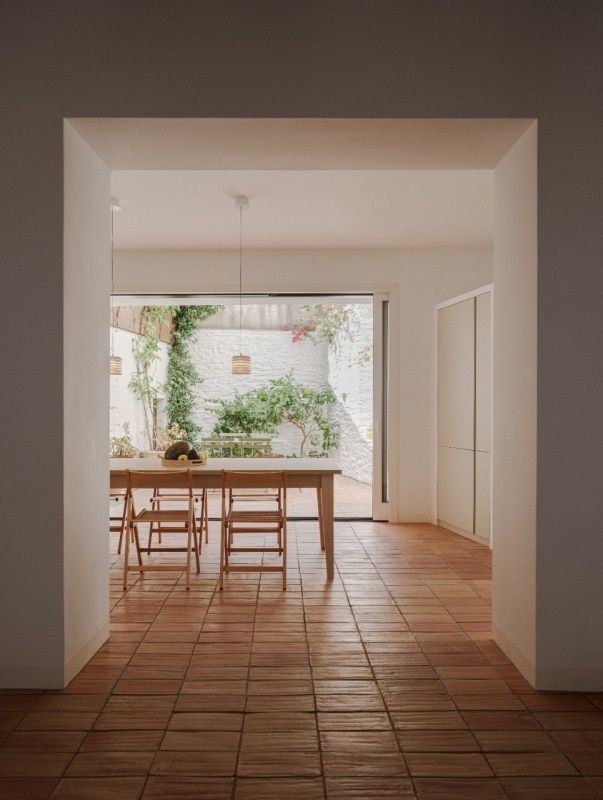
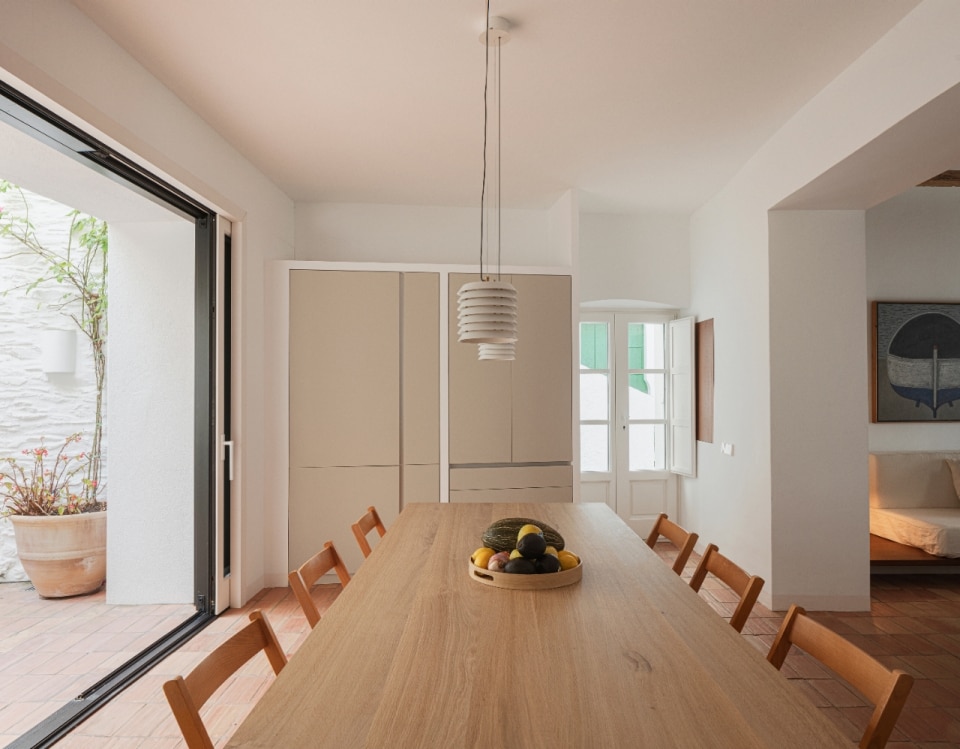
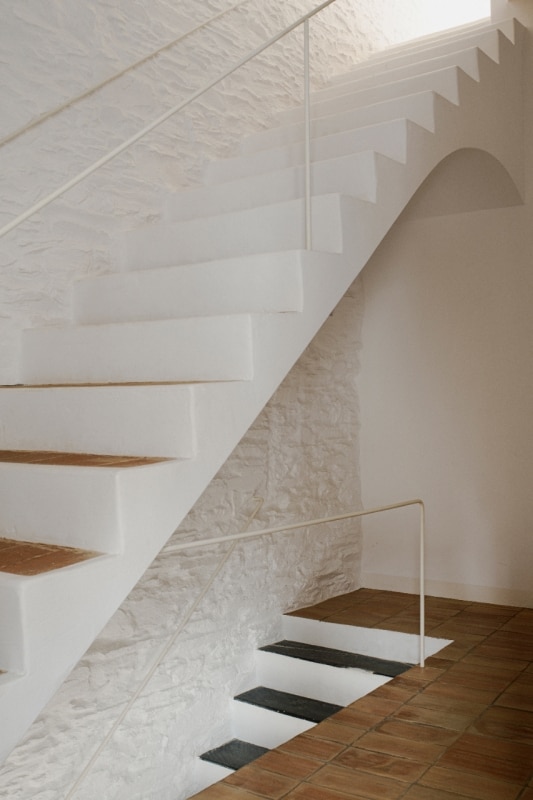
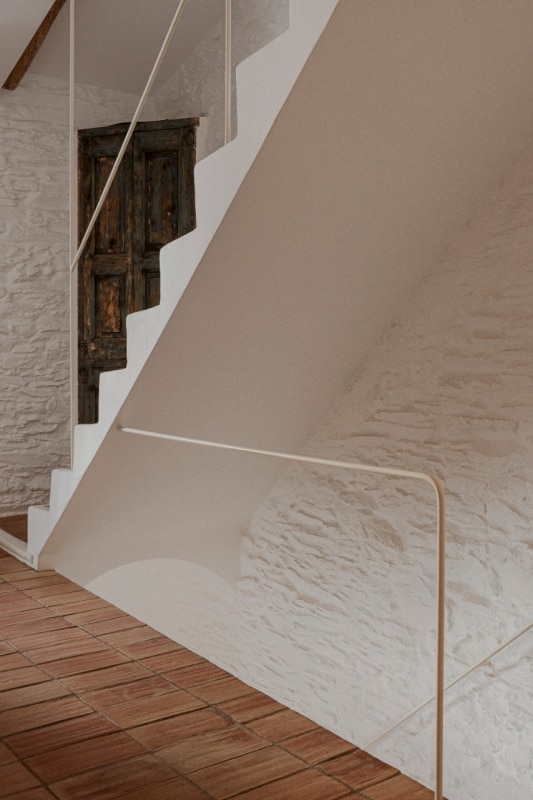
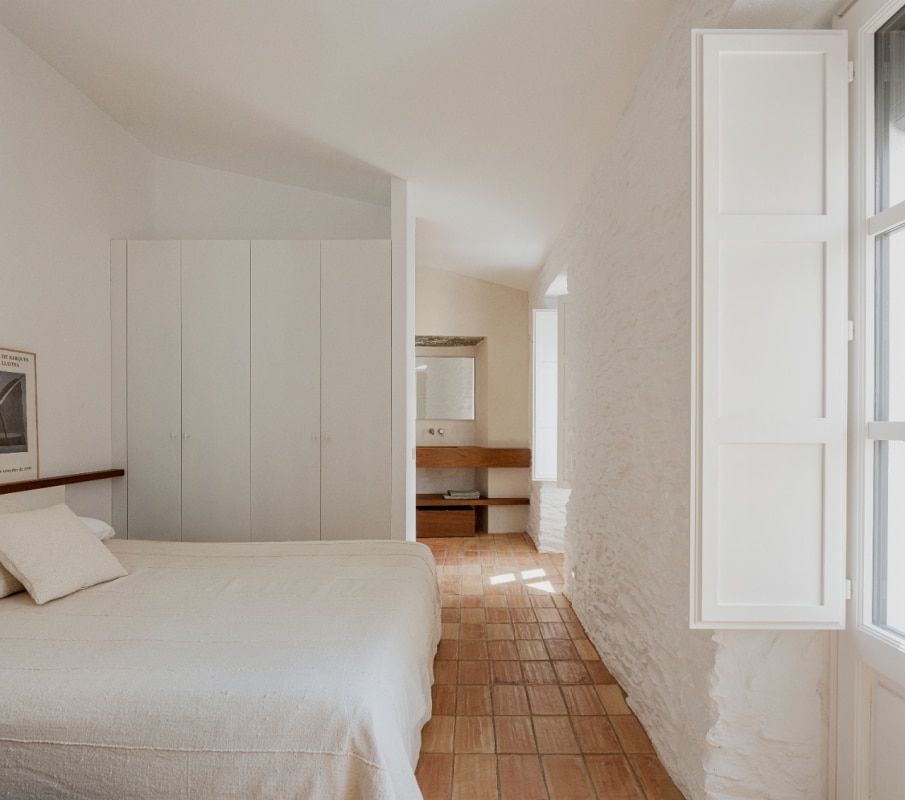
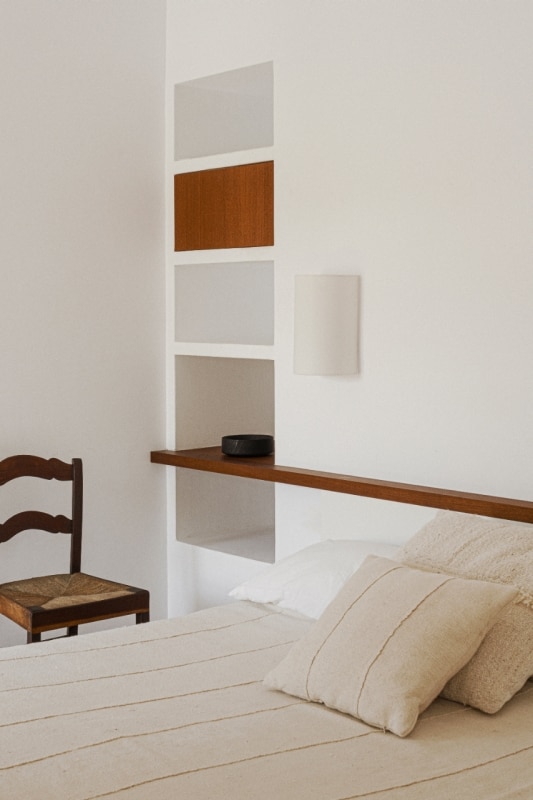
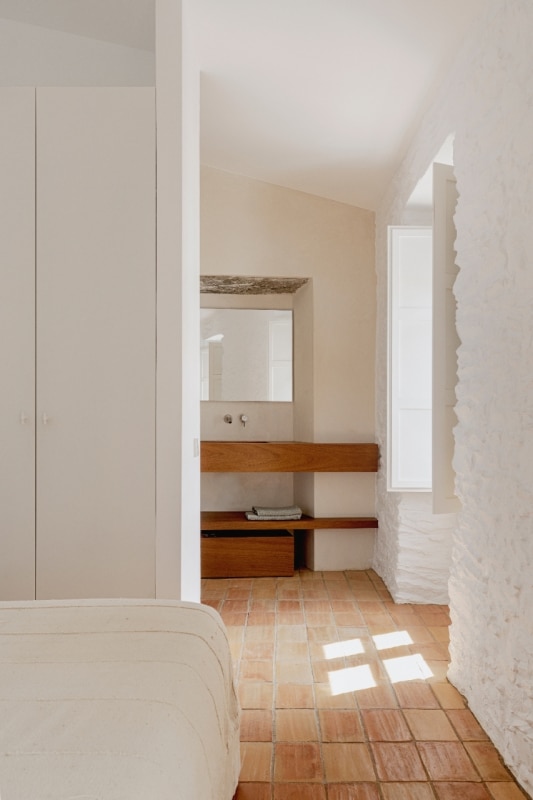
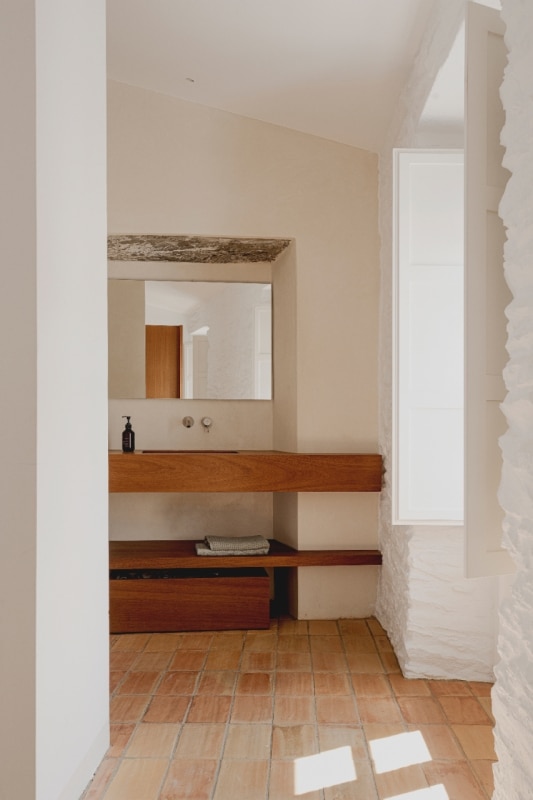
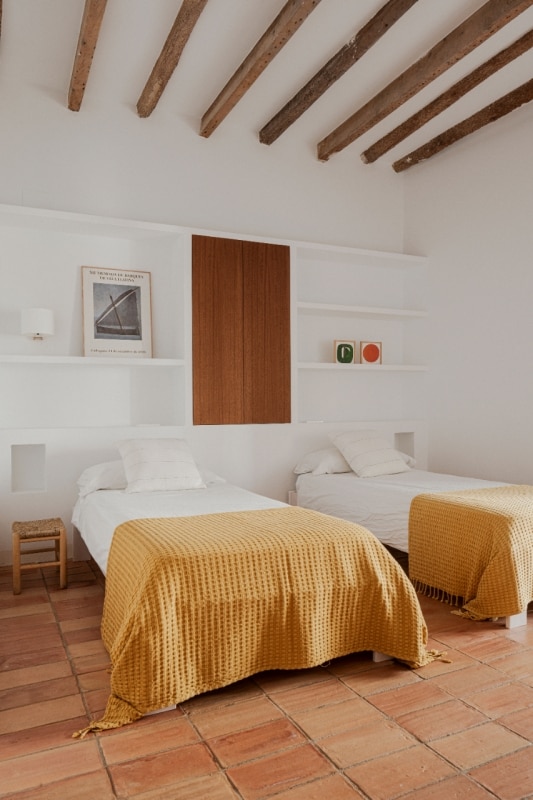
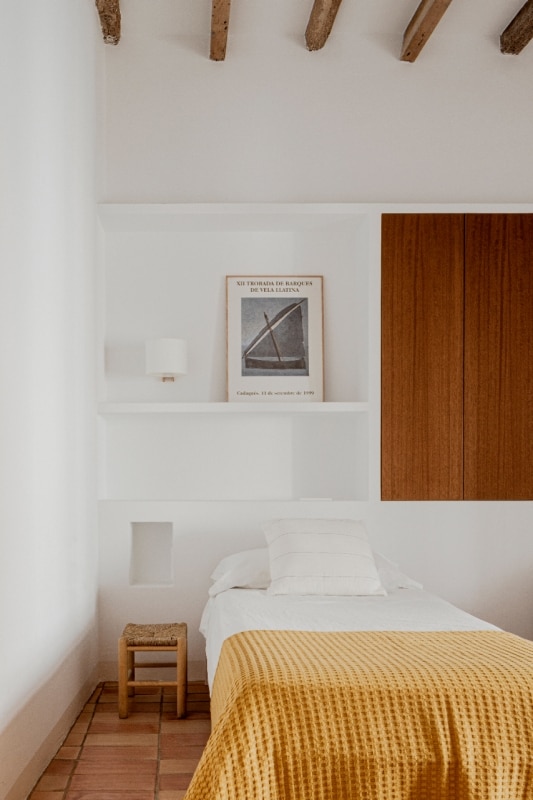
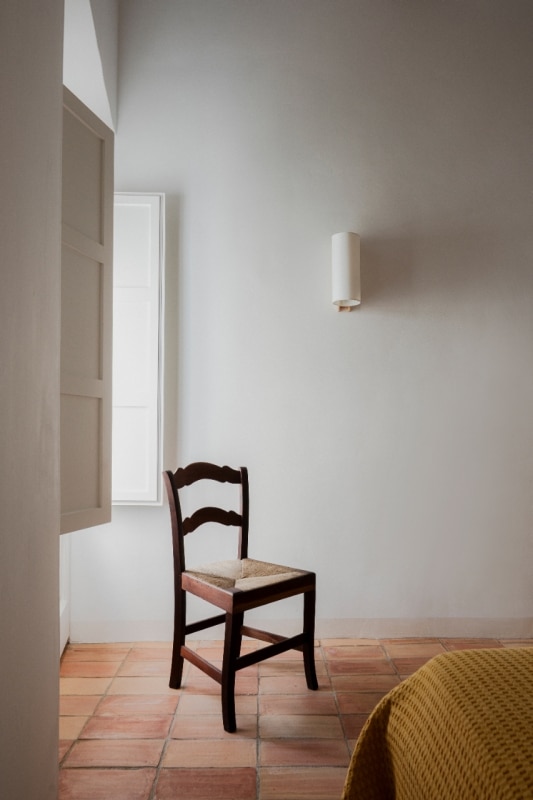
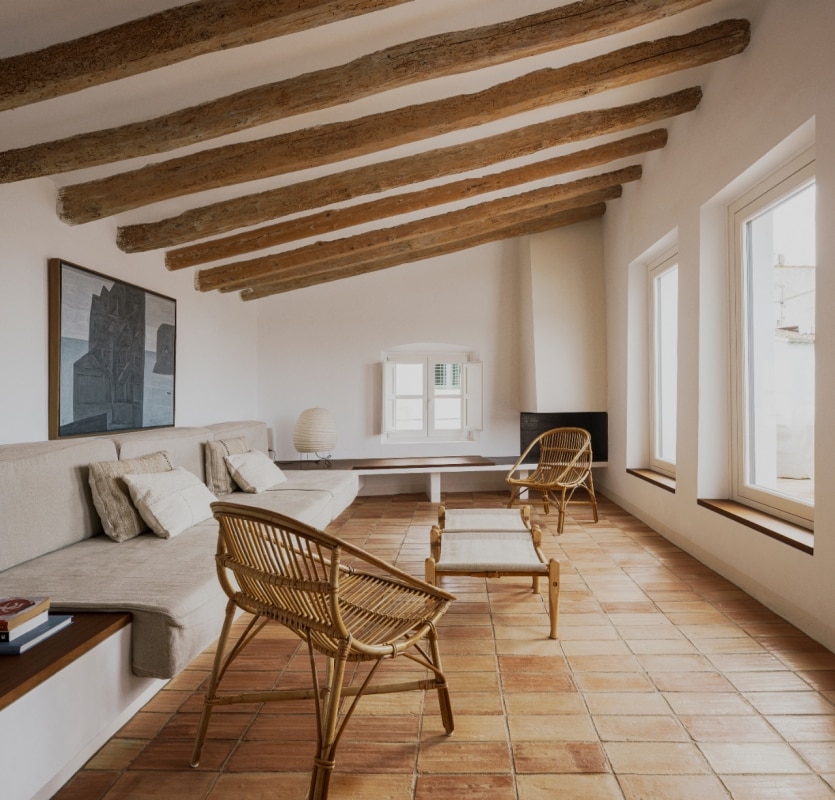
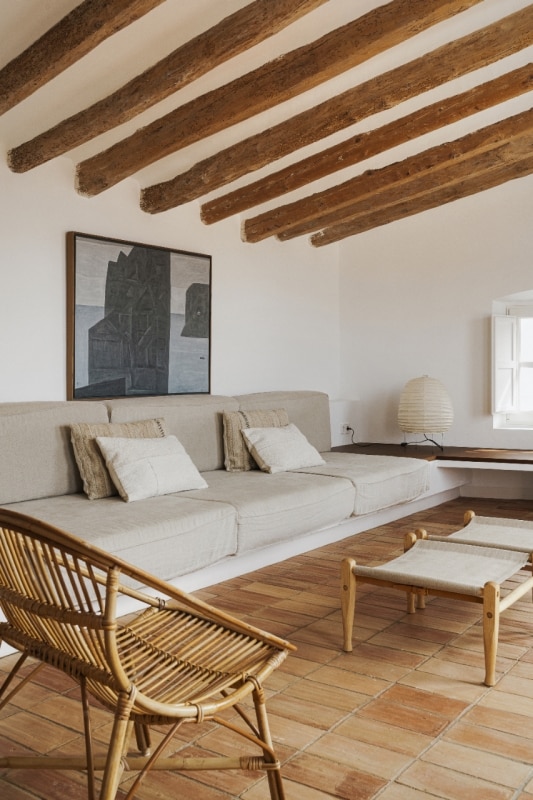
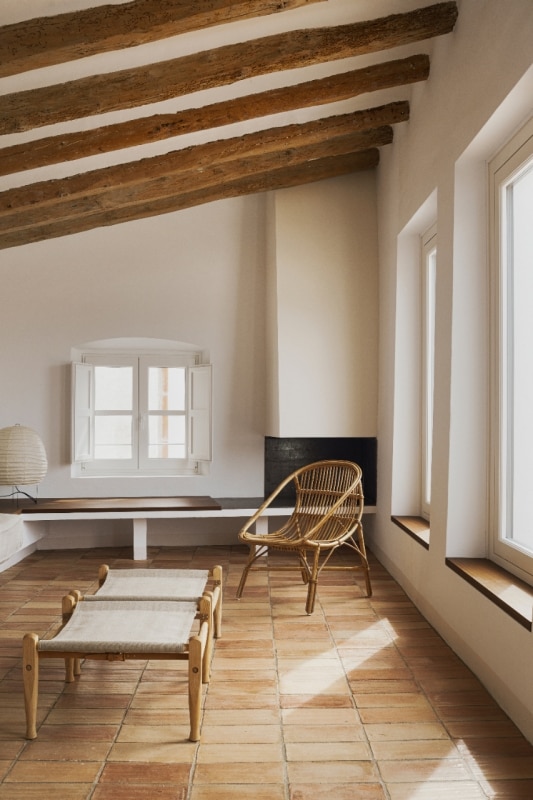
While Dalí's house has become a museum, many former fishermen's houses are undergoing modernisation. The project by Bea Portabella and Jordi Pagès is a concrete example of how contemporary renovation can coexist with the material and immaterial heritage of a building, establishing a dialogue between its different historical phases. Catalan vaults, original terracotta, reclaimed tiles, exposed wooden ceiling beams and thick stone walls all re-emerge as integral elements of the house's past, sensitively incorporated to create continuity and authenticity.
This house is a prime example of how a contemporary renovation can establish a dialogue between the building's various historical phases.
A look at the layout of the spaces
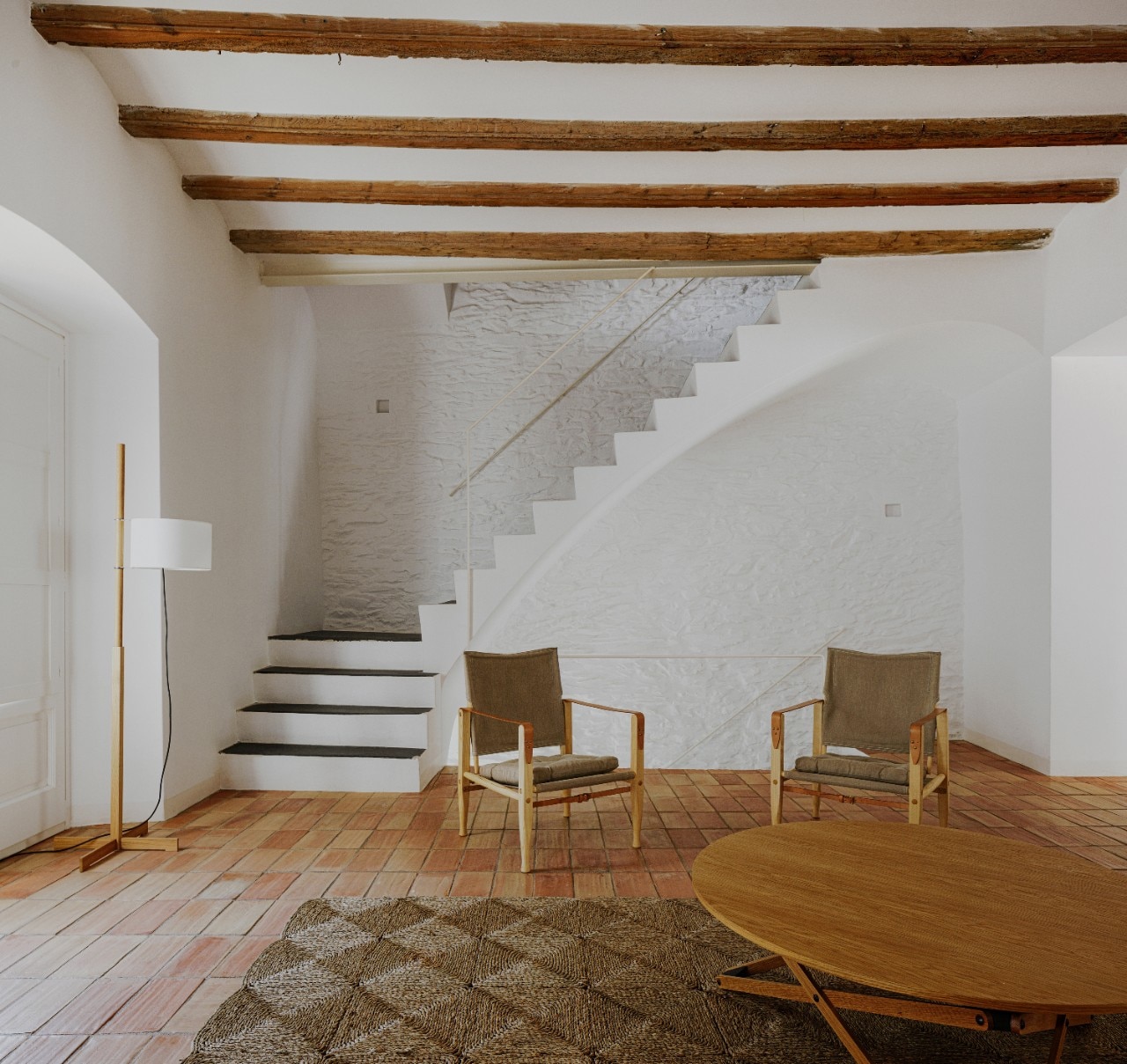
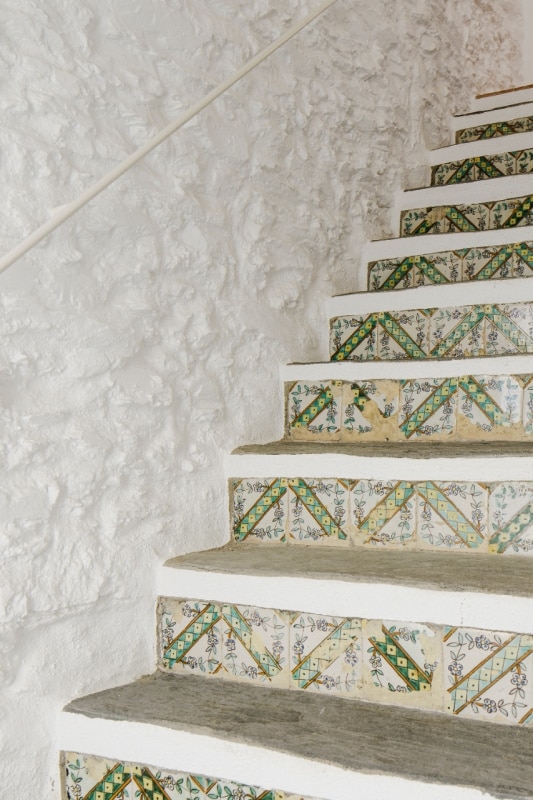
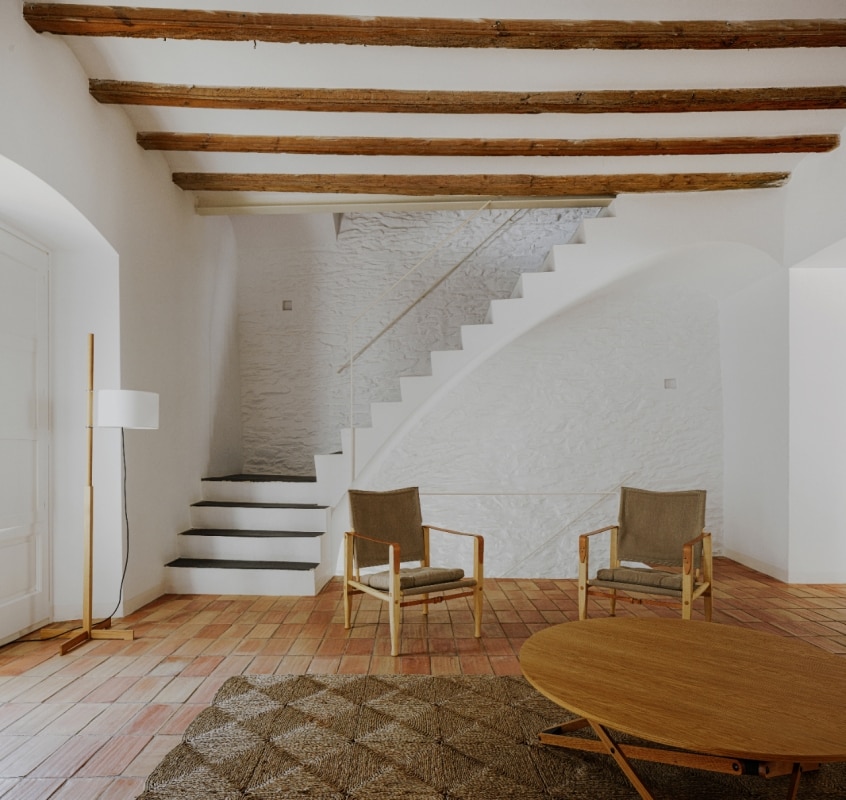
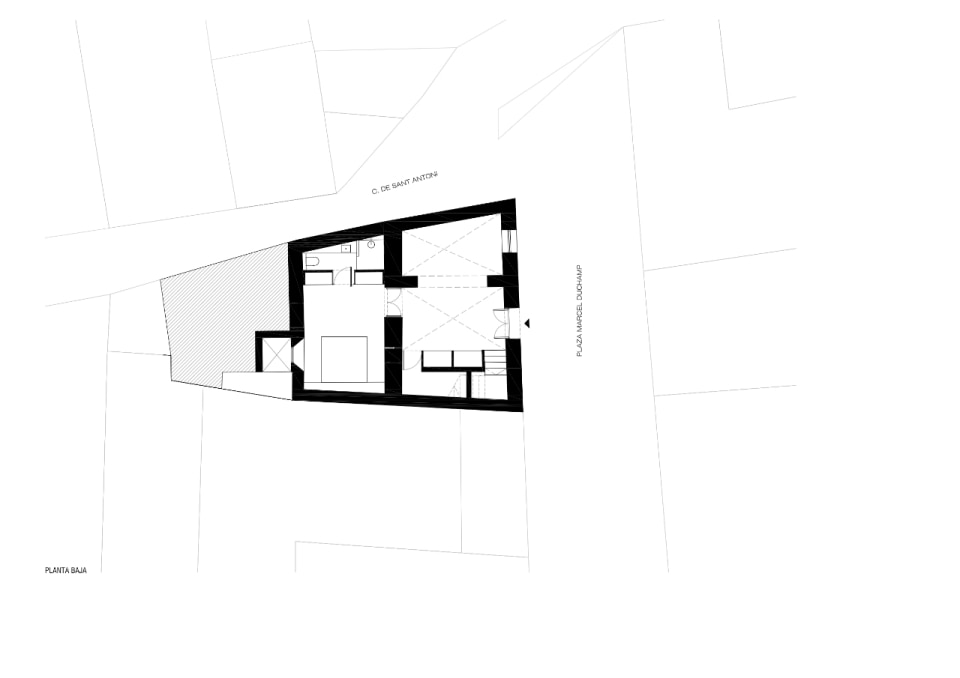
The ground floor retains its traditional structural configuration, characterised by the original Catalan vault. It is a flexible space designed for collective activities or practical functions. Moving up to the first floor, the staircase leaning against the load-bearing wall has retained its decorated terracotta tiles, worn by time.
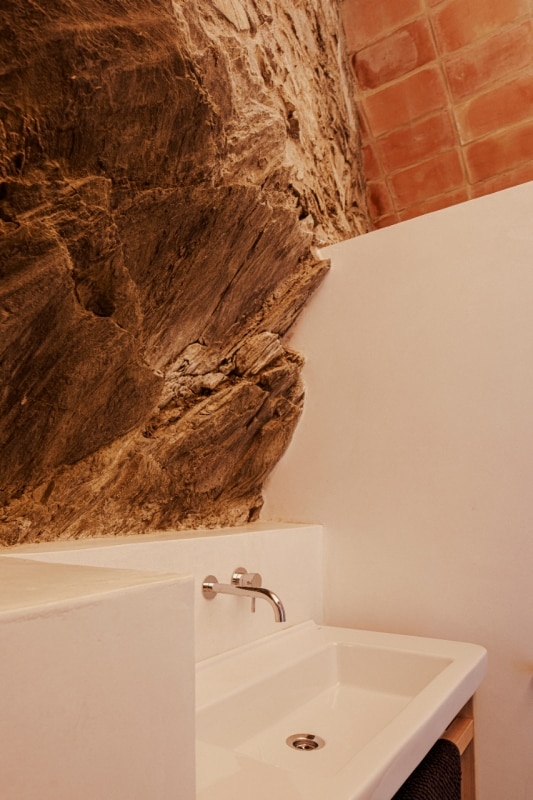
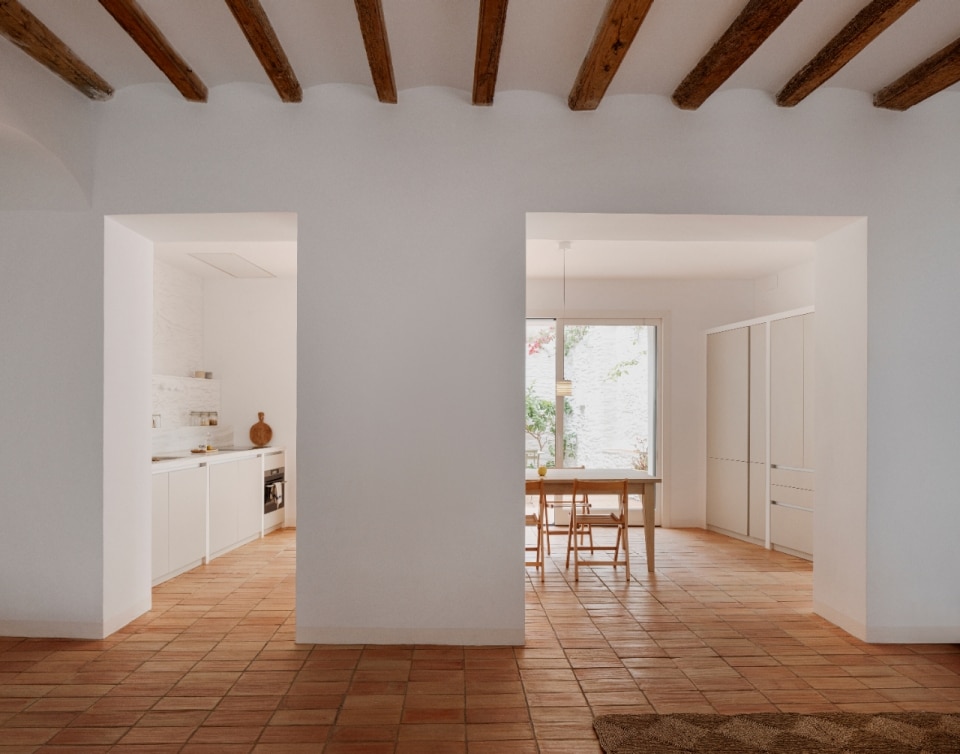
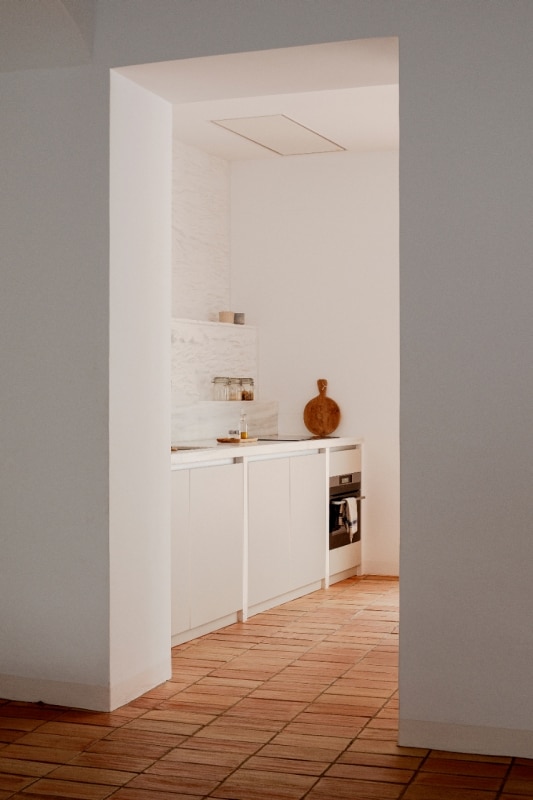
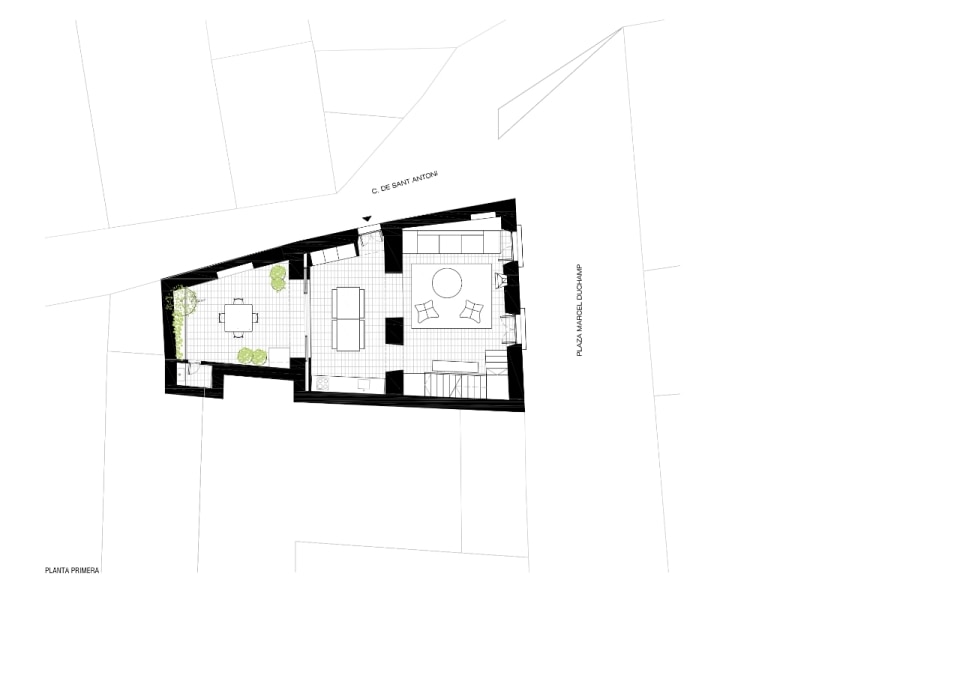
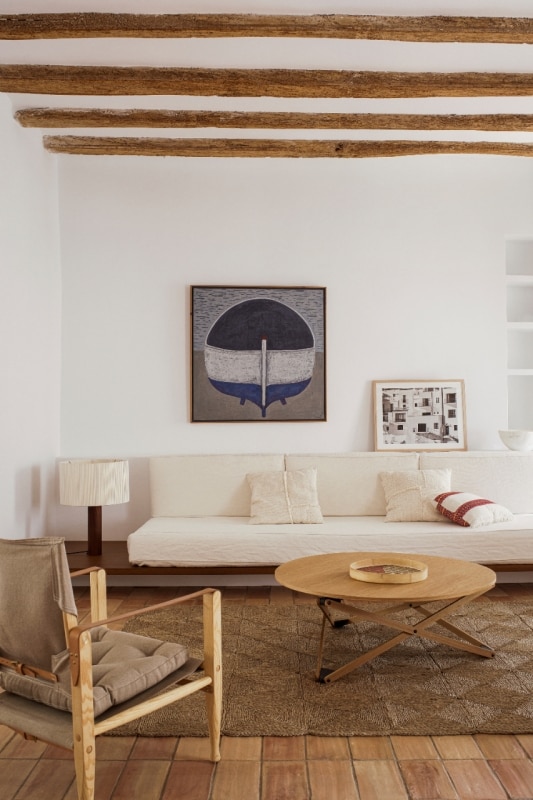
The first floor houses the living area, comprising a kitchen, dining room and living room. Here, the focus of the interventions is on creating openings in the load-bearing walls to establish visual continuity between the rooms and allow light to penetrate from outside to inside. A small patio, carved into the original rock, provides natural light and ventilation, which enhances the materiality of the stone and terracotta flooring. The exposed wooden beam ceilings contrast deliberately with the white plastered walls, giving the house a Mediterranean feel.
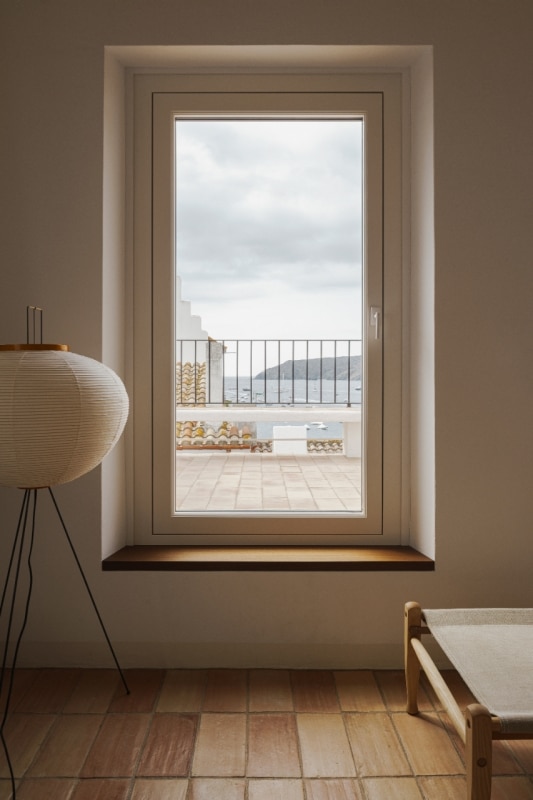
The second floor contains the bedrooms and bathrooms, while the third and top floor, which was probably once used as a service loggia, is now the house's real highlight, boasting a sunny terrace with views of the Mediterranean.