


One of the most delightful things at this year’s Fuorisalone is, surprisingly, a house for animals. Not because there’s a lack of more “serious” design to see, but because when it comes to curating spaces—especially absurd, surreal ones—Toiletpaper rarely misses.
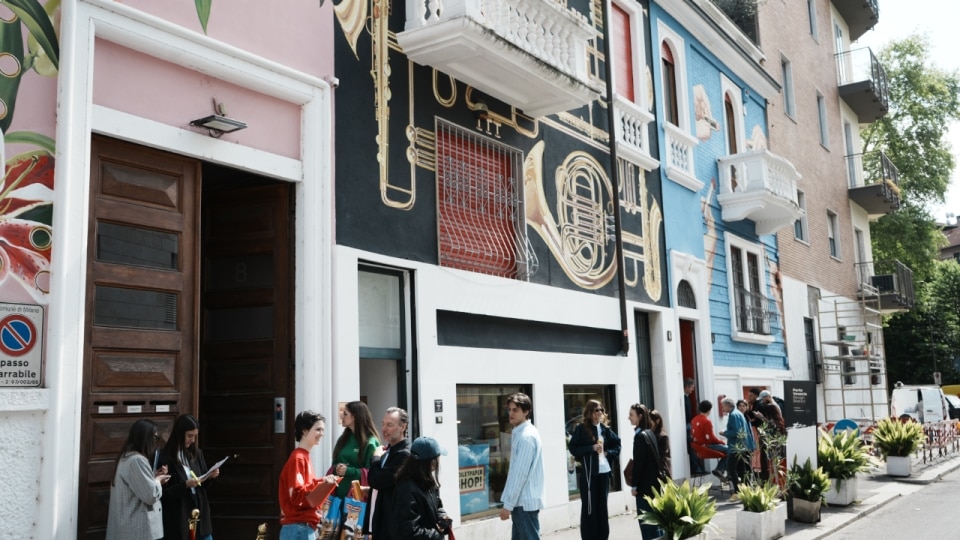
Toiletpaper Living, the row of villas created by the magazine and creative studio founded by Maurizio Cattelan and Pierpaolo Ferrari, has become a landmark of Milan Design Week. Located on Via Balzaretti in the heart of Città Studi, these brightly colored façades sit—quite fittingly—near one of the city’s most beloved dog parks.
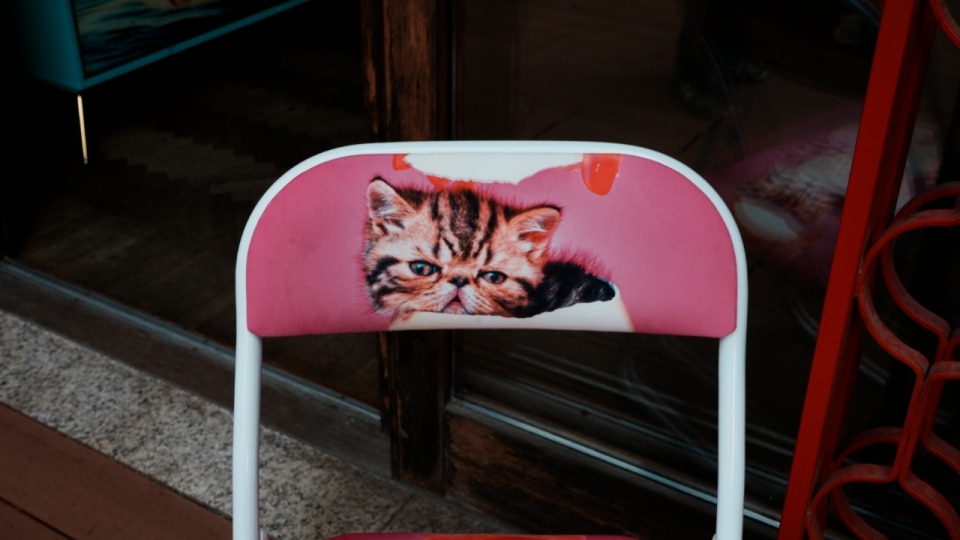
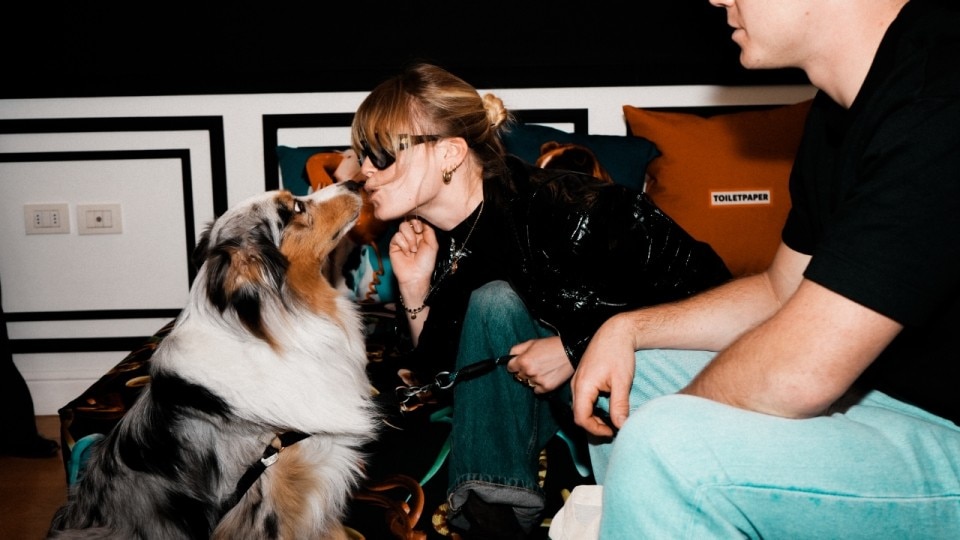
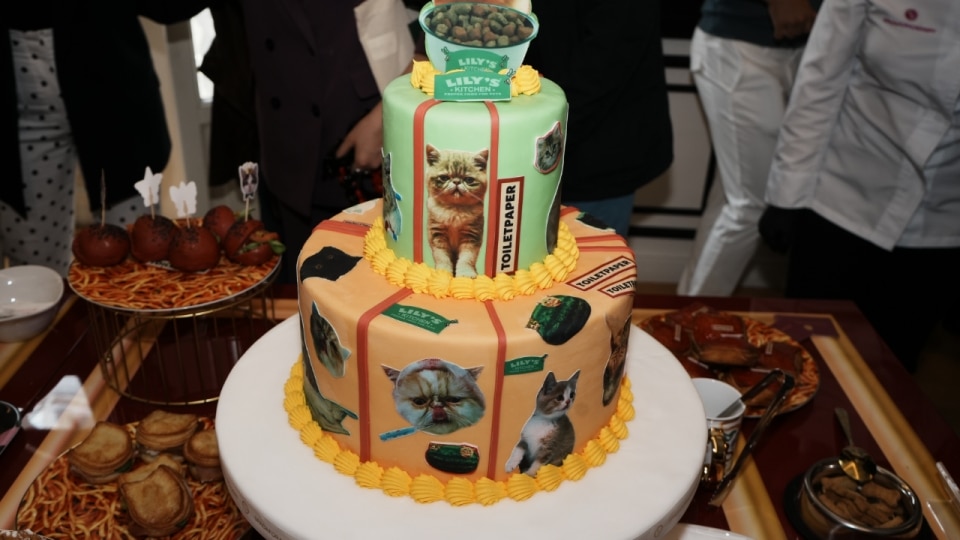
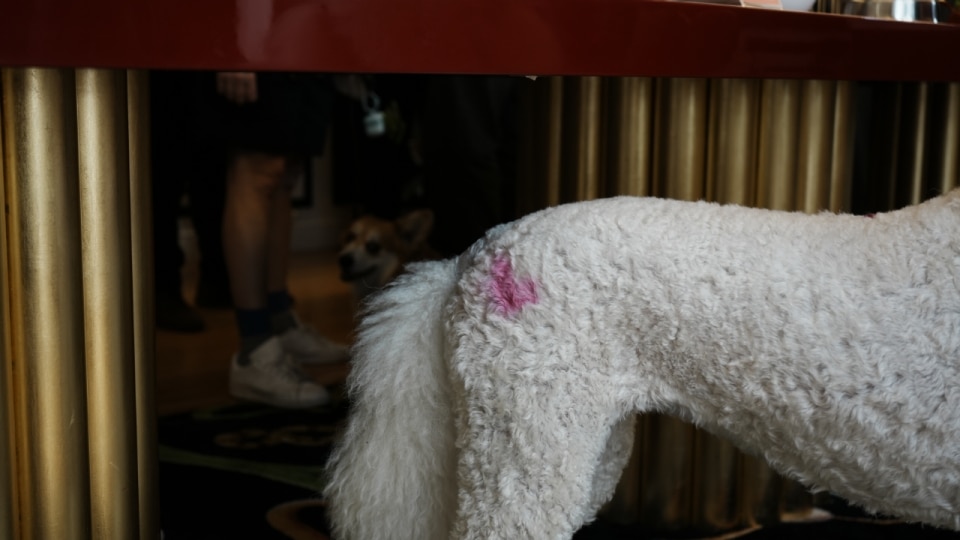
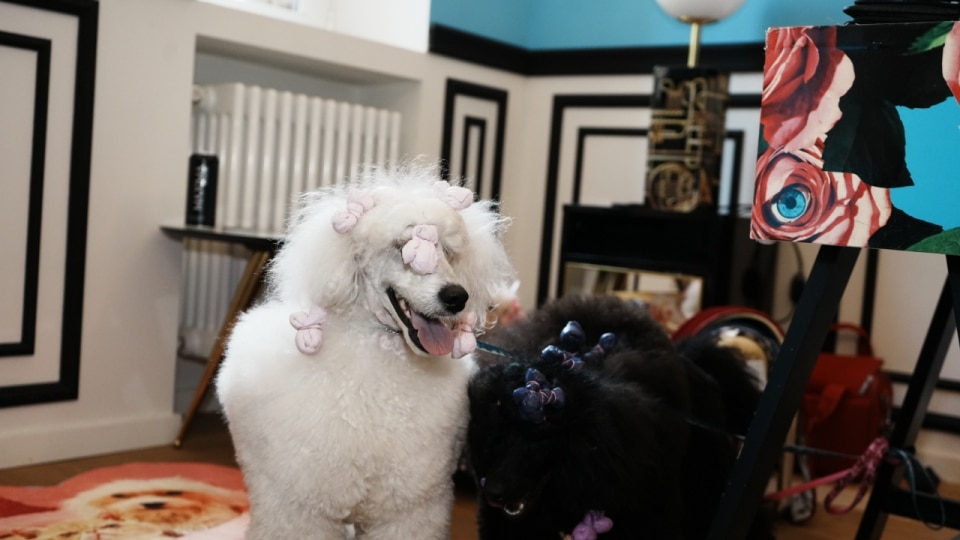
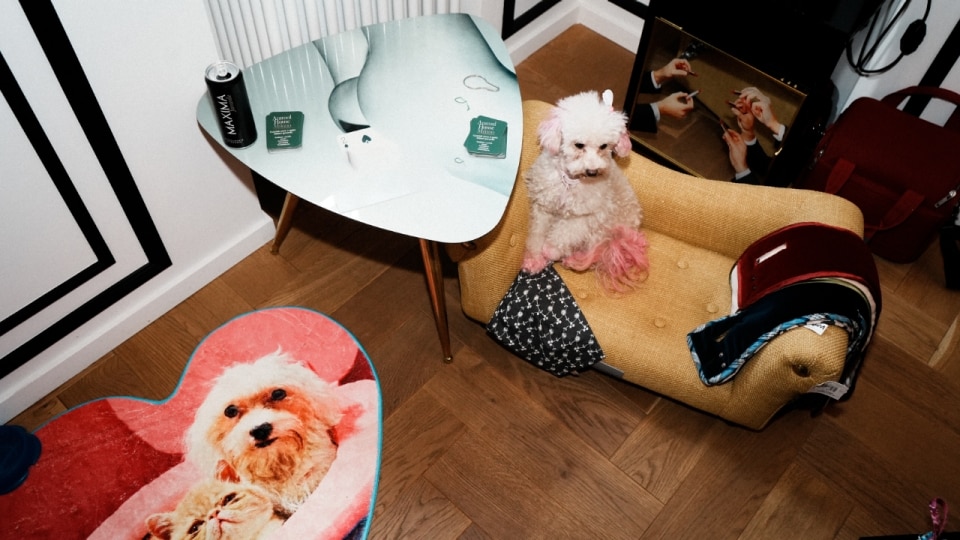
During Fuorisalone, the space transforms into a fully equipped “home for animals,” complete with all the comforts of a human house: a spa area curated by Animal House Milano offering quick grooming sessions; pet-friendly buffets by Lily’s Kitchen; a walk-in closet and bathrooms; and a living area showcasing the latest Seletti x Toiletpaper collaboration, featuring surreal pieces such as a cat’s face sandwiched between two hamburger buns on a decorative cushion.
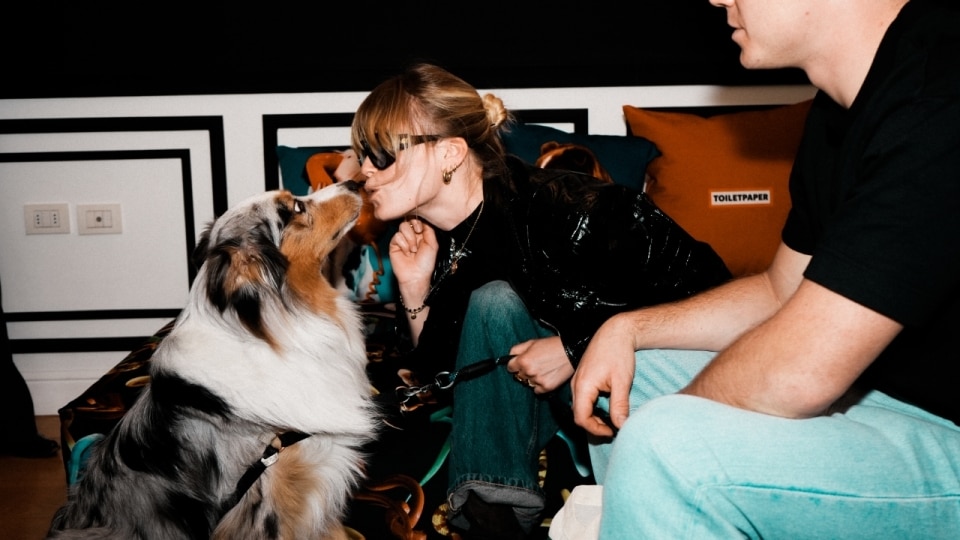
The exhibition, titled “Toiletwalter Paperchandoha,” takes over one of the three Airbnb apartments that Toiletpaper opens during Design Week. Each morning, it hosts a breakfast dedicated entirely to the real protagonists of the space: animals. In a week increasingly filled with minimalist pop-up bars and curated aperitivi, Toiletpaper offers a playful counterpoint—something the staff embodies fully, even as they tend to two chickens wandering in the garden during our visit.
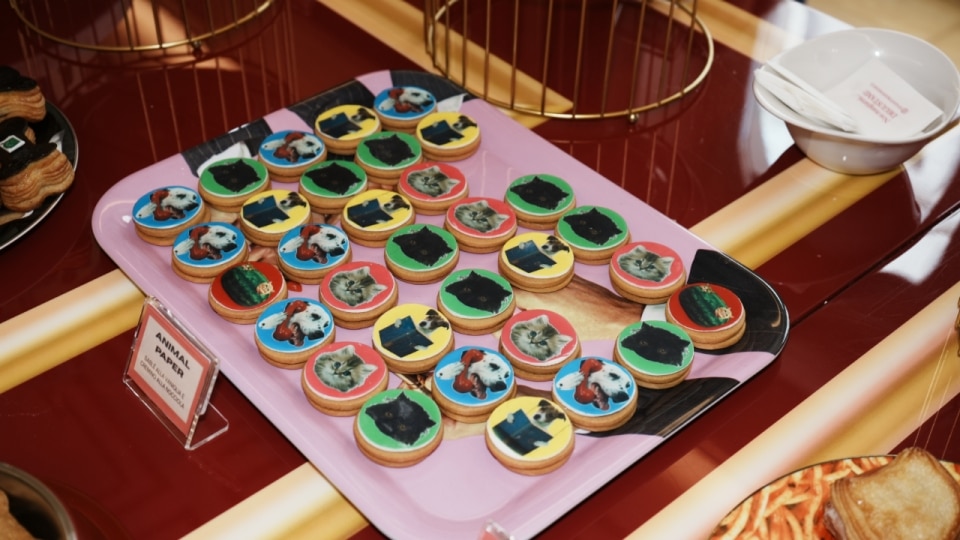
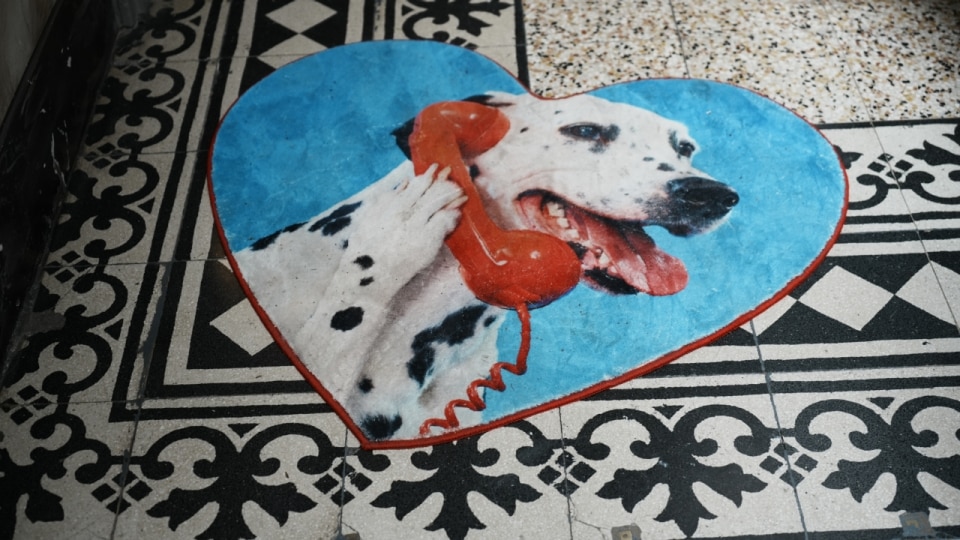
Breakfast in this not-so-human house feels like stepping into a surrealist painting: strange food piled everywhere, with dog kibble suddenly arranged into elaborate catering compositions. It’s a breath of fresh air in the “entertainment” side of Fuorisalone, which—especially this year—can feel a bit too polished. Step inside, and you’re completely immersed in cats and dogs, from bathroom mats to wallpaper.
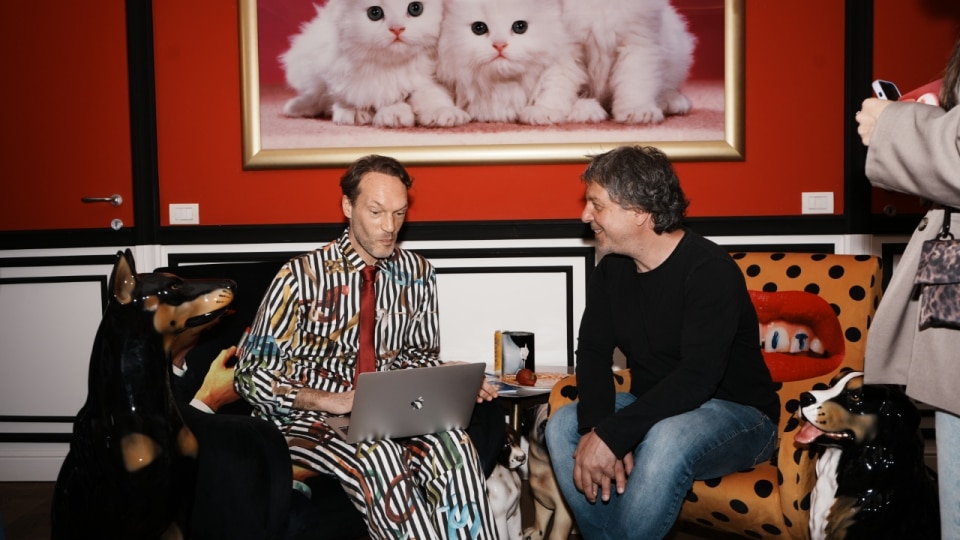
Look closely at the living room walls, and you’ll discover the true heart of the exhibition: the works of Walter Chandoha, widely considered the most important cat photographer of all time. Twenty photographs accompany the release of the already sold-out “Toiletwalter Paperchandoha Calendar,” which brings together images from Chandoha’s archive—he passed away in 2019 at the age of 99—and Toiletpaper’s own long-standing, irreverent fascination with cats.
This marks Toiletpaper’s third collaboration with a major international photographer during Design Week, following Martin Parr and, in 2024, Alex Prager. The project is featured in issue 21 of the magazine.
Breakfast in this not-so-human house feels like stepping into a surrealist painting: strange food piled everywhere, with dog kibble suddenly arranged into elaborate catering compositions.
As is often the case with Toiletpaper, what initially appears playful or irreverent reveals a deeper layer. The roughly 90,000 cat photographs Chandoha produced over his career are refined, intelligent, and visually striking. His work has appeared everywhere—from Friskies advertising campaigns to major anthologies of 20th-century photography. But there’s more to the story.
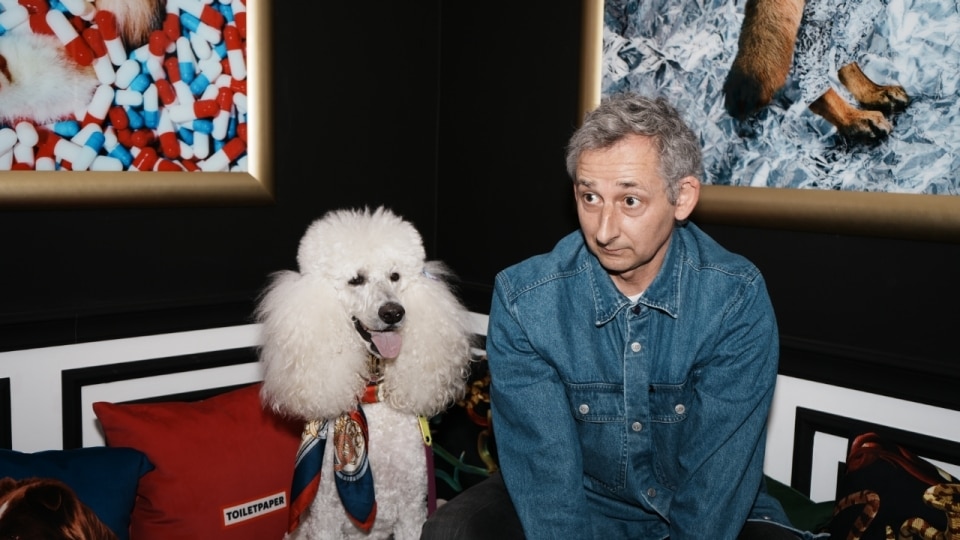
Before encountering a small gray kitten on the streets of Queens—a moment that would change his life—Chandoha was a war photographer. And it’s here that Toiletpaper’s exhibition enters another dimension, one the magazine has long explored: a hyper-saturated aesthetic that conceals something far more profound.
In the end, Toiletpaper—and Maurizio Cattelan—offer one of the most contemporary voices of this year’s Milan Design Week: a “house for animals” that doubles as a hyper-saturated escape from reality. And like all escapes, it quietly reminds us that reality—wars, crises, and everything that doesn’t work—never really disappears. It’s always there, just beneath the surface. Even when that surface is covered with the image of a cat.