



As you arrive in front of the London headquarters of the Nicoletta Fiorucci Foundation in Chelsea, you might think you have the wrong address.
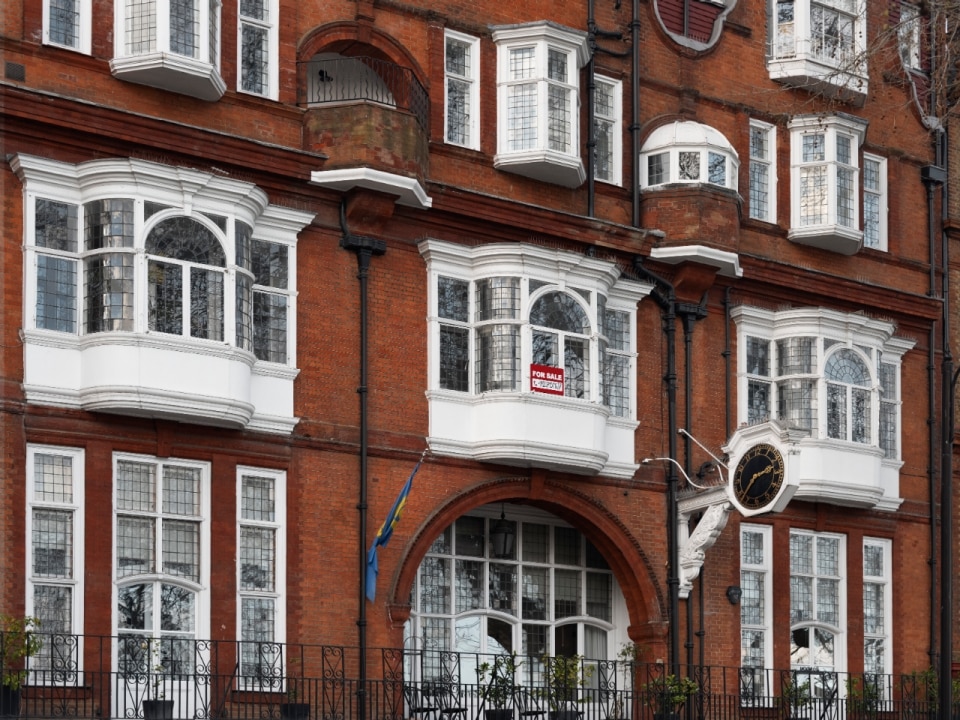
The façade is that of one of architect Richard Norman Shaw’s masterpieces, built in 1879: red brick, white bow windows, and details typical of Victorian architecture. At the center, above the entrance, hangs a large clock that no longer works.
In the central window, a red-and-white “For Sale” sign is displayed, complete with a phone number: +44 20 7459 4677.
This is where Meow Meow Real Estate, Nancy Lupo’s first exhibition in the United Kingdom—curated by Vittoria de Franchis and running from March 14 to May 23, 2026—begins.
The gesture is as simple as it is radical. Invited by the Foundation to work within the space, Lupo chose not to treat it as an exhibition venue, but as a sculpture in its own right.
The apartment is the work and it is (actually) for sale.
The more one engages with the logic of the apartment’s sale—and starts to imagine owning it—the more the exhibition unfolds.
Vittoria de Franchis
It has been placed on the market by a Chelsea real estate agency, in whose window—just a few minutes from the Foundation on Royal Hospital Road—the sale listing is now displayed, complete with professional photographs and a descriptive text of the property: “A unique opportunity. Price on request…”
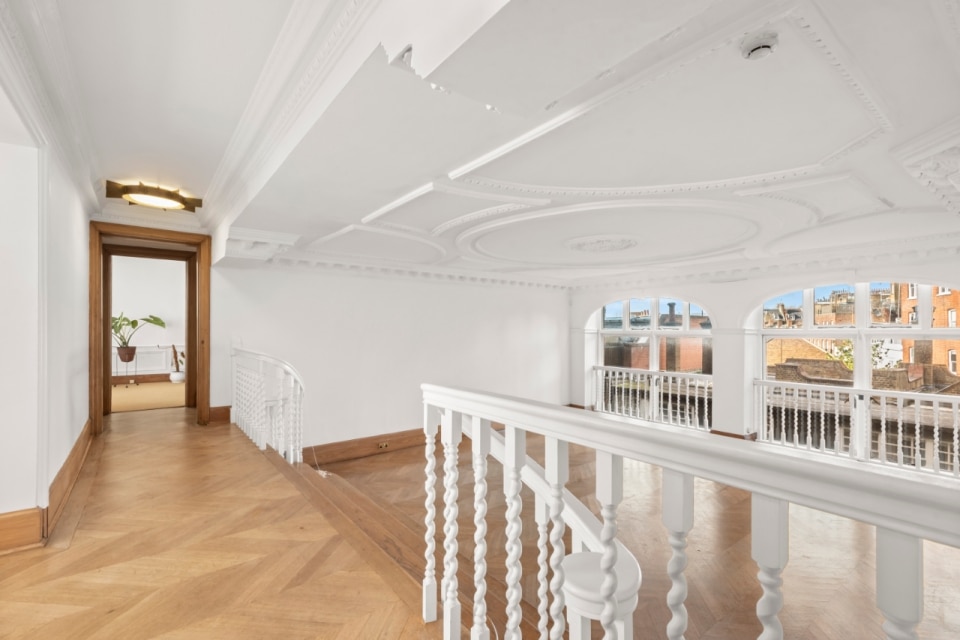
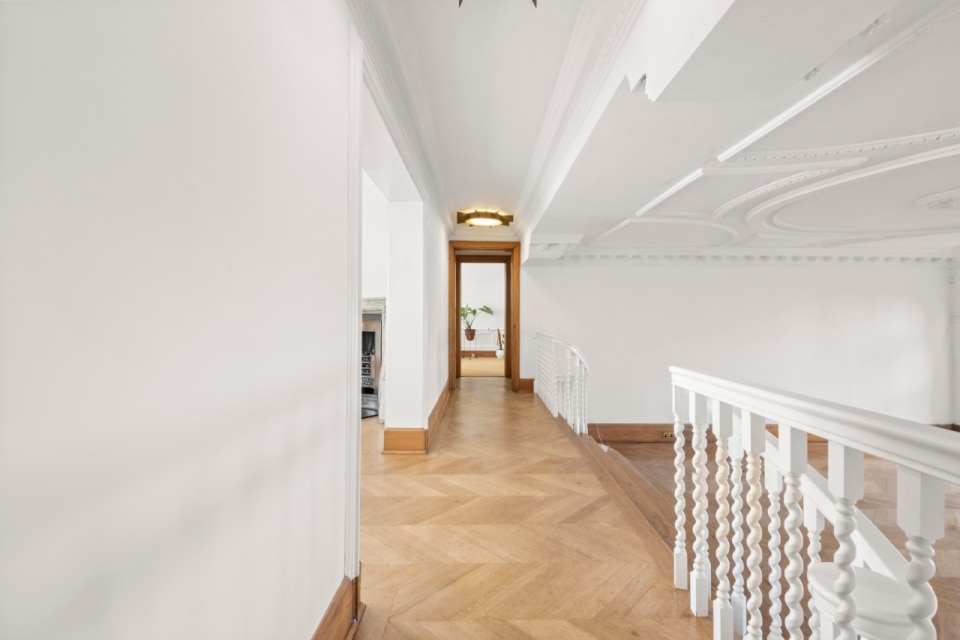
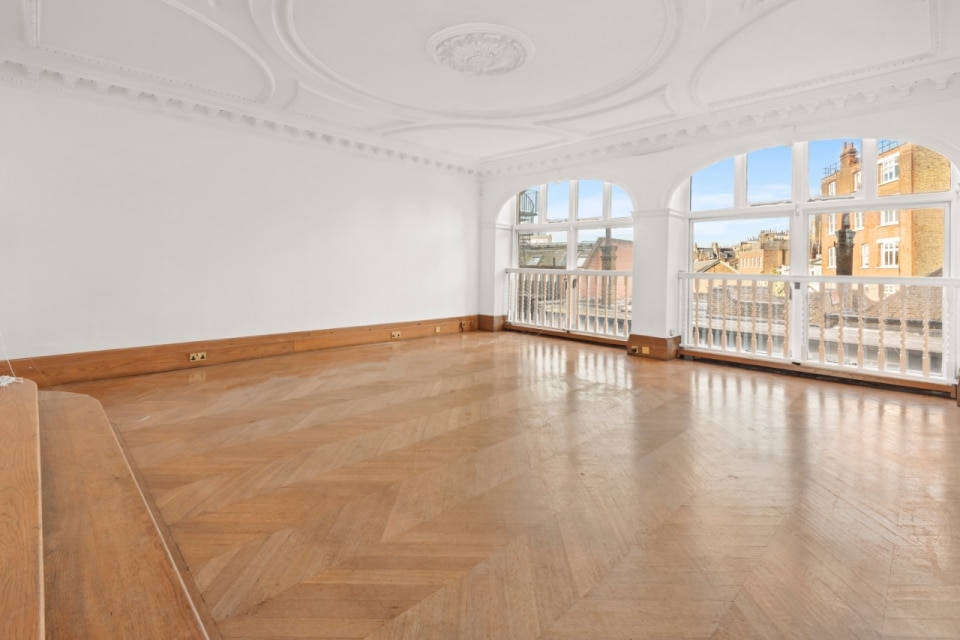
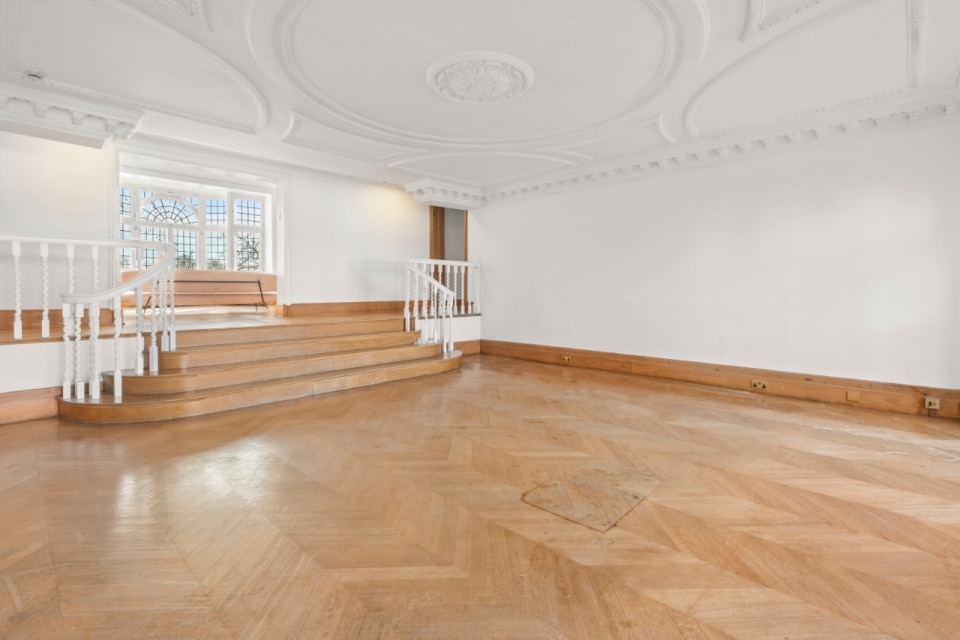
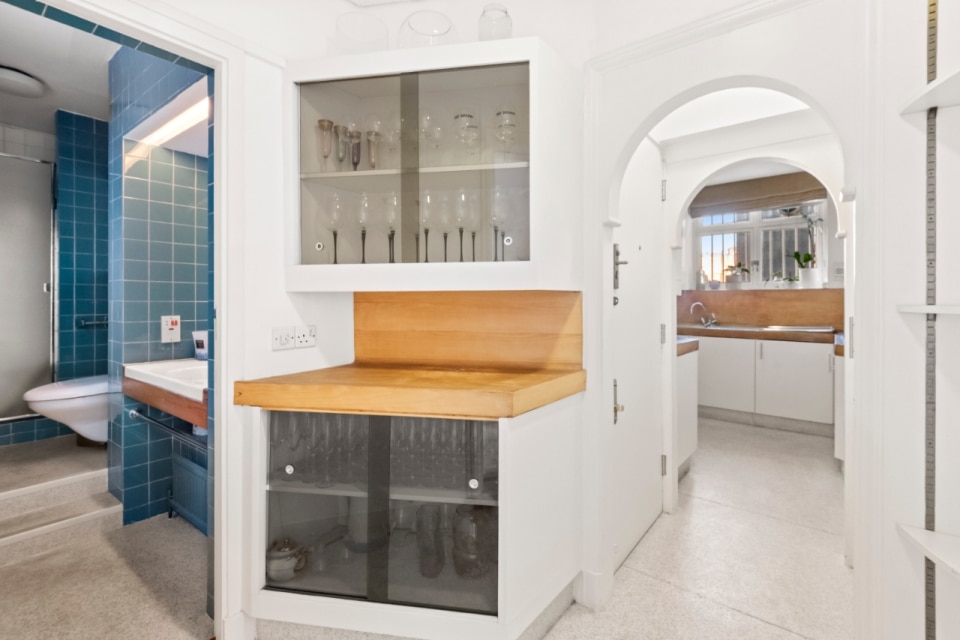
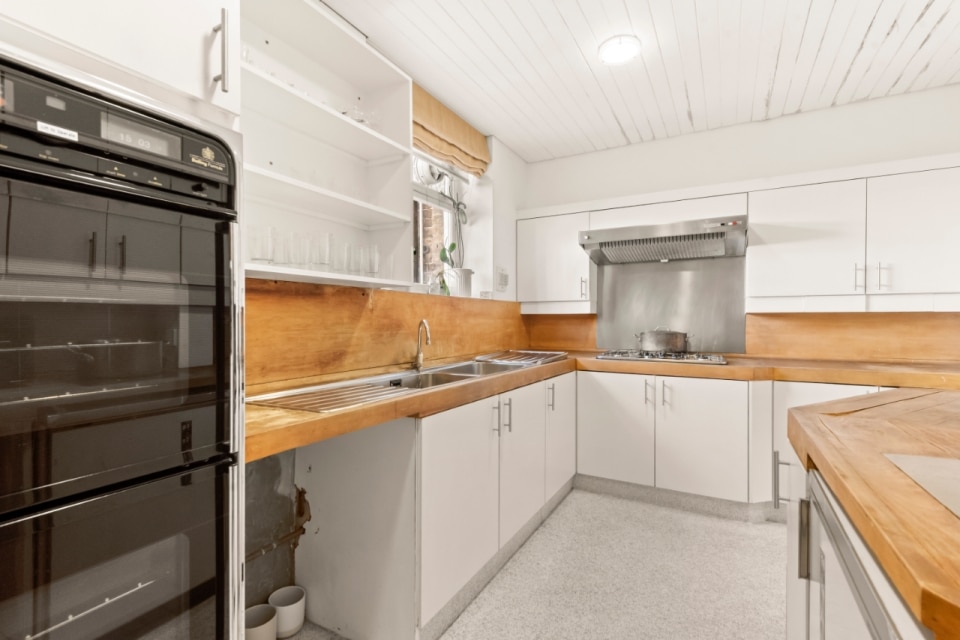
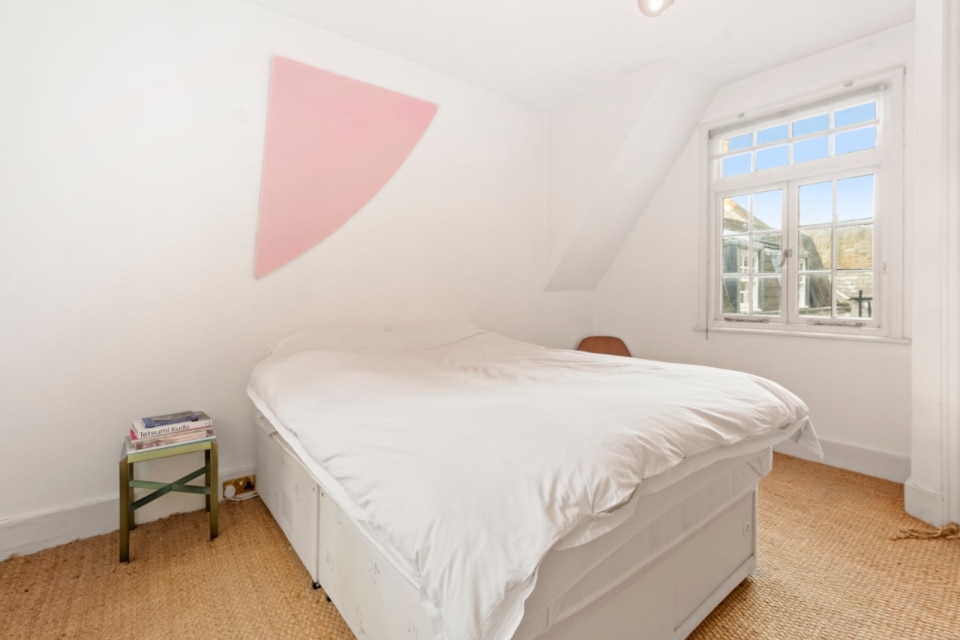
The images, while serving the sale, are also integral to the work itself: they adopt the visual language of real estate, with bright overexposure and slight wide-angle distortions typical of property listings.
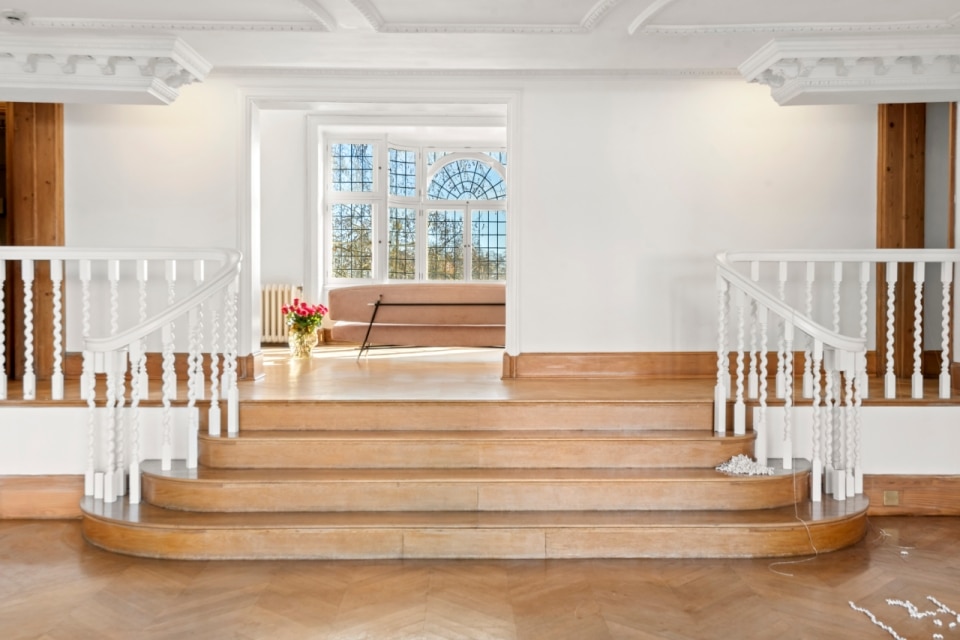
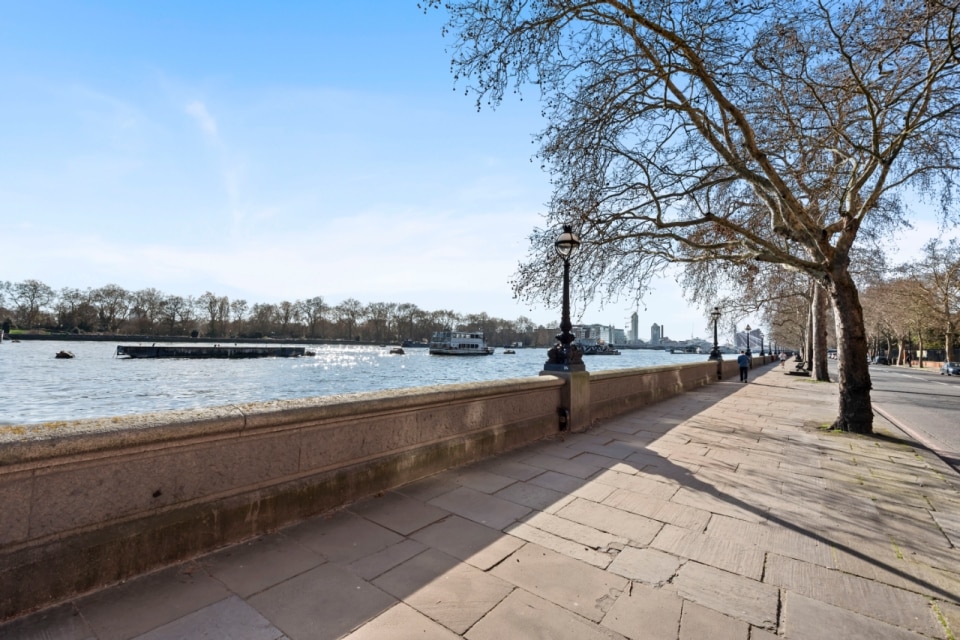
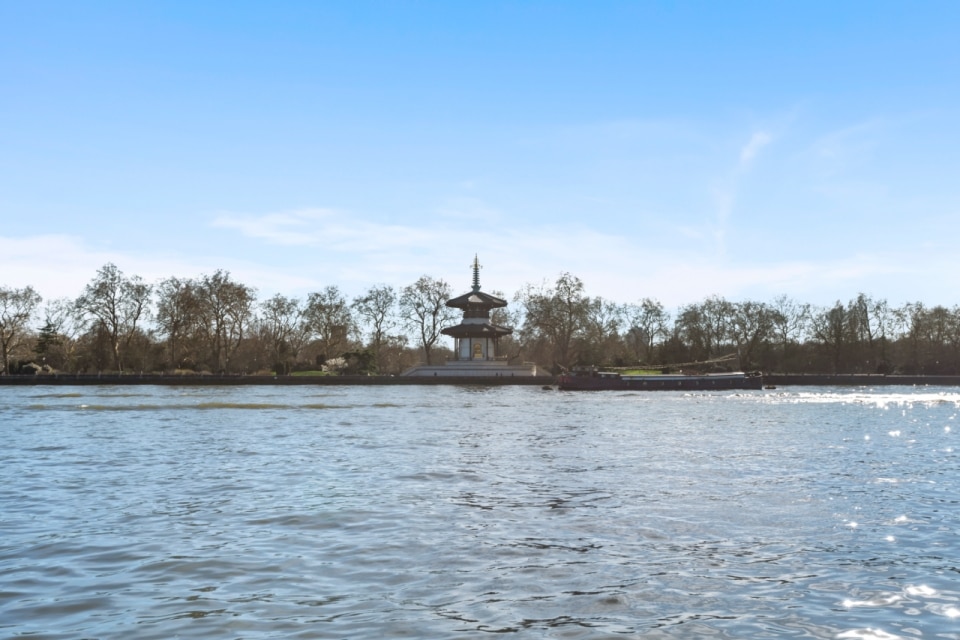
When Lupo was invited by the Foundation to create an exhibition, she told the curator that she had never been to London. The idea of an apartment in Chelsea—elegant, bright, overlooking the Thames—therefore belonged more to a shared imaginary than to direct experience.
A fantasy that, curiously, ended up aligning with a vision that has long informed her literary project.
In fact, the exhibition takes its title from Lupo’s novel, Meow Meow Real Estate: the story of a woman in search of an apartment. A search that is at once concrete and existential, where finding a home also means finding a form of stability—a promise of a possible life. The final chapter was written during Lupo’s stay in London.
For the first time, the entire manuscript is made available for reading within the exhibition space, laid out on a table next to the brochure produced by the real estate agency.
From her first visit, Lupo fell in love with the apartment so much so that she proposed it as the central sculpture of the project, subsequently putting it up for sale both as an artwork and as a real estate asset.
Vittoria de Franchis
"I keep thinking the solution to a lot of things would be this big and beautiful bourgeois apartment. Everything could happen there, my being, my bathing, my cabinet of costumes. But maybe it's better to just stay in the hotel forever holding aloft the dream of something else; a permanent situation where my feet don't touch the ground. Like an angel, truly and actually." (Excerpt from Nancy Lupo, Meow Meow Real Estate, 2026).
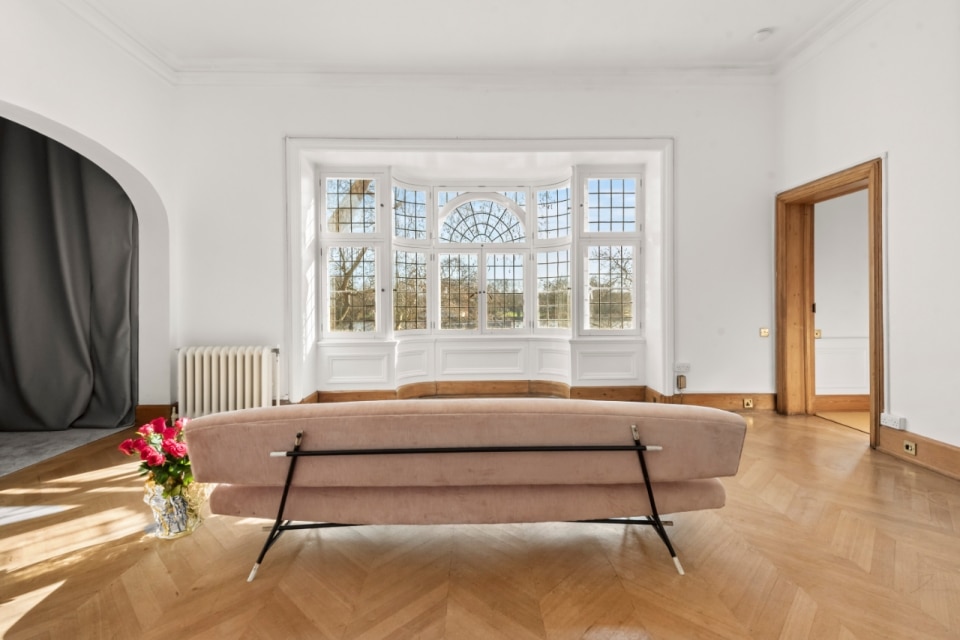
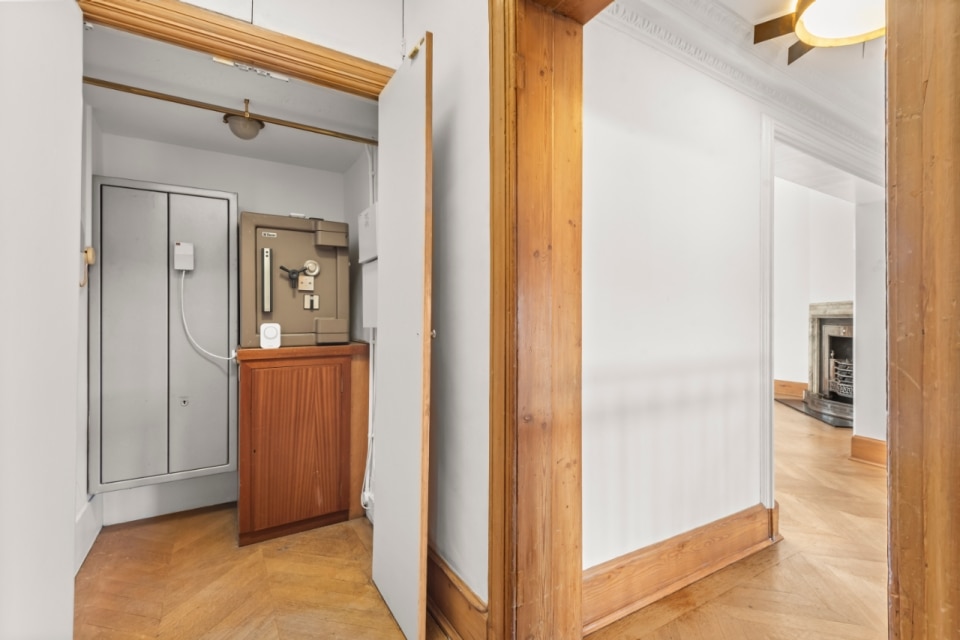
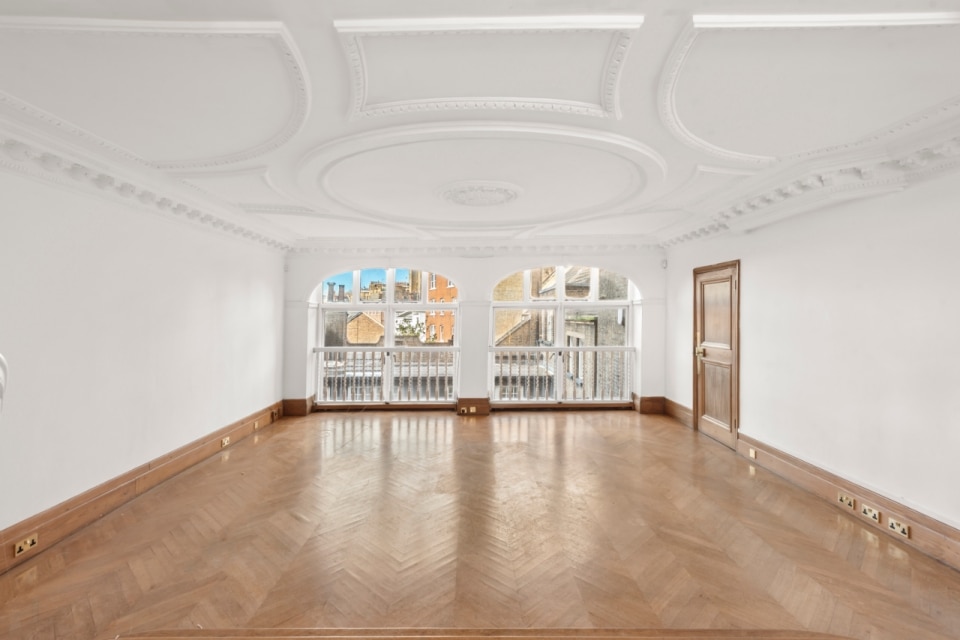
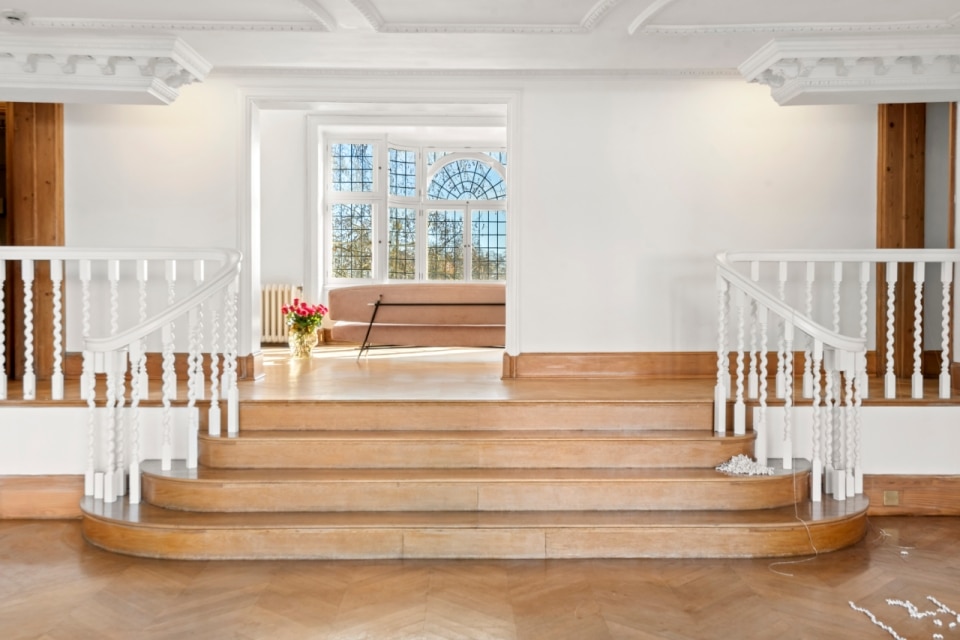
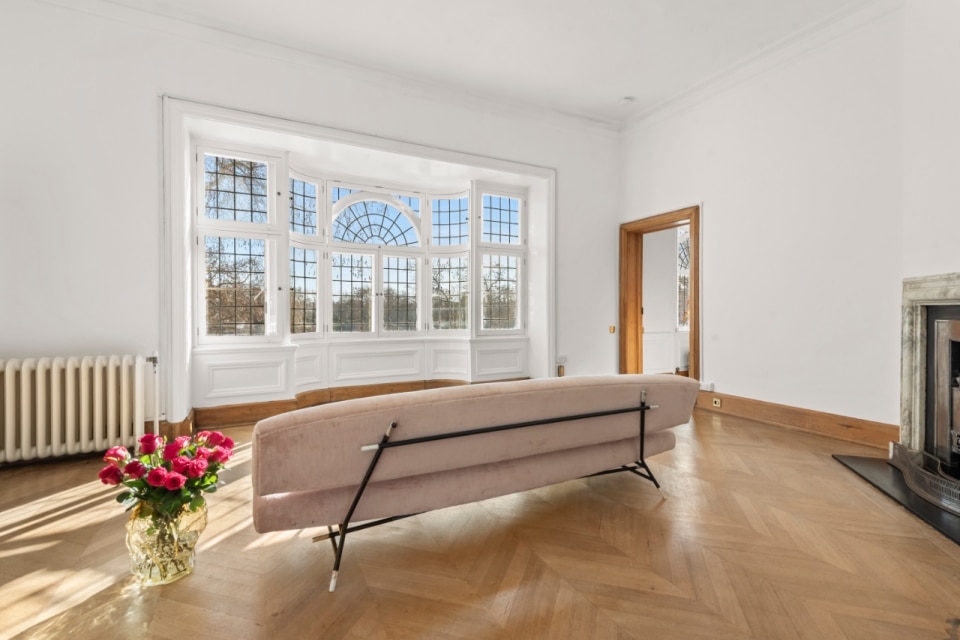
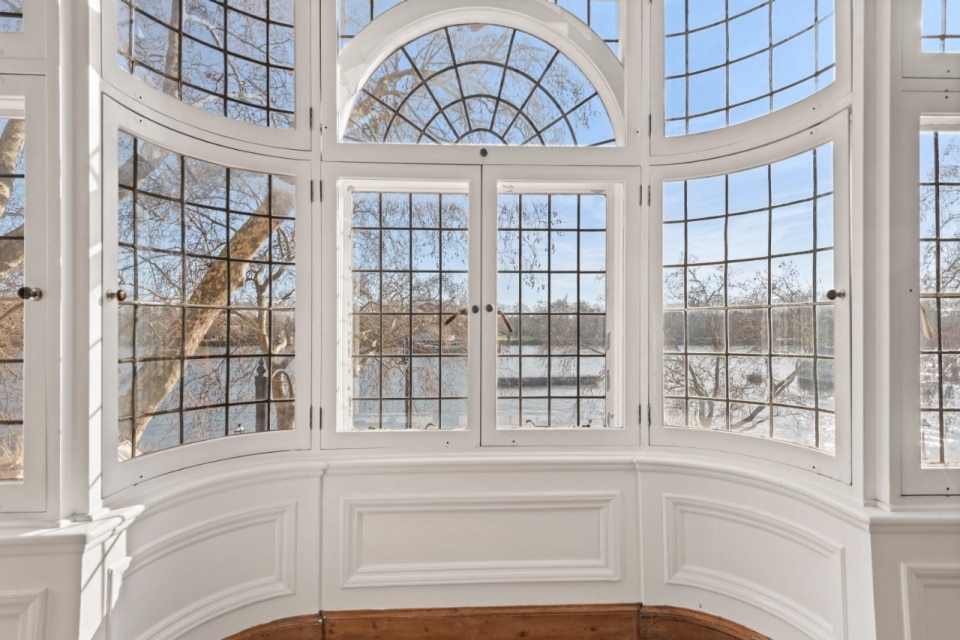
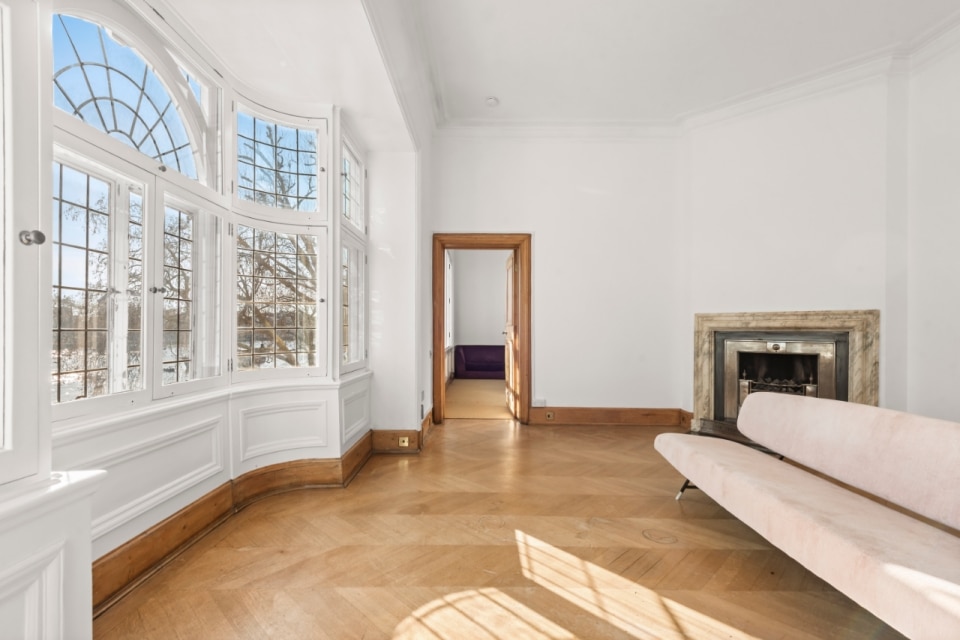
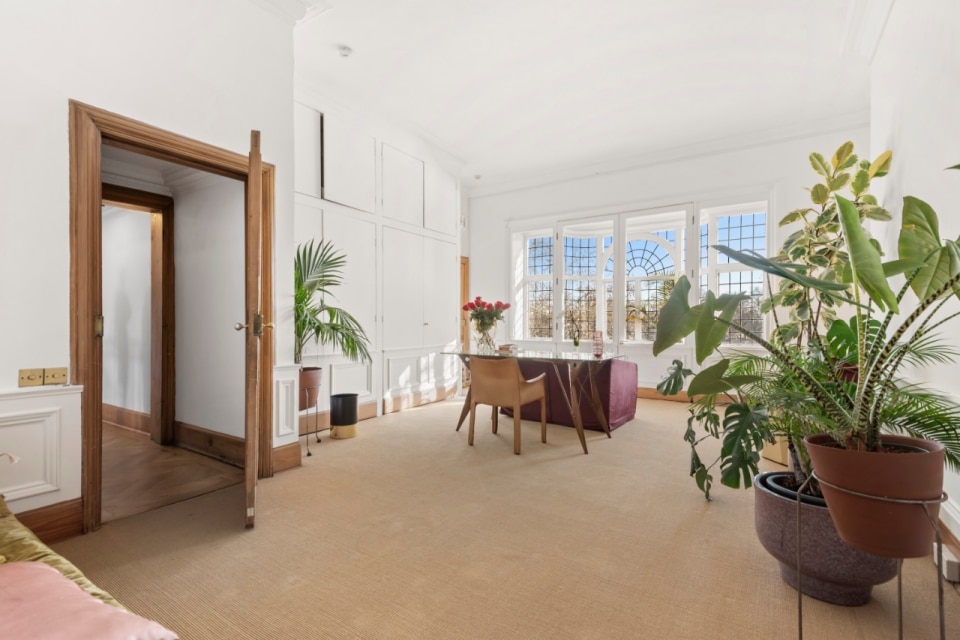
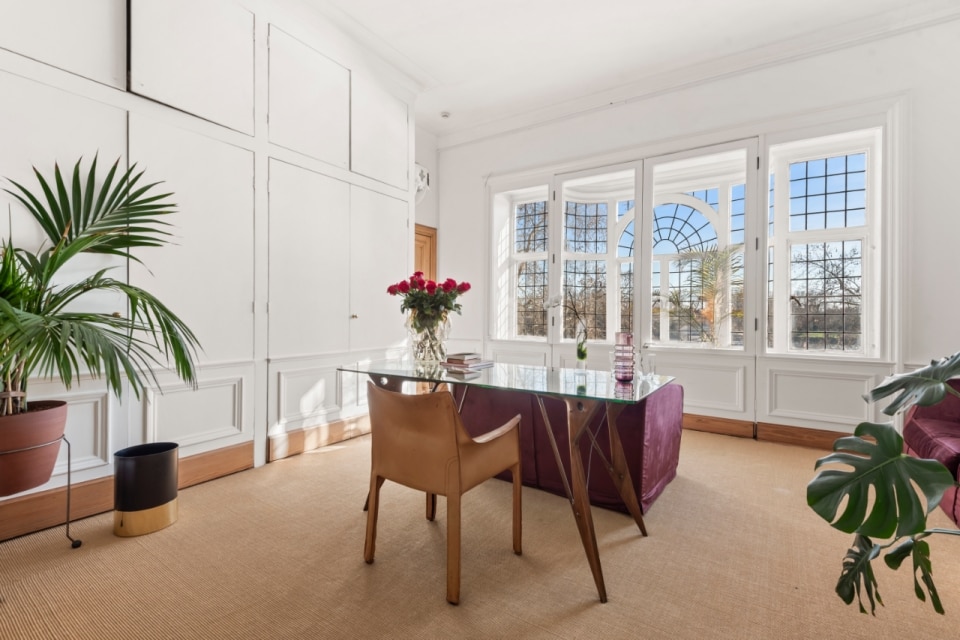
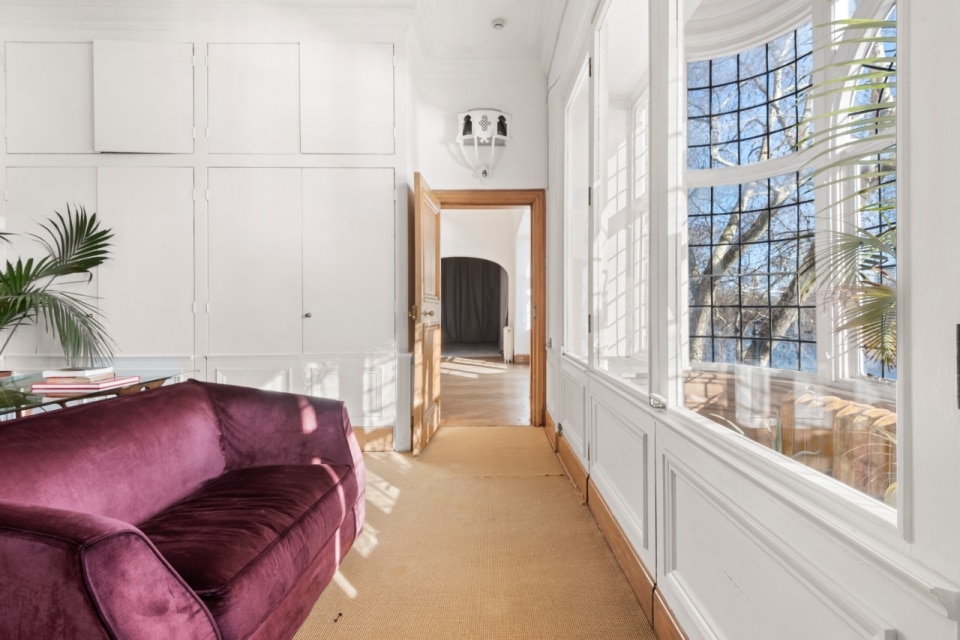
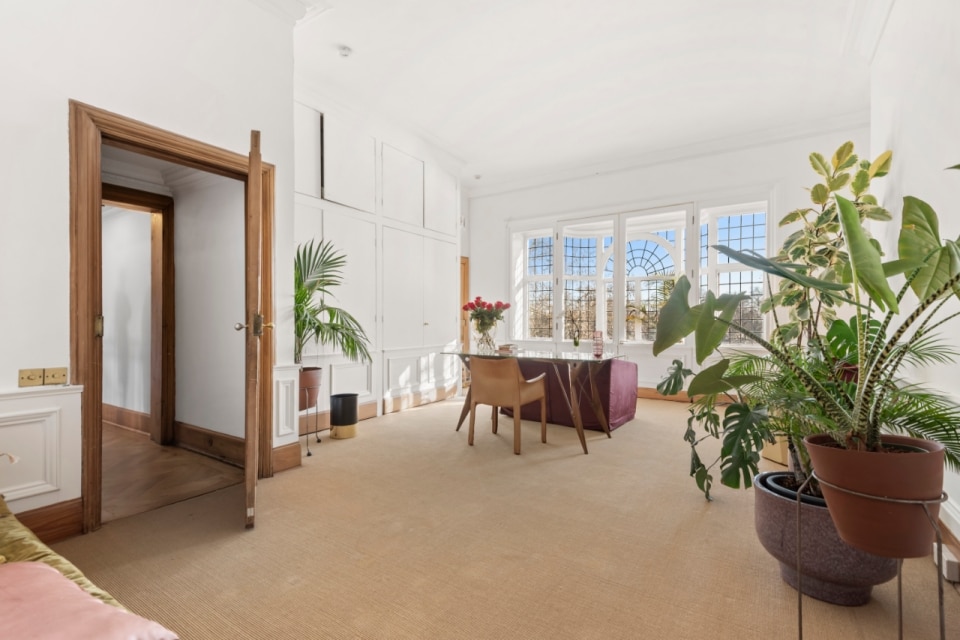
Entering the apartment, one does not encounter any fittings in the traditional sense. The rooms—with herringbone parquet floors, ceilings decorated with circular stucco, and large arched windows—appear almost empty. A few domestic elements remain: a pink sofa by Ico Parisi in front of the window overlooking the river, a desk with a bouquet of red roses, some plants, a bed, and a few artworks—all of which were already in the space.
The effect is ambiguous: neither an exhibition nor an inhabited home, but a recently vacated apartment—just before a sale, or perhaps still waiting to be vacated.
This is the kind of radical thinking and practice I am committed to supporting and collecting.
Nicoletta Fiorucci
De Franchis describes the project as the artist’s radical response to the concept of sculpture: “From her first visit, Nancy fell in love with the apartment, to such an extent that she proposed it as the central sculpture of the project, and then put it up for sale both as an artwork and as a real estate asset. At first glance, it may seem like an empty exhibition—but it is not, nor does it intend to be. The more one enters into the logic of selling the apartment and begins to desire or imagine buying it, the more the exhibition reveals itself.”
The project also speaks to London itself. In recent decades, the city has become one of the most powerful and controversial real estate markets in the world. Entire neighborhoods have gradually been transformed into objects of investment, and even the idea of “home” has shifted—from a place of living to a form of capital. Culturally, the apartment is no longer just a domestic space: it is an asset, a financial instrument, a promise of future value—at least for part of the city.
For those on the other side of this divide, however, the idea of “home” remains an increasingly unattainable dream.
As capital concentrates in central districts, many people are pushed to live farther and farther from the center. Bodies adapt to smaller spaces, and with them, daily habits shift as well. New generations, for example, spend more and more time away from home—between work, social environments, public spaces, and transportation.
In Lupo’s project, there is no explicit denunciation nor overt irony. Rather, she replicates the very mechanism of real estate desire, revealing the constructed nature of this fantasy: “This apartment is not not for sale,” she writes.
For Nicoletta Fiorucci, the gesture represents a unicum in the history of the Foundation: “Nancy Lupo’s gesture is pure art for me. It dematerializes the very concept of possession: my apartment becomes her sculpture and enters the real estate market. These are the kinds of radical ideas I want to support—and collect.”
- Show:
- Nancy Lupo. Meow Meow Real Estate
- When:
- From March 14 to May 23, 2026
- Where:
- Nicoletta Fiorucci Foundation, London