


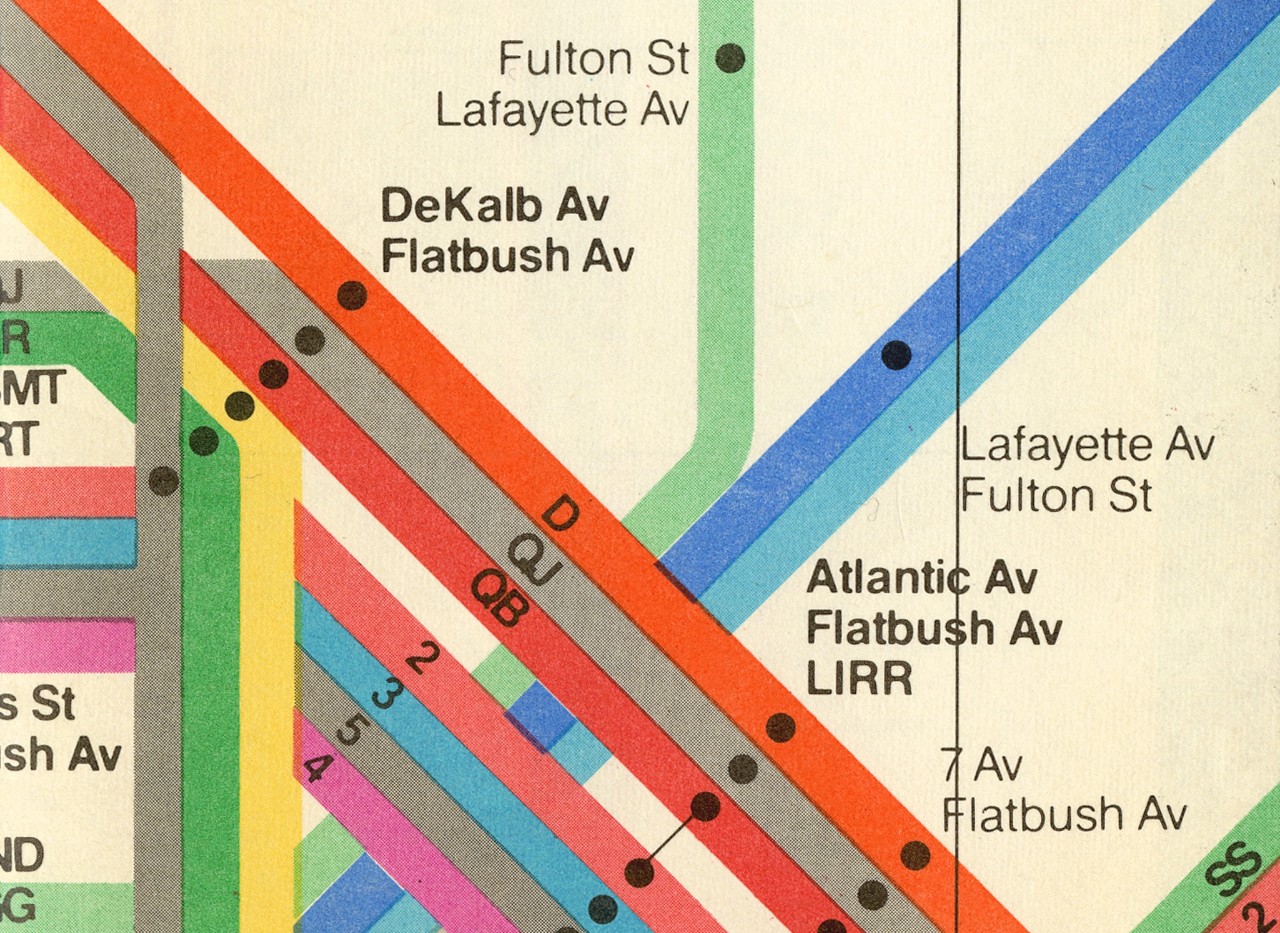

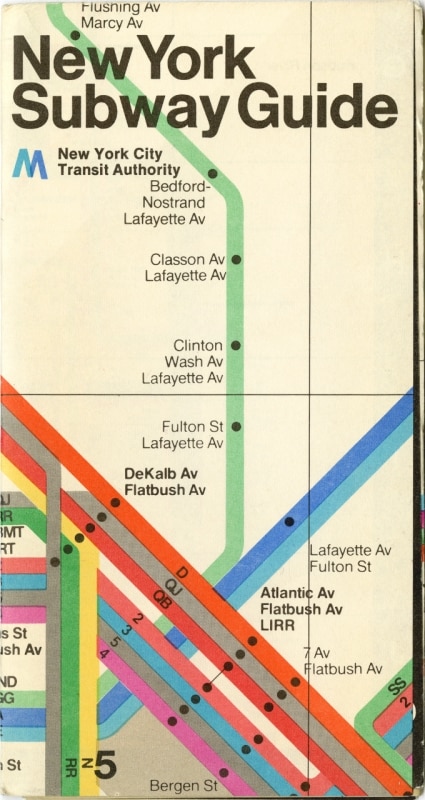
There is a map from 1972 that forever changed the way we think about moving through a city. It is the New York subway map designed by Massimo Vignelli. It does not represent the city as it is, but as it should be read: straight lines, sharp angles, primary colors. With that project, the subway ceases to be a geographical system and becomes a logical one.
That is also why it continues to divide opinion. Too abstract to navigate, according to some; too clear to ignore, according to others. But beyond the criticism, one fact is hard to escape: few design projects have had such a direct impact on everyday life. It is not an object to look at, but a device to use. A visual infrastructure that organizes movement, reduces complexity, and imposes order.
A biography through projects
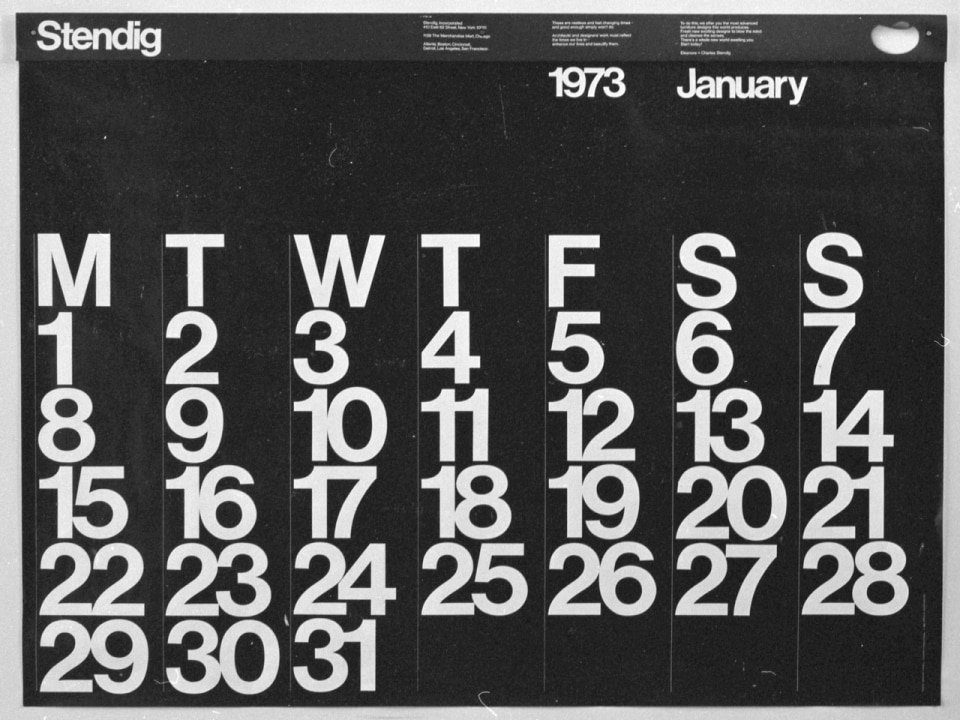
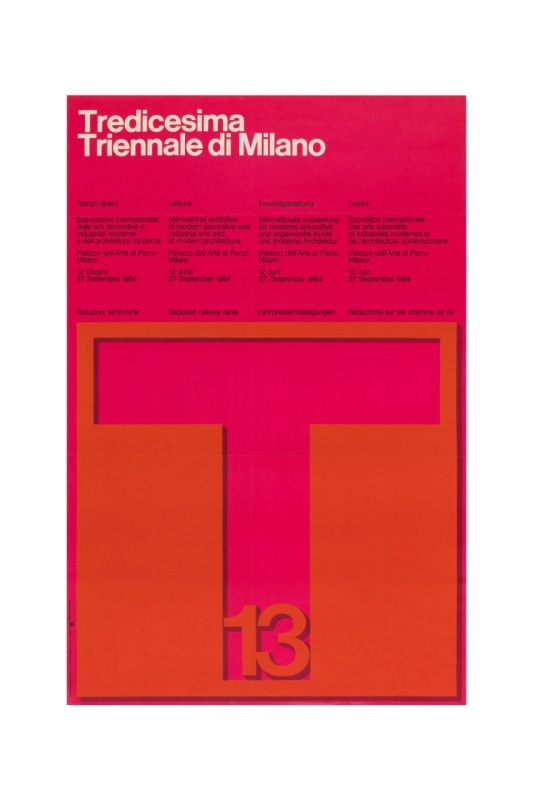
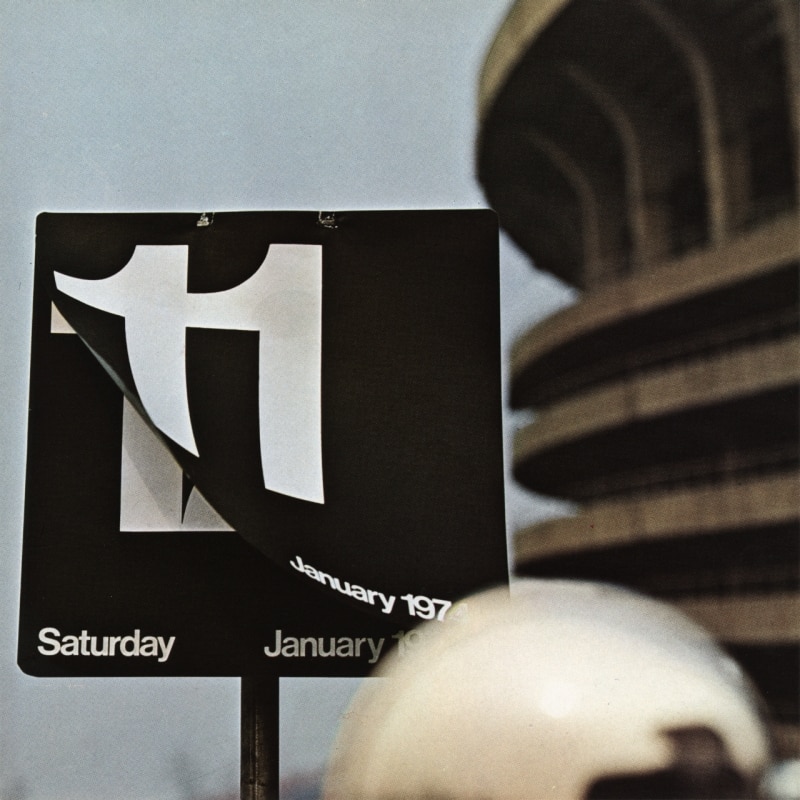
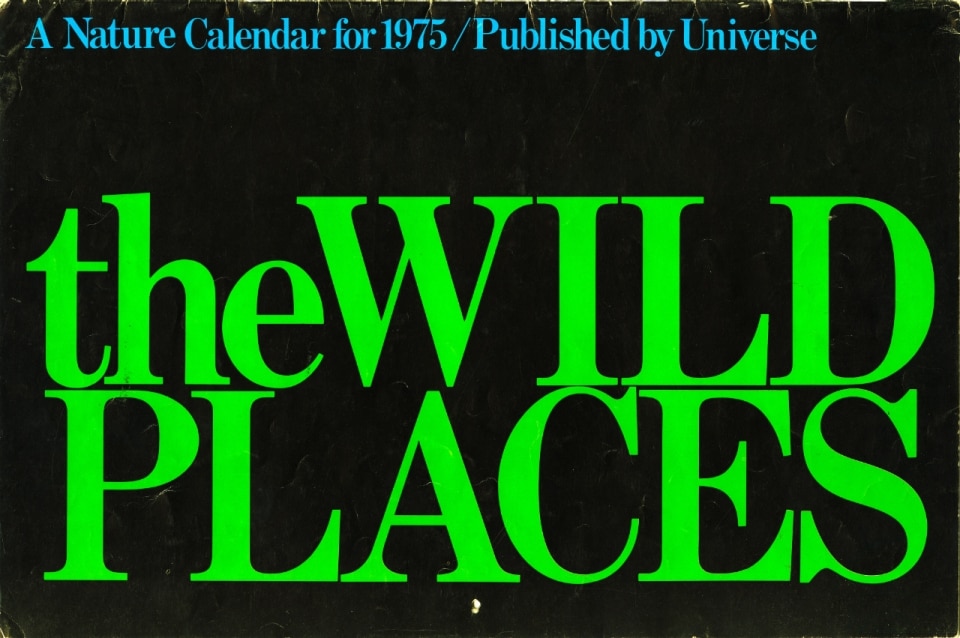
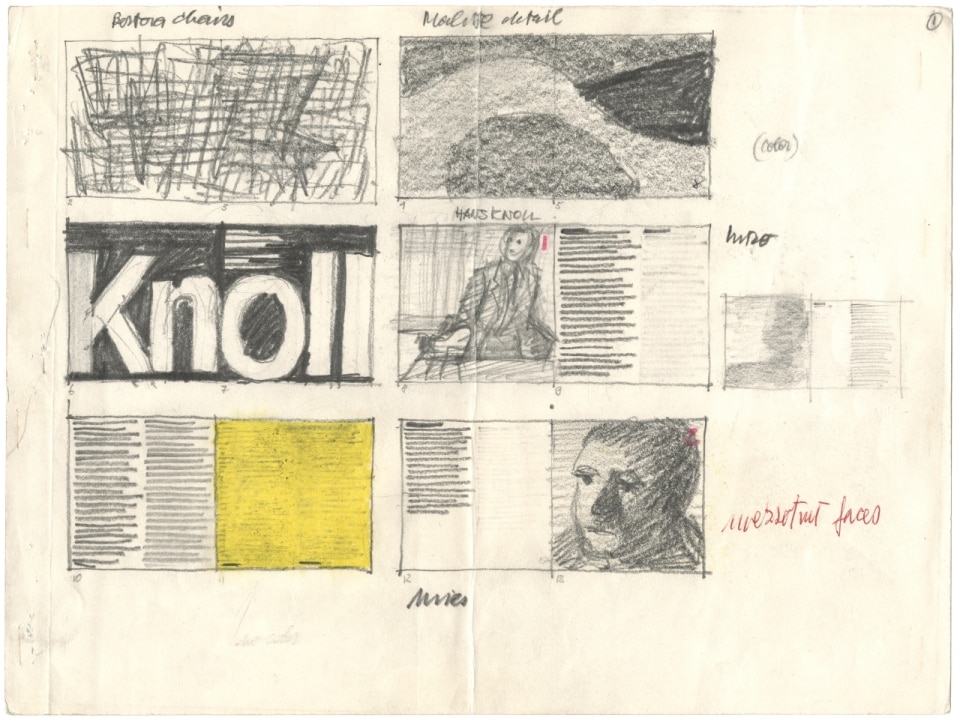
Seen today — and experienced up close in the exhibition — that map feels less like an isolated episode and more like the synthesis of a method. It is the same method that runs through the work of Lella and Massimo Vignelli and that “Lella and Massimo Vignelli. A language of clarity”, at Triennale Milano, reconstructs as a “biography through projects,” tracing more than sixty years of activity between Italy and the United States.
The Vignellis did not create a style, but a language.
Curated by Francesca Picchi with Marco Sammicheli and Studio Mut (Martin Kerschbaumer and Thomas Kronbichler), and developed in collaboration with the Vignelli Center for Design Studies at the Rochester Institute of Technology — which since 2010 has collected and made accessible over 750,000 documents and artifacts — the exhibition makes one thing clear: the Vignellis did not build a style, but a language.
Not a style, but a system
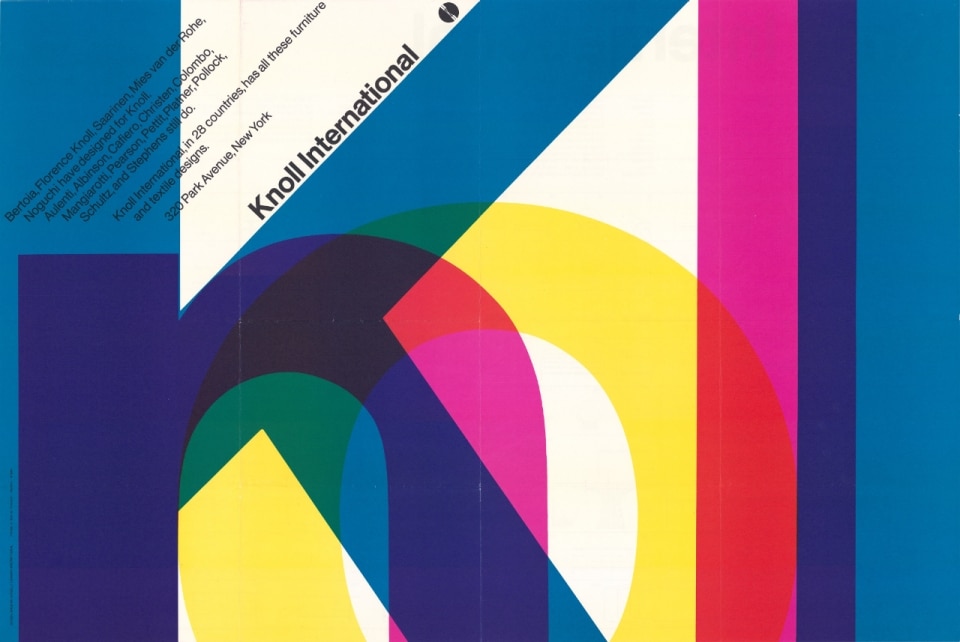
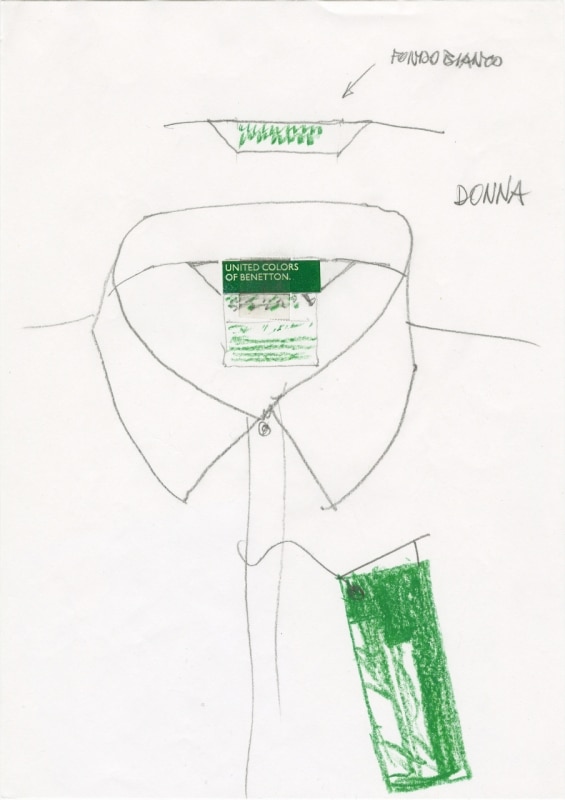
This is a crucial distinction. In projects for American Airlines, Benetton, or the New York subway, the logo is never the final goal, but only one component of a broader system. Typography, colors, proportions, grids: every element is part of a coherent structure, designed to last and to be applied.
In this sense, design stops being expression and becomes organization. A logic that allows projects to function over time and across different scales, moving through publishing, transport, fashion, and television.
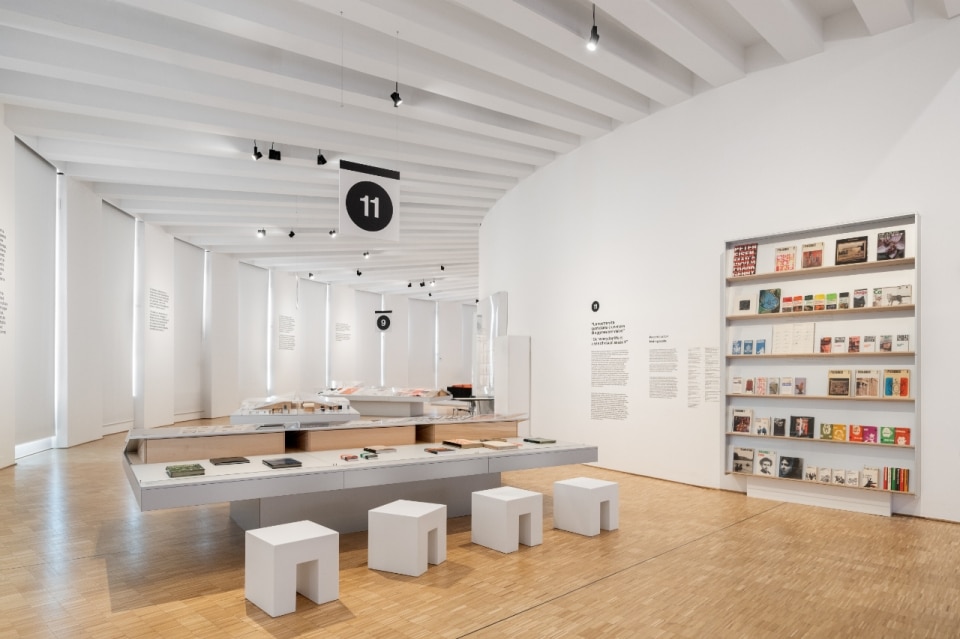
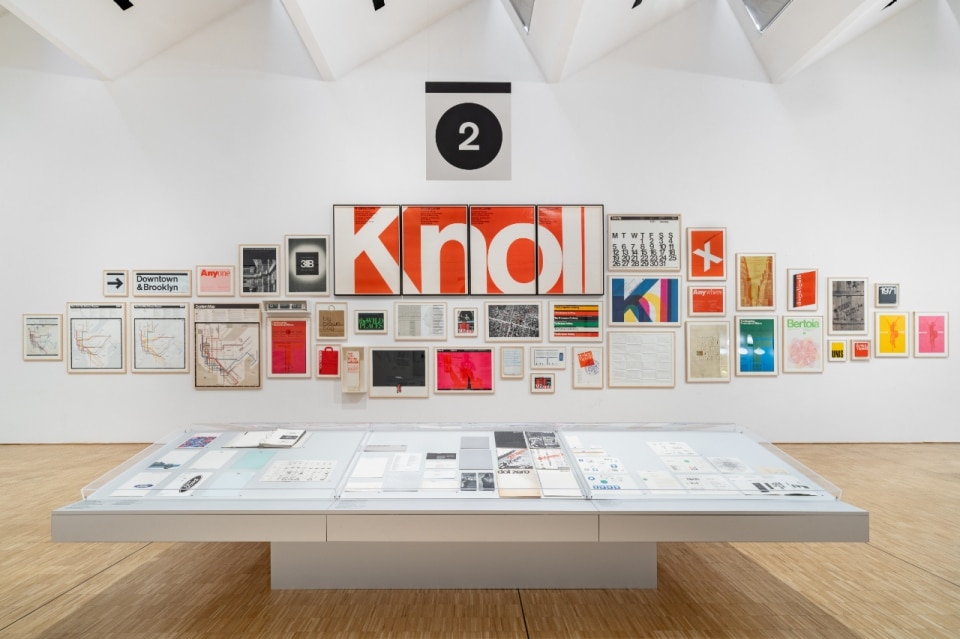
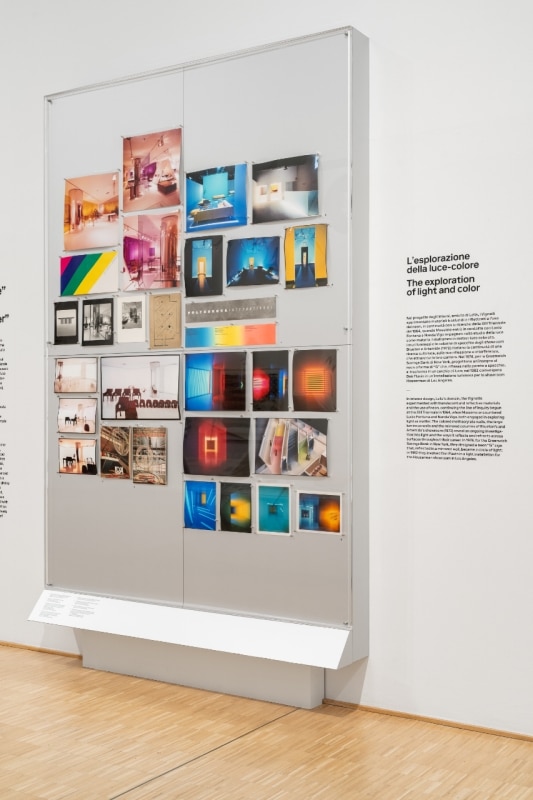
This logic is made even more evident by the exhibition design, created by Jasper Morrison with David Saik. It does not simply display the Vignellis’ work, but translates their method into space: a sequence of modular tables organized according to a rigorous grid, guiding visitors through the exhibition.
The display becomes part of the narrative. Structure, rhythm, and legibility are not only the exhibition’s content, but the very way it is built. As in the signage of the New York subway, here too the project is not meant to be noticed, but to function.
We still live inside that grid
This is precisely where the Vignellis’ work becomes contemporary again. Looking at those projects, one has the impression of encountering something that has never really gone away. The grid that once organized books, posters, and signage is the same that today structures digital interfaces, websites, and applications.
“The foundation of the phones we carry in our pockets is this grid,” noted Martin Kerschbaumer, one of the exhibition’s curators, pointing out how that intuition has quietly become a condition of contemporary communication.
In a context dominated by visual overload and speed, this clarity feels almost radical again. Not because it is minimalist, but because of its ambition: to reduce in order to make things legible. Not to add, but to remove.
Lella Vignelli, a central presence
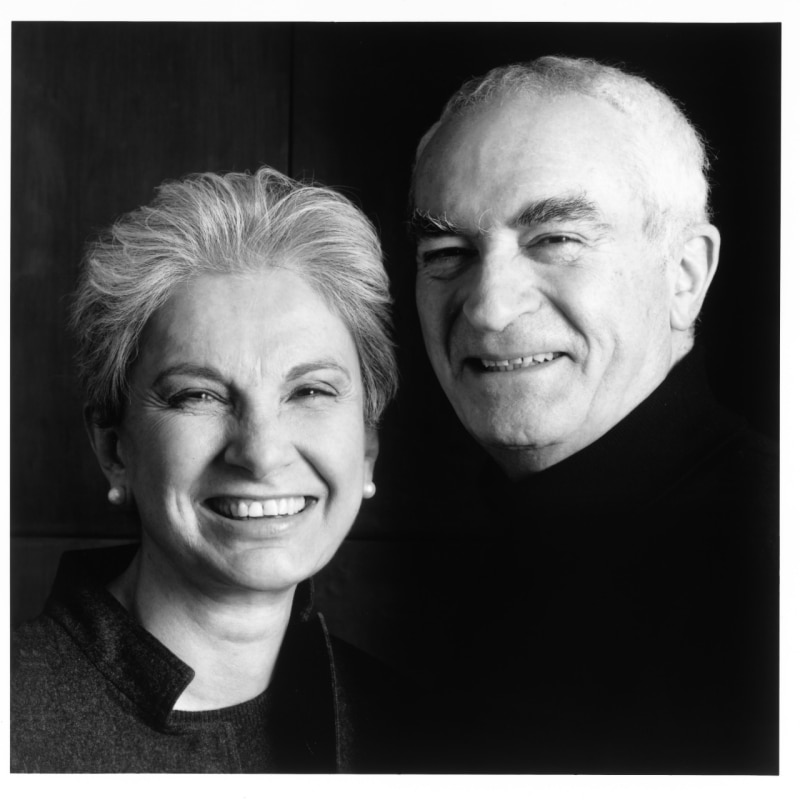
Within this narrative, the figure of Lella Vignelli emerges with renewed precision. Not as a secondary presence, but as an inseparable part of a shared design process. The exhibition insists on this dimension, bringing back to the forefront a symbiotic relationship in which it makes little sense to distinguish individual contributions.
More than a couple, a single design device.
The theme of responsibility runs throughout their work. “There is nothing more irresponsible than designing something that will be obsolete tomorrow”: a position that today carries a sharper, almost polemical weight.
The subway ceases to be a geographical system and becomes a logical one.
It is also in this sense that their work continues to speak to the future. As Josh Howell of the Vignelli Center has noted, the Vignellis’ legacy is not made only of objects or images, but of principles. Clarity, coherence, discipline.
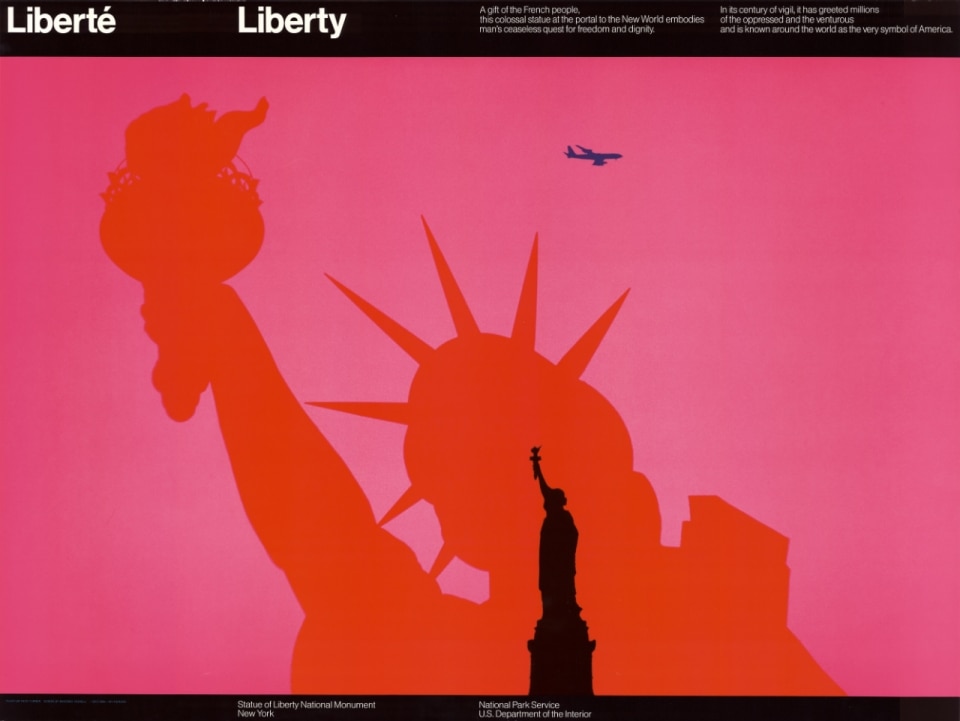
In an era in which disciplines separate and specialize, their approach remains a rare example of interdisciplinary design, capable of moving seamlessly across graphics, architecture, product, and communication.
The exhibition at Triennale makes this continuity visible, but does not exhaust it. Rather, it puts it in a condition to be read. Like the 1972 map, this work does not simply represent something: it proposes a way to orient oneself.
The Vignellis are not just a chapter in design history. They are an active grammar, often invisible, that continues to organize how we read information, move through spaces, and interact with objects.
Just look again at that map. It is not an image of the past. It is a model that still works.
- Show:
- Lella and Massimo Vignelli. A Language of Clarity
- Curated by:
- Francesca Picchi with Marco Sammicheli and Studio Mut (Martin Kerschbaumer and Thomas Kronbichler)
- Where:
- Triennale Milan
- Dates:
- March 25-September 6, 2026