



The Pratone by Gufram, the photostories of the Strum group, the Piper-Pluriclub in Turin: at first glance, these may seem like separate episodes from a moment of profound cultural upheaval. In reality, they are part of the same story.
A story rooted in Turin—one that reveals a city very different from how we often imagine it today. Not only the austere, industrial capital of Fiat, but also one of the most vibrant laboratories for art and architecture in Europe.
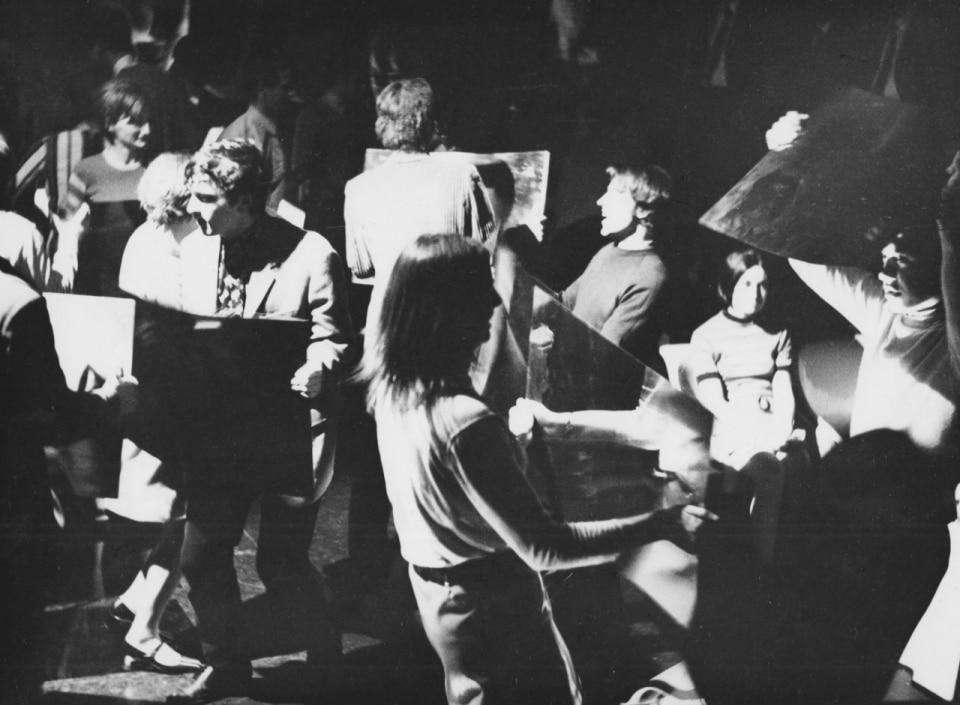
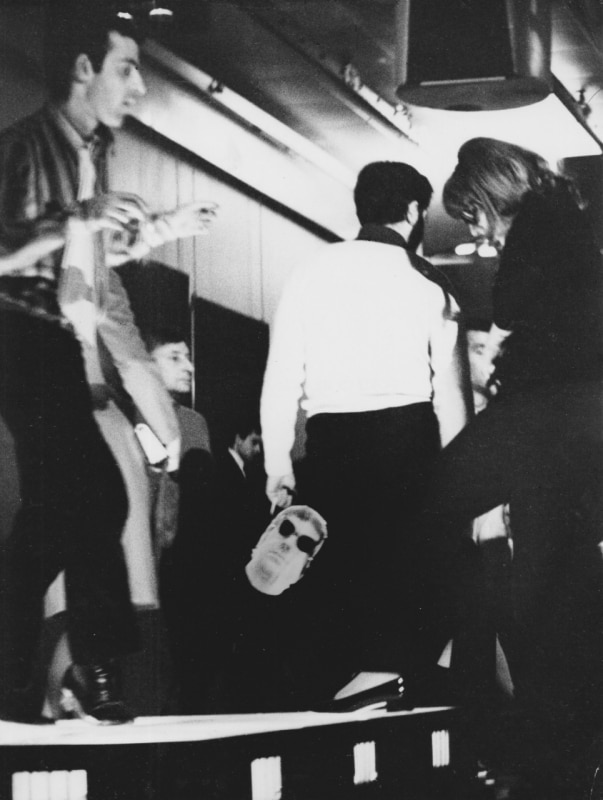
Among these episodes, the Piper occupies a position of early avant-garde. It was neither a design object nor a theoretical manifesto, but a space. A nightclub founded in 1966 that, for a few years, became one of the most fertile environments in Turin’s cultural scene—a place where performance, concerts, visual experimentation, and political debate coexisted under the same roof.
In hindsight, design history has often framed the Piper as a byproduct of Radical Design and the activities of the Strum group. In reality, the relationship is more complex. The Turin club predates the group and belongs to a broader network of relationships. Rather than being a product of Radical Design, the Piper can be seen as one of the places that made its emergence possible.
This is not the Piper everyone knows
The story begins in 1966. Franco Gay, father-in-law of architect Pietro Derossi, purchased spaces within the Cinema Reposi in central Turin. The initiative followed a suggestion by Alberigo Crocetta, founder of the Piper Club in Rome, who—after the success of the Roman venue—was seeking investors to replicate the model in other cities.
In Turin, before radical objects, there was a club where design came to life every night.
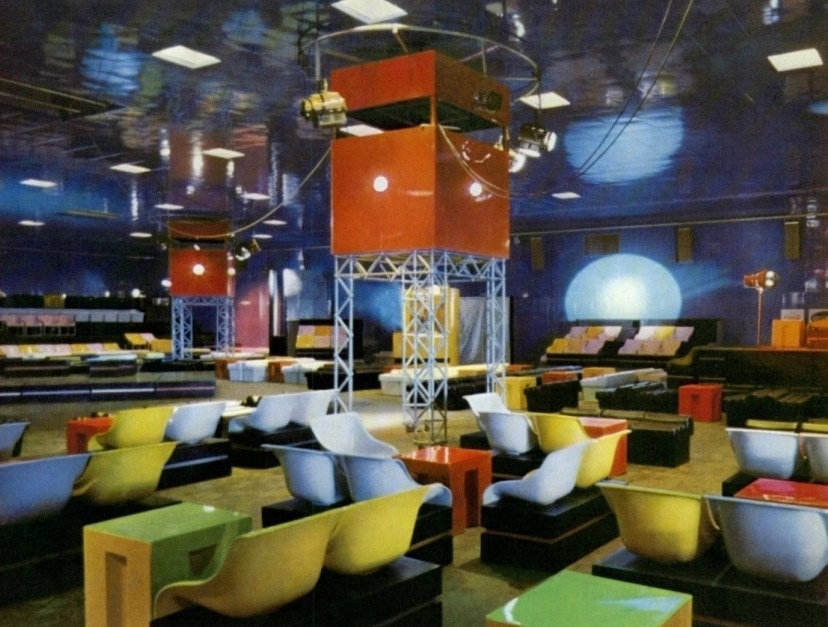
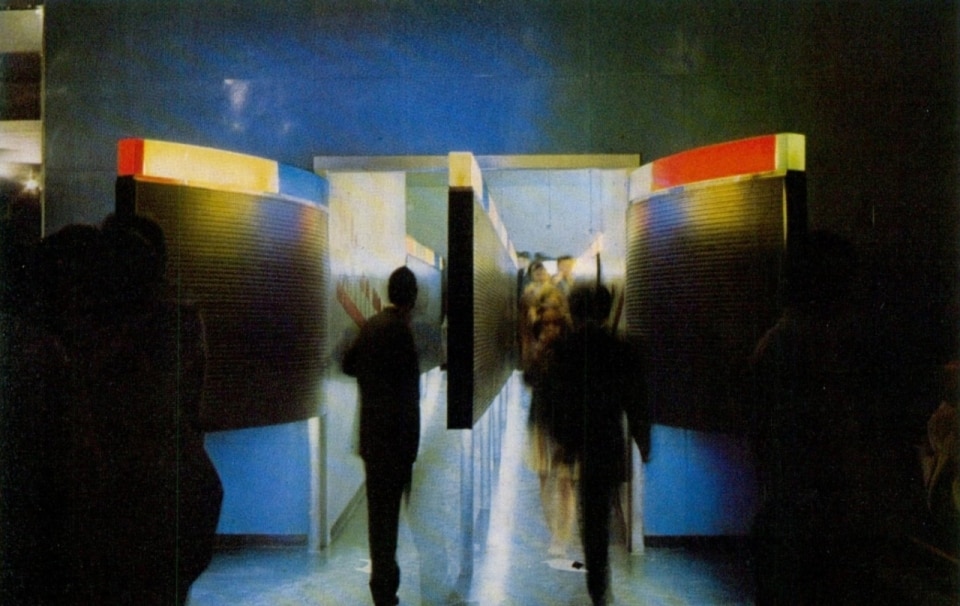
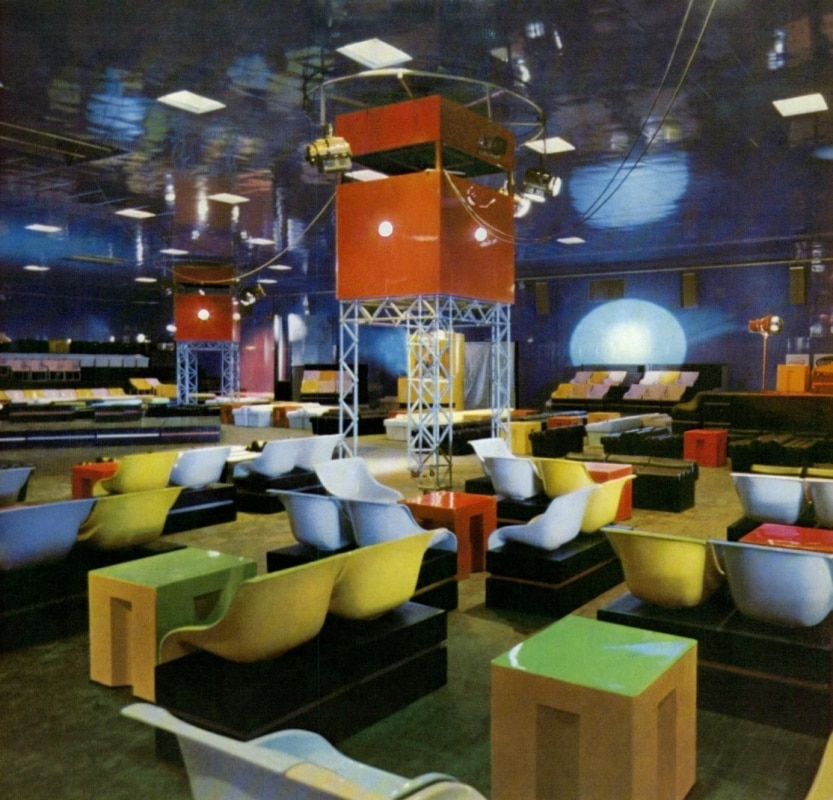
The Turin Piper opened in November of the same year, just over twelve months after its Roman counterpart. The interiors were designed by Pietro Derossi, Giorgio Ceretti, and Riccardo Rosso, while the initial programming was managed by Crocetta’s team.
The opening night immediately entered legend. Patty Pravo performed on stage, but the crowd was so large that police had to intervene to disperse people gathered outside. Paradoxically, that same night also marked the venue’s first temporary closure, as it was placed under official scrutiny.
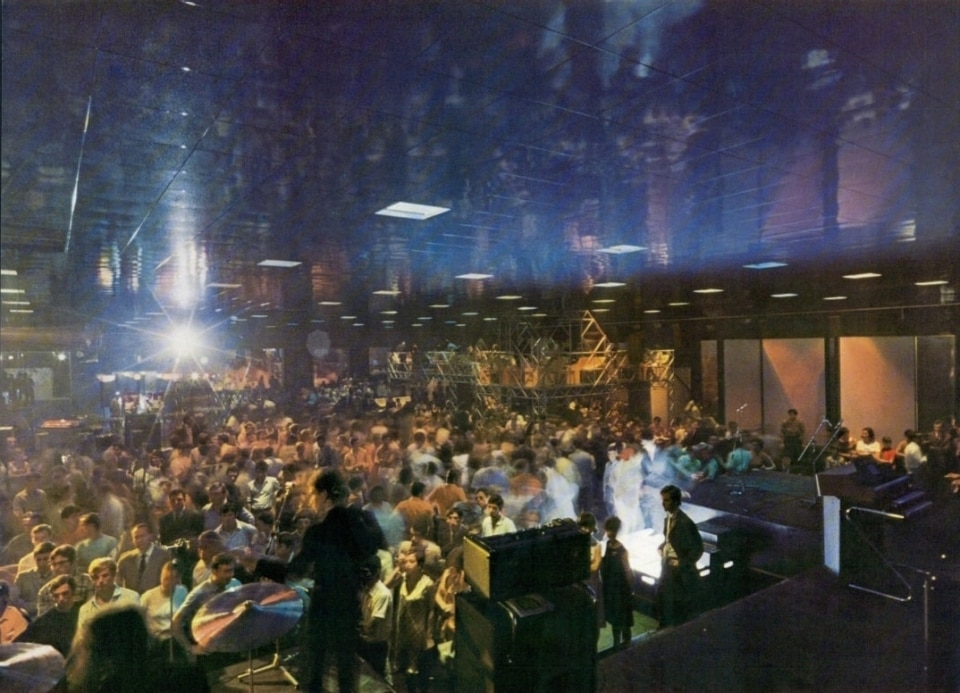
At this point, Graziella and Pietro Derossi took over the project. The club was transformed into a true “Pluriclub”: a flexible space open not only to music, but also to performance, experimental art, and cultural encounters.
The project brought together the diverse attitudes of its authors. Derossi’s radical and fashion-driven impulses intertwined with Ceretti’s lighter sensibility and Rosso’s multifaceted practice, which extended beyond architecture into activism with the Fuori! movement, alongside Angelo Pezzana and the Luxemburg bookshop circle.
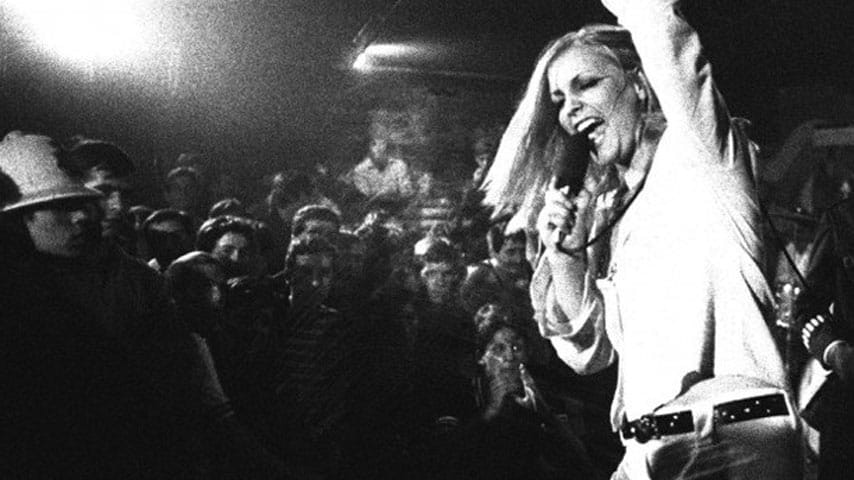
The Turin Piper quickly developed a distinct identity compared to its Roman counterpart: less glamorous, more experimental. A place where artistic and political scenes naturally overlapped.
A cultural laboratory
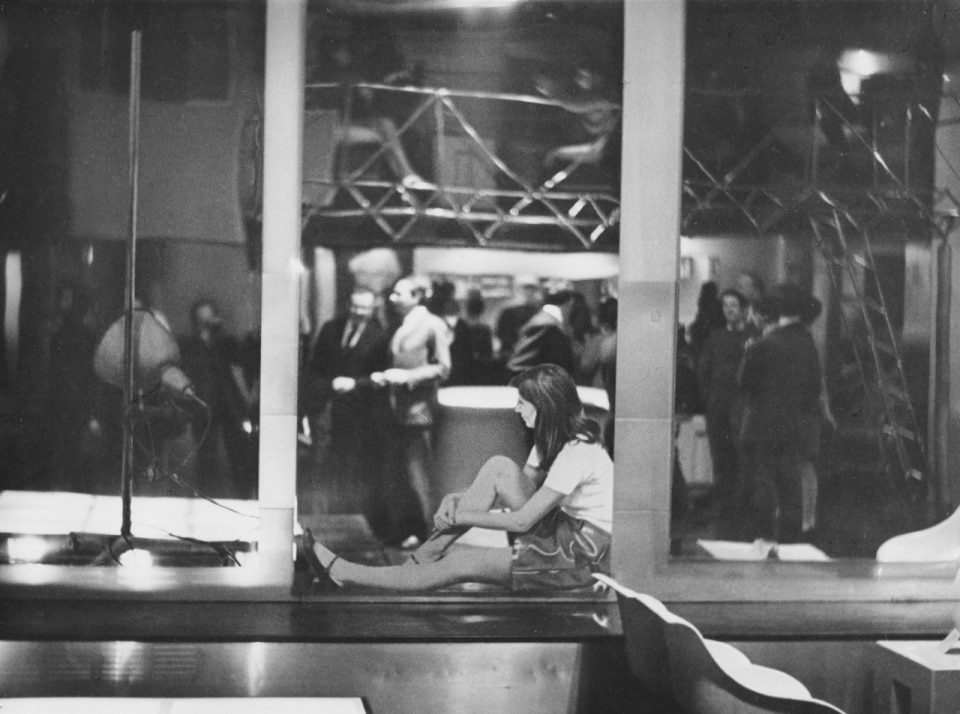
From the outset, the Piper became one of the liveliest hubs of Turin’s emerging scene. Artists associated with Arte Povera, students from the Politecnico, young yé-yé dancers, and intellectuals discussing architecture and politics until late at night all converged here.
At the turntables was a young Gianni Piacentino, then developing a body of work between Pop and Minimalism—decades later celebrated in a major retrospective curated by Germano Celant at Fondazione Prada.
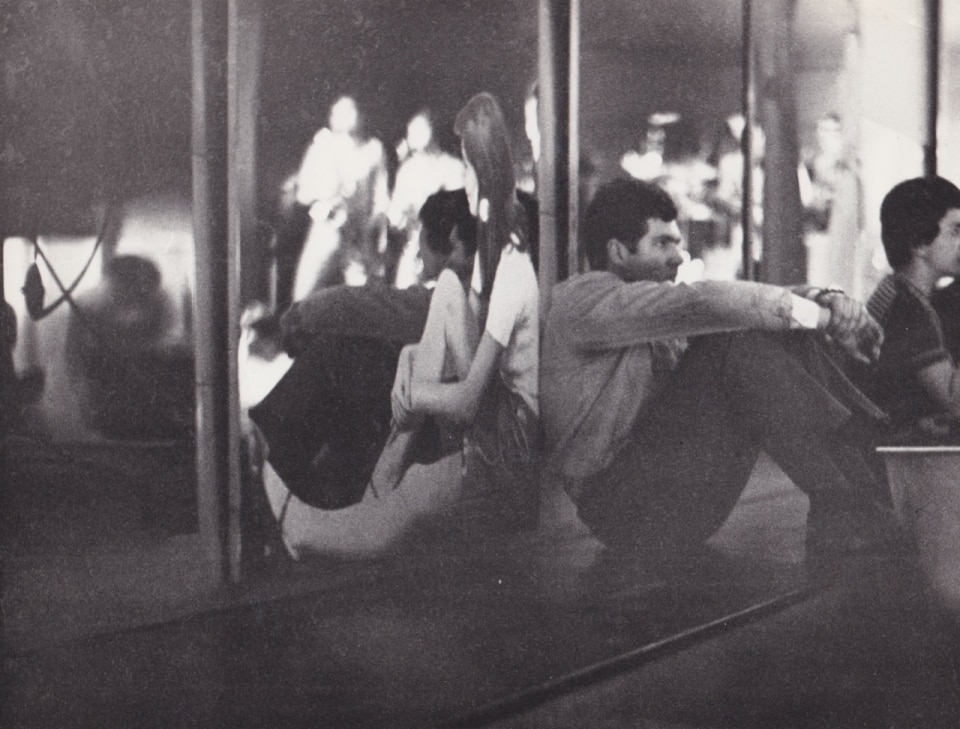
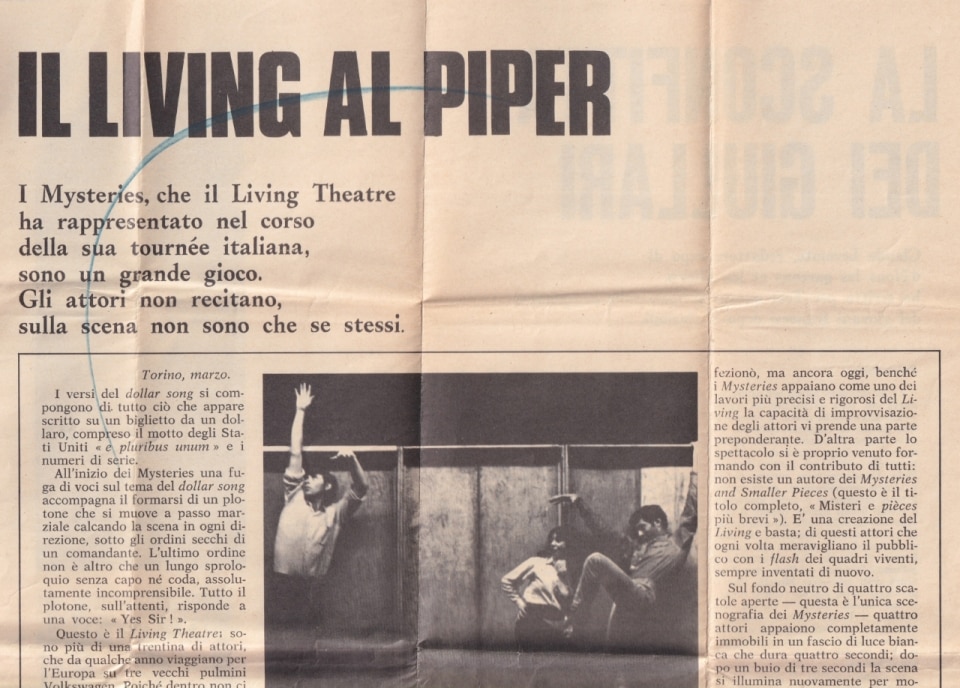
Curated by Graziella Derossi, the program brought figures such as Michelangelo Pistoletto, Pietro Gilardi, Carlo Quartucci, and Gruppo Camion to the club. Among the most memorable events was the concert by Le Stelle of Mario Schifano, during which tracks were recorded for the band’s only album, Dedicato a….
The space itself was a field of experimentation. The club was conceived as a transformable environment, made of mobile lights, platforms, and surfaces designed to shift throughout the night—closer to a stage device than to a conventional nightclub. Custom installations were created for the Piper, such as Bruno Munari’s light machine and Sergio Liberovici’s “sound staircase,” turning the architecture into a fully sensory environment.
The Piper operated within an exceptionally fertile cultural context. In those same years, Turin was one of the most dynamic centers of contemporary art in Europe. The club brought together the cultural consumption of its audience: Pop Art—introduced to the city in 1965 by Gian Enzo Sperone with Andy Warhol’s first solo exhibition—and the political discourse of workers’ struggles promoted by Luigi Bobbio, founder of Lotta Continua.
Avant-Radical Design
At the same time, just a few kilometers away in the Langhe hills, Gufram officially registered the patent for the Pratone, designed by Pietro Derossi, Giorgio Ceretti, and Riccardo Rosso. Their collaboration, which began with the Torneraj seating, developed around Derossi’s proposals, leading him—after a series of successful product launches—to take on the brand’s creative direction alongside the Gugliermetto brothers.
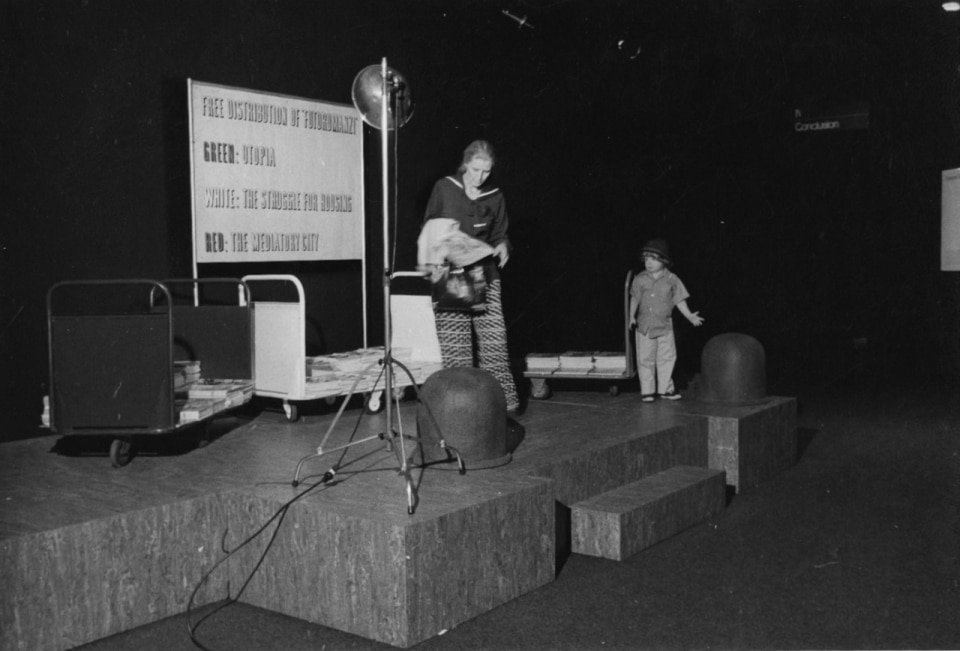
The Pratone quickly became a symbol of the new Italian Radical Design, even appearing on the cover of the catalog for “Italy: The New Domestic Landscape”.
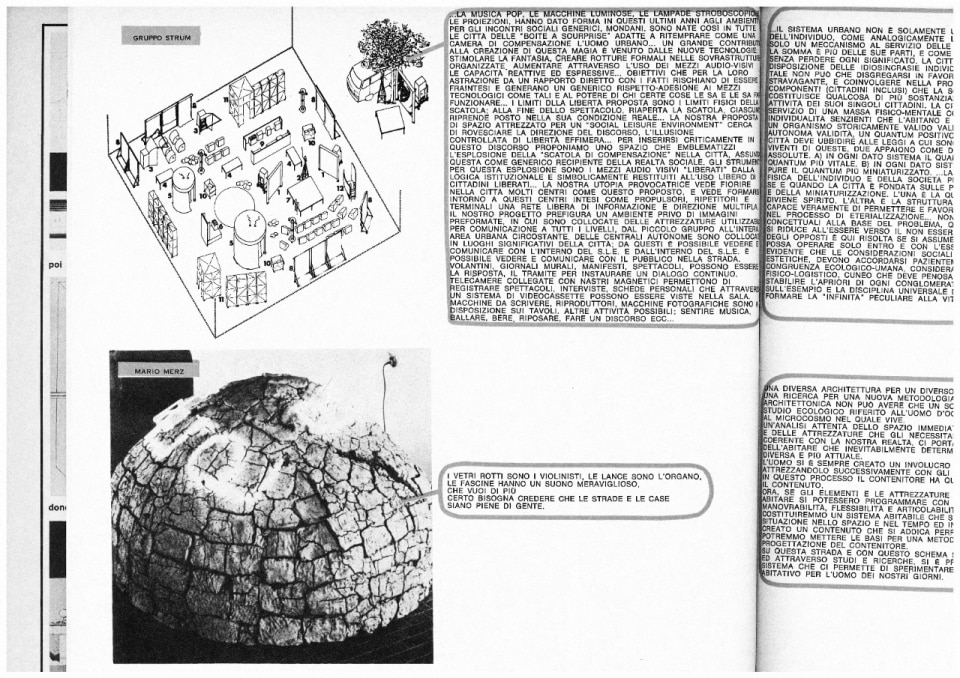
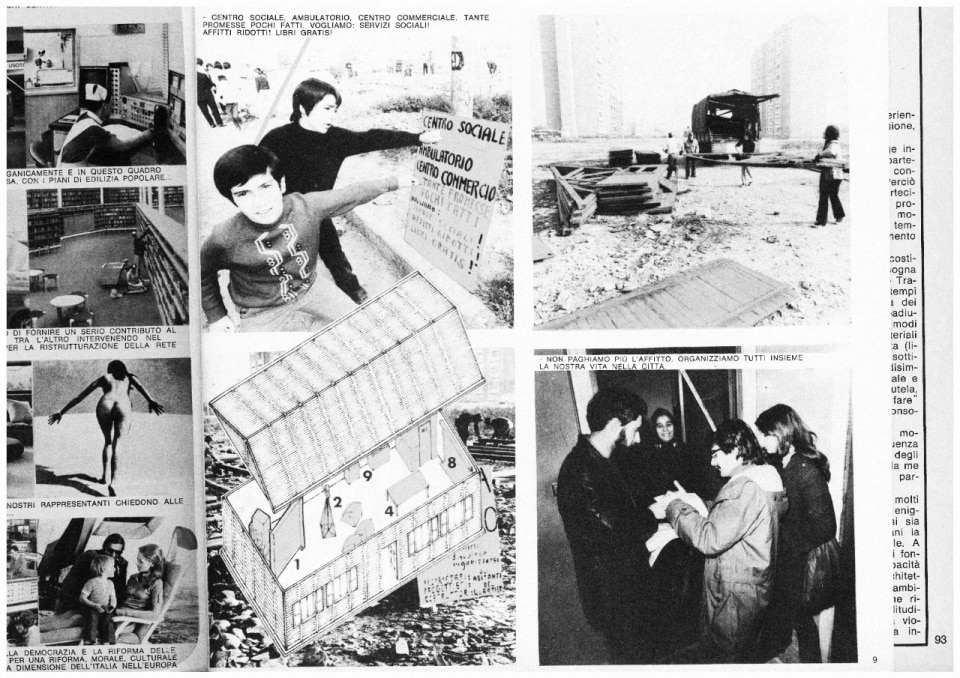
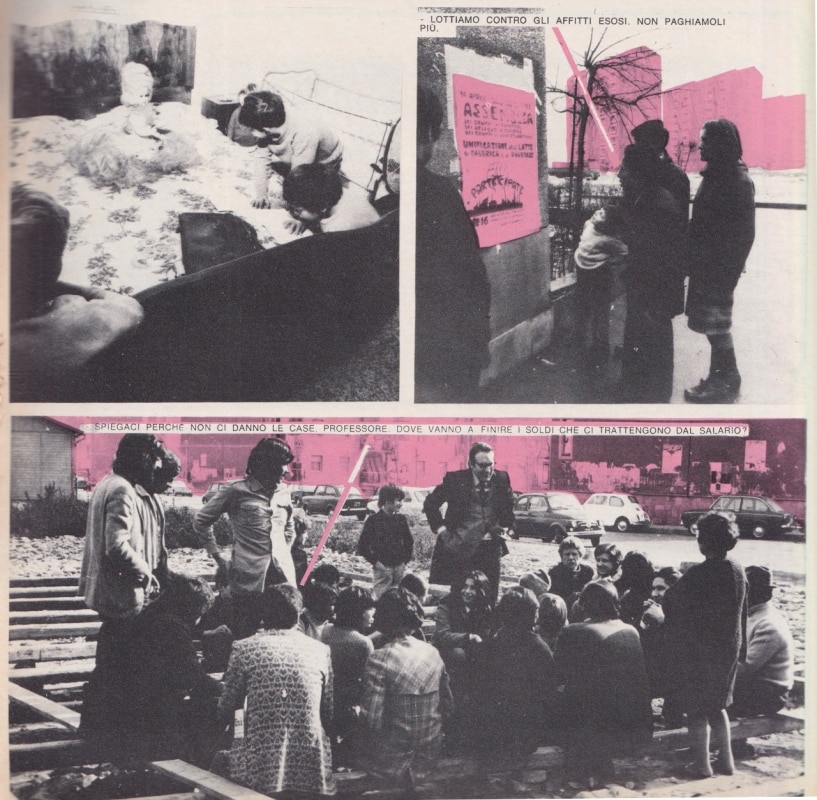
It was on the occasion of that exhibition that Derossi, together with Ceretti and Rosso, formalized the founding of the Strum group and developed the Fotoromanzi project with Carlo Giammarco and Maurizio Vogliazzo. The name—derived from “strumentale” (instrumental)—alluded to the intention of using design as a critical and political tool.
The Piper was not an episode of Radical Design—it was one of the conditions that made it possible.
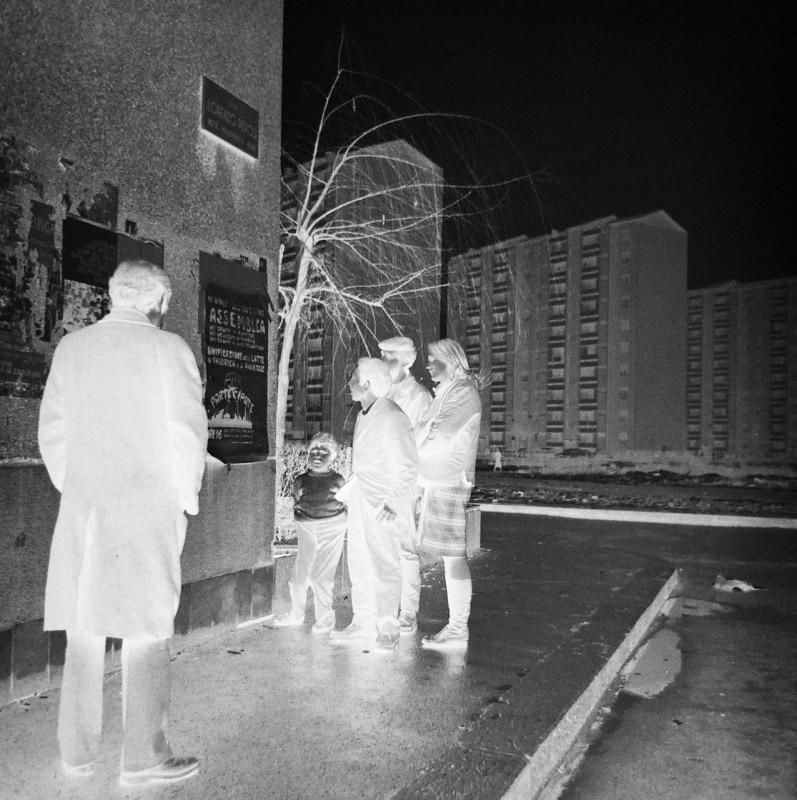
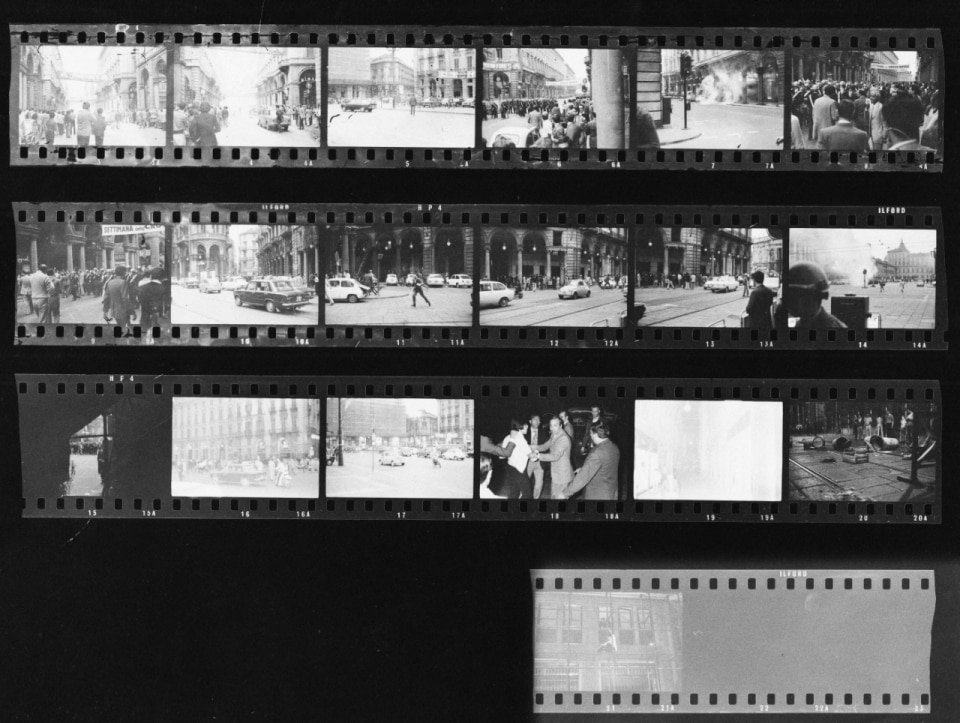
The Fotoromanzi emerged from Strum’s activist practice, drawing photographic material directly from demonstrations in which its members participated. Through the format of the photostory and the use of bold graphic language, the group condensed Pop influences into a subtle yet rigorous critique of the art object and its reproducibility.
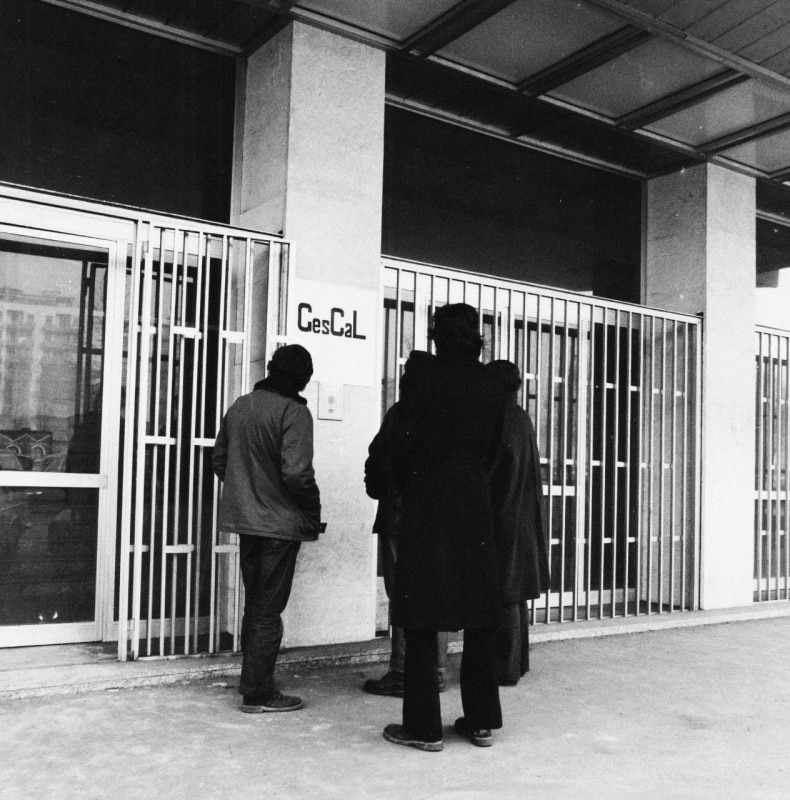
If Italian Radical Design has often been narrated—through the Ambasz lens—via iconic objects or design collectives, the Piper reminds us that this movement was rooted in specific places and situations.
For several years, the Turin club functioned as a container for a distinct cultural landscape in which art, music, and architecture blended without hierarchy. A nocturnal space that did not simply host events, but actively contributed to shaping a new design culture.
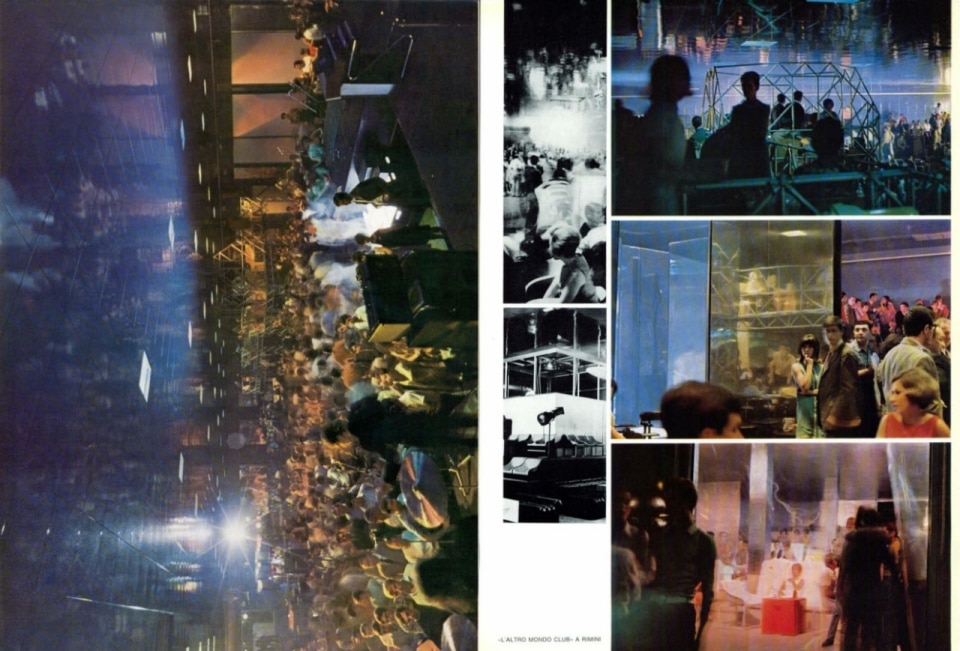
Sixty years later, the Piper appears less as a marginal episode in the history of Radical Design and more as one of its preconditions. Before Radical Design became a recognizable language, there was already a place in Turin where that language was being practiced—night after night.