




Eyes fixed on an inscrutable point ahead, hair slicked back like a teddy boy, trees rushing past the window: Agent Dale Cooper is speaking into his portable recorder, announcing his arrival in the town of Twin Peaks. It’s almost noon, late February, and the investigation is into the death of Laura Palmer. That scene, directed by David Lynch, would remain as a postcard of the 1990s, one of the most replayed and quoted moments in television history.
But Cooper isn’t simply recording. He’s talking to Diane. Who is Diane? Does she even exist? Viewers of Twin Peaks needed years to find out. Today, thanks to artificial intelligence, there’s a Diane for everyone: it’s called Plaud. Founded in 2021, not through traditional venture funding but via a crowdfunding campaign that raised over a million dollars in preorders, Plaud was created by Nathan Xu (also known as Xu Gao).
From transcription to analysis
Unlike other AIs that try to do a bit of everything, or those promising a human-level “super intelligence,” Plaud has a very clear mission: to turn our spoken words into structured intelligence.
Apps that transcribe speech are nothing new. Otter has been widely used for years, working well for meetings, discussions, and interviews. Apple and Google have tried to catch up, but voice note transcription on smartphones is now almost taken for granted. Even iMessages are transcribed today, and Meta is gradually integrating this option into its apps, starting with Instagram. Love them or hate them, voice notes no longer inspire fear: at worst, if they’re too long, you just ask ChatGPT to summarize them.
Plaud isn’t just another AI gadget destined to be forgotten after a few months, but a device that questions the very act of note-taking, shifting it from writing to speaking. It’s a radical transformation.
In this landscape, not saturated but certainly crowded, how does Plaud move? With a strategy reminiscent of the old “Apple system”: making hardware and software work together, offering portable recording devices—much more miniaturized than the one Cooper used—and an app to interface with them.
And it’s in the app where the magic happens. Plaud’s interface is intentionally simple. It doesn’t look very different from any other voice memo app, with recordings listed like entries in a log. They appear as cocoons, waiting for the single colored graphic element—the “generate” button, fittingly marked with a magic wand icon. Once pressed, it unleashes a surprising elaboration that brings the recording’s content vividly to life.

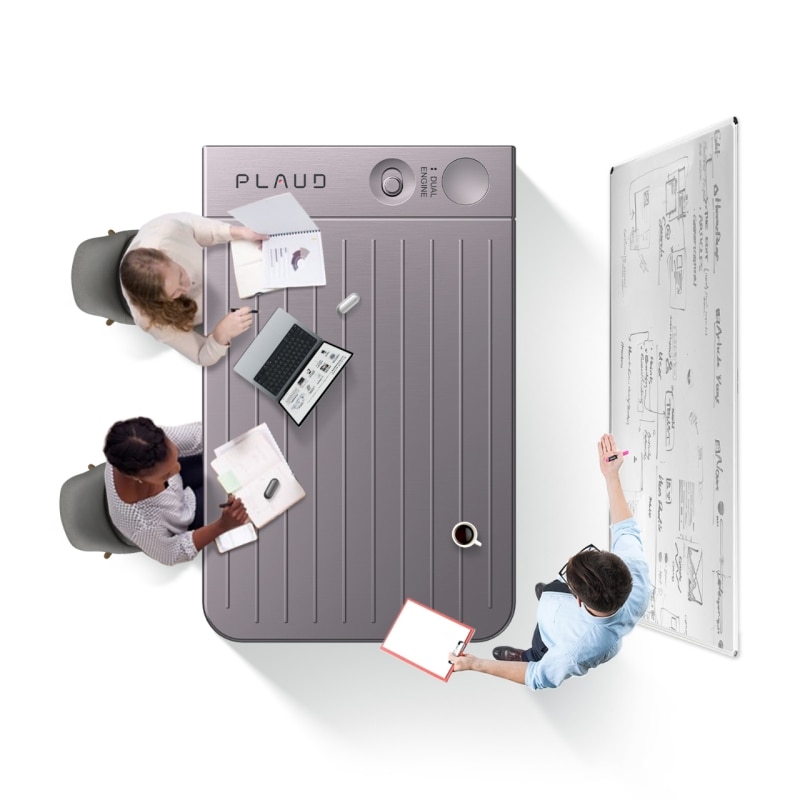
For every recording, Plaud first produces a transcription. It’s accurate and neatly formatted, distinguishes between speakers through voice recognition, and provides time tags that help navigate longer sessions. So far, so good. But from that transcription, Plaud then performs a complex (and sometimes exhaustive) analysis, producing a critical summary—sometimes even longer than the original text. It offers alternative perspectives, conceptual elaborations, contextual insights. This is powered by a platform interacting with ChatGPT, Gemini, Claude, and other AIs—imagine them sitting around a table, each contributing according to its strengths.
Plaud can also create a mind map of the conversation, turning spoken words into a visual product. And, via app or browser, you can even “ask questions” of the conversation, engaging with it from angles the machine couldn’t anticipate. Key features include support for over a hundred languages, cloud storage, end-to-end encryption, and declared GDPR compliance (though no independent certifications are currently available).

From work to personal journaling
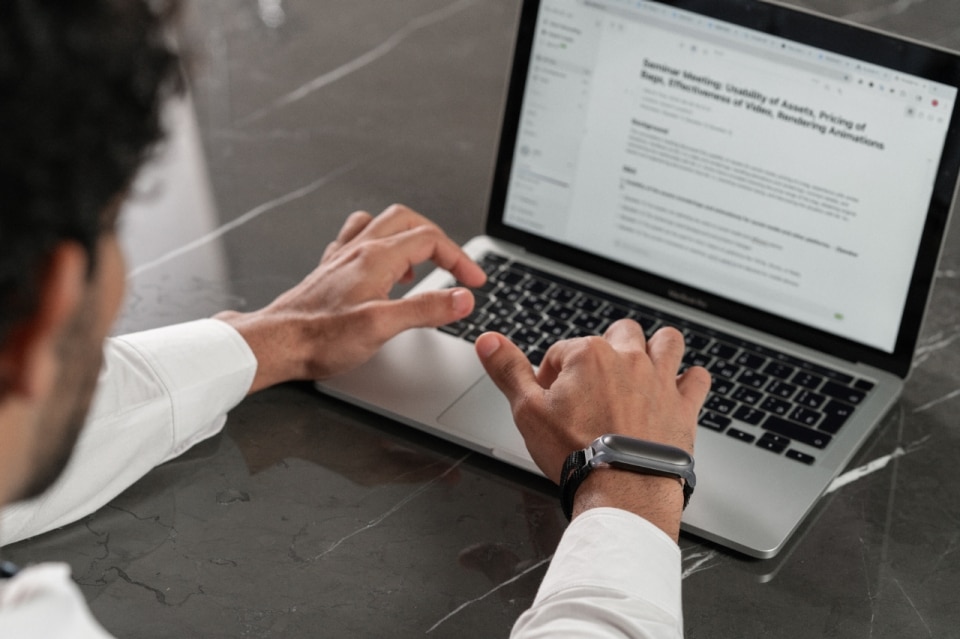
After a month of using it, Plaud has become part of both my work and my lifestyle. It’s undeniably useful for interviews, though its suggestions often open up so many tangents that one risks wandering instead of focusing. Friends and colleagues use it extensively in meetings, where Plaud essentially performs the tasks once assigned to interns or secretaries—and it does them well. Yet during brainstorming sessions, I sometimes worry that the act of recording might influence participants’ contributions.
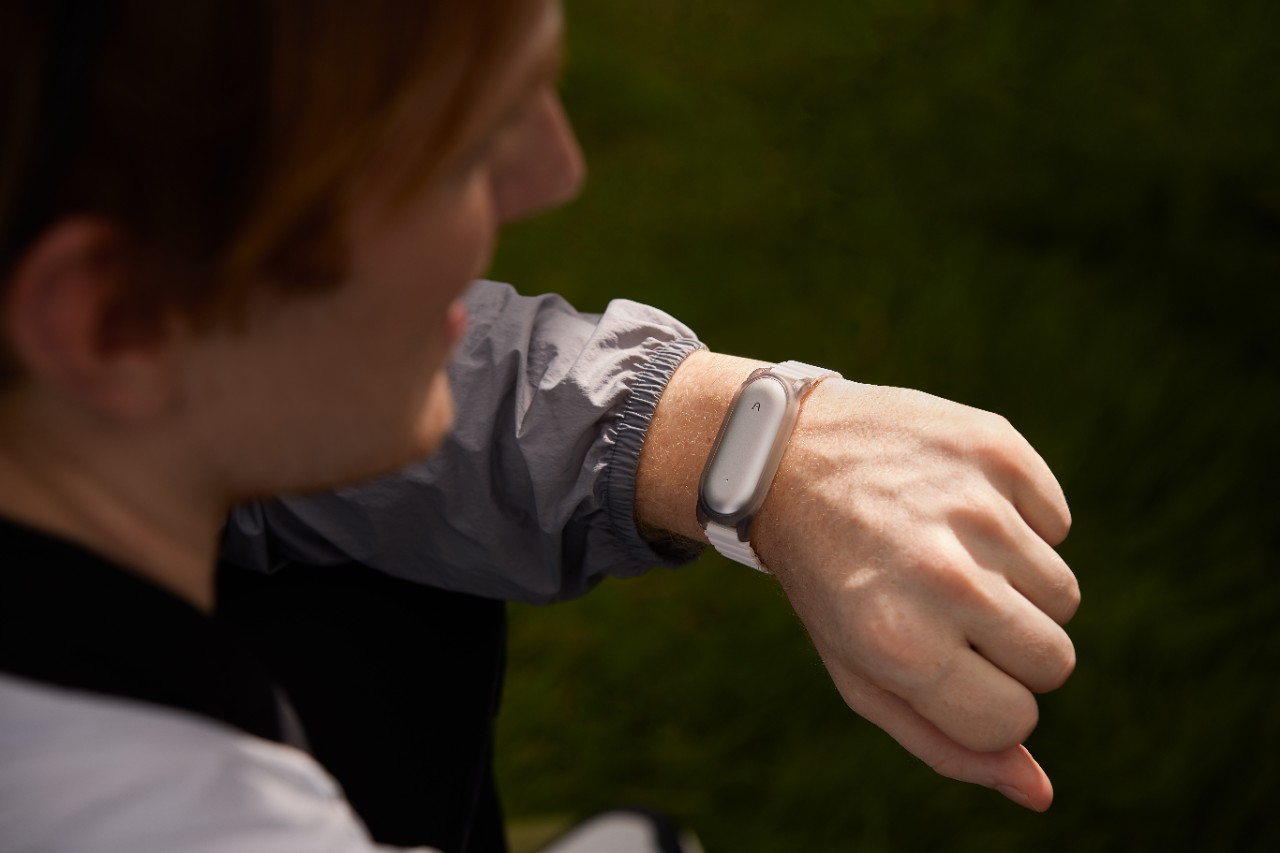
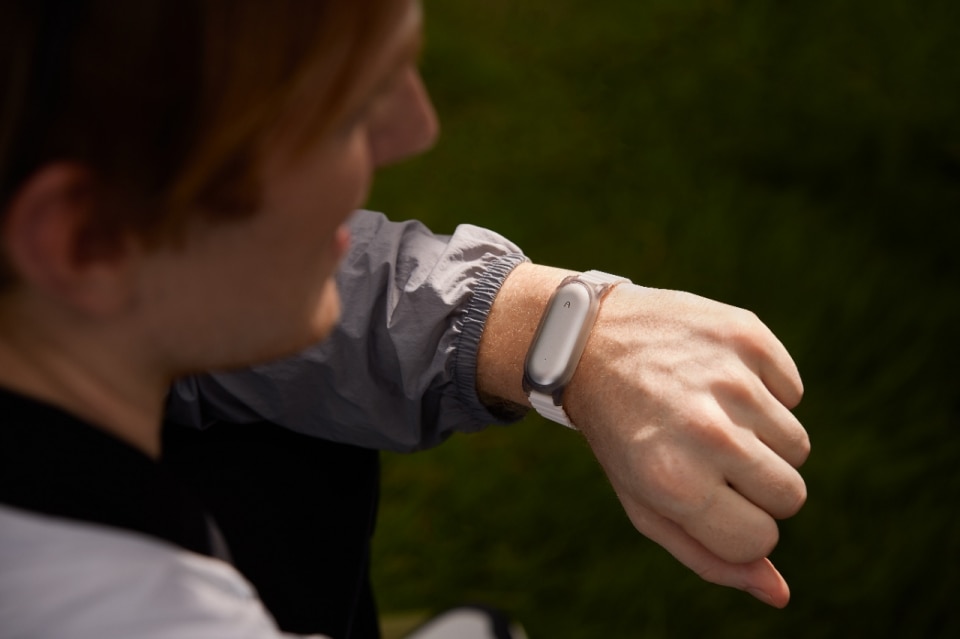
Over time, I’ve also begun to use Plaud much like Cooper did—though in my case, for an investigation of myself. I discovered it’s an excellent journaling tool. Because I… wear Plaud on my wrist.
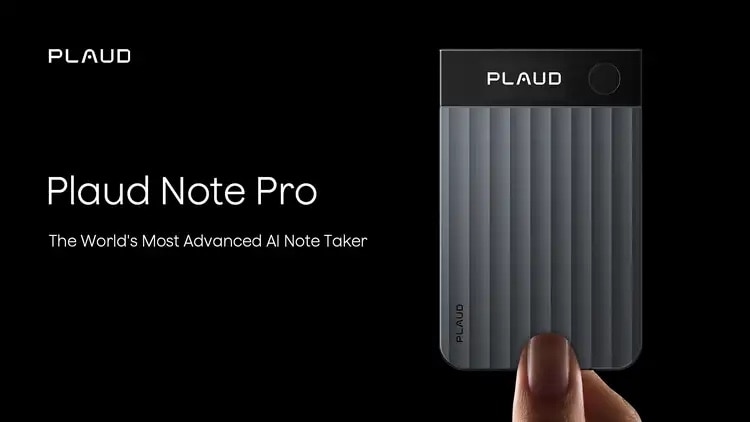
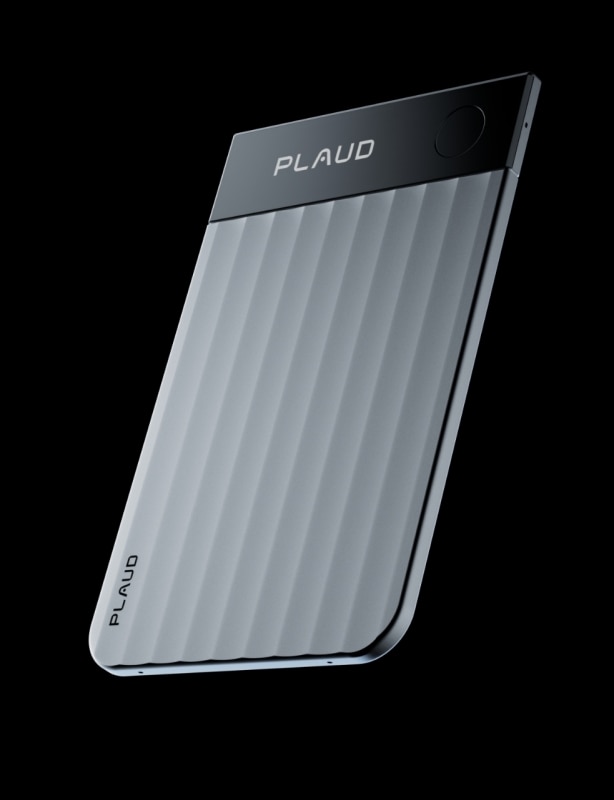
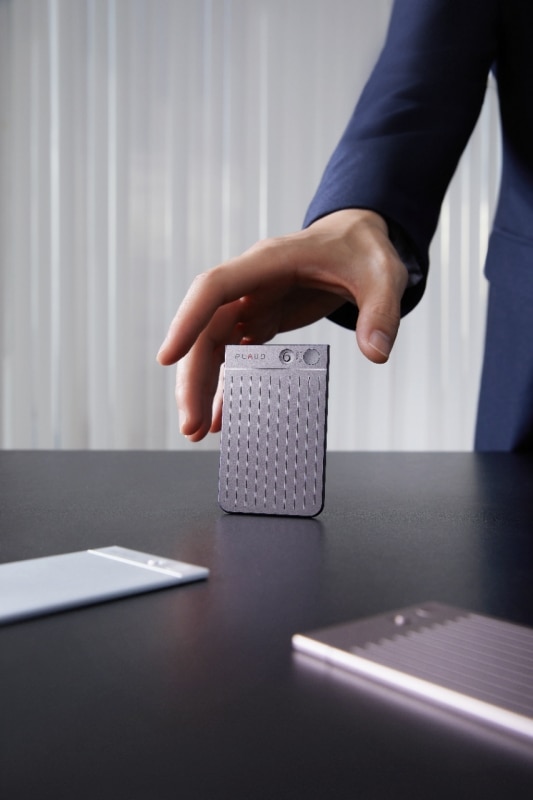
Which brings us back to the physical “objects” in Plaud’s galaxy. Last month, the company launched the NotePro: long battery life, display, the ability to record phone calls, and even to capture audio from a distance—perfect for a public talk. I used it at the Klimahouse conference, in a Venetian building on the Zattere, where the speakers weren’t miked. Roughly the size of a credit card but slightly thicker, the NotePro evolves from the earlier Note model and can also be attached magnetically to an iPhone via MagSafe. It launched at about $179 (just under €170), with 300 minutes of transcription included per month.
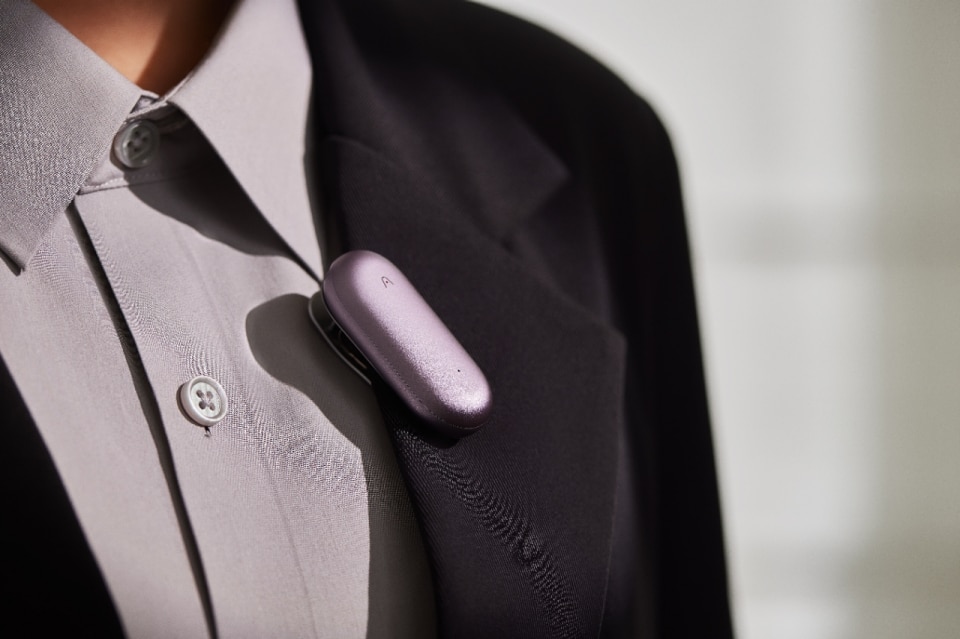
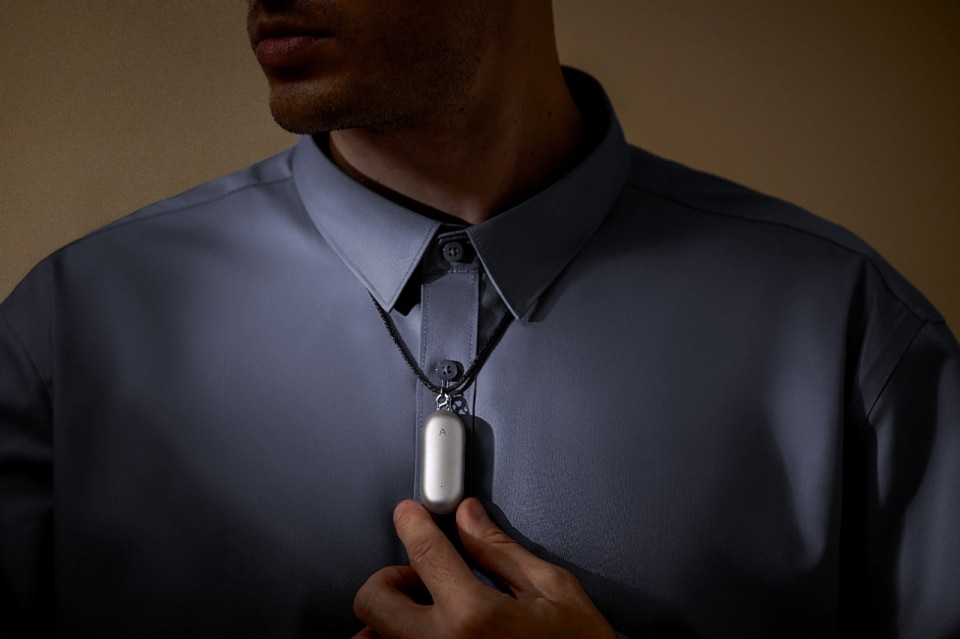
A cutting-edge portable recorder, a bit like MiniDiscs in the Y2K era—one wonders if Plaud has considered making a version for musicians. My personal favorite, however, is the NotePin: as small as a child’s finger, wearable clipped to clothing, slipped into a pocket, hung as a pendant—or, as I’ve gotten used to, worn on my wrist. Activated with a long press, it records, signaled by a small red light. The charging cables are proprietary and differ between the Note and NotePin—a frustrating detail in an otherwise polished system.
Plaud has become part of both my work and my lifestyle. Over time, I’ve also begun to use Plaud much like Cooper did—though in my case, for an investigation of myself. I discovered it’s an excellent journaling tool.

Over the years I’ve used many tools for keeping a diary: notebooks, the reMarkable, even an Alphasmart typewriter. In contexts where speaking is possible, the NotePin is by far the easiest—eliminating the labor of writing. Of course, the expectation is that Plaud’s AI-powered analysis compensates for the lack of clarity that often comes with spoken language. But as a wearable, always at hand, it’s uniquely practical—for meetings, interviews, or anything else.
Limits and prospects
This Diane-style usage suggests it would be useful if Plaud could also set reminders or organize notes in a more complex file system beyond simple transcription and elaboration. In the current void left by digital assistants no longer smart enough to satisfy us, Plaud already feels far ahead.
Still, not everything will appeal to everyone. First and foremost, Plaud costs. Not so much for the devices themselves, which are relatively affordable (between €150 and €180), but for the transcription minutes, sold in bundles. During its beta phase, minutes were unlimited; now, the standard plan includes 300 per month, with additional packages available by subscription.
The app can be seen in two ways: on the one hand, complete enough that it doesn’t require a dedicated device—the smartphone records just fine without draining too much battery. On the other hand, despite its simplicity, the app itself could benefit from a dose of the same intelligence it applies to recordings. Seen this way, Plaud may only be the beginning of something much larger.
And that’s precisely the measure of its value. Plaud isn’t just another AI gadget destined to be forgotten after a few months, but a device that questions the very act of note-taking, shifting it from writing to speaking. It’s a radical transformation, with both opportunities and risks: greater accessibility and speed, but also the temptation to outsource too much to a machine that returns our thoughts pre-packaged. In this precarious balance between convenience and dependency, between human memory and artificial memory, lies the question of whether Plaud will remain a brilliant experiment or truly become the new voice notebook of the digital age.