

There is a parallel world in which Jannik Sinner is not the most lethal tennis player of his generation, but a skier—one of those who, in these first cold months of 2026, would be fighting for a medal at the Games between Milan and the Dolomites. It is not a poetic suggestion. Before choosing tennis, Sinner was a junior giant slalom champion. At eight years old, he had to decide between two trajectories. Many of his friends and teammates from those years are truly on the slopes today, competing for the podium.
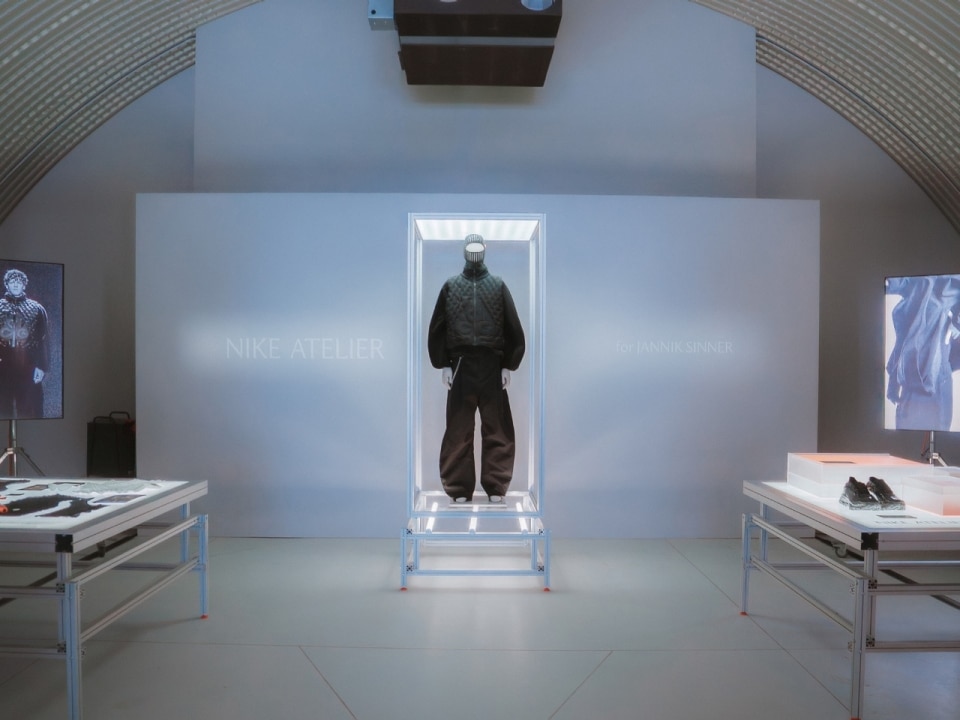
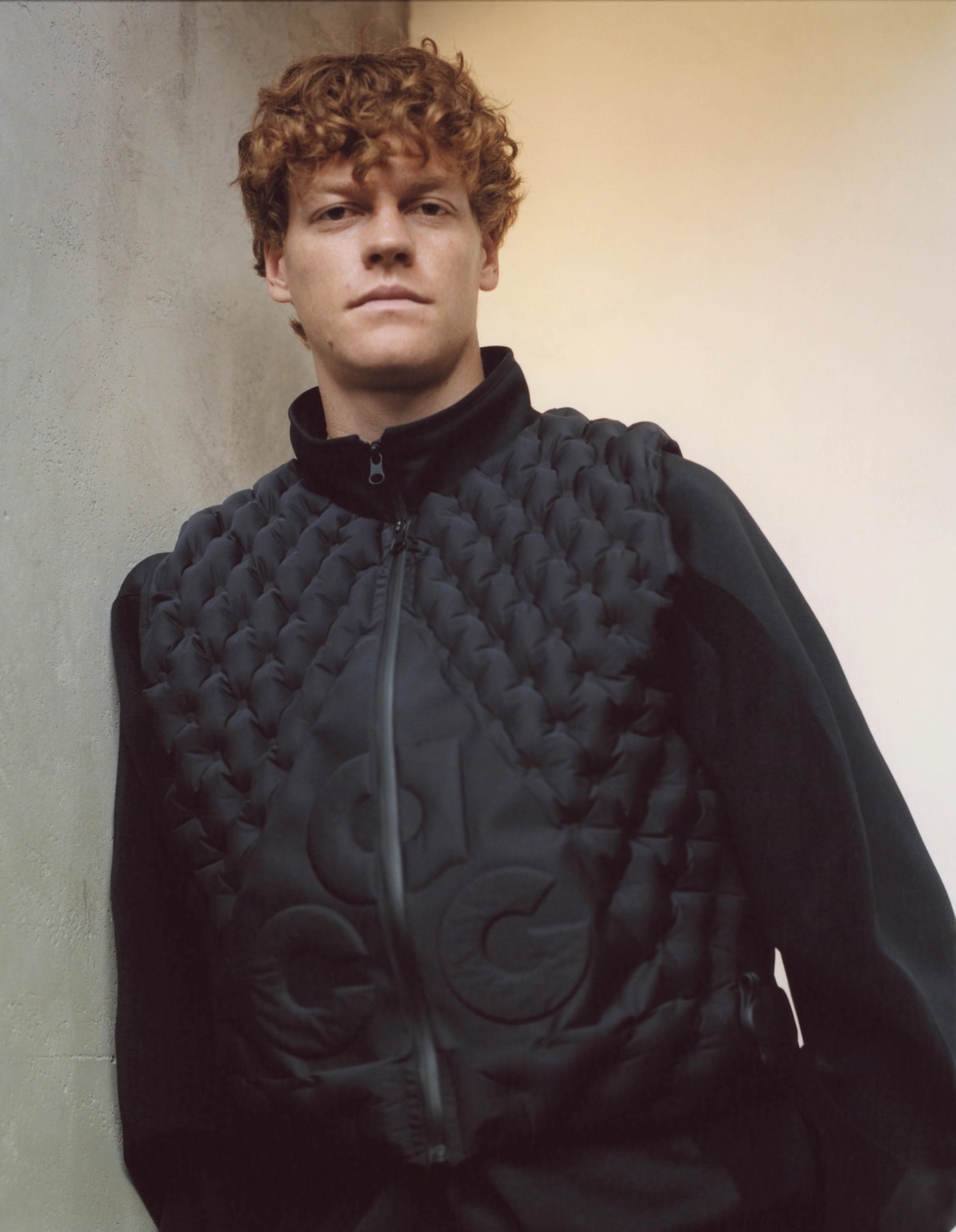
The one-of-one look created with Nike and ACG seems to come precisely from that parallel life never entirely archived.
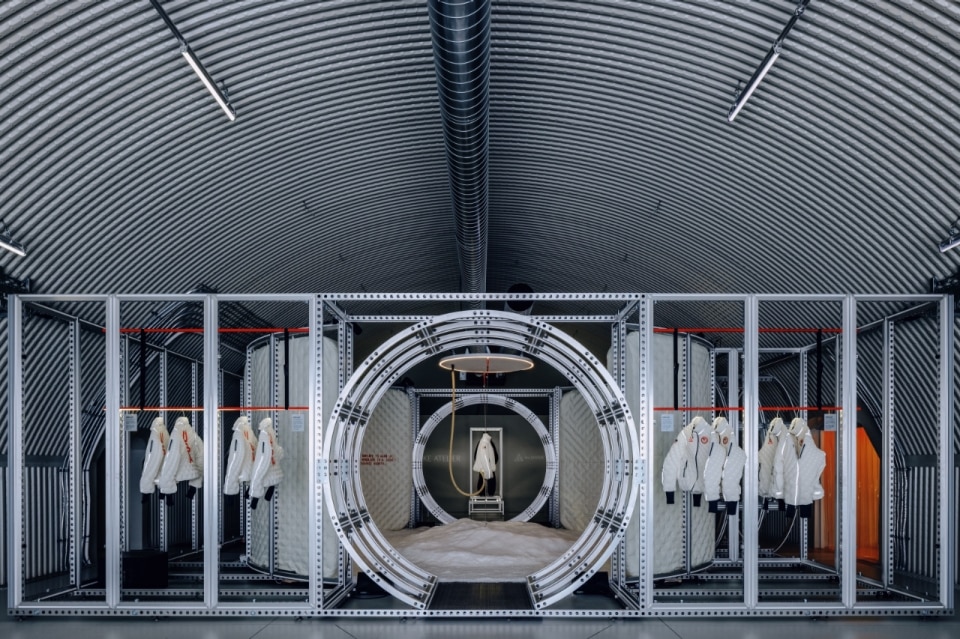
ACG—All Conditions Gear—was born in the late 1980s as Nike’s outdoor line, designed to adapt to any climate and terrain. It has never been merely a technical collection: it is a parallel laboratory within Nike, a space to experiment with materials, functionality, and landscape culture.
In recent years, ACG had become almost a cult presence, beloved by cool kids and urban outdoor tribes. A brand within the brand, more referenced than truly central. Now it appears ready for a forceful return to the forefront.
Sometimes you have to forget the past to create the future.
Martin Lotti, Chief Design Officer of Nike
In this context, Sinner is both unexpected and perfectly aligned.
“You wouldn’t think of Sinner in ACG at first,” says Martin Lotti, Nike’s Chief Design Officer. “But if you dig a little deeper, you discover his history as a junior ski champion. You realize how authentic it is.”
The team flew to Melbourne for custom fittings. “We’re trying to capture the spirit and the person,” Lotti explains. “Not just the performance.”
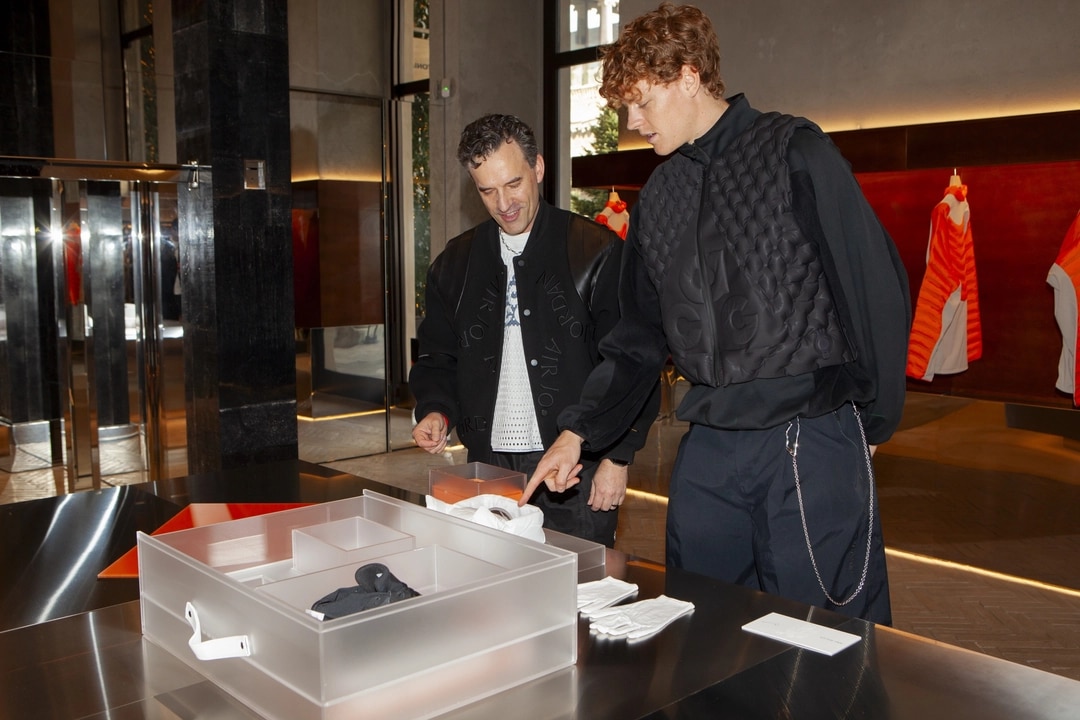
The result is a sculptural, ultracool black system of garments: generous volumes, a boxy cocoon silhouette, a restrained elegance that resonates with the silhouette shift popularized by Demna’s Balenciaga as well as darker American aesthetics, brushing against gorpcore as outdoor becomes cultural language.
“If you think about Sinner, he’s not loud, but he is powerful. That’s what we tried to achieve with the design: not loud, but powerful.” Minimalism becomes a translation of character. And then there are the details: a silver carabiner inspired by Alpine contour lines, inserted as a discreet marker of origin.
Performance, style, soul
Transforming identity into product, personal history into a universal story to be worn. Creating garments that are beauty and performance, but also memory, genealogy, pure storytelling. This is one of Nike’s great strengths: a design precision capable of engraving athletes’ memories into the smallest details of their garments and footwear.
“A good Nike product has performance, style and soul,” Lotti says. “If it’s not new and better, it doesn’t deserve a swoosh.”
The collaboration with Sinner is not a fashion episode, but a symptom of a broader vision.
Air beyond the sole
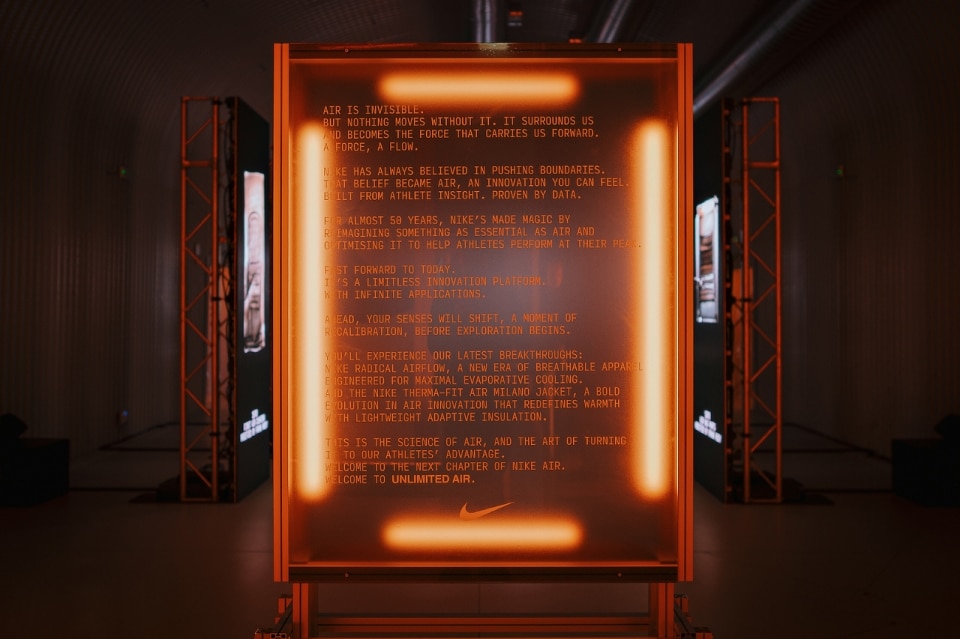
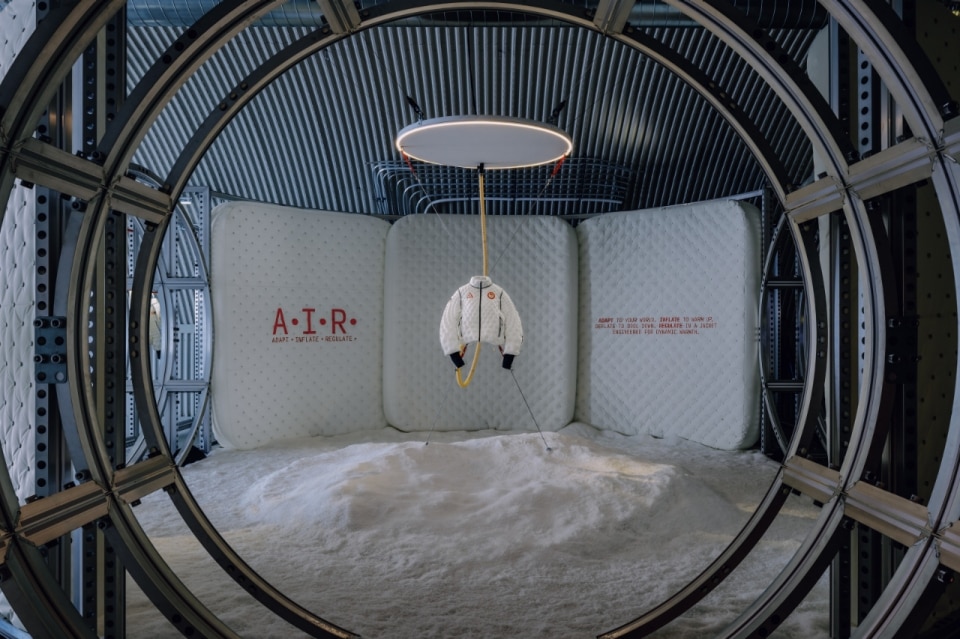
We met Lotti in Milan during Unlimited Air, when Nike presented the new phase of the Air platform. Introduced in 1978 as a pressurized-air cushioning technology, Air was for decades a capsule inside a shoe—lightweight, visible, iconic.
Today, it is changing scale.
“The airbag is no longer in the jacket. The airbag is the jacket.”
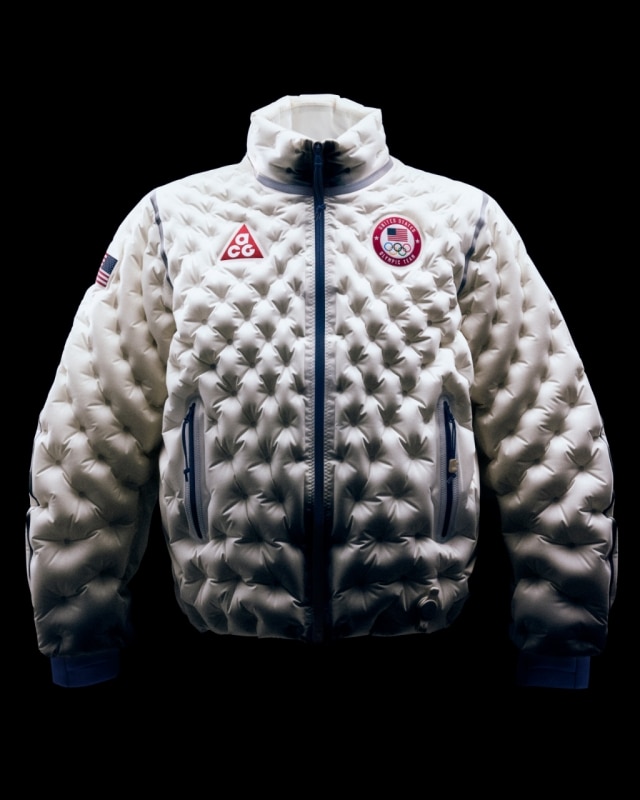
With the Therma-FIT Air Milano Jacket, Air structurally enters apparel. Worn by Team USA athletes during winter medal ceremonies, it allows insulation to be adjusted by controlling the amount of air inside the garment. Air becomes infrastructure.
“This is the most complicated apparel garment we’ve ever built,” Lotti admits. Simple in concept—using air as insulation—extremely complex in execution. Volumes are sculpted through data and body mapping developed by the Nike Sport Research Lab, merging precision engineering with sophisticated design.

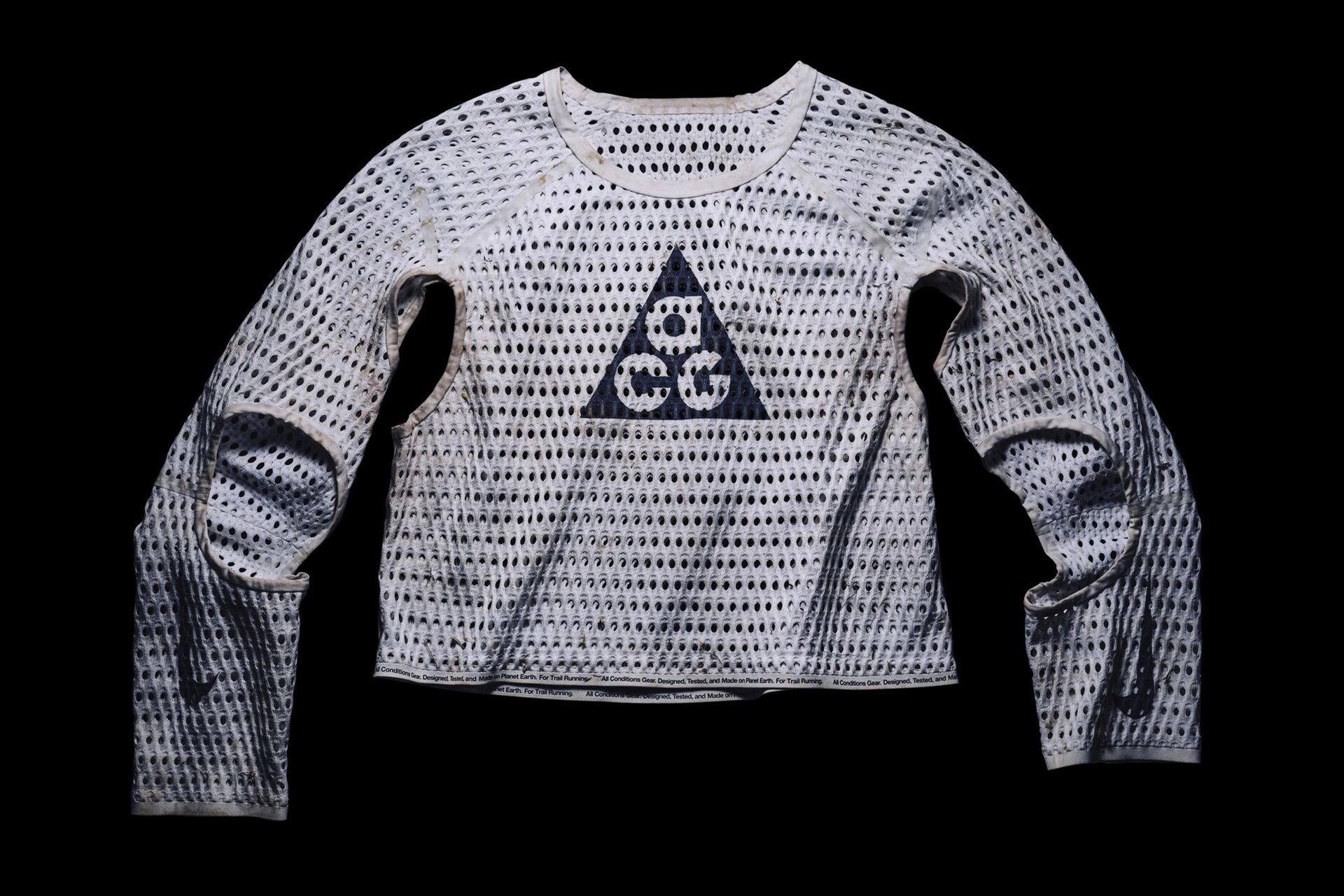
Alongside this “warming” evolution, Radical AirFlow addresses the opposite challenge: cooling.
“You capture the air, compress it, increase the velocity and let it out.”
Air is trapped, compressed, accelerated, and released to enhance sweat evaporation. A physical, almost mechanical principle that turns air into a natural turbine. The same medium, two opposite functions: heating and cooling.
Logical and illogical
“Sometimes you have to forget the past to create the future,” Lotti says. “We approach design both logically and illogically.”
A long-sleeve garment like Radical AirFlow in extreme heat may seem illogical. More coverage appears to mean more heat. And yet the opposite is true: more surface means more interaction with air, more evaporation, more cooling.
A good Nike product has performance, style and soul. If it’s not new and better, it doesn’t deserve a swoosh.
Martin Lotti
Counterintuitive design—like a parallel world in which a tennis player might have become a skier.
From foot to body
For Lotti, Nike today does not design only for performance in competition, but for the athlete’s entire journey—before, during, and after. The complete experience.
Air is no longer just cushioning. It is no longer just an icon visible in the sole.
It has become a design language that moves across the body—from foot to torso, from shoe to apparel.
And that story—that possible deviation—becomes the perfect metaphor for another deviation: Air stepping out of the shoe to occupy a wider territory.
Sometimes, to create the future, one must embrace the illogical.
Opening image: Unlimited Air, Nike's event hosted by Drop City in Milan. Courtesy Nike