


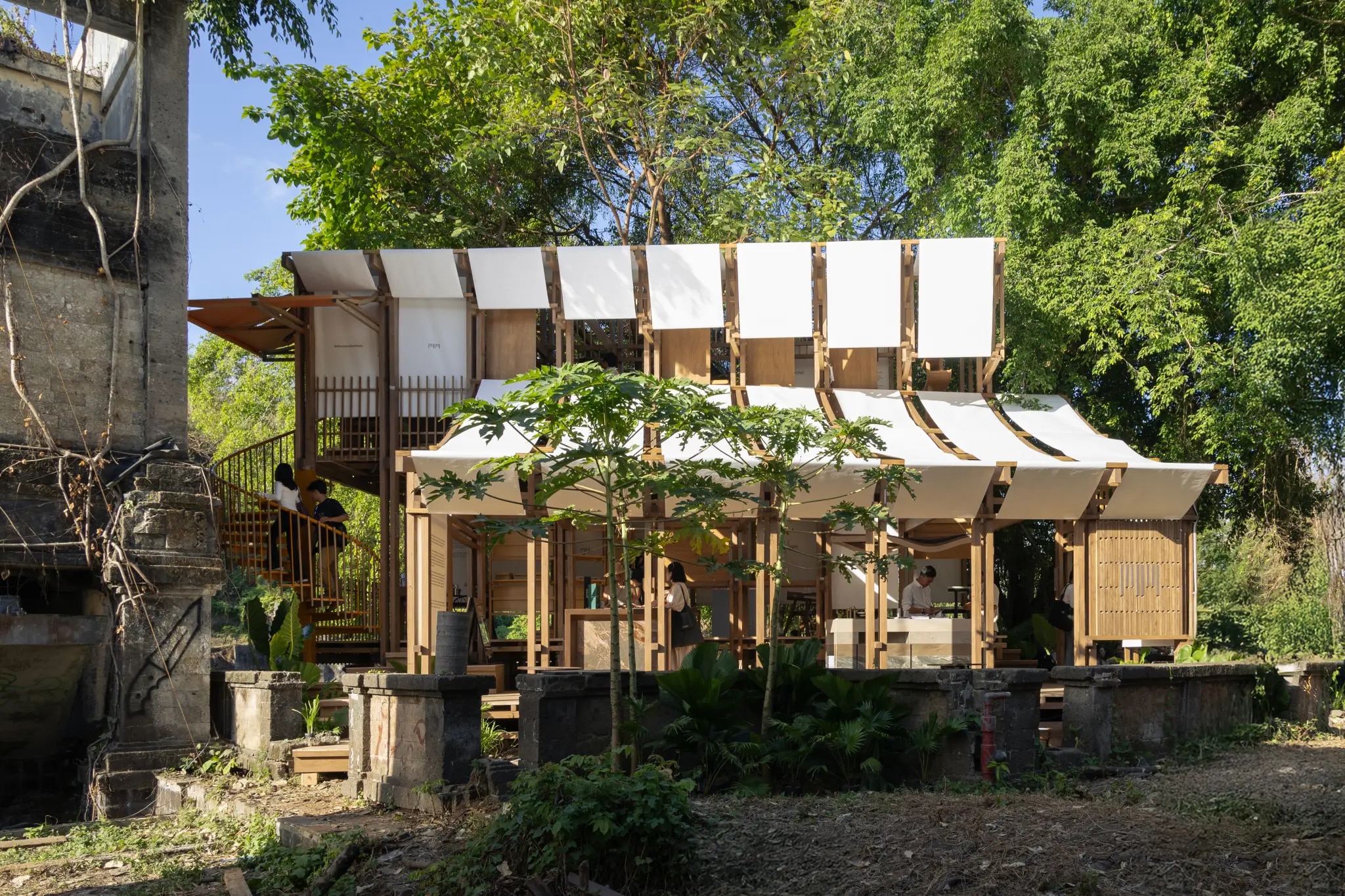
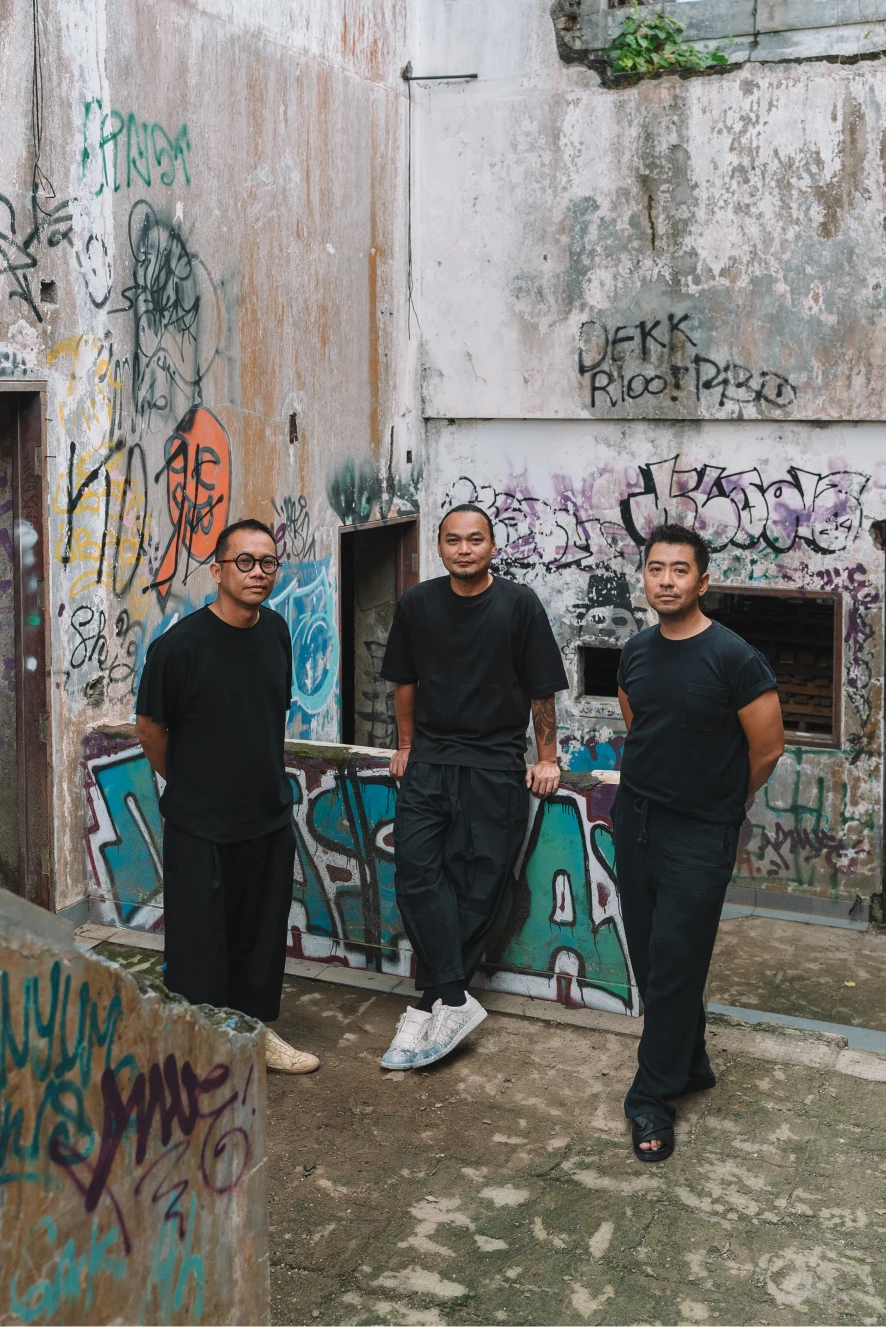
There is a revealing disconnect between the five days of Jia Curated and the pace at which Bali builds for the rest of the year. While the festival seeks to cultivate a design culture rooted in materials, processes and the communities behind them, the island beyond continues to accelerate in the opposite direction, growing through accumulation and opportunity. It is within this context that Jia Curated 2026 returns from 13 to 17 August to Pengembak Beach on Sanur’s eastern shoreline. Dedicated to design, craftsmanship and culture, the festival was founded by Budiman Ong, Rudi Winata and Yang Yang Hartono around the principle of Gotong Royong—the spirit of collective cooperation that remains one of the defining values of Indonesian culture.
This year’s theme, Nature Weave, sets out a clear design position: design is not made solely for people, but also for landscapes, ecosystems and the species that inhabit them. It is a shift in perspective that moves the designer from centre stage to the role of a conscious participant within broader systems. Here, the concept of biophilia—the instinctive pull toward nature, life and rootedness—becomes a critical framework rather than a decorative gesture.
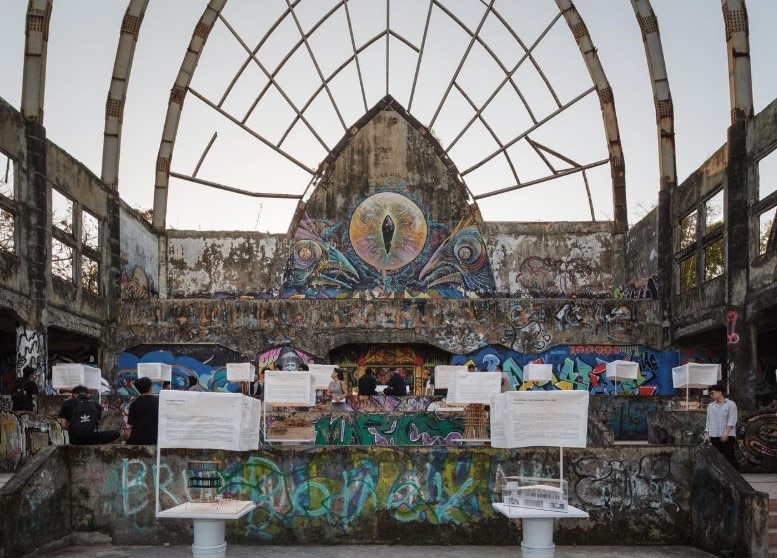
It is also the lens through which Architecture in Scale should be viewed, a section curated by Charmaine Chan, Design Editor at the South China Morning Post. Featuring twenty-five architectural models of projects built across Asia, the exhibition explores how architecture can belong to a place rather than impose itself upon it. These models do not simply represent projects; they inhabit them. Courtyards open to the sky, roofs calibrated to rainfall, materials chosen for their geographic relevance. At a moment when digital rendering has colonised every stage of the design process—from the first concept to final communication—the return to the physical model serves as a reminder that understanding space also means touching it, walking around it and sensing its weight.
Jia Curated’s reputation now extends well beyond local boundaries, and this year’s edition proves it through a tangible decision: opening in Tokyo with Road to Jia Curated, hosted by (Place) by method from 2 to 19 April. The choice was far from accidental. Japan shares the festival’s commitment to material quality and the same respect for craft-based processes.
Nine Indonesian studios brought a distinct visual and material language into an experimental space in the heart of the city. alvinT works with rattan using inherited techniques, yet without any museum-like reverence, pursuing forms that could exist in no other material. Threadapeutic collects textile waste from Jakarta’s factories and transforms it into richly layered tapestries, each piece unique first because of material necessity and only then because of aesthetic choice.
Completing the programme was 360° Design Dialogues, a conversation featuring Budiman Ong, Jin Kuramoto of the Japanese studio of the same name, and Shikai Tseng of Taiwan’s Studio Shikai. The discussion on contemporary Asian design turned the exhibition into a genuine exchange rather than a static showcase.
The main fair will bring together more than 250 Indonesian and international brands, alongside large-scale installations, performances and the return of Waste to Wonder—an initiative that challenges exhibitors and partners to work with discarded materials, reintroducing waste into the production cycle as a conscious point of departure. This year, the programme will be expanded significantly compared to its inaugural edition.
Bali itself remains in a state of intense transformation, with villas, resorts and hybrid hospitality concepts multiplying—quietly but steadily—along the coastline and inland. Serious construction sites sit alongside improvised structures that seem to challenge any notion of permanence. After all, Bali has always been a destination. Amid this ongoing development, a number of projects are attempting to engage more thoughtfully with place and context, posing through stone, water and built form the same questions that the festival raises through design.
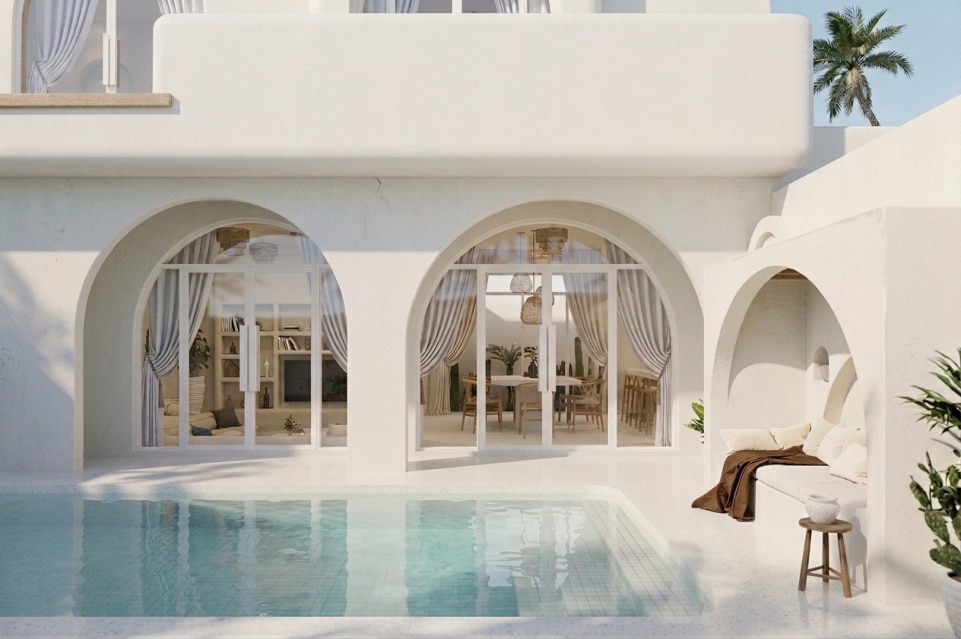
One of them is Svara Boutique Residences by Mazari: twenty-nine private residences in the Bingin area, already described as a design-conscious coastal enclave and scheduled to open at the end of June. The project proposes a hybrid model that combines the spatial privacy of a standalone villa with a fully integrated hospitality infrastructure, including spa services, butler assistance, dining and security. Each residence comes with its own private pool and kitchen.
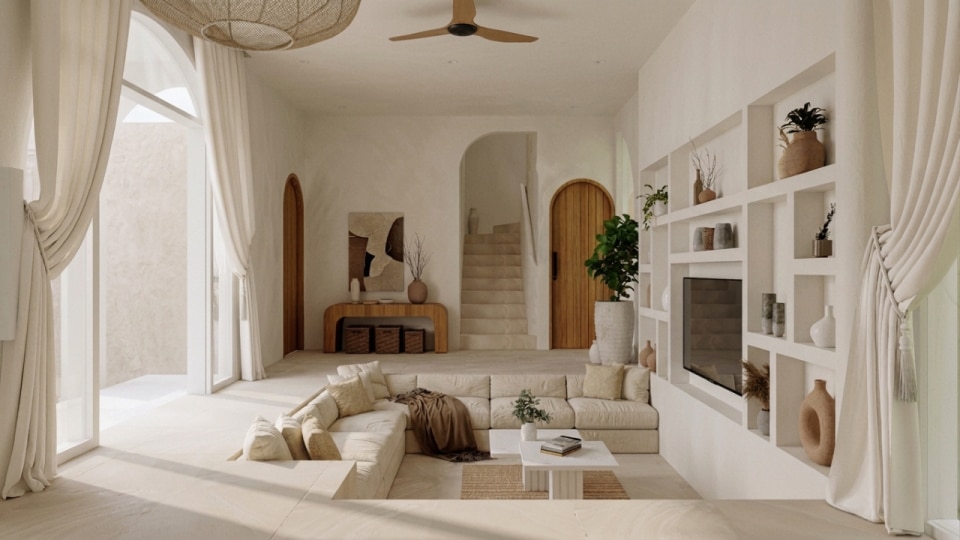
Soft architectural forms, natural materials and a rhythm designed for those seeking distance from the demands of everyday life define the experience. The result is a hospitality model that feels more intimate and residential than resort-like, while still providing all the services expected from an independent residence. In many ways, it embodies the same principle that Nature Weave advocates in design: not imposing a form upon a place, but learning to read what is already there.
Featured image: Serumpun Pavilion by Millimeter Manifesto, Indra Wiras, Jia Curated, 2025 edition. Courtesy of @ the.corator via Instagram
- Event:
- Jia Curated
- Dates:
- August 13–17, 2026
- Location:
- Pengembak Beach, Bali, Indonesia