



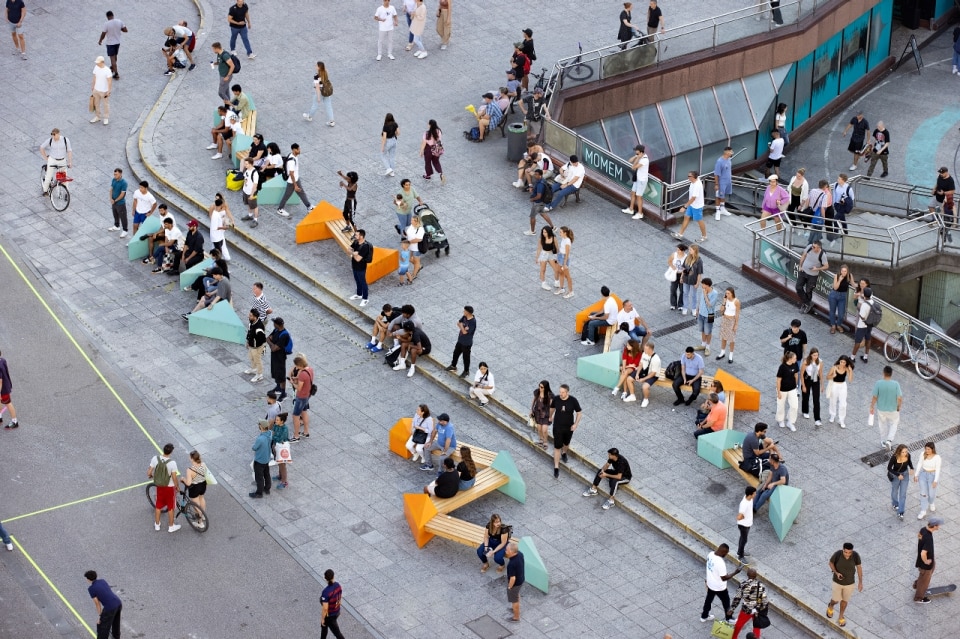
Can design help democracy? This is the surprisingly ambitious question guiding the World Design Capital 2026. This year, the title went to Frankfurt RheinMain, the metropolitan region that includes Frankfurt, Offenbach, Darmstadt, and Wiesbaden, with a program built around a precise idea: using design not just to fashion objects or spaces, but to make societies more open, inclusive, and participatory.
Mala tempora currunt, one might say. We live in years that seem to leave little room for optimism, whether looking at politics, the climate, or, why not, the design world itself. Yet there are those who continue to believe that design culture can intervene not only on products and spaces, but also on the way we live together.
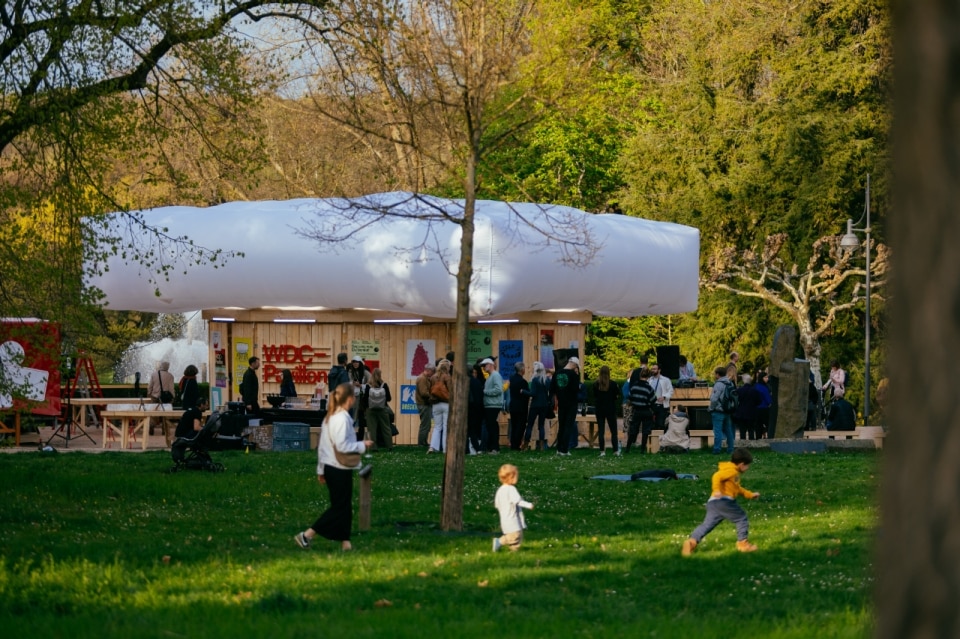
Nominated World Design Capital with the concept “Design for Democracy. Atmospheres for a Better Living,” Frankfurt RheinMain puts forward a promise that feels like a cultural wager: making design a catalyst and the territory a widespread laboratory for civic participation.
A laboratory for democracy
The idea stems from a simple yet urgent observation: democracy is going through a fragile phase, and design could help make it more understandable, accessible, and shared. Not as a discipline called upon to produce miraculous solutions, but as a practice capable of facilitating processes, building dialogues, and connecting different subjects.
Coming from Frankfurt, this ambition carries a certain weight. The city has, in fact, been one of the symbolic centers of the great social experiments of the 20th century, from the Neues Frankfurt public housing program to Margarete Schütte-Lihotzky’s Frankfurter Küche. A century later, the challenge is different but no less ambitious: to envision urban models that are more inclusive, resilient, and capable of meeting the needs of contemporary communities.
Beyond design as an object
The entire 2026 program was built through an open call that gathered over 1,200 proposals. Around 300 events were selected and distributed across the region, prioritizing initiatives rooted in the local context and often far removed from the traditional idea of design as an exhibition of new products or a formal exercise.
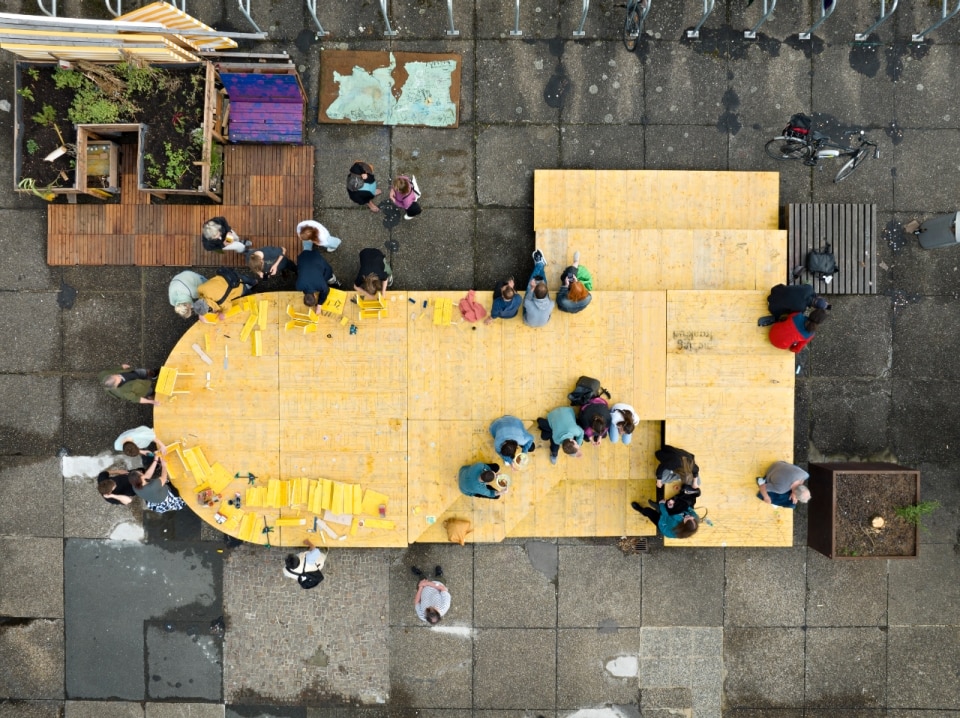
The vision that emerges is that of design understood primarily as a method: a way of observing needs, facilitating discussions, and activating collective processes. In this perspective, the project does not necessarily coincide with the production of an object, but with building the conditions for a community to imagine its own future.
Exhibitions, festivals, and temporary structures
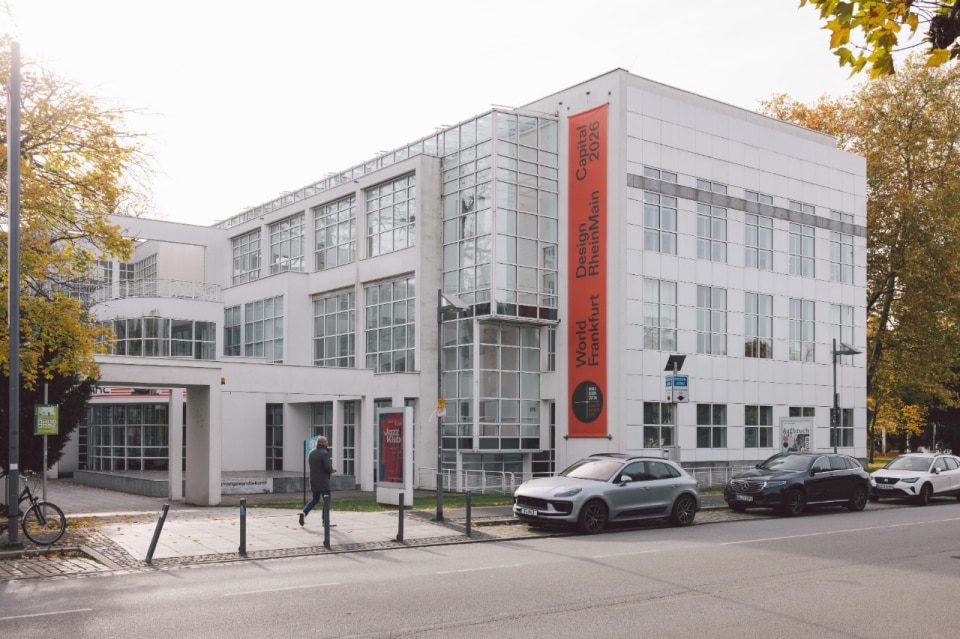
This approach finds its first concrete translation in Open – Design Week, the main festival of the World Design Capital, which involves over 150 venues including studios, companies, institutions, and cultural spaces. The program alternates visits, workshops, tours, and opportunities for public debate, transforming the entire area into a platform for discussion.
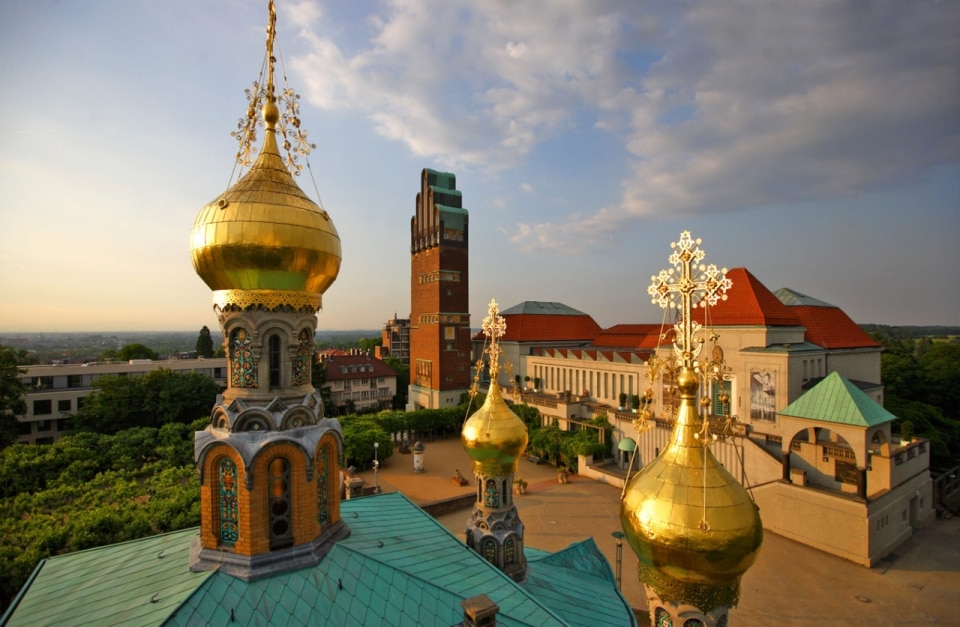
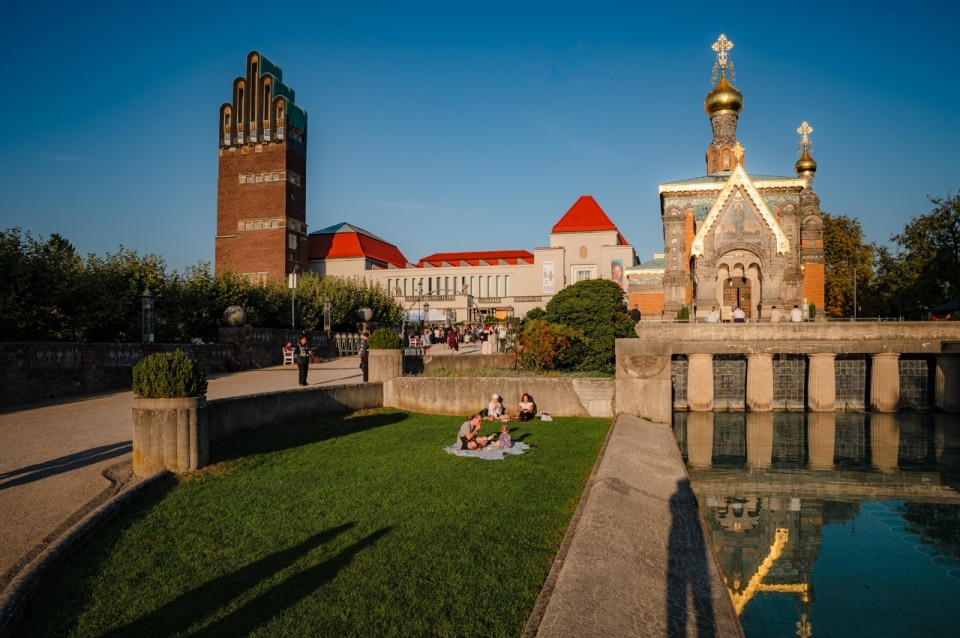
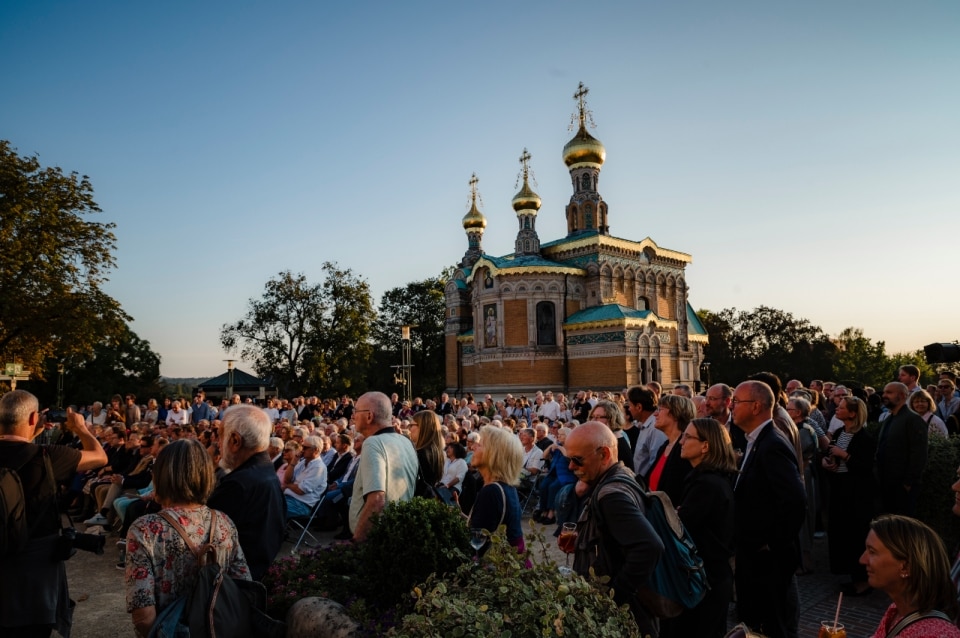
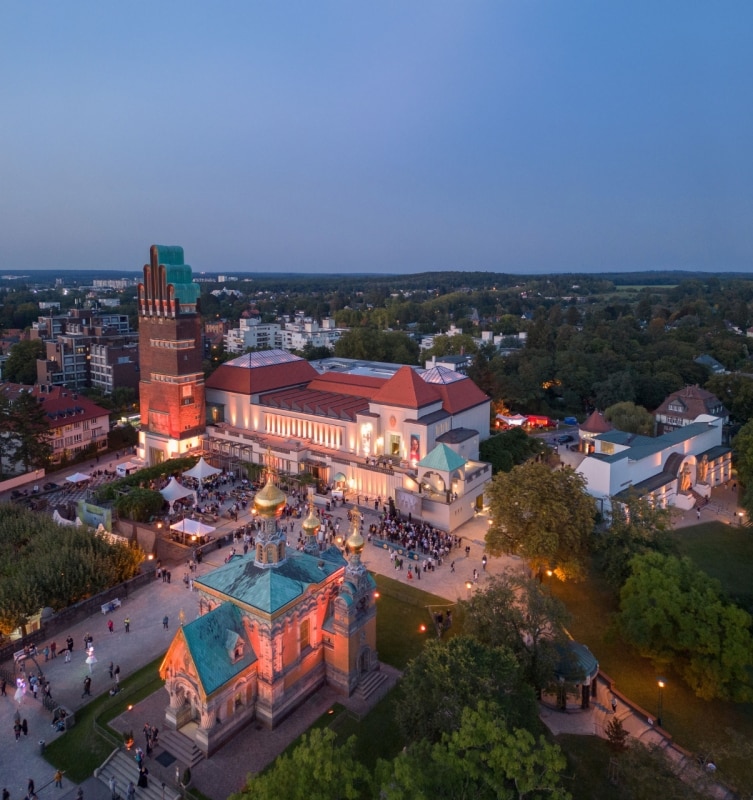
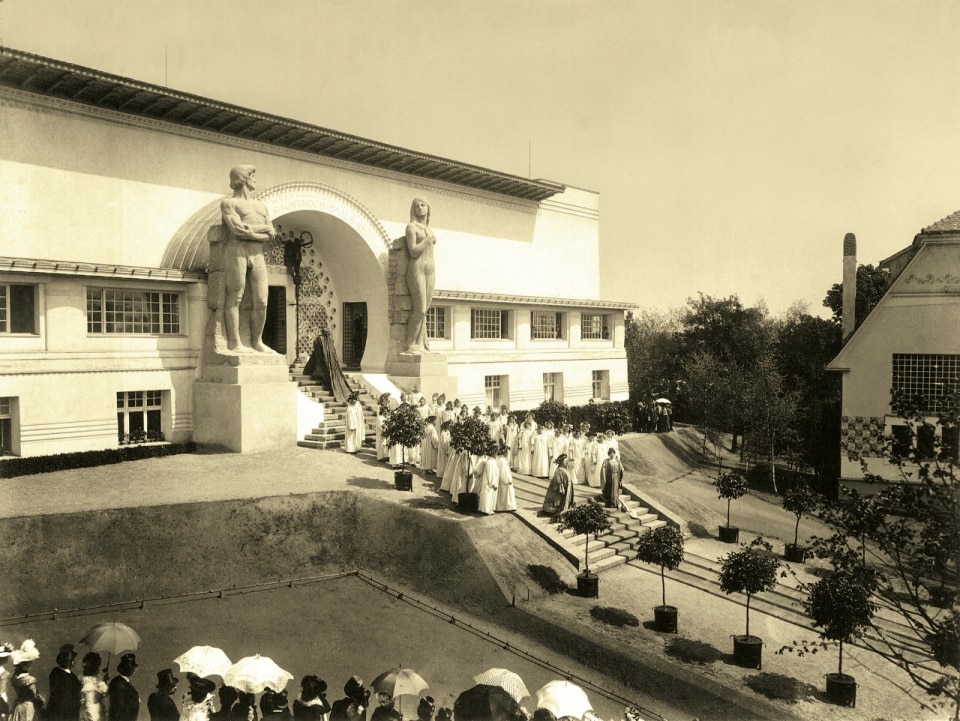
There is no shortage of exhibitions in the more traditional sense. At the Museum Angewandte Kunst in Frankfurt, the exhibition “Design for Democracy. What Design Can Achieve!” gathers a series of projects that use design to tackle civic and social issues, while in Darmstadt, the exhibition “A Step Ahead / Einen Schritt Voraus” rediscovers the experience of the historic Artists’ Colony of Mathildenhöhe, now a UNESCO world heritage site.
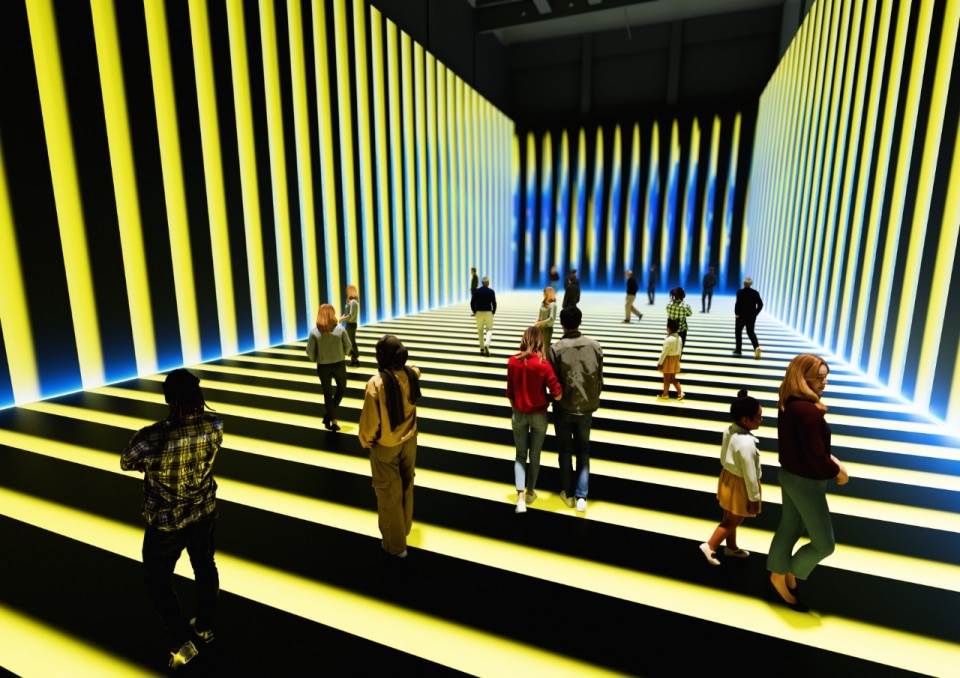
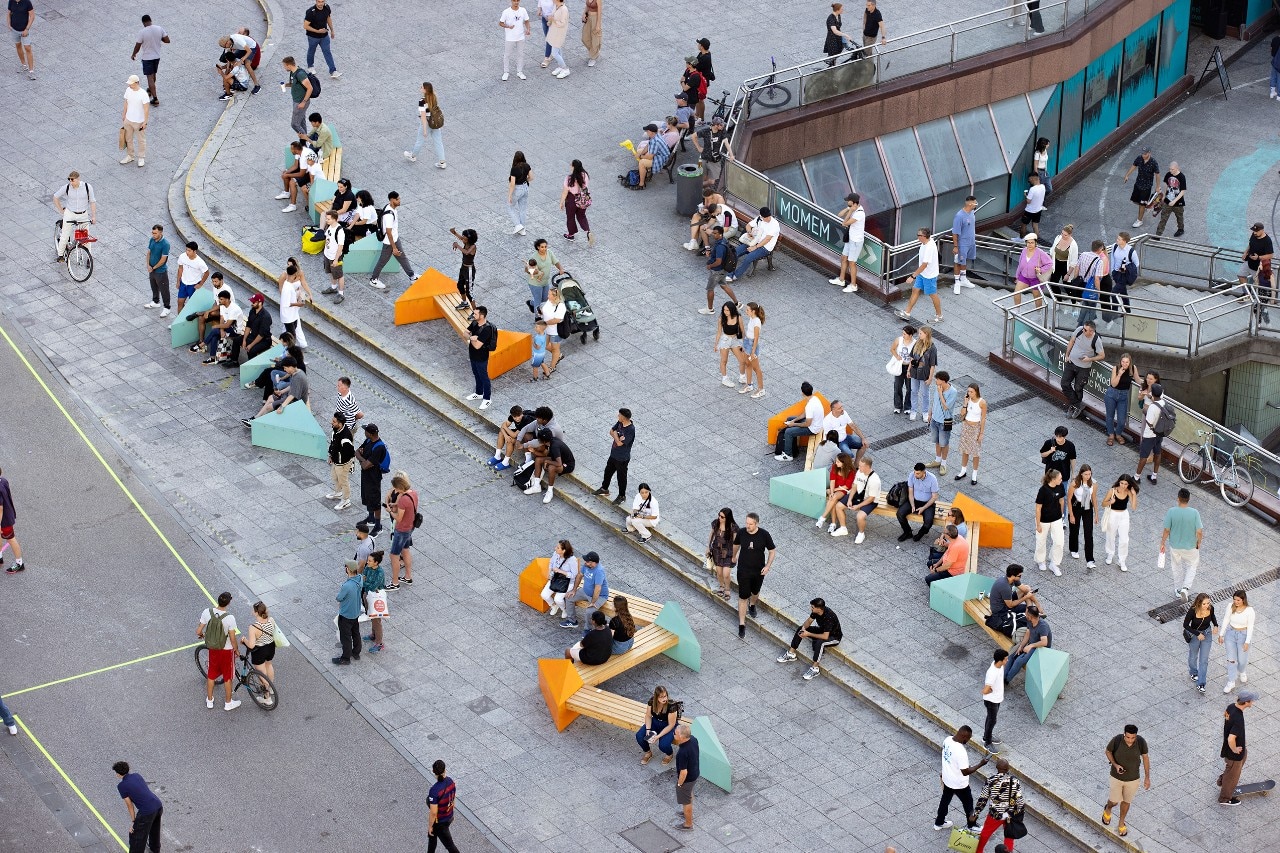
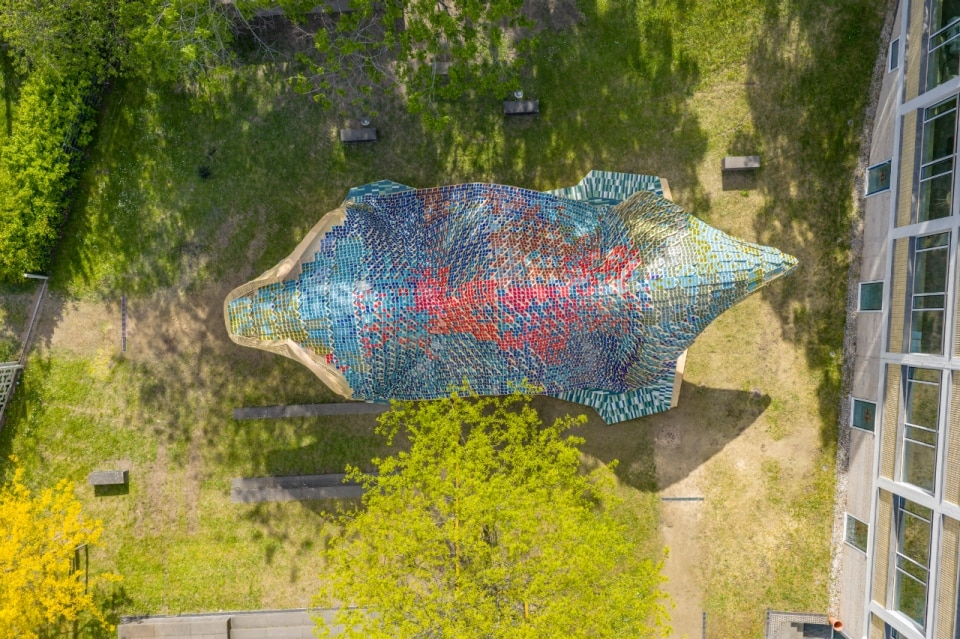
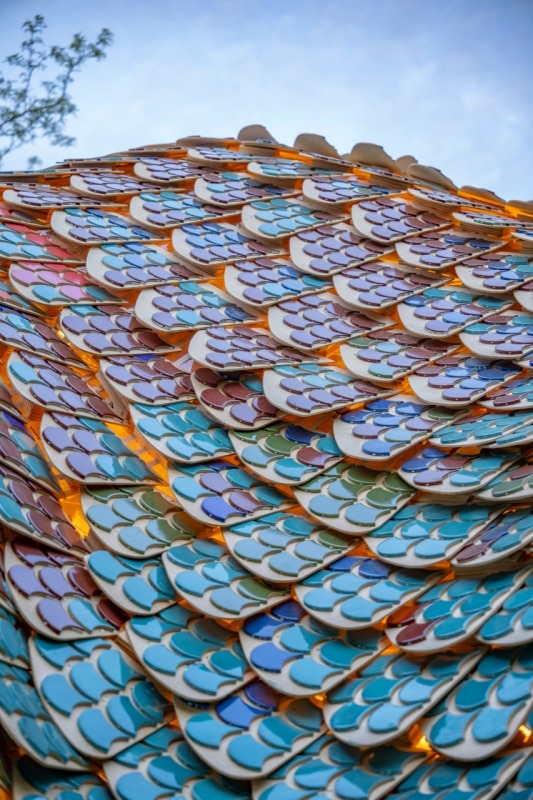
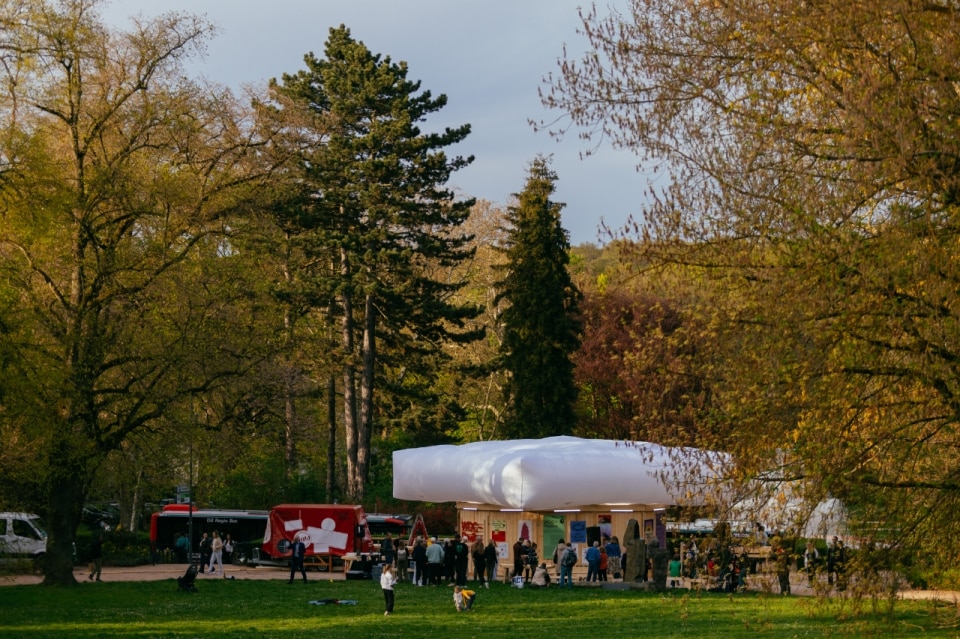
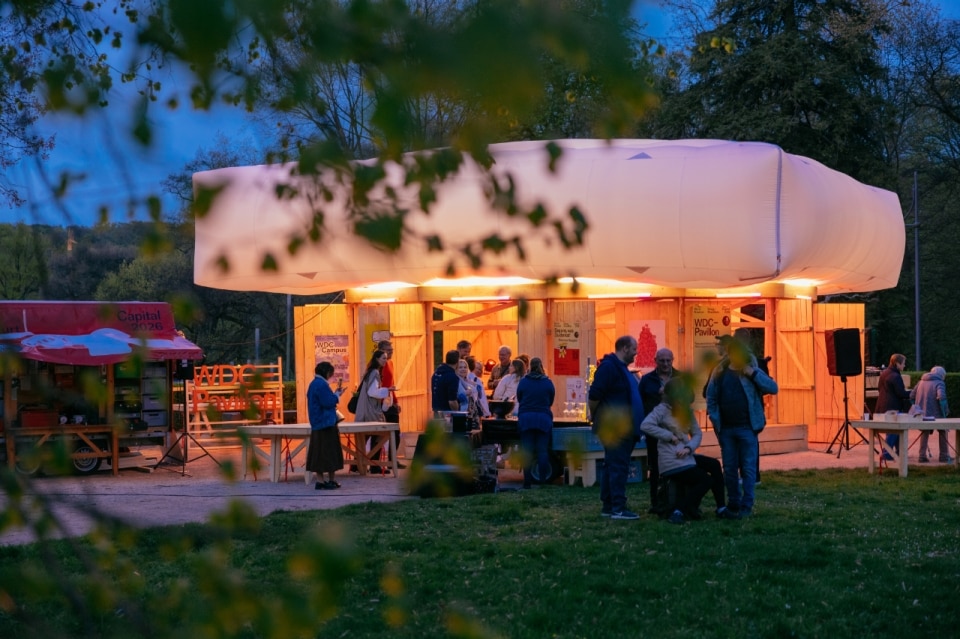
Among the most interesting elements is also the touring pavilion of the World Design Capital: a modular wooden structure topped by a large inflatable roof that moves from one square to another, hosting workshops, debates, and participatory activities. More than a building, it is a temporary device to generate encounters, discussions, and even conflict.
An antidote to pessimism?
The most difficult question naturally remains: will all this truly manage to produce lasting effects? It is too early to tell. The organizers look to the example of Helsinki, which after its year as World Design Capital established the role of city Chief Design Officer, integrating design into administrative processes.
In Frankfurt, the goal is similar: influencing policy-making and recognizing a more explicit role for design in the governance of the territory. Whether this vision will translate into concrete change is something only time will tell. In the meantime, the main legacy of the World Design Capital 2026 seems to be another: reminding us that design can still be thought of as a civic infrastructure, capable of putting relations, rather than objects, at the center.