

Steve Jobs was not too keen on the television, as has been widely reported. The founder of Apple saw the TV set as being in complete opposition to the personal computer.
“We don’t think that televisions and personal computers are going to merge,” Jobs said at Macworld in 2004, during the big trade show that on that year was celebrating the 20th anniversary of the Macintosh. “We think basically you watch television to turn your brain off, and you work on your computer when you want to turn your brain on.”
Yet, Apple’s role in creating a convergence between computer and TV set is hard to deny. Starting with the iMac, the product that symbolised Jobs’ return to Apple and the company’s relaunch, the all-in-one computer that since 1998, the year it was launched, rearranged the shapes of the PC into a single object that could be a very special TV, when it comes to the rounded cube of the first iMac, but also with the subsequent versions – the flat-screen one, as well as the white, the metallic, and the latest colourful and very millennial ones.
And it was Jobs himself, in 2007, who launched that pocket “computer” that best summarises the convergence of the functions of activity (of the PC) and passivity (of the TV screen) in a single device – the iPhone. And the same could be said for the iPad (2010).
Throughout the 2010s, tablets and smartphones not only established themselves as devices with which content could be consumed, as well as produced, but they also inexorably rewrote the grammar of what we call television. It would at least be bold to think that YouTube (first) and TikTok (later) are not new forms of television – better, “the” new television, from which the old one constantly tries to steal ideas and formats.
The first Apple TV hit the shelves exactly when the iPhone was first presented. It was 2007 and the way we consumed entertainment was changing. What the internet (with iTunes as well as Napster) had changed in music, it was about to do for video as well.
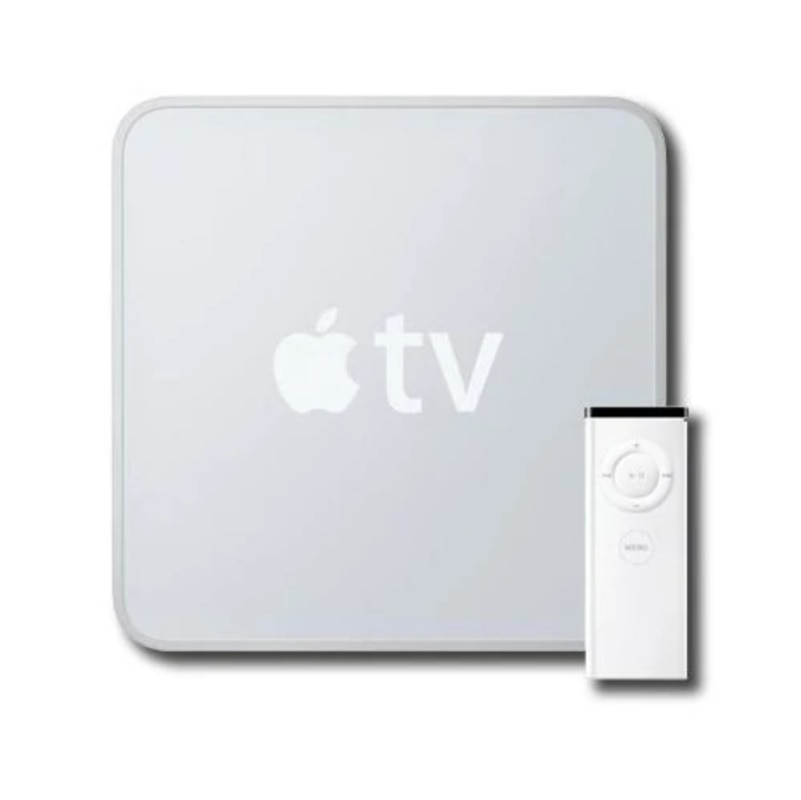
In the meantime, television was entering a new golden age: Lost, the symbol of TV series as a reference format for the new century, was at its peak. It was the kind of content that, when bought on iTunes, the Apple TV allowed you to play in all its audio-video glory on your home TV. “Watch Internet-Delivered Movies, Movie Trailers, TV Shows, Music, Podcasts & Photos on Your Widescreen TV,” said the Apple press release that accompanied the launch of the product.
This was only fifteen years ago, but it was a geological era for technology. Streaming was still the future, TV content like music was first downloaded onto the device, then watched; Netflix offered the laughable sum of 1,000 films on streaming, a service that had just been launched. In those very months, the company, which at that point was still primarily a mail order company, delivered its billionth DVD, a copy of Babel by Iñárritu which was delivered to a customer in Texas.
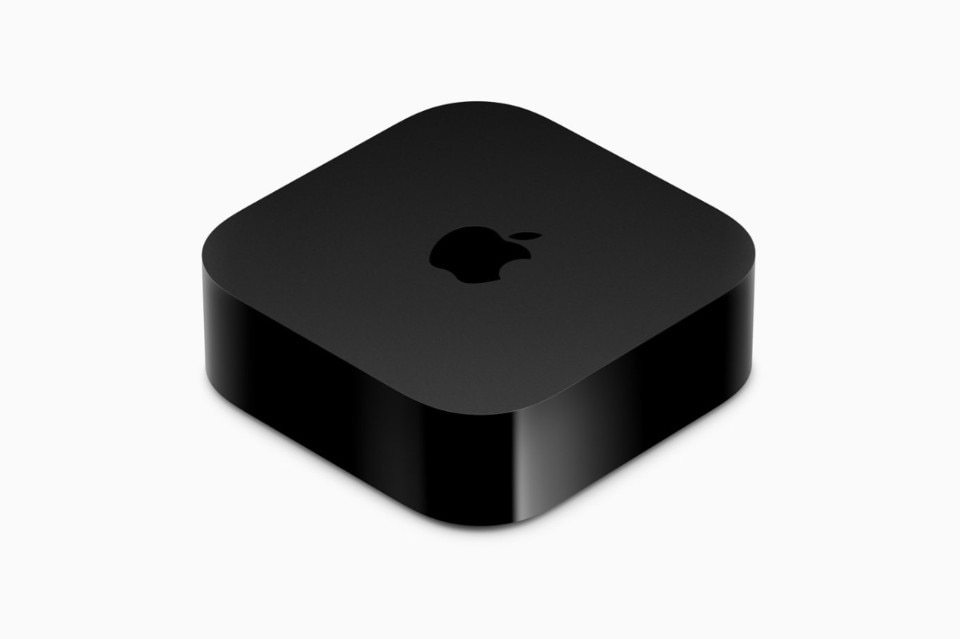
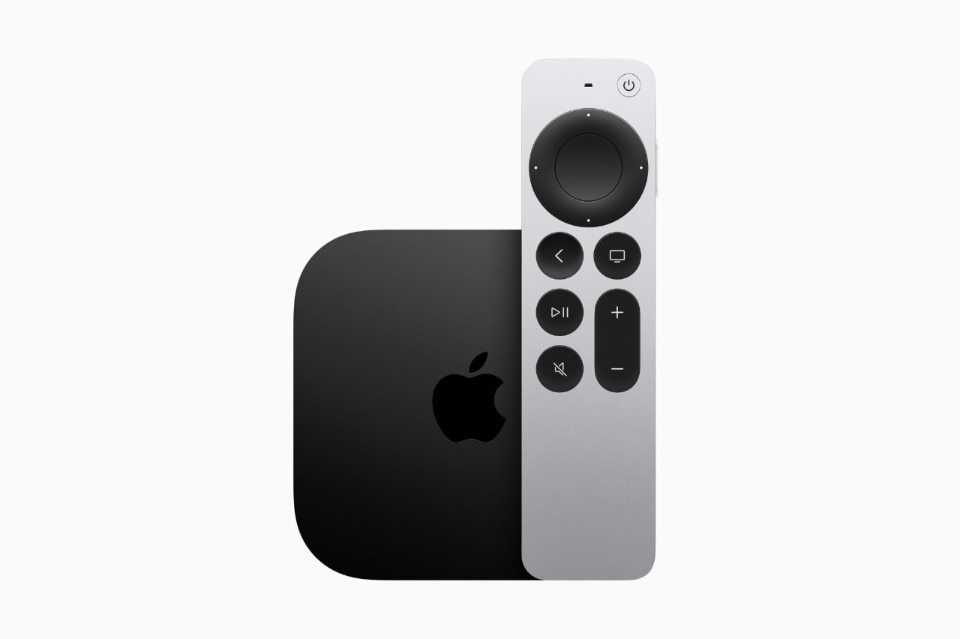
The Apple TV is probably the Apple product that has changed the least in terms of aesthetics in recent years: the 2022 version is slightly smaller but is still a small metal box that connects to the TV and the power supply, and that comes with a long, thin remote control. Even the hard disk does not have such a resoundingly different capacity: what has certainly changed are the playback standards, now the resolution is 4K, and in the latest version HDR10+ and Dolby Vision are supported. And then, there is the powerful processor – the A15 Bionic, the same as the iPhone 13.
But it is above all the experience that has completely changed over the past 15 years. The biggest breakthrough came in 2015, with the introduction of a dedicated operating system, tvOS, which welcomed third-party apps, which today are the backbone of the Apple TV experience. Most notably, we are talking about video streaming platforms, mostly with subscription-based access, which have replaced the old model according to which you paid to buy individual content.
Netflix and the rest, as it is often simplified: Amazon Prime, Disney+, Mubi, Crunchyroll, and a whole lot of other apps that vary from country to country. Plus of course Apple Tv+, Apple’s proprietary service that includes series and films produced by Apple Studios, which in just a few years have already brought home an Oscar (CODA, best picture in 2022) and Emmy awards or nominations for series such as Severance (14 nominations) and Ted Lasso (best comedy series in 2021).
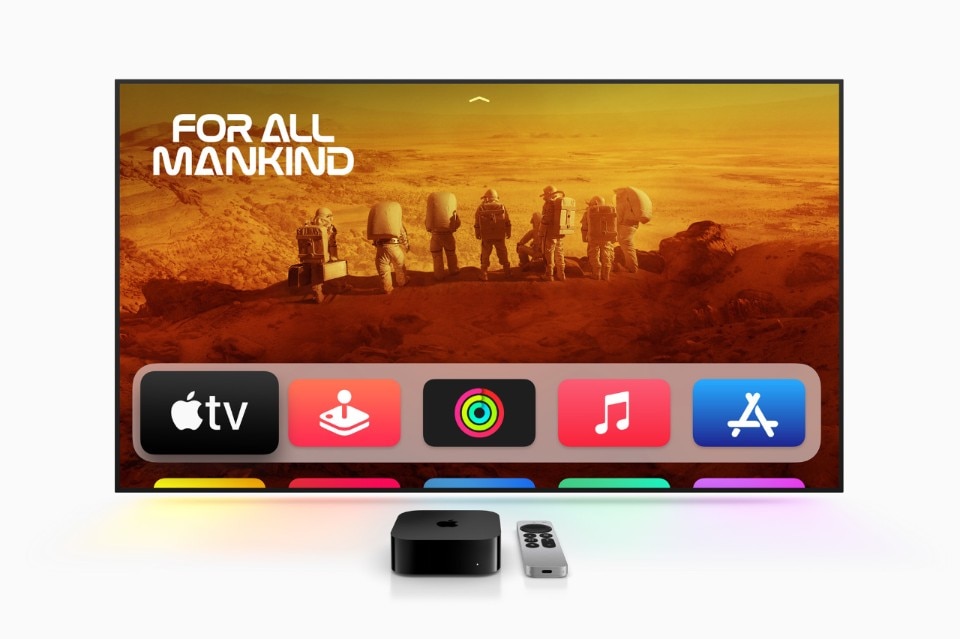
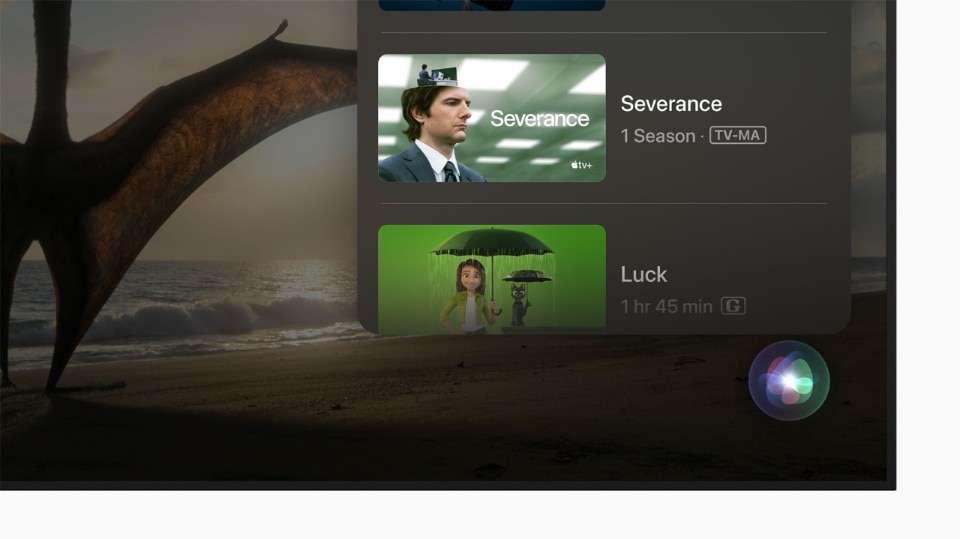
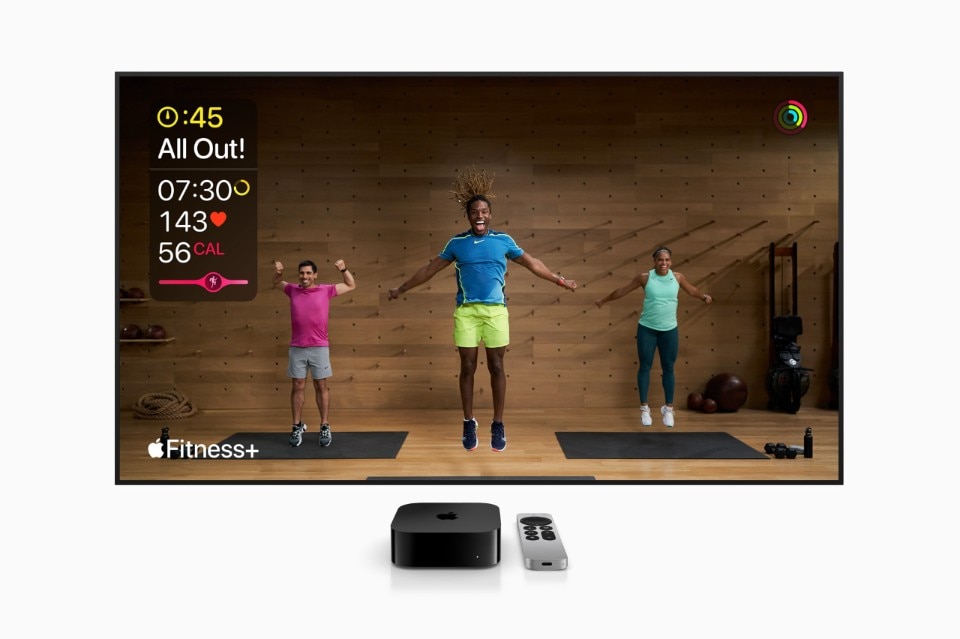
But the Apple TV does much more: the television is no longer (only) made of TV channels. It is the new centre of the house, whose smart functions, lights and music playback it controls. The new tvOS 16 software update has introduced a series of options that make the experience even more sophisticated, from the voice assistant that recognises voices and reconfigures the interface accordingly, to SharePlay functions for watching series and films remotely, with friends. And then access to subscription-based features such as Fitness+ training programmes or gaming: the Apple TV is in fact also a gaming platform, capable of playing iOS games on the big screen.
Every year, Apple awards a prize to the best Apple TV game, and users subscribed to Arcade, Apple’s video game subscription service, can also access its vast collection of games on their TV, using an external controller. But it is precisely on the TV, compared to mobile devices, that Apple’s catalogue of games shows its greatest weaknesses and – despite the efforts – cannot be compared in terms of quality and variety to the subscription services of the two giants of the sector, which sooner or later will come up with their own apps, we believe – Sony, with Playstation Plus, and Microsoft, with the excellent Xbox Game Pass (which can be streamed on the Apple TV).
The comparison with Xbox and Playstation, which are gaming consoles but now also multimedia hubs, with all the relevant apps for listening to music or watching Netflix (or Apple TV+!) leads to an obvious consideration as to what the real value of the Apple TV is, after all – and in any case it costs a fraction of the aforementioned gaming consoles. Not to mention that many TVs already come with a smart system (usually Android).
But the Apple TV delivers what is probably the best smart experience ever seen on a TV, with so many apps that is hard to compare both in terms of quantity of choice, quality of the app itself and simplicity of use – a bit like on iOS devices. For Apple users, then, it represents the only way to use of their devices on the big screen as well, to watch photos from shared albums, or simply scroll TikTok – didn’t we just say it is the new television?
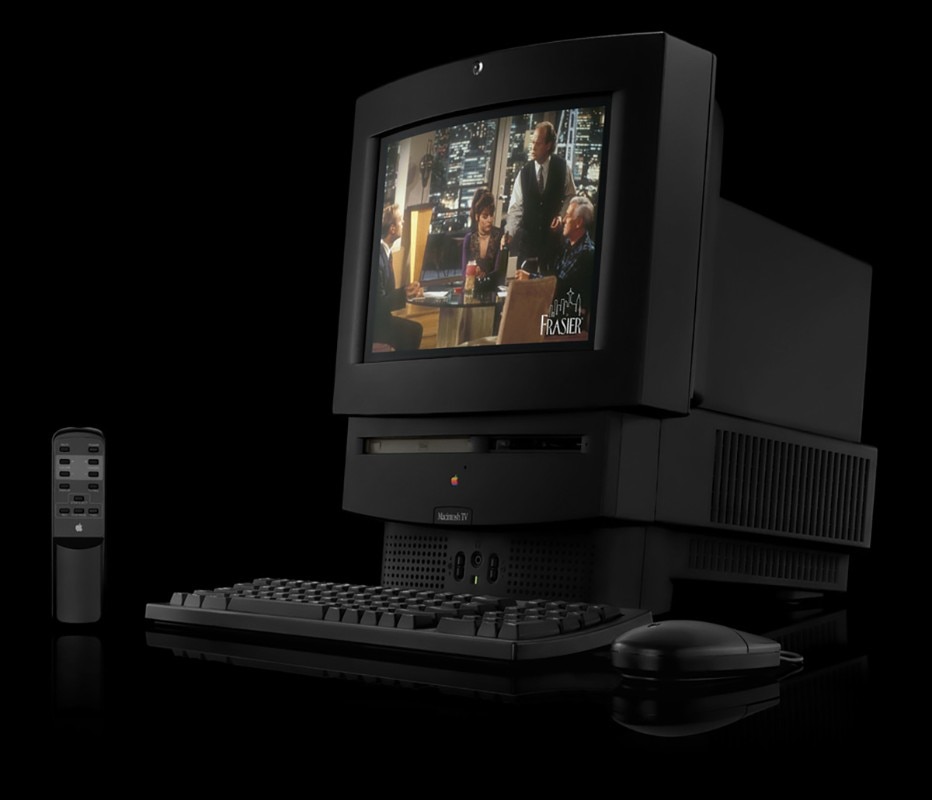
In 1993, Apple launched the Macintosh TV, in an attempt to combine television and personal computers. It produced around ten thousand of them, then the project simply died. It was a total fiasco for a company that was very different from what we know today. In more recent years, there have often been rumours of Apple being ready to launch a real television set. There is even an allusion in the famous biography of Steve Jobs by Walter Isaacson, with the founder of Apple revealing “We finally cracked it”.
Since then, all of Apple’s big competitors have come up with their own answer to the Apple TV, such as Google’s Chromecast or Amazon’s Firestick, but the Cupertino-based company has never presented an actual TV set. We have the Apple TV, a perfectible device that turns every screen into a television hub in keeping with our time, in which apps have taken the place of channels, streaming has replaced VHS and DVDs, and in which the TV set, which we have often taken for dead or almost dead in some burst of creative futurology, is still the centre of family life: the modern domestic hearth has gone post-contemporary, with flashes of digital flames brushing the cloud.
 Apple TV 4K