


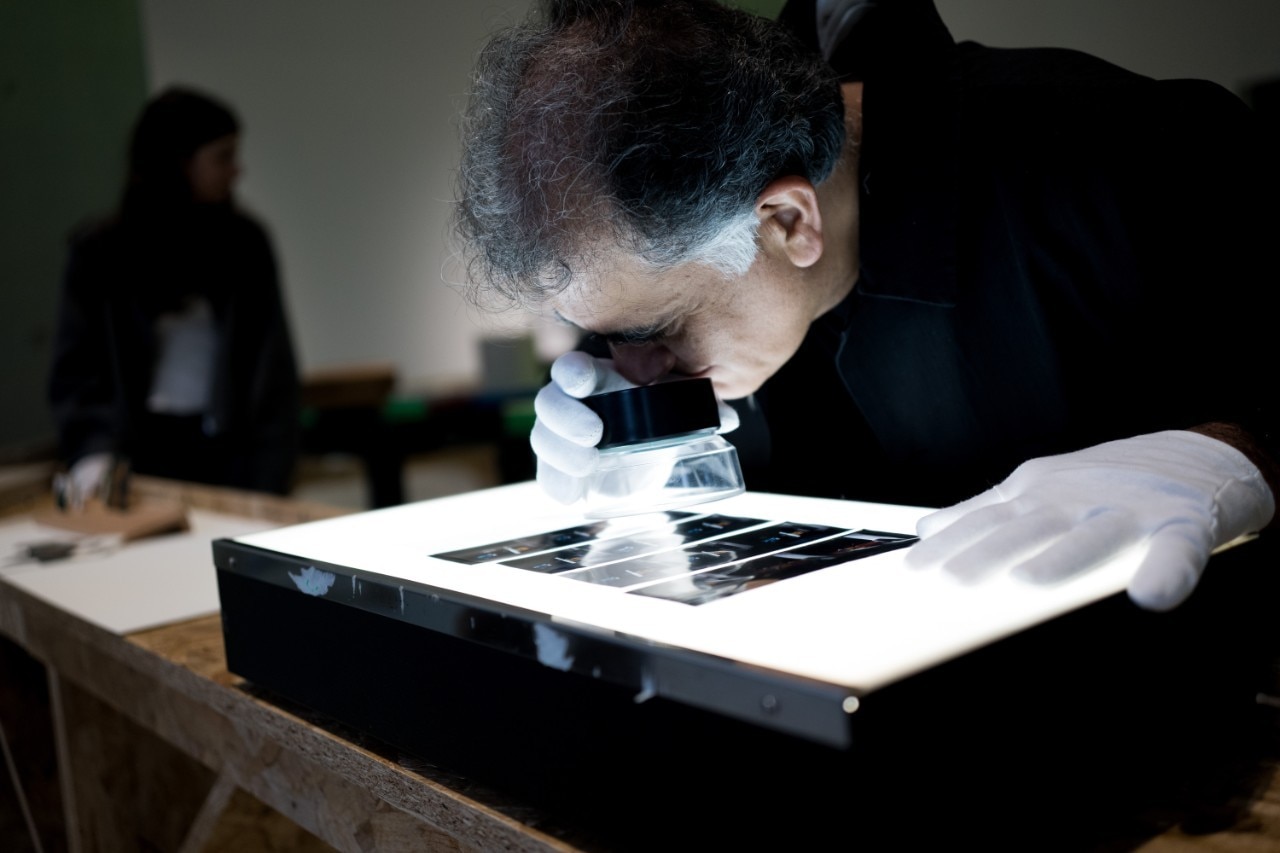

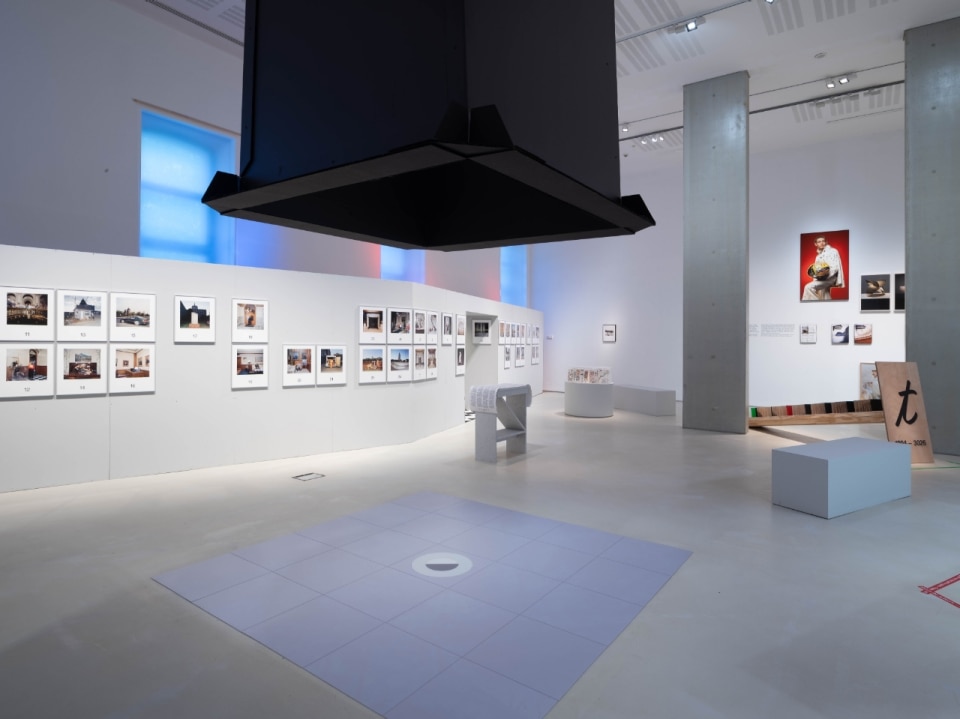
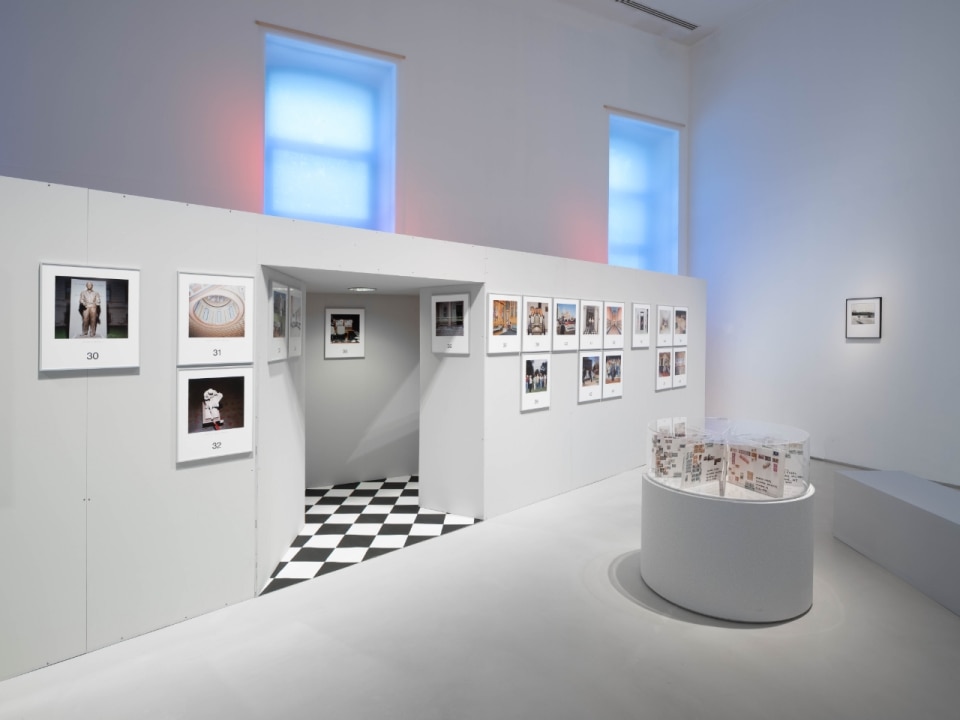
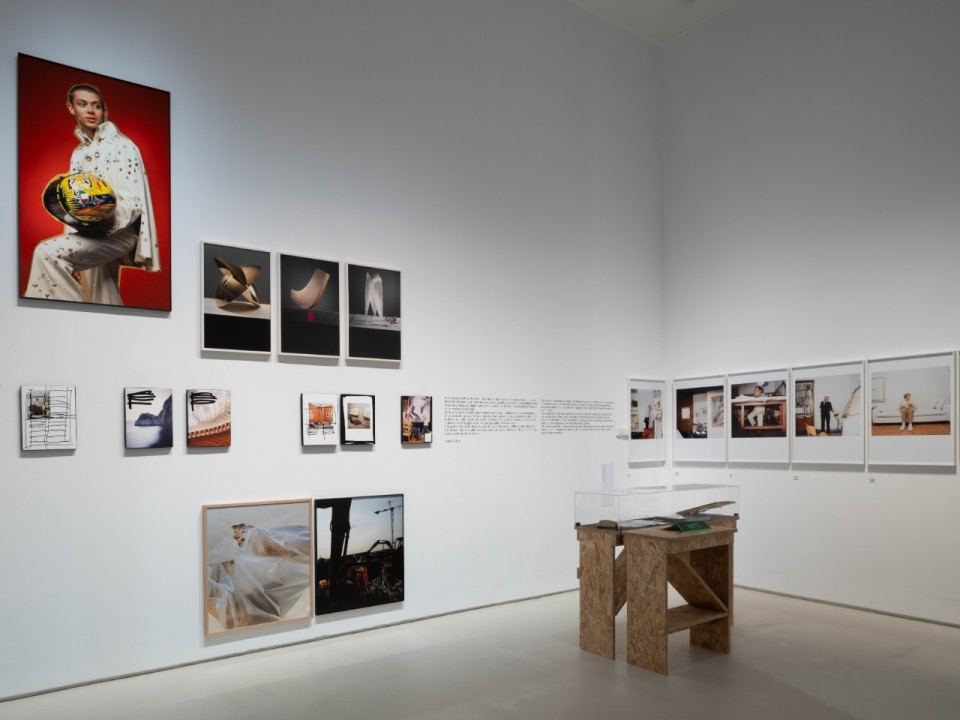
Between the late 1990s and the early 2000s, Milan was one of the world's leading creative hubs. Designers, artists, architects, photographers, publishers and magazines all played a part in shaping the city's image, which would go on to become almost mythical. Ramak Fazel arrived in 1994 not knowing how to break into this world. Born in Iran in 1965 and raised in Fort Wayne, Indiana, he had a background in engineering and a camera that soon became his passport. It was from this beginning that Milan Unit emerged: a project developed between 1994 and 2009 which is now entering the MAXXI collection. It is not just a portrait of creative Milan during those years, but rather an archive comprising photographs, contact sheets, letters, notebooks, publications, documents and objects.
“Photography became my way of entering worlds I did not yet know how to access. At the beginning, I was not looking for a definitive image of Milan. I was looking for signs, encounters, energies, and situations.”
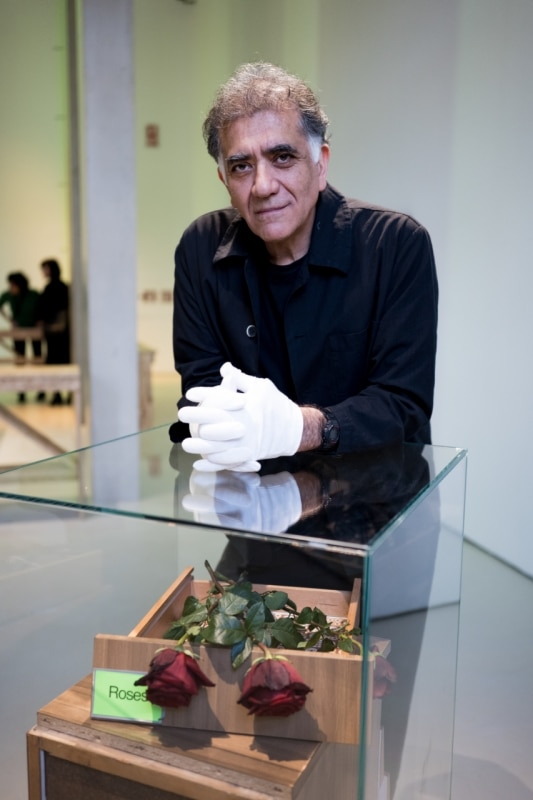
According to Fazel, the city provided the work with its geography, rhythm and social texture. Through the lens, he found a vantage point from which to observe and a way to be present. The camera legitimised his presence within a community to which he did not initially belong: it enabled him to enter, observe, stay, develop relationships over time and witness them becoming memories. Soon, the questions driving the work became larger than the city itself. “They have to do with belonging, proximity, photography, time, and the way experience becomes something we can look back on.”
At first, I thought the photographs were the work. But gradually, and also quite early, I began to understand that the things around the photographs also carried meaning.
Ramak Fazel
For fifteen years, Fazel visited artists’ studios, newsrooms, homes and designers’ ateliers. Rather than a mere sequence of photographs, his work evolved into a network of encounters – some sought out, others accidental – linking the past, present and future, and revealing connections that were sometimes epiphanic and sometimes elusive.
“It feels almost counterintuitive to name only one person, because Milan Unit was born from human relationships rather than from a single decisive event. People opened doors to me, but more importantly, they accepted my presence. They allowed me to stay long enough for something more than just access to develop. In that sense, Milan Unit is also the story of Italy’s capacity to receive me.”
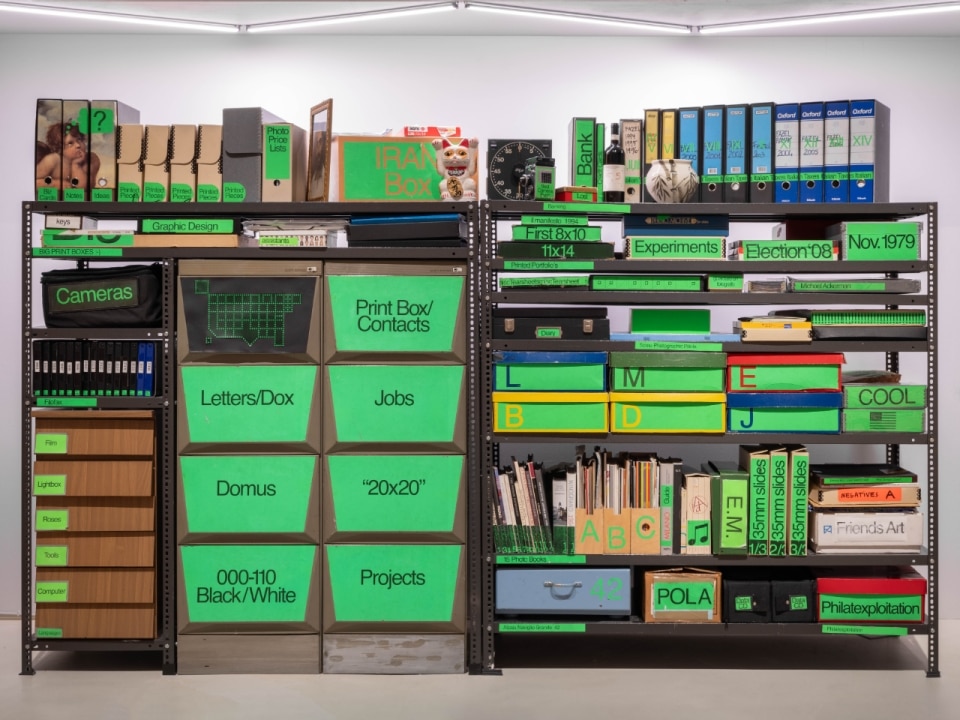
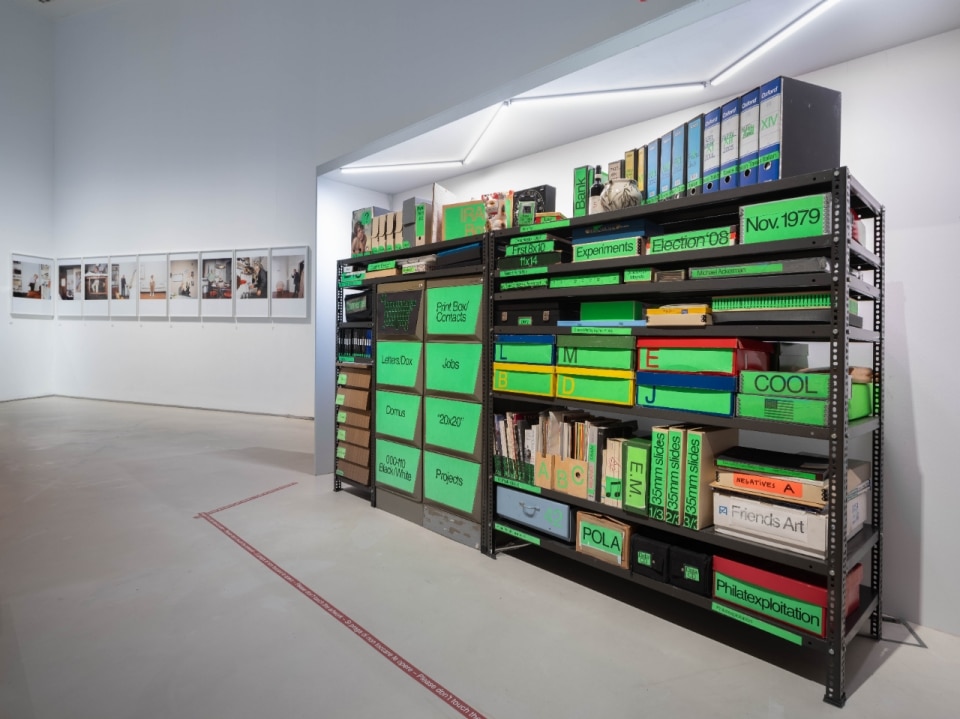
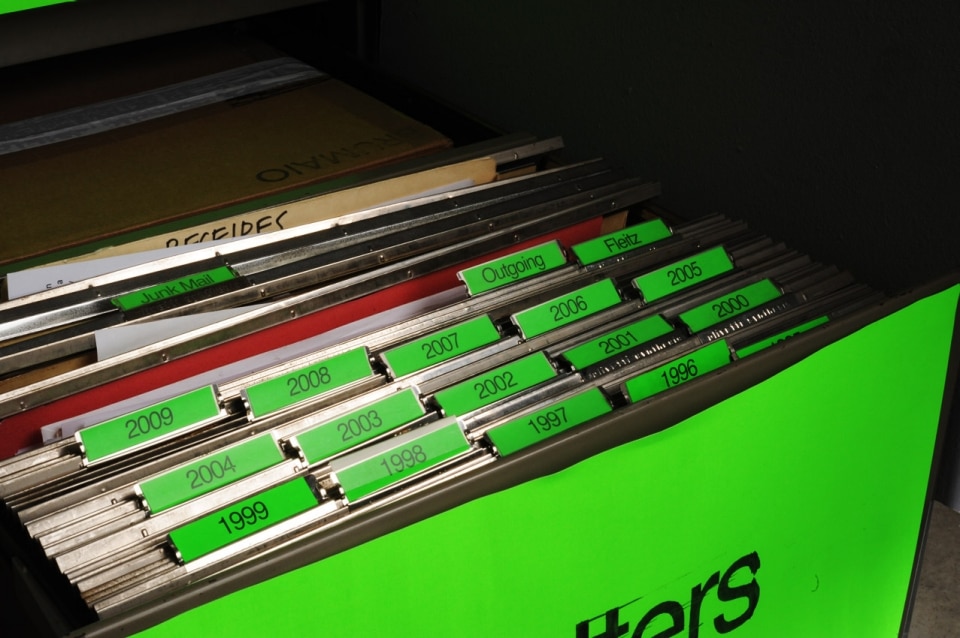
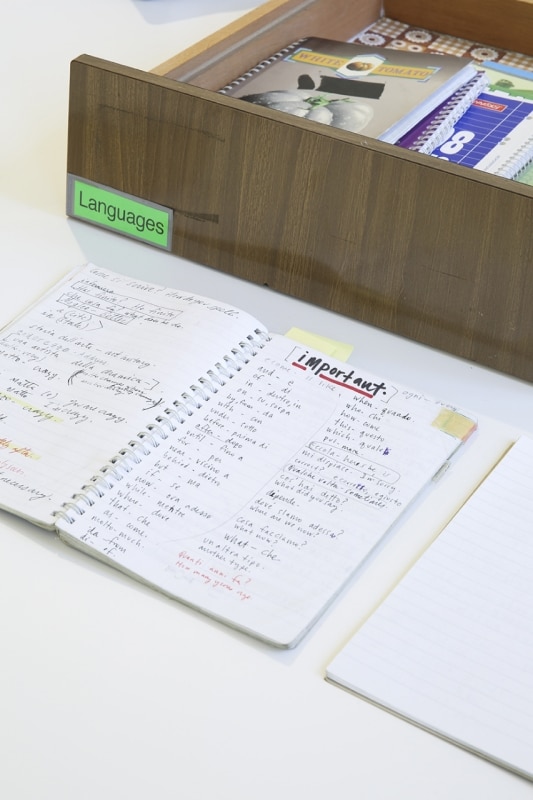
Meanwhile, shelves accumulated photographs and contact sheets, as well as price lists, tax returns, correspondence, cameras, negatives, books, small objects and Fazel’s notebooks from when he was learning Italian in Milan. Folders titled “Projects” and “Jobs” sit alongside more specific collections, such as the one dedicated to Domus.
“At first, I thought the photographs were the work itself. But gradually, I began to understand that the things around the photographs also carried meaning.” The collection preserves not only the images, but also everything that made them possible. “They were not just supporting materials. They contain the process, the relationships, the doubts and the circumstances that produced the images.”
I am not sure Milan Unit ever aspired to ‘be’ an archive. A more accurate way to understand it is as an artwork produced through archival behavior.
Ramak Fazel
“I am not sure Milan Unit ever aspired to ‘be’ an archive,” he says. “A more accurate way to understand it is as a piece of art created through archival behaviour. It began as a lived practice, a studio system and a means of maintaining focus. It only became recognisable as an archive-work later on.”
Looking at it today, Fazel also sees traces of a bygone era: the twilight of analogue photographic production, the turn of the millennium and the years just before social media transformed image circulation. “Distance changes the scale of things. Today, the work speaks of time, memory, disappearance and survival. I don’t think the work itself has changed, but our interpretation of it might have.”
And again: “I often wonder what would happen if the same gestures, movements and encounters took pace today. Would it still be possible to create the work in the same way?”
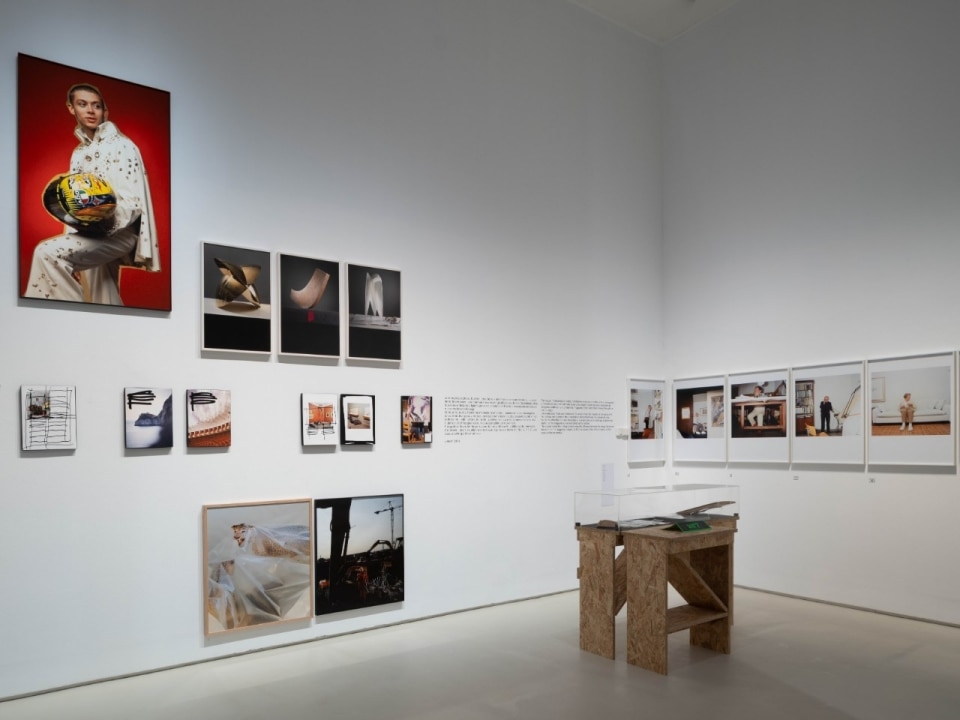
This question accompanies the entry of Milan Unit into the MAXXI collection, marking a new phase in the project.
For the exhibition, Fazel has recreated the archive within the new Spazio Ghella at the Roman museum. Shelves, binders, photographs, documents and objects are all part of the installation, alongside a timeline extending to the year 3026. The timeline imagines a series of future exhibitions, each generated from a fragment of the archive: tax documents as fiscal biography, unopened film as latent images, found pictures as orphaned memory, language notebooks as tools of belonging, and a small Maneki-neko as an idol of fortune.
“I did not feel that I was handing over something completely finished. I felt that I was opening a new phase in its history. The museum protects the archive, but it also gives it a new public life. As Milan Unit is both an archive and an artwork, the museum does not merely preserve it. It also becomes part of its continuation.”
Photography taught me how to enter the world. It shaped my adulthood.
Ramak Fazel
“The Milan Unit did not just teach me what an archive is. It showed me that an archive can be a means of working with different types of material,” he explains. “For many years, photography taught me how to engage with the world around me. It shaped my adulthood. Over time, I became less interested in photography as a final image and more interested in the relationships it produced: with people, places, documents, objects, memory and time.”
The hope is that, at MAXXI, Fazel’s work can now move beyond his own experience and forge new connections with the public.
- Exhibition:
- Ramak Fazel. MILAN UNIT 1994–2009
- Curated by:
- Simona Antonacci, Maria Del Priori
- Where:
- Spazio Ghella. National Museum of 21st-Century Arts, Rome
- Dates:
- Effective June 4, 2026