



From fascinating and fearsome natural resource to source of inspiration, water is living, fluid and symbolic design matter. Having moved beyond the role of mere landscape backdrop or technical constraint, the water element has established itself as the platform, support and subject of many contemporary works of art and architecture.
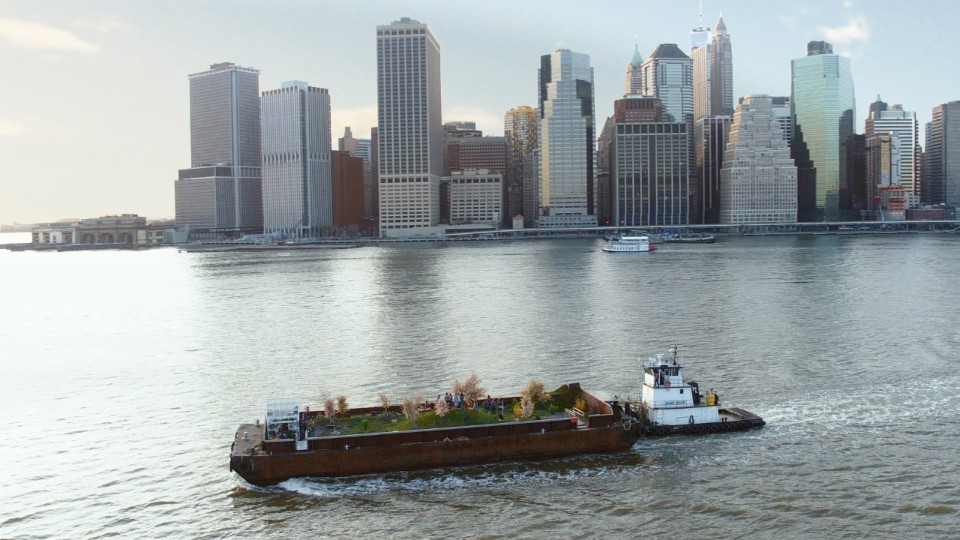
In addition to buoyant architectural projects, more or less futuristic, such as New York's Little Island or Giancarlo Zema's WaterNest 100, the art world has also seen water reservoirs as a new creative subject. Permanent or temporary floating structures become places of encounter, reflection and experimentation. In these installations – at the crossroads of art, architecture, and landscape – water is both physical and symbolic matter of change, memory, and new possibilities.
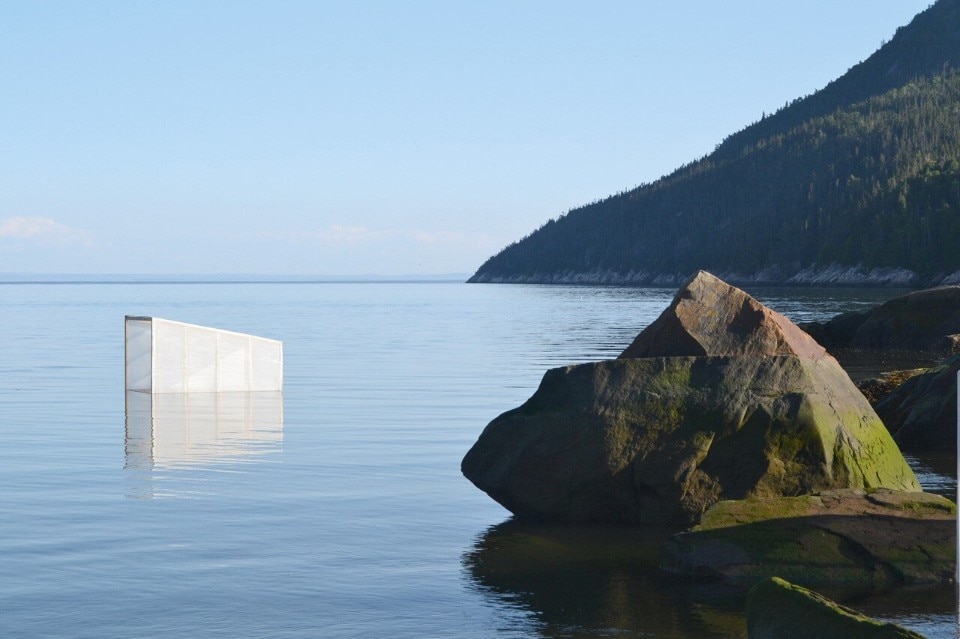
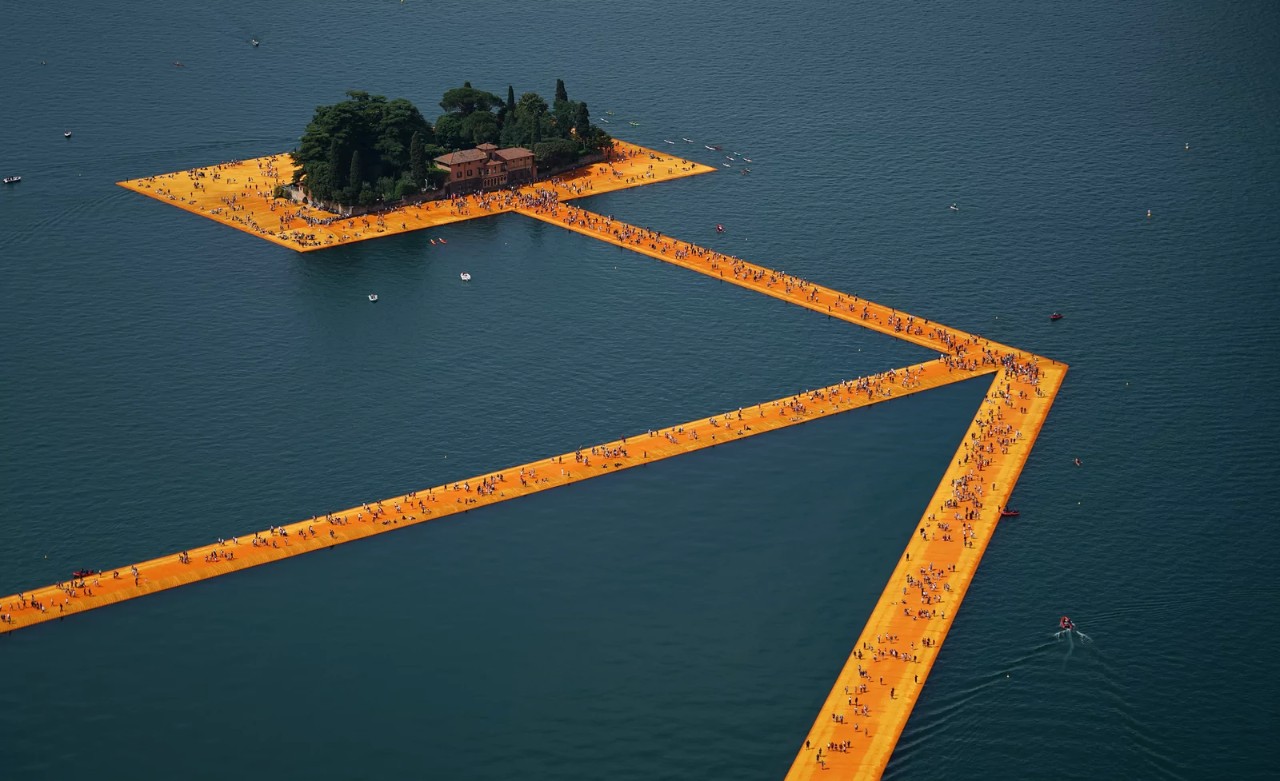
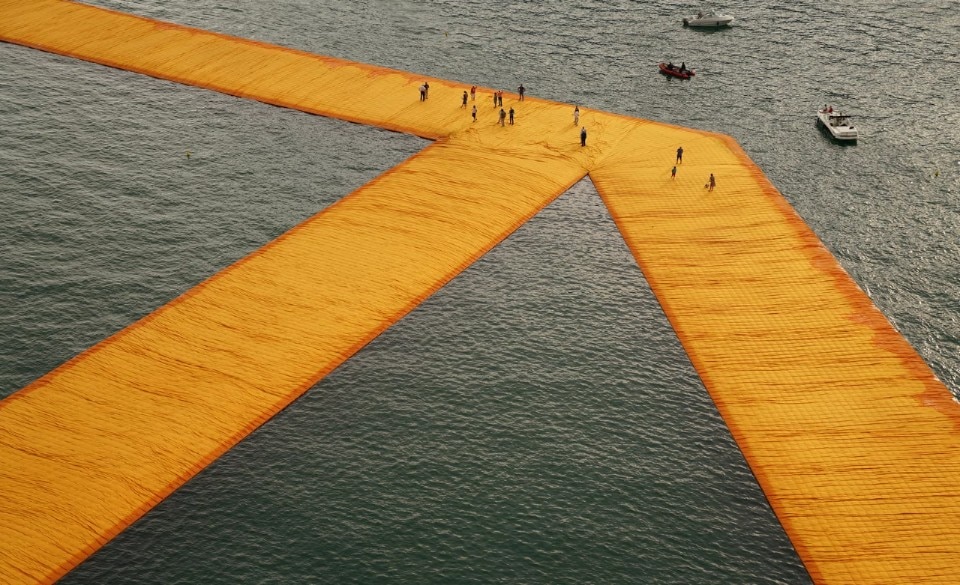
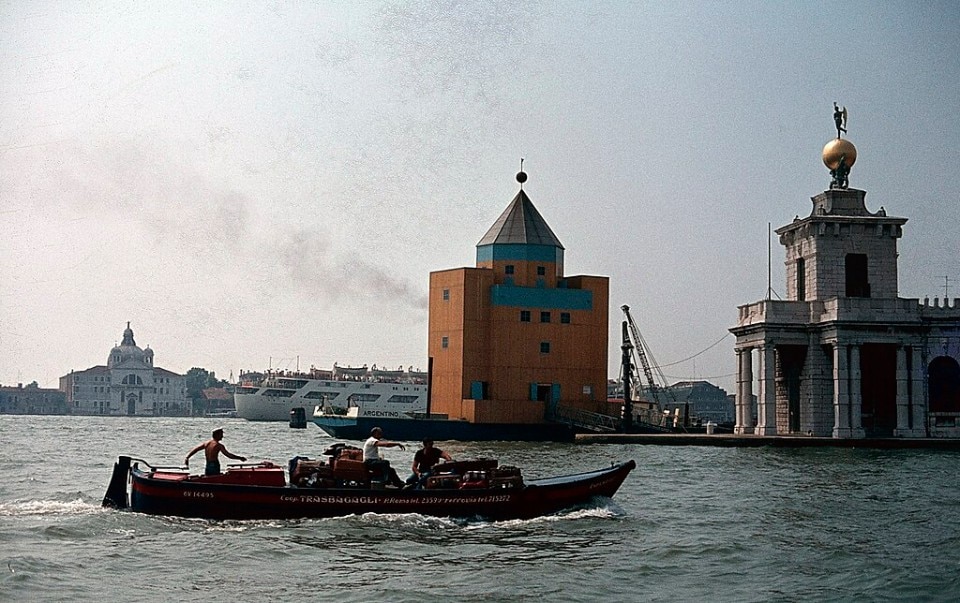
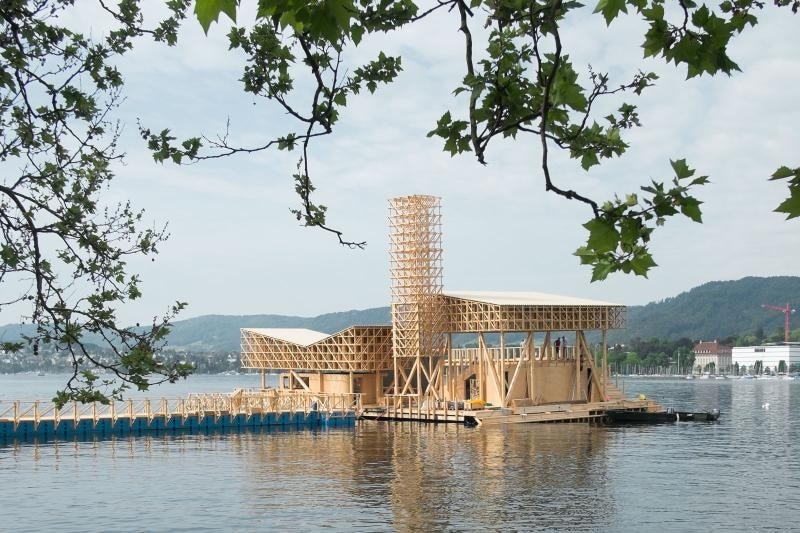
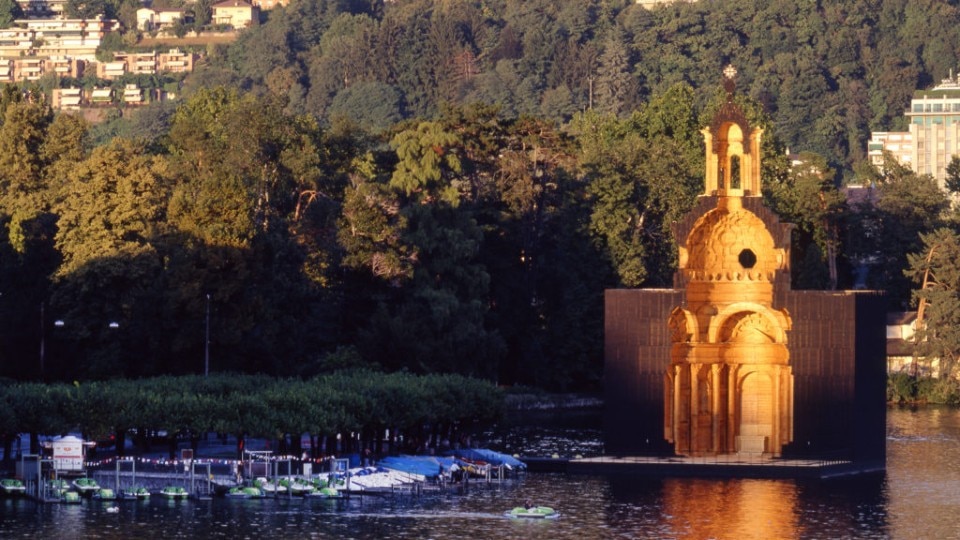
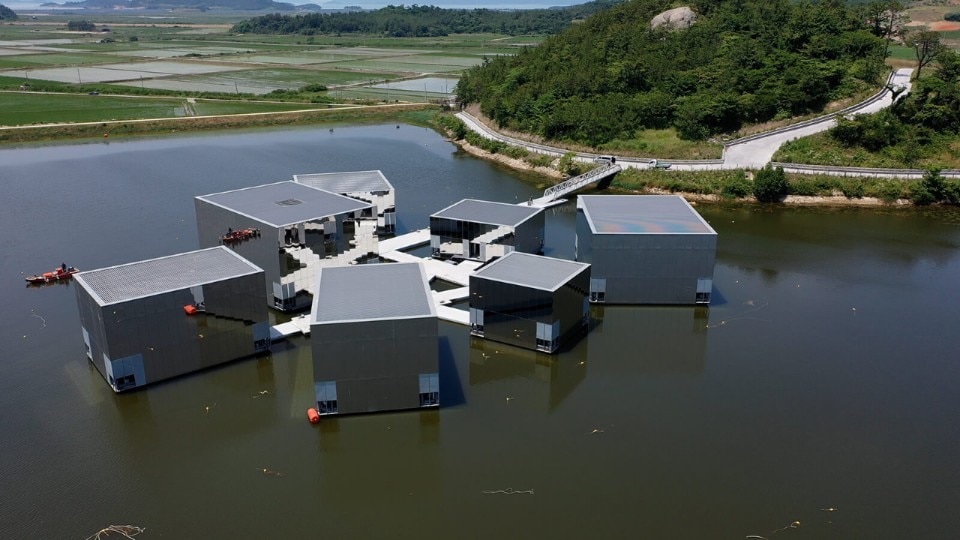
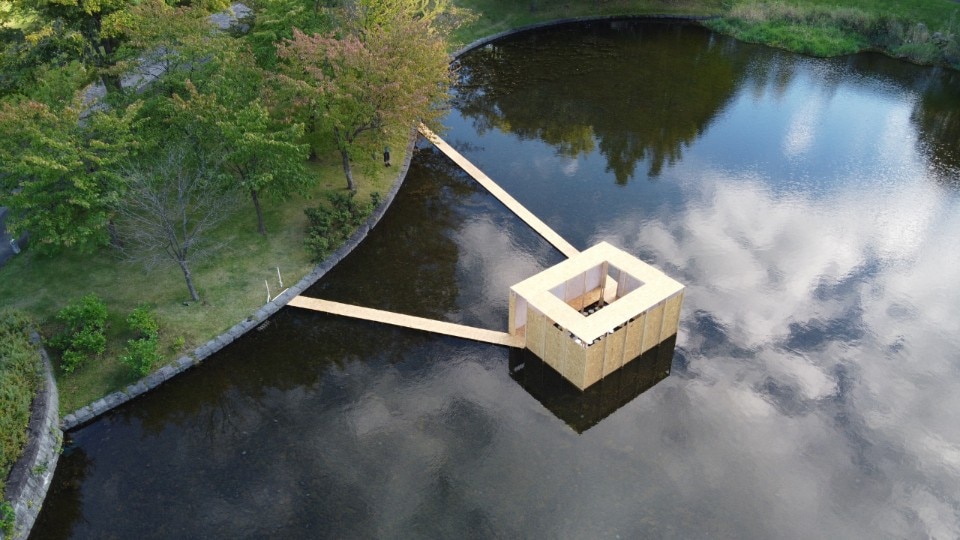
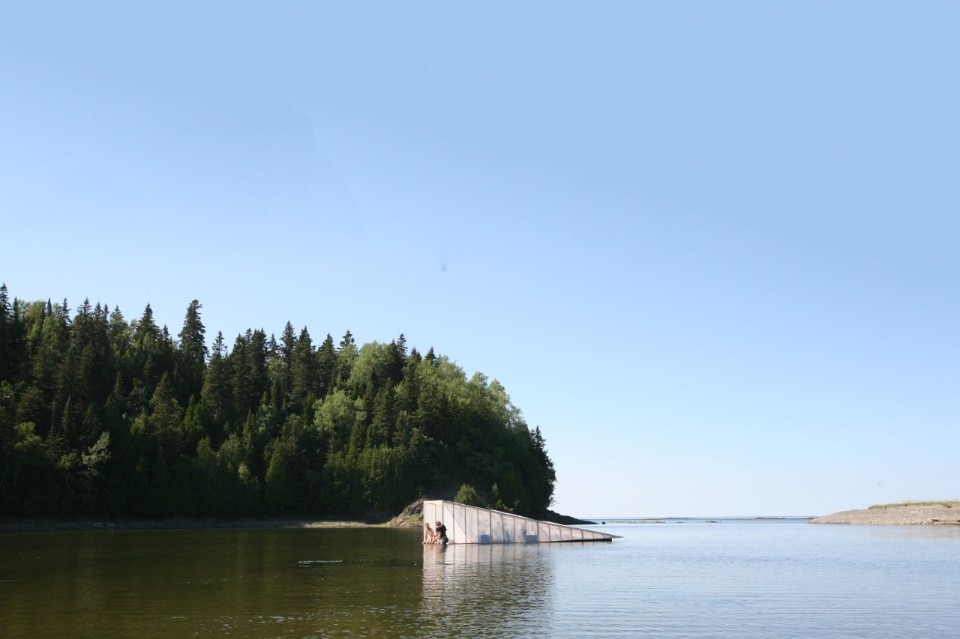
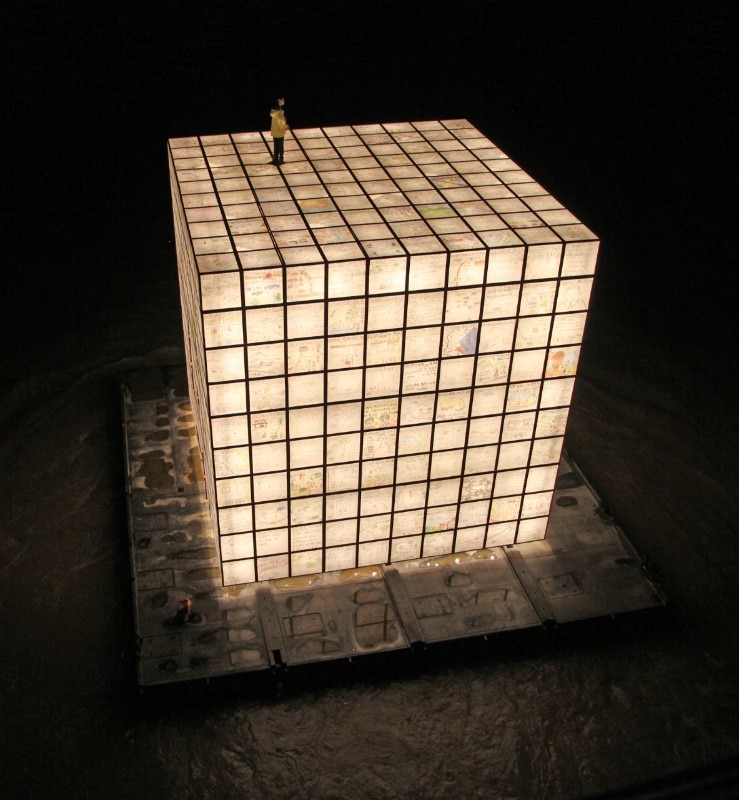
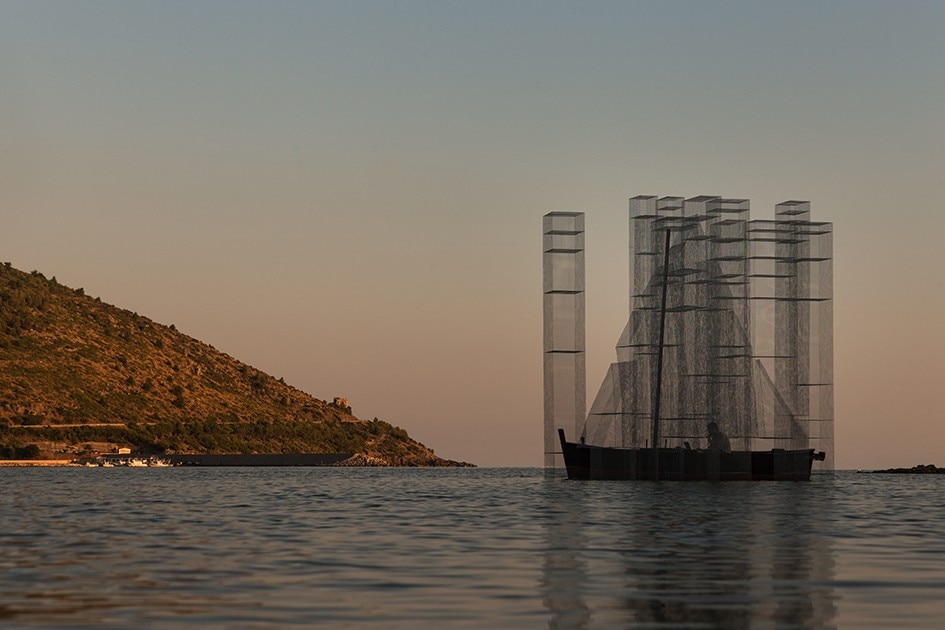
From the participatory monumentality of Christo's The Floating Piers on Lake Iseo to the suspended delicacy of Edoardo Tresoldi's Locus in Sapri, via formative experiments such as the Pavilion of Reflections in Zurich or the wandering didactics of L'Atelier en mouvement, one constant emerges: water is never just a frame. It is an active, unstable element that requires different, and perhaps slower, listening. Some installations have taken on symbolic and political significance, as in the case of Floating Dreams by Ik-Joong Kang, others, such as Swale by Mary Mattingly in New York, act as real civic tools, proposing new models of urban land use.
Floating thus becomes a concrete metaphor of fragility and transformation, but also of freedom and experimentation: for contemporary artists and architects water is also a space of interaction, a performative device, an unstable surface from which to observe the world from a new perspective.
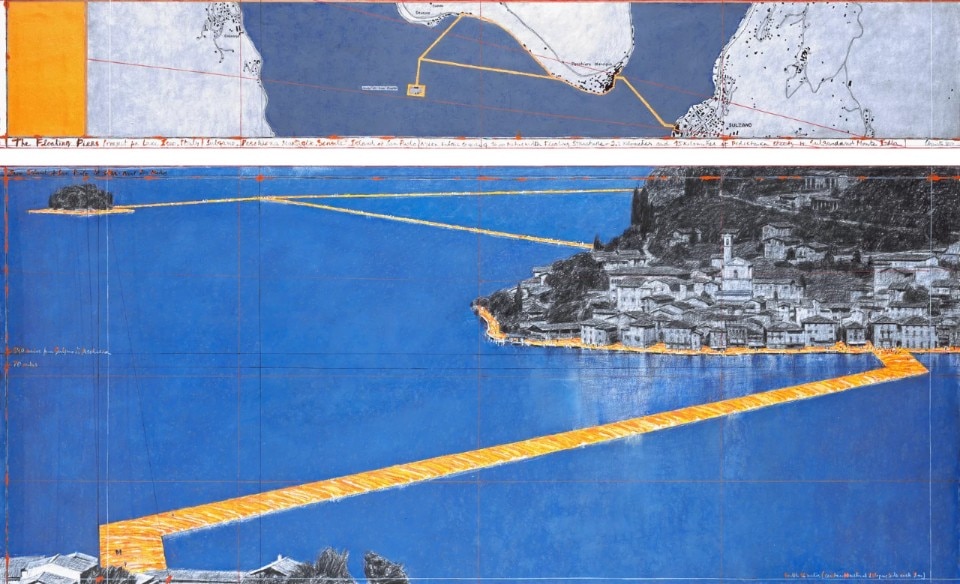
Domus collected ten floating installations made in recent decades between Europe, Asia and North America, including temporary architecture, land art, participatory practices and sound performances, linked by the tension toward a renewed awareness of landscape and the role art can play in shaping collective imaginaries and possible futures.
Opening image: Christo and Jeanne-Claude, The Floating Piers, Lake Iseo, Italy, 2014-16. Photo: Wolfgang Volz © 2016 Christo and Jeanne-Claude Foundation