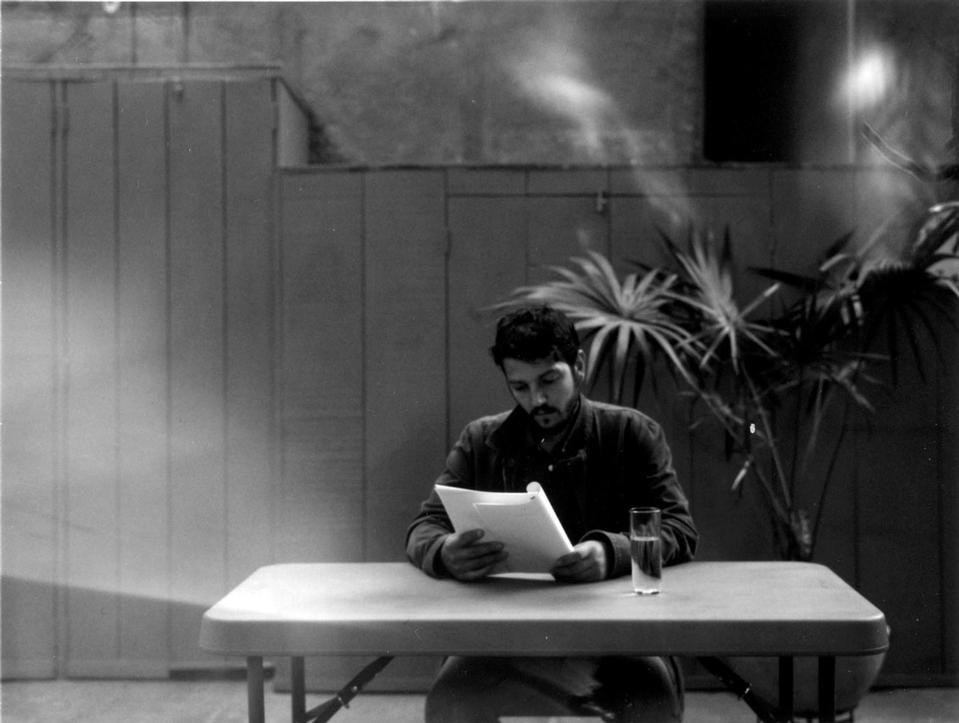
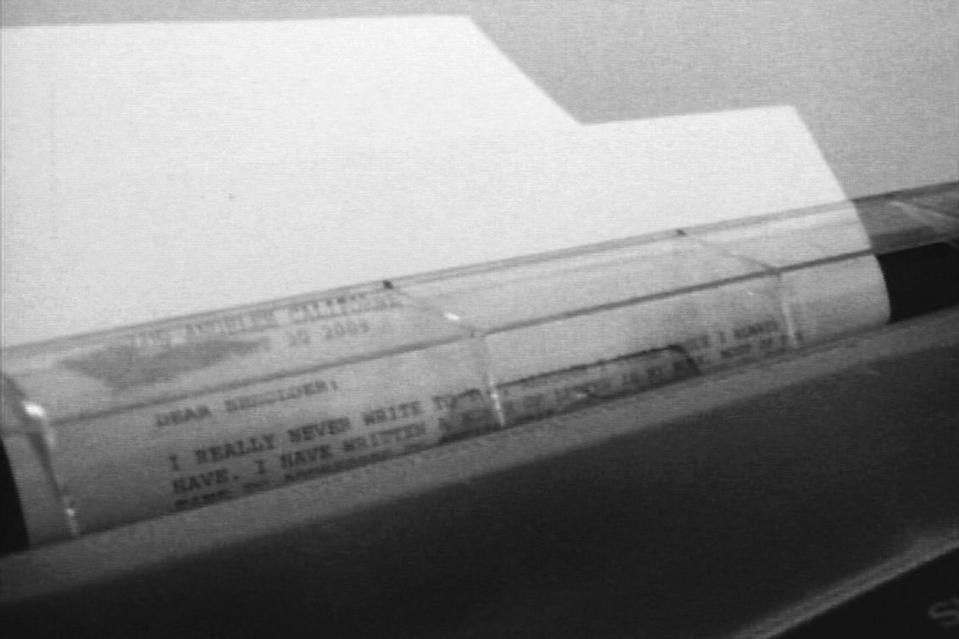
Oh, it opens a major chapter. It is Mario Garcia Torres' first solo in Italy and this is hugely important for us. Mario is a very generous artist and became passionately involved in the project with a number of works conceived and produced especially for the occasion. Finally, it is the last Peep-Hole project before the summer break. I Will Be With You Shortly (the title of the exhibition open until 24 July) revolves around writing, reading, waiting, thinking and creating. The selection of works reflects recurrent themes in Garcia Torres' work and gives rise to a space in which time is experienced differently. This causes you to rethink the structure that lies behind the creation and fruition of an artwork.
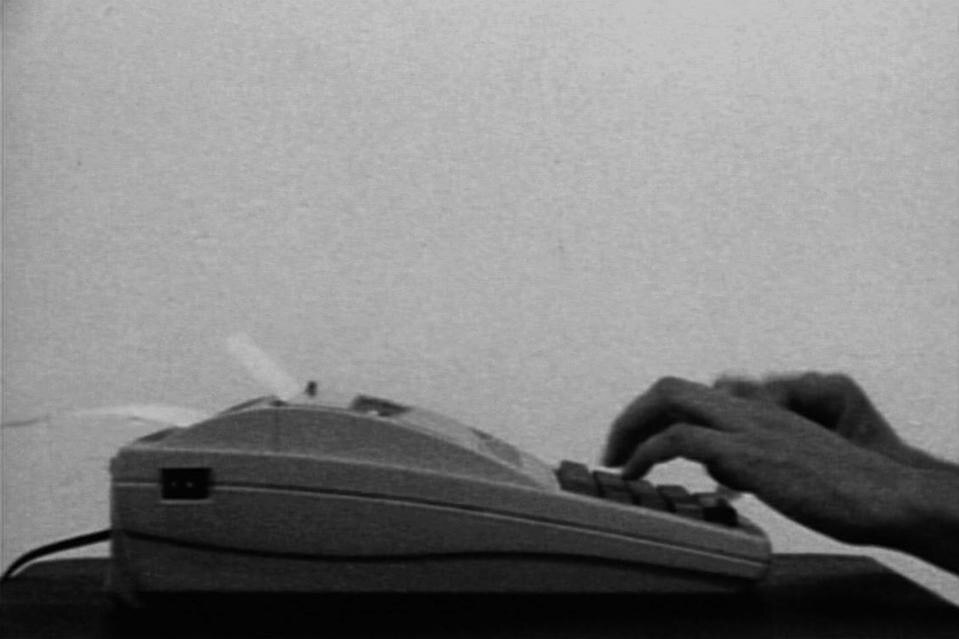
Along with the Time to Piece puzzles, the film Dear Beholder and the latest work in the Pocket Scratching series, –May 2010, an image produced by chance – the film Uspoken Dailies is a core part of the exhibition, even though it is not physically present in the space. The dialogue on the selection of the works for the project was triggered by this very film, which will be shown in the Spazio Oberdan on 26 June.
Filmed in real time and based on a text that exists only for the period of time during which it is read by the actor, it is a film on silence, on the unsaid and on real cinematic time. All the works in the exhibition reconstruct the atmosphere of the film and each one provides a similar reflection on time as duration and long exposure, but all in different ways.
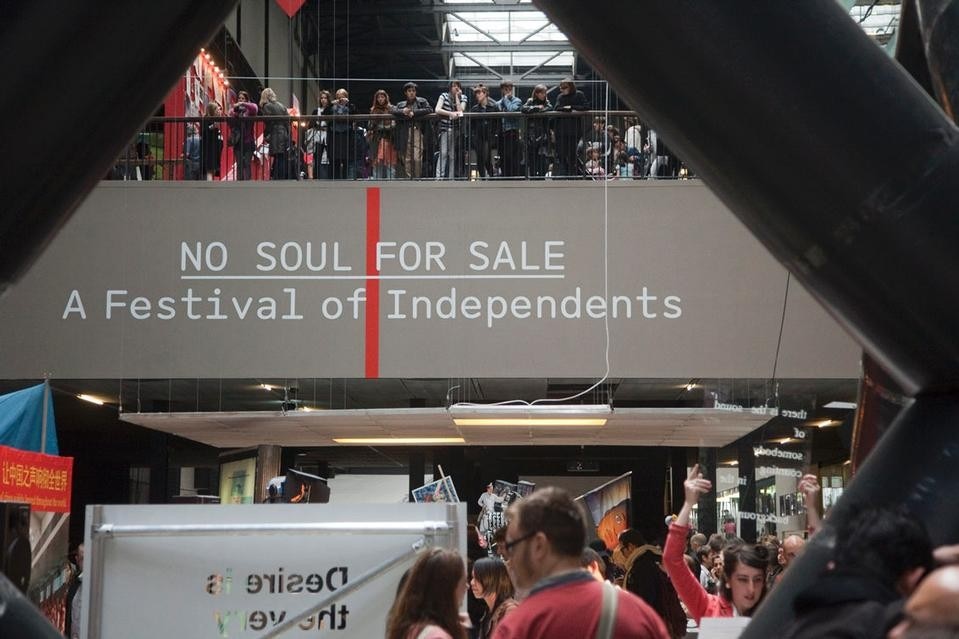
When you were among the few Italians invited by Cecilia Alemani, Massimilano Gioni and Maurizio Cattelan to take part in No Soul For Sale/Festival of Independents for Tate Modern's tenth anniversary, you chose to present a work by Mariana Castillo Debal. Firstly, I would like to know the reasons behind this choice? I think choices are always prompted by a combination of circumstances and hindrances. In London, we took the opportunity to present an artist that to some degree spoke of our work, albeit indirectly; an artist that somehow reflected our standpoint. Mariana's work seemed to mirror our spatial choices both in terms of artistic practice and in the use of space.
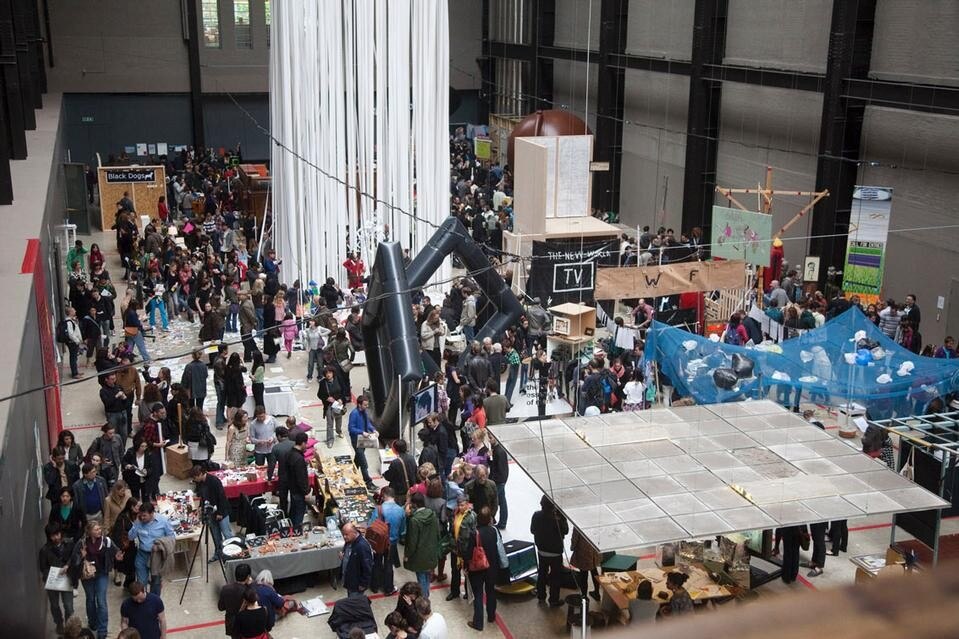
Mariana's work is hugely multifaceted and largely centred on writing. We are interested in this particular attitude to working with words, partly because the first Peep-Hole project was an editorial one that sought to involve artists in writing and it is ongoing. This prompted a desire to work with an artist who practises writing as an art form. At the same time, we chose an artist that could develop a project for the 25m2 space allocated in the Turbine Hall and that could have a performative approach, functional to the performance programme of No Soul For Sale.
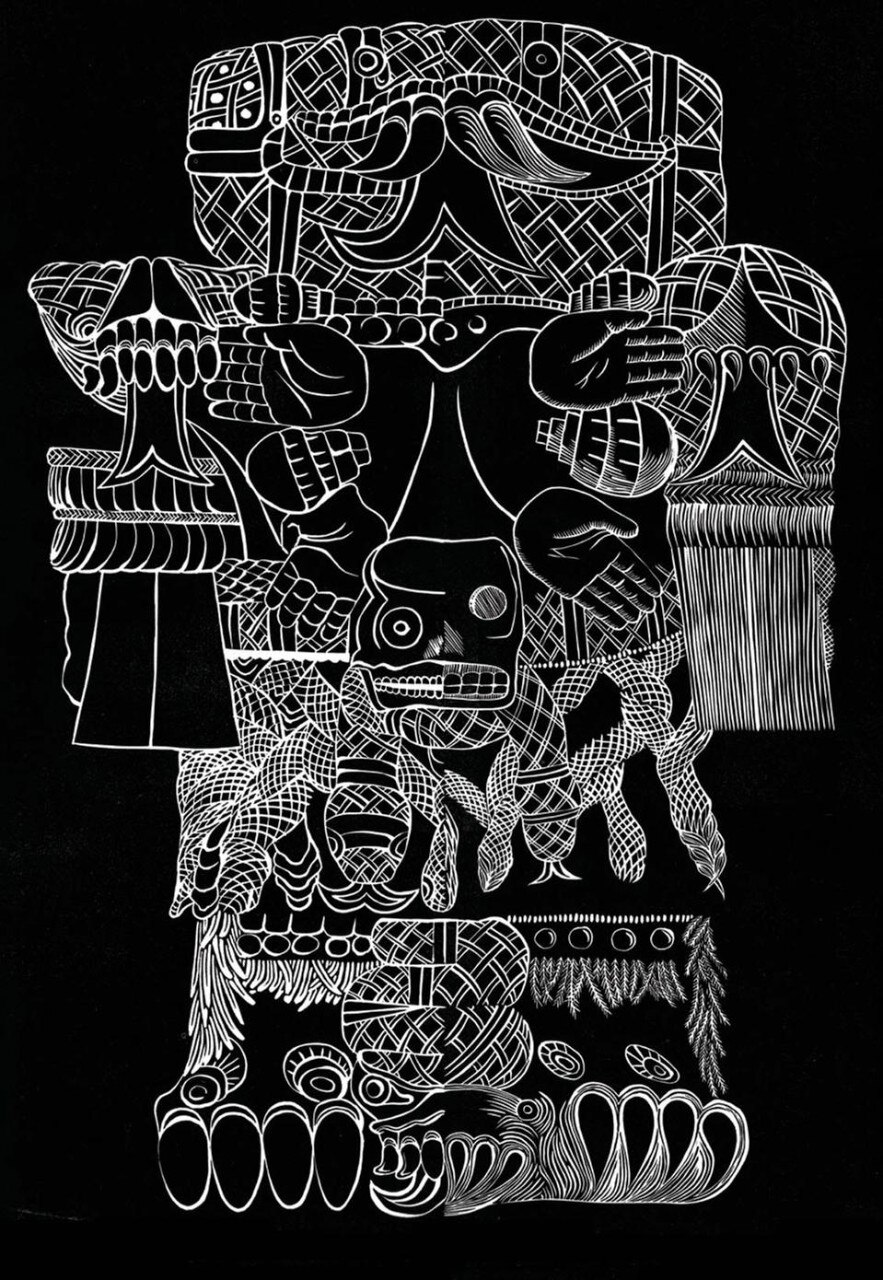
Apart from everything else, the project also originated by chance. When we met, Mariana was working on a project that, surprise surprise, had links with London. The project conceived for Peep-Hole forms part of broader research that the artist was developing on an ancient Mexican statue of the pagan divinity Coatlicue - a goddess clothed in serpents.
The statue was discovered in the main square of Mexico City immediately after Mexican independence and was one of the few pagan "symbols" that the new regime decided not to destroy but to preserve. Then, when the indigenous population started to worship the statue in pagan rituals, the authorities decided to rebury it and put an end to the rise of religious practices that clashed with the state religion. Curiously, before being removed from circulation it was shown to foreign experts such as Alexander von Humboldt and the English traveller and collector William Bullock, who made a cast of it which was taken to London and displayed for the first time in a museum context. The original remained buried for 70 years before it was unearthed again and became the major attraction of the Museum of Anthropology in the capital. In the meanwhile, all trace was lost of the copy taken to London.
Mariana Castillo Debal's work was based on the search for this copy, lost somewhere in the British Museum.
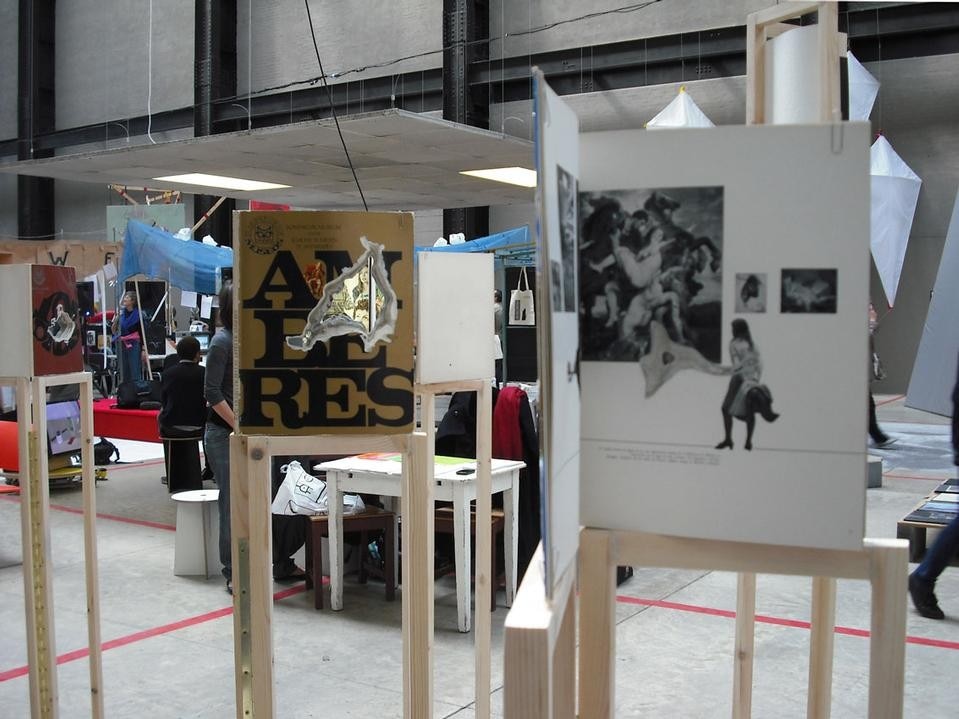
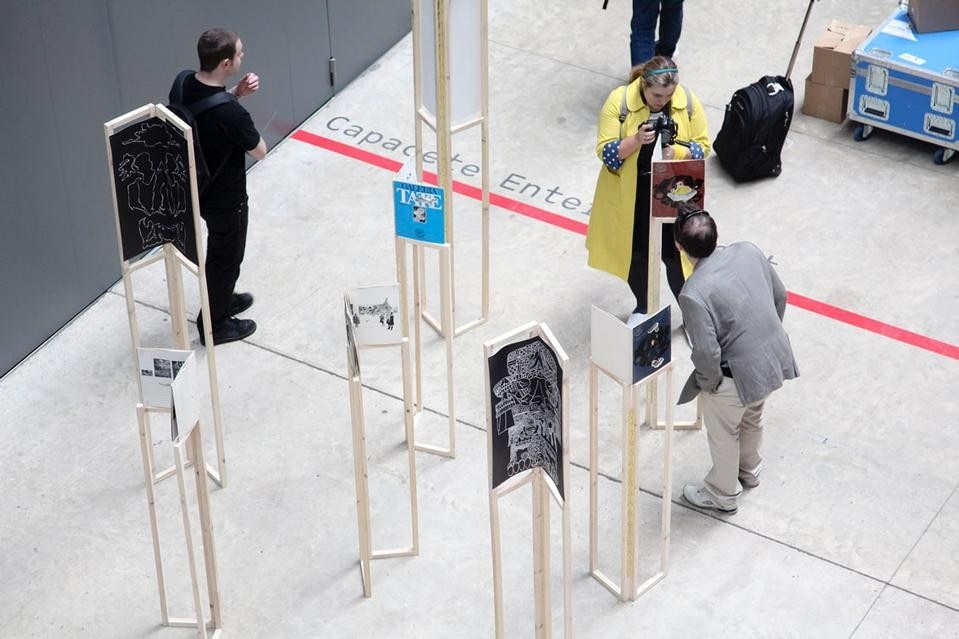
You have mentioned the fact that the choice of artist was linked to the "use" of the space. How was this installation inserted in the space of the Turbine Hall? Mariana decided to create a site-specific installation, constructing elementary folding structures inspired by Lina Bo Bardi's work in the Sao Paolo museum.
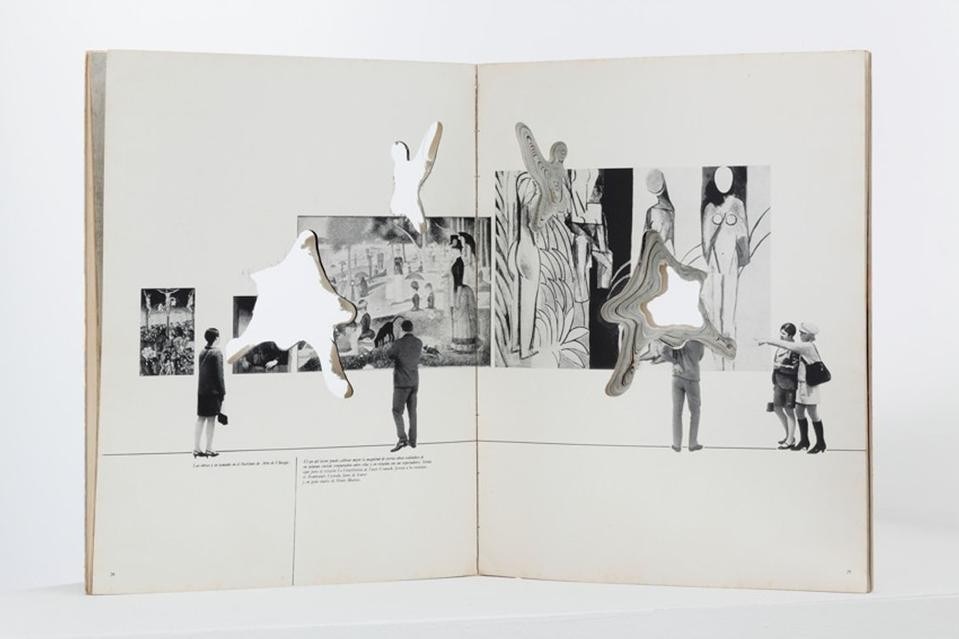
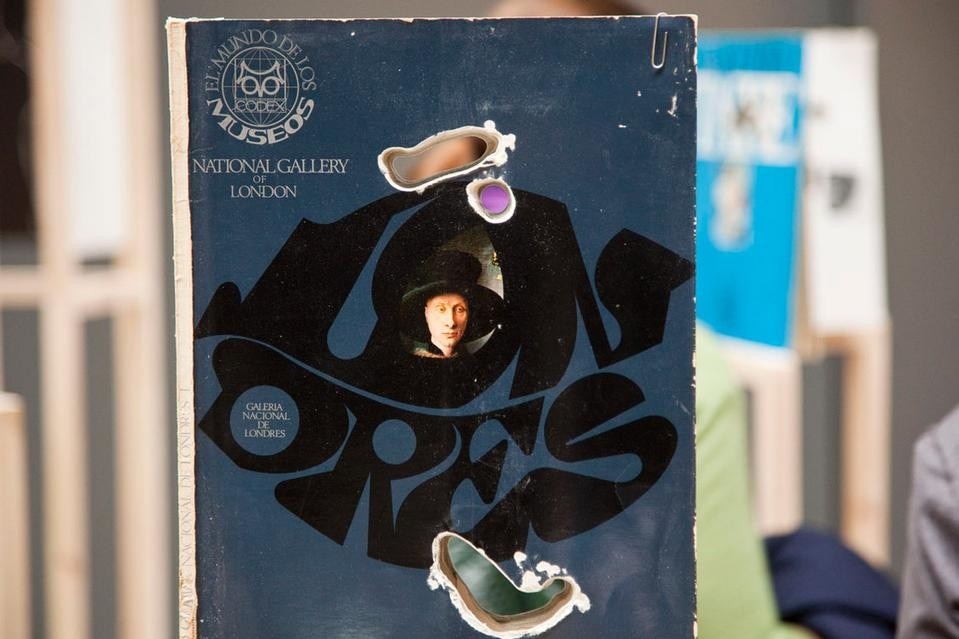
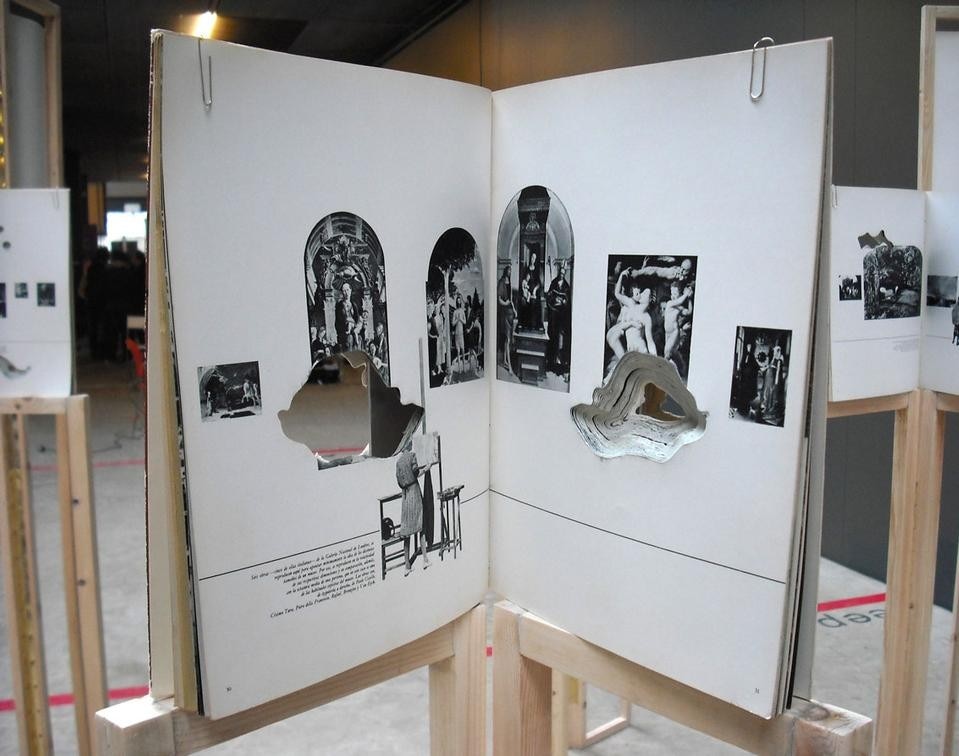
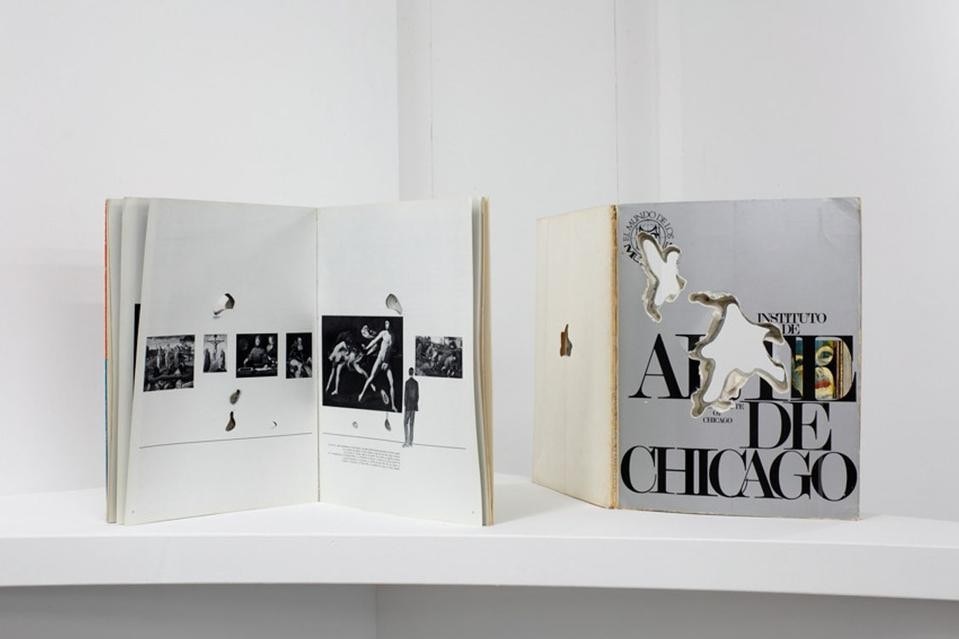
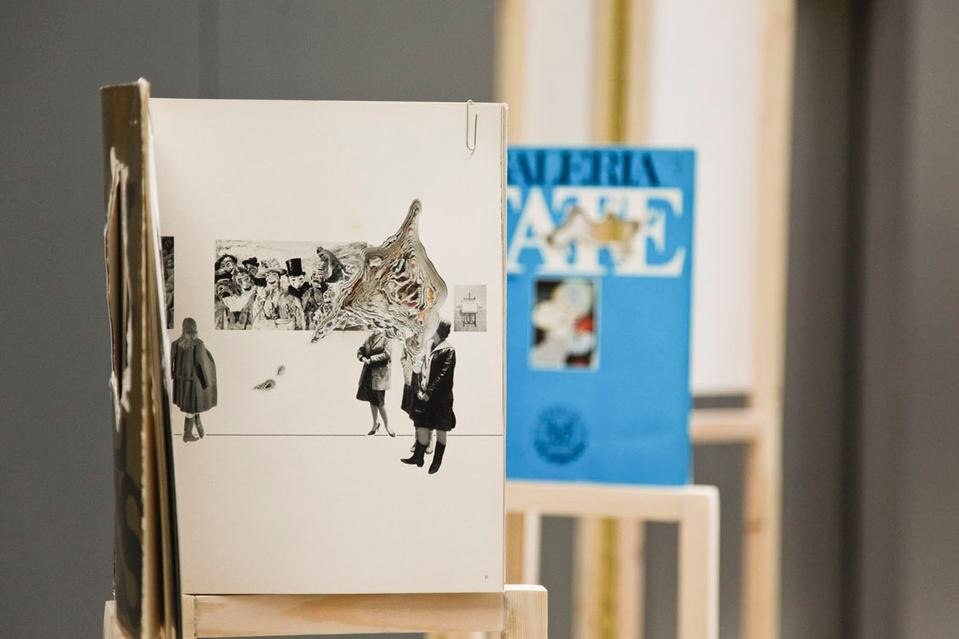
Pictures of the statue of Coatlicue were exhibited with books in the Do ut Des series. These books illustrate spectators in the act of looking at artworks, thus creating a strong relationship with what actually happened in the Turbine Hall space, where spectators were almost overwhelmed by its size.
You chose to present your space in Milan via a project for an artist's exhibition, almost a solo, and what is more an artist that had never exhibited in the Peep-Hole spaces. It is as if you decided to simply shift your normal programme to London, albeit to a highly prestigious venue. You could say that you gave the stage to the artist. Is that so? When we met and started to discuss how to present Mariana's works, we knew they would be set in a huge space with no partitions or walls and where everything would be crushed by the scale of the Turbine Hall.
Choosing Mariana also had to do with her ability to interact with the context. Deciding to work on the museum display seemed to convey our work approach: we are a small institution seeking an exchange with major art institutions. We are particularly interested in the work-spectator relationship. We must also stress that we focus on promoting its centrality to the work rather than the curator format. The idea of the peephole after which the space is named indicates a background position, a detached look that is keeping an eye on the artist's work from the outside, protecting it, giving it space, putting it into the right perspective…
The Festival of Independents raises the issue of art spaces. It focuses on independent spaces, namely ones that remain outside the market dynamics but are also alternative, alternatives to institutions. Milan is an important contemporary art "market" but does not yet have a museum of contemporary art so the idea of an alternative or independent space takes on a special meaning because it is an alternative to something that is lacking.
I would like to know how Peep-Hole stands as an independent space or what concept of independent space inspires the work done for Peep-Hole?
Peep-Hole wanted to fill a void in the city of Milan. As you say, it lacks a museum or public institution devoted to contemporary art. That is why we decided to set up a small institution - a microcell of a museum. A museum project room without a museum around it.
Peep-Hole is independent although this word is to be debated because it presumes an independence from something. Since this thing does not exist being independent is just a label. Certainly, Peep-Hole wants to distinguishes itself as a space that has its own critical autonomy and that stands as an alternative space but, again, the word must be used with caution because alternative also has to be an 'otherness' from something. This is why Peep-Hole may be inspired by the tradition of independent spaces (the German kunstverein, and the British and American project spaces) but it has a very different starting point. Those spaces were/are alternative to and independent from something that exists, we are, simply and paradoxically, alternative to and independent from something that is lacking.
_big.jpg.foto.rmedium.jpg "Mario Garcia Torres, I Will Be With You Shortly. Milano, 2 June – 24 July 2010")